Category: Regulators

  • 81 teleports permitted to uplink, downlink TV channels

    81 teleports permitted to uplink, downlink TV channels

    MUMBAI: A total of 892 private satellite TV channels can downlink and/or uplink from 81 teleports in the country, apart from those of Doordarshan which are uplinked directly from Prasar Bharati transmitters.

    The permission to the private channels has been according under the Uplink and Downlink of TV channels policy as last amended on 5 December 2011.

    The Parliament was told recently that while no information regarding Free to Air teleports is available, the Telecom Regulatory Authority of India has said there are 281 pay channels as on 30 September 2016. A list of such pay channels is available on TRAI’s website under the link:www.trai.gov.in/WriteReadData/List-of-pay-chanel-03.03.2015.pdf.

    It was also revealed that payment of annual permission fee 60 days before the due date will by itself be sufficient permission for continuation of a channel for a further period of one year from the due date and broadcasters which hold valid permission for uplinking and/or downlinking they would not require to obtain renewal permission from the ministry. All the TV channels and teleports are likely to benefit from this decision provided the validity of 10-year permission is available.

    The list of permitted private satellite TV channels is available in this ministry’s website i.e.www.mib.nic.in. and the list of permitted teleports as on date is enclosed.

    The channels which are not mentioned in the list may be considered as Free to Air (FTA) channels.

    Questions were raised in the Lok Sabha about details of the channels and teleports functioning in the country; details of the free to air channels and teleports at present; whether the government has completely abolished the process of obtaining an Annual Renewal for TV channels in the current forms; and it were so, the details thereof, along with the aims and objective thereto; and the number of channels and teleports likely to be benefit from the said decision.


    public://AU3598_Page_04.jpg

    public://AU3598_Page_05.jpg

    public://AU3598_Page_06_0.jpg

    public://AU3598_Page_07.jpg

    public://AU3598_Page_08.jpg

    public://AU3598_Page_09.jpg

  • HC terms Care World TV ‘ban’ as illegal

    HC terms Care World TV ‘ban’ as illegal

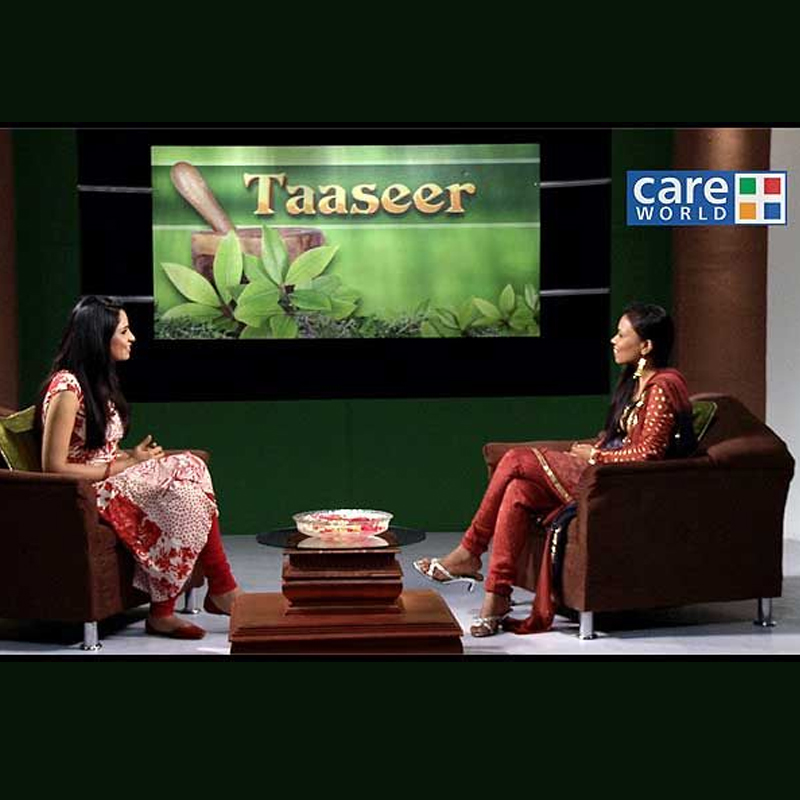
    MUMBAI: The vigilant and democratic courts in India seem to be favouring justice more than regulation. The government apparently has been passing regulatory orders without studying the respective issues well and not doing sufficient homework before pleading their case/s. The Bombay High Court has termed as illegal the order of ministry of information and broadcasting imposing a week-long ban on Care World TV channel.

    Terming the order of the union government to prohibit transmission or retransmission of Care World TV channel for a week “completely illegal”, and a breach of elementary principles of natural justice, the court granted interim relief to Care World TV, stating that, till the disposal of the matter, no steps will be taken to implement the ban order. Justice A S Oka observed that, the larger issue of the power of the government of India of prohibiting the telecast of the TV channel, was, prima facie, illegal.

    The court held that the wider issue of power of the government to pass such a stern order would have to be looked into.

    The directions came recently while a bench of Justices Anuja Prabhudessai and A S Oka was hearing a plea filed by Seven Star Satellite Private that runs the channel. The channel had challenged the 2-November order of the ministry that ordered it to go completely off-air between 9 & 16 November.

    The order had stated that its inter-ministerial committee found that the channel had violated the programme code prescribed by the Cable Television Networks (Regulation) Act by showing “adult content”. The hearing after the issuance of show-cause notice was given by the IMC but the order was signed by the ministry director.

    The lawyer representing the channel said the order recorded that the competent authority had decided to impose the penalty. The show-cause notice dated 26 June, 2015, however, was issued by the director while only the ministry had the powers to issue the order. He added that the show was pulled off-air on 4 November when the ban order was received.

    Also Read:

    http://www.indiantelevision.com/regulators/high-court/stay-on-care-world-tv-ban-extended-till-28-november-161123

    http://www.indiantelevision.com/regulators/high-court/hc-seeks-detailed-govt-order-on-care-world-indias-week-long-ban-161128

  • HC terms Care World TV ‘ban’ as illegal

    HC terms Care World TV ‘ban’ as illegal

    MUMBAI: The vigilant and democratic courts in India seem to be favouring justice more than regulation. The government apparently has been passing regulatory orders without studying the respective issues well and not doing sufficient homework before pleading their case/s. The Bombay High Court has termed as illegal the order of ministry of information and broadcasting imposing a week-long ban on Care World TV channel.

    Terming the order of the union government to prohibit transmission or retransmission of Care World TV channel for a week “completely illegal”, and a breach of elementary principles of natural justice, the court granted interim relief to Care World TV, stating that, till the disposal of the matter, no steps will be taken to implement the ban order. Justice A S Oka observed that, the larger issue of the power of the government of India of prohibiting the telecast of the TV channel, was, prima facie, illegal.

    The court held that the wider issue of power of the government to pass such a stern order would have to be looked into.

    The directions came recently while a bench of Justices Anuja Prabhudessai and A S Oka was hearing a plea filed by Seven Star Satellite Private that runs the channel. The channel had challenged the 2-November order of the ministry that ordered it to go completely off-air between 9 & 16 November.

    The order had stated that its inter-ministerial committee found that the channel had violated the programme code prescribed by the Cable Television Networks (Regulation) Act by showing “adult content”. The hearing after the issuance of show-cause notice was given by the IMC but the order was signed by the ministry director.

    The lawyer representing the channel said the order recorded that the competent authority had decided to impose the penalty. The show-cause notice dated 26 June, 2015, however, was issued by the director while only the ministry had the powers to issue the order. He added that the show was pulled off-air on 4 November when the ban order was received.

    Also Read:

    http://www.indiantelevision.com/regulators/high-court/stay-on-care-world-tv-ban-extended-till-28-november-161123

    http://www.indiantelevision.com/regulators/high-court/hc-seeks-detailed-govt-order-on-care-world-indias-week-long-ban-161128

  • Most film-friendly state to get Rs 1-cr cash award

    Most film-friendly state to get Rs 1-cr cash award

    NEW DELHI: The most film-friendly state in India will henceforth receive a cash award of Rs 10 million (Rs 1 crore) in addition to Rajat Kamal and certificate.

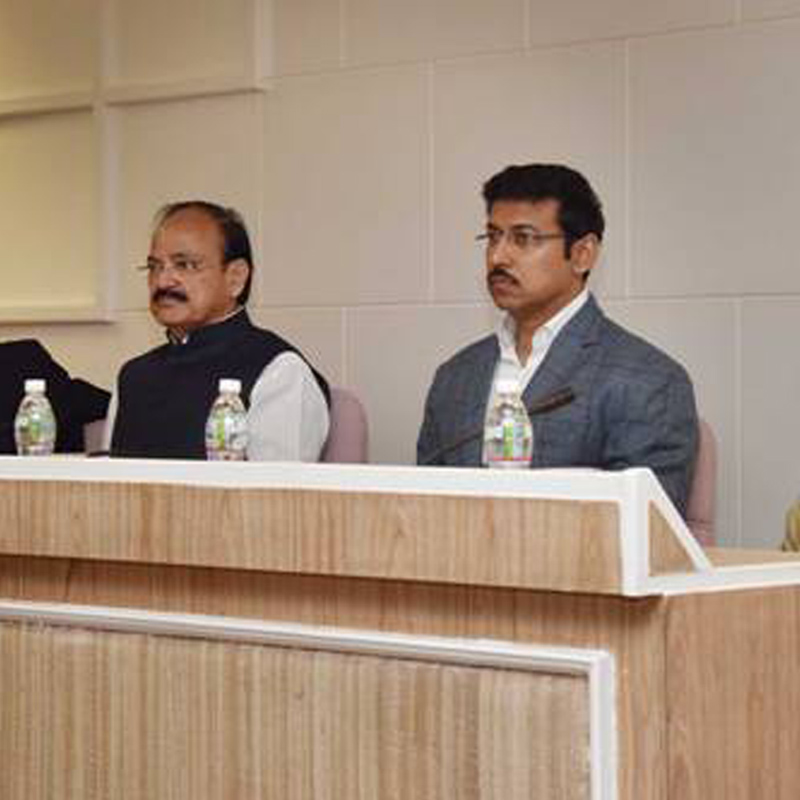
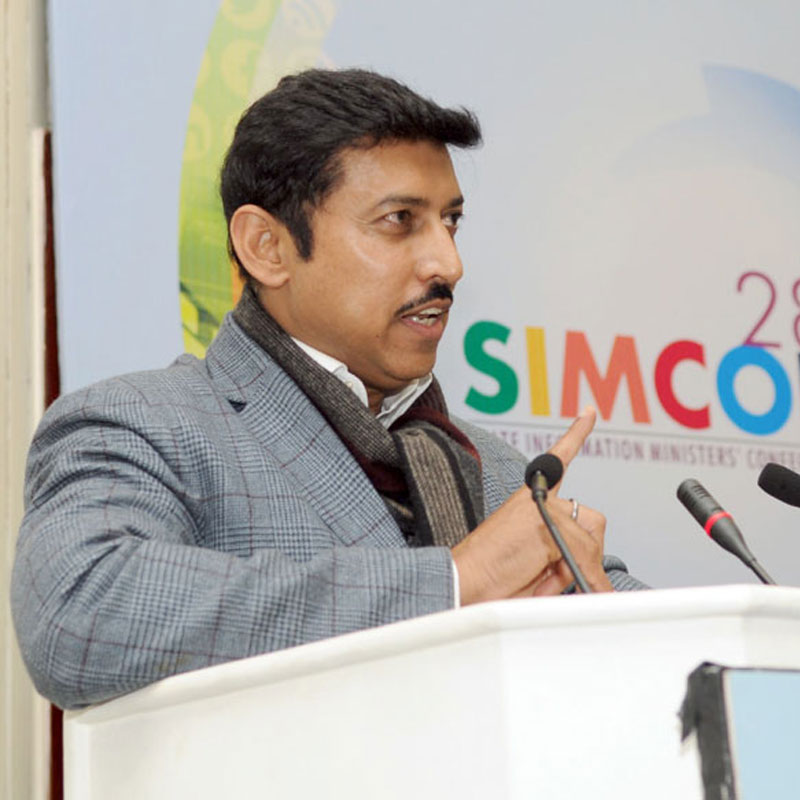
    This was announced by information and broadcasting minister M Venkaiah Naidu at the opening of the 28th State Information Ministers Conference (SIMCON) on Saturday.

    The award was instituted in the National Film Awards given away on 3 May this year, and the first award had gone to Gujarat. But, there was no cash component involved.

    The minister said this had been done to encourage the ease of film shooting. Naidu suggested that the prize money may be used by the winning state towards film facilitation. Meanwhile, the minister of state for information and broadcasting Rajyavardhan Rathore said a website was soon being set up for film facilitation and permissions.

    Rathore urged the states to set up film facilitation units to ease out film shooting permissions as well as ensure seamless movement of their equipment.

    The ministry was in the process of setting up a central portal for all such related permissions and welcomed states to also collaborate in this platform as a part of ease of doing business initiative, he added.

  • Most film-friendly state to get Rs 1-cr cash award

    Most film-friendly state to get Rs 1-cr cash award

    NEW DELHI: The most film-friendly state in India will henceforth receive a cash award of Rs 10 million (Rs 1 crore) in addition to Rajat Kamal and certificate.

    This was announced by information and broadcasting minister M Venkaiah Naidu at the opening of the 28th State Information Ministers Conference (SIMCON) on Saturday.

    The award was instituted in the National Film Awards given away on 3 May this year, and the first award had gone to Gujarat. But, there was no cash component involved.

    The minister said this had been done to encourage the ease of film shooting. Naidu suggested that the prize money may be used by the winning state towards film facilitation. Meanwhile, the minister of state for information and broadcasting Rajyavardhan Rathore said a website was soon being set up for film facilitation and permissions.

    Rathore urged the states to set up film facilitation units to ease out film shooting permissions as well as ensure seamless movement of their equipment.

    The ministry was in the process of setting up a central portal for all such related permissions and welcomed states to also collaborate in this platform as a part of ease of doing business initiative, he added.

  • TRAI chief: Pending DAS tariff, interconnect, QoS norms by year-end

    TRAI chief: Pending DAS tariff, interconnect, QoS norms by year-end

    NEW DELHI: India’s telecoms and broadcast carriage regulator Telecom Regulatory Authority of India (TRAI) has said it would issue final guidelines relating to broadcast tariff, interconnect and quality of service issues by this month-end and reiterated its overall aim is to “harmonise” norms so as to facilitate growth of the industry in an ambiguity-free regulatory environment.

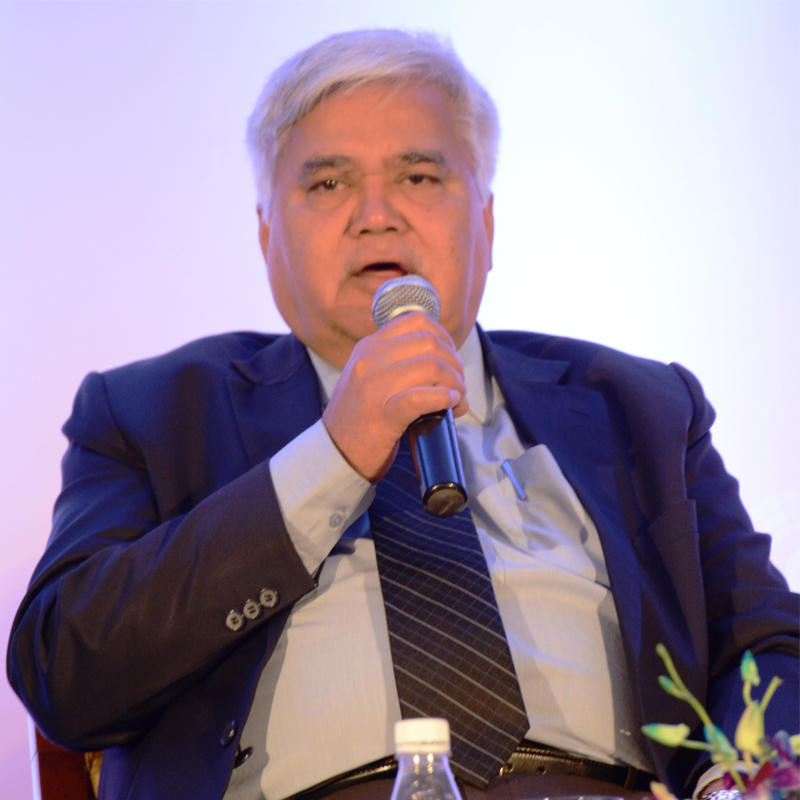
    “We are bringing out a comprehensive and common framework for all platforms relating to quality of service (QoS), tariff and interconnect. We have been working on it for many months now,” TRAI chairman RS Sharma told indiantelevision.com in an exclusive interview, adding that criticism of draft guidelines were part of a democratic consultation process.

    According to Sharma, the final recommendations of the regulator, which are being framed after a lengthy process of consultation with all stakeholders spread over several months, will be “issued by the end of this month (2016 end).”

    Sharma, who spoke on a whole range of issues on telecoms and broadcast sectors that it oversees, said the overall effort of TRAI was to create a framework for industry players that will boost digitization making the dream of Digital India come true. “We are working towards an environment that will reduce ambiguity in regulations and help all stakeholders, including the consumer,” he added.  

    Last week, the Delhi High Court removed almost all legal hurdles to complete digital rollout of TV services in the country by vacating all interim court orders that had been passed by other courts in the country extending the deadline for implementation of Phase III of digital addressable system (DAS).

    Though Sharma pointed out that the legal cases (taken care by Delhi HC on direction from Supreme Court) had no direct bearing on TRAI’s efforts to bring about a comprehensive regulatory framework for digital TV services in India, Sharma said, “It is the Ministry of Information and Broadcasting (MIB) that will have to enforce the (digitization) schedule, but we are ready to provide any assistance to MIB if needed.”

    On the entry of new technologies in India, which give window to innovations, the TRAI chief opined new technologies should be actively promoted without an attempt to throttle them through regulations.

    “We should not try to throttle them (new technologies) just because there are legacy business models. Business models must adapt to technology rather that technology being stifled in order to protect business models,” Sharma said.

    Quizzed, on the issue of Net Neutrality and new techs like OTT, Sharma explained, “We have already dealt with the issue of Net Neutrality from the tariff perspective (TRAI banned zero-tariff plans by telcos earlier this year). But as the government has asked us to provide it with comprehensive recommendations on the issue, we are in the final stages… (but) it may take a couple of months more.”

    While agreeing with the broad idea that time has arrived for India to have a comprehensive convergence law and regulator, Sharma made it clear that TRAI was not a competent authority to take a call on such policy matters and it was the government’s prerogative. “What should be the methods of regulatory structure (for a convergence law)? How will it be governed? Who will do it? I am not the competent person (on such issues) as it’s for the government to decide. But I certainly agree that because of technological developments, lot of convergence is happening in various sectors.”

    Asked to comment on a common criticism that India is an over-regulated market, Sharma disagreed and said, “We don’t believe in unnecessary regulations. However, at the same time, some regulation is necessary for an orderly growth of the industry; especially so consumers don’t suffer because of ambiguities in rules.”   

    Keep tuned in to read the full interview of TRAI chief, which is coming soon.

    ALSO READ:

    Delhi HC removes legal hurdles to implement DAS IV by 1 Jan 2017
     

  • TRAI chief: Pending DAS tariff, interconnect, QoS norms by year-end

    TRAI chief: Pending DAS tariff, interconnect, QoS norms by year-end

    NEW DELHI: India’s telecoms and broadcast carriage regulator Telecom Regulatory Authority of India (TRAI) has said it would issue final guidelines relating to broadcast tariff, interconnect and quality of service issues by this month-end and reiterated its overall aim is to “harmonise” norms so as to facilitate growth of the industry in an ambiguity-free regulatory environment.

    “We are bringing out a comprehensive and common framework for all platforms relating to quality of service (QoS), tariff and interconnect. We have been working on it for many months now,” TRAI chairman RS Sharma told indiantelevision.com in an exclusive interview, adding that criticism of draft guidelines were part of a democratic consultation process.

    According to Sharma, the final recommendations of the regulator, which are being framed after a lengthy process of consultation with all stakeholders spread over several months, will be “issued by the end of this month (2016 end).”

    Sharma, who spoke on a whole range of issues on telecoms and broadcast sectors that it oversees, said the overall effort of TRAI was to create a framework for industry players that will boost digitization making the dream of Digital India come true. “We are working towards an environment that will reduce ambiguity in regulations and help all stakeholders, including the consumer,” he added.  

    Last week, the Delhi High Court removed almost all legal hurdles to complete digital rollout of TV services in the country by vacating all interim court orders that had been passed by other courts in the country extending the deadline for implementation of Phase III of digital addressable system (DAS).

    Though Sharma pointed out that the legal cases (taken care by Delhi HC on direction from Supreme Court) had no direct bearing on TRAI’s efforts to bring about a comprehensive regulatory framework for digital TV services in India, Sharma said, “It is the Ministry of Information and Broadcasting (MIB) that will have to enforce the (digitization) schedule, but we are ready to provide any assistance to MIB if needed.”

    On the entry of new technologies in India, which give window to innovations, the TRAI chief opined new technologies should be actively promoted without an attempt to throttle them through regulations.

    “We should not try to throttle them (new technologies) just because there are legacy business models. Business models must adapt to technology rather that technology being stifled in order to protect business models,” Sharma said.

    Quizzed, on the issue of Net Neutrality and new techs like OTT, Sharma explained, “We have already dealt with the issue of Net Neutrality from the tariff perspective (TRAI banned zero-tariff plans by telcos earlier this year). But as the government has asked us to provide it with comprehensive recommendations on the issue, we are in the final stages… (but) it may take a couple of months more.”

    While agreeing with the broad idea that time has arrived for India to have a comprehensive convergence law and regulator, Sharma made it clear that TRAI was not a competent authority to take a call on such policy matters and it was the government’s prerogative. “What should be the methods of regulatory structure (for a convergence law)? How will it be governed? Who will do it? I am not the competent person (on such issues) as it’s for the government to decide. But I certainly agree that because of technological developments, lot of convergence is happening in various sectors.”

    Asked to comment on a common criticism that India is an over-regulated market, Sharma disagreed and said, “We don’t believe in unnecessary regulations. However, at the same time, some regulation is necessary for an orderly growth of the industry; especially so consumers don’t suffer because of ambiguities in rules.”   

    Keep tuned in to read the full interview of TRAI chief, which is coming soon.

    ALSO READ:

    Delhi HC removes legal hurdles to implement DAS IV by 1 Jan 2017


  • North-East plan: DD channel Arun Prabha launch in early Jan; 90% subsidy for community radio

    North-East plan: DD channel Arun Prabha launch in early Jan; 90% subsidy for community radio

    NEW DELHI: Information and Broadcasting Minister M Venkaiah Naidu announced that a new dedicated Doordarshan channel Arun Prabha would be launched in the first half of January 2017.

    The channel would showcase richness, variety and diversity of local culture and would seamlessly integrate North East with the entire country.

    In a scenario where the number of operational community radio stations remains 191 after more than a decade of launch of the scheme, the government today said those setting up community radios can now get a subsidy of 75% in all states except the north eastern states where it will be 90%.

    Naidu made this announcement towards the conclusion of the first session of the 28th State Information Ministers Conference (SIMCON) here. He said the community radio station is an extraordinary medium which disseminates information in localised content.

    A total of 235 entities have signed the grant of permission agreement for community radio and indiantelevision’s sister concern radioandmusic.com reported in March this year that a total of 272 applications were still under the consideration of the government from educational institutions, non-governmental organisations, Krishi Vigyan Kendras and state agricuture universities. Some of these date back to 2011.

    Though the scheme was announced more than a decade earlier, the reach of CRs was extended in 2006 to include NGO and community-based organisations with at least three years legal existence.

    A total of 115 community radio stations recently received interim renewal of their Grant of Permission Agreement (GOPA) till 31 December 2016. An announcement by the ministry had said that the renewal till 31 December 2016 is till the renewal of GOPA on regular basis, whichever is earlier.

  • North-East plan: DD channel Arun Prabha launch in early Jan; 90% subsidy for community radio

    North-East plan: DD channel Arun Prabha launch in early Jan; 90% subsidy for community radio

    NEW DELHI: Information and Broadcasting Minister M Venkaiah Naidu announced that a new dedicated Doordarshan channel Arun Prabha would be launched in the first half of January 2017.

    The channel would showcase richness, variety and diversity of local culture and would seamlessly integrate North East with the entire country.

    In a scenario where the number of operational community radio stations remains 191 after more than a decade of launch of the scheme, the government today said those setting up community radios can now get a subsidy of 75% in all states except the north eastern states where it will be 90%.

    Naidu made this announcement towards the conclusion of the first session of the 28th State Information Ministers Conference (SIMCON) here. He said the community radio station is an extraordinary medium which disseminates information in localised content.

    A total of 235 entities have signed the grant of permission agreement for community radio and indiantelevision’s sister concern radioandmusic.com reported in March this year that a total of 272 applications were still under the consideration of the government from educational institutions, non-governmental organisations, Krishi Vigyan Kendras and state agricuture universities. Some of these date back to 2011.

    Though the scheme was announced more than a decade earlier, the reach of CRs was extended in 2006 to include NGO and community-based organisations with at least three years legal existence.

    A total of 115 community radio stations recently received interim renewal of their Grant of Permission Agreement (GOPA) till 31 December 2016. An announcement by the ministry had said that the renewal till 31 December 2016 is till the renewal of GOPA on regular basis, whichever is earlier.

  • DD, AIR asked to focus on content than reach

    DD, AIR asked to focus on content than reach

    NEW DELHI: The minister of state for information & broadcasting Rajyavardhan Rathore said that Doordarshan and AIR need to establish connect with the people not only geographically but also focus on the content and programmes.

    Speaking at the 28th State Information Ministers Conference here today, he also touched upon the activities carried out by media units and training institutes under the ministry.

    Rathore said gathering and dissemination of information was a continuous process and centre and states need to come together to create an ecosystem that enabled informed citizenry.

    Rathore said collaboration between states and Centre was the bedrock for good governance, and there was a need for moving forward together as Team India in scripting the development of the nation. Information dissemination and the analysis of the feedback was a critical component in the whole gamut of communication landscape.

    The minister urged the states to set up film facilitation units in states to ease out film shooting permissions as well as ensure seamless movement of their equipment. In this context, he said the ministry is in the process of setting up a central portal for all such related permissions and welcomed states to also collaborate in this platform as a part of ease of doing business initiative.