Category: Regulators

  • States may decide Pak artistes films fate

    States may decide Pak artistes films fate

    NEW DELHI: The Central Government will not intervene in cases involving protests about Pakistani actors working in Indian films if the film had been certified by the Central Board of Film Certification.

    Even as the controversy over Shah Rukh Khan having met a local part chief in connection with his upcoming film ‘Raees’ starring Pakistani actress Mahira Khan rages, the information and broadcasting ministry (MIB) sources told indiantelevision.com that this was more of a law and order problem which fell into the realm of the state governments.

    In October this year, the Film & Television Producers Guild of India Ltd had expressed “genuine concern for all those film producers who invested heavily in films featuring artistes from across the border.”

    Even as it expressed unflinching support to the Central Government and its solidarity with the Indian armed forces on their supreme sacrifice at Uri (Jammu and Kashmir) and courage and valor displayed during the recent counter-terrorism operations, it noted there had been some discourse in the media recently with regard to certain threats to disrupt the release of these movies.

    The Guild, which represents most of the active Hindi film producers, there are many film producers who had either already shot their films or were in the process of completing their unfinished films prior to the escalation of hostilities with Pakistan. These included Karan Johar (‘Ae Dil Hai Mushkil’ with Fawad Khan and ‘Dear Zindagi’ with Ali Zafar) which had also been certified by the CBFC and released.

    Pakistani actor Fawad Khan was also seen in ‘Kapoor and Sons’, and earlier in ‘Khoobsoorat’ opposite Sonam Kapoor.

    Meanwhile, the sources said no permission had been granted to any Pakistani TV or radio channel to broadcast in India.

    Also read

    Bollywood supports Govt’s Pak policy; pleads for ongoing projects

    Film Industry supports Govt on Pak but says do not stop ongoing projects

     

  • 53 TV channels, six teleports’ licences up for renewal in ’17

    53 TV channels, six teleports’ licences up for renewal in ’17

    NEW DELHI: Ministry of Information and Broadcasting (MIB) has conveyed to all TV channels and teleports that licenses for uplink and/or downlink expiring in 2017 should be renewed six months prior to the expiry date.

    The MIB communication to TV channel and teleports, dated December 16, 2016 and posted on the ministry website on December 20, 2016 stated, “Permission-holding companies, whose initial period of permission for uplinking and/or downlinking of TV channels and setting up of teleports is going to expire during 2017 and which are willing to get the permission renewed beyond its initial period are required to apply for the same six months prior to the date of expiry of the permission period.”

    The government also clarified that TV channels who have not applied six months prior to the date of expiry of the permission period, the December MIB note may be “treated as 21 days notice” and the government would take it that the permission-holder was not interested in further extension after which the government was free to take “further necessary action”.

    MIB has put out a list of 53 TV channels and six teleports whose licenses expire at various times during 2017.

    The companies are required to apply for renewal of license along with relevant documents, including details of the company, shareholding patterns and foreign investments, for various government organizations like MIB and Ministry of Home Affairs to scrutinize the documents for renewal of licenses. Renewal will also depend on companies concerned agreeing to and updated guidelines relating to uplink and downlink.

  • 53 TV channels, six teleports’ licences up for renewal in ’17

    53 TV channels, six teleports’ licences up for renewal in ’17

    NEW DELHI: Ministry of Information and Broadcasting (MIB) has conveyed to all TV channels and teleports that licenses for uplink and/or downlink expiring in 2017 should be renewed six months prior to the expiry date.

    The MIB communication to TV channel and teleports, dated December 16, 2016 and posted on the ministry website on December 20, 2016 stated, “Permission-holding companies, whose initial period of permission for uplinking and/or downlinking of TV channels and setting up of teleports is going to expire during 2017 and which are willing to get the permission renewed beyond its initial period are required to apply for the same six months prior to the date of expiry of the permission period.”

    The government also clarified that TV channels who have not applied six months prior to the date of expiry of the permission period, the December MIB note may be “treated as 21 days notice” and the government would take it that the permission-holder was not interested in further extension after which the government was free to take “further necessary action”.

    MIB has put out a list of 53 TV channels and six teleports whose licenses expire at various times during 2017.

    The companies are required to apply for renewal of license along with relevant documents, including details of the company, shareholding patterns and foreign investments, for various government organizations like MIB and Ministry of Home Affairs to scrutinize the documents for renewal of licenses. Renewal will also depend on companies concerned agreeing to and updated guidelines relating to uplink and downlink.

  • TRAI: Give 100 MB a month free data to rural area subs

    TRAI: Give 100 MB a month free data to rural area subs

    NEW DELHI: India’s telecoms and broadcast carriage regulator Telecom Regulatory Authority of India (TRAI) has recommended to the government to provide limited free data to rural subscribers as part of efforts to boost e-payments and digital economy.

    “In order to bridge the affordability gap for the persons residing in rural areas and to support government’s efforts towards cashless economy by incentivising digital means, the Authority recommends that a scheme under which a reasonable amount of data, say 100 MB per month, may be made available to rural subscribers for free,” TRAI said in a set of recommendations on Monday on `Encouraging Data Usage in Rural Areas Through Provisioning of Free Data’.

    TRAI further stated that greater broadband access, particularly for large parts of the rural population can be the force to drive integration of the “unconnected and the underserved in economy”, thereby helping to enhance the overall value of the network.

    “Greater broadband access has the power to augment productivity of the agricultural sector as well as small enterprises, facilitate easier and more efficient participation of the rural population in governance, generate new employment opportunities and enable a host of services like e-commerce, e-learning, e-banking etc. As an increasing number of government services are also being electronically delivered, expanding rural Internet access has become a matter of urgency and is essential in fulfilling the vision of Digital India,” TRAI said.

    The regulator further suggested that the cost of implementation of the scheme may be met from the fund that telecom operators contribute to spread telecom connectivity in rural areas or known as USOF.

    TRAI also suggested that to increase participation of other entities for incentivizing free data, there is a need to introduce third party (aggregator) to facilitate schemes that are TSPs or telecom service provider agnostic and non-discriminatory in their implementation and that this scheme for free data must not involve any arrangement between the TSP and the aggregator/content provider and should not be designed to circumvent TRAI directives banning discriminatory tariffs for data.

    As part of the process, TRAI has suggested that the aggregators will need to register with Department of Telecoms (DoT); the registrant must be a company registered under Indian Companies Act, 1956; the validity of registration shall be for five years; the registrant shall not either directly or indirectly assign or transfer the registration in any manner whatsoever to a third party either in whole or in part.

  • TRAI: Give 100 MB a month free data to rural area subs

    TRAI: Give 100 MB a month free data to rural area subs

    NEW DELHI: India’s telecoms and broadcast carriage regulator Telecom Regulatory Authority of India (TRAI) has recommended to the government to provide limited free data to rural subscribers as part of efforts to boost e-payments and digital economy.

    “In order to bridge the affordability gap for the persons residing in rural areas and to support government’s efforts towards cashless economy by incentivising digital means, the Authority recommends that a scheme under which a reasonable amount of data, say 100 MB per month, may be made available to rural subscribers for free,” TRAI said in a set of recommendations on Monday on `Encouraging Data Usage in Rural Areas Through Provisioning of Free Data’.

    TRAI further stated that greater broadband access, particularly for large parts of the rural population can be the force to drive integration of the “unconnected and the underserved in economy”, thereby helping to enhance the overall value of the network.

    “Greater broadband access has the power to augment productivity of the agricultural sector as well as small enterprises, facilitate easier and more efficient participation of the rural population in governance, generate new employment opportunities and enable a host of services like e-commerce, e-learning, e-banking etc. As an increasing number of government services are also being electronically delivered, expanding rural Internet access has become a matter of urgency and is essential in fulfilling the vision of Digital India,” TRAI said.

    The regulator further suggested that the cost of implementation of the scheme may be met from the fund that telecom operators contribute to spread telecom connectivity in rural areas or known as USOF.

    TRAI also suggested that to increase participation of other entities for incentivizing free data, there is a need to introduce third party (aggregator) to facilitate schemes that are TSPs or telecom service provider agnostic and non-discriminatory in their implementation and that this scheme for free data must not involve any arrangement between the TSP and the aggregator/content provider and should not be designed to circumvent TRAI directives banning discriminatory tariffs for data.

    As part of the process, TRAI has suggested that the aggregators will need to register with Department of Telecoms (DoT); the registrant must be a company registered under Indian Companies Act, 1956; the validity of registration shall be for five years; the registrant shall not either directly or indirectly assign or transfer the registration in any manner whatsoever to a third party either in whole or in part.

  • DD catering to N-E states’ language & culture

    DD catering to N-E states’ language & culture

    NEW DELHI: Aware about the diversity of the states in north-east India, the government has established separate Capital Doordarshan Kendras for each of the states, the Parliament was told.

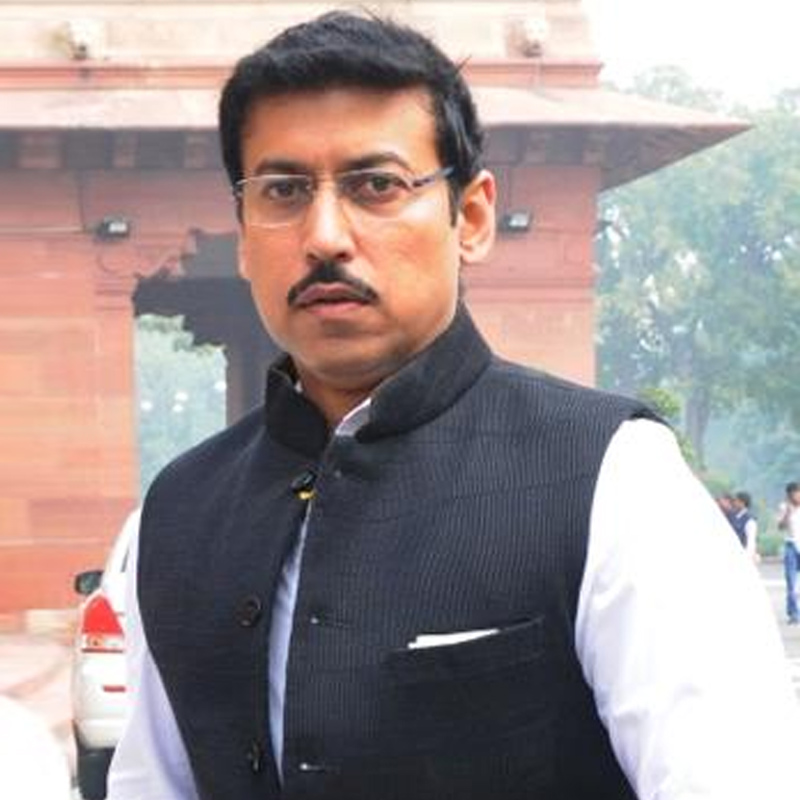
    Minister of state for information and broadcasting Rajyavardhan Rathore told the Lok Sabha in reply to a question that these kendras were telecasting their local programmes according to the needs of the States from 3 pm to 7 pm daily on terrestrial mode.

    Some states also have one to two other Programme Generation Facilities (PGF), he added.

    Rathore also said that Prasar Bharati was launching a new 24×7 Satellite TV Channel “DD Arunprabha” shortly from Itanagar in addition to the existing North East Channel at Guwahati.

  • DD catering to N-E states’ language & culture

    DD catering to N-E states’ language & culture

    NEW DELHI: Aware about the diversity of the states in north-east India, the government has established separate Capital Doordarshan Kendras for each of the states, the Parliament was told.

    Minister of state for information and broadcasting Rajyavardhan Rathore told the Lok Sabha in reply to a question that these kendras were telecasting their local programmes according to the needs of the States from 3 pm to 7 pm daily on terrestrial mode.

    Some states also have one to two other Programme Generation Facilities (PGF), he added.

    Rathore also said that Prasar Bharati was launching a new 24×7 Satellite TV Channel “DD Arunprabha” shortly from Itanagar in addition to the existing North East Channel at Guwahati.

  • Pvt FM channels yet to touch 300; AIR targets another 115 locations

    Pvt FM channels yet to touch 300; AIR targets another 115 locations

    NEW DELHI: After almost two decades of introduction of the scheme, there are only 267 private FM channels operational in the country. Even the second batch of Phase III auctions was stopped before all the channels were auctioned and there was no bid for 44 cities.

    Information and broadcasting ministry sources had earlier told Indiantelevision.com’s sister company that the aim was to continue till all the channels slated in the second batch were auctioned, but breaks will have to be taken for weekends and national holidays.

    The first phase in 1999 saw the start of 21 FM channels in 12 cities although 37 were sold in 19 cities. The auction was for 108 channels in forty cities.

    The second phase in 2005 saw the operationalisation of 219 channels in 86 cities although 245 channels were sold in 87 cities. The auction was for 337 FM channels in 91 cities.

    In view of the third phase covering 839 FM channels, it was decided to hold the auction in batches.

    The first batch between July and September last year led to the operationalisation of 27 channels in 21 cities although a total of 97 channels were sold in 56 cities (one channel is awaiting security clearance). The batch was to cover 135 channels in 69 cities.

    The second batch meant to auction 266 channels in 92 cities commenced on 26 October 2016 and was stopped on 13 December.

    In all, 14 bidding companies had been shortlisted for taking part in the second batch but only M/s South Asia FM Ltd was allotted FM channels in Surat, Amritsar, Patna, Chandigarh and Jammu.

    However, the ministry sources said that a full report would be released shortly.

    While All-India Radio has around 416 FM channels at present, it has plans for targeting another 115 locations in the near future. Besides FM Rainbow and FM Gold, Vividh Bharati has already come on FM and several other channels are planned to be put on FM even as they continue to be beamed on Medium Wave.

    In the second batch of Phase III, Hyderabad and Dehradun remained at top with Rs 23,43,48,266 and Rs 15,61,00,590 respectively on the 26th day with the completion of three rounds taking the total to 100.

    Other than Hyderabad and Dehradun, the top 16 cities remained static with bids of more than Rs 32 million. The bids at Alappuzha (Alleppey), Erode, Hubli-Dharwad, Nellore, Salem, Vellore and Vijaywada remained at just over Rs 70 million while bids for Tiruchy was just above Rs 50 million and Tirupathi, Puducherry and Muzaffarpur to a little over Rs 40 million. Amravati, Bhavnagar, Jamnagar and Ujjain bid a little over Rs 35 million and Mysuru a little over Rs 32 million.

    Also Read :

    South Asia FM bags five channels in first round of the second batch of FM Batch III

  • Pvt FM channels yet to touch 300; AIR targets another 115 locations

    Pvt FM channels yet to touch 300; AIR targets another 115 locations

    NEW DELHI: After almost two decades of introduction of the scheme, there are only 267 private FM channels operational in the country. Even the second batch of Phase III auctions was stopped before all the channels were auctioned and there was no bid for 44 cities.

    Information and broadcasting ministry sources had earlier told Indiantelevision.com’s sister company that the aim was to continue till all the channels slated in the second batch were auctioned, but breaks will have to be taken for weekends and national holidays.

    The first phase in 1999 saw the start of 21 FM channels in 12 cities although 37 were sold in 19 cities. The auction was for 108 channels in forty cities.

    The second phase in 2005 saw the operationalisation of 219 channels in 86 cities although 245 channels were sold in 87 cities. The auction was for 337 FM channels in 91 cities.

    In view of the third phase covering 839 FM channels, it was decided to hold the auction in batches.

    The first batch between July and September last year led to the operationalisation of 27 channels in 21 cities although a total of 97 channels were sold in 56 cities (one channel is awaiting security clearance). The batch was to cover 135 channels in 69 cities.

    The second batch meant to auction 266 channels in 92 cities commenced on 26 October 2016 and was stopped on 13 December.

    In all, 14 bidding companies had been shortlisted for taking part in the second batch but only M/s South Asia FM Ltd was allotted FM channels in Surat, Amritsar, Patna, Chandigarh and Jammu.

    However, the ministry sources said that a full report would be released shortly.

    While All-India Radio has around 416 FM channels at present, it has plans for targeting another 115 locations in the near future. Besides FM Rainbow and FM Gold, Vividh Bharati has already come on FM and several other channels are planned to be put on FM even as they continue to be beamed on Medium Wave.

    In the second batch of Phase III, Hyderabad and Dehradun remained at top with Rs 23,43,48,266 and Rs 15,61,00,590 respectively on the 26th day with the completion of three rounds taking the total to 100.

    Other than Hyderabad and Dehradun, the top 16 cities remained static with bids of more than Rs 32 million. The bids at Alappuzha (Alleppey), Erode, Hubli-Dharwad, Nellore, Salem, Vellore and Vijaywada remained at just over Rs 70 million while bids for Tiruchy was just above Rs 50 million and Tirupathi, Puducherry and Muzaffarpur to a little over Rs 40 million. Amravati, Bhavnagar, Jamnagar and Ujjain bid a little over Rs 35 million and Mysuru a little over Rs 32 million.

    Also Read :

    South Asia FM bags five channels in first round of the second batch of FM Batch III

  • Prasar advisor Sunil Arora new IICA DG & CEO

    Prasar advisor Sunil Arora new IICA DG & CEO

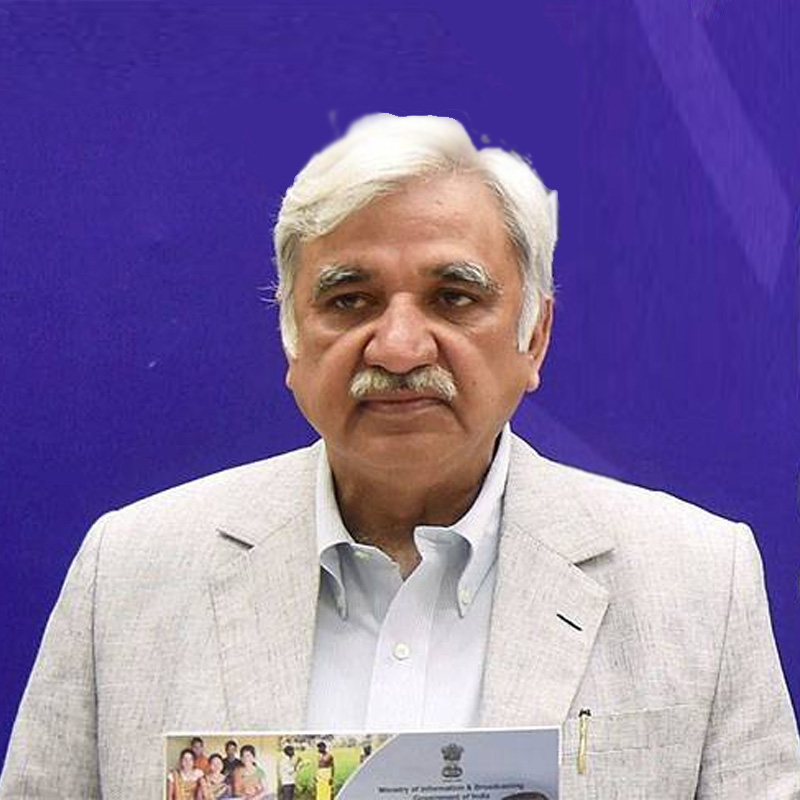
    NEW DELHI: Information & broadcasting ministry’s former secretary Sunil Arora has reportedly been appointed as the director-general and CEO of the Indian Institute of Corporate Affairs (IICA), the corporate affairs ministry’s think tank. The IAS officer of the 1980 batch of Rajasthan cadre, Arora retired as the secretary earlier this year, and was serving as an advisor at Prasar Bharati.

    IICA generally focuses on matters concerning functioning of corporates and strives towards capacity building with various stakeholders including professionals and regulators.

    The government’s Appointments Committee of the Cabinet (ACC) approved the appointment of Arora as the IICA CEO and D-G via an order issued by the Department of Personnel and Training (DoPT) said. He has been appointed in the top scale of Rs 80,000=00 for a period of five years or till attaining the age of 65 years or until further orders, whichever is the earliest, it added.

    Also read:

    Prasar Bharati advisor reviews DD marketing and policies

    Sunil Arora to step in Sircar’s place as Prasar Bharati CEO?