Category: Regulators

  • ‘Risk’ in FM stations airing news, apprehends Prasar head

    ‘Risk’ in FM stations airing news, apprehends Prasar head

    MUMBAI: Prasar Bharati chairman A Surya Prakash has said permitting private FM stations to air news might have security implications and that the government needed to keep that in mind if it were to give them the nod.

    From the democracy perspective, the idea of permitting them looked ‘very simple’ and ‘must be done’, but, owing to the internal security concerns and diversity of India, which had thousands of kilometres of borders, the initiative had a ‘lot of implications,’ he said, PTI reported from Hyderabad.

    As some months ago, the government auctioned frequency bandwidth, new FM channels were going to come. And, thus, he said that one needed to seriously ponder over whether to allow FM channels to air news.

    While it was correct that private TV channels had been allowed to telecast news, radio, he said, had a ‘different audience and different kind of reach.

    Also Read:   

    TV Today not selling 3 FM stations to ENIL; seeks MIB nod for migration

    Big FM, India Today deals: Zee Media seeks shareholder nod for loans

    Highlight women’s rights, broadcasters told


  • Star India, Dhru Lucky settle case; TDSAT petition withdrawn

    Star India, Dhru Lucky settle case; TDSAT petition withdrawn

    NEW DELHI: The dispute between Dhru Lucky Enterprise Pvt Ltd and Star India about renewal of lapsed agreements has been resolved and the multi-system operator has withdrawn its petition in the Telecom Disputes Settlement and Appellate Tribunal.

    Members B B Srivastava and A K Bhargava have dismissed the petition as withdrawn after counsel for both parties said the matter had been settled amicably.

    Early last year, the Tribunal had asked Dhru to file an affidavit clarifying that it will not transfer its movable or immovable properties to anyone while its case against Star India is pending. This was done for clarifying the relationship of Dhru and GTPL Hathway.

    Dhru Lucky had filed a petition in October 2014 against Star India seeking renewal of lapsed agreements. Subsequently, the Tribunal stayed disconnection notices issued to Dhru Lucky by its orders of 12 November and 18 November that year. Dhru thereafter received enjoyed signals within the areas mentioned in the lapsed agreements.

    However, Star India alleged that Dhru had been resorting to rampant piracy. In an order of 16 April 2015, Dhru gave an undertaking that it would confine its operation within the areas mentioned in the lapsed agreements.

    Subsequently, Star filed a contempt application against Dhru on the grounds that, in breach of the undertaking contained in order dated 16 April 2015, it went beyond the areas mentioned in the lapsed agreements.

    Dhru was directed on 19 May 2015 to clearly explain on affidavit the circumstances under which it was operating in Vapi, which is beyond the areas mentioned in the lapsed agreements. Dhru had on 28 May 2015 told the Tribunal that it had assigned its network at Vapi and Daman to some other entity, and that, it no longer wishes to carry on with its MSO business.

    Following that order, it was directed to file an affidavit as to its assignment to some other entity. On 17 July 2015, it filed another affidavit where Dhru mentioned that TDSAT had been apprised on 28 May 2015 about GTPL Hathway taking over Dhru’s cable business in its entirety.

    Star India, in response, pleaded that Dhru was indulging in piracy even on 23 July 2015. Subsequently, GTPL-Hathway was impleaded in the petition as it appeared that Dhru had assigned its business to the distributor.

    TDSAT had on 1 March 2016 directed Dhru MD Sureshbhai Jagubhai Patel to be present in person. He was also directed to produce the instrument under which Dhru was said to have transferred its LCO business to GTPL-Hathway.

    Also Read

    Clarify status with Star India, TDSAT asks Canara Star


  • Star India, Dhru Lucky settle case; TDSAT petition withdrawn

    Star India, Dhru Lucky settle case; TDSAT petition withdrawn

    NEW DELHI: The dispute between Dhru Lucky Enterprise Pvt Ltd and Star India about renewal of lapsed agreements has been resolved and the multi-system operator has withdrawn its petition in the Telecom Disputes Settlement and Appellate Tribunal.

    Members B B Srivastava and A K Bhargava have dismissed the petition as withdrawn after counsel for both parties said the matter had been settled amicably.

    Early last year, the Tribunal had asked Dhru to file an affidavit clarifying that it will not transfer its movable or immovable properties to anyone while its case against Star India is pending. This was done for clarifying the relationship of Dhru and GTPL Hathway.

    Dhru Lucky had filed a petition in October 2014 against Star India seeking renewal of lapsed agreements. Subsequently, the Tribunal stayed disconnection notices issued to Dhru Lucky by its orders of 12 November and 18 November that year. Dhru thereafter received enjoyed signals within the areas mentioned in the lapsed agreements.

    However, Star India alleged that Dhru had been resorting to rampant piracy. In an order of 16 April 2015, Dhru gave an undertaking that it would confine its operation within the areas mentioned in the lapsed agreements.

    Subsequently, Star filed a contempt application against Dhru on the grounds that, in breach of the undertaking contained in order dated 16 April 2015, it went beyond the areas mentioned in the lapsed agreements.

    Dhru was directed on 19 May 2015 to clearly explain on affidavit the circumstances under which it was operating in Vapi, which is beyond the areas mentioned in the lapsed agreements. Dhru had on 28 May 2015 told the Tribunal that it had assigned its network at Vapi and Daman to some other entity, and that, it no longer wishes to carry on with its MSO business.

    Following that order, it was directed to file an affidavit as to its assignment to some other entity. On 17 July 2015, it filed another affidavit where Dhru mentioned that TDSAT had been apprised on 28 May 2015 about GTPL Hathway taking over Dhru’s cable business in its entirety.

    Star India, in response, pleaded that Dhru was indulging in piracy even on 23 July 2015. Subsequently, GTPL-Hathway was impleaded in the petition as it appeared that Dhru had assigned its business to the distributor.

    TDSAT had on 1 March 2016 directed Dhru MD Sureshbhai Jagubhai Patel to be present in person. He was also directed to produce the instrument under which Dhru was said to have transferred its LCO business to GTPL-Hathway.

    Also Read

    Clarify status with Star India, TDSAT asks Canara Star


  • Int’l TV Fest: A-Pac Broadcasting Union’s two India teams to participate

    Int’l TV Fest: A-Pac Broadcasting Union’s two India teams to participate

    NEW DELHI: The ‘Aamad’ group and ‘Sadhya’ group from India will compete in the grand finale of the first edition of the Asia-Pacific Broadcasting Union (ABU) International Television Dance Festival (AIDF) in the city of the ‘Char Minar’ Hyderabad on 15 January 2017.

    Public service broadcaster Prasar Bharati is hosting the first edition of this mega event at Shilpakala Vedika in the hi-tech part of Hyderabad.

    AIDF will showcase traditional and contemporary dance performances by artistes of more than ten counties across the Asia- pacific region. The Dance Festival is conceptualised to bring the cultural diversities from across the world into limelight, by breaking cultural barriers. It will unveil the sacred occasions when people dance, and the joys that varied communities across the Asia Pacific region feel as they dance.

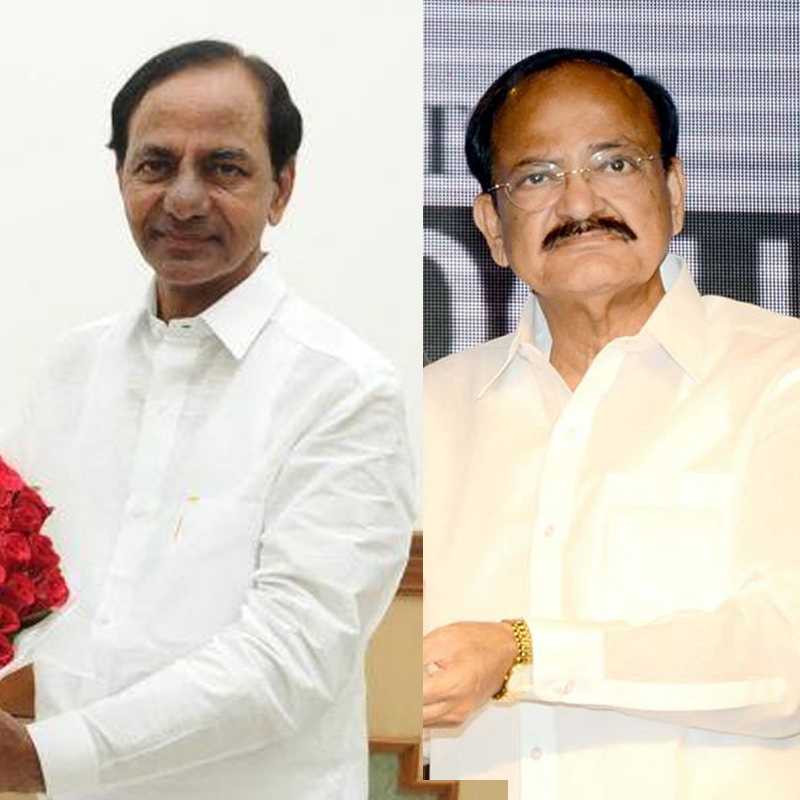
    Information and broadcasting minister M Venkaiah Naidu will inaugurate the AIDF festival. Telengana chief minister K Chandrashekar Rao will be the Guest of Honour. Telengana Culture and Tourism Minister Azmeera Chandulal and Prasar Bharati Chairman A Surya Prakash will also be present in the presence of other top officials of the I&B Ministry, Prasar Bharati and Telangana Government.

    Countries that have so far confirmed participation are Maldives, Afghanistan, Sri Lanka, Uzbekistan, The Philippines, Vietnam, Cambodia, Fiji and Indonesia.

    Two declared finalists from each country; one in ‘contemporary’ dance form and the other in ‘traditional’ dance form, will participate in the grand finale. All participating dance groups are between the age group of 18 to 25 years.

    Prasar Bharati had started the selection process in June last year to select the teams that will represent India in the grand finale. In order to select the final entries, artistes were invited and they were asked to submit DVDs of their work in traditional or contemporary dance, for shortlisting purpose. These submissions were made online and offline as well.

    A total of 453 entries were received, out of which 389 were made on-line and 64 were by post. Eventually, 210 videos were selected by the first Screening Committee.

    After the final screening, 29 entries were chosen from the two categories.
    The Festival is planned to be telecast live on DD India, DD Bharati, DD Urdu, DD Saptagiri and DD Yadagiri from 5:30 p:m onwards on 15 January 2017.

    The pubcaster has created a dedicated website aidf.prasarbharati.org and is available on social media at facebook.com/DanceFestABU and twitter.com/DanceFestABU.

  • Int’l TV Fest: A-Pac Broadcasting Union’s two India teams to participate

    Int’l TV Fest: A-Pac Broadcasting Union’s two India teams to participate

    NEW DELHI: The ‘Aamad’ group and ‘Sadhya’ group from India will compete in the grand finale of the first edition of the Asia-Pacific Broadcasting Union (ABU) International Television Dance Festival (AIDF) in the city of the ‘Char Minar’ Hyderabad on 15 January 2017.

    Public service broadcaster Prasar Bharati is hosting the first edition of this mega event at Shilpakala Vedika in the hi-tech part of Hyderabad.

    AIDF will showcase traditional and contemporary dance performances by artistes of more than ten counties across the Asia- pacific region. The Dance Festival is conceptualised to bring the cultural diversities from across the world into limelight, by breaking cultural barriers. It will unveil the sacred occasions when people dance, and the joys that varied communities across the Asia Pacific region feel as they dance.

    Information and broadcasting minister M Venkaiah Naidu will inaugurate the AIDF festival. Telengana chief minister K Chandrashekar Rao will be the Guest of Honour. Telengana Culture and Tourism Minister Azmeera Chandulal and Prasar Bharati Chairman A Surya Prakash will also be present in the presence of other top officials of the I&B Ministry, Prasar Bharati and Telangana Government.

    Countries that have so far confirmed participation are Maldives, Afghanistan, Sri Lanka, Uzbekistan, The Philippines, Vietnam, Cambodia, Fiji and Indonesia.

    Two declared finalists from each country; one in ‘contemporary’ dance form and the other in ‘traditional’ dance form, will participate in the grand finale. All participating dance groups are between the age group of 18 to 25 years.

    Prasar Bharati had started the selection process in June last year to select the teams that will represent India in the grand finale. In order to select the final entries, artistes were invited and they were asked to submit DVDs of their work in traditional or contemporary dance, for shortlisting purpose. These submissions were made online and offline as well.

    A total of 453 entries were received, out of which 389 were made on-line and 64 were by post. Eventually, 210 videos were selected by the first Screening Committee.

    After the final screening, 29 entries were chosen from the two categories.
    The Festival is planned to be telecast live on DD India, DD Bharati, DD Urdu, DD Saptagiri and DD Yadagiri from 5:30 p:m onwards on 15 January 2017.

    The pubcaster has created a dedicated website aidf.prasarbharati.org and is available on social media at facebook.com/DanceFestABU and twitter.com/DanceFestABU.
  • SC to MIB: Get mechanism to deal with complaints on TV, radio shows

    SC to MIB: Get mechanism to deal with complaints on TV, radio shows

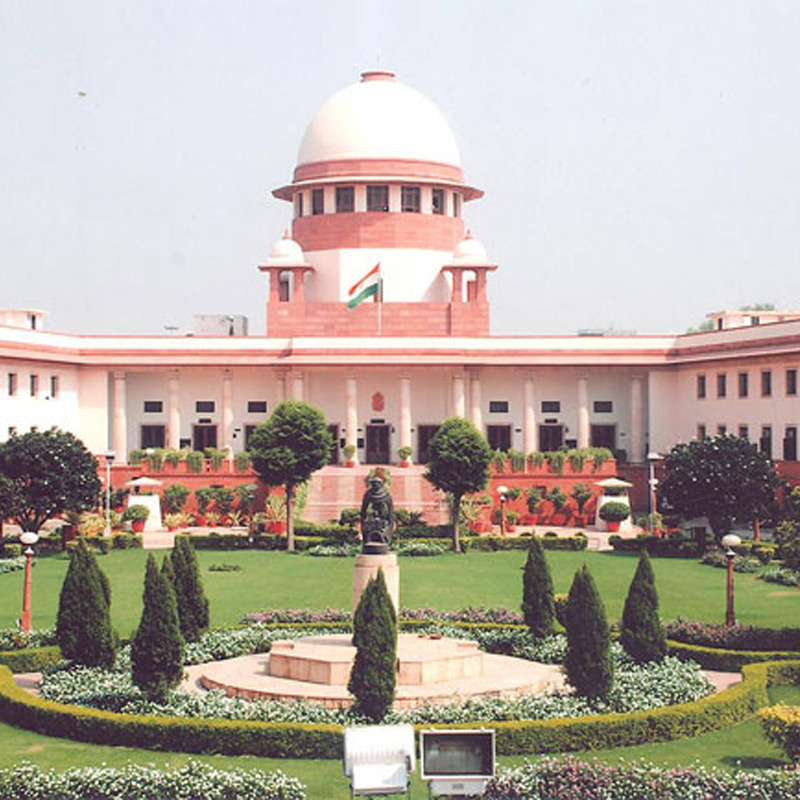
    NEW DELHI: The Supreme Court on Thursday asked the Central Government to set up a statutory mechanism to deal with citizens’ complaints against TV and radio programmes.

    A bench comprising Chief Justice J S Khehar and Justice D Y Chandrachud asked the Ministry of Information and Broadcasting (MIB) to use the power under section 22 of the Cable Television Networks (Regulation) Act and set up a body to deal with complaints against television and radio channels, PTI reported.

    The court considered the submission of the Centre that there was a mechanism to deal with such cases. “The Union of India said that there is a mechanism. We, however, feel that it needs adequate publicity so as to enable common public to seek redressal of grievance,” the court was quoted in the PTI report.

    Advocate Prashant Bhushan, appearing for NGO Common Cause, said that “this business of self regulation business doesn’t work”.

    At present while the News Broadcasters’ Association of India (NBA) has a self-regulatory mechanism to look into complaints received from citizens and viewers relating to its member-TV channels, there is no such set-up for the non-news TV channels in the country.

    Broadcast and telecoms regulator TRAI oversees the carriage and tariff related issues pertaining to broadcast and cable. The content side of the industry is still regulated by MIB, which issues show-cause notices to various TV channels on content-related issues after receiving complaints or suggestions from viewers in general. The government also has a state-of-the-art on-air content monitoring facility in Delhi.

    Most recently, MIB had asked NDTV India news channels to shutter for a day as a penalty for breaching content code as envisaged in various government rules and regulations and amended from time to time. NDTV India issue related to airing of programmes and information allegedly considered to compromise the nation’s security. However, under media and public pressure, the government kept the order in abeyance late last year.

    ALSO READ : MIB puts NDTV India ban on hold until further notice

    Govt hands NDTV India 24-hr ban for breach of content code

    Content Regulation on Private TV Channels


  • SC to MIB: Get mechanism to deal with complaints on TV, radio shows

    SC to MIB: Get mechanism to deal with complaints on TV, radio shows

    NEW DELHI: The Supreme Court on Thursday asked the Central Government to set up a statutory mechanism to deal with citizens’ complaints against TV and radio programmes.

    A bench comprising Chief Justice J S Khehar and Justice D Y Chandrachud asked the Ministry of Information and Broadcasting (MIB) to use the power under section 22 of the Cable Television Networks (Regulation) Act and set up a body to deal with complaints against television and radio channels, PTI reported.

    The court considered the submission of the Centre that there was a mechanism to deal with such cases. “The Union of India said that there is a mechanism. We, however, feel that it needs adequate publicity so as to enable common public to seek redressal of grievance,” the court was quoted in the PTI report.

    Advocate Prashant Bhushan, appearing for NGO Common Cause, said that “this business of self regulation business doesn’t work”.

    At present while the News Broadcasters’ Association of India (NBA) has a self-regulatory mechanism to look into complaints received from citizens and viewers relating to its member-TV channels, there is no such set-up for the non-news TV channels in the country.

    Broadcast and telecoms regulator TRAI oversees the carriage and tariff related issues pertaining to broadcast and cable. The content side of the industry is still regulated by MIB, which issues show-cause notices to various TV channels on content-related issues after receiving complaints or suggestions from viewers in general. The government also has a state-of-the-art on-air content monitoring facility in Delhi.

    Most recently, MIB had asked NDTV India news channels to shutter for a day as a penalty for breaching content code as envisaged in various government rules and regulations and amended from time to time. NDTV India issue related to airing of programmes and information allegedly considered to compromise the nation’s security. However, under media and public pressure, the government kept the order in abeyance late last year.

    ALSO READ : MIB puts NDTV India ban on hold until further notice

    Govt hands NDTV India 24-hr ban for breach of content code

    Content Regulation on Private TV Channels


  • Copyright owners call for competitive pricing over TRAI regulation

    Copyright owners call for competitive pricing over TRAI regulation

    NEW DELHI: The Film and Television Producers Guild of India has expressed its voice against any mandated tariff as far as television channels are concerned.

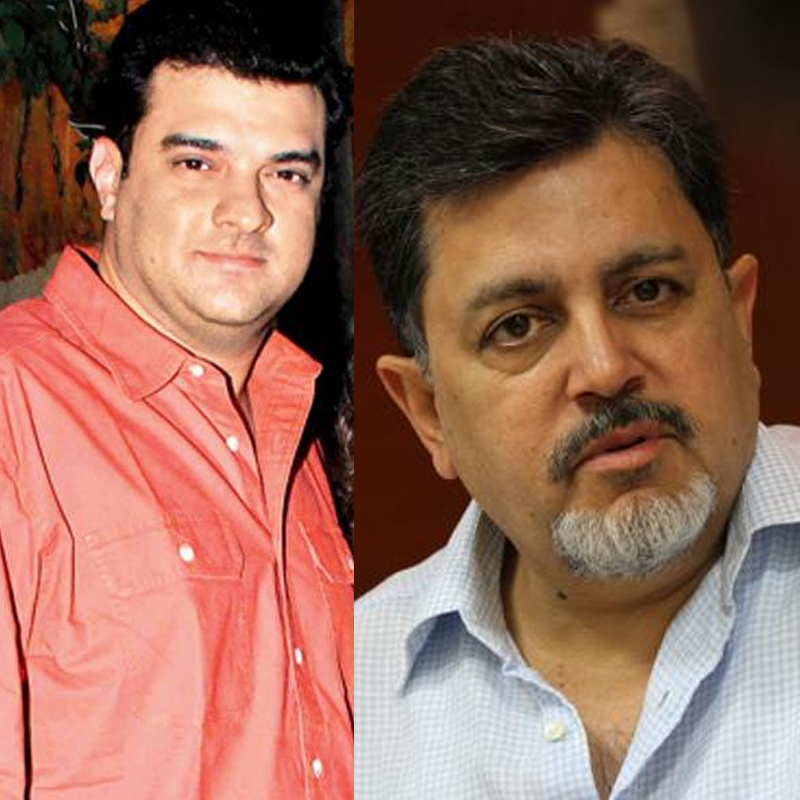
    In a reaction to the recent Draft Telecommunication (Broadcasting And Cable Services) (Eighth) (Addressable Systems) Tariff Order 2016 drawn up by the Telecom Regulatory Authority of India, Guild President Siddharth Roy Kapoor said: “As India continues to develop its thriving creative industry, a transparent, market-based environment free from mandated tariffs, is essential to build investor confidence and to foster the creation of quality content benefiting India’s consumers and its economy.”

    Guild secretary-general Kulmeet Makkar said: “We believe that price controls should only be considered when the market lacks competition which harms consumers or where there is clear systemic market failure. It would be advantageous to abolish any restrictions on price and thereby encourage FDI investments in India– as is the case in countries such as Australia, Hong Kong, Indonesia, Japan, Malaysia, Philippines, Singapore, and South Korea, where the retail and wholesale rates are not subject to restrictions. A more economically efficient model would be to allow the market to determine prices while encouraging investment in quality content.”

    Fox Star Studios CEO Vijay Singh said, “Since the availability of content is not an issue in the context of the Indian market, restricting numbers/genres/mix tantamount to predetermination and therefore, pre-empts creativity. There can never be an exhaustive list of genres for governments to determine any mix and TRAI’s intervention will have cataclysmic effect on the creative community as a whole as TRAI effectively has price capped creativity.”

    “Under the Copyright Act 1957, a content owner has the freedom to monetize copyright works and enter into contracts to monetize content in a manner he deems fit. However the price restrictions imposed by TRAI interferes with this basic freedom. It risks stifling creativity and may force smaller companies out of the market – resulting in less choice for consumers,” according to Motion Picture Distributors Association (India) Pvt. Ltd MD Uday Singh.

    Sectoral regulations have seriously impeded the growth of the film sector. Despite active participation by global studios and broadcasters, investments in the sector have trickled down in the past few years. Indian studios and independent producers are also facing similar challenges. An open market environment can best guarantee that the film sector will not be distorted to the detriment of consumers, creators and providers, the Guild said in its reaction.

    The Guild says that the Tariff Order is likely to take effect from 1 April 2017. It says that the current draft order prescribes maximum retail price caps for pay channels, by genre, Rs 10 (USD 0.15) for movie channels (a-la-carte), excluding taxes] and further caps channels into seven genres.

  • Copyright owners call for competitive pricing over TRAI regulation

    Copyright owners call for competitive pricing over TRAI regulation

    NEW DELHI: The Film and Television Producers Guild of India has expressed its voice against any mandated tariff as far as television channels are concerned.

    In a reaction to the recent Draft Telecommunication (Broadcasting And Cable Services) (Eighth) (Addressable Systems) Tariff Order 2016 drawn up by the Telecom Regulatory Authority of India, Guild President Siddharth Roy Kapoor said: “As India continues to develop its thriving creative industry, a transparent, market-based environment free from mandated tariffs, is essential to build investor confidence and to foster the creation of quality content benefiting India’s consumers and its economy.”

    Guild secretary-general Kulmeet Makkar said: “We believe that price controls should only be considered when the market lacks competition which harms consumers or where there is clear systemic market failure. It would be advantageous to abolish any restrictions on price and thereby encourage FDI investments in India– as is the case in countries such as Australia, Hong Kong, Indonesia, Japan, Malaysia, Philippines, Singapore, and South Korea, where the retail and wholesale rates are not subject to restrictions. A more economically efficient model would be to allow the market to determine prices while encouraging investment in quality content.”

    Fox Star Studios CEO Vijay Singh said, “Since the availability of content is not an issue in the context of the Indian market, restricting numbers/genres/mix tantamount to predetermination and therefore, pre-empts creativity. There can never be an exhaustive list of genres for governments to determine any mix and TRAI’s intervention will have cataclysmic effect on the creative community as a whole as TRAI effectively has price capped creativity.”

    “Under the Copyright Act 1957, a content owner has the freedom to monetize copyright works and enter into contracts to monetize content in a manner he deems fit. However the price restrictions imposed by TRAI interferes with this basic freedom. It risks stifling creativity and may force smaller companies out of the market – resulting in less choice for consumers,” according to Motion Picture Distributors Association (India) Pvt. Ltd MD Uday Singh.

    Sectoral regulations have seriously impeded the growth of the film sector. Despite active participation by global studios and broadcasters, investments in the sector have trickled down in the past few years. Indian studios and independent producers are also facing similar challenges. An open market environment can best guarantee that the film sector will not be distorted to the detriment of consumers, creators and providers, the Guild said in its reaction.

    The Guild says that the Tariff Order is likely to take effect from 1 April 2017. It says that the current draft order prescribes maximum retail price caps for pay channels, by genre, Rs 10 (USD 0.15) for movie channels (a-la-carte), excluding taxes] and further caps channels into seven genres.

  • TRAI tariff: Madras HC extends status quo; SC to hear regulator’s appeal on 16 Jan

    TRAI tariff: Madras HC extends status quo; SC to hear regulator’s appeal on 16 Jan

    NEW DELHI: The Madras High Court today extended to 19 January 2017 the status quo with regard to any TRAI tariff orders or regulations for the broadcast sector in a case by Star TV and Vijay TV.

    Meanwhile, the Supreme Court is scheduled to hear on 16 January 2017 the appeal by the Telecom Regulatory Authority of India against this interim order issued last month by Madras HC.

    In the Madras High Court, the broadcasters had sought to argue that the TRAI orders are in conflict with the Copyright Act 1957. As a result of that court order and pending the full hearing of the case, TRAI would not be able to pass any guideline for issues such as broadcast tariff, broadcast interconnect, and quality of services.

    A TRAI spokesperson said that although it was still waiting to receive the order from the Court, one immediate result would be that the draft tariff and interconnect guidelines issued by the regulator will be subject to the order of the High Court in this regard unless the apex court accepted the regulator’s appeal.

    A few months ago, TRAI had issued draft guidelines on tariff interconnect and quality of service, while TRAI chairman RS Sharma had told indiantelevision.com earlier this month that the regulator would come out with its final recommedation by the end of the year.

    It may be recalled that the Indian Broadcasting Foundation had also said in a submission to TRAI that the regulator’s draft guidelines were in direct conflict with the provisions of the Indian Copyright Act and similar regulations under the Berne Convention.

    The IBF had said the Copyright Board is fully empowered to adjudicate upon disputes between any person and Content or Broadcast Reproduction Rights owners. Hence the Copyright Act and Rules provide for protection, monetisation, enforcement and adjudication procedures for all copyrightable work and broadcast reproduction rights.

    Also read: Maintain status quo on broadcast guidelines, Madras HC tells TRAI