
Connect with us
Mumbai: In an interaction with independent consultant Anuj Gandhi at Ficci Frames Fasttrack 2022, Trai advisor (broadcasting) and TCSR DG Anil Bhardwaj said that the regulator...
MUMBAI: Indian media and entertainment sector, which is currently valued at $24 billion is expected to grow to $30 billion by 2024. “I feel with the...

Mumbai: 5G spectrum auction in India is expected to be held in May this year subject to the Telecom Regulatory Authority of India (Trai) submitting its...
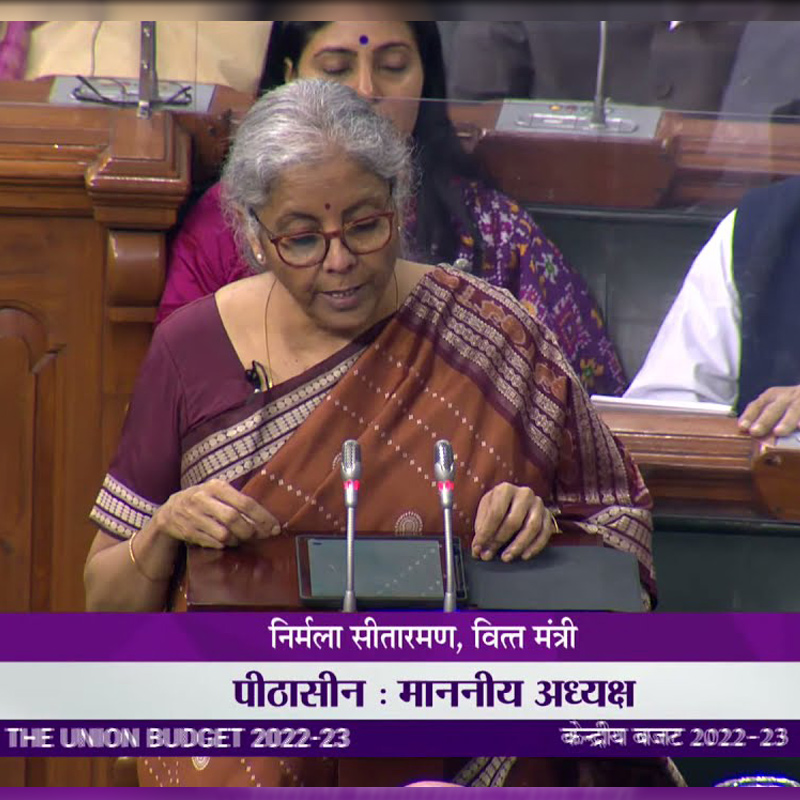
Mumbai: The Union Budget 2022 has earmarked a total sum of Rs 3980.77 crore for the ministry of information and broadcasting in the fiscal year 2022-23....
Mumbai: The ministry of information and broadcasting (I&B) has given its go-ahead to the multi-system operators (MSOs) to share infrastructure with other MSOs on a voluntary...

Mumbai: The Telecom Regulatory Authority of India (Trai) has decided to form a committee with representation from leading pay TV industry associations to ensure the smooth...
Mumbai: The Telecom Regulatory Authority of India (Trai) has asked broadcasters and distributors of TV channels to immediately implement the provisions of the Telecommunication (Broadcasting and...
New Delhi: The Telecom Regulatory Authority of India (Trai) has released a consultation paper on “Ease of Doing Business in Telecom and Broadcasting Sector”. The industry...

Mumbai: Prasar Bharati is not closing any Akashvani radio station in India, the minister of information and broadcasting Anurag Thakur told the Parliament on Tuesday. Thakur was responding...
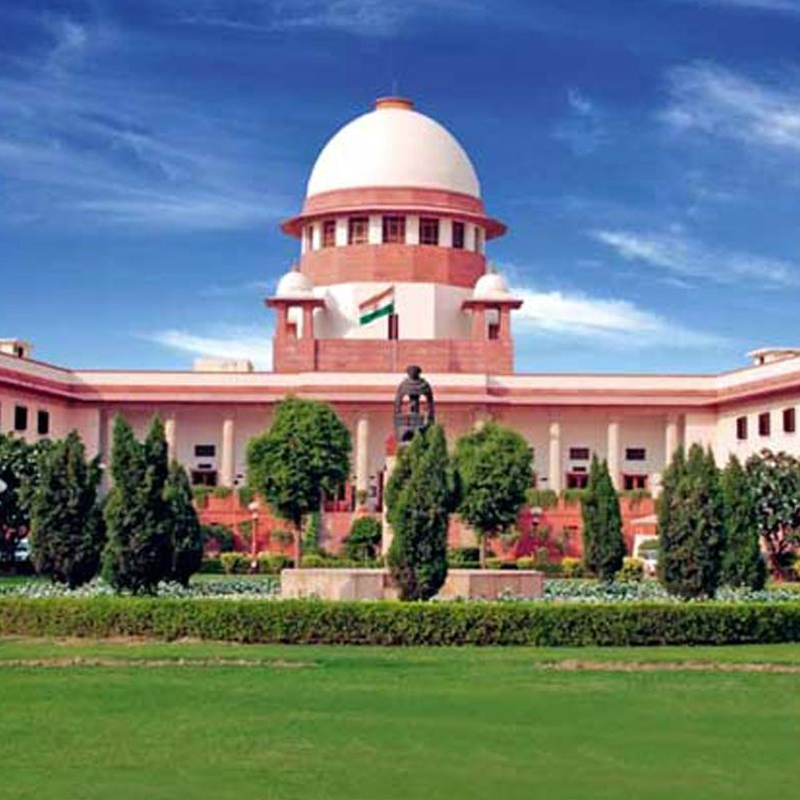
Mumbai: The Supreme Court is all set to hold the final hearing in the NTO 2.0 case on Tuesday. The matter pertains to a bunch of...
Mumbai: The central government has directed print, electronic and digital media to display the logo of ‘Azadi Ka Amrit Mahotsav’ as part of the campaign to commemorate...
New Delhi: The Department of Telecommunications (DoT) has amended the Indian Telegraph Right of Way Rules (RoW), 2016 by way of a gazette notification permitting laying...
Mumbai: The TV industry is eagerly awaiting the outcome of the court battle between the Telecom Regulatory Authority of India (Trai) and TV broadcasters led by...
New Delhi: The Supreme Court has posted the final hearing on a bunch of petitions filed against the Bombay HC order regarding the implementation of the...
New Delhi : The Telecom Regulatory Authority of India (TRAI) has designated Telecom Engineering Centre, Department of Telecommunications as a testing and certification agency for Conditional...
Mumbai: The twin conditions introduced in the New Tariff Order (NTO) 2.0 seek to ensure that broadcasters do not engage in “perverse pricing”; that consumers do...
New Delhi: The Telecom Regulatory Authority of India (Trai) has released the recommendations on “Licensing Framework for Satellite-based connectivity for low bit rate applications” for both...

Mumbai: The News Broadcasters Association (NBA) recently changed its name to the News Broadcasters and Digital Association (NBDA) to bring within its purview digital media news...
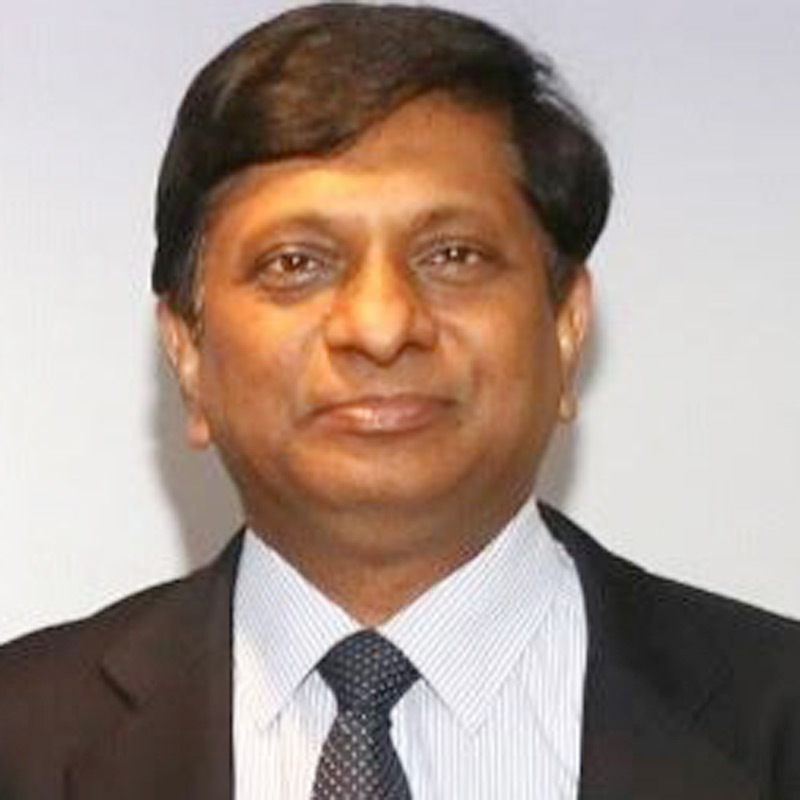
New Delhi : The Union Cabinet on Thursday appointed Apurva Chandra as secretary, ministry of information and broadcasting (I&B). Chandra was previously holding the charge of...

New Delhi: The Supreme Court on Wednesday issued a notice to the Telecom Regulatory Authority of India (TRAI) on the petitions filed by broadcasters against the...
New Delhi: The Bombay high court has granted an interim stay to the implementation of parts of the Information Technology (IT) Rules, 2021 which require that...

Mumbai: News Broadcasters Association (NBA), the largest body of news broadcasters in the country, has decided to change its present name to ‘News Broadcasters & Digital...
New Delhi: The Bombay high court has asked the central government to submit a response as to why an interim stay should not be given to...
Mumbai: The minister of information and broadcasting, Anurag Thakur has informed the Rajya Sabha that there have been 37 instances between March 2005 and June 2021...
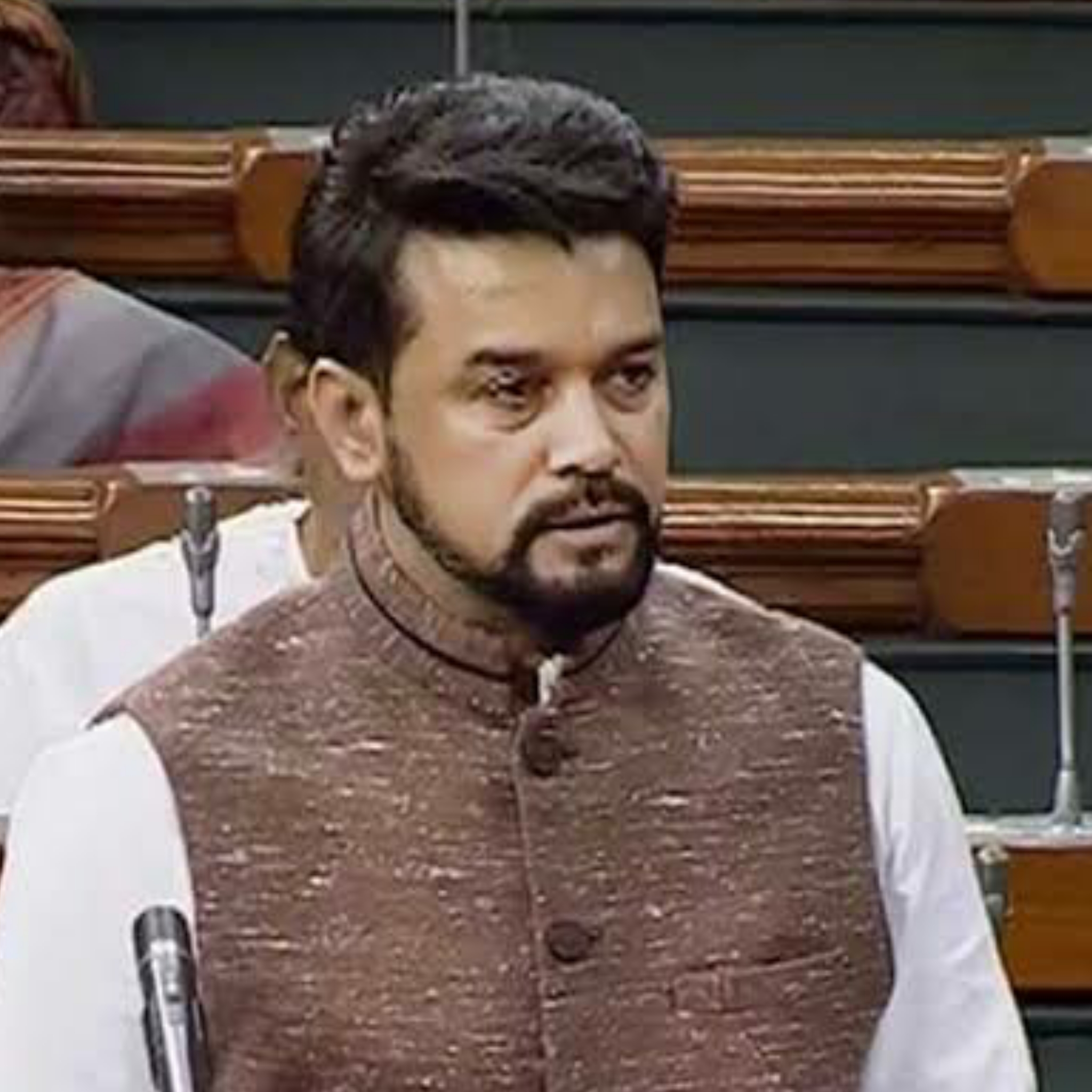
New Delhi : The newly appointed union minister for Information and Broadcasting Anurag Thakur met the board members of the News Broadcasters Association (NBA) on Saturday...
Mumbai: During 2018 to 2021, the Government took action against 126 cases of violation of Programme Code laid down in the Cable Television Networks (CTN) Rules,...
Mumbai: The Supreme Court on Friday adjourned the hearing in a matter pertaining to the New Tariff Order (NTO 2.0) to 18 August. Last month, The...
New Delhi: The ministry of information and broadcasting has revoked licences of over 200 private TV channels during 2016-2020, union I&B minister Anurag Thakur told the...
New Delhi: The ministry of information and broadcasting (I&B) has analysed and evaluated the recommendations made by the committee led by Prasar Bharti chief executive officer...
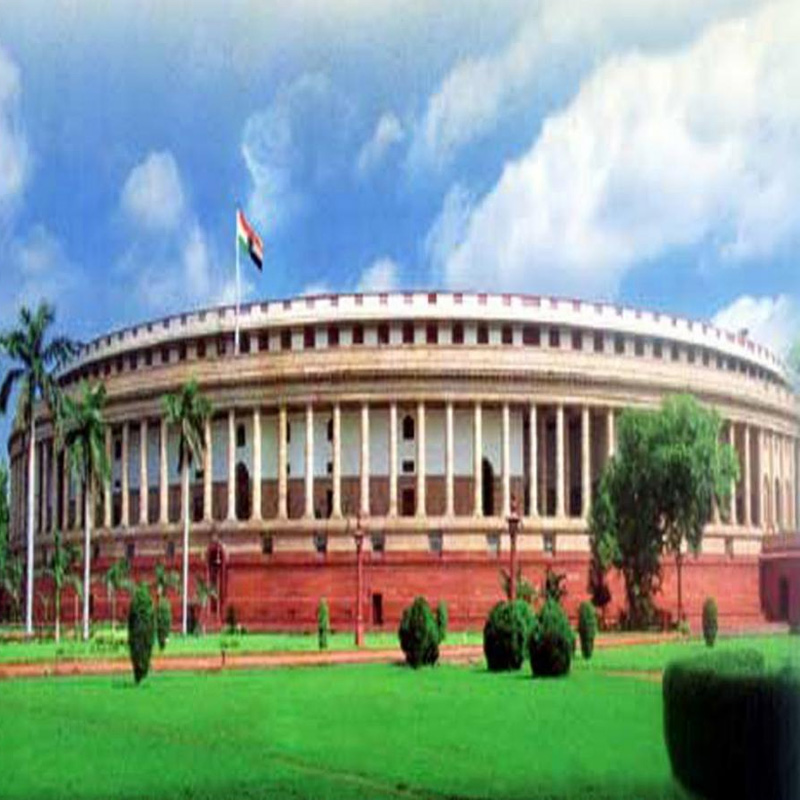
New Delhi: The monsoon session of the Parliament is all set to begin on Monday. The session will conclude on August 13. It will also be...

New Delhi: The Kerala high court has directed the ministry of information and broadcasting (I&B) not to take any coercive action against members of the News...
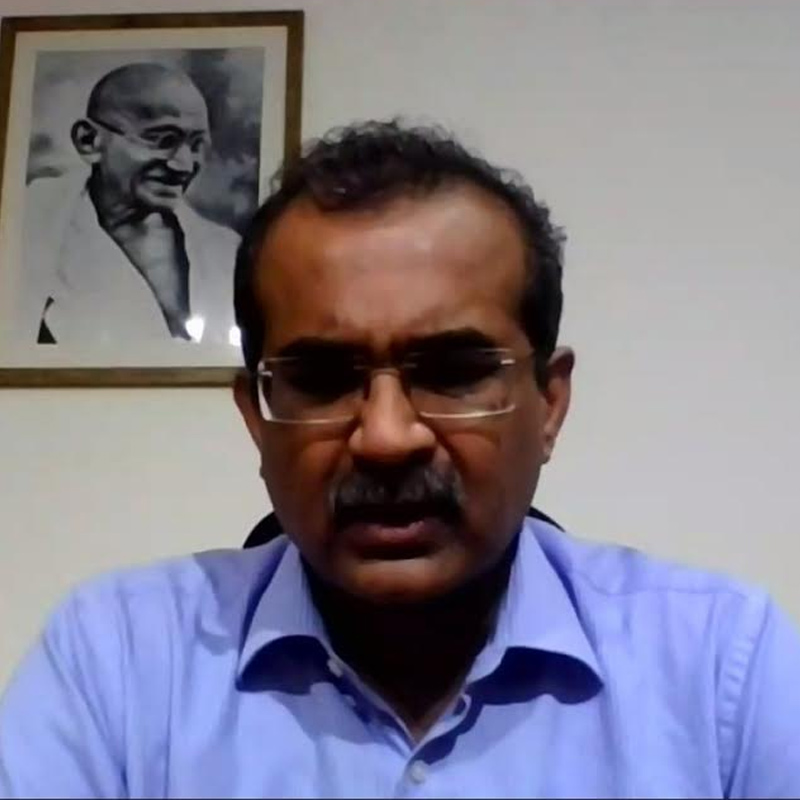
New Delhi: As the government’s stand-off with a few social media companies continues over the new IT rules, ministry of information and broadcasting joint secretary Vikram...
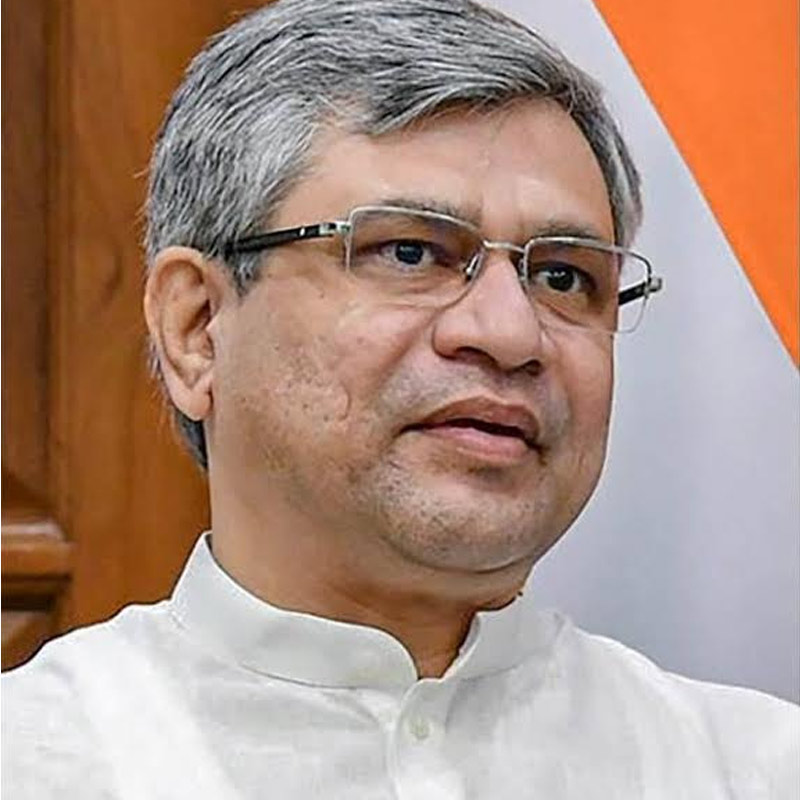
New Delhi: The new IT rules will empower and protect users and ensure a safer social media ecosystem, said the union IT and communications minister Ashwini...
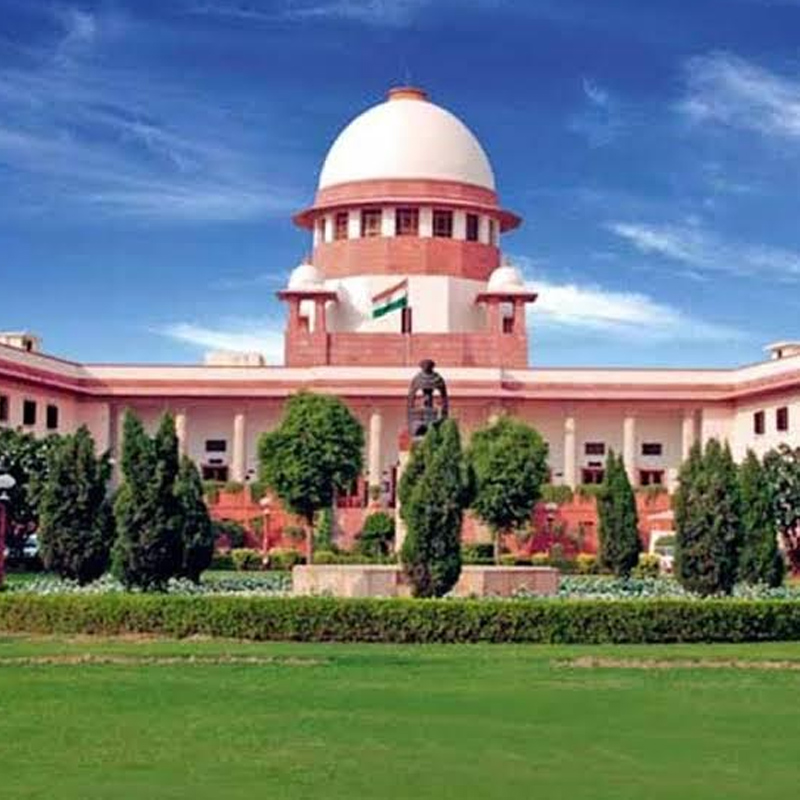
New Delhi: The Supreme Court on Friday refused to stay the proceedings in connection with petitions challenging the constitutional validity of the Centre’s new IT rules...
New Delhi: The ministry of information and broadcasting (I&B) has registered the Broadcasting Content Complaints Council (BCCC) as a self-regulatory body for redressal of grievances against...
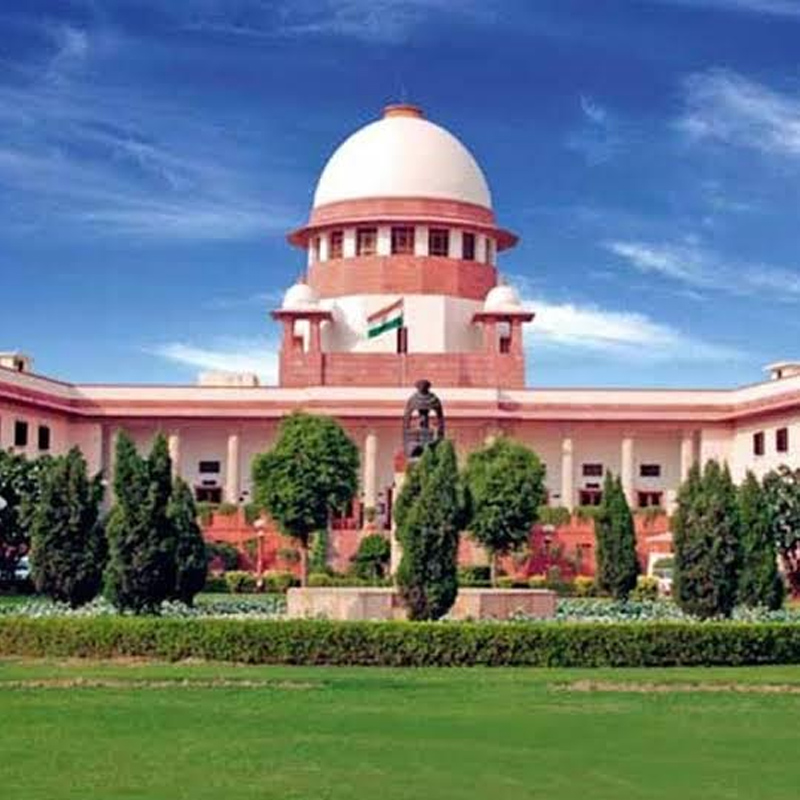
New Delhi: The Centre on Tuesday approached Supreme Court seeking transfer of all pending pleas challenging its new IT rules to the apex court. Numerous petitions...
KOLKATA: One of the major issues that has dominated the pay TV ecosystem in India is in constant conflict between stakeholders and the sector regulator, the...
KOLKATA: After a long legal battle between broadcasters and the telecom regulatory authority of India (TRAI), the Bombay High Court on Wednesday pronounced judgment on the...
New Delhi: The Parliamentary Standing Committee on Information Technology (IT) has directed US tech giants Facebook and Google to comply with the new IT rules, which...
New Delhi: The Madras high court has issued a notice to Centre over a plea filed by the Digital News Publishers Association (DNPA) against the Information...
New Delhi: The government has sought public comments on the draft Cinematograph (Amendment) Bill 2021 which proposes to penalise film piracy with a jail term and...
New Delhi: Reliance Jio has gained over 79 lakh mobile users in March, securing a comfortable lead over rivals Bharti Airtel and Vodafone Idea, according to...
New Delhi: The Centre has amended the Cable Television Network Rules to provide for a three-layer statutory mechanism for the redressal of consumer’s complaints relating to...
KOLKATA: The conflict between Twitter and the Indian government gets even murkier as the microblogging site has “failed to comply” with new IT rules. According to...
New Delhi: The Telecom Regulatory Authority of India (TRAI) on Monday announced the appointment of V Raghunandan as the new secretary of the regulatory body. Raghunandan...
New Delhi : The ministry of information and broadcasting has directed all multiple system operators (MSOs) and local cable operators (LCOs) not to broadcast Hope TV,...
New Delhi: The ministry of information and broadcasting has refused to grant an exemption to the digital news content of mainstream television channels and print media...
New Delhi : The union ministry of information and broadcasting has appointed former journalist Kanchan Gupta as a senior advisor for a period of one year....
Kolkata : The News Broadcasters Federation has stated that all its current members duly complied with requirements of the 25 Feb issued Information Technology (Intermediary Guidelines...
KOLKATA: In a bid to put an end to content piracy in the pay TV ecosystem, the Telecom Regulatory Authority of India (TRAI) on Friday amended...

Platforms get three years to add features for hearing and visually impaired


Strong word-of-mouth turns Pongal satire into remake pick


Streaming giant bets on a seasoned marketer who helped build Amazon and Netflix into household names


Communications leader exits after three years spanning MD office strategy and media outreach.


Cricket star named face of Delhi Khel Mahakumbh to fuel youth talent hunt.


Kolkata-based beverage maker reports stronger revenues and profits for December quarter.


A crime thriller steps out of the shadows as Telugu storytelling claims centre stage.


From boards to bytes, chess readies for a nation-first showdown in Riyadh.


Leadership change follows layoffs, protests and a bruising battle over trust.

Revenue rises 4.3 per cent to Rs 10,209.33 crore while deferred tax gain lifts bottom line sharply


Akshay Kumar and stars launch awards at NSCI Dome on Feb 28


Merger creates one-stop hub for content, digital, and delivery


NEW DELHI: Hamdard Laboratories gathered a cross-section of India’s achievers in New Delhi on Friday, handing out the Hakeem Abdul...


MUMBAI: For decades, creative storytelling has been the cornerstone of brand communication. The “big idea” amplified through catchy jingles, striking...


MUMBAI: Zepto has elevated Ahmad Muneeb to vice president – HR centre of excellence, placing him at the helm of...
