Category: I&B Ministry

  • Improved tech & states role; curbs on Peace TVs, cable sans DD in new integrated policy: Naidu

    Improved tech & states role; curbs on Peace TVs, cable sans DD in new integrated policy: Naidu

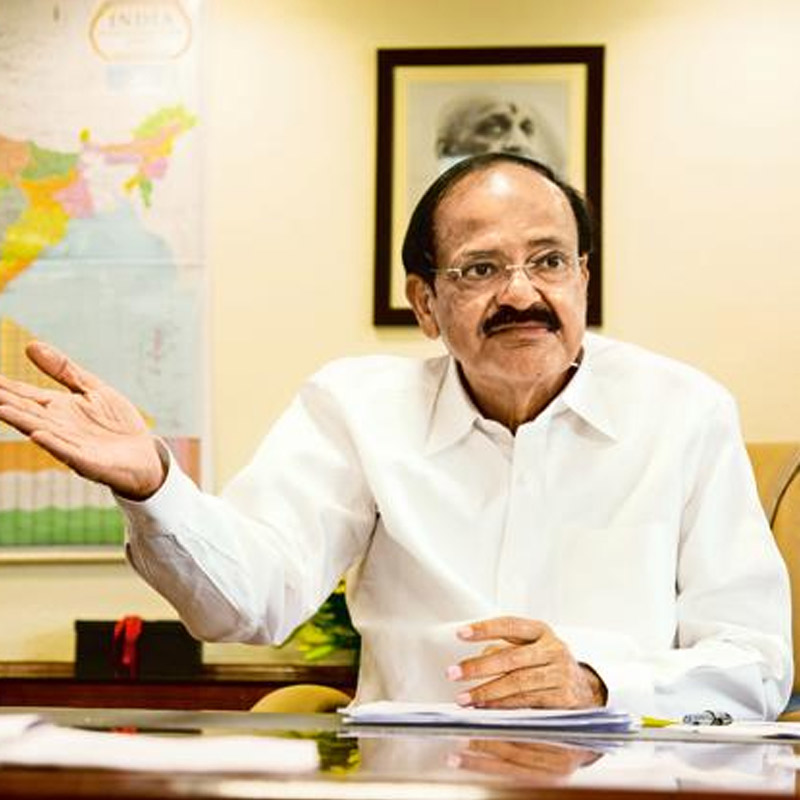
    NEW DELHI: Information and broadcasting minister M Venkaiah Naidu today laid emphasis for evolving a comprehensive “national information and communication policy” to provide citizens “enhanced access to information.”

    Addressing the 28th state Information Ministers Conference (SIMCON) here, Naidu said the Centre and the states should work together in various areas, including in dissemination of effective information, to push integrated development.

    “We need an integrated and holistic approach and coordination between the centre and states is essential,” Naidu said.

    The meet was attended by minister of state for information and broadcasting Rajyavardhan Rathore, secretary Ajay Mittal and other senior officials of the ministry apart from representatives of different states.

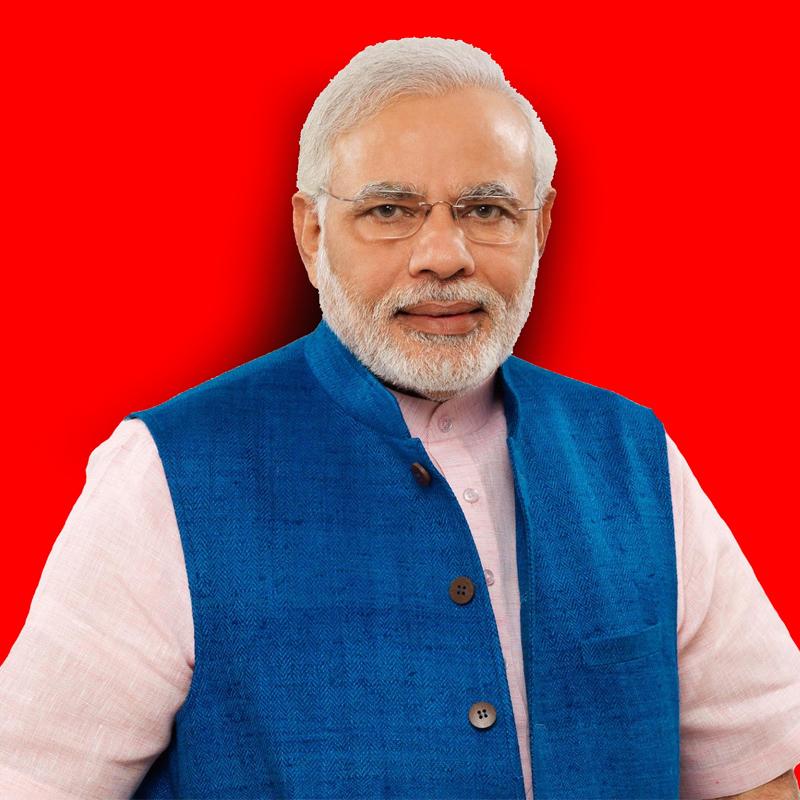
    The proposed policy would be prepared in consultation with states in the spirit of cooperative federalism and the principle of Team India which the prime minister firmly believed in, Naidu added.

    Elaborating on the proposed contours of the policy, Naidu said the broad objectives should be to enhance access to information and communication infrastructures and new technologies, especially in rural areas; to promote national dialogue on development issues by all citizens and facilitate informed participation of people in setting development agenda and its execution.

    The policy should rationalise multi-sectoral investments in information and communication hardware and software through their consolidation and appropriate integration in development plans and planning structures; to ensure timely, orderly and effective growth of information and communication institutions and professions through standards setting, capacity building and human resource development; and broadly define the roles of different governments at various levels and other stakeholders.

    It should preserve national cultural identity and enhance the development of cultural and artistic capabilities and institutions, while enabling productive regional and international exchanges and support national and local development initiatives, and to improve the quality of life of the people, by facilitating systematic and effective use and coordination of communication and information strategies and outcomes.

    The challenge before such a policy was to analyse the ingredients of the communication environment including competencies and resources that are critical.

    The minister further stated that the initiation of such a policy would integrate development communication, development agendas linking planners, beneficiaries and implementers of development actions. It was the endeavour of the proposed policy to make people informed participants in decision-making and development planning process. Such a communication approach also enabled policy makers to look at people as part of a solution.

    Naidu said all-round and integrated development cannot materialise without effective dissemination of information. “People have the right to information,” he said.

    While the country has evolved policies on various subjects like environment and health, there is no such policy for communication and information dissemination.

    “The centre and the state should work together to evolve the communication policy,” he said, adding that Ajay Mittal and senior officials have been directed to work with the states to work on a draft policy at the earliest. “It should also work to preserve national cultural identity,” Naidu added.

    Naidu said India has unique strength in its cultural richness and its heritage. “Any Tom, Dick and Harry came and conquered…They ‘might have’ robbed our wealth, but they could not take away our heritage,” he said.

    Naidu referred to the prime minister Narendra Modi’s repeated emphasis on ‘Sabka Saath Sabka Vikas (development with all and development for all)’ and said even leaders such as B R Ambedkar and Deen Dayal Upadhyay had laid emphasis on the development of ‘Antyodhaya’ – the last man in the queue.

    The minister said the states should take advantage of the reach of public broadcasters — All India Radio and Doordarshan, and give them “preferential treatment.” These organisations do not run with commercial considerations, he emphasised. He said that strict action should be taken against those cable operators who do not show DD News.

    Naidu said with regard to violation of cable TV operators laws, the states should appoint designated officers in all districts to ensure that no major violation like the Peace TV episode is repeated. He would be writing to chief ministers again in this regard, the minister said. (‘Peace TV’ of Zakir Naik had allegedly telecast various programmes which instigated youths towards radical thinking.)

    Speaking earlier, Mittal gave an overview of the deliberations of the first day’s meeting highlighting some of the key discussion points across sectors and suggestions received from the States. During the course of the deliberations, the separate wings of the ministry, films, broadcasting, information and Prasar Bharti (AIR & DD) made presentations regarding the policy initiatives and issues for discussions and convergence with states.

    The minister also visited the various stalls and multimedia exhibitions showcased by the media units of the ministry namely, National Film Archives of India, which organised the multimedia exhibition on the theme ‘Azaadi 70 Saal- Yaad Karo Qurbani’. The exhibition showcases the film industry’s contribution to Independence and was organised to celebrate 70th year of India’s Independence. The three themes covered include ‘Rise and Revolt: Cinema of Social Reform’, ‘Our Freedom Fighters-Through the lens of Cinema’ and ‘Saluting our Soldiers’.
  • Improved tech & states role; curbs on Peace TVs, cable sans DD in new integrated policy: Naidu

    Improved tech & states role; curbs on Peace TVs, cable sans DD in new integrated policy: Naidu

    NEW DELHI: Information and broadcasting minister M Venkaiah Naidu today laid emphasis for evolving a comprehensive “national information and communication policy” to provide citizens “enhanced access to information.”

    Addressing the 28th state Information Ministers Conference (SIMCON) here, Naidu said the Centre and the states should work together in various areas, including in dissemination of effective information, to push integrated development.

    “We need an integrated and holistic approach and coordination between the centre and states is essential,” Naidu said.

    The meet was attended by minister of state for information and broadcasting Rajyavardhan Rathore, secretary Ajay Mittal and other senior officials of the ministry apart from representatives of different states.

    The proposed policy would be prepared in consultation with states in the spirit of cooperative federalism and the principle of Team India which the prime minister firmly believed in, Naidu added.

    Elaborating on the proposed contours of the policy, Naidu said the broad objectives should be to enhance access to information and communication infrastructures and new technologies, especially in rural areas; to promote national dialogue on development issues by all citizens and facilitate informed participation of people in setting development agenda and its execution.

    The policy should rationalise multi-sectoral investments in information and communication hardware and software through their consolidation and appropriate integration in development plans and planning structures; to ensure timely, orderly and effective growth of information and communication institutions and professions through standards setting, capacity building and human resource development; and broadly define the roles of different governments at various levels and other stakeholders.

    It should preserve national cultural identity and enhance the development of cultural and artistic capabilities and institutions, while enabling productive regional and international exchanges and support national and local development initiatives, and to improve the quality of life of the people, by facilitating systematic and effective use and coordination of communication and information strategies and outcomes.

    The challenge before such a policy was to analyse the ingredients of the communication environment including competencies and resources that are critical.

    The minister further stated that the initiation of such a policy would integrate development communication, development agendas linking planners, beneficiaries and implementers of development actions. It was the endeavour of the proposed policy to make people informed participants in decision-making and development planning process. Such a communication approach also enabled policy makers to look at people as part of a solution.

    Naidu said all-round and integrated development cannot materialise without effective dissemination of information. “People have the right to information,” he said.

    While the country has evolved policies on various subjects like environment and health, there is no such policy for communication and information dissemination.

    “The centre and the state should work together to evolve the communication policy,” he said, adding that Ajay Mittal and senior officials have been directed to work with the states to work on a draft policy at the earliest. “It should also work to preserve national cultural identity,” Naidu added.

    Naidu said India has unique strength in its cultural richness and its heritage. “Any Tom, Dick and Harry came and conquered…They ‘might have’ robbed our wealth, but they could not take away our heritage,” he said.

    Naidu referred to the prime minister Narendra Modi’s repeated emphasis on ‘Sabka Saath Sabka Vikas (development with all and development for all)’ and said even leaders such as B R Ambedkar and Deen Dayal Upadhyay had laid emphasis on the development of ‘Antyodhaya’ – the last man in the queue.

    The minister said the states should take advantage of the reach of public broadcasters — All India Radio and Doordarshan, and give them “preferential treatment.” These organisations do not run with commercial considerations, he emphasised. He said that strict action should be taken against those cable operators who do not show DD News.

    Naidu said with regard to violation of cable TV operators laws, the states should appoint designated officers in all districts to ensure that no major violation like the Peace TV episode is repeated. He would be writing to chief ministers again in this regard, the minister said. (‘Peace TV’ of Zakir Naik had allegedly telecast various programmes which instigated youths towards radical thinking.)

    Speaking earlier, Mittal gave an overview of the deliberations of the first day’s meeting highlighting some of the key discussion points across sectors and suggestions received from the States. During the course of the deliberations, the separate wings of the ministry, films, broadcasting, information and Prasar Bharti (AIR & DD) made presentations regarding the policy initiatives and issues for discussions and convergence with states.

    The minister also visited the various stalls and multimedia exhibitions showcased by the media units of the ministry namely, National Film Archives of India, which organised the multimedia exhibition on the theme ‘Azaadi 70 Saal- Yaad Karo Qurbani’. The exhibition showcases the film industry’s contribution to Independence and was organised to celebrate 70th year of India’s Independence. The three themes covered include ‘Rise and Revolt: Cinema of Social Reform’, ‘Our Freedom Fighters-Through the lens of Cinema’ and ‘Saluting our Soldiers’.
  • ‘Mann Ki Baat’ earned Rs 4.78 cr; live streaming & app duds

    ‘Mann Ki Baat’ earned Rs 4.78 cr; live streaming & app duds

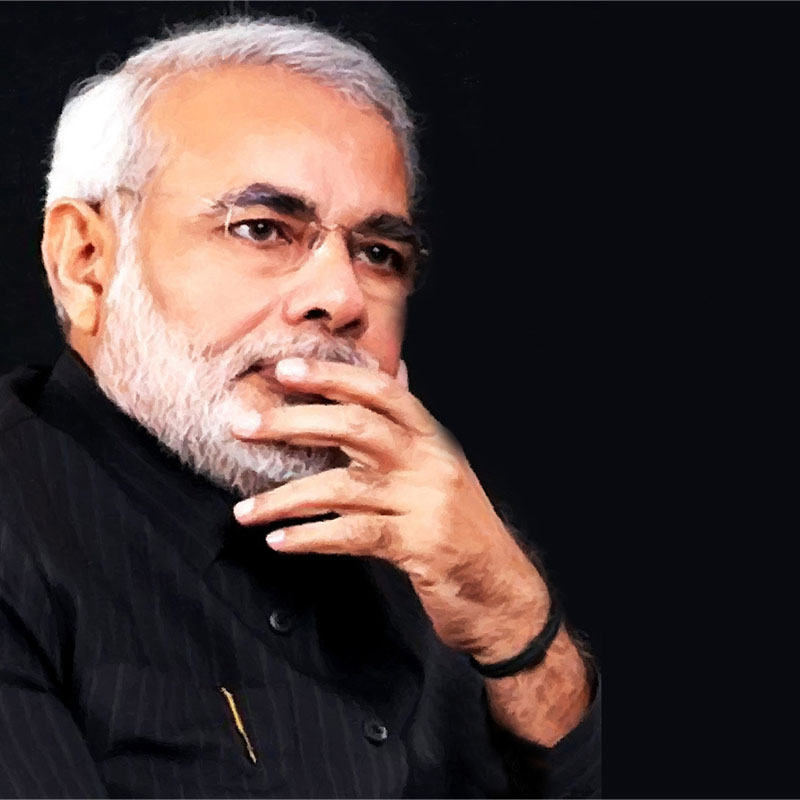
    MUMBAI: Prime Minister Narendra Modi’s radio address Mann ki Baat has reportedly got mega bucks for the All India Radio (AIR). Apart from getting millions of listeners, the programme, according to the information and broadcasting ministry, has fetched a gross revenue of over Rs 4.78 crore through advertisements.

    Prasar Bharati has informed that, as far as AIR is concerned, only the radio broadcast of Mann ki Baat is monetised and other platforms such as live streaming or app-based service are not, said the minister of state for information and broadcasting Rajyavardhan Rathore.

    Overall, the AIR registered a revenue growth in 2015-16 of Rs 447.76 crore from Rs 435.1 crore in 2014-15. Mann Ki Baat has also been visually adapted for telecast on Doordarshan channels.

    AIR, owned by the public broadcaster Prasar Bharati, so far aired 26 episodes of Mann Ki Baat. The show was launched in October 2014 and the broadcaster started monetising it by December. It is reported that AIR generates close to Rs 1 crore from Mann Ki Baat.

    According to a report in Livemint, the broadcaster has designated a total of seven minutes (five minutes before the show and two minutes after the show) for commercial revenue from Mann Ki Baat. It also airs self-promotional advertisements in those seven minutes.

    The report suggests that AIR charges an ad rate of Rs 2 lakh per 10 seconds of advertising for the PM’s radio address.

  • ‘Mann Ki Baat’ earned Rs 4.78 cr; live streaming & app duds

    ‘Mann Ki Baat’ earned Rs 4.78 cr; live streaming & app duds

    MUMBAI: Prime Minister Narendra Modi’s radio address Mann ki Baat has reportedly got mega bucks for the All India Radio (AIR). Apart from getting millions of listeners, the programme, according to the information and broadcasting ministry, has fetched a gross revenue of over Rs 4.78 crore through advertisements.

    Prasar Bharati has informed that, as far as AIR is concerned, only the radio broadcast of Mann ki Baat is monetised and other platforms such as live streaming or app-based service are not, said the minister of state for information and broadcasting Rajyavardhan Rathore.

    Overall, the AIR registered a revenue growth in 2015-16 of Rs 447.76 crore from Rs 435.1 crore in 2014-15. Mann Ki Baat has also been visually adapted for telecast on Doordarshan channels.

    AIR, owned by the public broadcaster Prasar Bharati, so far aired 26 episodes of Mann Ki Baat. The show was launched in October 2014 and the broadcaster started monetising it by December. It is reported that AIR generates close to Rs 1 crore from Mann Ki Baat.

    According to a report in Livemint, the broadcaster has designated a total of seven minutes (five minutes before the show and two minutes after the show) for commercial revenue from Mann Ki Baat. It also airs self-promotional advertisements in those seven minutes.

    The report suggests that AIR charges an ad rate of Rs 2 lakh per 10 seconds of advertising for the PM’s radio address.

  • FM Phase III auction postponed

    FM Phase III auction postponed

    NEW DELHI: The e-auctions in the second batch of FM Phase III, which completed its 24th day yesterday, will now resume on 9 December 2016.

    The auction was not held on Tuesday, owing to the demise of Tamil Nadu chief minister J Jayalalitha as some bidders rushed back to Tamil Nadu.

    The bidding has so far been somewhat slow, but Muzaffarpur has been the sole silver lining over the past week rising to more than Rs 33.7 million and thus also overtaking Mysuru which is still at Rs 32.1 million.

    Hyderabad and Dehradun are still at top with Rs 23,43,48,266 and Rs 15,61,00,590 respectively, and there are still no bids for 44 cities and movement of just one or two cities in the bottom rung.

    M/s South Asia FM Ltd has been declared as the winning bidder for five Radio FM channels, just a day after the commencement of the auction for the second batch of Phase III. The company will be allotted FM Channels in Surat, Amritsar, Patna, Chandigarh and Jammu.

    The first day of auction on 26 October saw a winning price of Rs 1820 milion against the aggregate price of Rs 1792 million, while the second day onwards the bidding has been low.

    Information and Broadcasting Ministry sources told indiantelevision.com’s sister concern radioandmusic.com that the aim was to continue till all the channels slated in the second batch were auctioned, but breaks will have to be taken for weekends and national holidays.

    This data has been compiled on the basis of system generated “Final Round Result Report” and “Frequency Identification Report” accessible through auction administrator role.

    Also Read

    South Asia FM bags five channels in first round of the second batch of FM Batch III

    FM Phase III: Slump in auction, with sole exception of Muzaffarpur leaping to over Rs 33 million

  • FM Phase III auction postponed

    FM Phase III auction postponed

    NEW DELHI: The e-auctions in the second batch of FM Phase III, which completed its 24th day yesterday, will now resume on 9 December 2016.

    The auction was not held on Tuesday, owing to the demise of Tamil Nadu chief minister J Jayalalitha as some bidders rushed back to Tamil Nadu.

    The bidding has so far been somewhat slow, but Muzaffarpur has been the sole silver lining over the past week rising to more than Rs 33.7 million and thus also overtaking Mysuru which is still at Rs 32.1 million.

    Hyderabad and Dehradun are still at top with Rs 23,43,48,266 and Rs 15,61,00,590 respectively, and there are still no bids for 44 cities and movement of just one or two cities in the bottom rung.

    M/s South Asia FM Ltd has been declared as the winning bidder for five Radio FM channels, just a day after the commencement of the auction for the second batch of Phase III. The company will be allotted FM Channels in Surat, Amritsar, Patna, Chandigarh and Jammu.

    The first day of auction on 26 October saw a winning price of Rs 1820 milion against the aggregate price of Rs 1792 million, while the second day onwards the bidding has been low.

    Information and Broadcasting Ministry sources told indiantelevision.com’s sister concern radioandmusic.com that the aim was to continue till all the channels slated in the second batch were auctioned, but breaks will have to be taken for weekends and national holidays.

    This data has been compiled on the basis of system generated “Final Round Result Report” and “Frequency Identification Report” accessible through auction administrator role.

    Also Read

    South Asia FM bags five channels in first round of the second batch of FM Batch III

    FM Phase III: Slump in auction, with sole exception of Muzaffarpur leaping to over Rs 33 million

  • Films Division shorts in cinema halls: Centre mulling revival

    Films Division shorts in cinema halls: Centre mulling revival

    NEW DELHI: All cinema halls may soon have to screen the news features produced by the Films Division, sources in the Information and Broadcasting Ministry said.

    As a first step, the Government had earlier this year waived the 1% rental charged by Films Division in lieu of supplying public services awareness films including news features to facilitate exhibition of such films in the cinema halls of the country.

    These sources told indiantelevision.com that provisions have been kept in the proposed amendments to the Cinematograph Act 1952 to empower the Central Government to issue directions so that such films may get adequate opportunity of being exhibited.

    Meanwhile, Films Division sources told indiantelevision.com that a beginning had already been made and almost all the PVR theatres were showing shorts that went on for just around three to four minutes. However, the aim to revive the practice prevalent around two decades earlier was to show a news feature by the Division before the main feature film commences.

    At one stage, some private filmmakers had gone to court saying that there was no reason for only Films Division films being shown. As a result, cinema halls had stopped screening of the Division films. However, the Supreme Court ultimately ruled over a decade earlier that theatres should show films of relevance to society irrespective of who has made it. But, cinema halls have been reluctant to show these films.

    As a result, the Films Division appealed to the ministry to take decisive steps to ensure that the films – like those on the Swachhta Campaign or other ongoing programmes of the government should be shown. It is learnt that cinema owners have said that they will generally not accept films that are more than three minutes long, and therefore the Centre may step in to make this mandatory.

  • Films Division shorts in cinema halls: Centre mulling revival

    Films Division shorts in cinema halls: Centre mulling revival

    NEW DELHI: All cinema halls may soon have to screen the news features produced by the Films Division, sources in the Information and Broadcasting Ministry said.

    As a first step, the Government had earlier this year waived the 1% rental charged by Films Division in lieu of supplying public services awareness films including news features to facilitate exhibition of such films in the cinema halls of the country.

    These sources told indiantelevision.com that provisions have been kept in the proposed amendments to the Cinematograph Act 1952 to empower the Central Government to issue directions so that such films may get adequate opportunity of being exhibited.

    Meanwhile, Films Division sources told indiantelevision.com that a beginning had already been made and almost all the PVR theatres were showing shorts that went on for just around three to four minutes. However, the aim to revive the practice prevalent around two decades earlier was to show a news feature by the Division before the main feature film commences.

    At one stage, some private filmmakers had gone to court saying that there was no reason for only Films Division films being shown. As a result, cinema halls had stopped screening of the Division films. However, the Supreme Court ultimately ruled over a decade earlier that theatres should show films of relevance to society irrespective of who has made it. But, cinema halls have been reluctant to show these films.

    As a result, the Films Division appealed to the ministry to take decisive steps to ensure that the films – like those on the Swachhta Campaign or other ongoing programmes of the government should be shown. It is learnt that cinema owners have said that they will generally not accept films that are more than three minutes long, and therefore the Centre may step in to make this mandatory.

  • No policy announcements, it’s simply ‘Mann ki Baat’

    No policy announcements, it’s simply ‘Mann ki Baat’

    NEW DELHI: The Government has made it clear that the prime minister Narendra Modi’s monthly ‘Mann ki Baat’ broadcast does not cover any public policy or announcements.

    The minister of state for information and broadcasting Rajyavardhan Rathore said in the Parliament that “Mann Ki Baat is a unique initiative of the prime minister to reach across to the masses through the Radio and connect with the common man on regular basis, inform them about the initiatives of the Government and seek their support in nation building and governance”.

    He added that through this programme the Prime Minister has directly shared his concerns on issues affecting citizens of the country like cleanliness, saving the girl child, welfare of Divyangs, uprooting the menace of drugs and road rage etc. It also provides the listener an opportunity to suggest topics and issues faced by the common man and thus become a part of participative governance.

    The prime minister has now made the broadcast for 26 months.

    All India Radio has commenced the regional language broadcast of Prime Minister Narendra Modi’s ‘Mann ki Baat’ immediately after the Hindi broadcast is over.

    AIR Director General Fayyaz Sheheryar told Indiantelevision.com’s sister concern Radioandmusic.com that this will be in addition to the broadcast on regional kendras that comes at 8.00 pm on the last Sunday of the month when the Prime Minister makes his broadcast. He said that AIR had advertised before this broadcast that listeners can catch the broadcast on the entire AIR network including medium wave and FM Gold and FM Rainbow.

    In addition, the broadcast is carried live on Doordarshan National, DD News, DD Bharati, DD India and DD Kisan.    

    The broadcast can also be heard on the AIR Mobile App ‘All India Radio Live’ on Android, IOS and Windows and also give a missed call on 1922 to listen to the broadcast.

    It is streamed live by pmonradio.nic.in, allindiaradio.gov.in, newsonair.nic.in, and youtube/user/akashvaniair.

    It is also available free to all private television channels and FM channels. Letters can be sent on MyGov.in, and NarendraModi App.

    Also read

    PM’s ‘Mann Ki Baat’: AIR starts regional translation after Hindi


  • No policy announcements, it’s simply ‘Mann ki Baat’

    No policy announcements, it’s simply ‘Mann ki Baat’

    NEW DELHI: The Government has made it clear that the prime minister Narendra Modi’s monthly ‘Mann ki Baat’ broadcast does not cover any public policy or announcements.

    The minister of state for information and broadcasting Rajyavardhan Rathore said in the Parliament that “Mann Ki Baat is a unique initiative of the prime minister to reach across to the masses through the Radio and connect with the common man on regular basis, inform them about the initiatives of the Government and seek their support in nation building and governance”.

    He added that through this programme the Prime Minister has directly shared his concerns on issues affecting citizens of the country like cleanliness, saving the girl child, welfare of Divyangs, uprooting the menace of drugs and road rage etc. It also provides the listener an opportunity to suggest topics and issues faced by the common man and thus become a part of participative governance.

    The prime minister has now made the broadcast for 26 months.

    All India Radio has commenced the regional language broadcast of Prime Minister Narendra Modi’s ‘Mann ki Baat’ immediately after the Hindi broadcast is over.

    AIR Director General Fayyaz Sheheryar told Indiantelevision.com’s sister concern Radioandmusic.com that this will be in addition to the broadcast on regional kendras that comes at 8.00 pm on the last Sunday of the month when the Prime Minister makes his broadcast. He said that AIR had advertised before this broadcast that listeners can catch the broadcast on the entire AIR network including medium wave and FM Gold and FM Rainbow.

    In addition, the broadcast is carried live on Doordarshan National, DD News, DD Bharati, DD India and DD Kisan.    

    The broadcast can also be heard on the AIR Mobile App ‘All India Radio Live’ on Android, IOS and Windows and also give a missed call on 1922 to listen to the broadcast.

    It is streamed live by pmonradio.nic.in, allindiaradio.gov.in, newsonair.nic.in, and youtube/user/akashvaniair.

    It is also available free to all private television channels and FM channels. Letters can be sent on MyGov.in, and NarendraModi App.

    Also read

    PM’s ‘Mann Ki Baat’: AIR starts regional translation after Hindi