
Connect with us
MUMBAI: Ministry of Information and Broadcasting (MIB) has issued a notice instructing 69 private satellite channels to provide complete set of technical parameters with Electronic Media...
MUMBAI: The Ministry of Information and Broadcasting has announced the implementation of accessibility standard for TV programmes for persons with hearing impairment from 16 September 2019....
MUMBAI: In the face of rising dominance of certain multi system operators (MSOs) and local cable operators (LCOs) in several states, Telecom Regulatory Authority of India...

MUMBAI: As the cabinet government amended the foreign direct investment (FDI) policy, it has also given the nod to 26 per cent overseas investment in digital...
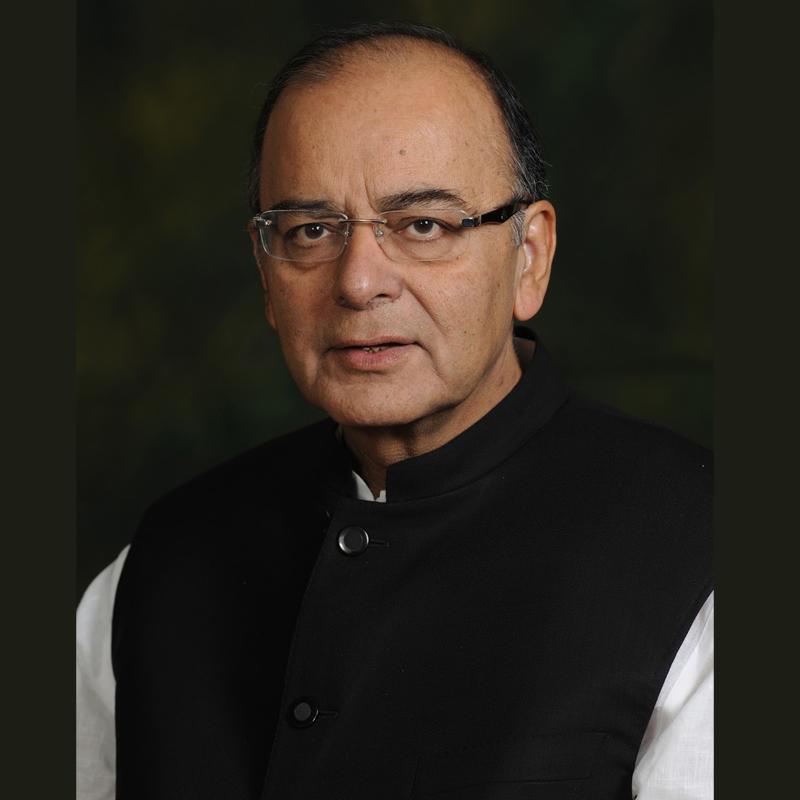
MUMBAI: In a fitting tribute to its former president Arun Jaitley, the Delhi and District Cricket Association (DDCA) has decided to name the Stadium after him....

New Delhi: IBF (Indian Broadcasting Foundation), India’s apex body of television broadcasters is shocked and saddened by the untimely demise of Shri Arun Jaitley, former Finance...
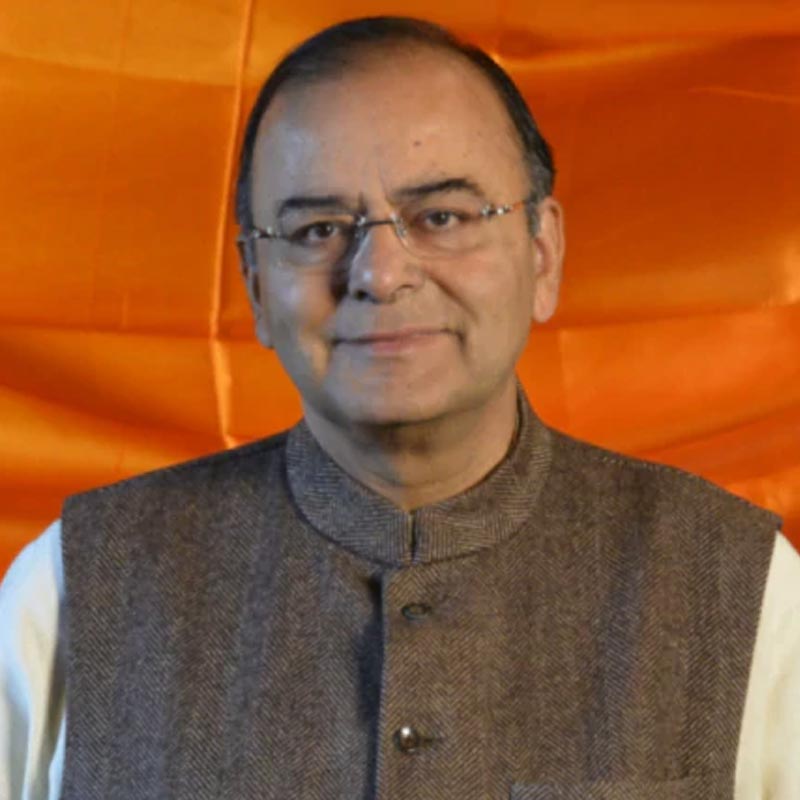
MUMBAI: Former union minister and one of the most senior and popular BJP veterans, Arun Jaitley died earlier this morning. He was undergoing treatment at AIIMS...
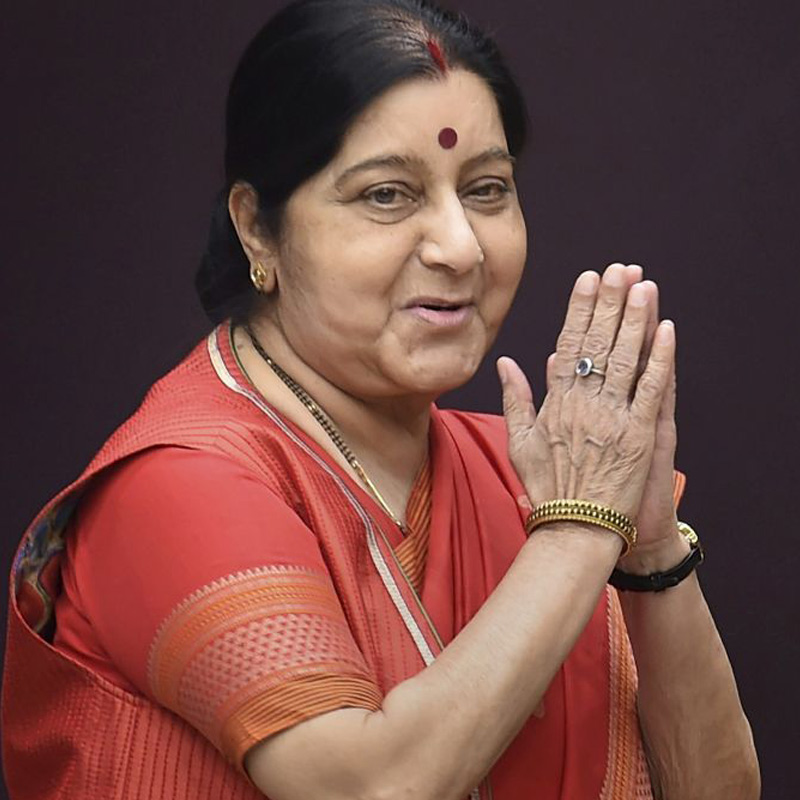
MUMBAI: It was a sad day for Indian politics, yesterday, as one of the most vibrant politicians of her time succumbed to a heart attack. Senior...
MUMBAI: The Ministry of Information and Broadcasting (MIB) has informed that the issue of pending applications for MSO registration is under consideration. MIB informed that that...
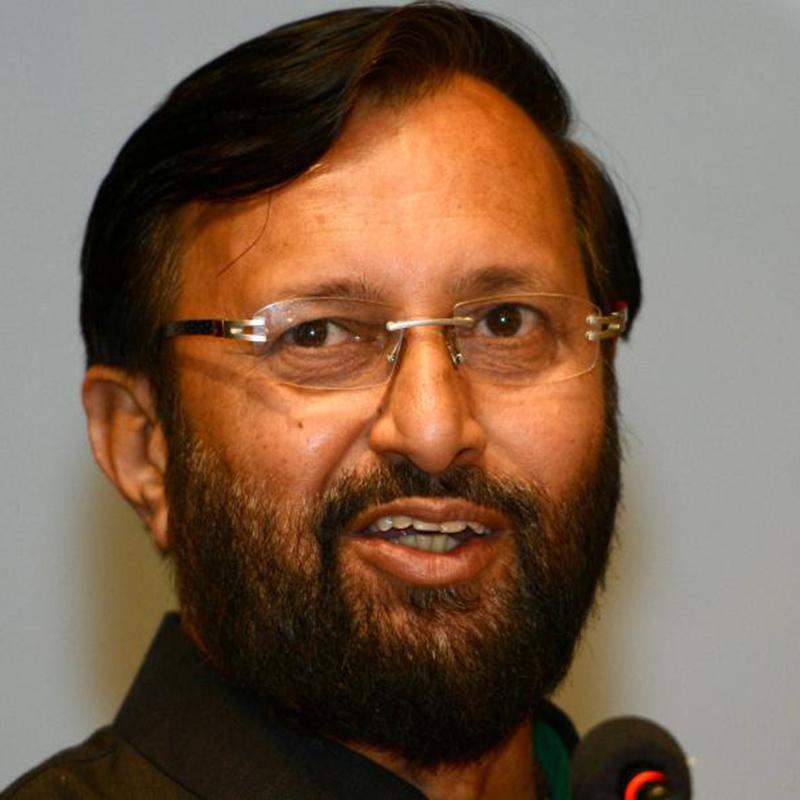
MUMBAI: Information and Broadcasting Minister Prakash Javadekar inaugurated Video Walls in all eight Doordarshan Studios and Earth Station at DD Kendra, Delhi on Thursday. Speaking on...
MUMBAI: The Ministry of Information and Broadcasting (MIB) has made a request to electronic media, especially private TV channels, to telecast and cover activities relating to...
MUMBAI: The Ministry of Information and Broadcasting (MIB) has sought affidavits from both existing MSOs as well as fresh applicants that they are carrying all 24...

MUMBAI: News broadcasting network Network18 India has shot off a letter to the Information and Broadcasting Ministry (MIB) raising concerns over Broadcast Audience Research Council (BARC)...
MUMBAI: The Ministry of Information and Broadcasting (MIB) has approved a total of 21 applications from satellite channels for name change. Among the newly renamed channels,...
MUMBAI: The Ministry of Information and Broadcasting (MIB) has granted Star India permission to rename Movies OK as Star Gold 2. In March, Star India bagged...
MUMBAI: The Ministry of Information and Broadcasting (MIB) recently cancelled the licences of STV Enterprises’ four channels Punjab Today, STV Haryana News, STV Jammu-Kashmir News and...

MUMBAI: The Ministry of Information and Broadcasting (MIB) has issued an advisory to TV channels that show dangerous stunts via reality shows. The MIB said it...
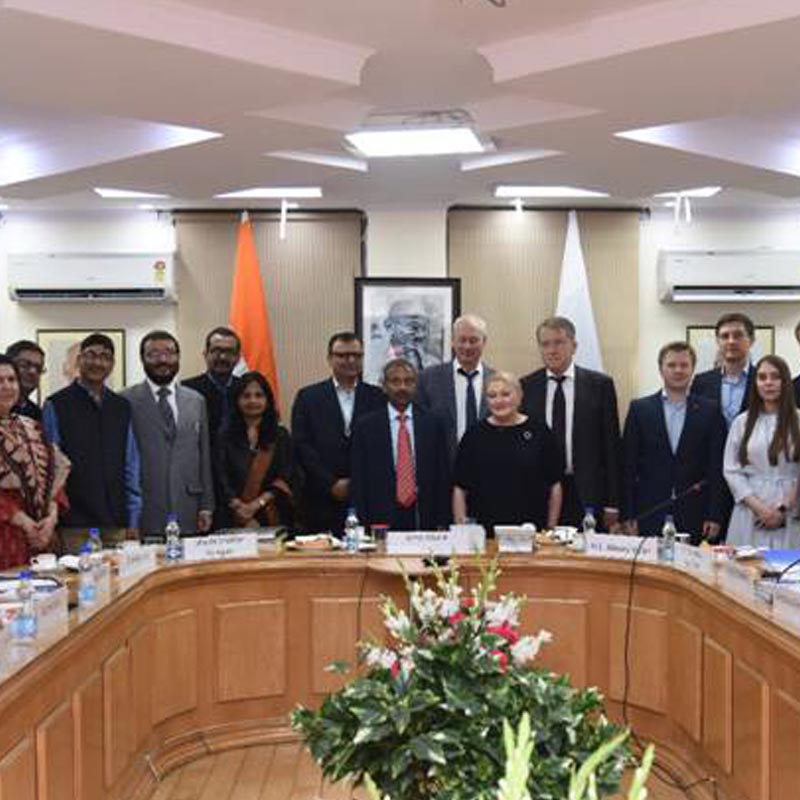
MUMBAI: A Russian Delegation led by the Russian Deputy Minister of Digital Development, Communications and Mass Media, H.E Alexey Volin, including the Ambassador of Russian Federation...
MUMBAI: The Ministry of Information and Broadcasting (MIB) has issued eleven new TV licenses in the non-news category. While Viacom18 received nine of those, the other...
MUMBAI: The Ministry of Information and Broadcasting (MIB) has approved a total of four applications from Star India and Sun TV to rename their channels. The...
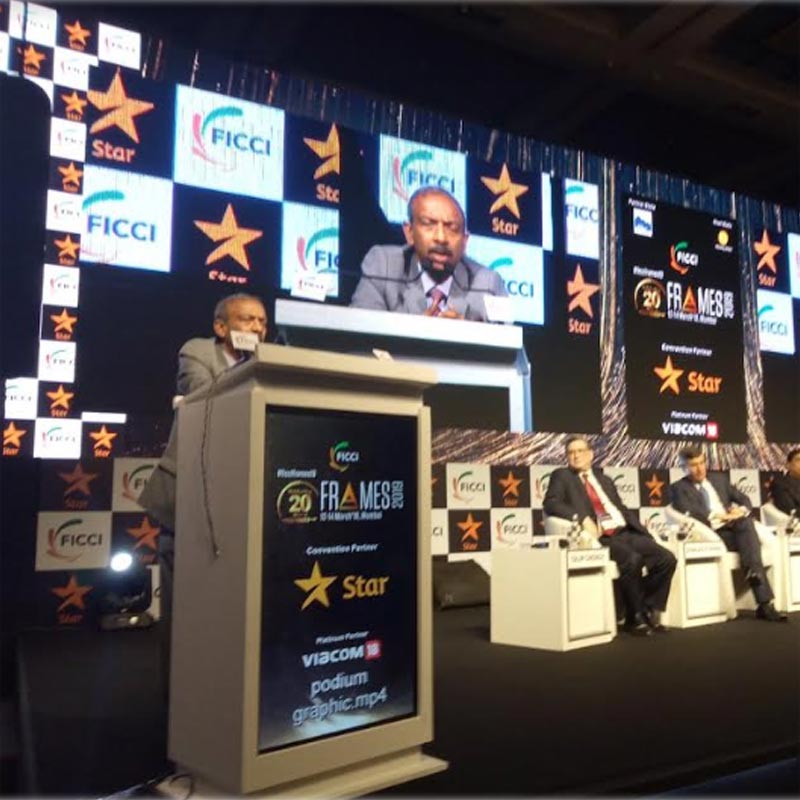
MUMBAI: MIB Secretary Amit Khare did some plain talking here while addressing industry and said bowing to needs of the stakeholders, a national broadcast policy is...
MUMBAI: The Ministry of Information and Broadcasting (MIB) has given ABP News Network four new TV channel licences in the month of February. The company has...

MUMBAI: Tiranga TV has criticised the government’s move to censure it, saying it is unjustified. Recently, the Ministry of Information and Broadcasting (MIB) sent a notice...
MUMBAI: The Ministry of Information and Broadcasting (MIB) gave licenses to six new channels in the month of January and February. The channels are Skystar Bangla,...
MUMBAI: In the wake of the recent terror attacks in Jammu & Kashmir, the government has issued an advisory to private TV channels to adhere to...
MUMBAI: The Cabinet Committee on Economic Affairs (CCEA) chaired by the Hon’ble Prime Minister Shri Narendra Modi today gave its approval to the proposal of the...
MUMBAI: The Ministry of Information and Broadcasting (MIB)published the status of application for new channels in regional languages on 5 February 2019. In the last two...
MUMBAI: The Ministry of Information and Broadcasting (MIB) has issued a notice informing all broadcasters that the online module for submitting applications for new TV channels is...
MUMBAI: Just a few weeks ahead of election date announcements, the Ministry of Information and Broadcasting has taken a decision to revise the advertisement rates offered by...
MUMBAI: The Ministry of Information and Broadcasting has directed all TV channels to support self-regulation for grievance against objectionable ads. In a recently released advisory, the...
MUMBAI: The Ministry of Information and Broadcasting (MIB) gave licenses to five new channels up until 31 December 2018. The channels are P Plus, PTunes, Living...

MUMBAI: An upswing in online streaming platforms in India has drawn attention of authority as well as stakeholders on regulation. As per industry sources, most of the...
MUMBAI: In a fresh notice, the Ministry of Information and Broadcasting (MIB) has laid out a new norm for temporary uplinking applications for live coverage of...
MUMBAI: The Ministry of Information and Broadcasting (MIB) has taken a decision to revise the advertisement rates for print media by announcing a hike of 25...

MUMBAI: No online content is free of the hassle of battling piracy in India. The multi-million dollar film industry is arguably the most affected by piracy....
MUMBAI: Direct-to-home (DTH) operators of India will have to wait a while if they were expecting something from the Ministry of Information and Broadcasting (MIB) regarding...

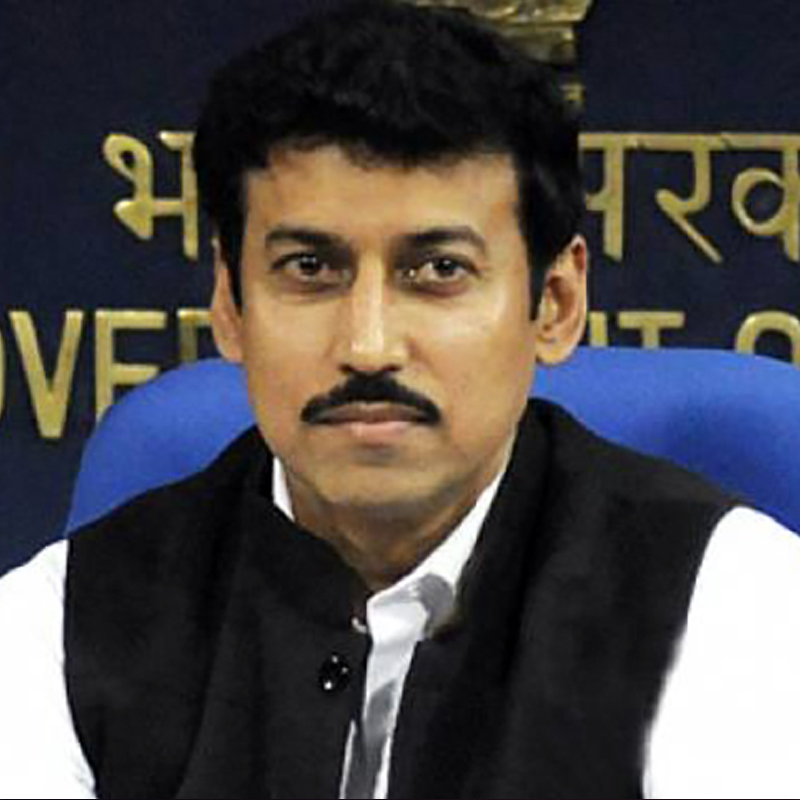
MUMBAI: The Ministry of Information and Broadcasting (MIB) is patting its back for the digitisation success in India. Minister of State for MIB Rajyavardhan Rathore endorsed...

MUMBAI: Ministry of Information and Broadcasting (MIB), through Broadcast Engineering Consultants India Ltd (BECIL), is organising a conference of MSOs, the cable TV industry representatives, that...
MUMBAI: Months after a country-wide uproar and nudges from the judiciary forced the Indian government to shutter a Big Brother-type initiative involving tracking of Indians’ digital footprints,...
NEW DELHI: India’s Ministry of Information and Broadcasting is exploring formulating a national broadcast policy or NBP with an aim to ease lengthy and time consuming government...
NEW DELHI: If all goes well, India’s DTH operators may have something to cheer about in the new year. The Ministry of Information and Broadcasting (MIB)...
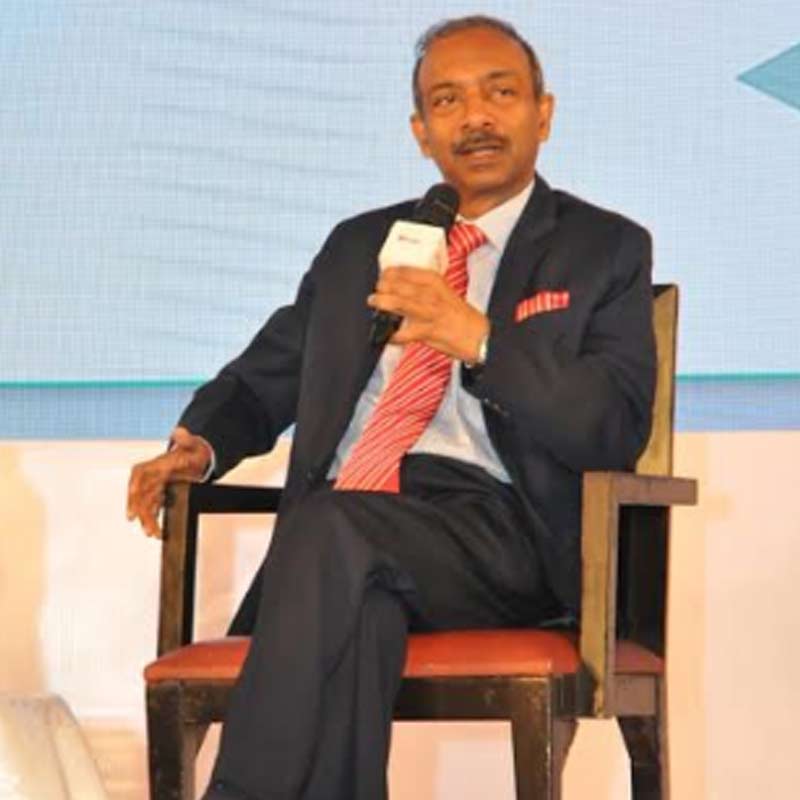
MUMBAI: Making a strong case for self-regulation, Ministry of Information & Broadcasting Secretary Amit Khare today said it was a better regulatory approach for India’s media...
MUMBAI: Ministry of Information and Broadcasting (MIB) has extended the deadline to give feedback on the draft sports broadcasting signals (Mandatory Sharing with Prasar Bharti) (Amendment)...
MUMBAI: The Ministry of Information and Broadcasting (MIB) after being lenient for couple of months in awarding channel licenses, is back to being strict. In the...
NEW DELHI: In what could have far reaching effects on the financial viability of sports TV channels or streaming platforms, which acquire exlcusive rights for sporting...

MUMBAI: A health channel named CVR Health had telecast a show named ‘healthy nights’ in 2016 that was considered unsuitable for the television audience for which...
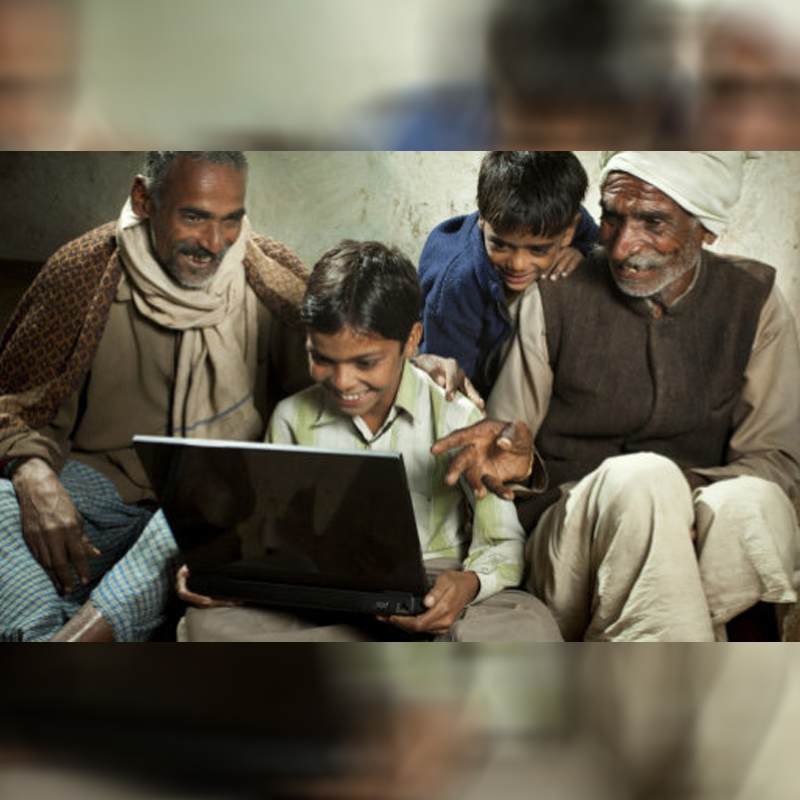
MUMBAI: Despite the Department of Telecommunications (DoT) citing high cost of satellite-delivered bandwidth to reach remote areas for providing broadband services, parliament’s committee on IT has...

MUMBAI: For nearly a year, the Ministry of Information and Broadcasting (MIB) has been stingy in handing out licences to channels. But in July, four new...
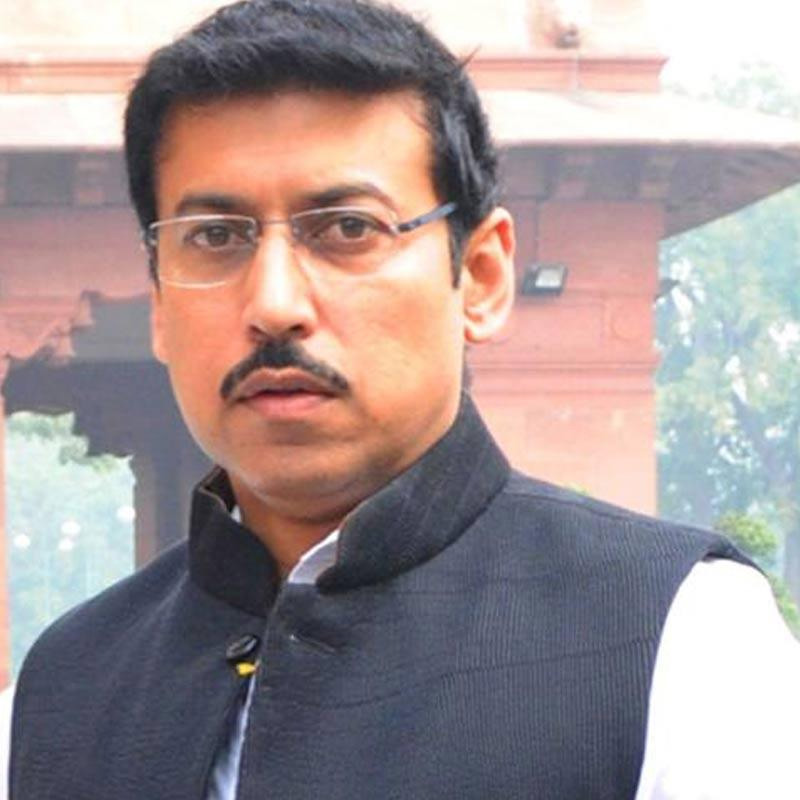
NEW DELHI: Do watching cartoons have lasting effects on the children? Has the government made any assessment regarding the impact of cartoon channels on kids? Does...
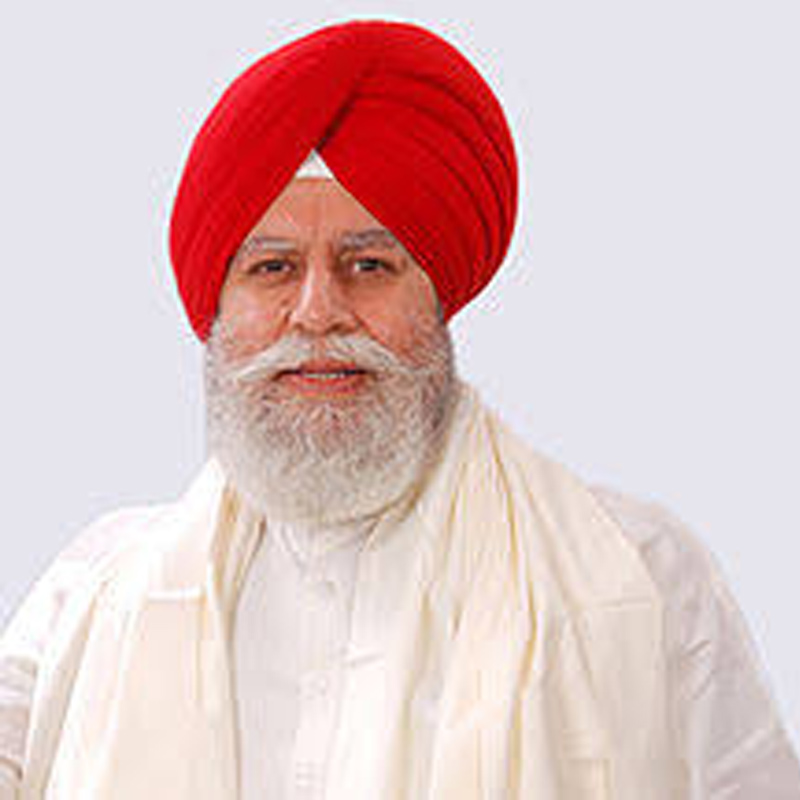
NEW DELHI: Though the Indian government continues to explore avenues to track digital footprints of the citizens and regulations for online media, it said on Wednesday...

Platforms get three years to add features for hearing and visually impaired


Strong word-of-mouth turns Pongal satire into remake pick


Streaming giant bets on a seasoned marketer who helped build Amazon and Netflix into household names


Communications leader exits after three years spanning MD office strategy and media outreach.


Cricket star named face of Delhi Khel Mahakumbh to fuel youth talent hunt.


Kolkata-based beverage maker reports stronger revenues and profits for December quarter.


A crime thriller steps out of the shadows as Telugu storytelling claims centre stage.


From boards to bytes, chess readies for a nation-first showdown in Riyadh.


Leadership change follows layoffs, protests and a bruising battle over trust.

Revenue rises 4.3 per cent to Rs 10,209.33 crore while deferred tax gain lifts bottom line sharply


Akshay Kumar and stars launch awards at NSCI Dome on Feb 28


Merger creates one-stop hub for content, digital, and delivery


NEW DELHI: Hamdard Laboratories gathered a cross-section of India’s achievers in New Delhi on Friday, handing out the Hakeem Abdul...


MUMBAI: For decades, creative storytelling has been the cornerstone of brand communication. The “big idea” amplified through catchy jingles, striking...


MUMBAI: Zepto has elevated Ahmad Muneeb to vice president – HR centre of excellence, placing him at the helm of...

This will close in 10 seconds

