Category: I&B Ministry

  • Mittal wants self-regulation for new media, Rathore says IT Act adequate

    Mittal wants self-regulation for new media, Rathore says IT Act adequate

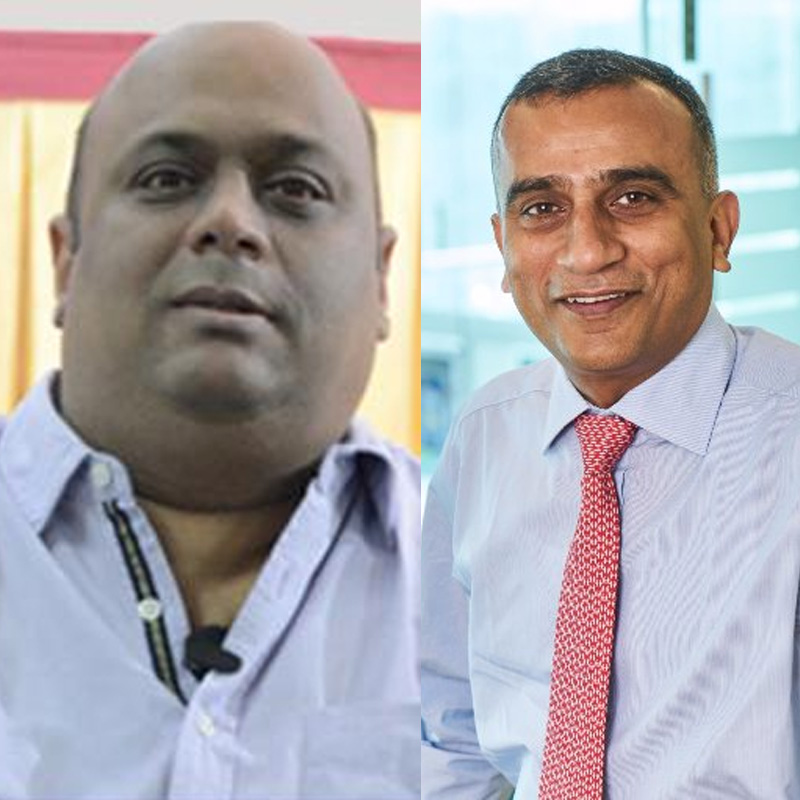
    NEW DELHI: Even as Minister of State for Information and Broadcasting Rajyavardhan Rathore categorically told Parliament earlier this month that his Ministry was not contemplating any regulatory framework for censorship of content appearing on the internet, Secretary Ajay Mittal has said the Centre is concerned about new media in the absence of a regulatory framework.

    Speaking in Kolkata at the Merchants’ Chamber of Commerce and Industries (MCCI), Mittal said

    “An important area of challenge in the new media is that there is unfortunately no regulatory framework. What you cannot see on TV or hear on your radio, it is all possibly up there in open access.”

    Mittal said much more was needed to be done to prepare the government and its officers to deal with the “completely new paradigm of digital media”.

    He said the Ministry was discussing with the state governments and “we are now going to train their people in the information sector so that they can deal with the challenges created by new media that is causing a whole lot of concern.”

    Mittal said questions have also been raised in Parliament on “this issue of digital media without any boundaries. We are very clear that in the media space the best form of regulation is self regulation and the government would like to keep away as far as possible.”

    Rathore had said in reply to a question about censoring new platforms for publication and broadcasting of media content like social networks and online video services that Section 69A of the Information Technology Act 2000 provides for blocking access to information under specific conditions. He said the Act has provisions for removal of objectionable online content.

    The Information Technology (Intermediary Guidelines) rules 2011 require that the Intermediaries shall observe due diligence while discharging their duties and shall inform the users of computer resources not to host, display, upload, modify, publish, transmit, update or share any information that is harmful, objectionable, affects minors and is unlawful in any way.

    As far as OTT was concerned, sources in the ministry told indiantelevision.com that this was still a new subject, and the government would take action in the event of any complaints from viewers and subscribers.

    The Ministry, sources said, has no control over films appearing online as this falls in the ambit of the IT Act which is administered by IT Ministry.

  • Mittal wants self-regulation for new media, Rathore says IT Act adequate

    Mittal wants self-regulation for new media, Rathore says IT Act adequate

    NEW DELHI: Even as Minister of State for Information and Broadcasting Rajyavardhan Rathore categorically told Parliament earlier this month that his Ministry was not contemplating any regulatory framework for censorship of content appearing on the internet, Secretary Ajay Mittal has said the Centre is concerned about new media in the absence of a regulatory framework.

    Speaking in Kolkata at the Merchants’ Chamber of Commerce and Industries (MCCI), Mittal said

    “An important area of challenge in the new media is that there is unfortunately no regulatory framework. What you cannot see on TV or hear on your radio, it is all possibly up there in open access.”

    Mittal said much more was needed to be done to prepare the government and its officers to deal with the “completely new paradigm of digital media”.

    He said the Ministry was discussing with the state governments and “we are now going to train their people in the information sector so that they can deal with the challenges created by new media that is causing a whole lot of concern.”

    Mittal said questions have also been raised in Parliament on “this issue of digital media without any boundaries. We are very clear that in the media space the best form of regulation is self regulation and the government would like to keep away as far as possible.”

    Rathore had said in reply to a question about censoring new platforms for publication and broadcasting of media content like social networks and online video services that Section 69A of the Information Technology Act 2000 provides for blocking access to information under specific conditions. He said the Act has provisions for removal of objectionable online content.

    The Information Technology (Intermediary Guidelines) rules 2011 require that the Intermediaries shall observe due diligence while discharging their duties and shall inform the users of computer resources not to host, display, upload, modify, publish, transmit, update or share any information that is harmful, objectionable, affects minors and is unlawful in any way.

    As far as OTT was concerned, sources in the ministry told indiantelevision.com that this was still a new subject, and the government would take action in the event of any complaints from viewers and subscribers.

    The Ministry, sources said, has no control over films appearing online as this falls in the ambit of the IT Act which is administered by IT Ministry.

  • Nod to Idea, Star Den & four may fetch Rs 1200 cr FDI; You & Crest proposals deferred

    Nod to Idea, Star Den & four may fetch Rs 1200 cr FDI; You & Crest proposals deferred

    MUMBAI: Inter-ministerial body Foreign Investment Promotion Board has okayed six investment proposals, including Idea Cellular and Star Den Media Services expecting an investment of Rs 1,200 crore (USD 176.5 million).

    Idea Cellular Infrastructure Services (ICISL) had filed an application to raise foreign investment level in it to 67.5 per cent. ICISL is a wholly-owned subsidiary of Idea, which has become a foreign-owned firm with more than 50 per cent overseas investment. Star Den Media Services Pvt. Ltd. develops and distributes television, cable, and the related network platforms. It offers a platform for distributing television channels in India through all fixed networks including cable, direct to home, and internet protocol television.

    Other proposals which got a go-ahead are — Sanofi Synthelabo India, Boehringer Ingelheim India, A Menarini India Pvt Ltd and Recipharm Participation. The FIPB, led by the economic affairs secretary Shaktikanta Das, rejected three proposals, including AMP Solar India Pvt Ltd. and six proposals were deferred for further consultation and want of more information.

    Among the proposals deferred were You Broadband India, Crest Premedia Solutions and Scientific Publishing Services.

    Indiantelevision.com had earlier reported that the board will consider 17 foreign investment proposals on 28 December, including that of Star Den Media.

    FIPB had in June this year rejected a proposal of Flag Telecom Singapore, a wholly-owned unit of Reliance Communications (RCom), to set up a telecom subsidiary in India. Flag Telecom reportedly planned to acquire a company, payout for which would have been around US$120 million — in two parts.

    India allows FDI in some of the industry sectors via the automatic route, but, in certain segments that are considered sensitive for the economy and security, the proposals need to be cleared by FIPB first. FIPB had earlier met on 26 September to consider foreign investment proposals, including that of Idea Cellular.

    The Indian government has taken a series of measures in the recent past to give a fillip to foreign direct investment. In the first half of the current fiscal year, the inflows were USD 21.62 billion. FDI increased by 29 per cent to USD 40 billion in 2015-16 as compared to the previous fiscal.

    Also Read:

    Star Den, Flag Telecom, You & Idea FDI meet on 28 Dec

    Govt defers decision on FDI for Vodafone to acquire You Broadband

  • Nod to Idea, Star Den & four may fetch Rs 1200 cr FDI; You & Crest proposals deferred

    Nod to Idea, Star Den & four may fetch Rs 1200 cr FDI; You & Crest proposals deferred

    MUMBAI: Inter-ministerial body Foreign Investment Promotion Board has okayed six investment proposals, including Idea Cellular and Star Den Media Services expecting an investment of Rs 1,200 crore (USD 176.5 million).

    Idea Cellular Infrastructure Services (ICISL) had filed an application to raise foreign investment level in it to 67.5 per cent. ICISL is a wholly-owned subsidiary of Idea, which has become a foreign-owned firm with more than 50 per cent overseas investment. Star Den Media Services Pvt. Ltd. develops and distributes television, cable, and the related network platforms. It offers a platform for distributing television channels in India through all fixed networks including cable, direct to home, and internet protocol television.

    Other proposals which got a go-ahead are — Sanofi Synthelabo India, Boehringer Ingelheim India, A Menarini India Pvt Ltd and Recipharm Participation. The FIPB, led by the economic affairs secretary Shaktikanta Das, rejected three proposals, including AMP Solar India Pvt Ltd. and six proposals were deferred for further consultation and want of more information.

    Among the proposals deferred were You Broadband India, Crest Premedia Solutions and Scientific Publishing Services.

    Indiantelevision.com had earlier reported that the board will consider 17 foreign investment proposals on 28 December, including that of Star Den Media.

    FIPB had in June this year rejected a proposal of Flag Telecom Singapore, a wholly-owned unit of Reliance Communications (RCom), to set up a telecom subsidiary in India. Flag Telecom reportedly planned to acquire a company, payout for which would have been around US$120 million — in two parts.

    India allows FDI in some of the industry sectors via the automatic route, but, in certain segments that are considered sensitive for the economy and security, the proposals need to be cleared by FIPB first. FIPB had earlier met on 26 September to consider foreign investment proposals, including that of Idea Cellular.

    The Indian government has taken a series of measures in the recent past to give a fillip to foreign direct investment. In the first half of the current fiscal year, the inflows were USD 21.62 billion. FDI increased by 29 per cent to USD 40 billion in 2015-16 as compared to the previous fiscal.

    Also Read:

    Star Den, Flag Telecom, You & Idea FDI meet on 28 Dec

    Govt defers decision on FDI for Vodafone to acquire You Broadband

  • Mithun Chakraborty resigns Rajya Sabha seat on grounds of ill health

    Mithun Chakraborty resigns Rajya Sabha seat on grounds of ill health

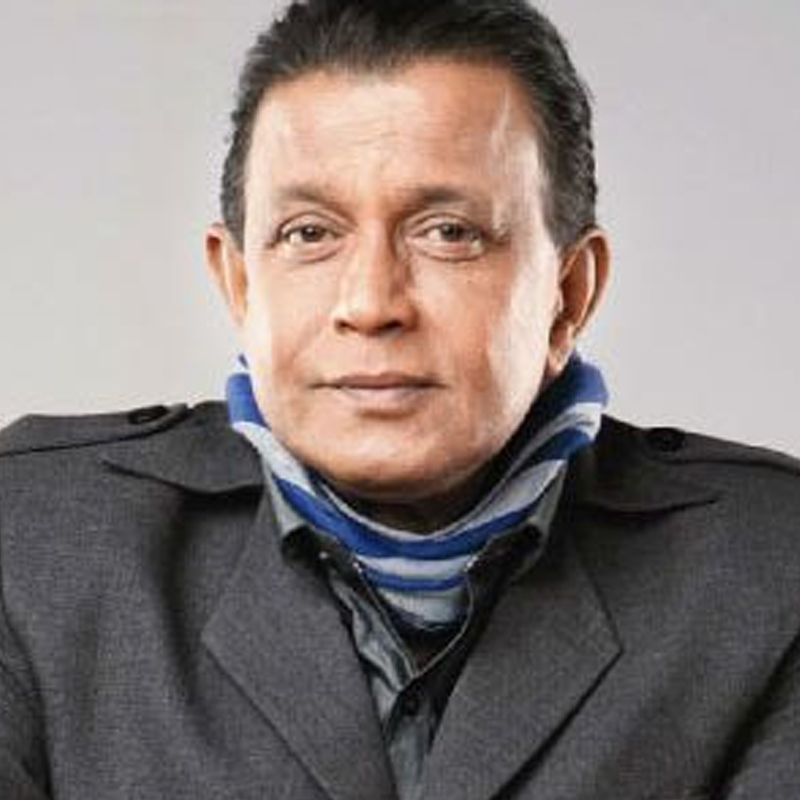
    NEW DELHI: Yesteryears actor and dancing star Mithun Chakraborty, who had become a Member of the Rajya Sabha on behalf of the Trimanool Congress in April 2014, has resigned on ground of sickness.

    Mithun has resigned nearly one and half years before the end of his term.
    After his innings as the Grand Master on the Dancing reality show Dance India Dance, Mithun has generally avoided any public appearance and there have been unconfirmed reports of him suffering from prolonged illness.

    TMC leader Derek O’Brien was quoted by ANI as saying, “He resigned from RS on health grounds. We continue to share warm relationship with him and his family. We wish him speedy recovery”.

    He attended only three days of Parliament in nearly two years and Deputy Chairman P J Kurien also commented on this in the house.

    He has written to the Chairman that because of his health condition he is not been able to fulfil his duty in Rajya Sabha and that is why he is relinquishing his seat, sources added.
    His tensure has not been without controversy as he was named for his association with Saradha group. He later said Saradha had not paid his due amount.

    Mithun’s real name is Gourang Chakraborty but he is commonly referred as ‘Mithun Da’. Mithun began his career in the Indian film industry as a junior artist and went on to establish himself as a superstar.

    Mithun is also known for his fusion of “Disco and Desi”. He is also recognized as one of the best “dancing-heroes” in Bollywood.

  • Mithun Chakraborty resigns Rajya Sabha seat on grounds of ill health

    Mithun Chakraborty resigns Rajya Sabha seat on grounds of ill health

    NEW DELHI: Yesteryears actor and dancing star Mithun Chakraborty, who had become a Member of the Rajya Sabha on behalf of the Trimanool Congress in April 2014, has resigned on ground of sickness.

    Mithun has resigned nearly one and half years before the end of his term.
    After his innings as the Grand Master on the Dancing reality show Dance India Dance, Mithun has generally avoided any public appearance and there have been unconfirmed reports of him suffering from prolonged illness.

    TMC leader Derek O’Brien was quoted by ANI as saying, “He resigned from RS on health grounds. We continue to share warm relationship with him and his family. We wish him speedy recovery”.

    He attended only three days of Parliament in nearly two years and Deputy Chairman P J Kurien also commented on this in the house.

    He has written to the Chairman that because of his health condition he is not been able to fulfil his duty in Rajya Sabha and that is why he is relinquishing his seat, sources added.
    His tensure has not been without controversy as he was named for his association with Saradha group. He later said Saradha had not paid his due amount.

    Mithun’s real name is Gourang Chakraborty but he is commonly referred as ‘Mithun Da’. Mithun began his career in the Indian film industry as a junior artist and went on to establish himself as a superstar.

    Mithun is also known for his fusion of “Disco and Desi”. He is also recognized as one of the best “dancing-heroes” in Bollywood.

  • India, US should resolve IPR issues at earliest: IACC

    India, US should resolve IPR issues at earliest: IACC

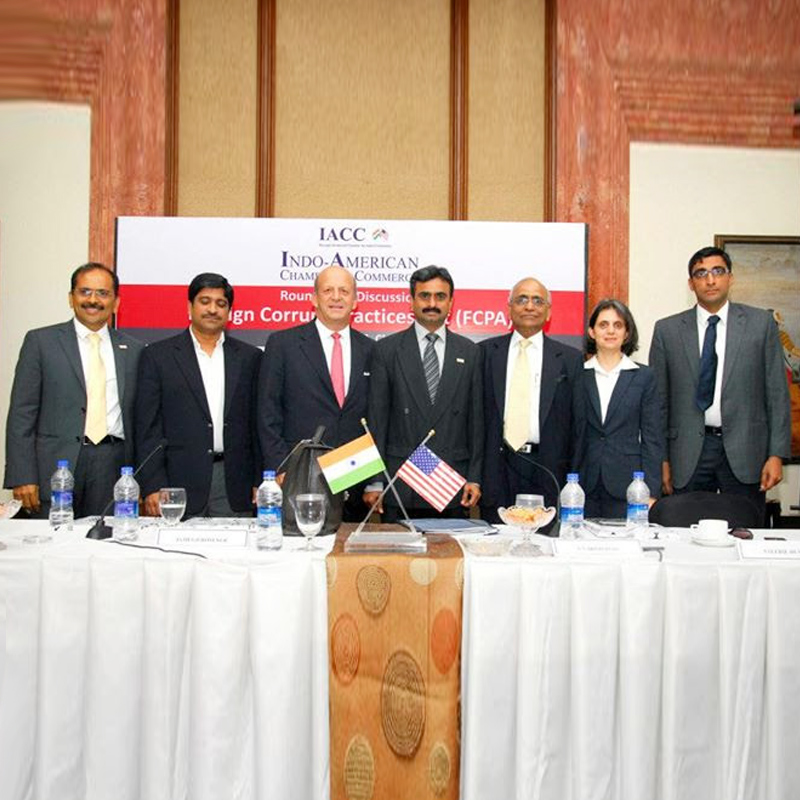
    NEW DELHI: India and the United States should exchange a bouquet of “wish lists” includig IPR issues aimed at fast tracking resolution of bilateral issues that impede accelerated flow of investment between the two countries, Indo American Chamber of Commerce national president N VSrinivasan said today.

    Broad contours of the wish lists should include amicable settlement of IPR issues leading to earliest conclusion of the Bilateral Investment Treaty (BIT), Totalization Agreement, a sound legal framework to expeditiously settle disputes, settlement of issues emanating from non-tariff measures and importantly a fast solution to nagging visa problems.

    He said that there was a growing realization among the US corporations that India, lying mid-way between West and the East, has the potential to emerge as a Gateway for serving both markets. Many corporations are seriously discussing these ideas in their board room meetings, while others are taking concrete steps towards investing in India with a renewed interest. “We have to capitalize on the situation by removing impediments to flow of investments and take concrete step toease doing business in India to leverage our position as an attractive investment destination,” according to Srinivasan.

    The US President – Elect Donald Trump is in the process of recalibrating the policies to deal pragmatically with each country by their level of importance and economic engagement. Against this backdrop, India’s recent policy initiatives like Make in India, Digital India, Smart city project, high budget investments in infrastructure etc. where critical technical and financial investments are needed, would stand to benefit.

    Trump has has made it very clear that he is averse to regional trade agreements like NAFTA, emerging Trans Pacific Partnership (TPP) etc. which according to him have been militated against the US interests.

    Flagging the contentious issues that are coming up in the bilateral economic negotiations, such as tardy intellectual property rights (IPR) protection and their enforcement, retrospective tax regime in India, insistence on deciding economic disputes under Indian laws etc, the IACC President said these issues can be settled in a spirit of give and take.

    There has been a proliferation of Indian companies and start-ups in the US, mostly in the ICT sector. These are set up mostly by people who migrated to the US at various stages, particularly during the dotcoms days. Their business enterprises are providing gainful employment to many US citizens. Most of the IT and technology platforms in India, such as mobile telephony, credit/debit card networks, climate tracking equipment, heavy duty computers, drones, sensors etc are working on equipment mostly imported from the US.

    “We are happy and privileged to have two administrations in the US and India, which are pro-business and believe in creating an environment for seamless business activities. Donald Trump’s significant business interests in India in various sectors and his statement of intent to forge a strong business relationship are pointers to an exciting bilateral business relationship”.

  • India, US should resolve IPR issues at earliest: IACC

    India, US should resolve IPR issues at earliest: IACC

    NEW DELHI: India and the United States should exchange a bouquet of “wish lists” includig IPR issues aimed at fast tracking resolution of bilateral issues that impede accelerated flow of investment between the two countries, Indo American Chamber of Commerce national president N VSrinivasan said today.

    Broad contours of the wish lists should include amicable settlement of IPR issues leading to earliest conclusion of the Bilateral Investment Treaty (BIT), Totalization Agreement, a sound legal framework to expeditiously settle disputes, settlement of issues emanating from non-tariff measures and importantly a fast solution to nagging visa problems.

    He said that there was a growing realization among the US corporations that India, lying mid-way between West and the East, has the potential to emerge as a Gateway for serving both markets. Many corporations are seriously discussing these ideas in their board room meetings, while others are taking concrete steps towards investing in India with a renewed interest. “We have to capitalize on the situation by removing impediments to flow of investments and take concrete step toease doing business in India to leverage our position as an attractive investment destination,” according to Srinivasan.

    The US President – Elect Donald Trump is in the process of recalibrating the policies to deal pragmatically with each country by their level of importance and economic engagement. Against this backdrop, India’s recent policy initiatives like Make in India, Digital India, Smart city project, high budget investments in infrastructure etc. where critical technical and financial investments are needed, would stand to benefit.

    Trump has has made it very clear that he is averse to regional trade agreements like NAFTA, emerging Trans Pacific Partnership (TPP) etc. which according to him have been militated against the US interests.

    Flagging the contentious issues that are coming up in the bilateral economic negotiations, such as tardy intellectual property rights (IPR) protection and their enforcement, retrospective tax regime in India, insistence on deciding economic disputes under Indian laws etc, the IACC President said these issues can be settled in a spirit of give and take.

    There has been a proliferation of Indian companies and start-ups in the US, mostly in the ICT sector. These are set up mostly by people who migrated to the US at various stages, particularly during the dotcoms days. Their business enterprises are providing gainful employment to many US citizens. Most of the IT and technology platforms in India, such as mobile telephony, credit/debit card networks, climate tracking equipment, heavy duty computers, drones, sensors etc are working on equipment mostly imported from the US.

    “We are happy and privileged to have two administrations in the US and India, which are pro-business and believe in creating an environment for seamless business activities. Donald Trump’s significant business interests in India in various sectors and his statement of intent to forge a strong business relationship are pointers to an exciting bilateral business relationship”.

  • TV industry gives mixed reaction to MIB’s DAS III & IV extension

    TV industry gives mixed reaction to MIB’s DAS III & IV extension

    MUMBAI: Even as recently as a month ago, India’s ministry of information and broadcasting (MIB) and the industry regulator the Telecom Regulatory Authority of India announced that the DAS IV deadline of 31 December 2016 was sacrosanct and that the cable TV industry would have to bite the bullet. So, when the MIB announced on 22 December that it was pushing forward the Phase IV date to 31 March 2017 and the Phase III date to 31 January 2017, eyebrows were raised once again globally.

    Can the MIB ever stand firm on deadlines or can it set realistic ones, asked potential international investors who have been waiting to hear some positive developments about India’s digitizing-in-stops-and-starts cable TV sector?

    But, the response on the ground amongst India’s TV broadcasters and cable TV operators was mixed. Some have welcomed the decision; others have been harshly critical of the MIB’s postponement rationale.

    The MIB said the extension was being done “in lieu of uncertainty in the market due to pending court cases and unsatisfactory progress of installation of set-top boxes (STBs) in Phase IV areas.”

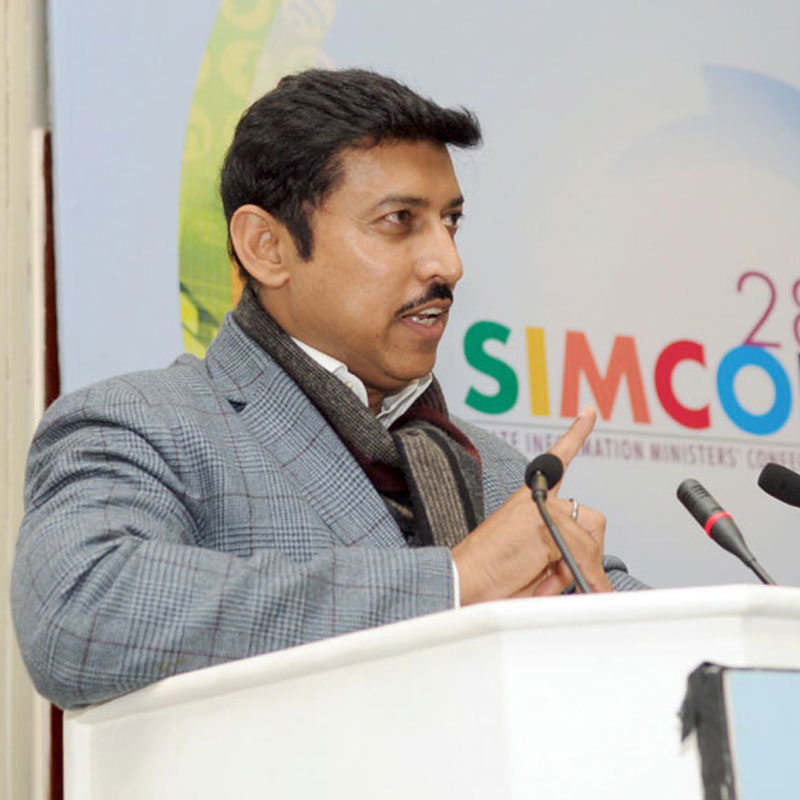
    Speaking to Indiantelevision.com, Viacom 18 group CEO Sudhanshu Vats said, “Owing to lack of preparedness of the industry toward digitisation, it is a good move provided there are no more extensions at all.”

    Questions an investment banker unwilling to be identified: “The cable TV trade has been given four to five years to digitize. And, they have not managed to do the job well over this period. What miracle will they perform in one month and three months? What’s to guarantee that the court cases will be settled and that government will not once again become weak-kneed and go in for a further postponement when these fresh deadlines come up? Investors want certainty, not this joke that the government has made of DAS.”

    Hathway Cable & Datacom’s Delhi distributor Vinod Chauhan said, although the order does not directly impact his operation since he was in the area covered under DAS I, it was a good move, but he questioned the logic behind it. Hathway Cable has been expanding into Phase III markets and had hopes that broadband and this expansion would help it increase its ARPUs.

    Siti Networks Ltd COO strategy & compliances Anil Malhotra said that the MSO’s planning for switching over to digital coincided with the government’s deadline of 31 December 2016. He said that there was pickup in demand for digital STBs of late. “We are not worried at all since we have a huge inventory of imported STBs,” Malhotra said.

    As the brief talk veered toward the effect of demonetisation, he said that entertainment was one of the primary essentials in the hectic lives of people today. “Everyone is ready and prepared to shell out Rs 1000-1100 for good quality STBs,” Malhotra added.

    Star India legal and regulatory affairs president and general counsel Deepak Jacob expresed his disappointment about the government’s decision. “When the DAS IV deadline was finally set for 31 December 2016 as per a government notification approved by Parliament, the ministry ideally cannot and should not extend the deadline at all,” he said emphatically. “Now, the government should stick to its new deadline and not allow any posptonment.”

    Smaller cable TV operators are however pleased about the lifeline they have got. Said Maharashtra Cable Operators Foundation (MCOF) president Arvind Prabhoo: “I think the MIB realised that covering diverse areas in a vast country like India was a challenge. Also, taking into consideration the pending court cases against digitisation, the ministry has rightly extended the deadline. It is a good, welcome move.”

    MSO Den Network CEO S N Sharma pointed out that the decision was not going to play a spoiler. He said, “It is not a six month or a year’s extension. It is just three months. The decision looks fine to me. I think this will give everyone sufficient time to do the seeding.”

    Most small cable networks in DAS IV service very few consumers. They are well below the size to viably provide digital cable TV. Most of these have resigned to the fate of losing their business and only livelihood, opined Hyderabad based Sky Vision MD R.S. Raju . “The currency demonetisation put a further damper. Consumers completely stopped spending on non-essential purchases, and STB deployment has been badly hit in rural areas, where plastic money is not prevalent, and new currency notes are in short-supply,” he said.

    He revealed that the MIB had some none to encouraging facts to reveal at the 18 th task force meeting.

    “The I&B ministry has declared certain (un-encouraging) data on STB deployments, up to 25 October 2016. Between 31 August & 25 October 2016, 1.97 million STBs were seeded in DAS IV areas. In Phase III, 0.876 million STBs were seeded in the same period. Combined, 2.84 million STBs were deployed in these two months. To date, pan-India, 92.4 million STBs have been deployed till 25 October 2016, according to MIB data,” Raju said.

    “As per earlier MIB data till 26 July 2016, 17.8 million STBs were seeded in DAS IV areas. Combined with the new data, this indicates that 19.77 million STBs have been seeded in DAS IV areas. DAS IV covers 61.08 million rural TV households spanning 28 states & 6 union territories (2011 Census),” Raju added.

    Raju further informed, “With very low ARPUs and the high cost of laying long length fibre networks to small pockets of Phase IV areas, most MSOs have only ‘cherry picked’ a few DAS IV areas to expand their operations. Few new headends have been set up or are planned in DAS IV areas. Generally, DAS IV areas are serviced from existing headends in neighbouring DAS III areas.”

    He revealed that a representative of the Consumer Electronics and Appliances Manufacturers Association (CEAMA) mentioned that no major purchase orders were received recently by the indigenous STB manufacturers (from MSOs) at the same task force meeting.

    A representative of the Indian Broadcasting Foundation (IBF) mentioned that very few requests had so far been received by its broadcaster members from MSOs for interconnect agreements for Phase IV areas.

    It would be logical to conclude that rural TV viewers will either shift to Doordarshan’s FreeDish or one of the six private, pay DTH platforms, stated Raju.

    At the same meeting, MIB joint secretary (P&A) Mihir Kumar Singh asked the members to suggest measures to implement Phase IV by the notified cut-off date, added Raju.

    And since none of them could offer logical feasible solutions, the MIB has had to take the stance it has. Additionally, the letter from the Andhra Pradesh chief minister N. Chandrababu Naidu to MIB minister M Venkaiah seeking postponement Naidu could have also forced the government to take the decision.
  • TV industry gives mixed reaction to MIB’s DAS III & IV extension

    TV industry gives mixed reaction to MIB’s DAS III & IV extension

    MUMBAI: Even as recently as a month ago, India’s ministry of information and broadcasting (MIB) and the industry regulator the Telecom Regulatory Authority of India announced that the DAS IV deadline of 31 December 2016 was sacrosanct and that the cable TV industry would have to bite the bullet. So, when the MIB announced on 22 December that it was pushing forward the Phase IV date to 31 March 2017 and the Phase III date to 31 January 2017, eyebrows were raised once again globally.

    Can the MIB ever stand firm on deadlines or can it set realistic ones, asked potential international investors who have been waiting to hear some positive developments about India’s digitizing-in-stops-and-starts cable TV sector?

    But, the response on the ground amongst India’s TV broadcasters and cable TV operators was mixed. Some have welcomed the decision; others have been harshly critical of the MIB’s postponement rationale.

    The MIB said the extension was being done “in lieu of uncertainty in the market due to pending court cases and unsatisfactory progress of installation of set-top boxes (STBs) in Phase IV areas.”

    Speaking to Indiantelevision.com, Viacom 18 group CEO Sudhanshu Vats said, “Owing to lack of preparedness of the industry toward digitisation, it is a good move provided there are no more extensions at all.”

    Questions an investment banker unwilling to be identified: “The cable TV trade has been given four to five years to digitize. And, they have not managed to do the job well over this period. What miracle will they perform in one month and three months? What’s to guarantee that the court cases will be settled and that government will not once again become weak-kneed and go in for a further postponement when these fresh deadlines come up? Investors want certainty, not this joke that the government has made of DAS.”

    Hathway Cable & Datacom’s Delhi distributor Vinod Chauhan said, although the order does not directly impact his operation since he was in the area covered under DAS I, it was a good move, but he questioned the logic behind it. Hathway Cable has been expanding into Phase III markets and had hopes that broadband and this expansion would help it increase its ARPUs.

    Siti Networks Ltd COO strategy & compliances Anil Malhotra said that the MSO’s planning for switching over to digital coincided with the government’s deadline of 31 December 2016. He said that there was pickup in demand for digital STBs of late. “We are not worried at all since we have a huge inventory of imported STBs,” Malhotra said.

    As the brief talk veered toward the effect of demonetisation, he said that entertainment was one of the primary essentials in the hectic lives of people today. “Everyone is ready and prepared to shell out Rs 1000-1100 for good quality STBs,” Malhotra added.

    Star India legal and regulatory affairs president and general counsel Deepak Jacob expresed his disappointment about the government’s decision. “When the DAS IV deadline was finally set for 31 December 2016 as per a government notification approved by Parliament, the ministry ideally cannot and should not extend the deadline at all,” he said emphatically. “Now, the government should stick to its new deadline and not allow any posptonment.”

    Smaller cable TV operators are however pleased about the lifeline they have got. Said Maharashtra Cable Operators Foundation (MCOF) president Arvind Prabhoo: “I think the MIB realised that covering diverse areas in a vast country like India was a challenge. Also, taking into consideration the pending court cases against digitisation, the ministry has rightly extended the deadline. It is a good, welcome move.”

    MSO Den Network CEO S N Sharma pointed out that the decision was not going to play a spoiler. He said, “It is not a six month or a year’s extension. It is just three months. The decision looks fine to me. I think this will give everyone sufficient time to do the seeding.”

    Most small cable networks in DAS IV service very few consumers. They are well below the size to viably provide digital cable TV. Most of these have resigned to the fate of losing their business and only livelihood, opined Hyderabad based Sky Vision MD R.S. Raju . “The currency demonetisation put a further damper. Consumers completely stopped spending on non-essential purchases, and STB deployment has been badly hit in rural areas, where plastic money is not prevalent, and new currency notes are in short-supply,” he said.

    He revealed that the MIB had some none to encouraging facts to reveal at the 18 th task force meeting.

    “The I&B ministry has declared certain (un-encouraging) data on STB deployments, up to 25 October 2016. Between 31 August & 25 October 2016, 1.97 million STBs were seeded in DAS IV areas. In Phase III, 0.876 million STBs were seeded in the same period. Combined, 2.84 million STBs were deployed in these two months. To date, pan-India, 92.4 million STBs have been deployed till 25 October 2016, according to MIB data,” Raju said.

    “As per earlier MIB data till 26 July 2016, 17.8 million STBs were seeded in DAS IV areas. Combined with the new data, this indicates that 19.77 million STBs have been seeded in DAS IV areas. DAS IV covers 61.08 million rural TV households spanning 28 states & 6 union territories (2011 Census),” Raju added.

    Raju further informed, “With very low ARPUs and the high cost of laying long length fibre networks to small pockets of Phase IV areas, most MSOs have only ‘cherry picked’ a few DAS IV areas to expand their operations. Few new headends have been set up or are planned in DAS IV areas. Generally, DAS IV areas are serviced from existing headends in neighbouring DAS III areas.”

    He revealed that a representative of the Consumer Electronics and Appliances Manufacturers Association (CEAMA) mentioned that no major purchase orders were received recently by the indigenous STB manufacturers (from MSOs) at the same task force meeting.

    A representative of the Indian Broadcasting Foundation (IBF) mentioned that very few requests had so far been received by its broadcaster members from MSOs for interconnect agreements for Phase IV areas.

    It would be logical to conclude that rural TV viewers will either shift to Doordarshan’s FreeDish or one of the six private, pay DTH platforms, stated Raju.

    At the same meeting, MIB joint secretary (P&A) Mihir Kumar Singh asked the members to suggest measures to implement Phase IV by the notified cut-off date, added Raju.

    And since none of them could offer logical feasible solutions, the MIB has had to take the stance it has. Additionally, the letter from the Andhra Pradesh chief minister N. Chandrababu Naidu to MIB minister M Venkaiah seeking postponement Naidu could have also forced the government to take the decision.