Category: High Court

  • TRAI jurisdiction: Madras HC yes to MSOs as interveners, no as impleaders

    NEW DELHI/MUMBAI: The Madras High Court yesterday gave concession to the MSOs allowing them to intervene on matters of law under consideration. But, the court refused to let them implead, via AIDCF, in a case filed by broadcasters (content generators) challenging whether regulator TRAI can have jurisdiction over commercial issues relating to copyright of content.

    Both sides — petitioners Star TV and Vijay TV and All India Digital Cable Federation (AIDCF) — viewed the court stand as a moral victory.

    Star TV and Vijay TV had moved the Madras High Court pleading that Telecom Regulatory Authority of India (TRAI), India’s broadcast carriage and telecoms regulator, didn’t have jurisdiction to issue guidelines that had a bearing on tariff of content, both TV and film, especially if such issues were also governed under the copyright law.

    In an official statement, AIDCF said the court was “pleased to permit AIDCF to participate in the proceedings as (an) intervener” allowing it to “file all relevant material, make oral submissions and file written submissions in the main writ petition.”

    The AIDCF statement, quoting organisation president and Hathway video division CEO TS Panesar, said, “We are delighted to note the decision of the Madras High Court in recognising us as an important stakeholder in this matter.”

    A source close to the petitioners, however, described the court’s decision as “disallowing” MSOs to directly implead in the main writ petition, the same way as it had not allowed Indian Broadcasting Foundation (IBF) to implead itself in the case. “AIDCF can only intervene on the main matters of law under consideration, which is whether TRAI has jurisdiction over copyright issues relating to content,” the source opined.

    TRAI, which has been trying to bring about semblance of order in the broadcast and cable sector in India via various guidelines, could not be reached for comments by indiantelevision.com till the time of writing this report. However, TRAI chairman RS Sharma had told indiantelevision.com in an year-end interview in December 2016 that the regulator’s main aim behind issuing draft guidelines relating to broadcast and cable tariff, quality of service and interconnection was to reduce litigation amongst stakeholders and create a broad playing arena for all players, including the consumers.

    Industry sources had indicated that the MSOs had moved the court as they apprehended viewpoints of distribution platforms of TV services in India, notably the MSOs, may not be heard; especially when they have views that don’t converge with those of the petitioners on all aspects of the petition.

    However, there is lack of clarity on the status of the petition filed by Videocon D2H, a distribution platform, to get impleaded in the aforementioned case being heard by Madras HC. The matter is listed for another round of hearing 7 March, 2017.

    Incidentally, the Supreme Court, petitioned by TRAI, had refused to intervene in the case being heard by Madras HC and had stated in its last hearing few days back that it would wait for the outcome at the high court, listing TRAI appeal for a March-end hearing.

    ALSO READ:

    SC keeps TRAI request on tariff pending till Madras HC completes hearing

    TRAI jurisdiction: IBF plea dismissed, AIDCF impleadment decision on 22 Feb

    MSOs join issues with TRAI tariff plea at Madras HC

    Tariff order: Don’t notify without SC nod, TRAI told; Madras HC case to continue
  • SC keeps TRAI request on tariff pending till Madras HC completes hearing

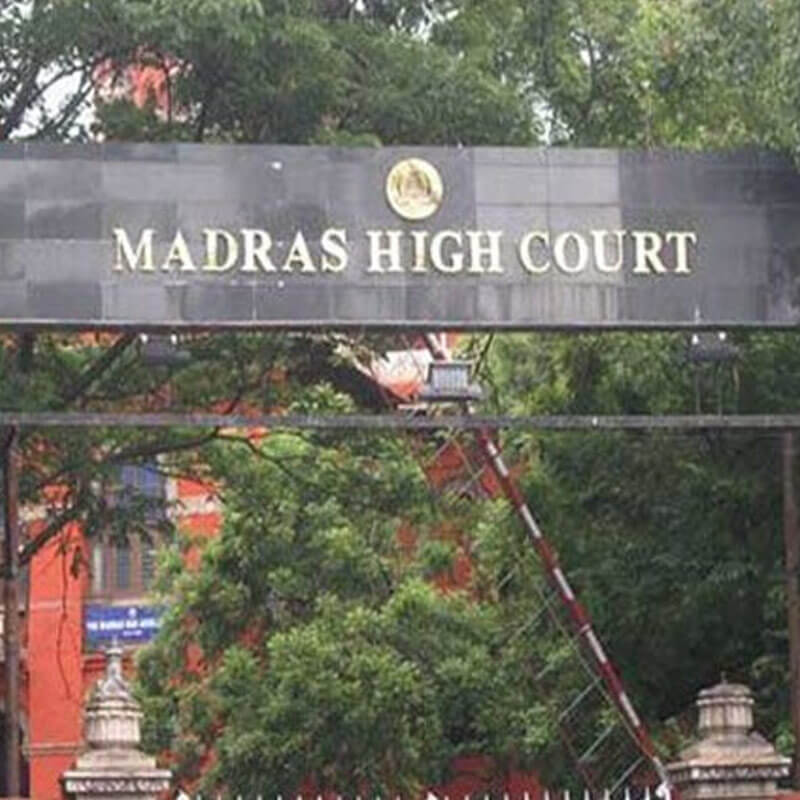
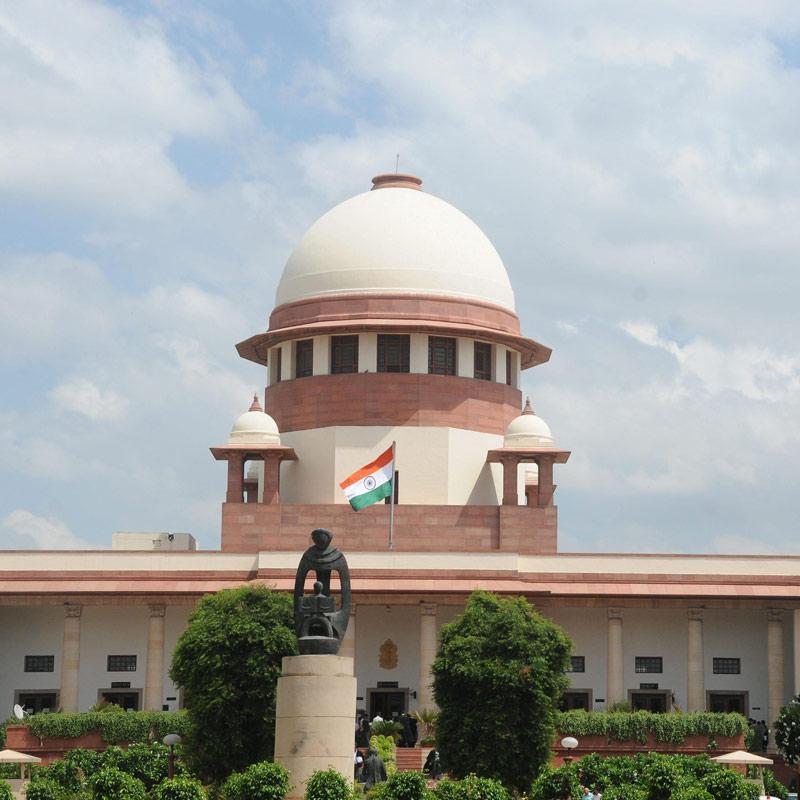
    NEW DELHI: The Supreme Court today refused to step in to allow TRAI to issue final broadcast tariff regulations, saying it would wait for the final outcome of a case in Madras High Court on a similar matter. The case in the apex court now has been listed for late March.

    TRAI had filed a special leave petition in SC requesting quashing of a Madras HC order stopping it from issuing tariff guidelines till it disposed of a petition filed by Star TV and Vijay TV relating to whether TRAI can frame rules relating to tariff and copyright laws, both   Indian and international.

    About 10 days back TRAI, as directed by the SC earlier, had submitted in a sealed envelope its final broadcast tariff guidelines seeking permission to notify the same.

    The apex court, while directing TRAI that it could continue with its regulation-framing exercise and also argue the matter in the Madras High Court had directed that before mandating any fresh rules, the broadcast and telecoms regulator should seek its permission.

    The Madras HC high court had asked TRAI to maintain status quo on tariff guidelines till full hearing of the case filed by Star India and Vijay TV. The court would later this month also hear the case of Indian MSOs’ industry organisation, AIDCF, which had requested to be impleaded in the Star TV and Vijay TV vs. TRAI case and be heard.

    Also Read:

    MSOs join issues with TRAI tariff plea at Madras HC

    Tariff order: Don’t notify without SC nod, TRAI told; Madras HC case to continue
    DAS Phase IV pace slack; MIB to meet Indian STB makers

    TRAI jurisdiction: IBF plea dismissed, AIDCF impleadment decision on 22 Feb

  • TRAI jurisdiction: IBF plea dismissed, AIDCF impleadment decision on 22 Feb

    MUMBAI: Cable operators body may become interveners in the Item 7 case heard last Friday between television broadcasters and TRAI over tariff issues vis-a-vis international and Indian copyright laws in the Madras High Court. Indian Broadcasting Foundation’s plea to be heard in the case was however dismissed with leave to file fresh writ petition, if required. 

    After Star India and Vijay TV had moved the high court appealing against TRAI’s jurisdiction to draw guidelines over tariff and commercial matters where copyrights was involved relating to content, the regulator had moved the Supreme Court seeking succour.

    As far as AIDCF’s impleadment application and that of D2H are concerned, while the judges were convinced that the All India Digital Cable Federation, India’s apex body for digital multi-system operators, could be interveners, whether or not they could be impleaded will be heard in next hearing as, due to paucity of time, their submissions could not be completed. AIDCF president TS Panesar could not be reached.

    “There is no speaking order on AIDCF’s intervention yet,” STAR India’s senior VP – legal and regulatory Pulak Bagchi told www.indiantelevision.com. After Supreme Court hears the case on 20 February, it will come up in the Madras High Court, which will decide if AIDCF could implead or intervene, Bagchi said.

    The Madras High Court case has now been adjourned to 22 February for further arguments in the impleadment application. The judges also verbally indicated that their writ petition would be heard, and that, if impleaded, counters would need to be filed by AIDCF by 7 March. “We undertook to do so if impleaded,” an AIDCF representative told www.indiantelevision.com.

    As reported by www.indiantelevision.com on 1 February, 2017, MSOs had joined issue requesting the Madras High Court to hear their views too. AIDCF has sought to be impleaded in the case and urged the high court — hearing the Star India-Vijay TV case against TRAI over draft tariff guidelines — that, while disposing of the case, it’s viewpoints should also be heard and taken into account.

    Sources had indicated that the MSOs had moved the court as they apprehended the viewpoints of  distribution platforms of TV services in India, notably the MSOs, may not be heard; especially when they have views that don’t converge with those of the petitioners on all aspects of the petition.

    Industry observers had explained that the presence of distributors in the court made the case interesting as the IBF too had urged to be heard. The application of IBF however was yesterday dismissed by the high court with leave to file fresh writ petition, if required. www.indiantelevision.com could not reach IBF for comment and next strategy.

    However the apex court, while  directing TRAI that it could continue with its regulation-framing exercise and seek its nod before mandating guidelines, observed that the regulatory body should argue its case before the Madras High Court, declining to stay proceedings in the high court.

    The high court had asked TRAI to maintain status quo on tariff guidelines till full hearing of the case filed by Star India and Vijay TV. 

    With regard to the impleadment applications, Ar. L Sundaresan appeared on behalf AIDCF, Vijay Narayan appeared on behalf of D2H and A l Somayaji appeared on behalf of IBF. A counter-affidavit was filed by Vijay TV to AIDCF’s impleadment application. 

    Sundaresan made submissions in AIDCF’s impleadment application to which Chidambaram objected. The other senior counsel also made submissions in support of their respective impleadment applications which was also objected to. 

    P. Chidambaram appeared on behalf of one of the petitioners and P.S. Raman appeared for the other. They did not mention in which WP they were appearing in. And, P. Wilson appeared on behalf of the regulator TRAI. 

    Also Read:
    MSOs join issues with TRAI tariff plea at Madras HC

    Tariff order: Don’t notify without SC nod, TRAI told; Madras HC case to continue
    DAS Phase IV pace slack; MIB to meet Indian STB makers

  • MSOs join issues with TRAI tariff plea at Madras HC

    MSOs join issues with TRAI tariff plea at Madras HC

    MUMBAI: In a fresh twist to a face-off between broadcasters and regulator TRAI over tariff matters vis-a-vis international and Indian copyright laws, country’s MSOs have joined issues requesting Madras High Court to hear their views too.

    According to cable industry sources, All India Digital Cable Federation (AIDCF), India’s apex body for digital multi-system operators (MSOs), has impleaded itself in the case and urged the Madras High Court — hearing a case filed by Star India and Vijay TV filed against Telecom Regulatory Authority of India (TRAI) over draft tariff guidelines — that while disposing off the case it’s viewpoints should also be heard and taken into account.

    The sources indicated that the MSOs had moved the court about 10 days back as they apprehended the viewpoints of  distribution platforms of TV services in India, notably the MSOs, may not be heard; especially when they have views that don’t converge with those of the petitioners on all aspects of the petition.

    Though Indiantelevision.com was not able to get full details of the MSOs’ stand in the court, industry observers explained that the presence of distributors of TV services in Madras HC makes the case interesting as the Indian Broadcasting Foundation (IBF) too has urged to be heard during the hearing of the case.

    After Star India and Vijay TV had moved the Madras High Court appealing against TRAI’s jurisdiction to pass guidelines over tariff and commercial matters where copyrights was involved relating to content, the regulator had moved the Supreme Court seeking succour.

    However the apex court, while  directing TRAI that it could continue with its regulation-framing exercises and seek its nod before mandating guidelines, also observed that the regulatory body should argue its case before the Madras High Court, declining to stay proceedings in the high court.

    The high court had asked TRAI to maintain status quo on tariff guidelines till full hearing of the case filed by Star India and Vijay TV. The next hearing is scheduled middle of this month.

    ALSO READ:

    Tariff order: Don’t notify without SC nod, TRAI told; Madras HC case to continue
    TRAI tariff: Madras HC extends status quo; SC to hear regulator’s appeal on 16 Jan

    Maintain status quo on broadcast guidelines, Madras HC tells TRAI

  • MSOs join issues with TRAI tariff plea at Madras HC

    MSOs join issues with TRAI tariff plea at Madras HC

    MUMBAI: In a fresh twist to a face-off between broadcasters and regulator TRAI over tariff matters vis-a-vis international and Indian copyright laws, country’s MSOs have joined issues requesting Madras High Court to hear their views too.

    According to cable industry sources, All India Digital Cable Federation (AIDCF), India’s apex body for digital multi-system operators (MSOs), has impleaded itself in the case and urged the Madras High Court — hearing a case filed by Star India and Vijay TV filed against Telecom Regulatory Authority of India (TRAI) over draft tariff guidelines — that while disposing off the case it’s viewpoints should also be heard and taken into account.

    The sources indicated that the MSOs had moved the court about 10 days back as they apprehended the viewpoints of  distribution platforms of TV services in India, notably the MSOs, may not be heard; especially when they have views that don’t converge with those of the petitioners on all aspects of the petition.

    Though Indiantelevision.com was not able to get full details of the MSOs’ stand in the court, industry observers explained that the presence of distributors of TV services in Madras HC makes the case interesting as the Indian Broadcasting Foundation (IBF) too has urged to be heard during the hearing of the case.

    After Star India and Vijay TV had moved the Madras High Court appealing against TRAI’s jurisdiction to pass guidelines over tariff and commercial matters where copyrights was involved relating to content, the regulator had moved the Supreme Court seeking succour.

    However the apex court, while  directing TRAI that it could continue with its regulation-framing exercises and seek its nod before mandating guidelines, also observed that the regulatory body should argue its case before the Madras High Court, declining to stay proceedings in the high court.

    The high court had asked TRAI to maintain status quo on tariff guidelines till full hearing of the case filed by Star India and Vijay TV. The next hearing is scheduled middle of this month.

    ALSO READ:

    Tariff order: Don’t notify without SC nod, TRAI told; Madras HC case to continue

    TRAI tariff: Madras HC extends status quo; SC to hear regulator’s appeal on 16 Jan

    Maintain status quo on broadcast guidelines, Madras HC tells TRAI

  • TRAI tariff: Madras HC extends status quo; SC to hear regulator’s appeal on 16 Jan

    TRAI tariff: Madras HC extends status quo; SC to hear regulator’s appeal on 16 Jan

    NEW DELHI: The Madras High Court today extended to 19 January 2017 the status quo with regard to any TRAI tariff orders or regulations for the broadcast sector in a case by Star TV and Vijay TV.

    Meanwhile, the Supreme Court is scheduled to hear on 16 January 2017 the appeal by the Telecom Regulatory Authority of India against this interim order issued last month by Madras HC.

    In the Madras High Court, the broadcasters had sought to argue that the TRAI orders are in conflict with the Copyright Act 1957. As a result of that court order and pending the full hearing of the case, TRAI would not be able to pass any guideline for issues such as broadcast tariff, broadcast interconnect, and quality of services.

    A TRAI spokesperson said that although it was still waiting to receive the order from the Court, one immediate result would be that the draft tariff and interconnect guidelines issued by the regulator will be subject to the order of the High Court in this regard unless the apex court accepted the regulator’s appeal.

    A few months ago, TRAI had issued draft guidelines on tariff interconnect and quality of service, while TRAI chairman RS Sharma had told indiantelevision.com earlier this month that the regulator would come out with its final recommedation by the end of the year.

    It may be recalled that the Indian Broadcasting Foundation had also said in a submission to TRAI that the regulator’s draft guidelines were in direct conflict with the provisions of the Indian Copyright Act and similar regulations under the Berne Convention.

    The IBF had said the Copyright Board is fully empowered to adjudicate upon disputes between any person and Content or Broadcast Reproduction Rights owners. Hence the Copyright Act and Rules provide for protection, monetisation, enforcement and adjudication procedures for all copyrightable work and broadcast reproduction rights.

    Also read: Maintain status quo on broadcast guidelines, Madras HC tells TRAI

  • TRAI tariff: Madras HC extends status quo; SC to hear regulator’s appeal on 16 Jan

    TRAI tariff: Madras HC extends status quo; SC to hear regulator’s appeal on 16 Jan

    NEW DELHI: The Madras High Court today extended to 19 January 2017 the status quo with regard to any TRAI tariff orders or regulations for the broadcast sector in a case by Star TV and Vijay TV.

    Meanwhile, the Supreme Court is scheduled to hear on 16 January 2017 the appeal by the Telecom Regulatory Authority of India against this interim order issued last month by Madras HC.

    In the Madras High Court, the broadcasters had sought to argue that the TRAI orders are in conflict with the Copyright Act 1957. As a result of that court order and pending the full hearing of the case, TRAI would not be able to pass any guideline for issues such as broadcast tariff, broadcast interconnect, and quality of services.

    A TRAI spokesperson said that although it was still waiting to receive the order from the Court, one immediate result would be that the draft tariff and interconnect guidelines issued by the regulator will be subject to the order of the High Court in this regard unless the apex court accepted the regulator’s appeal.

    A few months ago, TRAI had issued draft guidelines on tariff interconnect and quality of service, while TRAI chairman RS Sharma had told indiantelevision.com earlier this month that the regulator would come out with its final recommedation by the end of the year.

    It may be recalled that the Indian Broadcasting Foundation had also said in a submission to TRAI that the regulator’s draft guidelines were in direct conflict with the provisions of the Indian Copyright Act and similar regulations under the Berne Convention.

    The IBF had said the Copyright Board is fully empowered to adjudicate upon disputes between any person and Content or Broadcast Reproduction Rights owners. Hence the Copyright Act and Rules provide for protection, monetisation, enforcement and adjudication procedures for all copyrightable work and broadcast reproduction rights.

    Also read: Maintain status quo on broadcast guidelines, Madras HC tells TRAI

  • TV adcaps case in Delhi HC deferred to 20 April

    TV adcaps case in Delhi HC deferred to 20 April

    NEW DELHI: The Delhi High Court has adjourned the hearing of the ad cap on television channels again, this time to 20 April 2017, as the concerned bench did not sit today.

    On 29 September 2016, the matter was put off to today as the bench headed by Chief Justice G Rohini did not have time to hear the matter in view of part-heard cases. 

    In the hearing on 29 March 2016, a plea was made on behalf of the Information and Broadcasting Ministry that a proposal was being contemplated to amend the relevant provision relating to limiting ads to 12 minutes an hour.

    (Thus, the hearing has been pending for two years since then I and B Minister Arun Jaitley had said at a public function that he did not see the need for any kind caps on the media.)
     
    When the case comes up next, the court is also expected to take up an application by the intervenor — Home Cable Network Pvt Ltd — seeking vacation of the order staying action against violating television channels.

    On 13 May 2016, the court had agreed to take up vacation of stay at the next hearing. The court had, on 11 February 2016, agreed to take up the application by Discovery Communications to intervene in the matter. 

    Earlier, on 27 November 2015, the court presided over by the chief justice had said the matter had been pending for sometime and, therefore, it would hear and conclude the case in the next hearing. 

    On that day, MIB had informed the court that it was in talks with the News Broadcasters Association (NBA) and other stakeholders on the issue of the advertising cap. This was the first time that the ministry had put in an appearance in the petition filed by the NBA against the Telecom Regulatory Authority of India (TRAI) and others.

    The case, filed by NBA and others against TRAI and the Union Government, has so far been adjourned from time to time on the plea that the government and the broadcasters are in talks on this issue.

    The court has already directed that the order that TRAI would not take any action against any channel pending the petition would continue. In an earlier hearing, the court had, at the regulator’s instance, directed that all channels keep a record of the advertisements run by them.

    The NBA had challenged the ad cap rule, contending that TRAI does not have jurisdiction to regulate commercial airtime on television channels. Apart from the NBA, the petitions have been filed by Sarthak Entertainment, Pioneer Channel Factory, E24 Glamorus, Sun TV Network, TV Vision, B4U Broadband, 9X Media, Kalaignar, Celebrities Management, Eanadu Television and Raj Television.

    Meanwhile, a separate petition filed in the High Court by Vikki Choudhry and Home Cable Network Pvt Ltd., which too will be heard on the next date, seeks to charge MIB with dereliction of duties to take action against offending pay TV broadcasters for violating the terms and conditions of the licenses/permission for Uplinking and Downlinking.

    The Court had in June last year asked the Ministry to file its reply in four weeks in this matter. Notice was issued only to the Ministry, although the petition also listed several other broadcasting companies as respondents. 

    Also read:   Cap on TV ads, challenge to stay ‘action against channels’ hearing put off

    Also read:   137 GEC and news pay channels violated ad cap rule in second quarter

  • TV adcaps case in Delhi HC deferred to 20 April

    TV adcaps case in Delhi HC deferred to 20 April

    NEW DELHI: The Delhi High Court has adjourned the hearing of the ad cap on television channels again, this time to 20 April 2017, as the concerned bench did not sit today.

    On 29 September 2016, the matter was put off to today as the bench headed by Chief Justice G Rohini did not have time to hear the matter in view of part-heard cases. 

    In the hearing on 29 March 2016, a plea was made on behalf of the Information and Broadcasting Ministry that a proposal was being contemplated to amend the relevant provision relating to limiting ads to 12 minutes an hour.

    (Thus, the hearing has been pending for two years since then I and B Minister Arun Jaitley had said at a public function that he did not see the need for any kind caps on the media.)
     
    When the case comes up next, the court is also expected to take up an application by the intervenor — Home Cable Network Pvt Ltd — seeking vacation of the order staying action against violating television channels.

    On 13 May 2016, the court had agreed to take up vacation of stay at the next hearing. The court had, on 11 February 2016, agreed to take up the application by Discovery Communications to intervene in the matter. 

    Earlier, on 27 November 2015, the court presided over by the chief justice had said the matter had been pending for sometime and, therefore, it would hear and conclude the case in the next hearing. 

    On that day, MIB had informed the court that it was in talks with the News Broadcasters Association (NBA) and other stakeholders on the issue of the advertising cap. This was the first time that the ministry had put in an appearance in the petition filed by the NBA against the Telecom Regulatory Authority of India (TRAI) and others.

    The case, filed by NBA and others against TRAI and the Union Government, has so far been adjourned from time to time on the plea that the government and the broadcasters are in talks on this issue.

    The court has already directed that the order that TRAI would not take any action against any channel pending the petition would continue. In an earlier hearing, the court had, at the regulator’s instance, directed that all channels keep a record of the advertisements run by them.

    The NBA had challenged the ad cap rule, contending that TRAI does not have jurisdiction to regulate commercial airtime on television channels. Apart from the NBA, the petitions have been filed by Sarthak Entertainment, Pioneer Channel Factory, E24 Glamorus, Sun TV Network, TV Vision, B4U Broadband, 9X Media, Kalaignar, Celebrities Management, Eanadu Television and Raj Television.

    Meanwhile, a separate petition filed in the High Court by Vikki Choudhry and Home Cable Network Pvt Ltd., which too will be heard on the next date, seeks to charge MIB with dereliction of duties to take action against offending pay TV broadcasters for violating the terms and conditions of the licenses/permission for Uplinking and Downlinking.

    The Court had in June last year asked the Ministry to file its reply in four weeks in this matter. Notice was issued only to the Ministry, although the petition also listed several other broadcasting companies as respondents. 

    Also read:   Cap on TV ads, challenge to stay ‘action against channels’ hearing put off

    Also read:   137 GEC and news pay channels violated ad cap rule in second quarter

  • PVR Ltd: HC nod to two subsidiaries’ merger with parent

    PVR Ltd: HC nod to two subsidiaries’ merger with parent

    MUMBAI: PVR Ltd has informed the Bombay Stock Exchange and the National Stock Exchange that the Delhi High Court, vide the formal Order issued on 4 January, 2017, has approved the Scheme of Amalgamation entailing merger of PVR Leisure Limited and Lettuce Entertain You Limited with PVR Limited effective from the appointed date of 1 April, 2015.

    Justice Siddharth Mridul approved the scheme of amalgamation under which PVR Leisure Ltd — which operates in-mall entertainment, food and gaming joints, and Lettuce Entertain You Ltd — which is into the business of operating restaurants items — would merge with PVR Ltd, their parent company, PTI reported.

    In its directive approving the merger, the HC has stated that all the property, rights and powers of the two transferor companies shall be transferred to the transferee company.

    Under the scheme, the court also stated, “the entire paid-up equity and non-cumulative convertible preference share capital of petitioner company No.2 (PVR Leisure) is held by the transferee company directly, and the entire paid-up equity share capital of petitioner company No.1 (Lettuce) is held by transferee company through its wholly owned subsidiary PVR Leisure.”

    Also Read:

    Films Division shorts in cinema halls: Centre mulling revival