Category: News Headline

  • Shemaroo posts Rs 45.8 crore Q1 loss as revenue and margins dip sharply

    Shemaroo posts Rs 45.8 crore Q1 loss as revenue and margins dip sharply

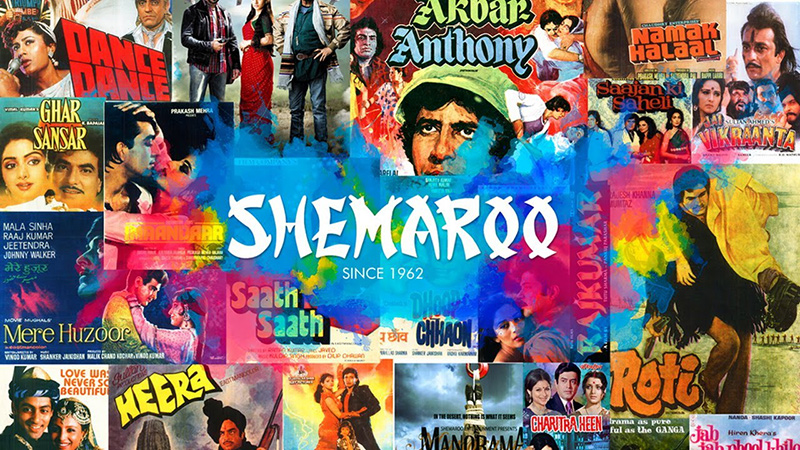
    MUMBAI: Drama, but no dividends Shemaroo’s first quarter script writes itself into the red. The veteran media and entertainment company reported a consolidated net loss of Rs 45.8 crore for Q1 FY25, ballooning from Rs 17.2 crore in the same quarter last year. Even standalone losses were sharper, at Rs 46.9 crore versus Rs 17.5 crore year-on-year. Despite total income standing at Rs 143.2 crore, a steep rise in expenses especially operational and employee-related pushed the firm into deeper losses.

    Revenue from operations dropped 9.6 per cent year-on-year to Rs 139.5 crore (from Rs 154.4 crore), and sank over 31.7 per cent from Rs 204.3 crore in the previous quarter (Q4 FY24). Employee costs rose marginally to Rs 31.2 crore, while operational costs climbed significantly to Rs 152.3 crore, overtaking revenue altogether.

    Shemaroo’s loss before tax stood at Rs 60.9 crore for the quarter, compared to Rs 22.8 crore in Q1 FY24. The company’s total comprehensive loss now stands at Rs 45.8 crore for Q1 FY25, compared to Rs 17.2 crore a year earlier and Rs 5.1 crore last quarter.

    The board, however, remained busy beyond the balance sheet. It approved the reappointment of three top Shemaroo executives Raman Maroo as managing director, Atul Maroo as Joint MD, and Hiren Gada as CEO for another three-year term beginning January 2026. Additionally, Namrata Shinde was appointed compliance officer, effective immediately.

    But the real plot twist comes from the GST front. The company is entangled in a legal showdown after the GST department demanded recovery of inadmissible input tax credit (ITC) of Rs 70.3 crore, interest, and penalties totalling a staggering Rs 133.6 crore each on the Joint MD, CEO, and CFO. Shemaroo has challenged the order in the Bombay High Court and secured an interim stay on proceedings.

    In another strategic move, the company plans to transfer the broadcasting license of Mango TV to Mango Mass Media Pvt Ltd for at least Rs 25 lakh, subject to MIB approval.

    From VHS tapes to digital platforms, Shemaroo has seen the industry’s highs and lows. But if Q1 FY25 is any indicator, the road ahead might call for some tight editing and serious plot development both financial and regulatory.

  • Reclaiming bold – Why Indian entertainment must dare again: Alok Jain, JioStar

    Reclaiming bold – Why Indian entertainment must dare again: Alok Jain, JioStar

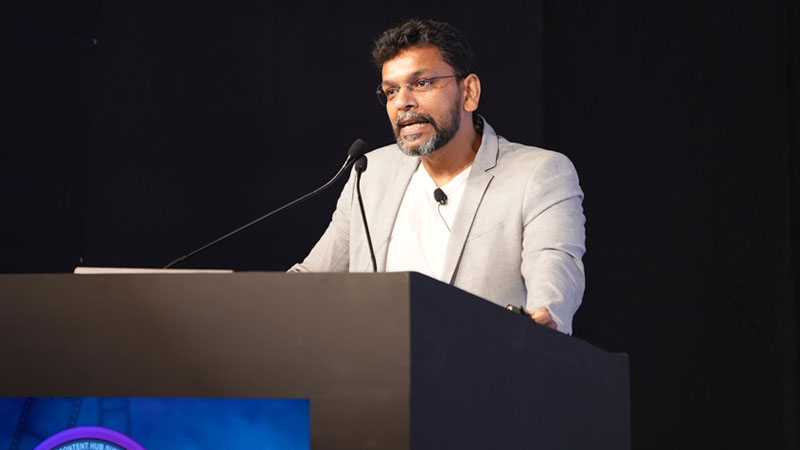
    MUMBAI: The 9th Content Hub Summit 2025 opened with momentum, bringing together leaders from across the entertainment landscape to explore what’s driving the industry forward. From the surge in local content and continued growth of television, to the rise of the creator economy and the growing influence of AI in storytelling, the discussions reflected a fast-evolving and opportunity-rich ecosystem.

    In a keynote address that surely stirred the chai, Alok Jain from JioStar insisted that the only path forward is to be bold. First up, challenging the industry’s penchant for playing it safe. “We have mistakenly assumed that the only way of making great content in the future is by following what has worked in the past.” While acknowledging the relevance of history, Jain stressed that in this industry, “the past will not always define the future.” Bold content needs a “big leap of faith”. Every time the industry has seen great stories emerge across TV, digital or movies, it’s been because we dared to reimagine.

    Jain didn’t mince words, highlighting several hurdles stifling the industry’s boldness. The “I am the world” phenomenon. One of the most powerful moments in the keynote was Jain’s critique of creative myopia – he cited Ormax, which notes a staggering 49 per cent of OTT content is based in Delhi and Mumbai. “We all think our immediate surroundings, our friends, our family – is the entire world.. but that’s not true,” Jain said, urging content creators to look beyond their metropolitan bubbles. He painted a vibrant picture of a nation of 1.4 billion people, 60 per cent of whom are under 35 years, highlighting unparalleled diversity across states, territories, languages, and dialects – insisting that this “scale along with diversity is our true strength.”

    Jain touched upon access for emerging talent being restricted, with systemic walls blocking their entry—an issue that urgently needs to be addressed. He says, “it is extremely difficult for anyone new with a creative voice to come and pitch a great piece of content.” In an age where technology has democratized content creation and “every consumer is also… a creator,” such barriers are not just outdated, but detrimental. If we don’t actively dismantle these walls, we risk missing out on the next generation of storytellers who are already shaping culture from the margins.

    Jain critiqued the industry’s habit of asking “what have you done before?” when new talent approaches them. He advocated for “betting more on the potential the person can have,” even if it’s a riskier approach. He highlighted successes like Taaza Khabar which was Bhuvan Bam’s first OTT show, Thukra Ke Mera Pyaar helmed by new makers and a fresh cast, and 4 successful seasons of MTV Hustle as examples of fostering new talent.

    And then there’s the elephant in the room: Economics. “As an industry we tend to believe that big means big budget only,” Jain lamented. He delivered a line that truly hit home: “Not everything that costs a lot is worth a lot.”

    Despite these headwinds, Jain expressed bullish optimism about India’s potential. Our digital prowess is undeniable – the largest e-commerce market, ubiquitous UPI transactions, and a thriving startup ecosystem with a plethora of unicorns. And entertainment leads the charge of this growth story : the largest TV viewer base globally, highest movie production, and half a billion streaming users. With 200,000 hours of professionally generated content annually, India is a “creative powerhouse.” And we are only getting started, there is “significant headroom for growth to be achieved across TV (70% penetration), Movies (Only 1 theater for every 140,000 people) and Digital (65% internet penetration). What’s truly remarkable about India is that no single medium is growing at the cost of another; instead, all are evolving and thriving side by side, creating a uniquely dynamic media landscape.”

    In fact, Jain directly challenged two prevailing industry myths: “No one watches TV anymore”, and “theatres are dead.”

    “Around 850 million viewers tune into linear TV every month, and watch ~3 hours of content daily – which is almost 4 times greater than average OTT consumption. 190,000 hours out of 200,000 of original content created in India is made for TV and it continues to be the bedrock of the entertainment landscape in India.” Citing BARC data, he pointed out that TV viewership has remained steady for the last 17 years. “TV is not dying,” he declared, urging the audience to look beyond their “I am the world” bubble.

    Similarly, for cinema, he spoke about recent examples like Saiyaara and Chhaava, proving that “if we make great content, people will come to the theatres.”

    JioStar, as India’s largest broadcaster, digital platform, and content studio, is taking on the mantle of being bold in form and voice. The company’s success stories demonstrate their commitment to understanding and serving diverse consumer needs – with shows like Anupamaa (unshackling from patriarchy), Taali, Shakti – Astitva Ke Ehsaas Ki (LGBTQ+ themes) and the enduring popularity of MTV Roadies, which just concluded its 20th season, constantly innovating and staying close to its audience.

    Acknowledging that consumers are screen-agnostic, moving seamlessly between TV, digital, and cinema, JioStar is backing bold formats across all mediums. Their show Laughter Chefs is a prime example, topping viewership charts on both television and JioHotstar.

    Jain concluded with a clarion call for the Indian entertainment industry: “The world is watching India, and we must give them more than just the volume. Need of the hour is innovation across the entire value chain, from understanding consumers and crafting compelling stories to smart budgeting, production, marketing, and embracing technology like Gen AI.
     

  • Spot The Scam: NDTV Profit’s new series digs deep

    Spot The Scam: NDTV Profit’s new series digs deep

    MUMBAI: Every investor, who has faith in the India growth story, wants to believe the market is fair; it is safe. But behind the flashing tickers and shiny promises, there are shadows – scamsters waiting to exploit trust and ambition of a new India.

    NDTV Profit chose not to look away. It chose to light up those hidden corners and show viewers what really lies beneath. That is how Spot the Scam was born – a promise to watch over the markets, cut through its noise and stand by those who trade in good faith.

    The very first investigation showed why this matters. In Delhi, a firm called Trade Dost boldly placed a full front‑page ad in a leading Hindi daily on July 13, offering intraday margins of 500 times, carry‑forward margins of 60 times, zero brokerage, instant deposits and withdrawals, and trading accounts without any paperwork. None of it had SEBI approval.

    NDTV Profit’s intrepid reporters followed the trail and exposed the truth. Within days, the National Stock Exchange warned investors to stay away from Trade Dost and others like it. Soon after, the Securities and Exchange Board of India sent a formal notice to the newspaper that carried the illegal ad.

    NDTV Profit managing editor, Tamanna Inamdar summed it up, “As more investors put their faith in India’s markets, scamsters are finding new tricks – AI, phishing, ever sharper tactics. Our job is not just to report, but to reveal. We will keep exposing, keep educating, and keep standing with those who invest with trust.”

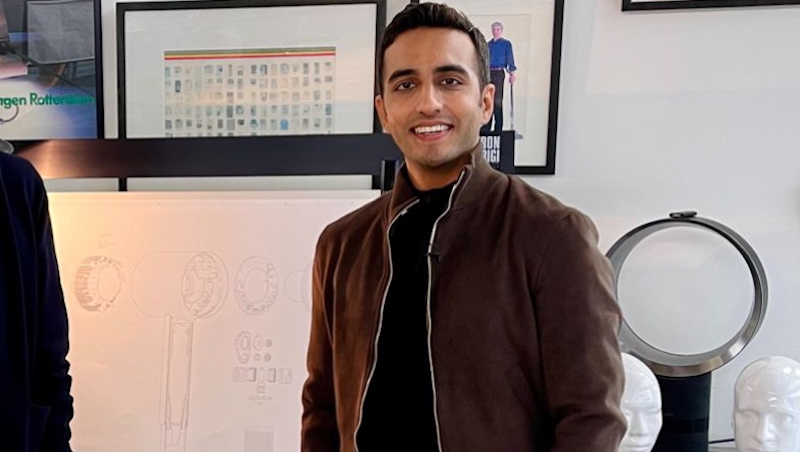
  • Aayush Ailawadi joins NDTV as editor – technology & AI

    Aayush Ailawadi joins NDTV as editor – technology & AI

    NEW DELHI:  One of India’s most recognisable voices in tech and AI journalism, Aayush Ailawadi, has joined NDTV as editor – technology & AI, adding another marquee name to the broadcaster’s expanding digital-first arsenal.

    Ailawadi made the announcement with characteristic flair, calling NDTV his “ultimate playground” and teasing followers to expect “maximum screens, maximum geek-outs and more surprises.”

    With a career that spans BloombergQuint, India Today, CNBC-TV18, and even All India Radio, Ailawadi is known for making tech talk relatable and fun — whether it’s AI, gadgets, fintech or cybersecurity. His current podcast, Let’s Tech About It, co-produced between LA and Mumbai, has built a loyal community of enthusiasts.

    Before this, he served as consulting editor at the RP Sanjiv Goenka Group and was technology editor and anchor at India Today, where he became a staple for millennial viewers tuning in for smart, jargon-free commentary.

    In his freelance avatar, Ailawadi has also lent his voice to Discovery, Netflix (Bad Boy Billionaires), and dozens of corporate films — all while doubling up as a scriptwriter, strategist and voiceover artist.

    His appointment underscores NDTV’s clear push into the tech vertical — aiming not just to inform, but to entertain, engage and, most of all, translate the complex for India’s growing digital citizenry.

  • Rana Naidu 2 team opens up on backlash, bold themes and big wins

    Rana Naidu 2 team opens up on backlash, bold themes and big wins

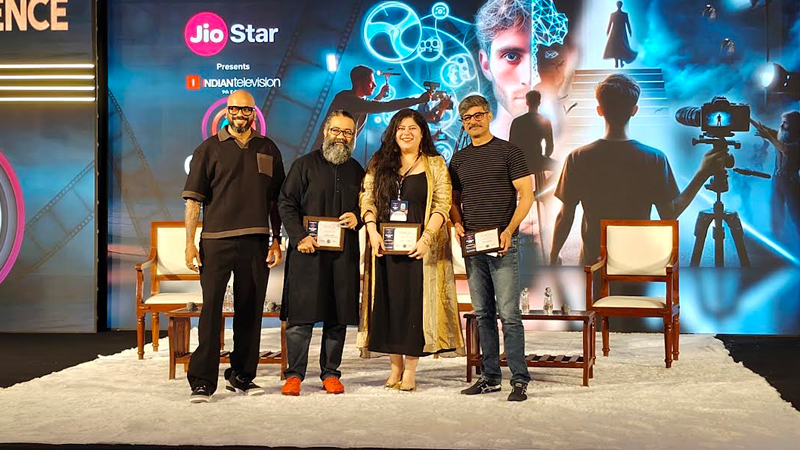
    MUMBAI: When your lead actor jokes, “I’ve mastered dying on screen,” you know a show isn’t playing it safe. At the 9th edition of The Content Hub Summit 2025, the spotlight fell on Netflix’s Rana Naidu’s second season, an audacious blend of blood, baggage, and brutal family dynamics that’s got everyone talking (and watching).

    Director Suparn Verma, screenwriter Vaibhav Vishal, and actor Sushant Singh were joined by session chair and RJ Stutee Ghosh for a frank, no-holds-barred conversation on the show’s gritty new season where the emotions run as high as the body count.

    “Reaching the heart is the real win,” said Verma. “The kind of emotional and thematic depth we’ve explored this season, I genuinely believe it hasn’t been done before in Indian storytelling.”

    Indeed, the father-son conflict, explored with near-mythological gravitas, was framed by Verma in classic archetypes: “There’s a Shakti, a Vishnu… and now, with Angam, we’ve created a force that’s just as primal and layered.”

    But it hasn’t all been smooth sailing. The team faced backlash after Season 1 for its raw language and depiction of abuse. Vaibhav Vishal admitted that it did prompt some introspection and even self-censorship but only to widen the show’s reach without diluting its essence.

    “There was a lot of criticism, and I’d be lying if I said it didn’t affect me,” he said. “But then came the numbers. That’s when we knew we weren’t off-track Rana Naidu shot up to become the number one show.”

    Sushant Singh, whose character meets a dramatic end in the new season, brought humour to the session. “He told me during the loop test, ‘You’re going to die.’ I just smiled and said, ‘I’ve mastered dying on screen by now.’”

    The team also addressed representation especially of women with intention. Vishal noted that Arya’s character this season wasn’t written as a love interest or sidekick. “In her mind and ours, she’s the main character.”

    This season also marked a shift in tonal choices. While the violence has intensified, the language has been consciously restrained. “We created narrative solutions,” said Vishal. “Like Venkatesh’s character doing Angoom Gilo to avoid abusing, it was all thought through.”

    The makers are clear-eyed about the creative trade-offs involved in storytelling for a broad OTT audience. “You adapt, learn, evolve,” said Vishal. “Once Season 1 was out and we saw how the family dynamic resonated, we layered it back in for Season 2.”

    OTT, for actors like Sushant Singh, has also offered meatier roles than cinema ever did. “It’s given me hope,” he said. “The kind of characters I’ve gotten on streaming platforms are far richer than most I got in films.”

    The Netflix show creators didn’t shy away from controversy, but they also didn’t pander. Their belief? Let the characters be flawed, the dialogue be daring, and the women be unapologetic.

    And if a few heads roll in the process well, that’s just part of the Naidu family tradition.

    (If you are an Anime fan and love Anime like Demon Slayer, Spy X Family, Hunter X Hunter, Tokyo Revengers, Dan Da Dan and Slime, Buy your favourite Anime merchandise on AnimeOriginals.com.)

  • Balaji Telefilms’ matriarch Shobha Kapoor finally gets her due at Indian Telly Awards

    Balaji Telefilms’ matriarch Shobha Kapoor finally gets her due at Indian Telly Awards

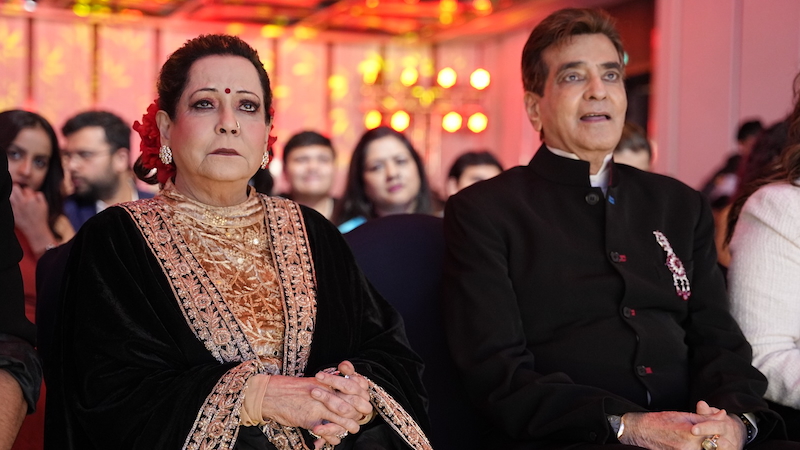
    MUMBAI:  It was a night to remember at the 25th edition of Indiantelevision.com and TellyChakkar.com’s Indian Telly Awards, as Balaji Telefilms’ managing director Shobha Kapoor was finally recognised for her silent yet towering contribution to the Indian television industry. 

    In a long-overdue move, the editorial board of the Indiantelevision.com group conferred her with the Ramanand Sagar Lifetime Contribution Award — a decision taken after much deliberation and unanimous agreement. 

    The emotional high point came when her husband, veteran actor Jeetendra Kapoor, took to the stage at JW Marriott, Mumbai, to receive the award from Indian Telly Awards founder Anil Wanvari. But instead of keeping it, he stepped down from the stage and handed the trophy to Shobhaji, who was seated in the front row — triggering a wave of thunderous applause and emotion across the ballroom.


    A post shared by TCX.official (@tellychakkar)

    What followed was a heartfelt video message from daughter Ekta Kapoor, currently in the US: “Mom, you deserve all the awards we’ve ever got. Balaji is nothing without you. I am nothing without you. You’ve always worked behind the scenes, never seeking credit. Today, finally, someone has given it to you..” 


    Trying hard to hold back tears, Shobhaji accepted the tribute with poise and composure. “It was an evening to remember! I’m honoured to have received this award and specially from my husband who has been my biggest support throughout the 30 years of my career! Above all my daughter and partner Ekta kapoor who has been and is the driving force ! Thank youu Indian telly awards ?,” said Shobhaji. 

    “Shobhaji has been Balaji’s rock — in its highest highs and darkest lows,” said Wanvari. “She allowed Ekta to blossom as a creative force, while herself building the operational backbone of the company. Together, they’ve created a powerhouse that has trained and mentored scores of television professionals across the industry.” 

    He added, “Ekta has been showered with accolades over the years. It was time Shobhaji, one of Indian TV’s real heroes, received her moment in the spotlight.”

    (If you are an Anime fan and love Anime like Demon Slayer, Spy X Family, Hunter X Hunter, Tokyo Revengers, Dan Da Dan and Slime, Buy your favourite Anime merchandise on AnimeOriginals.com.)

  • Govt cracks down on ‘obscene’ OTTs, blocks 25 sites under IT Act

    Govt cracks down on ‘obscene’ OTTs, blocks 25 sites under IT Act

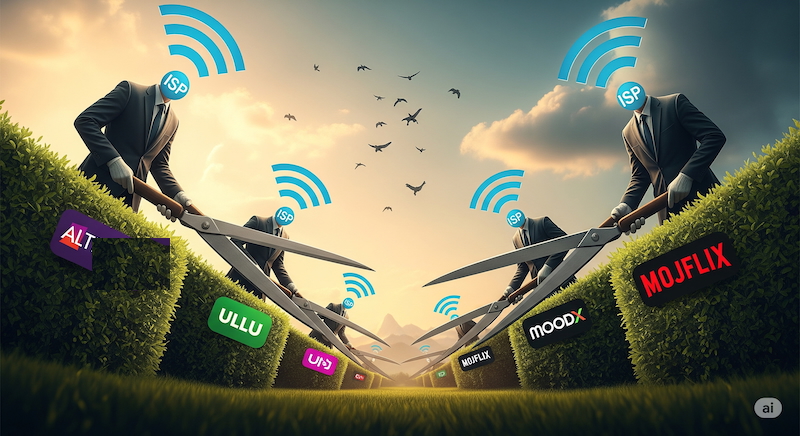
    MUMBAI: The Indian government has turned up the heat on shady OTT platforms. In a sweeping regulatory crackdown, the ministry of information & broadcasting (MIB) has ordered internet service providers (ISPs) to block access to 25 websites accused of hosting unlawful and “obscene” content, invoking multiple sections of the Information Technology Act, 2000 and allied rules.

    The directive, signed by the ministry’s joint secretary and authorised officer acting as nodal officer under digital media law, targets platforms such as Ullu, Altt, Big Shots, MoodX, Mojflix, Hulchul, and Desiflix — notorious for pushing the boundaries of online content. The move expands last year’s clampdown on what the government termed “indecent representation of women” and content harmful to public decency and morality.

    The notification reminds intermediaries that under Section 79(3)(b) of the IT Act, 2000, they lose their safe harbour protections if they fail to act swiftly on government orders. Rule 3(1)(d) of the IT Rules, 2021, further bars platforms from hosting anything that undermines India’s sovereignty, public order, or morality. Non-compliance, as per Rule 7, invites prosecution under prevailing laws.

    The list of banned apps and sites reads like a roll-call of India’s risqué OTT underbelly: Boomex, Navarasa Lite, Kangan App, Bull App, Feneo, ShowX, HotX VIP, NeonX VIP, Triflicks and more.

    The government cited violations of Section 67 and 67A of the IT Act (which deal with electronic transmission of obscene material), Section 294 of the Bharatiya Nyaya Sanhita, 2023 (obscene acts and songs), and Section 4 of the Indecent Representation of Women (Prohibition) Act, 1986.

    The MIB has also asked the department of telecommunications (DoT) to ensure ISPs comply. The move is being positioned as part of India’s broader push to clean up its digital content ecosystem and hold digital intermediaries accountable.

    (If you are an Anime fan and love Anime like Demon Slayer, Spy X Family, Hunter X Hunter, Tokyo Revengers, Dan Da Dan and Slime, Buy your favourite Anime merchandise on AnimeOriginals.com.)

  • Kitkat and Spotify launch new campaign with Ayushmann Khurrana

    Kitkat and Spotify launch new campaign with Ayushmann Khurrana

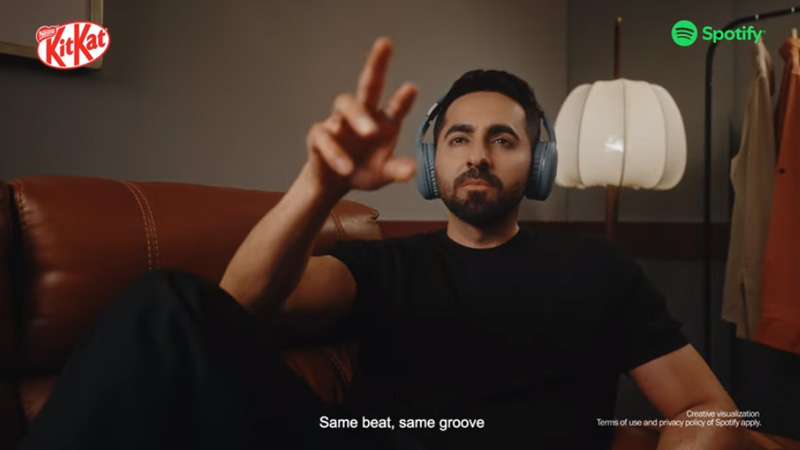
    MUMBAI: Kitkat and Spotify have come together to help consumers ‘Break the Loop’ and break free from their monotonous playlists. Featuring Bollywood actor Ayushmann Khurrana, Kitakat’s new campaign is inviting people to break out of their usual Spotify playlists and discover fresh tracks, genres and moods, turning everyday music breaks into moments of discovery.

    The film, conceptualised by Leo Burnett, brings alive Kitkat’s core message of meaningful, refreshing breaks in a modern, digital context. With specially designed KitKat packs, every break becomes a playful moment of discovery. Just scan the pack to unlock personalized Spotify tracks based on your listening behavior, serving you fresh music you’ve never heard before.

    Speaking about the campaign, Nestlé India head, confectionery business, Gopichandar Jagatheesan said, “Kitkat breaks have always been about taking a meaningful pause. With ‘Break the Loop,’ we’re extending that idea to the digital world, teaming up with Spotify to give consumers a light-hearted, relatable reason to pause their day and refresh not just their mood, but their songs too.”

    Spotify India director of sales – CPG & Auto, Sanketh Garimella said “Spotify playlists are designed to encourage the discovery of new music for listeners, and our personalized playlists tap into different moods and moments of the consumer. Kitkat’s new campaign is a great example of how those who listen to their favorite songs over and over again, every day, can easily find new music they’ll love on Spotify, with playlists curated just for them.”

    The campaign kicks off with a digital-first film across YouTube and Meta platforms, supported by a multi-touchpoint rollout including outdoor media, Spotify in-app audio advertising and engaging social content.

     (If you are an Anime fan and love Anime like Demon Slayer, Spy X Family, Hunter X Hunter, Tokyo Revengers, Dan Da Dan and Slime, Buy your favourite Anime merchandise on AnimeOriginals.com.)

  • WickedGüd and Shilpa Shetty serve satire with a side of healthy noodles

    WickedGüd and Shilpa Shetty serve satire with a side of healthy noodles

    MUMBAI: When was the last time a noodle ad sparked a nationwide identity crisis? WickedGüd’s latest campaign doesn’t just stir the pot, it flips the lid clean off. The better-for-you food brand, founded by Bhuman Dani in 2021 and backed by Shark Tank fame, has teamed up with actor-investor Shilpa Shetty for a satire-laced series that takes a not-so-subtle dig at celebrity endorsements, questionable ingredients, and the very idea of guilt-ridden comfort food.

    Titled Unjunk India, One Kitchen at a Time, the digital campaign’s opening act sees Shetty dramatically refusing a bowl of instant noodles on health grounds, only to be dragged into a fictional media frenzy. What follows is a tongue-in-cheek explainer from the star herself, clarifying her ‘about-turn’ because, well, this brand ditches the maida and palm oil for whole wheat, oats, lentils, and chickpeas. The punchline? “It’s so good, it’s WickedGüd.”

    The message may be playful, but the strategy is sharp. With India’s instant noodles market projected to nearly double from 1.88 billion dollars in 2023 to 3.83 billion dollars by 2028, according to Mordor Intelligence, WickedGüd is clearly eyeing a big bite of the Rs 15,600 crore pie but with a side of health. The brand is placing its bets on Gen Z, mindful millennials, and especially young mothers seeking easy, yet nutritious, choices for their families.

    “Reinventing comfort food without the guilt has always been our mission,” said WickedGüd founder and CEO Dani. “This campaign reflects that philosophy. It’s about taste and health coexisting, not competing.” The brand’s product line boasts zero maida, no palm oil, and no added chemicals, promising an indulgent experience that doesn’t compromise on well-being.

    Shetty, who is both a brand ambassador and investor, doubles down on that thought. “I’ve always believed mindful eating and enjoyment can go hand in hand,” she says. “WickedGüd gets it and I’m proud to be the face of a brand that actually walks the talk.”

    The three-part series doesn’t rely on sappy montages or kitchen table nostalgia. Instead, it plays to a sharp, modern audience using irony, storytelling, and self-awareness as ingredients for a campaign that cuts through the ad clutter like a hot knife through cold ramen. With over-the-top news anchors, exaggerated reactions, and a healthy dash of meta-humour, it’s as much a commentary on adland as it is a pitch for healthier eating.

    And in a world where celebrity food endorsements are often called out for hypocrisy, WickedGüd isn’t running from the debate, it’s throwing it into the spotlight and seasoning it with satire. That’s not just bold. That’s branding with bite.


  • From Panels to Portfolios Comic Con and IICT Team Up for Creator Power

    From Panels to Portfolios Comic Con and IICT Team Up for Creator Power

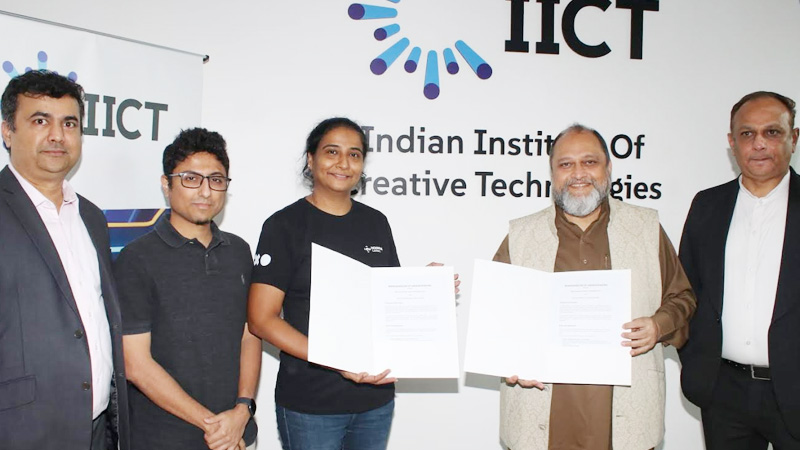
    MUMBAI: When cosplay meets classroom and panels turn into portfolios, you know India’s creative industry is getting its origin story right. In a move straight out of a well-scripted crossover, Comic Con India and the Indian Institute of Creative Technologies (IICT) have inked an MoU to jointly supercharge India’s animation, gaming, comics, and extended reality (AVGC-XR) ecosystem.

    The partnership, announced during the launch of the IICT-NFDC campus in Mumbai and the unveiling of the WAVES Outcome Report, was signed by Ashish Kulkarni, Board Member, IICT, and Shefali Johnson, CEO, Comic Con India. The high-powered event also saw the presence of government heavyweights like Devendra Fadnavis, deputy chief minister of Maharashtra, Ashwini Vaishnaw, union minister for I&B, Railways and IT, and Sanjay Jaju, secretary, ministry of information & broadcasting, a clear signal that India’s creative economy is getting serious state backing.

    Comic Con India, now part of Nodwin Gaming, has long been the country’s pop culture mothership, attracting fans, creators, and cosplayers in droves. On the other side, IICT, a newly announced National Centre of Excellence for AVGC-XR aims to be the IIT of the creative world, with a mission to train top talent, foster original IP, and bridge academia with the industry.

    The MoU packs in more than just fanfare. IICT students will get a dedicated showcase zone at Comic Con India events, along with masterclasses from top creators in gaming, comics, animation, and XR. The partnership also includes hackathons, design jams, behind-the-scenes internships, and initiatives to promote youth-led fan art and indie content creation.

    The collaboration comes at a time when India’s AVGC-XR sector is levelling up. As per the FX & Beyond: Shaping India’s AVGC Landscape report, the sector accounted for 20 per cent of the broader M&E industry in 2023, with revenues of 3.9 billion dollars. That figure is projected to rise to 6.8 billion dollars by 2026. Perhaps more crucially, AVGC-XR is expected to generate 160,000 new jobs annually with a roadmap to reach over 2 million direct jobs by 2030.

    “We are proud to collaborate with IICT as part of the broader AVGC-XR vision for India,” said Shefali Johnson. “Through Comic Con, students can gain mentorship, connect with pop culture communities, and better understand the commercial dynamics of their craft.”

    Ashish Kulkarni added, “This partnership aligns perfectly with the government’s vision of making India a global creative content hub. We aim to carve pathways for Indigenous IP using a transmedia ecosystem and build a vibrant pipeline of cultural ambassadors from India.”

    For fans, creators, and students alike, this crossover has franchise potential. With India looking to go from content consumer to content powerhouse, the IICT-Comic Con alliance might just be the origin story the AVGC-XR sector needs.

    Get your pens and pixels ready.