Category: News Headline

  • Sony Pictures’ Asia Cup campaign hits six for unity

    Sony Pictures’ Asia Cup campaign hits six for unity

    MUMBAI: Cricket advertising in India is a genre unto itself, but Sony Pictures Networks India may have just served up one of its most affecting innings yet. Its new Asia Cup promotional TVC, titled Asia Cup ka maha-muqabla, does not rely on pyrotechnics or overblown jingoism. Instead, it leans into something far more powerful: the lived reality of a billion-strong cricket nation. 

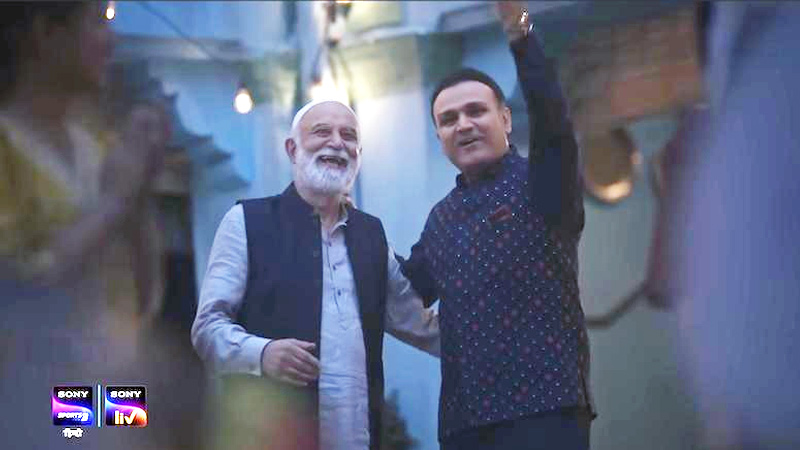
    The spot opens in a middle-class household, the sort instantly recognisable to viewers across India — compact, cluttered, warm. A multi-generational family, representing the classic Indian joint household, is gathered around a television set. Their emotions run the gamut from tense expectation to barely-suppressed hope. In their midst sits Virender Sehwag, the retired swashbuckler whose effortless stroke play once embodied India’s batting swagger. His presence is casual, yet symbolic: cricket is family. 

    On screen unfolds the ultimate cliché of Indian sport — a last-ball thriller against Pakistan. Suryakumar Yadav, known for his 360-degree stroke-making but carrying the weight of a poor run against Pakistan, takes guard against Shaheen Shah Afridi, Pakistan’s fiery left-arm quick. India need three off the final delivery. The room holds its breath. Yadav unfurls his trademark flick-sweep off his pads. The ball soars over fine-leg, lands in the stands. India have won. 

    The family erupts. So do, by implication, the millions watching at home across the country. The genius of the commercial is that the victory is not just India’s, not just Yadav’s redemption, not just a nod to the India–Pakistan rivalry that remains cricket’s greatest theatre. It is framed as a shared triumph of nationhood. 

    Sony has laced the narrative with subtle social cues. The family members are deliberately cast without overt religious markers — no heavy-handed signifiers of Hindu, Muslim, Sikh, or Christian identities. Instead, their togetherness suggests an anonymous universality, a blend of every Indian home. When one family member remarks, “God has listened to your prayers,” the phrase resonates across religions. It could as easily be said in a temple, mosque, church, or gurdwara. 

    This inclusivity crystallises in the closing voiceover: “When it comes to Team India, 140 crore hearts beat as one.” It is more than a tagline; it is an assertion of secular nationalism, packaged through the one institution that cuts across fault lines of caste, creed, and community — cricket. 

    The choice of Sehwag is inspired. His image has long been that of the approachable great: less demi-god than street-cricketer made good. Sehwag in a living room, laughing along with ordinary Indians, works as shorthand for the collapsing of boundaries between the game’s elite and its fans. In a country where cricket stars are often deified, here is one being human. 

    The film also plays on nostalgia. For decades, Indian households have arranged their routines around cricket matches. The image of families huddled before television sets — chai cups rattling, grandparents muttering prayers, children imitating shots in the cramped corridor — is imprinted in the national psyche. By invoking that memory, Sony makes the Asia Cup not just about live sport, but about reliving a tradition. 

    The timing of the TVC is astute. The Asia Cup kicks off on 9 September, with India–Pakistan ties expected to draw record ratings. This is also India’s first major tournament after the passage of the Online Gaming Bill 2025, which banned betting and fantasy sports with cash stakes but emphasised “safe online gaming” and esports as cultural exports. Sony’s film neatly dovetails with the government’s rhetoric: cricket as a unifying, wholesome national obsession rather than a site of division. 

    Advertising scholars will note how Asia Cup ka maha-muqabla breaks from older tropes. Previous India–Pakistan promos often thrived on antagonism: taunts, satire, chest-thumping. Sony, by contrast, softens the edges. The rivalry remains fierce — the six off Afridi is fantasy fulfilment — but the messaging is inward-looking. The focus is not beating Pakistan as much as celebrating India. 

    For a tournament where sport often becomes geopolitics, this is a nuanced turn. In less than a minute, the campaign positions cricket as faith, family, catharsis, and national glue. 

    That, in the end, is why the spot works. It is not simply flogging a match, or a tournament. It is selling the idea that India itself is best understood when a billion-plus citizens are praying for the same thing, shouting at the same screen, and rejoicing together when the ball sails into the stands.

    Watch the film here: YouTube link
  • Gameskraft halts Rummy cash play after new online gaming bill enforcement

    Gameskraft halts Rummy cash play after new online gaming bill enforcement

    MUMBAI: The cards have been reshuffled in India’s online gaming arena and this time, it’s the law dealing the hand. Following the enactment of the Promotion and Regulation of Online Gaming Bill, 2025, which prohibits all real-money games, skill or chance, Gameskraft has announced a full stop to gameplay and cash deposits on its Rummy platforms from 21 August 2025.

    While users can no longer add money or play, the company stressed that withdrawal services remain active, with all account balances “safe and secure.” Gameskraft said it is working with banking partners, auditors, and legal advisors to ensure a seamless process for players cashing out.

    Unlike previous flashpoints between gaming companies and regulators, Gameskraft made it clear there would be no legal challenge this time. “We fully respect the legislative process and remain committed to operating within the framework of the law,” the company stated.

    The focus now shifts to the future. The company revealed it has begun structured internal discussions to explore new business models in line with the bill, guided by what it calls its pillars of responsible innovation, player protection, and regulatory alignment.

    Gameskraft has also reassured stakeholders that it has cleared all regulatory dues, proactively communicated with employees, partners, vendors, and service providers, and safeguarded their interests during this transition.

    Calling compliance “non-negotiable”, the company said the moment, while disruptive, is also an opportunity to “reimagine what’s next responsibly, lawfully, and for long-term value creation.”

    With the ban cutting across India’s booming real-money gaming sector, the industry is now in reset mode. For Gameskraft, once a major player in the Rummy space, the challenge is no longer just winning the game, it’s reinventing it.
     

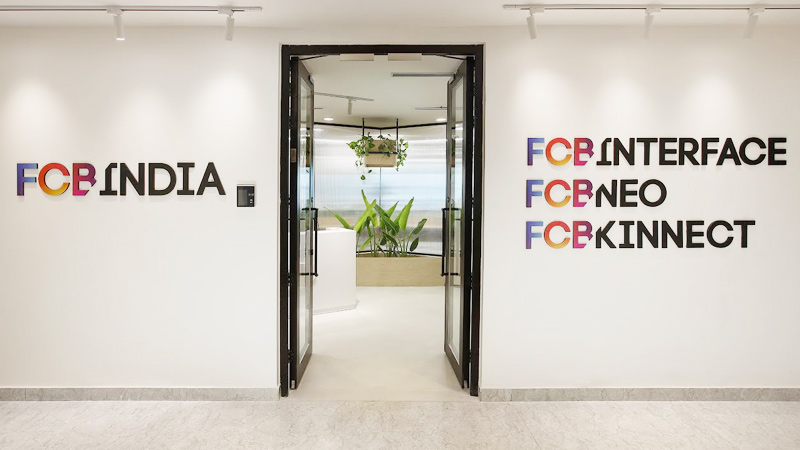
  • FCB India opens ‘Urban Jungle’ office in Gurugram, designed by Brawn Globus

    FCB India opens ‘Urban Jungle’ office in Gurugram, designed by Brawn Globus

    MUMBAI: Jungle fever has hit Gurugram — not in the streets, but inside FCB India’s brand-new office.

    The creative agency has swung into its freshly minted 28,000 sq. ft. space, designed and built by Brawn Globus, and it’s anything but a corporate cage. Themed “The Urban Jungle”, the workspace is a leafy, raw-edged playground where bold ideas are meant to grow as freely as the potted palms.

    Gone are the grey cubicles and hushed hallways. In their place stand open zones, nature-inspired corners and collaborative layouts that blur the line between imagination and reality. From biophilic design details symbolising growth to textures that invite conversation, every inch of the office feels less like a workplace and more like a living concept.

    “We are proud to have partnered with FCB India in creating a space that is as bold and inventive as the brand itself,” said Brawn Globus, managing director, Sandeep Singh. “The Urban Jungle office demonstrates our philosophy of blending design innovation with flawless delivery. Advertising thrives on imagination without boundaries. We wanted the workplace to be as inspiring as the ideas the FCB team creates every day”.

    For Brawn Globus, a heavyweight in design-and-build, the project is another feather in its architectural cap. For FCB, it’s a physical reminder of its ethos: fearless, inventive and always ready to colour outside the lines.


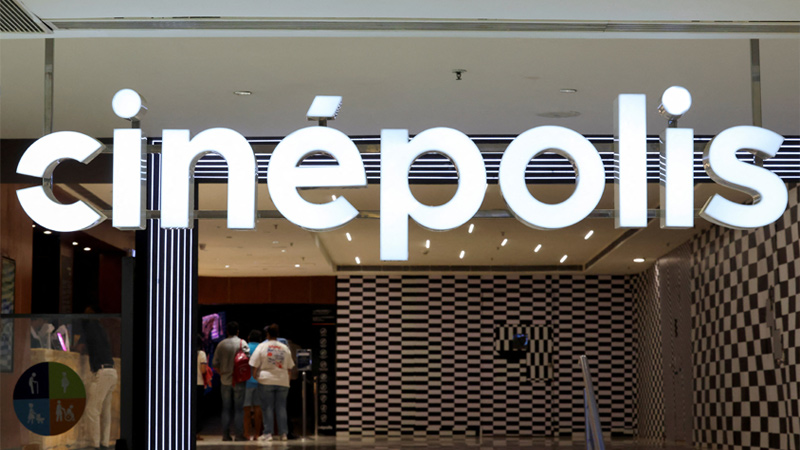
  • Cinépolis serves up ‘Foovies’, blending blockbusters with bold bites

    Cinépolis serves up ‘Foovies’, blending blockbusters with bold bites

    MUMBAI: Popcorn and a movie? That’s yesterday’s script. Cinépolis has rolled out Foovies, a lifestyle-first concept that lets audiences savour freshly made meals while watching their favourite films.  

    For decades, cinema snacking meant popcorn and cola. Foovies rips up that script, offering freshly prepared wraps, pizzas, fries, nachos, samosas and even in-house desserts, all served in-theatre. The idea is simple: turn a regular movie outing into a full-fledged foodie destination.

    Speaking on the launch, Cinépolis India, managing director, Devang Sampat     said, “At Cinépolis, we don’t just showcase films, we craft experiences. Foovies is our bold step to make every movie visit an immersive lifestyle indulgence, blending the joy of cinema with the comfort of world-class food.”

    The launch is backed by special offers like Foovies25: 25 per cent off food and tickets and integration with Club Cinépolis loyalty rewards.

    Since arriving in India in 2009, Cinépolis has pioneered luxury recliners, Dolby surround, cutting-edge projection and its globally famous popcorn.

  • Indian digital ad market to grow 15 per cent yearly: Bain & Co report

    Indian digital ad market to grow 15 per cent yearly: Bain & Co report

    MUMBAI: Clickonomics at work. Advertising is no longer just a sideshow to the economy; it is fast becoming one of its main acts. Global ad spend, worth about one trillion dollars in 2024, is set to swell to nearly one per cent of global GDP by 2029, says Bain & Company. The digital slice of the pie, already dominant, will account for 80-85 per cent of all spend within five years.

    India is emerging as one of the liveliest markets in this story. Valued at 16-18 billion dollars in 2024, its ad market is growing at 10-15 per cent annually and is expected to hit 17-19 billion dollars by 2029. That will lift advertising’s share of GDP from 0.4-0.5 per cent. More than half of the country’s ad rupees already go online, a share that will only rise as smartphones, OTT platforms and fast data spread deeper into towns and villages.

    Small firms and direct-to-consumer brands are doing much of the heavy lifting. Their share of India’s digital ad wallet has crept up to 37 per cent in 2024 and could hit 42 per cent by 2029. They are pouring money into mobile-first campaigns, e-commerce tie-ins and performance marketing, all with a sharp eye on returns.

    Globally, mobile screens are soaking up around 70 per cent of digital budgets, with India leaning even harder on handsets. Newer channels like connected TV are gaining ground, too. India already has 45 million CTV households, up from 20 million in 2022, and brands are chasing their premium eyeballs with contextual ads and cricket-season splurges.

    “India’s digital advertising market is at an inflection point,” said Prabhav Kashyap, partner at Bain & Company. “The convergence of mobile-led consumption, the rapid rise of video formats, and the integration of AI into every stage of the advertising process is reshaping how brands connect with consumers. As audiences spread their attention across more devices and platforms, the leaders will be those who diversify beyond mega platforms, design content for each channel from the ground up, and harness AI and first-party data to deliver personalised, high-impact campaigns. Over the next five years, the ability to combine creativity, data, and technology will be the defining factor in who captures the most value.”

    AI is changing the business from top to bottom. No longer just a tool for faster ad copy, it is now steering media plans, testing creative variations, allocating spend and measuring incremental returns. Global players such as InMobi, The Trade Desk and AppLovin are racing to embed machine learning into every step of the process.

    Publishers are also sprucing up their platforms with less intrusive formats, smarter data and loyalty-driven engagement. Adtech firms, meanwhile, are bulking up into full-stack operations, stitching together demand- and supply-side platforms with exchanges. The industry is consolidating around those who can offer sharper targeting and better ROI.

    Bain & Company, associate partner, Devika Mittal said, “To unlock stronger ROI, brands and publishers need to work in closer sync. Compared to just a few years ago, we are seeing the emergence of scaled adtech players (like InMobi and The Trade Desk) who are playing a pivotal role in driving more precise targeting and performance, maturing the ecosystem significantly and enabling brands to continuously sharpen their digital advertising strategies.”

    Advertising has always followed the eyeballs. Now, with eyeballs glued to mobile screens, streaming apps and AI-powered feeds, the money is moving faster than ever. By 2029, ads will not just be selling soap, they will be helping steer the world’s economy.


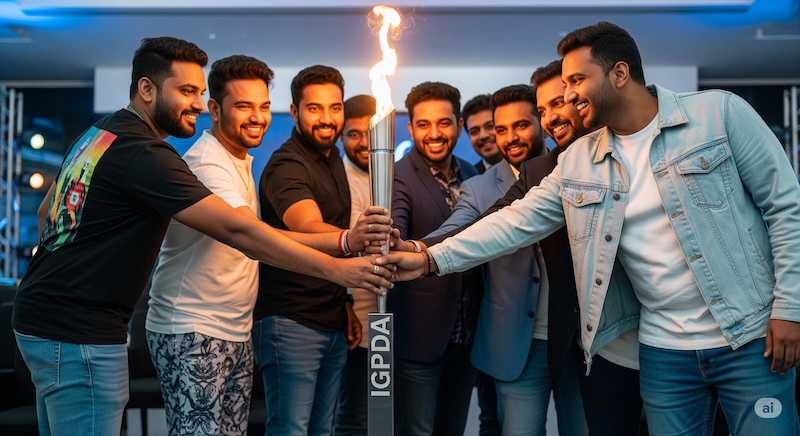
  • Indian game makers unite under new industry body

    Indian game makers unite under new industry body

    MUMBAI: India’s game publishers and developers have found a single banner. A new industry body, the Indian Game Publishers and Developers Association (IGPDA), has been launched to give the sector a unified voice and global ambition.

    The association brings together studios, publishers, training outfits, facility providers, and investors. Its brief: to champion homegrown intellectual property, showcase Indian stories, and build skills across animation, VFX, gaming, and comics.

    Nine firms are on the founding roster, from Nazara Technologies (World Cricket Championship) and Gametion (Ludo King) to nCore Games (FAU-G: Domination), Reliance Games (WWE Mayhem), SuperGaming (Indus Battle Royale), Tara Gaming (The Age of Bhaarat), underDOGS Studio (Mukti), Aeos Games (Unleash the Avatar), and Dot9 Games (Apna Games).

    “For the first time, India’s developers and publishers have a unified voice,” said NCore founder and IGPDA chairman Vishal Gondal. “This is about more than games — it’s about building iconic IP and creating a cultural legacy for India.”

    IGPDA has already pitched a partnership with the Maharashtra government to position Mumbai as a global gaming hub through policy incentives. Its first event is slated for later this year in Mumbai.

    The launch comes hard on the heels of the Online Gaming Bill, which won presidential assent on 22 August. The law bans real-money platforms — betting, gambling, lotteries, card games with cash stakes, and fantasy sports — but draws a clear line between those and what it calls “online social games.”

    The government says it will promote esports and safe online gaming as a job creator, export booster, and innovation driver.

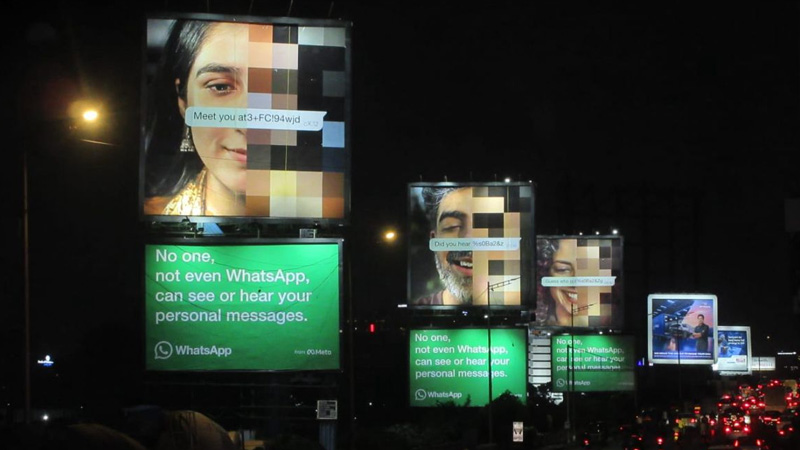
  • Triooh makes a big splash with 150-site debut campaign across India

    Triooh makes a big splash with 150-site debut campaign across India

    MUMBAI: When it comes to making a first impression, Triooh went straight for the skyline. The new-age out-of-home (OOH) advertising agency has burst onto the scene with a 16-day mega campaign across 150 plus high-impact sites, executed for a leading global messenger app. The campaign spanned some of India’s busiest hubs Delhi NCR, Lucknow, Patna, Mumbai, Pune, Chandigarh Tri-City, and Jaipur ensuring pan-India buzz and visibility. By rolling out the campaign simultaneously across these cities, Triooh made sure the brand didn’t just show up but showed up everywhere.

    True to its promise of blending creativity with technology, Triooh powered the rollout with a live campaign dashboard integrated into its in-house monitoring app. This gave the client real-time access to daily site images and audience analytics across all 150 plus locations making performance tracking as transparent as the billboards themselves.

    “Launching with a high-impact campaign for a large messenger app marked a dream start for us,” said Triooh CEO & co-founder Anuj Bhandari. “We received a simple but powerful brief: deliver scale and consistency across multiple cities. With our tech-first, transparent approach, we were able to meet the objective and reinforce client trust through tools like customised live-reporting dashboards.”

    The campaign’s scale and execution underline Triooh’s ability to balance reach with efficiency, while raising the bar for accountability in India’s fiercely competitive OOH sector. For a debut, the agency didn’t just step into the limelight, it practically owned it.

  • Asianet strikes a floral chord with world’s first Poopaattu for Onam

    Asianet strikes a floral chord with world’s first Poopaattu for Onam

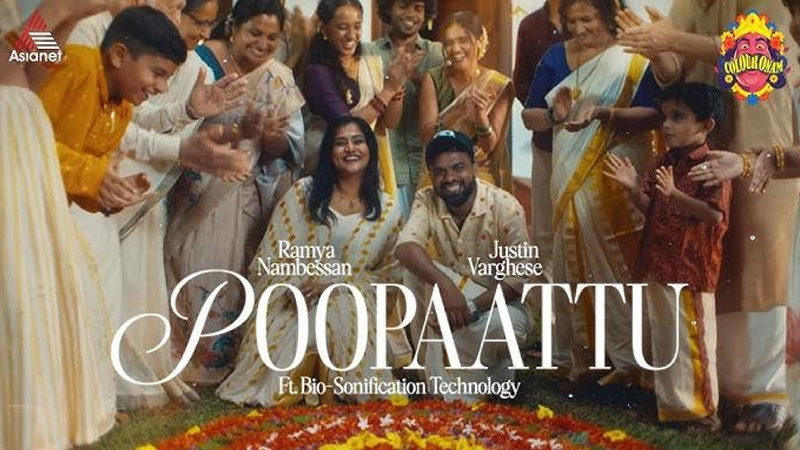
    MUMBAI: When flowers sing, Onam dances to a new tune. Asianet, Kerala’s top entertainment channel, has unveiled the world’s first Poopaattu (Flower Song), blending tradition with cutting-edge bio-sonification technology for its #Coloronam campaign.

    Created by music director Justin Varghese with vocals by singer-actor Remya Nambeesan, the track is no ordinary festive jingle, it’s a composition crafted from the natural vibrations of Onam flowers such as Thumba, Thechi, Chembarathi, and Shankupushpam. These subtle frequencies were captured, converted into notes, and layered into an original soundtrack that’s as scientific as it is soulful.

    The idea stems from the age-old Pookkalam (floral carpet) tradition, where each bloom held meaning Thumba symbolised sanctity, Mukutti prosperity, and Thechi devotion and strength. By turning these floral associations into music, Asianet hopes to revive cultural connections for modern audiences.

    “With Poopaattu, our aim was to show how cultural storytelling can be reimagined through innovation,” said JioStar head of cluster entertainment (South) Krishnan Kutty. “Onam is deeply emotional for our audiences in Kerala, and by combining tradition with technology, we’ve built a campaign that resonates locally while showcasing our ability to lead with fresh ideas.”

    The accompanying video mirrors the community spirit of Onam families and friends handpicking blossoms, weaving intricate Pookkalams, and celebrating togetherness with joy and generosity.

    For a festival rooted in colour, fragrance, and symbolism, Poopaattu adds a new sensory dimension: sound. By bridging heritage and innovation, Asianet is not just celebrating Onam but orchestrating it, one flower note at a time.

  • LunchBox serves up Onam feast with a tongue-twisting festive challenge

    LunchBox serves up Onam feast with a tongue-twisting festive challenge

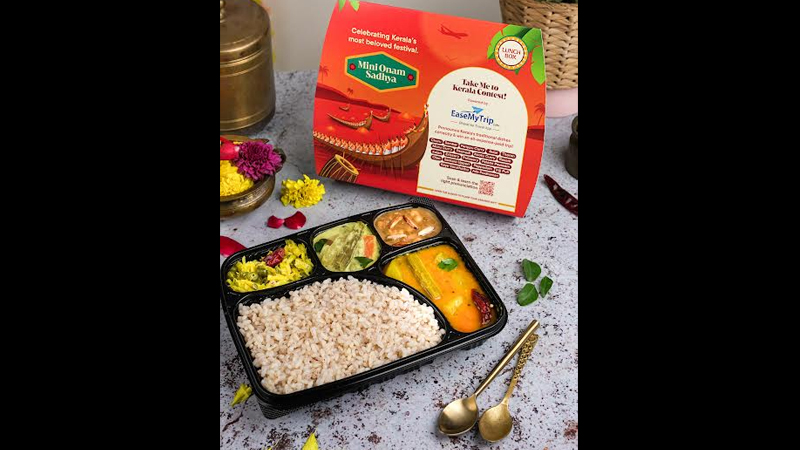
    MUMBAI: What’s harder, finishing a 20-dish feast or pronouncing “Erissery” without fumbling? This Onam, Lunchbox is spicing up celebrations by offering both: a Mini Onam Sadhya delivered nationwide and a quirky Pronunciation Challenge that could win you a trip to Kerala. Traditionally, the Onam Sadhya is a vegetarian banquet of over 20 dishes served on a banana leaf from the creamy Kaalan to the subtly spiced Avial. LunchBox is packaging this cultural spectacle into a homely yet festive offering that travels from Kerala kitchens to tables across India.

    For non-Malayalis, names like Thoran, Olan, and Erissery often trip the tongue, so LunchBox turned it into a nationwide game. Every Sadhya order comes with a sleeve featuring dish names and a QR code leading to an AI-generated video of King Mahabali himself teaching you the right way to say them. Diners are then invited to record a 15-second voice note and send it via Instagram DM for a chance to win.

    The prize menu is as generous as the feast:

    ●   Grand Prize: A couple’s all-expenses-paid trip to Kerala (flights, hotels, breakfasts).

    ●   2nd & 3rd Prize: Staycations for two couples in Kerala.

    ●   Holiday vouchers worth Rs 5,000 for two winners.

    ●   Rs 500 flight discounts for 16,000 customers on domestic routes.

    The travel rewards come through LunchBox’s exclusive tie-up with Easemytrip.

    Explaining the concept Rebel Food CMO Nishant Kedia said: “Onam is about joy, unity, and sharing. The Pronunciation Challenge goes beyond food, it builds connections, sparks laughter, and opens the festival to everyone.”

    For foodies in Mumbai, Bangalore, Chennai, and Hyderabad, the competition adds another festive layer to the banana-leaf banquet. And for those simply craving comfort food, LunchBox’s chefs have ensured the Sadhya still feels like a slice of Kerala, no matter the pin code.

    With flavour, fun, and even free holidays on the plate, Lunchbox has ensured that this Onam celebration is anything but ordinary.

  • Ad Club Bangalore snaps up Gen Z insights at Inspiration Room

    Ad Club Bangalore snaps up Gen Z insights at Inspiration Room

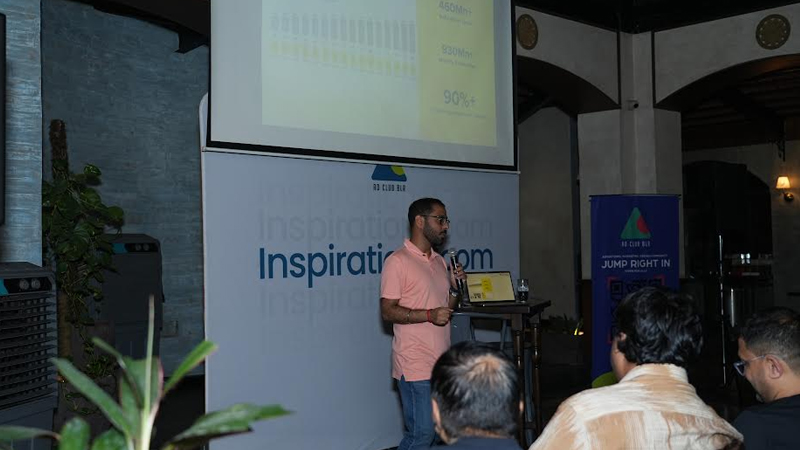
    MUMBAI: When it comes to decoding Gen Z, even advertising veterans know they can’t just swipe left on change. The Advertising Club Bangalore’s 15th Inspiration Room lit up last Wednesday with over 100 participants, all keen to grasp how the next generation is reshaping consumption and culture.

    The evening kicked off with Gauri Kumar, who dived straight into the world of Augmented Reality (AR). From Bitmojis to AR lenses, she showed how brands like Myntra and Swiggy are already harnessing Snapchat’s creative toolkit to create scroll-stopping campaigns. “The challenge for brands is no longer access to AR, it’s how creatively you use it,” she quipped, adding that Snapchat has democratised AR production. A live demo on building AR experiences gave attendees a tangible taste of the future of branded engagement.

    Next up Snap Inc. India head of growth Chirag Kohli unpacked how Gen Z, who already command 43 per cent of consumer spend (a figure tipped to hit 50 per cent in the next decade), are redefining commerce. For them, shopping is not just transactional, it’s “shopcialising”, where trends, visuals, and community matter more than price tags. Kohli revealed that 63 per cent of Snapchat users have made purchases on the platform, proving its dual role as both a connection hub and a commerce driver.

    With creators becoming the new search engines and Snapchat pushing India-first features with a camera-first design, the session painted a vivid picture of how phygital is no longer a buzzword but a behaviour. “Attention is scarce, impressions are abundant,” Kohli warned, urging brands to deliver joy and community to cut through the noise.

    Closing the evening Ad Club Bangalore president Laeeq Ali announced that the Club itself is making its Snapchat debut. “This edition has set the bar high for what’s to come,” he said, noting how AR’s blend of code, 3D graphics, and storytelling is redefining advertising playbooks.

    For a series built on sparking inspiration, this edition proved why the Inspiration Room remains the place where marketers, creators, and technologists come together to catch the next big wave before it even trends.