Category: Regional

  • India’s ‘Court’ to compete with films from 80 countries at Oscars

    India’s ‘Court’ to compete with films from 80 countries at Oscars

    MUMBAI: India’s official entry to the Oscars – Court – will be competing with films from 80 countries in the Foreign Language Film category for the 88th Academy Awards.


    The Oscars have this year received film entries from 81 countries in this category including Paraguay, which is a first-time entrant.


    The Marathi language film Court is directed by Chaitanya Tamhane. Giving Court tough competition will also be renowned director Majid Majidi’s Iranian film Muhammad: The Messenger of God, which is Iran’s official entry to the Oscars this year.


    On the other hand, Paraguay’s maiden film entry for the Oscars is titled Cloudy Times, directed by Arami Ullón.


    The 2015 submissions for the Foreign Language Film category are:


    Afghanistan: Utopia directed by Hassan Nazer

    Albania: Bota directed by Iris Elezi, Thomas Logoreci

    Algeria: Twilight of Shadows directed by Mohamed Lakhdar Hamina

    Argentina: The Clan directed by Pablo Trapero

    Australia: Arrows of the Thunder Dragon directed by Greg Sneddon

    Austria: Goodnight Mommy directed by Veronika Franz, Severin Fiala

    Bangladesh: Jalal’s Story directed by Abu Shahed Emon

    Belgium: The Brand New Testament directed by Jaco Van Dormael

    Bosnia and Herzegovina: Our Everyday Story directed by Ines Tanovic

    Brazil: The Second Mother directed by Anna Muylaert

    Bulgaria: The Judgment directed by Stephan Komandarev

    Cambodia: The Last Reel directed by Sotho Kulikar

    Canada: Félix and Meira directed by Maxime Giroux

    Chile: The Club directed by Pablo Larraín

    China: Go Away Mr. Tumor directed by Han Yan

    Colombia: Embrace of the Serpent directed by Ciro Guerra

    Costa Rica: Imprisoned directed by Esteban Ramírez

    Croatia: The High Sun directed by Dalibor Matanic

    Czech Republic: Home Care directed by Slavek Horak

    Denmark: A War directed by Tobias Lindholm

    Dominican Republic: Sand Dollars directed by Laura Amelia Guzman, Israel Cardenas

    Estonia: 1944 directed by Elmo Nüganen

    Ethiopia: Lamb directed by Yared Zeleke

    Finland: The Fencer directed by Klaus Haro

    France: Mustang directed by Deniz Gamze Erguven

    Georgia: Moira directed by Levan Tutberidze

    Germany: Labyrinth of Lies directed by Giulio Ricciarelli

    Greece: Xenia directed by Panos H. Koutras

    Guatemala: Ixcanul directed by Jayro Bustamante

    Hong Kong: To the Fore directed by Dante Lam

    Hungary: Son of Saul directed by Laszlo Nemes

    Iceland: Rams directed by Grímur Hákonarson

    India: Court directed by Chaitanya Tamhane

    Iran: Muhammad: The Messenger of God directed by Majid Majidi

    Iraq: Memories on Stone directed by Shawkat Amin Korki

    Ireland: Viva directed by Paddy Breathnach

    Israel: Baba Joon directed by Yuval Delshad

    Italy: Don’t Be Bad directed by Claudio Caligari

    Ivory Coast: Run directed by Philippe Lacote

    Japan: 100 Yen Love directed by Masaharu Take

    Jordan: Theeb directed by Naji Abu Nowar

    Kazakhstan: Stranger directed by Yermek Tursunov

    Kosovo: Babai directed by Visar Morina

    Kyrgyzstan: Heavenly Nomadic directed by Mirlan Abdykalykov

    Latvia: Modris directed by Juris Kursietis

    Lebanon: Void directed by Naji Bechara, Jad Beyrouthy, Zeina Makki, Tarek Korkomaz, Christelle

    Ighniades: Maria Abdel Karim directed by Salim Haber

    Lithuania: The Summer of Sangaile directed by Alante Kavaite

    Luxembourg: Baby (A)lone directed by Donato Rotunno

    Macedonia: Honey Night directed by Ivo Trajkov

    Malaysia: Men Who Save the World directed by Liew Seng Tat

    Mexico: 600 Miles directed by Gabriel Ripstein

    Montenegro: You Carry Me directed by Ivona Juka

    Morocco: Aida directed by Driss Mrini

    Nepal: Talakjung vs Tulke directed by Basnet Nischal

    Netherlands: The Paradise Suite directed by Joost van Ginkel

    Norway: The Wave directed by Roar Uthaug

    Pakistan: Moor directed by Jami

    Palestine: The Wanted 18 directed by Amer Shomali, Paul Cowan

    Paraguay: Cloudy Times directed by Arami Ullón

    Peru: NN directed by Hector Galvez

    Philippines: Heneral Luna directed by Jerrold Tarog

    Poland: 11 Minutes directed by Jerzy Skolimowski

    Portugal: Arabian Nights – Volume 2, The Desolate One directed by Miguel Gomes

    Romania: Aferim! directed by Radu Jude

    Russia: Sunstroke directed by Nikita Mikhalkov

    Serbia: Enclave directed by Goran Radovanovic

    Singapore: 7 Letters directed by Royston Tan, Kelvin Tong, Eric Khoo, Jack Neo, Tan Pin Pin, Boo Junfeng, K. Rajagopal

    Slovakia: Goat directed by Ivan Ostrochovsky

    Slovenia: The Tree directed by Sonja Prosenc

    South Africa: The Two of Us directed by Ernest Nkosi

    South Korea: The Throne directed by Lee Joon-ik

    Spain: Flowers directed by Jon Garano, Jose Mari Goenaga

    Sweden: A Pigeon Sat on a Branch Reflecting on Existence directed by Roy Andersson

    Switzerland: Iraqi Odyssey directed by Samir

    Taiwan: The Assassin directed by Hou Hsiao-hsien

    Thailand: How to Win at Checkers (Every Time) directed by Josh Kim

    Turkey: Sivas directed by Kaan Mujdeci

    United Kingdom: Under Milk Wood directed by Kevin Allen

    Uruguay: A Moonless Night directed by German Tejeira

    Venezuela: Gone with the River directed by Mario Crespo

    Vietnam: Jackpot directed by Dustin Nguyen


    The 88th Academy Awards nominations will be announced live on 14 January, 2016 at the Academy’s Samuel Goldwyn Theater in Beverly Hills.


    The 88th Oscars will be held on 28 February, 2016, at the Dolby Theatre in Hollywood. The Oscar presentation will be televised live in more than 225 countries and territories worldwide.
  • Eros to release Mammootty starrer ‘Pathemari’ on 9 October

    Eros to release Mammootty starrer ‘Pathemari’ on 9 October

    MUMBAI: Eros International is all set to release its second Malayalam film – Pathemari – in association with writer, director Salim Ahamed on 9 October, 2015.


    The movie, which stars Mammootty, is produced by Allens Media and directed by Ahamed.


    Set against the backdrop of the Gulf migration of Keralites, Pathemari tells the story of migrants Pallikal Narayanan (Mammootty) and his friend Moydeen, their sacrifices that symbolise the lives of several Kerala migrants in Gulf.


    Ahamed’s debut venture was Adaminte Makan Abu.


    Eros International managing director Sunil Lulla said, “After our debut Malayalam project, Life of Josutty, we are happy to associate with established talent like Salim Ahamed and superstar Mammootty. The Malayalam film industry is witnessing its golden age and we are happy to be associating with some of the best talent in the industry.”


    “This is a film dedicated to the Malayali expatriates who first started their journey to the Gulf in search of greener pastures many years ago. I am excited to collaborate with a leading studio like Eros who with their decades of experience will give the right showcasing and a great platform for this film,” added Ahamed.


    Pathemari also stars other Malayalam film industry actors including Srinivasan, Siddique, Joy Mathew, Jewel Mary, Viji Chindrasakher, Salim Kumar and Sunil Sugatha amongst others.


    Pathemari will be released across India as well as in all GCC countries.

  • FFI pooh-poohs Rawail’s objections, wants support for ‘Court’ as Oscar entry

    FFI pooh-poohs Rawail’s objections, wants support for ‘Court’ as Oscar entry

    NEW DELHI: The Film Federation of India (FFI) has reiterated that “all the norms and regulations governing the selection process were followed for selection of Indian entry for the Oscars and the Federation is happy with the process.”
     

    This comes in the wake of certain statements made to the press by filmmaker Rahul Rawail, who chose to walk out against the selection process, though the Federation says he later appreciated the choice of Court for Academy Awards in the Best Foreign Language category.
     

    FFI secretary general Supran Sen said, “Federation Honorary General Secretary C. Kalyan, I in my capacity as Secretary General, and our Deputy Secretary Mr. Anindya Dasgupta were present during the final proceedings to select India’s entry and we did not see anything amiss in the way it was conducted.”

     
    The selection, he claimed, had been appreciated in all quarters and the jury has been unanimous in their choice.
     

    “While we would not like to comment on Mr. Rawail’s opinions which are his own, what we would have appreciated is a situation where he could have spoken to the FFI President and other senior officials before going to the media,” Sen said.
     

    “To conclude, it is our appeal to all our media friends and the members of the film fraternity to focus on the positives. Let us all get behind Court and its quest as it seeks to try and bring some glory to our Country,” Sen added.

  • Kannada film starring Esha Deol enters Oscars race in mainstream awards

    Kannada film starring Esha Deol enters Oscars race in mainstream awards

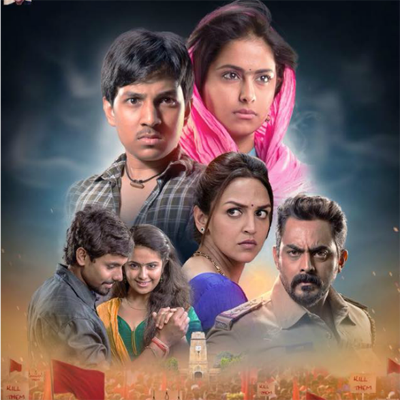
    NEW DELHI: Though the Marathi film Court by Chaitnya Tamhane has been selected as the official entry for the Best Foreign language film category race in the Academy Awards, south Indian director Kishan Srikkanth’s film Care of Foothpath 2 (Kill them Young) in Kannada starring Esha Deol has made a ‘lateral’ entry.


    Srikkanth is known as the boy who features in the Guinness book of records for being the youngest director of a feature film at the age of nine years.


    The movie is an action film, based on the story of four slum teenagers who are believed to be criminals. Srikkanth spent two years researching juvenile crime for the movie. 


    Explaining the ‘lateral’ entry, Srikkanth says that he wants the film to compete in that category so that he can seek awards for technicians and actors, like Best Film, Best Director, Best Actor in a leading role, Best Adaptive Screenplay etc. under the guidelines of Academy Awards.


    The film also fulfils intricate technical specifications with regard to the quality of sound, picture, and such other parameters, which they adhered to while shooting the movie. The Academy loves films, which have unique scripts and different and follow high creative standards.


    Srikkanth said, “We are thankful to Esha. We approached her for the challenging role of an advocate, who specialises in juvenile crime. She absolutely loved the concept and came onboard. She was so supportive. The film is a sequel to my 2006 film, which deals with juvenile delinquency. We got in touch with the Academy a year and half ago who explained to us that besides our creative script, the strict standards and technical specifications.”


    “The film has to be released in the US with all publicity in the mainstream media and get it reviewed and rated. We would be releasing the film in October in Los Angeles, and have earmarked a budget for the same,” he added.


    Besides Deol, the film also stars well known TV artiste Avika Gor. Srikkanth hopes that with his film, the flood gates will open for Indian made films in the mainstream category for the Academy Awards. 

  • National award winning Marathi film ‘Court’ is India’s entry for Oscars

    National award winning Marathi film ‘Court’ is India’s entry for Oscars

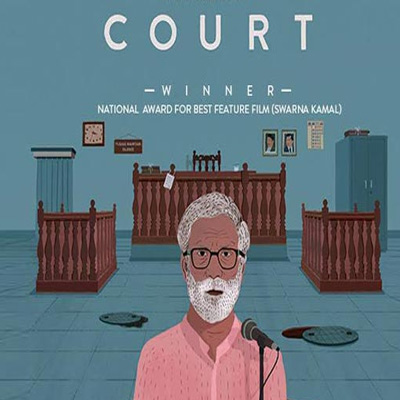
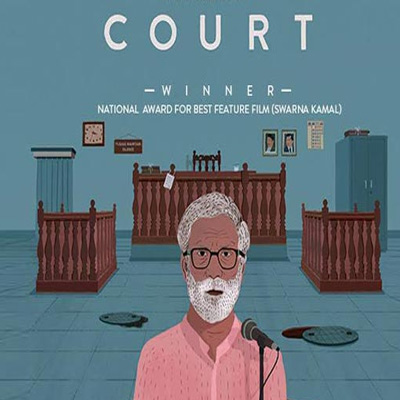
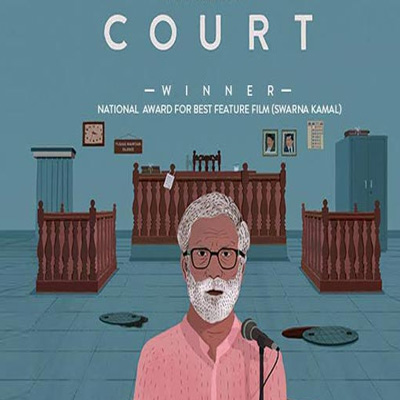
    NEW DELHI: The National Award winning Marathi film Court, written and directed by first-time filmmaker Chaitanya Tamhane, is India’s official entry for the Oscars in the foreign language category.


    The decision was taken by a 16-member committee headed by Amol Palekar set up by the Film Federation of India (FFI), which met in Hyderabad. Other contenders included MasaanPK and Baahubali.


    Court, which has already been to several international film festivals and won national and international awards, is the story of a radical poet who is accused of waging war against the state. It follows the never-ending trial of a balladeer who is accused of encouraging a municipal worker to commit suicide through his fiery songs. The multi-lingual arthouse drama examines the Indian judicial system from the perspectives of the accused, the lawyer defending him, the public prosecutor, and the judge presiding over the case.


    Court was premiered at the Venice Film Festival in 2014 where it won the Lion of the Future Award for the best first feature as well as the top prize in the non-competitive Horizons category. Court also won the National Award for Best Feature Film at this year’s National Film Awards.


    The movie’s cast includes its producer Vivek Gomber, Marathi stage veteran Geetanjali Kulkarni, and Vira Sathidar. It has been shot by Mrinal Desai and edited by Rikhav Desai. Tamhane and Gomber are in Japan at the Fukoka International Film Festival where the film is being screened.


    This is the third Marathi film to be sent for the Oscars. The first was Sandeep Sawant’s Shwaas in 2004, while the second was Harichandrachi Factory by Paresh Mokakshi.


    India has never won an Academy Award in the best foreign language movie category though it has figured in the nominations thrice: for Mehmoob Khan’s Mother India, Mira Nair’s Salaam Bombay and Ashuthosh Gowarikar’sLagaan.

  • Marathi film industry poised for growth with superior content

    Marathi film industry poised for growth with superior content

    MUMBAI: In recent times movies like KillaTimepassLai Bhaari and Fandry have managed to break regional shackles and create a buzz amongst all and sundry. Reason – the Rs 300+ crore Marathi film industry has been churning out some quality content lately. What’s more, made on puny budgets – when compared to the big daddy of Indian cinema – Bollywood, many a Marathi films are breaking even and also profiting.  


    More often than not the fate of Bollywood movies depends on the star quotient. A Salman Khan movie will do well, no matter what. Such is the power and charisma of the man. Compared to this, in Marathi cinema, there is less reliance on stars as it is superlative content that sets the cash registers ringing.


    The Riteish Deshmukh starrer Marathi movie Lai Bhaari collected over Rs 40 crore at the box office, while Timepass collected Rs 30 crore. On the other hand, Classmate collected nearly Rs 21 crore at the box office turnstiles. These numbers say a lot.


    While these films get a limited theatrical release, when the content clicks with movie aficionados, distributors are ready to shell out that extra moolah for a wider release.


    The Marathi film industry churns out close to 100 movies a year as compared to 1000+ Hindi movies that are released every year. While the cost of production of a mid-budget Marathi movie is Rs 1.5 crore, the budget touches Rs 3.5 crore for a big budget Marathi movie. On the other hand, promotions budgets are in the range of Rs 1.5 – 2 crore, which includes advertising, distribution and release cost.


    Global Sports Entertainment And Media Solutions directors Arjun Singgh Baran and Kartik Nishandar said, “The Marathi film industry is showing great potential to grow further if strategised well. And the State government is doing a lot for the growth of the Marathi film industry. However, producers still have to pay rental to single screen theatres, which adds up to the overall cost. With this, the movie becomes expensive for the producer.”


    With the proliferation of digital and social media, today every brand, movie, personality or company are using the medium to get their message across to million of people at one go. Reiterating the importance of the digital platform, Baran and Nishandar said that digital marketing plays a prominent role in the success of a movie. “Digital marketing over the last one year has grown to the next level with the presence of maximum number of youth on the digital platform. As the target audience has shifted from the age group of 14 to 45, the maximum exposure a movie gets is only through digital marketing,” the duo opined.


    While the Marathi movie has always been high on the content, the industry didn’t get its rightful place under the sun until now due to lack of finance, distribution and proper marketing. However, in last five years or so, Marathi movies’ box office collections have seen a considerable jump.


    According to director Swapna Joshi, content is the key for a movie’s success. “There is a drastic change in Marathi cinema content. There are three major positive changes that have taken place in Marathi film content over the past few years. The first is that the content is becoming very strong, bolder and wider. Secondly, while collaborating modern context into content, we are not letting go of our core values. Thirdly, the production value of a Marathi movie has really gone up in recent times. One thing that the industry should take care of is not to compromise quality over quantity,” Joshi said.


    Key revenue generating factors for a movie are its theatrical distribution coupled with targeted promotions. Actor, director and producer Mahesh Kothare added, “Times have changed and there is an evolution of cinema, which gave an impetus to piracy. Unlike olden days, the shelf life of a movie these days is just a few weeks. So the total box office collections depend on the number of theatres that a movie has been released across. Maximum screens means maximum reach, which automatically results in maximum profit. While most of the revenue is recovered in the first week itself, if a movie runs for four weeks, it’s a bonus and if the run continues into the fifth week, the movie is a great success.” 


    9X Jhakaas programming head Rohan Rane opined, “The Marathi film industry is growing and celebrities want to be a part of it because both the industries are working very closely with each other. There are many Marathi music launches and releases, which are attended by Bollywood biggies. Similarly, there are many Marathi actors, who have become a part of Bollywood movies.” 


    The Indian film industry has a history of more than 100 years, wherein Marathi cinema is the oldest form of cinema. According to the National Film Development Corporation (NFDC) and International Film Festival of India (IFFI), the first indigenously made film was Raja Harishchandra in 1913, which was produced by Dada Saheb Phalke, as part of Marathi cinema. It was made with Marathi dialogues while shooting with a fully Marathi crew.


    That said, the Marathi film industry, which has been churning out superior National Award winning content lately, is poised for growth in the coming years even as the release environment gets more and more conducive.

  • Eros’ maiden Malayalam film ‘Life of Josutty’ to release on 18 September

    Eros’ maiden Malayalam film ‘Life of Josutty’ to release on 18 September

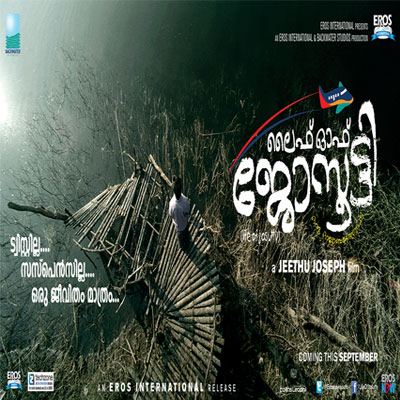
    MUMBAI: Riding high on the success of their last regional hit – the Mahesh Babu starrer Telugu film Srimanthudu, Eros International Media is set to carve a niche in the Malayalam movie market with the release of its debut production, Life of Josutty


    Co-produced by Eros with Jayalal Menon and Anil Biswas’ Backwater Studios, the film is set for a worldwide release on 18 September, 2015.


    After the critically acclaimed DrishyamLife of Josutty marks the next directorial venture of Joseph.


    Life of Josutty is a family drama starring Malayalam superstar Dileep along with Rachana Narayanankutty, Jyothikrishna, Harish Peradi, Sunil Sugatha, Suraj Vengharamoodu and Kalabhavan Mani. The film sees Jeethu and Dileep work together once again after Boss. Anil Johnson, who has previously composed music for Drishyam has composed music for Life of Josutty as well.


    After Eros’ significant inroads into Tamil and Telugu cinema, the studio is now gearing up to make its mark into the Malayalam market.


    Eros International managing director Sunil Lulla said“Malayalam cinema has been blessed with a plethora of gifted directors, writers, actors and produces such diverse range of brilliant stories for discerning audiences. We are very happy to tap into this rich pool of talent by working with notable names like Dileep and Jeethu. Life of Josutty promises solid content for movie lovers with its unique story line backed by such a creative team.”


    Joseph added, “Life of Josutty is not just a family entertainer but a journey through the realities of life.”


    Life of Josutty is a drama set against the backdrop of a family with a fantasy edge. The film went on floors on 2 January, 2015 and was shot across Idukki in Kerala and New Zealand.

  • Eros’ Telugu film ‘Dictator’ completes first schedule in Hyd; moves to Europe

    Eros’ Telugu film ‘Dictator’ completes first schedule in Hyd; moves to Europe

    MUMBAI: Eros International Media has completed the first schedule of its Telugu production – Natasimha Balakrishna’s Dictator in Hyderabad.


    Eros International Media managing director Sunil Lulla said, “Telugu cinema is going through an exciting phase and we are very happy to associate with the best talent in the industry. After the success of our maiden Telugu production, Srimanthudu, we are happy to share that the shooting part of our upcoming Telugu movie Dictator with Natasimha Balakrishna and Sriwass is going on in full swing. With Dictator, we aim to further expand and strengthen Eros’ footprint in south Indian cinema.”


    Produced by Eros International in association with Vedaashwa Creations, the film is directed by Sriwass and marks as Balakrishna’s 99th film. The action entertainer also stars Anjali and Sonal Chauhan along with Ravi Kishan, Sayaji Shinde, Nazar and Prudhvi amongst others.


    Veteran writer M Ratnam is the dialogue writer, while writer duo Kona Venkat and Gopi Mohan have penned the story for the film.


    Sriwass said, “We have successfully completed the first schedule recently and I’m thankful to Eros for making available all the resources that I needed for filming. We’re now going ahead with full gusto for our upcoming foreign schedule in Europe where we will be canning some talkie, action and songs. I’m confident that Dictator will become a hugely successful milestone in Eros’ journey. Dictator is going to be an eye feast for the audience as we’ve got a great story that will be told with great production values.”


    The film is being picturised in Hyderabad, Delhi and some locations in Europe.

  • Northeast Film Festival in Delhi to become annual feature: Rajyavardhan Rathore

    Northeast Film Festival in Delhi to become annual feature: Rajyavardhan Rathore

    NEW DELHI: Minister of State for Information and Broadcasting Rajyavardhan Rathore said the Government intended to make the North East Film Festival a ‘People’s Movement,’ which would become better with each passing year.  


    The Government remained committed to promoting and facilitating popular cinema of the North East so that long lasting brand equity to the films of the region could be established through such events and film festivals. Such events also acted as a catalyst to strengthen the talent across platforms from the region. 


    He was speaking at a three day festival “Fragrances of the North-eastern films” organised by the Directorate of Film Festivals. The festival provides a platform to cine lovers to view films from the North East. The festival is being held at the Siri Fort Auditorium Complex from 21 to 23 August and will close with Aisa Yeh Jahaan.


    The Minister said films from the North East always attracted attention at International Film Festivals and in academic circles for their canvas of human emotions and reflections of society. The increase in representation of cinema at such events was definitely a healthy sign of growing culture of cinema in the region. It also reiterated the willingness of creative artists to venture in the medium of cinema. 


    He added that creative talent from the region had been regularly winning national and international awards, and travelling to prestigious international festivals over the decades.


    The Minister specifically mentioned that the Ministry had undertaken special measures to promote the flow of quality information in the region through the Prasar Bharati network. 


    The current FM Phase III auction had earmarked 15 channels for bidding, which would enable the growth of radio in the region in the private FM domain. 


    The Minister highlighted the measures being taken to promote quality education in the field of journalism through the Indian Institute of Mass Communication currently at Aizawal. He also mentioned that efforts were being made to fast track the process of establishing the Film making institute at Arunachal Pradesh.  This initiative was part of the overall vision to promote and strengthen youth talent from the North-Eastern Region. 


    Minister for State for Youth Affairs & Sports Sarbananda Sonowal said such festivals showcased the youth talent of the region and reiterated the cinematic legacy of the region. I&B Secretary Bimal Julka said the initiative was part of the vision to promote cinema as medium of creative expression especially from the North East Region.


    The inaugural ceremony was followed by the premiere screening of Manipuri feature film Pallepfam directed and produced by Wanglen Khundongban in his debut. 


    The screening was preceded by three cultural shows that had the Hojagiri Dance troupe from Tripura, Dhol Pung Cholam Dance troupe from Manipur and The Girish and Chronicles, a Hard Rock Band from Sikkim. 


    In order to provide a complete flavour of the region to the visitors, film screenings will be supplemented by cultural programmes, exhibitions of handicrafts and books, food stalls and much more during the festival.


    The festival also includes a retrospective of maestro Aribam Syam Sharma from Manipur. Six films including two feature films Ishanou and Imagi Ningthem and four non feature films titled Orchids of Manipur, The Deer on The Lake, Indigenous Games of Manipur and Yelhou Jagoi will be screened in the retrospective. 


    Apart from the retrospective the film Ko:Yad by Assamese filmmaker Manju Borah will be showcased. While Tribeny Rai’s filmsYathawat and Last Rites from Sikkim will be presented, Maithya directed by Joseph Pulinthanath and Crossing Bridges by Sanga Dorjee Thongdok will give a glimpse of Tripura and Arunachal Pradesh.


    A bouquet of short films from Meghalaya Karyukai and Rong Kuchak directed by Domnic Sangma and from Nagaland  a documentary titledThe Honey Hunter And The Maker’directed by Tiainla Jamir  and Story of a House directed by Sesino Yhoshu and Sophy Lasuh will also be presented.


  • CCI fines Karnataka film and TV bodies guilty of preventing non-Kannada programming into state

    CCI fines Karnataka film and TV bodies guilty of preventing non-Kannada programming into state

    NEW DELHI: Holding them guilty of anti-competitive practices, the Competition Commission of India (CCI) has imposed a fine of Rs 20.24 lakh on three organisations of TV and filmmakers by banning or prohibiting the release of dubbed television serials and feature films in Karnataka.


    A bench headed by CCI chairperson Ashok Chawla ordered that Karnataka Film Chamber of Commerce (KFCC), Karnataka Television Association (KTVA), and Kannada Film Producers Association (KFPA) should deposit the amount of penalty imposed upon them within 60 days of the receipt of the order and file a compliance report within six months. The Bench also comprised members S L Bunker, Sudhir Mital, Augustine Peter, and U C Nahta.


    KFCC is to pay penalty of Rs 16.82 lakh calculated at the rate of 10 per cent of its average income for three financial years 2008-09, 2009-10 and 2010-11; while a penalty on KTVA of Rs 1.74 lakh and Rs 1.68 lakh on KFPA – calculated at the rate of eight per cent of their average incomes for three financial years 2008-09, 2009-10 and 2010-11 has been imposed on them.


    The Commission did not find the Karnataka Film Directors Association (KFDA), Kannada Chalanachitra Academy (KCA) and Karnataka Film Artists, Workers and Technicians Union (KFAWTU) guilty of any malpractice as they were not involved in the production of films or television series.


    The Commission directed KFCC, KTVA and KFPA to ‘cease and desist from indulging in practices, which are found to be anti-competitive in terms of the provisions of section 3(1) read with section 3(3)(b) of the Act.’  It also asked the bodies to bring in place, in letter and in spirit, a Competition Compliance Manual to educate its members about the basic tenets of competition law principles. These erring associations should play an active role in creating awareness amongst its members of the provisions of the Act through competition advocacy. 


    The director general of the Commission who examined the veracity of the complaint by viewers body Kannada Grahakara Koota and its president Ganesh Chetan found that the history of ban on dubbing of films in Kannada may be traced back to late fifties and early sixties. In 1962 the local film makers under the banner of Sahitya Parishath, an organisation for the development of Kannada culture and language) declared a ban on dubbed films in Karnataka. After this declaration, reportedly no dubbed film has been released in Karnataka. Although there is no legal restriction on dubbing or release of a dubbed film in India or in Karnataka, yet due to boycott or ban imposed by the film trade associations and some other organisations the dubbed films in Kannada language are not made or released. 


    The DG also found that there were cases of vandalism when some TV channel attempted to show a programme, and a Kannada producer was banned from releasing a film despite his claims that it was a Kannada film. Actor-producer Aamir Khan said he had written to the bodies to allow the telecast of dubbed versions of Satyamev Jayate, but without success.


    Referring to a similar order given by the Commission in regard to KFCC, it noted, “It is abundantly clear that KFCC has been found to be indulging in anti-competitive conduct in various cases. This is a case of continuous violation of the provisions of the Act and of complete disregard to the competition law principles.” 


    The penalty was imposed “having regard to the nature of anti-competitive conduct and its recurrence.”


    With regard to penalty under section 27 of the Act, the Commission said it has to be determined after taking into account the aggravating and mitigating factors pertaining to each contravening Party. Further, the anti-competitive conduct needs to be penalized sufficiently to cause deterrence in future among the erring entities engaged in such activities. 


    The Commission said any form of restriction to deny market access to other language films or programmes is not justified. It should be the choice of a film producer or artiste as to whether his film should be dubbed in other language or not. Similarly the viewer should have the choice as to which movie or programme to watch. Restrictions cannot be imposed on the film exhibitors and distributors and television channels to exploit the exhibition of validly obtained rights of a film or programme. Any kind of regulation or restriction by an association falls foul of competition law provisions. 


    The Commission agreed with the findings of the DG that the conduct of the three bodies clearly results in limiting and restricting the market of dubbed films/serials in Kannada language in contravention of section 3(1) read with section 3(3)(b) of the Act. 


    Some other programmes not permitted since 1999 included Doordarshan series Ramayanaand The Sword of Tipu Sultan, and programmes like Rani Jhansi and Luv Kush made by private channels, apart from Telugu programmes dubbed in Kannada.