Category: Movies

  • IMDb: Indian cinema sheds its Bollywood skin

    IMDb: Indian cinema sheds its Bollywood skin

    MUMBAI: Forget popular Hindi movies (read that as a word we, at indiantelevision.com prefer not to use: Bollywood). The Hindi film industry’s stranglehold on Indian cinema is over, replaced by a dazzling mosaic of regional powerhouses that are collaborating, competing and conquering audiences from Chennai to Chicago. That is the striking conclusion of a new report from IMDb, the world’s most popular film database, which has crunched data from 250 million monthly users to chart 25 years of transformation in Indian cinema.

    The analysis, released on 30 September and titled 25 Years of Indian Cinema (2000-2025), covers the top five most popular Indian films released each year between January 2000 and August 2025. It paints a picture of an industry in flux, one that has moved decisively away from the Hindi-centric model that dominated the turn of the millennium. The 130 films examined collectively garnered more than 9.1 million user ratings—an average of over 70,000 per film—offering a unique longitudinal view of global audience tastes across languages, formats and release models.

    “The Indian film industry has always been cyclical, so this quarter century mark is a good vantage point to look forward and see what that evolution means for stories and storytellers in the years ahead,” says  IMDb India.  head Yaminie Patodia. The data, she argues, provides a singular, neutral proxy for audience engagement, independent of platform, geography or release window. “This moment marks a coming of age for Indian cinema—one that embraces a richer tapestry of voices from across industries, driven by collaborations and diverse narrative styles.”

    The numbers tell a compelling story of disruption and democratisation. The mass-appeal film is staging a remarkable comeback, with audiences across India gravitating towards stories in which they see themselves reflected rather than aspirational fantasies set in foreign locales. 12th Fail (2023), a gritty drama about civil service examination candidates, stands as the sole Hindi film to crack the top ten most popular Indian films in southern states over the past five years—proof that regional boundaries dissolve when the story resonates with universal themes of struggle and ambition.

    shah rukh khan

    This shift represents a fundamental recalibration of audience preferences. For decades, Hindi cinema dominated through sheer industrial muscle and distribution networks, even in markets where Hindi was barely spoken. Now, audiences are voting with their attention spans, and they are choosing authenticity over linguistic familiarity. The mass movie—once derided by critics as lowbrow—has been rehabilitated as the truest expression of popular sentiment.

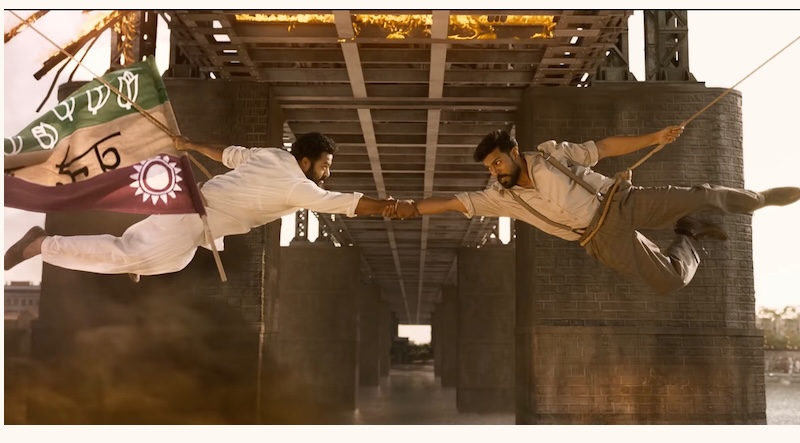
    Cross-industry collaboration is driving unprecedented scale. Twelve of the 25 most popular films from the past five years feature substantial partnerships across direction, casting, music and distribution. Directors such as Lokesh Kanagaraj and S.S. Rajamouli, each with four titles in the dataset, are the architects of this new pan-Indian cinema, crafting spectacles that transcend linguistic lines. Rajamouli’s RRR and the Baahubali franchise exemplify this approach: Telugu-language films with national appeal, global reach and budgets to match Hollywood blockbusters.

    These collaborations are strategic, not accidental. A Tamil director might cast a Kannada star, commission music from a Hindi composer and distribute through a Telugu production house. The result is a film that feels local everywhere and foreign nowhere, a cinematic Esperanto that speaks to shared cultural touchstones rather than regional peculiarities.

    The star system, too, is evolving in ways that would have seemed unthinkable a generation ago. Shah Rukh Khan remains king, appearing in 20 of the top 130 films analysed—a testament to his enduring appeal and canny project selection. But the nature of stardom itself has changed. Today’s stars function less as guaranteed box-office magnets and more as multipliers of a film’s inherent strengths. The days of a star “carrying” a mediocre script through sheer charisma are largely over. Audiences, empowered by streaming services and social media, are savvier and more demanding.

    Hrithik Roshan and Aamir Khan follow Shah Rukh with 11 films each in the dataset, then Deepika Padukone with 10, Ajay Devgn with seven, and Amitabh Bachchan, Priyanka Chopra Jonas and Rani Mukerji with six apiece. The report suggests it is time to stop searching for “the next Shah Rukh Khan”—not because there are no talented actors, but because the industrial conditions that created such singular dominance no longer exist. The market is too fragmented, the competition too fierce, and audiences too diverse for any one star to achieve comparable hegemony.

    Perhaps most intriguingly, language has morphed from barrier to genre. Telugu and Kannada films excel in spectacle-driven entertainment—think gravity-defying action sequences and operatic emotional beats. Malayalam cinema has carved out a reputation for grounded realism, tackling social issues with nuance and restraint. Tamil films have found success in balancing social themes with commercial appeal, delivering messages wrapped in entertainment.

    Audiences now use language as a reliable shorthand for narrative style, choosing films based on preferred storytelling approaches rather than viewing language as an obstacle. A viewer seeking escapist entertainment might opt for a Telugu film regardless of whether they speak the language, trusting subtitles to bridge the gap. This represents a profound shift in how Indian cinema is consumed and understood—not as a collection of separate industries defined by linguistic boundaries, but as a spectrum of narrative styles that happen to be expressed in different tongues.

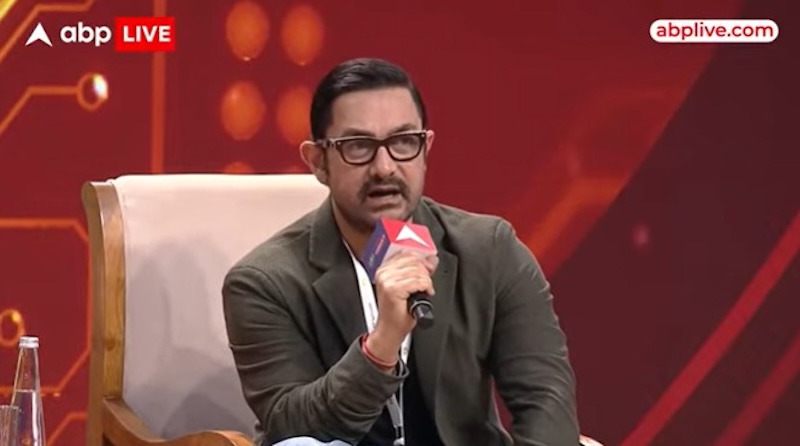
    Aamir Khan dominates the “crossover hits” category—films with high global popularity that have travelled far beyond the usual markets for Indian cinema. His Dangal, PK, Taare Zameen Par and 3 Idiots have conquered international audiences with their universal themes and emotional accessibility. Indeed, 3 Idiots is the most popular Indian film worldwide on IMDb, with 468,000 user ratings and an aggregate score of 8.4 out of ten. The film’s critique of India’s pressure-cooker education system resonated from Beijing to Berlin, proof that specific cultural contexts can illuminate universal human experiences.

    Aamir KhanGeography matters, and the report reveals fascinating regional preferences. RRR is the most popular Indian film of all time in America, where its action spectacle and historical themes found an audience hungry for something different from the Marvel formula. 3 Idiots holds the top position in Britain, the rest of Europe and Australia, markets where Indian diaspora populations remain substantial. Dangal tops charts in the UAE and China—the latter a particularly significant achievement given China’s restrictive quotas on foreign films. K.G.F: Chapter 2 is most popular in Pakistan, Baahubali 2: The Conclusion in Singapore, and Taare Zameen Par in Brazil.

    These geographical variations underscore how different markets respond to different aspects of Indian cinema. American audiences seem drawn to epic scale, European audiences to social commentary wrapped in comedy, Chinese audiences to sports dramas, and Pakistani audiences to action thrillers. Understanding these preferences is crucial for an industry that increasingly depends on international revenues to justify its ballooning budgets.

    Directors have emerged as the key architects of this new era. Lokesh Kanagaraj, S.S. Rajamouli, Sanjay Leela Bhansali, Rajkumar Hirani and Farhan Akhtar have each delivered four hits in the 25-year period analysed. Their success underscores a broader truth: in this new era of Indian cinema, the director’s vision matters as much as the star’s wattage. Rajamouli’s name alone can guarantee an opening weekend; Bhansali’s aesthetic is instantly recognisable; Hirani’s brand of socially conscious comedy has defined a genre.

    This directorial ascendancy mirrors global trends. Just as audiences flock to see “the new Christopher Nolan film” or “the latest from Denis Villeneuve”, Indian audiences are beginning to follow directors as much as stars. The auteur theory, long dismissed in India’s star-driven industry, is finally finding purchase.

    The report, drawing on IMDb’s vast database and global reach, provides a rare neutral perspective on an industry often analysed through the distorting lens of box-office collections—a metric plagued by opacity, manipulation and regional variation. User ratings, whilst imperfect, offer a more democratic measure of engagement and satisfaction.

    The data suggests Indian cinema has reached a genuine coming of age—one that embraces a richer tapestry of voices from across industries, driven by collaboration and diverse narrative styles. The old Hindi cinema hegemony is dead, replaced by something more complex, more interesting, and potentially more sustainable: a true national cinema that honours regional identities whilst building bridges between them. Long live Indian cinema.

  • Trump to slap 100 per cent tariff on foreign films?

    Trump to slap 100 per cent tariff on foreign films?

    WASHINGTON: Donald Trump has declared war on foreign-made movies. The American president announced on Monday that he would impose a 100 per cent tariff on all films produced outside the United States, threatening to blow up Hollywood’s international operations. As well as possible revenues that Indian films make in Uncle Sam. 

    The move, posted on Trump’s Truth Social platform, marks an audacious expansion of his protectionist trade agenda into cultural industries. “Our movie making business has been stolen from the United States of America, by other Countries, just like stealing candy from a baby,” he wrote, taking a swipe at California’s “weak and incompetent” governor Gavin Newsom.

    Yet the announcement left crucial questions unanswered. The White House offered no details on the legal authority Trump would invoke or how such tariffs would work in practice. Studio executives are baffled: modern filmmaking splices together production, financing, post-production and visual effects from multiple countries. How would a film shot in New Zealand with British money and American stars be classified?

    Legal experts are equally sceptical. Films are intellectual property traded as services—a category where America typically runs a surplus. That raises doubts about whether tariffs can even be applied. Co-productions with foreign studios have become routine, further muddying the waters.

    Trump first floated the idea in May, calling foreign productions a “national security threat” that imports “messaging and propaganda.” Entertainment executives were flummoxed then and remain so now.

    The industry has increasingly decamped from Hollywood to chase tax breaks in Britain, Australia and New Zealand. California is scrambling to compete: Newsom has pushed to expand the state’s film tax credits. But some productions film abroad simply because their stories demand it. Directors like Denis Villeneuve and Christopher Nolan favour shooting on location rather than on soundstages.

    The major American studios declined to comment to Reuters. Netflix shares, however,  slipped 1.5 per cent in early trading.

    The silence from studios suggests an industry still trying to parse whether Trump’s threat is bluster or genuine policy. Either way, it signals fresh uncertainty for an entertainment business already grappling with streaming upheaval and rising costs.

  • Hindi cinema stars light up Ficci Frames’ silver jubilee

    Hindi cinema stars light up Ficci Frames’ silver jubilee

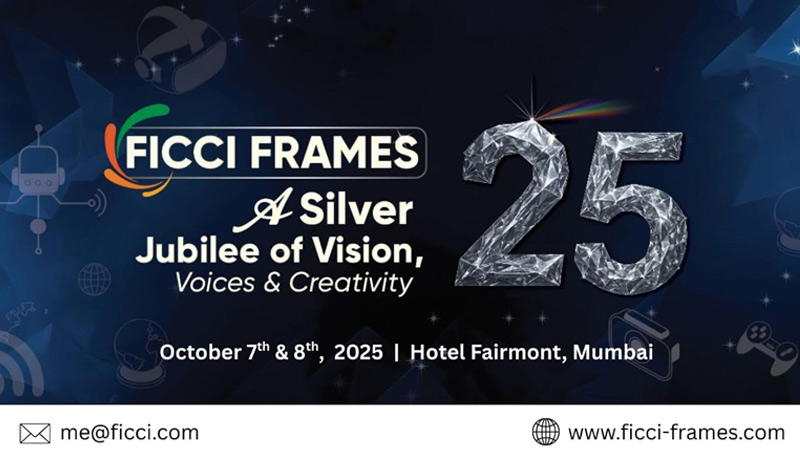
    MUMBAI: Lights, camera, silver jubilee! Ficci Frames, Asia’s leading media and entertainment conclave, is rolling out the red carpet for its 25th edition in Mumbai on 7–8 October 2025.

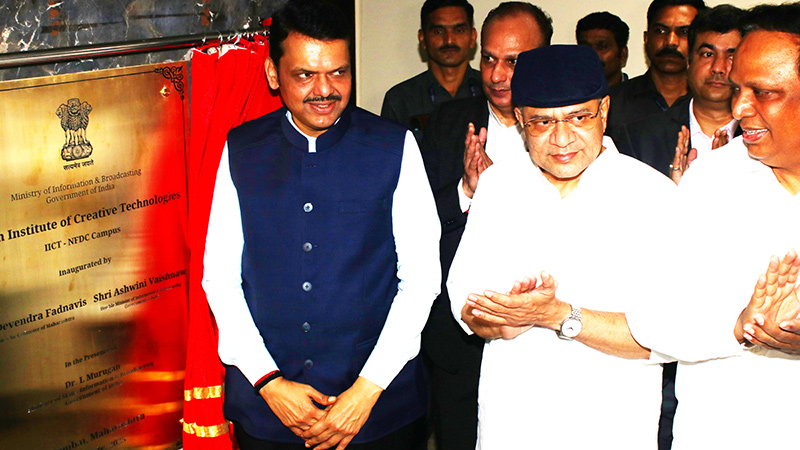
    The milestone gathering, themed “A silver jubilee of vision, voices & creativity”, will be inaugurated by minister of state for information & broadcasting L Murugan and Maharashtra chief minister Devendra Fadnavis.

    Hindi cinema icons Anil Kapoor, Akshay Kumar, Smriti Irani and Ayushmann Khurrana will headline the two-day event, joining an impressive line-up of industry leaders including Aroon Purie, Sam Balsara, Sameer Nair, Ekta Kapoor, Siddharth Roy Kapur, and filmmakers Hansal Mehta, Shoojit Sircar and Kiran Rao.

    The conclave will host fireside chats, policy sessions and showcases, with global heavyweights such as Netflix’s Monika Shergill, Amazon Prime Video’s Gaurav Gandhi and Warner Bros Discovery’s Arjun Nohwar adding international clout.

    Adding a global spark, a Russian delegation led by Moskino and the Moscow export center will participate, opening new doors for co-productions and cultural partnerships.

    With states like Madhya Pradesh, Maharashtra, Delhi and Jharkhand pitching in through policy and showcase sessions, this silver jubilee promises not just glitz but game-changing ideas for the next chapter of India’s media and entertainment story.
     

  • PVR Inox brings India–Pak final to 100 plus big screens

    PVR Inox brings India–Pak final to 100 plus big screens

    MUMBAI: Popcorn, cheers and nail-biting overs, cricket’s fiercest rivalry is ready for its close-up. PVR Inox is turning the Asia Cup 2025 final between India and Pakistan into a cinematic spectacle, screening the clash live on 28 September across more than 100 cinema halls nationwide.

    Partnering with ITW Universe and the Asian Cricket Council, PVR Inox is offering fans an ad-free, stadium-like atmosphere, only this time with Dolby sound and plush recliners. Earlier India–Pakistan matches saw audiences clap, chant and celebrate in unison, recreating the charged energy of the stands.

    “The screenings have shown us how deeply cricket connects our audiences,” said PVR Inox lead specialist – innovation, film marketing & digital programming Aamer Bijli. “It’s about creating an experience where fans feel every roar, every wicket and every boundary as if they were inside the stadium itself.”

    The India–Pakistan final promises high drama, unforgettable gameplay and the kind of intensity that only this rivalry delivers. With tickets already live, fans are being urged to book fast to secure a seat for what promises to be more than just a match, a community celebration on the big screen.

  • Gujarati blockbuster Jhamkudi haunts Hindi screens on ShemarooMe

    Gujarati blockbuster Jhamkudi haunts Hindi screens on ShemarooMe

    MUMBAI: Witching hour just struck again, this time in Hindi. After smashing box office records in Gujarati cinema, supernatural horror-comedy Jhamkudi is now ready to spook and tickle audiences across India with its Hindi world digital premiere on ShemarooMe from 18 September 2025.

    The film, which stars National award-winner Manasi Parekh and viral comic sensation Viraj Ghelani, has already carved a cult following. Set in the cursed village of Raniwada, it weaves together folklore, frights and funny bones, with a vengeful witch unleashing chaos during Navratri. But unlike your average haunted tale, Jhamkudi balances scares with laugh-out-loud moments, and even a rap-style title track sung by Parekh herself.

    Shot inside the 500-year-old Gondal Palace, where whispers of real ghost stories floated through the crew, the film oozes atmosphere and authenticity. directed by Umang Vyas, it boasts a stellar ensemble including Ojas Rawal, Sanjay Goradia, Jayesh More and Bhavini Jani.

    Reflecting on the film’s Hindi debut, Parekh said, “We wanted to explore horror-comedy in Gujarati cinema, and the audience response has been overwhelming. Bringing Jhamkudi to a wider audience in Hindi feels like the natural next step: it’s fun, spooky and full of madness.”

    Ghelani, who dubbed his own Hindi lines, added, “This film marked my debut and will always be close to my heart. Reliving the character in Hindi was such a joy, and I hope viewers everywhere connect with the humour and thrills.”

    With its mix of scares, satire and superstition, Jhamkudi is now spreading Gujarati cinema’s magic beyond borders. For ShemarooMe, it’s another step in making regional blockbusters mainstream, giving India’s diverse stories the stage, and the scares, they deserve.

  • India opens Waves Bazaar pavilion at Busan film market

    India opens Waves Bazaar pavilion at Busan film market

    BUSAN:  India unveiled the Waves Bazaar – Bharat Pavilion at the Asian Contents & Film Market, held alongside the Busan International Film Festival, to pitch its fast-growing media and entertainment sector to global buyers and partners.

    Set up by the ministry of information and broadcasting with the Indian embassy in Seoul, the pavilion will run until 23 September, promoting co-productions and partnerships across film, television, gaming and emerging creative technologies.

    The launch drew industry figures including Kang Sungkyu of the Busan Film Commission, Agnieszka Moody of the British Film Institute and Ferdinando Gueli of the Italian Trade Agency. Indian filmmakers Arfi Lamba, Pradip Kurbah and Tannishtha Chatterjee joined officials Prithul Kumar, joint secretary at the ministry, and Nishi Kant Singh, chargé d’affaires at the embassy.

    Speakers highlighted India’s rising weight in the global content economy and the pavilion’s role as a bridge for collaboration. The space hosts screenings, B2B meetings and showcases in animation, VFX, gaming and immersive storytelling, underscoring New Delhi’s ambition to position India as a global content hub.

  • Robert Redford, Hollywood golden boy and Sundance film festival pioneer, passes on at 89

    Robert Redford, Hollywood golden boy and Sundance film festival pioneer, passes on at 89

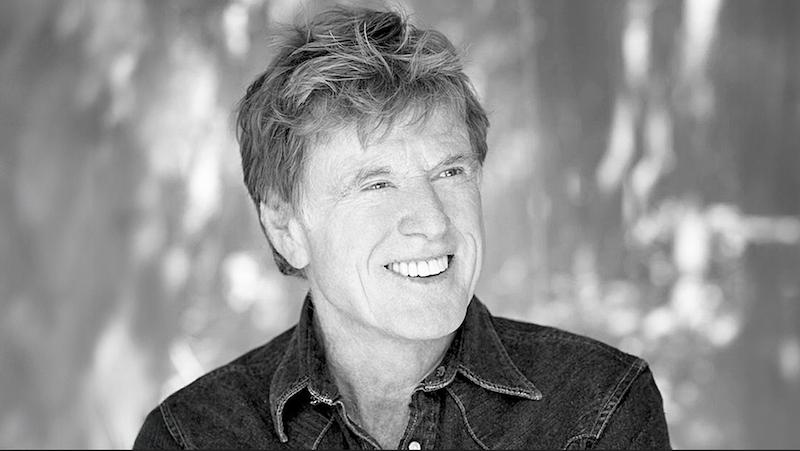
    MUMBAI:  Robert Redford, the incandescent star of Butch Cassidy and the Sundance Kid, The Sting and All the President’s Men, has died aged 89. His publicist Cindi Berger said he passed away on 16 September “at Sundance in the mountains of Utah – the place he loved, surrounded by those he loved”.

    Redford was far more than a matinee idol. After conquering the 1970s box office with a string of hits, he turned to directing and won a best director Oscar for Ordinary People in 1981. He then rewrote the rules of American cinema by founding the Sundance Institute and the Sundance film festival, which became the crucible of independent film-making and launched the careers of Quentin Tarantino, Steven Soderbergh and countless others.

    The Sundance Institute, the organisation he nurtured for more than four decades, issued a moving statement that read like a farewell to a guiding spirit. “Our founder, mentor and friend, Robert Redford, has passed away,” wrote acting chief executive Amanda Kelso and founding senior director Michelle Satter. “Bob’s vision launched a movement that, over four decades later, has inspired generations of artists and redefined cinema in the US and around the world. The vibrant storytelling landscape we cherish today is unimaginable without his passionate drive and principled leadership.”

    The note went on to praise his character as much as his achievements: “Beyond Bob’s enormous contributions to culture at large, we will miss his generosity, clarity of purpose, curiosity, rebellious spirit, and his love for the creative process. We are humbled to be among the stewards of his remarkable legacy, which will continue to guide the institute in perpetuity.”

    Redford’s own journey was a Hollywood script in itself. Born Charles Robert Redford Jr in Santa Monica in 1936, he dabbled in art and baseball before studying acting in New York. Early TV work led to Broadway acclaim in Barefoot in the Park and a breakout film role opposite Paul Newman in 1969’s Butch Cassidy and the Sundance Kid. That began a decade of defining performances—Jeremiah Johnson, The Way We Were, The Great Gatsby, Three Days of the Condor—culminating in his dual role as producer and star of All the President’s Men.

    His later career was equally varied. He played a weathered baseball hero in The Natural, an adventurous lover in Out of Africa, and delivered a near-silent tour de force in All Is Lost (2013). He even joined the Marvel franchise as the duplicitous Alexander Pierce.

    A lifelong environmentalist and liberal voice, Redford campaigned against the Keystone XL pipeline and championed documentaries exposing political and ecological failings. Honours flowed: an honorary Oscar in 2002, a lifetime achievement Golden Lion in Venice in 2017, a César in 2019 and the Presidential Medal of Freedom from Barack Obama in 2016.

    The Sundance Institute’s tribute captures the consensus on his influence: “Thank you for your participation in our work that carries on Bob’s mission and vision,” the letter concluded. “The vibrant storytelling landscape we cherish today is unimaginable without his passionate drive and principled leadership.”

    Redford is survived by his wife Sibylle Szaggars, daughters Shauna Schlosser Redford and Amy Redford, and seven grandchildren—an enduring family legacy to match the cinematic one that bears his name.

  • Cinemas script a blockbuster September with wonders on and off screen

    Cinemas script a blockbuster September with wonders on and off screen

    MUMBAI: Lights, camera, September! The festive week has given Indian cinemas their long-awaited full house feeling, with audiences flocking back for blockbusters across languages and genres. From Bollywood action to Malayalam family dramas, Tamil thrillers and Hollywood horrors, the country’s multiplexes have been buzzing with energy.

    At PVR Inox, the numbers tell a story of revival. Hindi action spectacle Bhaagi 4 opened with 45 per cent occupancy, Malayalam release Lokah: Chapter 1 – Chandra topped charts at 74 per cent, and Onam special Hridayapoorvaam struck a chord with families. Tamil entry Madharasi began strong with 45 per cent, while Hollywood’s The Conjuring: The Last Rites lured genre fans with 47 per cent occupancy.

    “With this mix of Bollywood blockbusters, regional successes and international titles, September is shaping up to be one of the most exciting months for cinema lovers,” said PVR Inox Ltd CEO for revenue & operations Gautam Dutta.

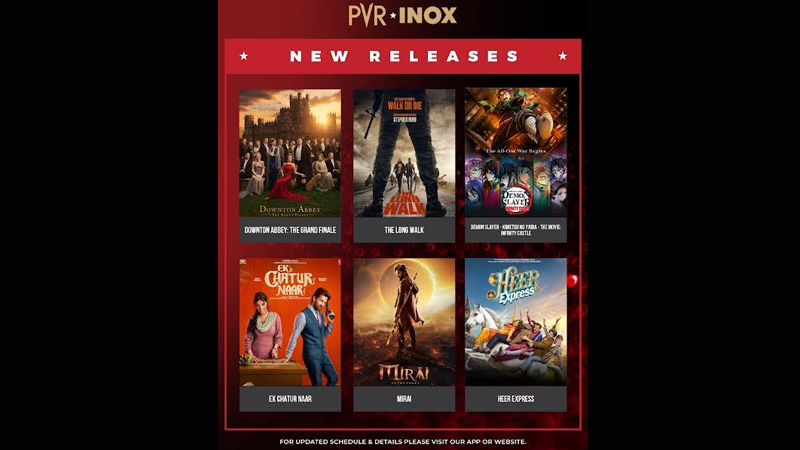
    Riding this momentum, the multiplex giant is rolling out its Weekend of Wonders, a six-film line-up that promises something for every taste.

    ●    Downton Abbey: The Grand Finale, a poignant farewell to the Crawley family saga, set in the 1930s.

    ●    The Heer Express, a Punjabi drama of resilience, belonging and hope, as a young woman starts anew in the UK.

    ●    Demon Slayer: Kimetsu no Yaiba – Infinity Castle, the anime blockbuster making its IMAX debut in India.

    ●    The Long Walk, Stephen King’s dystopian survival thriller directed by Francis Lawrence.

    ●    Ek Chatur Naar, a sharp comedy-thriller with Divya Khosla and Neil Nitin Mukesh, full of twists.

    ●    Mirai, a Telugu fantasy epic starring Teja Sajja as a “Super Yodha”, blending mythology with futuristic battles.

    With IMAX, 4DX, and Screenx formats across India, PVR Inox is betting big on immersive experiences to match the scale of storytelling.

    Six films, six worlds, and one cinematic carnival, September isn’t just about the festive season anymore, it’s about the big screen roaring back to life.

  • Design trunk calls as Kyoorius hands out Black Blue and Red Elephants

    Design trunk calls as Kyoorius hands out Black Blue and Red Elephants

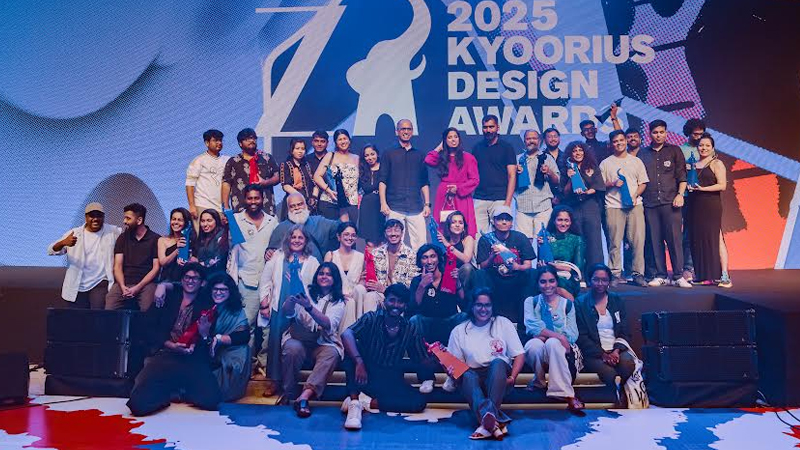
    MUMBAI: It was an evening where design roared louder than words and elephants ruled the room. The 2025 Kyoorius Design Awards and Kyoorius Young Blood Awards, both presented by Zee, wrapped up in style at the Taj Cidade de Goa, Horizon, with over 1,000 members of India’s design fraternity cheering the winners.

    After three days of Designyatra, India’s biggest anti-disciplinary design conference, the awards night saw the stage lit up by the much-coveted elephants. The spotlight first swung to the Young Blood Awards, the only platform in India dedicated to nurturing the next generation of creatives. Tasked with cracking live briefs from Ather and Bingo! (ITC Foods), young designers delivered big: out of 475 plus entries, 63 made it to The First List, and finally 22 entries claimed Baby Red Elephants. The night then revealed the majestic 6 Red Elephant winners, the ultimate nod to fresh, fearless talent.

    The headline act of the evening was the Kyoorius Design Awards itself. From over 700 entries, only 75 projects managed to take home Baby Blue Elephants. Among them, 23 stood tall as Blue Elephant winners, each piece recognised for setting new benchmarks in creativity and craft. But the true rarities were the 2 Black Elephants, reserved exclusively for the Best of Show. This year, they went to ‘Naatak’, a stunning font project by typography studio Ektype, and ‘Desi Oon’, an animated long-form film by Studio Eeksaurus for the Centre For Pastoralism.

    Unlike traditional award shows that deal in gold, silver and bronze, Kyoorius keeps it delightfully democratic: only work that truly deserves it wins an Elephant. Baby Elephants mark disruptive and showcase-worthy ideas, Blue Elephants signal industry-defining excellence, and Black Elephants represent work that not only takes risks but creates conversations with lasting cultural impact.

    The grand gala capped off what many in the industry now call the “festival of ideas” where design isn’t just celebrated but canonised. For the winners, carrying home a Kyoorius Elephant isn’t just an award; it’s an entry into a creative hall of fame where originality trumps hierarchy and risk-taking is the ultimate reward.

  • What has made Saiyaara a Rs 300 crore box office wonder?

    What has made Saiyaara a Rs 300 crore box office wonder?

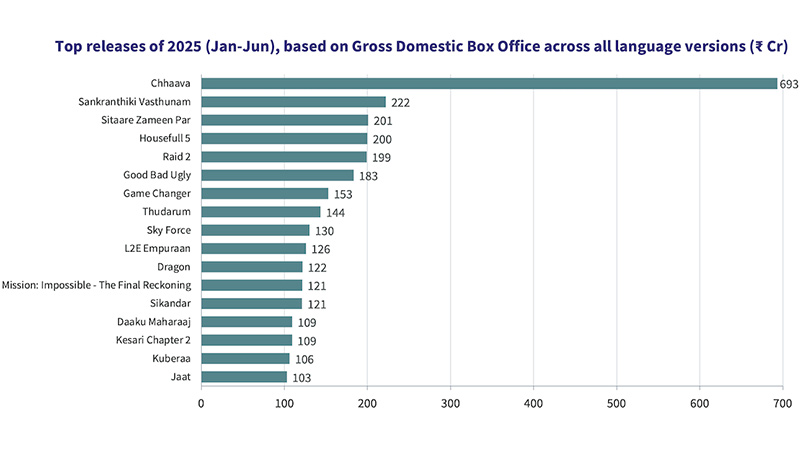
    MUMBAI: The box office success of Saiyaara has been a topic of wide discussion over the past month. The film has performed exceptionally well, crossing Rs 300 Cr at the domestic box office, and becoming the second-highest grosser of 2025 in India, behind Chhaava, at the time of writing this report. A popular theory attributes this success to the influence of Gen Z (those born between 1997 and 2012, currently aged 13-28). It’s an easy conclusion to draw, given the film’s genre and debutant cast. But is it really true? Can one audience segment alone propel a film with no franchise or star value to cross the Rs 300 Cr mark? This analysis explores that question.

    According to Ormax Media analysis, the remarkable box office success of Saiyaara is less about a single generation’s love affair with a fresh romance and more about how different cohorts engage with emotion on screen. On paper, the culprit seemed obvious. Gen Z—those aged 13 to 28—looked tailor-made for the film’s youthful leads, moody soundtrack, and breakneck visuals. Social chatter, sneaker fashion and music streams all suggested the movie was “their” moment. But Ormax Media’s data complicates the narrative.

    The firm’s proprietary OPR (Ormax Power Rating), a 0–100 index that tracks likeability and advocacy, is a trusted predictor of word-of-mouth and sustained collections. A score above 60 typically signals robust engagement, translating into strong box office legs beyond opening weekend. Over four weeks of tracking, Saiyaara notched a sturdy OPR, with Gen Z audiences scoring it at 68 and those aged 29+ close behind at 63. A respectable gap, but not wide enough to explain the runaway commercial phenomenon.

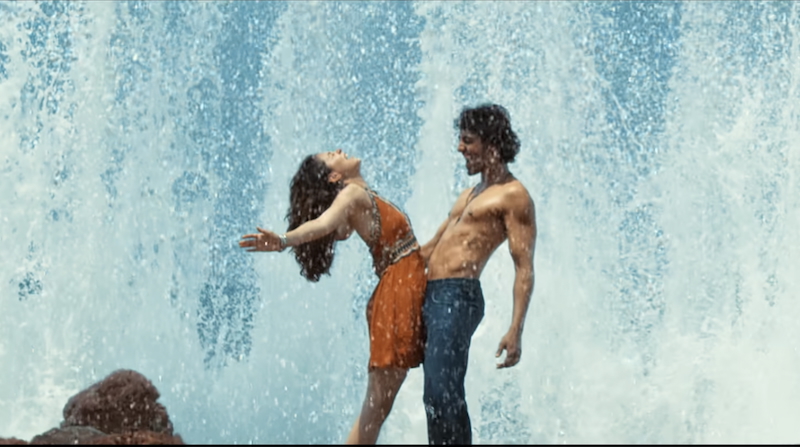
    Saiyaara

    The real story, says Ormax Media, emerges when the data is split by gender. Women across generations responded almost identically strongly, suggesting that themes of love, empathy and sacrifice cut across age barriers. Among men, however, the divergence was stark. Gen Z men mirrored women’s enthusiasm, while older men slipped sharply, delivering an OPR of just 56.

    Why does this gap matter? For Ormax analysts, it reflects shifting life priorities. Gen Z men—many still students, young professionals or in early relationships—saw in Krish Kapoor, the protagonist, an avatar of their own anxieties and aspirations. At 22, Krish is all swagger and style: racing bikes across Mumbai flyovers, flaunting Air Jordans, and smoking defiantly. But when his girlfriend Vaani is diagnosed with Alzheimer’s, he doesn’t flee. Instead, he pauses his rising music career to stay by her side. The arc resonated with younger men who are wrestling with questions of identity, love and loyalty in their own lives.

    “Cinema becomes a tool of self-discovery for this cohort,” Ormax Media notes. “It validates emotions that are difficult to articulate, reassuring them that ‘forever’ love is not entirely a myth.”

    Older men, by contrast, appear to want films to serve as escape hatches from the daily grind of careers, mortgages, and parenting. For them, Saiyaara may be admirable cinema, but not essential viewing. As Ormax points out, this explains the 10-point OPR gap between the two male groups.

    For women, the generational divide all but vanishes. Ormax’s data highlights how relationship-driven storytelling continues to resonate across age brackets, aligned with academic research suggesting women are both socialised, and to some extent biologically primed, to prioritise empathy and relational bonds in narrative consumption. Saiyaara capitalised on this, shaping Krish’s trajectory not as a melodramatic sacrifice but as a nuanced portrait of resilience and commitment.

    The outcome: a Rs 300 cr-plus blockbuster that defied industry cynicism around non-franchise, debutant-led films. Saiyaara’s triumph is not solely Gen Z’s doing. Rather, it is the uncharacteristic enthusiasm of young men—an audience often elusive for romantic dramas—that Ormax Media credits with tipping the film from respectable hit to cultural juggernaut.