Category: Hindi

  • Shorgul……About nothing….

    Shorgul……About nothing….

    MUMBAI: Providing entertainment to the high priced admission rates paying audience seems to be no more the reason why many producers/ directors make films. That too in a country where each state charges entertainment tax at whim, and, which consists of a major portion of the admission rates.

    Shorgul is another film that decides to coincide its content with the incidents that happened in a particular state, UP in this case, driven by communal politics. So the content is the routine say, a piece of local news from any vernacular media like a Hindu- Muslim boy girl romance, statue of a deity found in Muslim’s farm, just about anything that can tilt the balance of harmony between communities. In the process, the film also touches some of the more controversial events of the state.

    A Hindu boy Anirudh Dave and a Muslim girl, SuhaGezen, are neighbours growing together. As they mature, Anirudh has fallen in love with Suha but it is one-sided and Suha treats this just as a friendship and she is soon to be engaged to be married to a Muslim boy, HitenTejwani.
    The town has a gallery of politicians named so as to bear close resemblance to real life active politicians of UP. Jimmy Sherrill is a Hindu politician (modelled after SangeetSom) and member of the assembly. He is the kind armed with fuel and always on a lookout for fire to add to it. On the other side is Narendra Jha (representing Azam Khan). While, there is also a caricature of Amar Singh, Sanjay Suri plays the UP CM MIthilesh Yadav kind of role. While Jimmy and Jha ferment trouble using community card, there is also a saner, balancing factor in town in Ashutosh Rana, father of the lovelorn Hindu boy, Anirudh, who is respected by both the communities.

    This is about as original as the makers get for rest of the events loosely woven together in the name of a political drama.The end is, as is the norm in such a film, about sermonizing, blaming mainly the politicians for muddying up the peace between the two communities. The film has a horde of talented actors in the cast and even as all of them do well, Ashutosh and Hiten stand out.

    As for the commercial for Shorgul, the film promises none.

    Producers: Swatantra Vijay Singh, Vyas Verma.
    Directors: Pranav Kumar Singh, Jitentra Tiwari.
    Cast: Jimmy Shergill, Ashutosh Rana, Narendra Jha, Anirudh Dave, HitenTejwani, Sanjay Suri, Eijaz Khan, SuhaGezen, Neetu Pandey, Hrishitaa Bhatt, Jay Shanker Pandey.

  • SRS Group to invest Rs 200 crore for 100 new screens

    SRS Group to invest Rs 200 crore for 100 new screens

    NEW DELHI: Despite the onslaught of growing movie channels on television, the craving for seeing a film on the big screen remains – but with new innovations like floor-to-ceiling screens and better sound systems. A strategic investment of Rs 200 crore is being put in by SRS Cinemas to build over 100 new screens across cities and towns in the country.

    These theatres will showcase large, wall-to-wall and floor-to-ceiling screens, with international formats such as IMAX, ATMOS and 4DX to present the most immersive experience to movie buffs.

    These 100 new screens, well equipped with technology and innovation, will offer a customised theatre geometry and powerful digital sound system to create a unique environment that allows audiences to enjoy the movies as never before. Alongside, international formats will bring projection systems which deliver crystal clear images to provide a great cinematic experience that is truly something to sit back and admire.

    These new screens will provide the best-in-class, seamless and sophisticated movie- viewing experience with a pure blend of luxury and technology, a delight to movie enthusiasts.

    SRS Group chairman and MD Anil Jindal said: “The Indian film industry is growing rapidly. It is efficiently set to reach $3 billion in 2016. This massive growth has encouraged us to expand and strengthen our presence across Tier II and III cities in the country. We plan to expand our footprint in the country by leveraging organic and inorganic expansion and acquiring screens across the nation.”

    Group president & chief strategy officer Tinku Singh said: “We are proud to announce an investment of Rs. 200 Crore to build over 100 new screens. We are glad that with our expertise, we have been able to spread the magic of movies not just in urban but in semi- urban parts of the country as well. We are prominently present in major regions including Haryana, Uttar Pradesh, Punjab, Himachal Pradesh, Rajasthan and Bihar. The current investment will help us to spread more effectively across the country including eastern and southern part of India as well”.

  • SRS Group to invest Rs 200 crore for 100 new screens

    SRS Group to invest Rs 200 crore for 100 new screens

    NEW DELHI: Despite the onslaught of growing movie channels on television, the craving for seeing a film on the big screen remains – but with new innovations like floor-to-ceiling screens and better sound systems. A strategic investment of Rs 200 crore is being put in by SRS Cinemas to build over 100 new screens across cities and towns in the country.

    These theatres will showcase large, wall-to-wall and floor-to-ceiling screens, with international formats such as IMAX, ATMOS and 4DX to present the most immersive experience to movie buffs.

    These 100 new screens, well equipped with technology and innovation, will offer a customised theatre geometry and powerful digital sound system to create a unique environment that allows audiences to enjoy the movies as never before. Alongside, international formats will bring projection systems which deliver crystal clear images to provide a great cinematic experience that is truly something to sit back and admire.

    These new screens will provide the best-in-class, seamless and sophisticated movie- viewing experience with a pure blend of luxury and technology, a delight to movie enthusiasts.

    SRS Group chairman and MD Anil Jindal said: “The Indian film industry is growing rapidly. It is efficiently set to reach $3 billion in 2016. This massive growth has encouraged us to expand and strengthen our presence across Tier II and III cities in the country. We plan to expand our footprint in the country by leveraging organic and inorganic expansion and acquiring screens across the nation.”

    Group president & chief strategy officer Tinku Singh said: “We are proud to announce an investment of Rs. 200 Crore to build over 100 new screens. We are glad that with our expertise, we have been able to spread the magic of movies not just in urban but in semi- urban parts of the country as well. We are prominently present in major regions including Haryana, Uttar Pradesh, Punjab, Himachal Pradesh, Rajasthan and Bihar. The current investment will help us to spread more effectively across the country including eastern and southern part of India as well”.

  • Box Office :Indifferent

    Box Office :Indifferent

    MUMBAI: The week had a lineup of releases, mostly irrelevant and unpublicized. Strange, how they were expected to draw audience! Raman Raghav 2.0 was the only noticeable release, thanks to its controversy with CBFC; this only gave the film better of the bad lot status. The other film to register some footfalls was Junooniyat. The rest, Rough Book, 7 Hours To Go, DilTohDeewana Hai, were poor.

    Raman Raghav 2.0 could not breach the one crore mark on day one despite grabbing media columns with its controversy with CBFC; probably, Anurag Kashyap’s own standing controversy with CBFC because of Udta Punjab eclipsed Raman Raghav 2.0.

    The film collected Rs85 lakh on day one, adding a little extra to cross the Rs One crore mark on Saturday and Sunday being static, it ended its opening weekend with Rs3.6 crore.
    Junooniyat, though on a very low side, made its presence felt at the box office by collecting Rs2.3 crore for its first weekend.

    Udta Punjab did its most in its opening weekend with collections of Rs33.75 crore but failed to sustain Monday onwards as, over the next four days, the film managed to collect barely 50 percent of its weekend figures of Rs 14.05 crore, to take its first week total to Rs47.8 crore.

    Dhanak, despite positive word of mouth, remained a low grosser. The film collectedRs1.25 crore for its first week.

    Te3n, after an indifferent first week reception at the box office, goes for a free fall in its second week. The film collectedRs2.1 crore in its second week taking its two week tally to Rs17.2 crore.

    Do Lafzon Ki Kahaniadded Rs25 lakh in its second week to take its two week total to Rs3.65 crore.

    Houseful 3 saw through its third week with Rs3.5 crore taking its three week tally to Rs106.6 crore.

  • Box Office :Indifferent

    Box Office :Indifferent

    MUMBAI: The week had a lineup of releases, mostly irrelevant and unpublicized. Strange, how they were expected to draw audience! Raman Raghav 2.0 was the only noticeable release, thanks to its controversy with CBFC; this only gave the film better of the bad lot status. The other film to register some footfalls was Junooniyat. The rest, Rough Book, 7 Hours To Go, DilTohDeewana Hai, were poor.

    Raman Raghav 2.0 could not breach the one crore mark on day one despite grabbing media columns with its controversy with CBFC; probably, Anurag Kashyap’s own standing controversy with CBFC because of Udta Punjab eclipsed Raman Raghav 2.0.

    The film collected Rs85 lakh on day one, adding a little extra to cross the Rs One crore mark on Saturday and Sunday being static, it ended its opening weekend with Rs3.6 crore.
    Junooniyat, though on a very low side, made its presence felt at the box office by collecting Rs2.3 crore for its first weekend.

    Udta Punjab did its most in its opening weekend with collections of Rs33.75 crore but failed to sustain Monday onwards as, over the next four days, the film managed to collect barely 50 percent of its weekend figures of Rs 14.05 crore, to take its first week total to Rs47.8 crore.

    Dhanak, despite positive word of mouth, remained a low grosser. The film collectedRs1.25 crore for its first week.

    Te3n, after an indifferent first week reception at the box office, goes for a free fall in its second week. The film collectedRs2.1 crore in its second week taking its two week tally to Rs17.2 crore.

    Do Lafzon Ki Kahaniadded Rs25 lakh in its second week to take its two week total to Rs3.65 crore.

    Houseful 3 saw through its third week with Rs3.5 crore taking its three week tally to Rs106.6 crore.

  • Raman Raghav 2.0 – a commercial Hara-Kiri; 7 Hours To Go…didn’t go anywhere

    Raman Raghav 2.0 – a commercial Hara-Kiri; 7 Hours To Go…didn’t go anywhere

    MUMBAI: In the 1960s, Mumbai saw a series of crude, merciless killings of mainly footpath dwellers. Those who slept on the sidewalks, were ‘sleeping’ targets for this post-midnight killer. The initial murders took place in 1965-66 and, after a brief hiatus, resumed in 1968. The killer was identified as Raman Raghav though he was also known with many aliases. But the name Raman Raghav stuck owing to the person found guilty and convicted. A biopic on this case was made by director Sriram Raghavan in 1991 as Raman Raghav.

    Raman Raghav 2.0 is a version of the case in Kashyap’s own style and reworks the real life story that happened to make it shocking and dramatic. To this end, he recalls the real life Raman Raghav case and declares: This is not his story. Then he proceeds to tell his own story. The start is with the title of the film where, a la Ram Aur Shyam or, say, Karan Arjun style, Raman is the killer, Nawazuddin Siddiqui, while the name Raghavan refers to Vicky Kaushal, the cop!

    This is a dark film where there are no positive characters; the ambience is the dark filth and poverty filled lanes of Mumbai. There is a serial killer, Ramanna (Nawazuddin) and there is a cop (Kaushal) but, the cop, himself, is just about as sinister as the killer. He is a drug snorting womanizer. Instead of the cop chasing the murderer, often the murderer is chasing him!

    When the film opens, Nawazuddin already has nine killings to his name. He is all that one can get when a number of wasters and sadists are put together. He feels at home in the seediest streets of the city and, in his own way, converses with god.

    As the ‘chor police’ kind of game plays on between Nawazuddin and Kaushal, it is unlike any  other Hollywood or Indian film for here none of the two is clean; it is as if Kaushal wants to better the bad ways of Nawazuddin. And, that is what Nawazuddin tells Kaushik in the final confrontation, that the latter is his better half!

    The film has some shock elements and some gory violence aptly aided by sound effects and graphics. Between Nawazuddin and Kaushal, of course, the former scores. Sadly, few will volunteer to watch the contest.

    The film shows the maker’s competence at making bleak, non-entertainers. While, they may be appreciated by a few critics, they are a commercial hara-kiri.

    Producer: Anurag Kashyap, Vikas BahlVikramaditya MotwaneMadhu Mantena.

    Director: Anurag Kashyap.

    Cast: Nawazuddin SiddiquiVicky KaushalVipin SharmaAmruta SubhashSobhita Dhulipala.

    7 Hours To Go…Not going anywhere!

    The film, 7 Hours To Go, is  small in comparison to big budget action movies. However, the film nurses similar ambitions.

    The film is about a hostage drama taking place in a crowded court of law in a metropolis like Mumbai where the hostage taker gives the police seven hours to sort out the problem.

    Shiv Pandit arrives in Mumbai to meet his fiancé, Natasa Stankovic. He is unable to find her but unwittingly becomes the witness to a murder that takes place and a failed attempt to storm the corporate headquarters of Khemka Towers belonging to the corporate boss Khemka played by Vir Das.

    Now, Pandit has raided the Mumbai Court and taken seven hostages. Pandit blames Das for the murder of his fiancé

    To give the film the glam quotient, the case is handed over to the brave multi martial art ace, ACP, Sandeepa Dhar, with Varun Badola as her aide. They realize that, after all, the suspect, Pandit, seems to be no ordinary person. He carries the tag of a UP Police officer.

    Pandit is actually after Das and his diamonds and manages to get his way.

    The film is a lot of running around with Sandeepa, Varun and a sniper, Kettan Singh, hired by Das to kill Pandit. This running around is done only to promise you a sequel as Sandeepa promises Pandit she will not stop chasing him and will eventually nab him.

    Director Saurabh Varma makes a sincere effort to give the film a taut look, it remains mainly and effort what with the limited budget at his disposal. Performances are okay.

    Producer: Nikita Thakur.

    Director: Saurabh Varma.

    Cast: Shiv PanditSandeepa DharNatasa Stankovic and Varun Badola.

    Rough Book….D for duffers!

    Rough Book is a film on the country’s education system. It aims to highlight advances in the education system, the demands and the pace the institutions have kept up with these. Schools and colleges still continue to impart knowledge at a rapid pace, wanting to beat the semester deadlines rather than for students to imbibe knowledge.

    Like everywhere else, in this institution which the film focuses on, the usual pattern is followed and that is to take periodical tests. This institution has a programme whereby following such tests, it slots its students into four categories. Accordingly, the toppers are assigned to the A Division, the bottom performers get D Division. Also, while the A division gets the top teachers, their grade too goes down as the divisions move from B to C while D Division gets almost rejects.

    This institution, like many in the country, wants to make a reputation of producing only toppers and on that basis, keeps adding to its fee structures. The idea is to let only toppers go for final exams in which event they hold back the D Division.

    That is when the institution gets a new teacher in Physics in Tannishtha Chatterjee, a product of an orphanage run by Suhasini Mulay from where she has imbibed high moral values. She is happily married to an IT officer, Vinay Jain, himself known as a strict and uncorrupt officer. But that myth is soon shattered when Vinay’s own house is raided by his superiors and tons of money is found in, of all the places, Tannishtha’s book case, right behind her books.

    The marriage is over, Tannishtha goes back to the ashram where she is soon convinced to start anew. That is when she joins this institution headed by Kaizaad Kotwal. Like in all such films, the new teacher is welcomed by a ball breaking the window pane of her car, a sign that she is due to deal with some rough students, disillusioned with the system. And, she is assigned the D Division despite her glowing credentials.

    Tannishta soon realizes that these students are at sea because of the education system followed here. They lack in the basics so have remained poor over the years. While she decides to take her teachings back to basics and suspend the current syllabus, Kaizaad decides to make them take an exam. His plan is to set up coaching classes for weak students in the very premises of the institution. The conflict leads to the ouster of Tannishtha.

    The film departs from the usual and charts its own dream story albeit with her taking up the cause of the underdogs against the might of the school. It seems her friends, which include Joy Sengupta, Jayati Bhatia and Deepika Amin, are all expert teachers in different subjects and decide to teach some of the D Division students from home. They train the students for not only school boards but also for IIT-JEE!

    The film deals with the education system with a very simple approach; sadly, there is conflict between schools to churn out toppers and be the highest paid on one side, and the teachers like Tannishtha wanting to change the system. Its script and narration are too simple. The best thing about the film is that it has been shot during mid-monsoon lush locations to make it a visual pleasure. Performances are generally convincing with Tannishtha and Amaan Khan, the student protagonist,   justifying the extensive footage they get.

    Producers: J C Chaudhry, Aakash Chaudhry, Dr Aashish Chaudhry.

    Director: Ananth Narayan Mahadevan.

    Cast: Tannishtha Chatterjee, Amaan Khan, Deepika Amin, Joy Sengupta, Jayati Bhatia, Vinay Jain, Kinjal Rajpriya, Suhasini Mulay, Ram Kapoor.

  • Raman Raghav 2.0 – a commercial Hara-Kiri; 7 Hours To Go…didn’t go anywhere

    Raman Raghav 2.0 – a commercial Hara-Kiri; 7 Hours To Go…didn’t go anywhere

    MUMBAI: In the 1960s, Mumbai saw a series of crude, merciless killings of mainly footpath dwellers. Those who slept on the sidewalks, were ‘sleeping’ targets for this post-midnight killer. The initial murders took place in 1965-66 and, after a brief hiatus, resumed in 1968. The killer was identified as Raman Raghav though he was also known with many aliases. But the name Raman Raghav stuck owing to the person found guilty and convicted. A biopic on this case was made by director Sriram Raghavan in 1991 as Raman Raghav.

    Raman Raghav 2.0 is a version of the case in Kashyap’s own style and reworks the real life story that happened to make it shocking and dramatic. To this end, he recalls the real life Raman Raghav case and declares: This is not his story. Then he proceeds to tell his own story. The start is with the title of the film where, a la Ram Aur Shyam or, say, Karan Arjun style, Raman is the killer, Nawazuddin Siddiqui, while the name Raghavan refers to Vicky Kaushal, the cop!

    This is a dark film where there are no positive characters; the ambience is the dark filth and poverty filled lanes of Mumbai. There is a serial killer, Ramanna (Nawazuddin) and there is a cop (Kaushal) but, the cop, himself, is just about as sinister as the killer. He is a drug snorting womanizer. Instead of the cop chasing the murderer, often the murderer is chasing him!

    When the film opens, Nawazuddin already has nine killings to his name. He is all that one can get when a number of wasters and sadists are put together. He feels at home in the seediest streets of the city and, in his own way, converses with god.

    As the ‘chor police’ kind of game plays on between Nawazuddin and Kaushal, it is unlike any  other Hollywood or Indian film for here none of the two is clean; it is as if Kaushal wants to better the bad ways of Nawazuddin. And, that is what Nawazuddin tells Kaushik in the final confrontation, that the latter is his better half!

    The film has some shock elements and some gory violence aptly aided by sound effects and graphics. Between Nawazuddin and Kaushal, of course, the former scores. Sadly, few will volunteer to watch the contest.

    The film shows the maker’s competence at making bleak, non-entertainers. While, they may be appreciated by a few critics, they are a commercial hara-kiri.

    Producer: Anurag Kashyap, Vikas BahlVikramaditya MotwaneMadhu Mantena.

    Director: Anurag Kashyap.

    Cast: Nawazuddin SiddiquiVicky KaushalVipin SharmaAmruta SubhashSobhita Dhulipala.

    7 Hours To Go…Not going anywhere!

    The film, 7 Hours To Go, is  small in comparison to big budget action movies. However, the film nurses similar ambitions.

    The film is about a hostage drama taking place in a crowded court of law in a metropolis like Mumbai where the hostage taker gives the police seven hours to sort out the problem.

    Shiv Pandit arrives in Mumbai to meet his fiancé, Natasa Stankovic. He is unable to find her but unwittingly becomes the witness to a murder that takes place and a failed attempt to storm the corporate headquarters of Khemka Towers belonging to the corporate boss Khemka played by Vir Das.

    Now, Pandit has raided the Mumbai Court and taken seven hostages. Pandit blames Das for the murder of his fiancé

    To give the film the glam quotient, the case is handed over to the brave multi martial art ace, ACP, Sandeepa Dhar, with Varun Badola as her aide. They realize that, after all, the suspect, Pandit, seems to be no ordinary person. He carries the tag of a UP Police officer.

    Pandit is actually after Das and his diamonds and manages to get his way.

    The film is a lot of running around with Sandeepa, Varun and a sniper, Kettan Singh, hired by Das to kill Pandit. This running around is done only to promise you a sequel as Sandeepa promises Pandit she will not stop chasing him and will eventually nab him.

    Director Saurabh Varma makes a sincere effort to give the film a taut look, it remains mainly and effort what with the limited budget at his disposal. Performances are okay.

    Producer: Nikita Thakur.

    Director: Saurabh Varma.

    Cast: Shiv PanditSandeepa DharNatasa Stankovic and Varun Badola.

    Rough Book….D for duffers!

    Rough Book is a film on the country’s education system. It aims to highlight advances in the education system, the demands and the pace the institutions have kept up with these. Schools and colleges still continue to impart knowledge at a rapid pace, wanting to beat the semester deadlines rather than for students to imbibe knowledge.

    Like everywhere else, in this institution which the film focuses on, the usual pattern is followed and that is to take periodical tests. This institution has a programme whereby following such tests, it slots its students into four categories. Accordingly, the toppers are assigned to the A Division, the bottom performers get D Division. Also, while the A division gets the top teachers, their grade too goes down as the divisions move from B to C while D Division gets almost rejects.

    This institution, like many in the country, wants to make a reputation of producing only toppers and on that basis, keeps adding to its fee structures. The idea is to let only toppers go for final exams in which event they hold back the D Division.

    That is when the institution gets a new teacher in Physics in Tannishtha Chatterjee, a product of an orphanage run by Suhasini Mulay from where she has imbibed high moral values. She is happily married to an IT officer, Vinay Jain, himself known as a strict and uncorrupt officer. But that myth is soon shattered when Vinay’s own house is raided by his superiors and tons of money is found in, of all the places, Tannishtha’s book case, right behind her books.

    The marriage is over, Tannishtha goes back to the ashram where she is soon convinced to start anew. That is when she joins this institution headed by Kaizaad Kotwal. Like in all such films, the new teacher is welcomed by a ball breaking the window pane of her car, a sign that she is due to deal with some rough students, disillusioned with the system. And, she is assigned the D Division despite her glowing credentials.

    Tannishta soon realizes that these students are at sea because of the education system followed here. They lack in the basics so have remained poor over the years. While she decides to take her teachings back to basics and suspend the current syllabus, Kaizaad decides to make them take an exam. His plan is to set up coaching classes for weak students in the very premises of the institution. The conflict leads to the ouster of Tannishtha.

    The film departs from the usual and charts its own dream story albeit with her taking up the cause of the underdogs against the might of the school. It seems her friends, which include Joy Sengupta, Jayati Bhatia and Deepika Amin, are all expert teachers in different subjects and decide to teach some of the D Division students from home. They train the students for not only school boards but also for IIT-JEE!

    The film deals with the education system with a very simple approach; sadly, there is conflict between schools to churn out toppers and be the highest paid on one side, and the teachers like Tannishtha wanting to change the system. Its script and narration are too simple. The best thing about the film is that it has been shot during mid-monsoon lush locations to make it a visual pleasure. Performances are generally convincing with Tannishtha and Amaan Khan, the student protagonist,   justifying the extensive footage they get.

    Producers: J C Chaudhry, Aakash Chaudhry, Dr Aashish Chaudhry.

    Director: Ananth Narayan Mahadevan.

    Cast: Tannishtha Chatterjee, Amaan Khan, Deepika Amin, Joy Sengupta, Jayati Bhatia, Vinay Jain, Kinjal Rajpriya, Suhasini Mulay, Ram Kapoor.

  • Shyam Benegal Committee: CBFC can only certify films, not recommend cuts

    Shyam Benegal Committee: CBFC can only certify films, not recommend cuts

    NEW DELHI: In recommendations that are bound to stir a major debate among moralists and others, a government-appointed committee has said that no alterations or changes in any film can be made by the Central Board of Film Certification (CBFC) only with the consent of the rights holder.

    The members of the Shyam Benegal Committee were of the ‘unanimous view that the rights owner has complete rights over his/her film.’

    In its report submitted to the Information and Broadcasting ministry on 26 April 2016 but placed on the ministry’s website now, the Committee has said that there should be no system of imposing excisions (as is practiced at present) and the CBFC must transition into solely becoming a film certification body, as indeed the name of the institution suggests.

    The Committee is of the view that it is not for the CBFC to act as a moral compass by deciding what constitutes glorification or promotion of an issue or otherwise. The scope of the CBFC should largely only be to decide who and what category of audiences can watch the depiction of a particular theme, story, scene etc., unless the film in question violates the provisions of Section 5B(1) of the Cinematograph Act 1952 or exceeds the limitations defined in the highest category of certification recommended by this committee.

    In both such cases, the CBFC would be within its rights to reject certification to a film, but not authorized to dictate excisions, modifications and amendments. The CBFC categorization should be a sort of statutory warning to audiences of what to expect if they were to watch a particular film once the CBFC has issued this statutory warning. ‘Film viewing is a consensual act and up to the viewers of that category,’ the Committee felt.

    The Committee had been constituted by the government on New Year’s Day this year to suggest a paradigm that ensures that artistic creativity and freedom do not get stifled /curtailed even as films are certified. Noting that “in most countries of the world there is a mechanism/process of certifying feature films and documentaries”, an official release had said that the attempt should also be that “the people tasked with the work of certification understand these nuances”.

    The Committee had been asked to recommend broad guidelines / procedures under the provisions of the Cinematograph Act 1952 / Rules for the benefit of the chairperson and other members of the Screening Committee. The staffing pattern of CBFC was also to be looked into in an effort to recommend a framework which would provide efficient / transparent user friendly services.

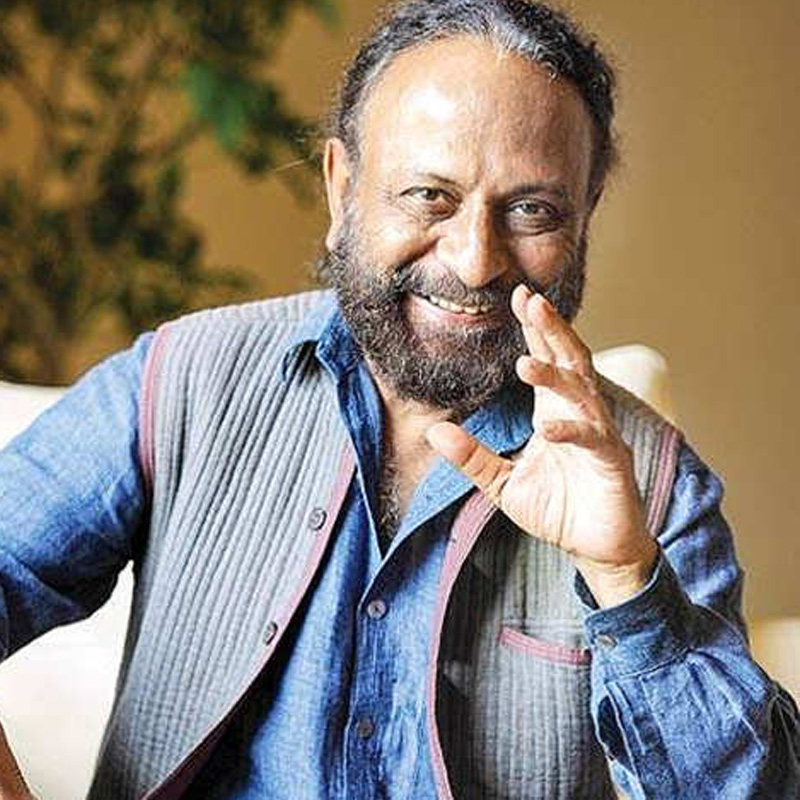
    The other members of the Committee include filmmakers Goutam Ghose, Kamal Haasan and Rakeysh Omprakash Mehra, creative director Piyush Pandey, media veteran Bhawana Somayya, Nina Lath Gupta who is managing director of the National Film Development Corporation, and Joint Secretary (Films) Sanjay Murthy as Member Convenor.

    This is not the first time that such a committee has been set up. After earlier attempts, the last committee that examined similar issues was headed by the eminent Mukul Mudgal. However, no action has been taken on that report submitted in 2013.

    The present Guidelines issued in 1991 are general in categorization and therefore prone to ambiguity in interpretation. The committee recommended that Guidelines need to be drafted for each category of certification. While doing so, the Committee has taken into consideration all the issues of concern listed in the 1991 Guidelines and included them in the recommended Guidelines as well.

    The committee said the principle objectives of guidelines should be to ensure that the content viewed by potentially vulnerable audiences (including children) is suitable for their viewing, and by making such categorizations, empower consumers to make informed viewing choices.

    Simultaneously, the guidelines are also aimed at ensuring that the artistic expression and creative freedom of filmmakers are protected through objectively laid down parameters for certification that do not attempt to act as a moral compass on what should or should not be shown to audiences, but endeavour to specify the category of audiences that are deemed fit to watch a film, given its content.

    The Committee therefore said that at least two of the objectives of censorship listed in the Guidelines – ‘clean and healthy entertainment’ and ‘of aesthetic value’ – are not within the ambit of the CBFC – as a film certification body, it is not responsible for ensuring the aesthetic composition of a film or for “clean and healthy entertainment”.

    The Committee believes that the objective that a film should be responsible and sensitive to the realms of society is a subjective clause and should be avoided, as there is no definition of what constitutes the values and standards of society at a given point of time. The insertion of clauses that are open to varying interpretations would only render the process of certification more difficult and open to controversy. As an alternative to this clause, an attempt has therefore been made by the committee to lay down a ceiling for the highest category of certification, beyond which the CBFC can refuse certification.

    The Committee examined the need for a separate rating for films with explicit scenes of sex, violence etc. While internationally there is no separate rating for such films, and they invariably get an R or 17+ rating, such films carry a line to the effect that the film has extreme nudity or violence, as the case may be.

    But since a similar approach would not be effective in India, the Committee was of the view that the categories need to be extended. This would release the current ‘pressure cooker situation’ of filmmakers needing to cater to the demands of a certain section of the audience for financial gain through insertion of such sequences but having no avenues to showcase the same except through suggestive sequences in films.

    The committee also agreed that in the present context, unlike in the past, there are no specific timings during which a certain kind of cinema would enjoy playtime. Thus, in contrast to previous times when adult-rated films with explicit scenes were normally showcased as late night shows, in the digital era nothing stops anyone from viewing any content at any time

    In this scenario, having an A-c rating (A with Caution) would help audiences to make distinct choices, prevent the insertion of suggestive sequences in films that would otherwise be classified as Universal viewing and also facilitate the business of film by being available for viewing at all times but restricted strictly to adult audiences.

    Under new guidelines framed by the Committee, a filmmaker would have to specify the category in which he feels the film would go.

    The objective of the guidelines framed by the Committee would be to ensure that:
    a. Children and adults are protected from potentially harmful or otherwise unsuitable content:
    b. Audiences, particularly parents and those with responsibility for children are empowered to make informed viewing decisions;
    c. Artistic expression and creative freedom are not unduly curbed in the process of classification of films;
    d. The process of certification by CBFC is responsive, at all times, to social change.

    In view of this, the Committee felt that the categories UA and A need to further sub-divided.

    The UA category should be divided into sub-categories of UA 12+ and UA 15+ under the CBFC Rules. The Committee recommended this in light of the sociological changes that have occurred since the introduction of the Cinematograph Act in 1952. While UA l2+ caters to young teenagers who are yet to be exposed to the adult world and can therefore be exposed to adult issues in only a minimal manner, UA 15+ seeks to keep in mind that young adolescents are at an age when they are being introduced to the adult world, and are ready to be exposed to various concerns and issues of the adult world, albeit in a moderate manner.

    It has also been recommended that the Adult category be further divided into A and A-C (Adult with Caution) sub-categories. The objective of this sub-categorization is to enable adults to make informed choices about the kind of film they would like to watch. Not all adults prefer to watch films that have explicit portrayals of various issues such as violence, sex, discrimination, use of language etc. The purpose of the A-C category is to warn audiences of the explicit depiction of various issues, thus enabling them to make a considered choice.

    Films that violate the provisions of Section 5B(1) of the Cinematograph Act, 1952 will not be considered for certification.

    Films submitted for telecast on television or for any other purpose should be re-certified.

    The committee has made it clear that any complaints received by the central government should be referred to the CBFC whose chairperson may, if he considers it necessary to do so, refer the film to a revising committee for examination once again in view of alleged violation of Section 5B(1) of the Cinematograph Act, 1952.

    In order to preserve Indian Cinema, the committee recommends that every applicant should deposit the Director’s Cut in the National Film Archives of India for preservation. At present, only the certified version is submitted but the committee felt that the original will ‘truly reflect the cinematic history of Indian cinema.

  • Shyam Benegal Committee: CBFC can only certify films, not recommend cuts

    Shyam Benegal Committee: CBFC can only certify films, not recommend cuts

    NEW DELHI: In recommendations that are bound to stir a major debate among moralists and others, a government-appointed committee has said that no alterations or changes in any film can be made by the Central Board of Film Certification (CBFC) only with the consent of the rights holder.

    The members of the Shyam Benegal Committee were of the ‘unanimous view that the rights owner has complete rights over his/her film.’

    In its report submitted to the Information and Broadcasting ministry on 26 April 2016 but placed on the ministry’s website now, the Committee has said that there should be no system of imposing excisions (as is practiced at present) and the CBFC must transition into solely becoming a film certification body, as indeed the name of the institution suggests.

    The Committee is of the view that it is not for the CBFC to act as a moral compass by deciding what constitutes glorification or promotion of an issue or otherwise. The scope of the CBFC should largely only be to decide who and what category of audiences can watch the depiction of a particular theme, story, scene etc., unless the film in question violates the provisions of Section 5B(1) of the Cinematograph Act 1952 or exceeds the limitations defined in the highest category of certification recommended by this committee.

    In both such cases, the CBFC would be within its rights to reject certification to a film, but not authorized to dictate excisions, modifications and amendments. The CBFC categorization should be a sort of statutory warning to audiences of what to expect if they were to watch a particular film once the CBFC has issued this statutory warning. ‘Film viewing is a consensual act and up to the viewers of that category,’ the Committee felt.

    The Committee had been constituted by the government on New Year’s Day this year to suggest a paradigm that ensures that artistic creativity and freedom do not get stifled /curtailed even as films are certified. Noting that “in most countries of the world there is a mechanism/process of certifying feature films and documentaries”, an official release had said that the attempt should also be that “the people tasked with the work of certification understand these nuances”.

    The Committee had been asked to recommend broad guidelines / procedures under the provisions of the Cinematograph Act 1952 / Rules for the benefit of the chairperson and other members of the Screening Committee. The staffing pattern of CBFC was also to be looked into in an effort to recommend a framework which would provide efficient / transparent user friendly services.

    The other members of the Committee include filmmakers Goutam Ghose, Kamal Haasan and Rakeysh Omprakash Mehra, creative director Piyush Pandey, media veteran Bhawana Somayya, Nina Lath Gupta who is managing director of the National Film Development Corporation, and Joint Secretary (Films) Sanjay Murthy as Member Convenor.

    This is not the first time that such a committee has been set up. After earlier attempts, the last committee that examined similar issues was headed by the eminent Mukul Mudgal. However, no action has been taken on that report submitted in 2013.

    The present Guidelines issued in 1991 are general in categorization and therefore prone to ambiguity in interpretation. The committee recommended that Guidelines need to be drafted for each category of certification. While doing so, the Committee has taken into consideration all the issues of concern listed in the 1991 Guidelines and included them in the recommended Guidelines as well.

    The committee said the principle objectives of guidelines should be to ensure that the content viewed by potentially vulnerable audiences (including children) is suitable for their viewing, and by making such categorizations, empower consumers to make informed viewing choices.

    Simultaneously, the guidelines are also aimed at ensuring that the artistic expression and creative freedom of filmmakers are protected through objectively laid down parameters for certification that do not attempt to act as a moral compass on what should or should not be shown to audiences, but endeavour to specify the category of audiences that are deemed fit to watch a film, given its content.

    The Committee therefore said that at least two of the objectives of censorship listed in the Guidelines – ‘clean and healthy entertainment’ and ‘of aesthetic value’ – are not within the ambit of the CBFC – as a film certification body, it is not responsible for ensuring the aesthetic composition of a film or for “clean and healthy entertainment”.

    The Committee believes that the objective that a film should be responsible and sensitive to the realms of society is a subjective clause and should be avoided, as there is no definition of what constitutes the values and standards of society at a given point of time. The insertion of clauses that are open to varying interpretations would only render the process of certification more difficult and open to controversy. As an alternative to this clause, an attempt has therefore been made by the committee to lay down a ceiling for the highest category of certification, beyond which the CBFC can refuse certification.

    The Committee examined the need for a separate rating for films with explicit scenes of sex, violence etc. While internationally there is no separate rating for such films, and they invariably get an R or 17+ rating, such films carry a line to the effect that the film has extreme nudity or violence, as the case may be.

    But since a similar approach would not be effective in India, the Committee was of the view that the categories need to be extended. This would release the current ‘pressure cooker situation’ of filmmakers needing to cater to the demands of a certain section of the audience for financial gain through insertion of such sequences but having no avenues to showcase the same except through suggestive sequences in films.

    The committee also agreed that in the present context, unlike in the past, there are no specific timings during which a certain kind of cinema would enjoy playtime. Thus, in contrast to previous times when adult-rated films with explicit scenes were normally showcased as late night shows, in the digital era nothing stops anyone from viewing any content at any time

    In this scenario, having an A-c rating (A with Caution) would help audiences to make distinct choices, prevent the insertion of suggestive sequences in films that would otherwise be classified as Universal viewing and also facilitate the business of film by being available for viewing at all times but restricted strictly to adult audiences.

    Under new guidelines framed by the Committee, a filmmaker would have to specify the category in which he feels the film would go.

    The objective of the guidelines framed by the Committee would be to ensure that:
    a. Children and adults are protected from potentially harmful or otherwise unsuitable content:
    b. Audiences, particularly parents and those with responsibility for children are empowered to make informed viewing decisions;
    c. Artistic expression and creative freedom are not unduly curbed in the process of classification of films;
    d. The process of certification by CBFC is responsive, at all times, to social change.

    In view of this, the Committee felt that the categories UA and A need to further sub-divided.

    The UA category should be divided into sub-categories of UA 12+ and UA 15+ under the CBFC Rules. The Committee recommended this in light of the sociological changes that have occurred since the introduction of the Cinematograph Act in 1952. While UA l2+ caters to young teenagers who are yet to be exposed to the adult world and can therefore be exposed to adult issues in only a minimal manner, UA 15+ seeks to keep in mind that young adolescents are at an age when they are being introduced to the adult world, and are ready to be exposed to various concerns and issues of the adult world, albeit in a moderate manner.

    It has also been recommended that the Adult category be further divided into A and A-C (Adult with Caution) sub-categories. The objective of this sub-categorization is to enable adults to make informed choices about the kind of film they would like to watch. Not all adults prefer to watch films that have explicit portrayals of various issues such as violence, sex, discrimination, use of language etc. The purpose of the A-C category is to warn audiences of the explicit depiction of various issues, thus enabling them to make a considered choice.

    Films that violate the provisions of Section 5B(1) of the Cinematograph Act, 1952 will not be considered for certification.

    Films submitted for telecast on television or for any other purpose should be re-certified.

    The committee has made it clear that any complaints received by the central government should be referred to the CBFC whose chairperson may, if he considers it necessary to do so, refer the film to a revising committee for examination once again in view of alleged violation of Section 5B(1) of the Cinematograph Act, 1952.

    In order to preserve Indian Cinema, the committee recommends that every applicant should deposit the Director’s Cut in the National Film Archives of India for preservation. At present, only the certified version is submitted but the committee felt that the original will ‘truly reflect the cinematic history of Indian cinema.

  • Telangana govt & film industry set up crime unit to fight software piracy

    Telangana govt & film industry set up crime unit to fight software piracy

    NEW DELHI: The Telangana Intellectual Property Crime Unit (TIPCU), which has been in the planning for almost five years, is being formally launched this week in Hyderabad to create a sustained platform to bridge communication between industry stakeholders, ISPs, policy makers, enforcement agencies aided by legal and financial experts to fight software piracy.

    TIPCU has been set up by the Telangana government in collaboration with the United States Trade Marks and Patents Office (USTPO), the Federation of Indian Chambers of Commerce and Industry, the Telugu Film Industry and the Motion Picture Distributors Association (MPDA, India).

    State IT minister K T Rama Rao and United States Ambassador Richard Rahul Verma will formally launch TIPCU on 24 June at a meet followed by a discussion on the copyright enforcement model by key government officials and senior industry leaders.

    TIPCU will set in motion, online content protection initiatives through proactive and stringent enforcement measures to counter online film piracy.

    Rajiv Aggarwal, Joint Secretary in the Department of Industrial Policy and Promotion of the Central Government which now deals with IPR issues and state IT Secretary Jayesh Ranjan will also speak on the occasion. Several filmmakers are also expected to speak at the event.

    TIPCU will create a watch list of pirate websites similar to the IWL (Infringing Website List) of the British PIPCU at regular intervals; evolve mechanisms to counter online film piracy; and create an industry interface for sharing of intelligence on such syndicates.

    It will work on effective measures to curb flow of revenues to infringing sites; and monitor high risk (Ad-supported) websites and initiate suitable actions to choke revenues to such sites. It will bring down and block infringing links, websites, hosting and streaming sites; provide immediate relief to the film Industry without having to obtain Court orders; and systematically eradicate pirate websites and platforms illegally hosting or streaming copyright content.

    It will also evolve enforcement mechanisms to align with the ever-changing digital content landscape and criminal syndicates operating therein.

    Earlier on 6 May 2016, indiantelevision.com had reported about the setting up of TIPCU and the collaboration of the state IT Department with the film industry and the USTPO. 

    Also read:

    Telangana leads fight against online piracy in partnership with film industry
    http://www.indiantelevision.com/movies/hindi/telangana-leads-fight-against-online-piracy-in-partnership-with-film-industry-160506