Category: Hindi

  • Rustom for ‘Independence Day’; Mohenjo Daro, a poor film

    Rustom for ‘Independence Day’; Mohenjo Daro, a poor film

    MUMBAI: Of late, Akshay Kumar starrers have become much-awaited. His transition from action to comedies were taken as they came; without much expectations. But, while an interesting story as the mainstay of a film is becoming rarer in Hindi films, Akshay’s films have strong tales to tell lately. And some of his recent films like Oh My God!, Special 26, Airlift, Holiday: A Soldier Is Never On Leave etc have relied on interesting stories mainly providing no scope for his kind of action and romance let alone comedy.

    If one cared to, there are many real life human-interest stories to find in the country and the media if the filmmakers tried to look beyond crime and mafia stories. In fact, Akshay’s recent films, Special 26 and Airlift were also inspired from such real life events.

    Though the film runs a disclaimer to the contrary, Rustom is based on the real life 1959 incident of a senior naval officer of the Indian Navy murdering the paramour of his English wife and the sensation that the court proceedings that followed created. Even as the murder looked like a simple adultery-incited rush of blood, the real life as well as the reel life hint at deeper conspiracy related to the defense system in the country towards which the film deals with towards the end.

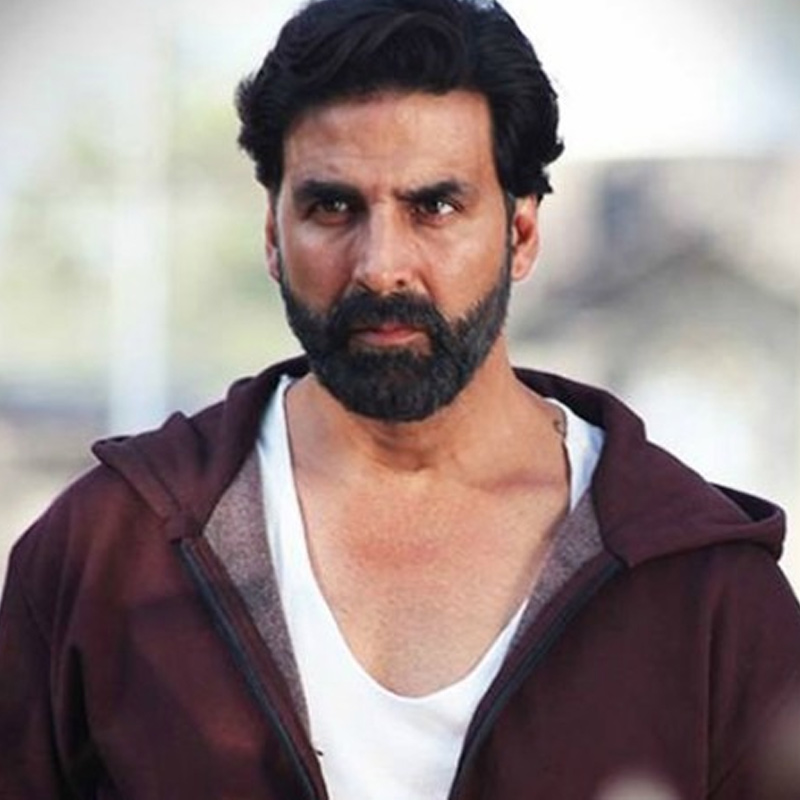
    Akshay is Rustom Pavri, an officer of Parsi origin with the Indian Navy, much respected as well as admired by his colleagues as well as friends. He has been sent to UK on a long assignment the purpose of which is to check on an aircraft carrier the Indian Navy plans to acquire.

    Akshay’s stay in UK has been curtailed and his arrival back in Bombay happens before schedule. When back, to his surprise, his wife, Ileana D’Cruz, has been away for a couple of days. She, it seems, has been cheating on Akshay and is shacking up with one of Akshay’s close friends, Arjan Bajwa, on a regular basis in his absence. Arjan is a suave imported-car dealer and, thanks to his clientele, has unhindered access to high society dos and the wives of his clients.

    Devastated by the revelation, Akshay walks into Arjan’s apartment and fires three bullets at him killing him instantly. He then walks into a police station and surrenders to the station in charge, Pawan Malhotra.

    The murder by a naval officer of a high society Sindhi businessman makes banner headlines in the newspapers among which there is a tabloid owned by a fellow Parsi, Kumud Mishra, who sees this as an opportunity to salvage his almost defunct publication as well as to run a crusade to create a sympathy wave in favour of Akshay because he is a Parsi. With Esha Gupta taking on cudgels to avenge the death of her brother, Arjan, this literally turns into a war between Parsi and Sindhi communities. So much so even the public prosecutor appointed is a Sindhi.

    As the court proceedings begin, Akshay refuses to appoint a lawyer, deciding to defend his own cause. It was the era of jury system where a bunch of court-appointed individuals from society sat in judgment while the judge only conducted the proceedings. Akshay works on winning over the sympathy of the jury members while the tabloid supporting him paints him as a true patriot. The judge too picks on the public prosecutor, Sachin Khedekar, from time to time creating more sympathy for Akshay. The court proceedings are meant to cater to the gallery as it regales both, the ‘crowd’ gathered in the court as well as the viewer.

    Written by Vipul K Rawal, himself an erstwhile naval officer, the film has the tricky task of blending a real life saga with fiction as well as to decide where one ends the other takes over. It also applies to execution as recreating 1950s/60s era Bombay has never been convincing on screen. Here, as a compromise, some scenes have been shot in London around its Victorian architecture buildings. What works for the makers is that most of the film is shot in a court room. While the scripting is more like  a stage play, the film sags in the first half as the narration moves from scene to scene at fast pace. This may seem to quicken the pace of the film but gives no time for the viewer to digest what just went past. The director shows ample confidence as a first timer. Songs have no place in the story and whatever is there is functional. Editing needed to be much sharper. Dialogue is good at places.

    As for the performances, this is an Akshay Kumar vehicle all the way. He looks dignified and the uniform of a naval officer only adds to his persona. He does not have to act after that. Ileana carries a singular look throughout the film, weather she is romancing with Arjan or is facing the betrayed Akshay or in court scenes. Esha Gupta’s role is about sneering and jeering alternately. Sachin Khedekar, Anang Desai and Kumud Mishra play up to the masses. Pawan Malhotra and Usha Nadkarni are good in support. Arjan Bajwa is okay in a brief role.

    Rustom has had a decent opening and the Monday, 15th August, Independence Holiday should add to its kitty to see it through safely.

    Producers: Arun Bhatia, Nittin Keni, Aksah Chawla, Virender Arora, Ishwar Kapoor, Arjun N Kapoor, Shital Bhatia.

    Director: Tinu Suresh Desai.

    Cast: Akshay Kumar, Ileana D’Cruz, Arjan Bajwa, Esha Gupta, Usha Nadkarni, Sachin Khedekar, Lakshman Khangan, Kumud Mishra, Pawan Malhotra.  

    Mohenjo Daro…Bad idea!

    Ashutosh Gowariker is said to have been inspired by the sites of the ruins of Dholavira, an excavated city from an ancient civilization in Kutch, Gujarat. That made him think of Mohenjo Daro, (now in Sindh, Pakistan) where the biggest city of an ancient Indus Valley Civilization was excavated in 1922 and, then, declared a Heritage Site by the UNESCO in as late as 1980.
    All that is known about the find is its name, Mohenjo Daro (Mound of the Dead, when translated in English), there is nothing more on record or known to the archeologists who worked on the sites. While some assumptions may have been made about the culture as it existed then and the lifestyle of the people, there are no myths, legends or folklore related to Mohenjo Daro available anywhere or with anybody. In such a situation, a great imagination is needed to build a story around this civilization.

    Here goes the story: we have Hrithik Roshan is a tiller of neel (indigo) in a small town in pre-historic land mass, later called Hindustan. Like all small town lads, he aspires to go to the big city, Mohenjo Daro, on the banks of Indus River. These days, all those who come to big cities become dons or their goons. In the good old days, they became saviours of the masses. Hrithik arrives in the new city and is impressed by its sights, its architecture and the scope for enterprise since people from other worlds also come here to trade.

    The city is throbbing with people all around so much so that there is even a traffic cop to control these people and direct those like cops nowadays direct traffic in big cities! As he learns the tricks of the trade, Hrithik realizes that such big cities have two strata to society: the mass and the elite. Here too the city is divided between them demarcated by Lower City and Upper City settlements.

    Like all such cities, Mohenjo Daro too has its share of evil in the form of Kabir Bedi, who rules the place with an iron hand, and his son, Arunoday Singh. Seeing their tyranny and having his first brush with Singh, Hrithik soon decides to leave the place and return to his own village. But, that is when he spots Pooja Hegde and it is love at first sight. For her sake, he now wants to stay put. In the process, he gets involved with events in the city and sees how injustice is being meted out to people by Bedi and Singh.

    Hrithik has competition when it comes to Pooja as Singh wants her for himself and that has been decided at her birth by the prophesy makers of the city. Determined to stay back and fight with Singh and Bedi for the girl as well as the people, Hrithik’s resolve is only strengthened when he learns that his father, Sharad Kelkar, was one of the ministers in the darbar of Bedi but was murdered for opposing him.

    As the film, which started bad, goes on to becoming worse, there are more treacheries by Bedi and Singh and some song and dance and some fights including an arena fight a la old Hollywood films, between Hrithik and two monstrous cannibal men. Hrithik overcomes all odds and vanquishes the evildoers. Don’t know why maneaters fight with Hrithik instead of just eating him up and be done with it? This was probably their idea of cooking their meal!

    Talking about the imagination needed for a story to fit into the Mohenjo Daro civilization, there is none. In fact, whatever has been conjured up in the name of a great saga is childish to put it mildly. For instance, Hrithik is named Sarman and Singh is Munja; Sarman Munja was the name of a don in the city of Porbandar in Gujarat after whose death his wife, Santokba, went on to become India’s first all-powerful woman don who also has a film to her name. Kelkar is a good guy so Surjan while his brother who fails to stand by him is Durjan! It can’t get any more juvenile!

    The story as such can fit into any B grade film of today if you replace the locale but keep the characters and the story same.

    A poor story idea and a poorer script make for a directionless film: here we have props that loom totally out of place in the viewer’s perception of Mohenjo Daro. There are regular ration shops, costumes few can identify with! There is also word Haramkhor in Bedi’s vocabulary.   The romance does not convince and there is no music to back it save for one song, Tu hia…. Dialogue lacks spirit. Cinematography is fair. Choreography is good. Special effect are routine. Editing is not evident in this film.

    Performances are routine with Hrithik Roshan carrying on with same expressions from Koi… Mil Gaya. Pooja Hegde looks charming but can’t perform.  Kabir Bedi is okay. Arunoday Singh is the victim of a routine role. Of the rest, only Manish Choudhary shows some conviction with what he is doing.

    Mohenjo Daro is a poor film in all respects. If cost is considered, worse still.

    Producers: Siddharth Roy Kapoor, Sunita Gowarikar.

    Director: Ashutosh Gowariker.

    Cast: Hrithik Roshan, Pooja Hegde, Kabir Bedi, Arunoday Singh, Suhasini Mulay, Nitish Bharadwaj, Kishori Shahane, Sharad Kelkar, Manish Choudhary, Narendra Jha, Casey Frank, Diganta Hazarika.

  • Festival of patriotic films commences with Naidu stressing of filmmakers of that time

    Festival of patriotic films commences with Naidu stressing of filmmakers of that time

    NEW DELHI: A film festival on patriotic films opened here today with Information ad Broadcasting Minister M Venkaiaih Naidu stressing that Indian Cinema not only played a vital role during the freedom movement but facilitated in spreading the message regarding the great deeds and valour of eminent leaders and personalities related to freedom movement.

    He said these films had a social message and had a profound impact on the minds and social behavior of people.

    The opening of the week long “Independence Day Film Festival” at Siri Fort Auditorium was also attended by Minister of State Rajyavardhan Rathore and I and B Secretary Ajay Mittal, apart from noted film personalities Chitraarth and A K Bir.

    The Minister said the 70th year of Independence offered an opportunity to take the country from Swaraj to Suraaj under the leadership of Prime Minister Naendra Modi. This would enable the country to fight the long standing ills plaguing the society and take the nation to newer heights.

    He added that every Indian Citizen was equal and there was no room for anybody to discriminate against any other individual. For the nation to achieve faster progress in all fronts, every section of the society irrespective of caste, creed, religion, region and language should be part of the growth story.

    All Indians should believe only in oneness of the country and nothing else should be allowed to cause obstacles in India’s march ahead. He urged that civil society and people should strive to foster harmony and build bridges across the communities.

    Speaking on the philosophy of the Indian Freedom Struggle, Naidu said that many countries fought for their freedom and became independent but the Indian Freedom Movement was unique in the sense that it showed to the world the power of non-violence and democratic principles. He said that people from different walks of life from different parts of the country contributed to the freedom movement including educationists, lawyers, leaders, farmers, artists and ordinary men & women.

    Referring to the rich history of Indian cinema and the context in which the movies were produced, the Minister mentioned that India’s victory in 1965 war had fired the imagination of then young film actor Manoj Kumar in Mumbai which lead to the making of ‘Upkar’ in 1967.

    Remembering the unsung heroes who contributed to freedom movement, the Minister said the 1959 Tamil Film “Veerapaandiya Kattabomman” directed by B R Panthulu was the story and valour of Kattabomman – an 18th century local leader from Tirunelveli in Tamil Nadu, who refused to accept the sovereignty of East India Company.

    While remembering the towering personalities of our freedom movement and founding fathers of the Republic of India, the Minister said Sardar Vallabhai Patel played a leading role in integration of the country into a united and independent nation. The film “Sardar” which portrays the life of Sardar Patel would be screened at the Film Festival. He also referred to the sacrifices made by Veer Savarkar during the freedom struggle.

    The Minister said the festival provided an opportunity to school children especially from public schools who attended the festival to be inspired by the history of these great leaders and freedom fighters.

    The opening Film for the festival was ‘Gandhi’ directed by Sir Richard Attenborough. The festival will continue till 18 August and 20 films are being screened. The festival has been organized by the Directorate of Film Festivals in collaboration with the Defence Ministry.

  • Festival of patriotic films commences with Naidu stressing of filmmakers of that time

    Festival of patriotic films commences with Naidu stressing of filmmakers of that time

    NEW DELHI: A film festival on patriotic films opened here today with Information ad Broadcasting Minister M Venkaiaih Naidu stressing that Indian Cinema not only played a vital role during the freedom movement but facilitated in spreading the message regarding the great deeds and valour of eminent leaders and personalities related to freedom movement.

    He said these films had a social message and had a profound impact on the minds and social behavior of people.

    The opening of the week long “Independence Day Film Festival” at Siri Fort Auditorium was also attended by Minister of State Rajyavardhan Rathore and I and B Secretary Ajay Mittal, apart from noted film personalities Chitraarth and A K Bir.

    The Minister said the 70th year of Independence offered an opportunity to take the country from Swaraj to Suraaj under the leadership of Prime Minister Naendra Modi. This would enable the country to fight the long standing ills plaguing the society and take the nation to newer heights.

    He added that every Indian Citizen was equal and there was no room for anybody to discriminate against any other individual. For the nation to achieve faster progress in all fronts, every section of the society irrespective of caste, creed, religion, region and language should be part of the growth story.

    All Indians should believe only in oneness of the country and nothing else should be allowed to cause obstacles in India’s march ahead. He urged that civil society and people should strive to foster harmony and build bridges across the communities.

    Speaking on the philosophy of the Indian Freedom Struggle, Naidu said that many countries fought for their freedom and became independent but the Indian Freedom Movement was unique in the sense that it showed to the world the power of non-violence and democratic principles. He said that people from different walks of life from different parts of the country contributed to the freedom movement including educationists, lawyers, leaders, farmers, artists and ordinary men & women.

    Referring to the rich history of Indian cinema and the context in which the movies were produced, the Minister mentioned that India’s victory in 1965 war had fired the imagination of then young film actor Manoj Kumar in Mumbai which lead to the making of ‘Upkar’ in 1967.

    Remembering the unsung heroes who contributed to freedom movement, the Minister said the 1959 Tamil Film “Veerapaandiya Kattabomman” directed by B R Panthulu was the story and valour of Kattabomman – an 18th century local leader from Tirunelveli in Tamil Nadu, who refused to accept the sovereignty of East India Company.

    While remembering the towering personalities of our freedom movement and founding fathers of the Republic of India, the Minister said Sardar Vallabhai Patel played a leading role in integration of the country into a united and independent nation. The film “Sardar” which portrays the life of Sardar Patel would be screened at the Film Festival. He also referred to the sacrifices made by Veer Savarkar during the freedom struggle.

    The Minister said the festival provided an opportunity to school children especially from public schools who attended the festival to be inspired by the history of these great leaders and freedom fighters.

    The opening Film for the festival was ‘Gandhi’ directed by Sir Richard Attenborough. The festival will continue till 18 August and 20 films are being screened. The festival has been organized by the Directorate of Film Festivals in collaboration with the Defence Ministry.

  • Barring ‘Sultan’, dull weekend  at box office

    Barring ‘Sultan’, dull weekend at box office

    MUMBAI: While the recent films since the release of Sultan have been bad for the trade, especially the exhibition trade which needs a flow of crowd pulling films to sustain, the next week promises to be full of hope. Two major films releasing simultaneously has been avoided by the trade as both would eat into each other’s business prospects. But, the exhibitors never had it so good as Mohenjo Daro and Rustom face each other this Friday.

    Budhia Singh-Born To Run, a National Award winner for the Best Children’s film, wins much critical acclaim, but no footfalls. The film could manage only Rs. 1.2 crore in its first weekend.

    Fever, an attempt to make a polished thriller, turns out anything but that. It is a badly scripted film concentrating more on steamy scenes rather than thrill and suspense. A good musical score as well as captivating cinematography are wasted in absence of substance. The film collected Rs. 55 lakh in its opening weekend.

    The Legend Of Michael Mishra meets with a disastrous fate at the box office. To think of Arsad Warsi essaying a teenage romance in itself is a put off and to expect the film to draw audience is rather ambitious! There is nothing in the script or direction or music to salvage the film to any extent. The collections have been poor as the film could collect only Rs. 60 lakh in its first weekend.

    Dishoom, an action thriller with a youth favourite. Varun Dhawan, providing the entertainment quotient, does well. The film had its flows and routine second half but managed to make the most of the absence of any decent entertainer for a while.

    The film collects 51.8 crore in its first week. With poor opposition in its second week, the film stands a fair chance of adding another Rs. 16 to 17 crore in its second week for a decent lifetime business.

    Love Ke Funday and Murder Madhuri make it to the total loss category.

    Madaari…Sshhh Desh So Raha Hai collects Rs. 2.75 crore in its second week to take its two week tally to Rs. 15.45 crore.

    Kabaali (Hindi-dubbed from Tamil) drops drastically in its second week taking its two week total to Rs. 24.9 crore.

  • Barring ‘Sultan’, dull weekend  at box office

    Barring ‘Sultan’, dull weekend at box office

    MUMBAI: While the recent films since the release of Sultan have been bad for the trade, especially the exhibition trade which needs a flow of crowd pulling films to sustain, the next week promises to be full of hope. Two major films releasing simultaneously has been avoided by the trade as both would eat into each other’s business prospects. But, the exhibitors never had it so good as Mohenjo Daro and Rustom face each other this Friday.

    Budhia Singh-Born To Run, a National Award winner for the Best Children’s film, wins much critical acclaim, but no footfalls. The film could manage only Rs. 1.2 crore in its first weekend.

    Fever, an attempt to make a polished thriller, turns out anything but that. It is a badly scripted film concentrating more on steamy scenes rather than thrill and suspense. A good musical score as well as captivating cinematography are wasted in absence of substance. The film collected Rs. 55 lakh in its opening weekend.

    The Legend Of Michael Mishra meets with a disastrous fate at the box office. To think of Arsad Warsi essaying a teenage romance in itself is a put off and to expect the film to draw audience is rather ambitious! There is nothing in the script or direction or music to salvage the film to any extent. The collections have been poor as the film could collect only Rs. 60 lakh in its first weekend.

    Dishoom, an action thriller with a youth favourite. Varun Dhawan, providing the entertainment quotient, does well. The film had its flows and routine second half but managed to make the most of the absence of any decent entertainer for a while.

    The film collects 51.8 crore in its first week. With poor opposition in its second week, the film stands a fair chance of adding another Rs. 16 to 17 crore in its second week for a decent lifetime business.

    Love Ke Funday and Murder Madhuri make it to the total loss category.

    Madaari…Sshhh Desh So Raha Hai collects Rs. 2.75 crore in its second week to take its two week tally to Rs. 15.45 crore.

    Kabaali (Hindi-dubbed from Tamil) drops drastically in its second week taking its two week total to Rs. 24.9 crore.

  • ‘Budhia Singh- Born To Run’ – a must watch; The Legend Of Michael Mishra  and ‘Fever’ don’t impress

    ‘Budhia Singh- Born To Run’ – a must watch; The Legend Of Michael Mishra and ‘Fever’ don’t impress

    MUMBAI: Budhia Sing- Born To Run is a biopic about a five-year-old lad from Orissa who, at that tender age, hogged the media limelight nationally and created for and against opinions about his promise to someday become a marathon runner of the Olympics standards. At this young age, he showed that kind of talent, stamina and inclination. While the whole of Orissa hailed his strengths making him a hero, the media too basked in the stories of his achievements and relished splashing them. He was the youngest marathon runner.

    Manoj Bajpayee runs a sort of Judo school for the homeless and for children from poor background along with the help and support of his wife, Shruti Marathe. Besides training them in self-defense, he also feeds, clothes and houses them under the same roof. That is when he brings along Budhia, played by Mayur Mahendra Patole, to join the rest. Shruti mentions the space constraint but Manoj convinces her saying there are already 22 of them around so one more won’t matter.

    Shruti is as enthusiastic about the kids and their wellbeing as Manoj but, while tending to the kids in the house like a mother, she also feels the need for a child of her own.

    Budhia is a mischievous child who refuses to take orders from Manoj. As a punishment, Manoj asks him to make rounds of the judo arena until ordered otherwise. Manoj leaves on an errand and forgets all about Budhia till he returns and is informed that the lad has been running since he left without stopping. He has not stopped for water or nourishment nor has he complained.

    Manoj realizes that the boy is gifted and has a solid stamina. He sees the potential in the boy to run long distances with little or no demands. The boy lives up to Manoj’s hopes, who sees an Olympic-level marathoner in him and starts training him for 2016 Olympics.

    Budhia is full of enthusiasm and small things like an extra share of milk, fruits and a pair of new running shoes in his favourite red besides a promise of a red-colored cycle are enough to propel him to the goals set by Manoj.

    Budhia goes on setting new milestones as he starts small and goes on to run a full marathon of 42 kms. The lad is now a media star across India and the toast of Orissa state. But, the controversies follow on the merit of making such a young boy undergo such a strenuous regime and running such long distances. Politicians decide to use the controversy to their advantage.

     Manoj now decides to make Budhia run a 70 kms distance between Puri and Bhubaneshwar. At the event, covered by national and international media and backed by the CRPF (Central Reserve Police Force), Budhia almost makes it, collapsing just a few of kilometers before the destination. This incident gives enough fodder to the politicians. Manoj is put behind bars for a while as Budhia is taken to the state sports hostel.
    Politics get the better of a budding star.

    Despite being a biopic, Budhia Singh – Born To Run has been made interesting on script level starting with keeping Budhia in the centre while changing other players in the story and also rewriting some stuff. Till the end when the politics enters the story, it is more fun as Budhia blends instantly with the other 22 kids in the house and they also accept him as one of their own. No envy is in play when Budhia is given special attention or rations. Budhia’s character is sketched to be stubborn but determined in the goal set by Manoj while also enjoying running.

    Direction is taut and competent. Full marks to writer-director Soumendra Padhi. Cinematography complements the concept very well. Dialogue is true to life yet funny. Editing is skilful.
    Performances by Manoj and Shruti are seasoned but the one who steals the limelight is Mayur as Budhia; not for a moment do you think he is not the real Budhia. Tillotama Shome supports well along with rest of the cast.

    Budhia Singh-Born To Run is a must watch film. With a National Award in its kitty for Best Children’s Film, it does deserve a tax-free tag to help it cater to the kids.

    Producers: Gajraj Rao, Subrat Ray, Subhmitra Sen.

    Director: Soumendra padhi.

    Cast: Manoj Bajpayee, Mayur Mahendra Patole, Shruti Marathe, Tillotama Shome,

    The Legend Of Michael Mishra –‘Bad’ time story!

    Love story is one of the popular genres, especially if backed by good music and a thriving chemistry between the lead pair. While such love stories also work with new stars, the preference by filmmakers has generally tended to popular pairs which have jelled well on screen on a regular basis.

    There are teenage love stories and then there are mature love stories. In The Legend Of Michael Mishra, Warsi is Michael Mishra; no explanation given for his mixed identity. And you expect him to portray a comic character. But, a love story of Arshad Warsi? Now that is plain suicidal! The casting is only the beginning, what follows in the name of entertainment is utterly and unbelievably confounding.

    There is a town in Bihar where Warsi has graduated to becoming a local don from stitching clothes and retailing mutton. Such a background to sudden transformation as a don makes no sense. The whole town seems to be scared of him including the police, and he lords his way around.

    Earlier in his teens, Warsi had fallen in love with a young girl and given her a locket with his picture as a parting gift. One fine day the don remembers his childhood love at first sight and he is determined to find her. All he has to remember her by is the way she said ‘Hello’! The girl grows up to be Aditi Rao Hydari who loved to dance since her childhood. Warsi, always in search of her, lands up at a “Bihar’s got talent” kind of show where she is putting on a dance show.

    Warsi finds out where she lives and shifts into the same housing complex to be close to her. Soon, the sign language exchange of love messages starts flying between the two, later turning into written messages. As Warsi professes his love for her, a reply comes saying he must change his ways before she contemplates his proposal. Warsi, whom no police dare touch, gives himself up to the police.

    As happens in all such films, Warsi is welcomed to the jail by veteran jailbirds who gang up against him and get him into a fight. However, the don in Warsi comes to the fore and he licks all the goons. But, he still has the jailor to contend with and he is one tough cookie. Again, as used to happen in last-century’s films, Warsi saves the jailor from a tough situation and the jailor becomes his sympathizer!

    The jailor hears Warsi’s love story and advises him to escapes from the jail which, according to him, was the only way he could find his love. Warsi duly obliges. So much for paying for his crimes and taking to the honest way of life!

    When Warsi comes back to Hydari, it turns out that all that messaging was not meant for him; it was for the lad staying above him! Warsi is heartbroken but Hydari changes tracks to soon profess her love for him—she loved him from the time he gifted her the locket which she has completed by adding her own picture on the other side of Warsi’s picture!

    The Legend Of Michael Mishra has no story, script or sense of any sort. Nothing to be said about the direction and other aspects, all of which amount to zilch.

    The Legend Of Michael Mishra is filmmaking at its worst.

    Producers: Kishor Arora, Shareen Mantri.

    Director: Manish Jha.

    Cast: Arshad Warsi, Aditi Rao Hydari, Kayoze Irani, Boman Irani, Yuri Suri

    Fever….If you watch it!

    Fever is a suspense thriller with its claim to recognition being two foreign female actors gracing its cast. These foreign actors being ex James Bond star, Caterina Murino, and a British TV actor, Gemma Atkinson, are supposed to give the film some draw! Besides that, the film is sought to be made to look like one out of Hollywood with a subject to match. The film is shot extensively on the picturesque locations of Switzerland.

    Rajeev Khandelwal is lying in a hospital with most of his memory lost. His amnesia is total except that he remembers his name that he is from Paris and the visuals of a murder that haunt him. Soon he meets Gauhar Khan and he tries to piece together his past.

    As it turns out, Rajeev is a contract killer as efficient with guns as he is in his approach with women. While Rajeev tries to recall his past, he demonstrates his memory loss with long drawn pauses to talk about it. Also, while recalling his past, he comes up with what is supposed to be the USB of this film that is steamy sex scenes with women in his life.

    When inspired by numerous past masters of the suspense thriller genre, better would be to just stay inspired and not pick their props and treatment. While many have tried to create a really thrilling script of the suspense genere in past many decades among Hindi filmmakers, here too the attempt is bland and falls flat. Direction is average in keeping with the script. Music is soothing and would have worked had the film worked. The cinematography is a plus considering the film has beautiful locales to shoot at.

    Performances are purely functional with Rajeev doing okay. The two foreigner actors contribute nothing to this department. Gauhar is passable.
    Fever has had a poor opening and is expected to remain so through rest of the week.

    Producers: Ravi Agrawal, Mahesh Balekundri, Ajay Chabbria and Rajath Manjunath.

    Director: Rajeev Jhaveri.

     Cast: Rajeev Khandelwal, Gauhar Khan, Gemma Atkinson, Caterina Murino,
    Ankita Makwana.

  • ‘Budhia Singh- Born To Run’ – a must watch; The Legend Of Michael Mishra  and ‘Fever’ don’t impress

    ‘Budhia Singh- Born To Run’ – a must watch; The Legend Of Michael Mishra and ‘Fever’ don’t impress

    MUMBAI: Budhia Sing- Born To Run is a biopic about a five-year-old lad from Orissa who, at that tender age, hogged the media limelight nationally and created for and against opinions about his promise to someday become a marathon runner of the Olympics standards. At this young age, he showed that kind of talent, stamina and inclination. While the whole of Orissa hailed his strengths making him a hero, the media too basked in the stories of his achievements and relished splashing them. He was the youngest marathon runner.

    Manoj Bajpayee runs a sort of Judo school for the homeless and for children from poor background along with the help and support of his wife, Shruti Marathe. Besides training them in self-defense, he also feeds, clothes and houses them under the same roof. That is when he brings along Budhia, played by Mayur Mahendra Patole, to join the rest. Shruti mentions the space constraint but Manoj convinces her saying there are already 22 of them around so one more won’t matter.

    Shruti is as enthusiastic about the kids and their wellbeing as Manoj but, while tending to the kids in the house like a mother, she also feels the need for a child of her own.

    Budhia is a mischievous child who refuses to take orders from Manoj. As a punishment, Manoj asks him to make rounds of the judo arena until ordered otherwise. Manoj leaves on an errand and forgets all about Budhia till he returns and is informed that the lad has been running since he left without stopping. He has not stopped for water or nourishment nor has he complained.

    Manoj realizes that the boy is gifted and has a solid stamina. He sees the potential in the boy to run long distances with little or no demands. The boy lives up to Manoj’s hopes, who sees an Olympic-level marathoner in him and starts training him for 2016 Olympics.

    Budhia is full of enthusiasm and small things like an extra share of milk, fruits and a pair of new running shoes in his favourite red besides a promise of a red-colored cycle are enough to propel him to the goals set by Manoj.

    Budhia goes on setting new milestones as he starts small and goes on to run a full marathon of 42 kms. The lad is now a media star across India and the toast of Orissa state. But, the controversies follow on the merit of making such a young boy undergo such a strenuous regime and running such long distances. Politicians decide to use the controversy to their advantage.

     Manoj now decides to make Budhia run a 70 kms distance between Puri and Bhubaneshwar. At the event, covered by national and international media and backed by the CRPF (Central Reserve Police Force), Budhia almost makes it, collapsing just a few of kilometers before the destination. This incident gives enough fodder to the politicians. Manoj is put behind bars for a while as Budhia is taken to the state sports hostel.
    Politics get the better of a budding star.

    Despite being a biopic, Budhia Singh – Born To Run has been made interesting on script level starting with keeping Budhia in the centre while changing other players in the story and also rewriting some stuff. Till the end when the politics enters the story, it is more fun as Budhia blends instantly with the other 22 kids in the house and they also accept him as one of their own. No envy is in play when Budhia is given special attention or rations. Budhia’s character is sketched to be stubborn but determined in the goal set by Manoj while also enjoying running.

    Direction is taut and competent. Full marks to writer-director Soumendra Padhi. Cinematography complements the concept very well. Dialogue is true to life yet funny. Editing is skilful.
    Performances by Manoj and Shruti are seasoned but the one who steals the limelight is Mayur as Budhia; not for a moment do you think he is not the real Budhia. Tillotama Shome supports well along with rest of the cast.

    Budhia Singh-Born To Run is a must watch film. With a National Award in its kitty for Best Children’s Film, it does deserve a tax-free tag to help it cater to the kids.

    Producers: Gajraj Rao, Subrat Ray, Subhmitra Sen.

    Director: Soumendra padhi.

    Cast: Manoj Bajpayee, Mayur Mahendra Patole, Shruti Marathe, Tillotama Shome,

    The Legend Of Michael Mishra –‘Bad’ time story!

    Love story is one of the popular genres, especially if backed by good music and a thriving chemistry between the lead pair. While such love stories also work with new stars, the preference by filmmakers has generally tended to popular pairs which have jelled well on screen on a regular basis.

    There are teenage love stories and then there are mature love stories. In The Legend Of Michael Mishra, Warsi is Michael Mishra; no explanation given for his mixed identity. And you expect him to portray a comic character. But, a love story of Arshad Warsi? Now that is plain suicidal! The casting is only the beginning, what follows in the name of entertainment is utterly and unbelievably confounding.

    There is a town in Bihar where Warsi has graduated to becoming a local don from stitching clothes and retailing mutton. Such a background to sudden transformation as a don makes no sense. The whole town seems to be scared of him including the police, and he lords his way around.

    Earlier in his teens, Warsi had fallen in love with a young girl and given her a locket with his picture as a parting gift. One fine day the don remembers his childhood love at first sight and he is determined to find her. All he has to remember her by is the way she said ‘Hello’! The girl grows up to be Aditi Rao Hydari who loved to dance since her childhood. Warsi, always in search of her, lands up at a “Bihar’s got talent” kind of show where she is putting on a dance show.

    Warsi finds out where she lives and shifts into the same housing complex to be close to her. Soon, the sign language exchange of love messages starts flying between the two, later turning into written messages. As Warsi professes his love for her, a reply comes saying he must change his ways before she contemplates his proposal. Warsi, whom no police dare touch, gives himself up to the police.

    As happens in all such films, Warsi is welcomed to the jail by veteran jailbirds who gang up against him and get him into a fight. However, the don in Warsi comes to the fore and he licks all the goons. But, he still has the jailor to contend with and he is one tough cookie. Again, as used to happen in last-century’s films, Warsi saves the jailor from a tough situation and the jailor becomes his sympathizer!

    The jailor hears Warsi’s love story and advises him to escapes from the jail which, according to him, was the only way he could find his love. Warsi duly obliges. So much for paying for his crimes and taking to the honest way of life!

    When Warsi comes back to Hydari, it turns out that all that messaging was not meant for him; it was for the lad staying above him! Warsi is heartbroken but Hydari changes tracks to soon profess her love for him—she loved him from the time he gifted her the locket which she has completed by adding her own picture on the other side of Warsi’s picture!

    The Legend Of Michael Mishra has no story, script or sense of any sort. Nothing to be said about the direction and other aspects, all of which amount to zilch.

    The Legend Of Michael Mishra is filmmaking at its worst.

    Producers: Kishor Arora, Shareen Mantri.

    Director: Manish Jha.

    Cast: Arshad Warsi, Aditi Rao Hydari, Kayoze Irani, Boman Irani, Yuri Suri

    Fever….If you watch it!

    Fever is a suspense thriller with its claim to recognition being two foreign female actors gracing its cast. These foreign actors being ex James Bond star, Caterina Murino, and a British TV actor, Gemma Atkinson, are supposed to give the film some draw! Besides that, the film is sought to be made to look like one out of Hollywood with a subject to match. The film is shot extensively on the picturesque locations of Switzerland.

    Rajeev Khandelwal is lying in a hospital with most of his memory lost. His amnesia is total except that he remembers his name that he is from Paris and the visuals of a murder that haunt him. Soon he meets Gauhar Khan and he tries to piece together his past.

    As it turns out, Rajeev is a contract killer as efficient with guns as he is in his approach with women. While Rajeev tries to recall his past, he demonstrates his memory loss with long drawn pauses to talk about it. Also, while recalling his past, he comes up with what is supposed to be the USB of this film that is steamy sex scenes with women in his life.

    When inspired by numerous past masters of the suspense thriller genre, better would be to just stay inspired and not pick their props and treatment. While many have tried to create a really thrilling script of the suspense genere in past many decades among Hindi filmmakers, here too the attempt is bland and falls flat. Direction is average in keeping with the script. Music is soothing and would have worked had the film worked. The cinematography is a plus considering the film has beautiful locales to shoot at.

    Performances are purely functional with Rajeev doing okay. The two foreigner actors contribute nothing to this department. Gauhar is passable.
    Fever has had a poor opening and is expected to remain so through rest of the week.

    Producers: Ravi Agrawal, Mahesh Balekundri, Ajay Chabbria and Rajath Manjunath.

    Director: Rajeev Jhaveri.

     Cast: Rajeev Khandelwal, Gauhar Khan, Gemma Atkinson, Caterina Murino,
    Ankita Makwana.

  • Actors shown in smoking scenes in films or TV should promote anti-smoking

    Actors shown in smoking scenes in films or TV should promote anti-smoking

    NEW DELHI: The Shyam Benegal Committee on Film Certification, which earlier recommended that alterations or changes in any film can be made by the Central Board of Film Certification only with the consent of the rights holder, has now said that a “meaningful static disclaimer in the beginning of the film with standard visual background approved by the Ministry of Health may be shown for a minimum time period along with an audio backing it.”

    SMOKING SCENES

    In a supplementary report dealing only with smoking scenes and depiction of animals in films, it has said the disclaimer should be made in all Indian languages and made applicable to all Media Platforms.
    However, the periodicity of scenes depicting smoking should be avoided keeping in view the legislations in this regard.  
    The Committee also suggested that as an option, producers of that film can make a short film conveying an anti-smoking message ‘by the same actor who is depicted as smoking in the film’.  
    It also said the Film Industry should produce small films on anti-tobacco/smoking with popular actors on their own for screening in cinemas halls and on TV Channels. These may replace the present films in the Theatres and TV Channels shown after obtaining clearance from the Health & Family Welfare Ministry.

    SCENES SHOWING ANIMALS

    Referring to animal welfare and in response to the views of the Animal Welfare Board of India (AWBI), the Committee was of the view that there is a need to bring about further clarity and  simplification of the process to allow film producers the operational flexibility that is critically required in any film project. Besides, a better and comprehensive definition of “performing animals” is needed.

    The Committee said there should be “licensed suppliers” of Performing Animals (PA) who are qualified in handling various animals and taking care of them as per requirement of the law, whose services can be hired by the Producers.

    Such a mechanism would be of great benefit to all stakeholders who need to engage such services. This type of facilitation is available internationally and could be supported by AWBI for adoption, it added.
    As an interim measure to cut down the time consumed, the Committee said that a directory of “certified (approved) personnel” of AWBI including veterinary personnel on the list of AWBI in different parts of the country may be published, enabling producers to intimate them the time of their shooting and, who would then be present at the time of shooting the performing animal scenes.

    Based on the report of such certified (approved) personnel, AWBI could issue the NOC. An appropriate fee for the services rendered by such AWBI empanelled experts could also be finalised by AWBI enabling the applicant / producers to remit the same directly to AWBI while availing the services of such empanelled persons.
    The Committee said often notices were issued by AWBI with regard to numerous instances where animals in normal settings during the course of shooting are interpreted as “performing animals”.

    In order to have some clarity on this, Committee said a “performing animal” in case of films may be defined as an animal which is written into the script of the movie, and is required to perform an act which it would not normally do. Such a clarification will allow automatic clearance for scenes of cows, goats, etc. apart from birds which often appear when picturising scenes in villages, small towns etc.

    However, it cautioned that it had to be kept in mind whether it is a genuine natural shot or staged for filming which would involve the hiring, transportation, etc. of the animal/s.

    The Committee suggests that in such situations, a self-declaration by the producers to this effect be submitted at the time of application to CBFC in lieu of an NOC from the AWBI.

    The Committee made its recommendations in the light of the current practice in both smoking scenes and those with animal depiction.  

    At present, the shorts on smoking are prepared by the Health Ministry under the Cigarettes and other Tobacco, Products (Prohibition of Advertisement and Regulation of Trade and Commerce, Production, Supply and Distribution) Amendment Rules 2012.

    These rules say that all new Indian or foreign films and television programmes displaying tobacco products or their use shall have a strong editorial justification explaining the necessity of the display of the tobacco products or their use in the film, to the CBFC; and anti-tobacco spots of minimum 30 seconds duration each at the beginning and middle of the films and television programmes; apart from anti-tobacco health warning as a prominent static message at the bottom of the screen during the period of display of the tobacco products or their use in the film and television programme. It is also stated that an audio-visual disclaimer on the ill-effects of tobacco use of minimum twenty seconds duration each in the beginning and middle of the film and television programme.

    The present rules with regard to use of animals flow from the Prevention of Cruelty to Animals Act, 1960 and Performing Animals (Registration) Rules 2001 and also the Bombay High Court Judgment on 22 August 2005 in the PETA case.  
    These require a Pre-shooting Permission and a No Objection Certificate (NOC) and then it is left to AWBI to accept or deny permission.

    In its first report submitted to the Information and Broadcasting Ministry on 26 April 2016 but placed on the Ministry’s website in late June, the Committee said that there should be no system of imposing excisions (as is practiced at present) and the CBFC must transition into solely becoming a film certification body, as indeed the name of the institution suggests.

    In recommendations that are bound to stir a major debate among moralists and others, the Government-appointed Committee was of the “unanimous view that the rights owner has complete rights over his/her film.”


  • Actors shown in smoking scenes in films or TV should promote anti-smoking

    Actors shown in smoking scenes in films or TV should promote anti-smoking

    NEW DELHI: The Shyam Benegal Committee on Film Certification, which earlier recommended that alterations or changes in any film can be made by the Central Board of Film Certification only with the consent of the rights holder, has now said that a “meaningful static disclaimer in the beginning of the film with standard visual background approved by the Ministry of Health may be shown for a minimum time period along with an audio backing it.”

    SMOKING SCENES

    In a supplementary report dealing only with smoking scenes and depiction of animals in films, it has said the disclaimer should be made in all Indian languages and made applicable to all Media Platforms.
    However, the periodicity of scenes depicting smoking should be avoided keeping in view the legislations in this regard.  
    The Committee also suggested that as an option, producers of that film can make a short film conveying an anti-smoking message ‘by the same actor who is depicted as smoking in the film’.  
    It also said the Film Industry should produce small films on anti-tobacco/smoking with popular actors on their own for screening in cinemas halls and on TV Channels. These may replace the present films in the Theatres and TV Channels shown after obtaining clearance from the Health & Family Welfare Ministry.

    SCENES SHOWING ANIMALS

    Referring to animal welfare and in response to the views of the Animal Welfare Board of India (AWBI), the Committee was of the view that there is a need to bring about further clarity and  simplification of the process to allow film producers the operational flexibility that is critically required in any film project. Besides, a better and comprehensive definition of “performing animals” is needed.

    The Committee said there should be “licensed suppliers” of Performing Animals (PA) who are qualified in handling various animals and taking care of them as per requirement of the law, whose services can be hired by the Producers.

    Such a mechanism would be of great benefit to all stakeholders who need to engage such services. This type of facilitation is available internationally and could be supported by AWBI for adoption, it added.
    As an interim measure to cut down the time consumed, the Committee said that a directory of “certified (approved) personnel” of AWBI including veterinary personnel on the list of AWBI in different parts of the country may be published, enabling producers to intimate them the time of their shooting and, who would then be present at the time of shooting the performing animal scenes.

    Based on the report of such certified (approved) personnel, AWBI could issue the NOC. An appropriate fee for the services rendered by such AWBI empanelled experts could also be finalised by AWBI enabling the applicant / producers to remit the same directly to AWBI while availing the services of such empanelled persons.
    The Committee said often notices were issued by AWBI with regard to numerous instances where animals in normal settings during the course of shooting are interpreted as “performing animals”.

    In order to have some clarity on this, Committee said a “performing animal” in case of films may be defined as an animal which is written into the script of the movie, and is required to perform an act which it would not normally do. Such a clarification will allow automatic clearance for scenes of cows, goats, etc. apart from birds which often appear when picturising scenes in villages, small towns etc.

    However, it cautioned that it had to be kept in mind whether it is a genuine natural shot or staged for filming which would involve the hiring, transportation, etc. of the animal/s.

    The Committee suggests that in such situations, a self-declaration by the producers to this effect be submitted at the time of application to CBFC in lieu of an NOC from the AWBI.

    The Committee made its recommendations in the light of the current practice in both smoking scenes and those with animal depiction.  

    At present, the shorts on smoking are prepared by the Health Ministry under the Cigarettes and other Tobacco, Products (Prohibition of Advertisement and Regulation of Trade and Commerce, Production, Supply and Distribution) Amendment Rules 2012.

    These rules say that all new Indian or foreign films and television programmes displaying tobacco products or their use shall have a strong editorial justification explaining the necessity of the display of the tobacco products or their use in the film, to the CBFC; and anti-tobacco spots of minimum 30 seconds duration each at the beginning and middle of the films and television programmes; apart from anti-tobacco health warning as a prominent static message at the bottom of the screen during the period of display of the tobacco products or their use in the film and television programme. It is also stated that an audio-visual disclaimer on the ill-effects of tobacco use of minimum twenty seconds duration each in the beginning and middle of the film and television programme.

    The present rules with regard to use of animals flow from the Prevention of Cruelty to Animals Act, 1960 and Performing Animals (Registration) Rules 2001 and also the Bombay High Court Judgment on 22 August 2005 in the PETA case.  
    These require a Pre-shooting Permission and a No Objection Certificate (NOC) and then it is left to AWBI to accept or deny permission.

    In its first report submitted to the Information and Broadcasting Ministry on 26 April 2016 but placed on the Ministry’s website in late June, the Committee said that there should be no system of imposing excisions (as is practiced at present) and the CBFC must transition into solely becoming a film certification body, as indeed the name of the institution suggests.

    In recommendations that are bound to stir a major debate among moralists and others, the Government-appointed Committee was of the “unanimous view that the rights owner has complete rights over his/her film.”


  • Films and music bridge cultures and connect people, says Rathore

    Films and music bridge cultures and connect people, says Rathore

    NEW DELHI: Noting that films and music provided a bridge between cultures that connects people across nations, Minister of State for Information & Broadcasting Rajyavardhan Rathore has said Film Festivals provide an opportunity to understand different cultures from different regions.

    Inaugurating the European Film Festival over the weekend in the capital, Rathore said the medium of cinema helps humanity to understand the people, their relationships and their emotions.

    A delegation of European Union including ambassadors from European Union member states was also present on the occasion.

    There was also a musical performance by Neemrana Choir. Neemrana Choir consists of 50 singers of all ages and backgrounds.

    The opening film of the festival was famous Danish Film Silent Heart (Stille Hjerte) directed by Bille August. The film was premiered at the San Sebastián International Film Festival where it received a 20-minute standing ovation. Bille August is a Danish Academy Award-winning film and television director. His film Pelle the Conqueror in 987 won the Palme d’Or, Academy Award and Golden Globe. He is one of only eight directors to win the Palme d’Or twice, winning the prestigious award again in 1992.

    The festival was organized by the Directorate of Film Festivals in collaboration with the delegation of the European Union of India. The festival ommenced on 30 July and will conclude on 6 August 2016. Twentythree films would be screened during the period.