Category: Hindi

  • Inauspicious period for films

    Inauspicious period for films

    MUMBAI: The tradition was that no films released during ‘shraaddh’ as it was considered inauspicious. The exhibitors, in such an event, had to feed the cinema halls with either repeat run of old hits or dubbed films from southern India. The tradition has been shelved in the new scheme of things.

    The week saw numerous new film releases, most of them could not even manage a decent exploitation as in playtime. A few shows at odd times which, too, failed to draw footfalls in most cases.

    *Of the new releases, Banjo, a musical about a street-side banjo player who has been noticed by an American talent scout, offered best hopes, if any, to the exhibitors to feed this dull period. However, the film did not have much to offer merit-wise to do well even in the best of periods. A routine story of an underdog, this musical lacked what was needed the most: hit music.

    The film opened with a poor response with opening day collections barely managing to cross a crore-mark. Saturday remained as bad while Sunday improved only marginally. The film collected Rs 4.45 crore for its first weekend.

    *Days of Tafree: In Class Out Of Class, a Hindi remake of the Gujarati hit, Chhello Divas, failed to repeat its success. This youth-oriented college campus fun film did not quite appeal to its target audience. In fact, there were no takers from day one as the collections showed. The film barely managed to collect Rs 50 lakh for its opening weekend.

    *Parched, a critically acclaimed film, remains just that as the collections remained in the vicinity of Rs 50 lakh for its opening weekend.

    *Dil Sala Sanki, Wah Taj, Chapekar Brothers flopped badly.

    *Pink, which did well during its opening weekend, especially on Saturday and Sunday, started dropping on Monday to settle within the range such films have set: lifetime Rs 40-crore range. The film collected Rs 35.5 crore for its first week.

    However, with all the new releases proving to be duds at the box office, the film’s collections stand to get a fillip in its second weekend.

    *Raaz: Reboot could add little during the remaining four days after a poor opening weekend. The franchise was stretched a bit too far without caring for substance. The film ended its first week with a mere Rs 22.7 crore.

    *Baar Baar Dekho added Rs 1.5 crore in its second week to take its two week total to Rs 27.6 crore.

    *Freaky Ali collected Rs 1.25 crore in its second week taking its two week total to Rs 11.95 crore.

  • Siddharth Roy Kapur elected  Film and TV Guild president

    Siddharth Roy Kapur elected Film and TV Guild president

    NEW DELHI: MD and CEO of Disney India Siddharth Roy Kapur has been unanimously elected as the president of the Film & Television Producers Guild of India Ltd. at the first meeting of its newly-constituted Guild Council of Management.

    The meeting was held immediately after the 62nd annual general meeting on 24 September 2016. He will assume responsibility as the president of the guild with effect from 1 January 2017.

    Incumbent president Mukesh Bhatt and the management team will be holding charge until 31 December 2016. Subsequently, the new team will be constituted on 1 January, 2017, when Kapur assumes office.

    Kulmeet Makkar will continue to manage the affairs of the Film & Television Producers Guild of India Ltd. as its chief executive officer.

    Bhatt said, “Now it is time to move on, and hand over the baton to the younger generation.”

    Kapur said, “Mukeshji has served the industry tirelessly, with tremendous passion and commitment. I look forward to working to help address the challenges before us as an industry.”

    Subhash Ghai, Sunil Lulla and Rajkumar Hirani have been inducted into the Guild Council of Management.

    The members of the newly elected Council of Management of Guild are:

    1. Siddharth Roy Kapur (president-elect)
    2. Mukesh Bhatt
    3. Dheeraj Kumar
    4. Manish Goswami
    5. Vijay Singh
    6. Ashim Samanta
    7. Srishti Arya
    8. Ramesh Sippy
    9. Manmohan Shetty
    10. Ashutosh Gowariker
    11. Rakesh Roshan
    12. Karan Johar
    13. Farhan Akhtar
    14. Ekta Kapoor
    15. Vishal Bhardwaj
    16. Sushilkumar Agrawal
    17. Madhu Mantena
    18. Hiren Gada
    19. Sabbas Joseph
    20. Subhash Ghai
    21. Sunil Lulla
    22. Rajkumar Hirani
    23. Kiran Shantaram (permanent member)
    24. Randhir Kapoor (permanent member)
    25. Amit Khanna (permanent member)
    26. Kamalkumar Barjatya (member rmeritus)
    27. Rajkumar Kohli (co-opted member)

  • Siddharth Roy Kapur elected  Film and TV Guild president

    Siddharth Roy Kapur elected Film and TV Guild president

    NEW DELHI: MD and CEO of Disney India Siddharth Roy Kapur has been unanimously elected as the president of the Film & Television Producers Guild of India Ltd. at the first meeting of its newly-constituted Guild Council of Management.

    The meeting was held immediately after the 62nd annual general meeting on 24 September 2016. He will assume responsibility as the president of the guild with effect from 1 January 2017.

    Incumbent president Mukesh Bhatt and the management team will be holding charge until 31 December 2016. Subsequently, the new team will be constituted on 1 January, 2017, when Kapur assumes office.

    Kulmeet Makkar will continue to manage the affairs of the Film & Television Producers Guild of India Ltd. as its chief executive officer.

    Bhatt said, “Now it is time to move on, and hand over the baton to the younger generation.”

    Kapur said, “Mukeshji has served the industry tirelessly, with tremendous passion and commitment. I look forward to working to help address the challenges before us as an industry.”

    Subhash Ghai, Sunil Lulla and Rajkumar Hirani have been inducted into the Guild Council of Management.

    The members of the newly elected Council of Management of Guild are:

    1. Siddharth Roy Kapur (president-elect)
    2. Mukesh Bhatt
    3. Dheeraj Kumar
    4. Manish Goswami
    5. Vijay Singh
    6. Ashim Samanta
    7. Srishti Arya
    8. Ramesh Sippy
    9. Manmohan Shetty
    10. Ashutosh Gowariker
    11. Rakesh Roshan
    12. Karan Johar
    13. Farhan Akhtar
    14. Ekta Kapoor
    15. Vishal Bhardwaj
    16. Sushilkumar Agrawal
    17. Madhu Mantena
    18. Hiren Gada
    19. Sabbas Joseph
    20. Subhash Ghai
    21. Sunil Lulla
    22. Rajkumar Hirani
    23. Kiran Shantaram (permanent member)
    24. Randhir Kapoor (permanent member)
    25. Amit Khanna (permanent member)
    26. Kamalkumar Barjatya (member rmeritus)
    27. Rajkumar Kohli (co-opted member)

  • Deloitte: Indian film industry to touch Rs 23,800 crore by 2020

    Deloitte: Indian film industry to touch Rs 23,800 crore by 2020

    MUMBAI: Can the Indian film industry come up to scale and rival the US and Canadian box offices? Yes, it can. The potential is huge, says a new report on the Indian cinema industry released by Deloitte Touche Tohmatsu India at the Indywood Film Carnival taking place during 24-27 September in Ramoji Film City, Hyderabad.

    Both, the US and Canada, have a box office of $11 billion annually though they produce less films (700). India, with 1,500 to 2,000 films in more than 20 languages, is the world’s largest film producer and it also has the second highest footfalls at 2.1 billion, just behind China (2.2 billion).

    It is growing at a rapid clip of 10 per cent and its gross realisations are at Rs 13,800 crore ($2.1 billion). “This is mainly due to low ticket realizations and occupancy levels, lack of quality content, and rampant piracy,” says the report titled “IndyWood: The Indian Film Industry.”

    This growth is set to accelerate further to 11.5 per cent CAGR and by 2020 the Indian film industry will gross revenues of Rs 23,800 crore ($3.7 billion). Yes, that’s still not measuring up to the US and Canadian revenues, but given time, the Indian film industry will grow even further.

    Says the Deloitte report: “The key growth drivers are rising income levels and a swelling middle class, expansion of multiplexes in smaller cities, investments by foreign studios in domestic and regional productions, growing popularity of niche movies, and the emergence of digital and ancillary revenue streams.”

    The report points out that “By 2020, the Indian average household income is expected to reach $18,500 from $8,000 currently with a corresponding middle class of over 90 million people. This level of median household income will drive discretionary spending on leisure and entertainment. The proliferation of internet and smart phone usage has opened up a new platform for film distribution and viewing.”

    In all, 43 per cent of revenues for Indian cinema are accounted for by the Hindi film industry with regional and international cinema contributing 50 and seven per cent respectively. Tamil and Telugu movies account for 36 per cent, with other regional languages contributing 14 per cent. The south Indian film industry accounts for Rs 4200 crore, and is growing at 12 per cent CAGR. The Marathi film industry has ballooned to gross revenues of Rs 150 crore and it grew at 40-45 per cent in 2015, even as the Gujarati film business expanded to Rs 55 crore in 2015.

    The report says that “cable and satellite rights and online/ digital aggregation revenues are the fastest growing segments, and are expected to grow at a CAGR of about 15 per cent over the period FY6-FY20, driven by rising demand for movies on TV and increasing smartphone penetration across the country respectively. On the other hand, home videos have been shrinking due to increasing piracy and growing popularity of digital platforms. Home video has lost share to video on demand (VOD) through direct-to-home (DTH) operators and over-the-top (OTT) platforms.”

    What’s helping contribute to the Indian film industry’s revenues is in-cinema advertising which stood at Rs 630 crore in 2015 and is expected to grow 18-20 per cent annually over the next four years. Demand is expected to rise from Tier 2 and Tier 3 cities where retail malls and multiplexes are slated to come up — which obviously will lead to more screens.

    Says the report: “Multiplexes have shown a growth rate of 15 per cent in Indian cities, increasing from 925 in 2009 to 2,100 in 2015. Over 2,000 single screen cinemas have been shut down or converted to multiplexes in the last year mainly due to greater cost of operations (higher entertainment taxes, increase in distributors’ share, and lower ticket prices), non-viability of running on a standalone basis and low occupancy rate. Multiplexes currently account for approximately 26 per cent market share of the screens; however, they contribute more than 40 per cent of box office collections. Wider content and programming flexibility result in higher occupancy and hence profitability of multiplexes. With comparison to growing economies, India has a low penetration of multiplexes with a potential to have almost 7,500-10,000 multiplex screens across the nation.”

    Also, film studios will have to start looking at international markets for revenues. Only 15 per cent of Indian cinema makers revenues comes from outside India, while Hollywood earns two-thirds of its revenues outside the US. The report also states that the producers and distributors should start looking at the potential of merchandising, licensing for mobile and games, delivering movies directly to the consumers via the internet or on their smart phones.

    Piracy if controlled could also help the Indian film industry which loses nearly Rs 19,000 crore annually to pirate sites. “Over 150 sites thrive on piracy where content is stolen from Indian movies, quick copies are made and distributed globally. Nearly half of the 150 are from the US, followed by 11 from Canada, nine from Panama and six from Pakistan. The top 100 sites make Rs 35 billion ($510 million) highlighting the extent of the issue,” the report highlights.

  • Deloitte: Indian film industry to touch Rs 23,800 crore by 2020

    Deloitte: Indian film industry to touch Rs 23,800 crore by 2020

    MUMBAI: Can the Indian film industry come up to scale and rival the US and Canadian box offices? Yes, it can. The potential is huge, says a new report on the Indian cinema industry released by Deloitte Touche Tohmatsu India at the Indywood Film Carnival taking place during 24-27 September in Ramoji Film City, Hyderabad.

    Both, the US and Canada, have a box office of $11 billion annually though they produce less films (700). India, with 1,500 to 2,000 films in more than 20 languages, is the world’s largest film producer and it also has the second highest footfalls at 2.1 billion, just behind China (2.2 billion).

    It is growing at a rapid clip of 10 per cent and its gross realisations are at Rs 13,800 crore ($2.1 billion). “This is mainly due to low ticket realizations and occupancy levels, lack of quality content, and rampant piracy,” says the report titled “IndyWood: The Indian Film Industry.”

    This growth is set to accelerate further to 11.5 per cent CAGR and by 2020 the Indian film industry will gross revenues of Rs 23,800 crore ($3.7 billion). Yes, that’s still not measuring up to the US and Canadian revenues, but given time, the Indian film industry will grow even further.

    Says the Deloitte report: “The key growth drivers are rising income levels and a swelling middle class, expansion of multiplexes in smaller cities, investments by foreign studios in domestic and regional productions, growing popularity of niche movies, and the emergence of digital and ancillary revenue streams.”

    The report points out that “By 2020, the Indian average household income is expected to reach $18,500 from $8,000 currently with a corresponding middle class of over 90 million people. This level of median household income will drive discretionary spending on leisure and entertainment. The proliferation of internet and smart phone usage has opened up a new platform for film distribution and viewing.”

    In all, 43 per cent of revenues for Indian cinema are accounted for by the Hindi film industry with regional and international cinema contributing 50 and seven per cent respectively. Tamil and Telugu movies account for 36 per cent, with other regional languages contributing 14 per cent. The south Indian film industry accounts for Rs 4200 crore, and is growing at 12 per cent CAGR. The Marathi film industry has ballooned to gross revenues of Rs 150 crore and it grew at 40-45 per cent in 2015, even as the Gujarati film business expanded to Rs 55 crore in 2015.

    The report says that “cable and satellite rights and online/ digital aggregation revenues are the fastest growing segments, and are expected to grow at a CAGR of about 15 per cent over the period FY6-FY20, driven by rising demand for movies on TV and increasing smartphone penetration across the country respectively. On the other hand, home videos have been shrinking due to increasing piracy and growing popularity of digital platforms. Home video has lost share to video on demand (VOD) through direct-to-home (DTH) operators and over-the-top (OTT) platforms.”

    What’s helping contribute to the Indian film industry’s revenues is in-cinema advertising which stood at Rs 630 crore in 2015 and is expected to grow 18-20 per cent annually over the next four years. Demand is expected to rise from Tier 2 and Tier 3 cities where retail malls and multiplexes are slated to come up — which obviously will lead to more screens.

    Says the report: “Multiplexes have shown a growth rate of 15 per cent in Indian cities, increasing from 925 in 2009 to 2,100 in 2015. Over 2,000 single screen cinemas have been shut down or converted to multiplexes in the last year mainly due to greater cost of operations (higher entertainment taxes, increase in distributors’ share, and lower ticket prices), non-viability of running on a standalone basis and low occupancy rate. Multiplexes currently account for approximately 26 per cent market share of the screens; however, they contribute more than 40 per cent of box office collections. Wider content and programming flexibility result in higher occupancy and hence profitability of multiplexes. With comparison to growing economies, India has a low penetration of multiplexes with a potential to have almost 7,500-10,000 multiplex screens across the nation.”

    Also, film studios will have to start looking at international markets for revenues. Only 15 per cent of Indian cinema makers revenues comes from outside India, while Hollywood earns two-thirds of its revenues outside the US. The report also states that the producers and distributors should start looking at the potential of merchandising, licensing for mobile and games, delivering movies directly to the consumers via the internet or on their smart phones.

    Piracy if controlled could also help the Indian film industry which loses nearly Rs 19,000 crore annually to pirate sites. “Over 150 sites thrive on piracy where content is stolen from Indian movies, quick copies are made and distributed globally. Nearly half of the 150 are from the US, followed by 11 from Canada, nine from Panama and six from Pakistan. The top 100 sites make Rs 35 billion ($510 million) highlighting the extent of the issue,” the report highlights.

  • Banjo…Out of sync

    Banjo…Out of sync

    MUMBAI: Banjo is a musical love story of a young man with a mastery over the stringed instrument. The banjo is said to have its origin in Africa. The instrument is seen to be more popular during festivals in India.

    Riteish Deshmukh is shown in the movie to be excelling in playing banjo and leads a group of friends who play music as a hobby as well as to make some extra money besides their regular jobs. He has three partners, each specializing in playing an instrument. Riteish works for a local corporator collecting haftas (extortion) for him.

    The demand for the musical group is seasonal, but there are a number of such banjo groups. The competition is stiff. However, the rivalry between two such groups is severe, which often leads to fist fights. On one such Ganesh festival, Riteish and his band come up with a number which becomes instantly popular with the local folk.

    Sitting far away in New York, Nargis Fakhri hears the number which catches her attention. Nargis is preparing to participate in a music show and has been scouting for talent. She thinks she found the group she has been looking for. She arrives in India and lands up right near his house.

    Banjo playing is not considered a glorious art and, though appointed as a guide to show her around the settlement and help her search, he does not disclose his identity to Nargis. While he helps her, he also falls in love with her.

    Nargis goes on auditioning group after group, only to be disappointed. She is finally ready to give up and decides to go back. Riteish is heartbroken. He wants to drown his sadness in music, and asks his friends to play though they have just returned from a gig and are tired. Nargis catches the sound from afar and realizes who he was. So close yet so far. Nargis is still sent back in disappointment, for, the group members have parted ways. Riteish has been framed in the murder of the corporator and sent to jail. The happy ending is certain but not so soon.

    Banjo moves on predictable lines of an underdog whose dreams are in the process of being realized as well as the usual underdog falling in love with the first girl showing concern. While the story or scripting don’t inspire much, the main drawback is the lack of good music that is mandatory for a musical. While the songs are good for gully dances due to the heavy beats played to Maharashtrian taste, the Bappa song being the mainstay, the only sober number worth humming is Rahemokaram.

    The cinematography is good. Riteish performs well and Nargis tries. The supporting actors make sincere efforts.

    Banjo could have been made for Marathi audience where the industry is thriving presently. Going for pan-India market has not helped as the opening is poor and so are the prospects.

    Producers: Krishika Lulla

    Director: Ravi Jadhav

    Cast: Riteish Deshmukh, Nargis Fakri, Mohan Kapoor.

    Dil Sala Sanki…God save your soul!

    Another film about UP bahubalis and their love story! Dil Sala Sanki is a love triangle based in the city of Jhansi.  

    Jimmy Shergill is playing the local don in Jhansi. He has inherited the reign from his foster father who wished for Jimmy to share it with his adopted son. But, Jimmy would have nothing of that sort. He kills both, the other heir as well as his father. He wishes to rule alone.

    While the rest of the city is scared of Jimmy and his goons, he has a fan in Yogesh Kumar, the son of a local barber, Avtar Gill, who wants to follow in the footsteps of Jimmy. Yogesh goes around beating up people and expects to be feared for his acts.

    Yogesh takes up small assignments like settling disputes. On one such case, he is asked to get vacated a house occupied by goons as the landlord’s new tenant, Shakti Kapoor, a school teacher, has rented it out. True to the tradition of goon stories, Yogesh falls in love with Shakti’s daughter, played by Madalsa Sharma. He starts with the usual routine followed by all filmy lovelorn goons: stalk.

    It is raining and Manalsa is shown as going berserk dancing on a lonely road. Jimmy happens to pass by, sees her, and falls in love too although he has a loving wife at home, played by Harshita Bhatt. Being a bahubali who is not answerable to anybody, he simply kills Harshita.

    Jimmy soon realizes that his protégée, Yogesh, also loves Madlasa. The fight to finish begins.

    Dil Sala Sanki is a routine, humdrum love story lacking imagination or the grammar of filmmaking. The casting is curious as the hero, Yogesh Kumar, has zero acting skills or screen presence. Jimmy has a limited role. Madalsa is okay. Rest of the aspects merit no mention.

    Dil Sala Sanki has no prospects despite its limited exploitation at few screens in single show a day.

    Producer: SK Pictures P Ltd.

    Director: Sushi Kailash.

    Cast: Yogesh Kumar, Madalsa Sharma, Jimmy Shergill, Shakti Kapoor, Avtar Gill.

  • Banjo…Out of sync

    Banjo…Out of sync

    MUMBAI: Banjo is a musical love story of a young man with a mastery over the stringed instrument. The banjo is said to have its origin in Africa. The instrument is seen to be more popular during festivals in India.

    Riteish Deshmukh is shown in the movie to be excelling in playing banjo and leads a group of friends who play music as a hobby as well as to make some extra money besides their regular jobs. He has three partners, each specializing in playing an instrument. Riteish works for a local corporator collecting haftas (extortion) for him.

    The demand for the musical group is seasonal, but there are a number of such banjo groups. The competition is stiff. However, the rivalry between two such groups is severe, which often leads to fist fights. On one such Ganesh festival, Riteish and his band come up with a number which becomes instantly popular with the local folk.

    Sitting far away in New York, Nargis Fakhri hears the number which catches her attention. Nargis is preparing to participate in a music show and has been scouting for talent. She thinks she found the group she has been looking for. She arrives in India and lands up right near his house.

    Banjo playing is not considered a glorious art and, though appointed as a guide to show her around the settlement and help her search, he does not disclose his identity to Nargis. While he helps her, he also falls in love with her.

    Nargis goes on auditioning group after group, only to be disappointed. She is finally ready to give up and decides to go back. Riteish is heartbroken. He wants to drown his sadness in music, and asks his friends to play though they have just returned from a gig and are tired. Nargis catches the sound from afar and realizes who he was. So close yet so far. Nargis is still sent back in disappointment, for, the group members have parted ways. Riteish has been framed in the murder of the corporator and sent to jail. The happy ending is certain but not so soon.

    Banjo moves on predictable lines of an underdog whose dreams are in the process of being realized as well as the usual underdog falling in love with the first girl showing concern. While the story or scripting don’t inspire much, the main drawback is the lack of good music that is mandatory for a musical. While the songs are good for gully dances due to the heavy beats played to Maharashtrian taste, the Bappa song being the mainstay, the only sober number worth humming is Rahemokaram.

    The cinematography is good. Riteish performs well and Nargis tries. The supporting actors make sincere efforts.

    Banjo could have been made for Marathi audience where the industry is thriving presently. Going for pan-India market has not helped as the opening is poor and so are the prospects.

    Producers: Krishika Lulla

    Director: Ravi Jadhav

    Cast: Riteish Deshmukh, Nargis Fakri, Mohan Kapoor.

    Dil Sala Sanki…God save your soul!

    Another film about UP bahubalis and their love story! Dil Sala Sanki is a love triangle based in the city of Jhansi.  

    Jimmy Shergill is playing the local don in Jhansi. He has inherited the reign from his foster father who wished for Jimmy to share it with his adopted son. But, Jimmy would have nothing of that sort. He kills both, the other heir as well as his father. He wishes to rule alone.

    While the rest of the city is scared of Jimmy and his goons, he has a fan in Yogesh Kumar, the son of a local barber, Avtar Gill, who wants to follow in the footsteps of Jimmy. Yogesh goes around beating up people and expects to be feared for his acts.

    Yogesh takes up small assignments like settling disputes. On one such case, he is asked to get vacated a house occupied by goons as the landlord’s new tenant, Shakti Kapoor, a school teacher, has rented it out. True to the tradition of goon stories, Yogesh falls in love with Shakti’s daughter, played by Madalsa Sharma. He starts with the usual routine followed by all filmy lovelorn goons: stalk.

    It is raining and Manalsa is shown as going berserk dancing on a lonely road. Jimmy happens to pass by, sees her, and falls in love too although he has a loving wife at home, played by Harshita Bhatt. Being a bahubali who is not answerable to anybody, he simply kills Harshita.

    Jimmy soon realizes that his protégée, Yogesh, also loves Madlasa. The fight to finish begins.

    Dil Sala Sanki is a routine, humdrum love story lacking imagination or the grammar of filmmaking. The casting is curious as the hero, Yogesh Kumar, has zero acting skills or screen presence. Jimmy has a limited role. Madalsa is okay. Rest of the aspects merit no mention.

    Dil Sala Sanki has no prospects despite its limited exploitation at few screens in single show a day.

    Producer: SK Pictures P Ltd.

    Director: Sushi Kailash.

    Cast: Yogesh Kumar, Madalsa Sharma, Jimmy Shergill, Shakti Kapoor, Avtar Gill.

  • Parched…Dry run at box office

    Parched…Dry run at box office

    MUMBAI: Leena Yadav’s Parched debuted at the Toronto International Film Festival in 2015. Ever since, it has been on the festival circuit extensively till its theatrical release this week.

    Parched is about the state of women in the hinterland. The injustice meted out to women is a part of all societies; while the urban tales do not usually come out, rural stories abound but taken as a way of life till, a film or a story is made on it.

    Parched is about three women in arid Rajasthan, each having her own woes, mainly men-inflicted.These women find solace on the shoulders of each other. The women eventually gather courage to chart their own lives instead of submission.

    Tannishtha Chatterjee is playing a widow with a son of marriageable age. However, the lad is unwilling. Radhika Apte, Tannishtha’s confidante, is not better off either as she is labelled a ‘baanjh’ by her alcoholic husband and subjected to a regular dose of beating. Sharing her pain with Tannishtha is the only solace in her life.

    Surveen Chawla is playing a prostitute. Seemingly liberated, she too has her own problems as she is losing out on business to her younger rivals while also bearing the brunt of the anger of her pimp and others. Surveen has this idea that why all the foul words in Hindi are addressed to women and why can’t they be reversed and used for men?

    Nobody is aware of the desires of women; they seek care, love and, also, sex. Tannishtha has but some solace in a secret admirer who keeps calling her on phone. And, there is this sage like figure, Adil Hussain, who helps Radhika experience a fulfilling life while also assisting her get rid of the social stigma of ‘baanjh’.

    Parched has worthy contribution from all actors. Leena Yadav has rightly chosen a subject that needs a bold approach and executed it well. Her handling of the subject is deft. The cinematography by the American, Russel Carpenter, captures the surroundings well while also justifying the essence of the film. Editing, also entrusted to a foreign technician, Kevin Tent, keeps the process taut.

    This women-centric film is for performers. Tannishtha, Radhika and Surveen do full justice to their roles, while Surveen excels.

    Parched, having already made it to about a dozen film festivals, is one for the laurels while commercially it would appeal to a few at the high-end multiplexes.

    Producers: Ajay Devgn, AssemBajaaj.

    Director: LeenaYadav.

    Cast: RadhikaApte, Tannishtha Chatterjee, Surveen Chawla, Laher Khan, Adil Hussain, Riddhi Sen.

    Days Of Tafree: In Class; Out Of Class….Lacks class!

    Days Of Tafree: In Class-Out Of Class is a youth oriented film with a college background. It is a remake of the Gujarati film, Chhello Divas: A New Beginning (2015).

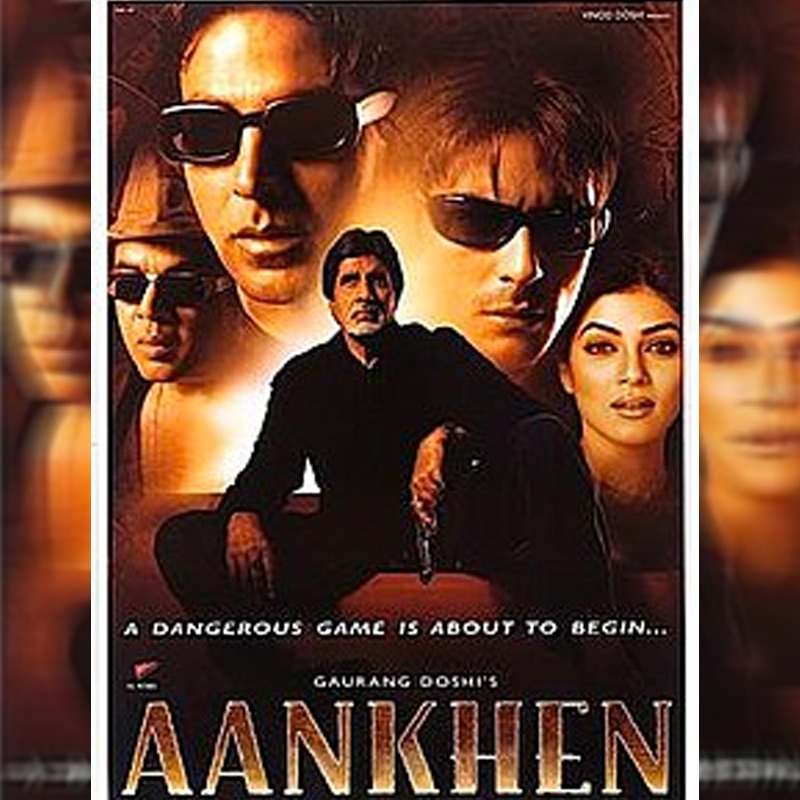
    Though many Hindi films have been adapted from Gujarati stage plays, the recent ones being OMG: Oh! My God (2012: Kanji Virudh Kanji), Waqt: Race Against Time (2005: Aavjo Vahla Fari Malishu), Super Nani  (2014: Baa ae Mari Boundary) and Aankhen (2002: Andhalo Pato), instances of Gujarati film remake in Hindi are rare if not non-existent.

    The film is about a group of college friends whose behavior in class and on the campus is unlike that of other college boys you would see in real life or in films. They hoot behind the teacher’s back, they talk filthy language as if it was the new in-thing. They are loud and always chasing girls and lady instructors. And, the bunch also has one Big Moose kind of brainless hulk which also makes the boys feel invincible.

    The pranks of these boys are supposed to arouse laughter. What really happens through the film is that only those on screen keep laughing failing to take the audience along. The film also makes jokes on physical deformities which is rather rude.

    The film is a flashback into the college life of one of the boys. There is no drama or conclusion as there is no story in the film. The music is loud in keeping with the tone of the film but non-appealing. Direction is amateurish and the editing is poor. The performances are over the top.

    Days OfTafree: In Class Out Of Class is poor in all respects.

    Producers: Anand Pandit and Rashmi Sharma

    Director: Krishnadev Yagnik

    Cast: Nimisha MehtaAnsh BagriSanchay GoswamiSarabjeet Bindra, Anuradha Mukharjee

  • Parched…Dry run at box office

    Parched…Dry run at box office

    MUMBAI: Leena Yadav’s Parched debuted at the Toronto International Film Festival in 2015. Ever since, it has been on the festival circuit extensively till its theatrical release this week.

    Parched is about the state of women in the hinterland. The injustice meted out to women is a part of all societies; while the urban tales do not usually come out, rural stories abound but taken as a way of life till, a film or a story is made on it.

    Parched is about three women in arid Rajasthan, each having her own woes, mainly men-inflicted.These women find solace on the shoulders of each other. The women eventually gather courage to chart their own lives instead of submission.

    Tannishtha Chatterjee is playing a widow with a son of marriageable age. However, the lad is unwilling. Radhika Apte, Tannishtha’s confidante, is not better off either as she is labelled a ‘baanjh’ by her alcoholic husband and subjected to a regular dose of beating. Sharing her pain with Tannishtha is the only solace in her life.

    Surveen Chawla is playing a prostitute. Seemingly liberated, she too has her own problems as she is losing out on business to her younger rivals while also bearing the brunt of the anger of her pimp and others. Surveen has this idea that why all the foul words in Hindi are addressed to women and why can’t they be reversed and used for men?

    Nobody is aware of the desires of women; they seek care, love and, also, sex. Tannishtha has but some solace in a secret admirer who keeps calling her on phone. And, there is this sage like figure, Adil Hussain, who helps Radhika experience a fulfilling life while also assisting her get rid of the social stigma of ‘baanjh’.

    Parched has worthy contribution from all actors. Leena Yadav has rightly chosen a subject that needs a bold approach and executed it well. Her handling of the subject is deft. The cinematography by the American, Russel Carpenter, captures the surroundings well while also justifying the essence of the film. Editing, also entrusted to a foreign technician, Kevin Tent, keeps the process taut.

    This women-centric film is for performers. Tannishtha, Radhika and Surveen do full justice to their roles, while Surveen excels.

    Parched, having already made it to about a dozen film festivals, is one for the laurels while commercially it would appeal to a few at the high-end multiplexes.

    Producers: Ajay Devgn, AssemBajaaj.

    Director: LeenaYadav.

    Cast: RadhikaApte, Tannishtha Chatterjee, Surveen Chawla, Laher Khan, Adil Hussain, Riddhi Sen.

    Days Of Tafree: In Class; Out Of Class….Lacks class!

    Days Of Tafree: In Class-Out Of Class is a youth oriented film with a college background. It is a remake of the Gujarati film, Chhello Divas: A New Beginning (2015).

    Though many Hindi films have been adapted from Gujarati stage plays, the recent ones being OMG: Oh! My God (2012: Kanji Virudh Kanji), Waqt: Race Against Time (2005: Aavjo Vahla Fari Malishu), Super Nani  (2014: Baa ae Mari Boundary) and Aankhen (2002: Andhalo Pato), instances of Gujarati film remake in Hindi are rare if not non-existent.

    The film is about a group of college friends whose behavior in class and on the campus is unlike that of other college boys you would see in real life or in films. They hoot behind the teacher’s back, they talk filthy language as if it was the new in-thing. They are loud and always chasing girls and lady instructors. And, the bunch also has one Big Moose kind of brainless hulk which also makes the boys feel invincible.

    The pranks of these boys are supposed to arouse laughter. What really happens through the film is that only those on screen keep laughing failing to take the audience along. The film also makes jokes on physical deformities which is rather rude.

    The film is a flashback into the college life of one of the boys. There is no drama or conclusion as there is no story in the film. The music is loud in keeping with the tone of the film but non-appealing. Direction is amateurish and the editing is poor. The performances are over the top.

    Days OfTafree: In Class Out Of Class is poor in all respects.

    Producers: Anand Pandit and Rashmi Sharma

    Director: Krishnadev Yagnik

    Cast: Nimisha MehtaAnsh BagriSanchay GoswamiSarabjeet Bindra, Anuradha Mukharjee

  • ‘Days of Tafree’ twists ‘Chello Divas’

    ‘Days of Tafree’ twists ‘Chello Divas’

    MUMBAI: Gujarati blockbuster Chhello Divas will hit cinemas across the country as Days of Tafree – In Class; Out of Class. The movie is produced by Anand Pandit Motion Pictures and Rashmi Sharma Films and will release it on 23 September.

    The film has a fresh star cast which includes Yash Soni, Ansh Bagri, Sanchay Goswami, Sarabjeet Bindra, Nimisha Mehta, Kinjal Rajpriya, Anuradha Mukherjee and Mamta Chowdhary.

    “Chhello Divas enjoys a cult status in Gujarat, and we felt that Days of Tafree had to be made so that the essence of this film is enjoyed by audiences across the country,’ said Pandit.

    “We are confident that all age groups will love the film because ‎it has nostalgia for those out of college and fun for those who are still in college,” added Sharma.

    The movie follows the lives of these seven characters and their journey through college – the highs and lows of youth.

    Written and directed by Krishnadev Yagnik, who echoes the same sentiment, “For fans of Chhello Divas, while they might feel nostalgic about the original, in Days of Tafree, they will see a different twist”.