Category: Hindi

  • IFFI 2016: Korean director Im-kwon Taek receives Lifetime Achievement Award

    IFFI 2016: Korean director Im-kwon Taek receives Lifetime Achievement Award

    NEW DELHI: Internationally acclaimed Korean film director and writer Im Kwon Taek was conferred the prestigious ‘Lifetime Achievement Award’ award at the inauguration of the International Film Festival of India at Panaji in Goa yesterday evening.

    Regarded as the father of Korean cinema for his long and prolific career and his work on Korean themes and subjects, Im Kwon Taek has been honoured with several national and international awards.

    In a brief acceptance speech after receiving the award from the Goa governor Mridula Sinha and information and broadcasting minister M Venkaiah Naidu, Taek said he made some immature films at the start of his career. Now in his eighties, Taek who has made over 100 films said that he had felt embarrassed at the time, and then decided to make films based on Korea and its ancient culture.

    Earlier, at a press meet, he said he personally felt that he had not created a masterpiece yet and this award is a message to make better films in the future.

    His career spans more than five decades and he has made more than 100 films. In 2010, he directed his 101th feature, ‘Hanji’ and his 102th feature, ‘Revivre’ in 2014, which was presented in non-competition section of Venice Film Festival. He received the Lifetime Achievement Award at Asian Film Awards in 2015.

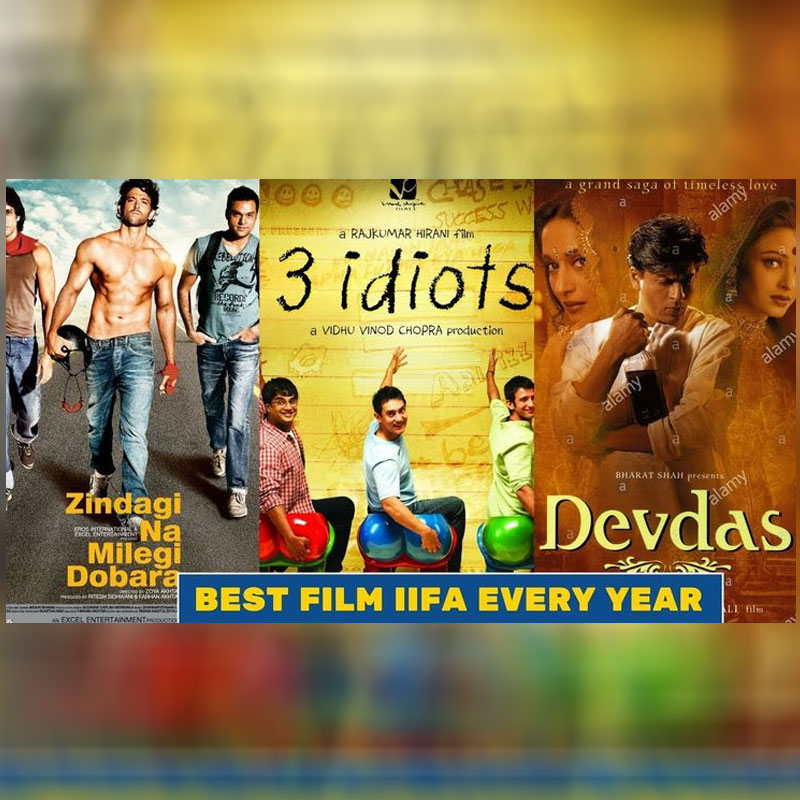
    Talking about the Indian cinema, Im Kwon Taek said that he is fond of the work of Shah Rukh Khan and liked 3 Idiots and Slumdog Millionaire. To a question on influence of India on Korean films, he said that he too has made a film on Buddha and reincarnation. It would be a great opportunity to co-produce films with India, he added.

    The director said he visited India 20 years ago to attend a festival in Thiruvananthapuram (Trivandrum). At that time, he felt like returning home due to cultural difference, but once back home he missed the distinct culture of India.

    Born in 1934 in Jangseong, Jeollanamdo, Im Kwon Taek made about 50 films within a decade, when he studied a variety of film genres including melodrama, musical, action cinema, thriller and comedy from Hollywood and Hong Kong cinema. He was recognized as the leading director of Korean cinema in 1980s.

    In 2000, he directed Chunhyang, the first Korean film in the competition of Cannes Film Festival and Chihwaseon (2002) that won the Best Director Award in Cannes.

  • IFFI 2016: India to encourage film co-production with other countries

    IFFI 2016: India to encourage film co-production with other countries

    NEW DELHI: The Government will encourage film co-production agreements with other countries, information and broadcasting minister M Venkaiah Nadu said while speaking at Film Bazaar set up by the National Films Development Corporation that coincides with International Film Festival of India at Panaji in Goa that opened today.

    He said, “Films are important because they are the cheapest form of entertainment. People need some relief; some sort of happiness. Secondly, films can portray our culture, our heritage. Films also can take the message of India to other places. We have entered into a co-production agreement with different countries as we seek collaboration. The government will definitely encourage this.”

    Going around the Bazaar, he said, “I am very impressed by the Film Bazaar. It is like a film supermarket. You have everything — from incredible locations to screening of the films, along with opportunities to interact with producers. One can also experience seeing films in 3D. Everything required for filmmaking is available here. This will help go a long way in producing films in India and films, in turn, will also encourage tourism and culture of the country.”

    Accompanying the minister were NFDC director – finance N J Shaikh and NFDC director Raja Chhinal, and they spent over an hour going through the Viewing Room, the Knowledge Series session, Producers’ Lab and Co-Production Market, Film Offices.

    Apart from inaugurating a Multimedia Exhibition on ‘Azaadi 70 Saal’, Naidu also held a discussion on the co-production agreement and attendant issues with the delegation from South Korea, which is the focus country this year.

    The NFDC Film Bazaar Virtual Reality lounge in particular was of special interest to him and he spent some time trying out the VR gear powered by Samsung Gear VR, after which he went on to launch the National Film Heritage Mission calendar and website.

    Shaikh later said: “The minister’s walk was very inspiring and morale-boosting for the entire NFDC team. He took a keen interest in the various segments of the Bazaar and interacted with the officials in-charge of different segments, which was very encouraging.”

    Celebrating its tenth edition this year, the annual NFDC Film Bazaar held from 20 to 24 November 2016 has become a beacon for budding filmmakers from South Asia. The platform has been tirelessly evolving into a one-stop shop that encourages collaboration between South Asian and international film fraternities; a confluence point for screenwriters, filmmakers, sales agents, distributors, film festival programmers and financiers from around the world.

    The Bazaar is a platform exclusively created to encourage collaboration between the international and South Asian film fraternities. The market aims at facilitating the sales of world cinema in the region.

    Naidu said cinema should reflect larger social concerns besides focusing on entertainment only. It should focus on promoting national consciousness and social integration as cinema is religion without boundaries. Films should illuminate the mind and heart, engaging audience both intellectually and emotionally. It should expose the people to ideas, problems and developments happening in the society and make them think critically and look for alternate solutions and actions. In a country like India, with its several social problems, a case could be made for social realism in our films. Cinema was a work of art and there has to be a certain ‘take away’ for the audience who gave over two hours of their valuable time for watching a film.

    Speaking at the event held at the newly-constructed Shyama Prasad Mukherjee stadium, he said cinema needed to coexist with reality. It was necessary to pass the test of the ‘2Rs’ – Reason and Reality. Many of the commercial films were crashing because of lack of creative content.
    Giving the example of the movie ‘Sholay’ (as its director Ramesh Sippy was the chief guest at the inauguration), he said the film was a huge success because it was not formulaic in the strict sense though it was a commercial production. The minister added that certain relationships and values were so finely woven into the theme that people across the country made it a landmark film.

    About the role of cinema as a powerful mass communication medium, the minister said cinema spoke with the language of universality rising beyond the limitations of social and geographical boundaries. It promoted rapid diffusion of ideas which manifested themselves consciously or otherwise in the relaxing environments of cinema halls or homes, when the audiences were more susceptible.

    The minister also spoke about the Government initiatives to support the film industry in the form of a single window Film Facilitation Office in National Film Development Corporation and a National Film Heritage Mission to restore and digitise film archives.

    Goa Governor Mridula Sinha, union defence minister Manohar Parikkar, Goa chief minister Laxmikant Parsekar, Korean ambassador Cho Hyun, and I and B secretary Ajay Mittal were also present.

    Parsekar said IFFI provided a common platform to cinematography of the world. The movie selection at IFFI reflected the diversity of world cultures.

    Mittal said that films were one of the most powerful mediums to reach out to society today. IFFI was one of the most prominent film festivals in India and Asia endeavoring to encourage and uphold an exceptional film culture in India.

    The opening film of the festival was the grand masterpiece, After-Image by the late writer and directo Andrzej Wajda from Poland. This movie is a passionate biopic about avant-garde painter Wladyslaw Strzeminski. The closing film or 47th IFFI would be the South Korean official entry for the Academy Awards, The Age of Shadows directed by Kim Jee Woon.

    Apart from other awards, IFFI 2016 in collaboration with the International Council for Film, Television and Audiovisual Communication (ICFT), Paris and UNESCO would also present the “ICFT- UNESCO Gandhi Medal” to a film, which reflects the ideals of peace, tolerance and non-violence.

  • IFFI 2016: India to encourage film co-production with other countries

    IFFI 2016: India to encourage film co-production with other countries

    NEW DELHI: The Government will encourage film co-production agreements with other countries, information and broadcasting minister M Venkaiah Nadu said while speaking at Film Bazaar set up by the National Films Development Corporation that coincides with International Film Festival of India at Panaji in Goa that opened today.

    He said, “Films are important because they are the cheapest form of entertainment. People need some relief; some sort of happiness. Secondly, films can portray our culture, our heritage. Films also can take the message of India to other places. We have entered into a co-production agreement with different countries as we seek collaboration. The government will definitely encourage this.”

    Going around the Bazaar, he said, “I am very impressed by the Film Bazaar. It is like a film supermarket. You have everything — from incredible locations to screening of the films, along with opportunities to interact with producers. One can also experience seeing films in 3D. Everything required for filmmaking is available here. This will help go a long way in producing films in India and films, in turn, will also encourage tourism and culture of the country.”

    Accompanying the minister were NFDC director – finance N J Shaikh and NFDC director Raja Chhinal, and they spent over an hour going through the Viewing Room, the Knowledge Series session, Producers’ Lab and Co-Production Market, Film Offices.

    Apart from inaugurating a Multimedia Exhibition on ‘Azaadi 70 Saal’, Naidu also held a discussion on the co-production agreement and attendant issues with the delegation from South Korea, which is the focus country this year.

    The NFDC Film Bazaar Virtual Reality lounge in particular was of special interest to him and he spent some time trying out the VR gear powered by Samsung Gear VR, after which he went on to launch the National Film Heritage Mission calendar and website.

    Shaikh later said: “The minister’s walk was very inspiring and morale-boosting for the entire NFDC team. He took a keen interest in the various segments of the Bazaar and interacted with the officials in-charge of different segments, which was very encouraging.”

    Celebrating its tenth edition this year, the annual NFDC Film Bazaar held from 20 to 24 November 2016 has become a beacon for budding filmmakers from South Asia. The platform has been tirelessly evolving into a one-stop shop that encourages collaboration between South Asian and international film fraternities; a confluence point for screenwriters, filmmakers, sales agents, distributors, film festival programmers and financiers from around the world.

    The Bazaar is a platform exclusively created to encourage collaboration between the international and South Asian film fraternities. The market aims at facilitating the sales of world cinema in the region.

    Naidu said cinema should reflect larger social concerns besides focusing on entertainment only. It should focus on promoting national consciousness and social integration as cinema is religion without boundaries. Films should illuminate the mind and heart, engaging audience both intellectually and emotionally. It should expose the people to ideas, problems and developments happening in the society and make them think critically and look for alternate solutions and actions. In a country like India, with its several social problems, a case could be made for social realism in our films. Cinema was a work of art and there has to be a certain ‘take away’ for the audience who gave over two hours of their valuable time for watching a film.

    Speaking at the event held at the newly-constructed Shyama Prasad Mukherjee stadium, he said cinema needed to coexist with reality. It was necessary to pass the test of the ‘2Rs’ – Reason and Reality. Many of the commercial films were crashing because of lack of creative content.
    Giving the example of the movie ‘Sholay’ (as its director Ramesh Sippy was the chief guest at the inauguration), he said the film was a huge success because it was not formulaic in the strict sense though it was a commercial production. The minister added that certain relationships and values were so finely woven into the theme that people across the country made it a landmark film.

    About the role of cinema as a powerful mass communication medium, the minister said cinema spoke with the language of universality rising beyond the limitations of social and geographical boundaries. It promoted rapid diffusion of ideas which manifested themselves consciously or otherwise in the relaxing environments of cinema halls or homes, when the audiences were more susceptible.

    The minister also spoke about the Government initiatives to support the film industry in the form of a single window Film Facilitation Office in National Film Development Corporation and a National Film Heritage Mission to restore and digitise film archives.

    Goa Governor Mridula Sinha, union defence minister Manohar Parikkar, Goa chief minister Laxmikant Parsekar, Korean ambassador Cho Hyun, and I and B secretary Ajay Mittal were also present.

    Parsekar said IFFI provided a common platform to cinematography of the world. The movie selection at IFFI reflected the diversity of world cultures.

    Mittal said that films were one of the most powerful mediums to reach out to society today. IFFI was one of the most prominent film festivals in India and Asia endeavoring to encourage and uphold an exceptional film culture in India.

    The opening film of the festival was the grand masterpiece, After-Image by the late writer and directo Andrzej Wajda from Poland. This movie is a passionate biopic about avant-garde painter Wladyslaw Strzeminski. The closing film or 47th IFFI would be the South Korean official entry for the Academy Awards, The Age of Shadows directed by Kim Jee Woon.

    Apart from other awards, IFFI 2016 in collaboration with the International Council for Film, Television and Audiovisual Communication (ICFT), Paris and UNESCO would also present the “ICFT- UNESCO Gandhi Medal” to a film, which reflects the ideals of peace, tolerance and non-violence.

  • Force 2…..Of forced action…

    Force 2…..Of forced action…

    MUMBAI: Force 2 is the sequel to the 2011 movie, Force, which, in turn, was based on the 2003 Tamil film, Kaakha Kaakha. Force was about John Abraham, an ACP level cop, a loner who refuses to marry because that would hamper his work of chasing dreaded criminals. His department is always at war with the narcotics trade, and his life is always at risk. 

    However, love happens: he falls for Genelia D’Souza and marries her, only to lose her in his battle with the drug mafia. The rest is about how he avenges her death.

    In Force 2, John the narcotics cop goes international. He is deputed to assist a RAW agent, Sonakshi Sinha. John’s childhood friend, Freddy Daruwala, a RAW agent along with two other colleagues has been eliminated by the Chinese while on duty there. John receives a book from his friend and concludes that his friend’s cover was blown by one of his own compatriots. 

    John takes it upon himself to avenge his death.

    It is for John and Sonakshi to identify the traitor from among their own and then to neutralize him. Sonakshi does not think much of John, he being a cop while she represents the elite espionage force. She does not take John’s contribution seriously as she would rather go about singling out the traitor in her copybook style.

    The equation changes once John pinpoints the culprit while Sonakshi is still marking the probable suspects. But, much to John’s discomfort, the hierarchy is established. John is supposed to take orders from her even though her bumbling ways and reputation of failing to pull the trigger when needed makes her look more like the hero’s funny sidekick

    The villain, Tahir Bhasin, is identified but nabbing him is not easy. After all, he is also a trained spy. What follows is a chase which lasts through most of the first half of the film. The traitor is smart, always well-prepared and a step ahead of his pursuers. He has backup help from the Chinese to whom he is leaking the names of Indian agents in their country!

    As John and Sonakshi catch up with Bhasin, he is always saved by his handlers. Whenever that happens, John and Sonakshi are sitting ducks for them but they, it seems, want to chase to go on!

    Why would an Indian and a RAW agent at that be leaking information? He has his reasons on which the whole premise of the film is based. He is seeking revenge from someone high up in the Indian establishment. And, that is where the finale shall take place.

    The film starts off on an exciting note in the backdrop of China where three agents’ cover has been blown and the way they are killed. But, no, the fight here is not with the Chinese, they are just incidental. It’s all about the enemy within and that takes away some fun to start with.

    After that the action shifts to Budapest for rest of the film but, besides the change of scene as far as the location is concerned, the chases and the one-upmanship game have been seen before and get repetitive. The concept, as mentioned earlier, is based on a premise that is not familiar. Nowhere is the public privy to life of a RAW agent, let alone it being flashed on media like a local incident.

    While the pace is swift as most of the footage goes to action and chases with none wasted on romance or singing and dancing, it also means the film has no distractions as in variety. The script is on predictable lines. The direction, in such an event, is all about sticking to action with little attention to script. 

    The climax takes the audience for granted. Dialogue, especially the lines penned for Tahir, is good. The action is well executed and John, to his credit, makes them look plausible. John also looks sincere about his role of a cop on a rebound. Sonakshi shows little variation in expressions whether she is talking about her mistake which cost five cops their lives or in any other situation. The background score is effective.

    Force 2 is a below average action thriller.

    Producers: Vipul Amrutlal Shah.
    Director: Abhinay Deo.
    Cast: John Abraham, Sonakshi Sinha, Tahir Bhasin, Adil Hussain, Raj Babbar.

    Tum Bin 2….Old wine gone flat

    Tum Bin 2 is a sequel to 2001 film, Tum Bin, a musical love triangle. The sequel, also directed by Anubhav Sinha, comes rather late as far as sequels go, as the idea seems to be to cash in on the current trend of sequels and also to put to use a successful franchise. Tum Bin 2 follows almost same storyline as the original.

    Ashim Gulati and Neha Sharma are a pair and live an eventful life full of fun. On one of their days out skiing, Ashim meets with an accident. After attempts to trace him, all hopes are given up on his survival. Neha is devastated and withdraws from the world outside.

    This is when Neha meets Aditya Seal through Ashim’s father, Kanwaljeet Singh. Aditya gets busy helping Neha out of her grief. He also gets her involved in her work. Neha gradually starts living a normal life while also getting attracted to Aditya. Just when lives of all connected seem to be hunky-dory, it takes a turn to bring in the ever so popular and old-fashioned twist.

    Ashim is not dead after all. It is now a love triangle and Neha is faced with her past and present loves.

    There is nothing new to the story about the past catching up and the one in a quandary is always the woman. Tum Bin 2 does not vary from its original and retains the same glitches in the script as well. 

    The forte in the original was its soundtrack which worked in the film’s favour. Here, the music falls short of expectation. Retaining an old Jagjit Singh number from the earlier version is not much help.

    Direction is fair. Dialogue is routine. Cinematography makes the viewing pleasant. Performance wise, Neha Sharma and Aditya Seal do well. Ashim Gulati has little to do in the first half; he is okay.

    Tum Bin 2 faces some tough challenges. It comes at a time when demonetisation has affected box office collections all over; the film needed stronger musical score and, the length of 141 minutes (shortened by six minutes from the original censored length of 147) is too lengthy for a love story without any known faces.

    Producers: Bhushan Kumar, Krishan Kumar, Anubhav Sinha.
    Director: Anubhav Sinha.
    Cast: Aditya Seal, Neha Sharma, Ashim Gulati, Kanwaljeet Singh.

  • Force 2…..Of forced action…

    Force 2…..Of forced action…

    MUMBAI: Force 2 is the sequel to the 2011 movie, Force, which, in turn, was based on the 2003 Tamil film, Kaakha Kaakha. Force was about John Abraham, an ACP level cop, a loner who refuses to marry because that would hamper his work of chasing dreaded criminals. His department is always at war with the narcotics trade, and his life is always at risk. 

    However, love happens: he falls for Genelia D’Souza and marries her, only to lose her in his battle with the drug mafia. The rest is about how he avenges her death.

    In Force 2, John the narcotics cop goes international. He is deputed to assist a RAW agent, Sonakshi Sinha. John’s childhood friend, Freddy Daruwala, a RAW agent along with two other colleagues has been eliminated by the Chinese while on duty there. John receives a book from his friend and concludes that his friend’s cover was blown by one of his own compatriots. 

    John takes it upon himself to avenge his death.

    It is for John and Sonakshi to identify the traitor from among their own and then to neutralize him. Sonakshi does not think much of John, he being a cop while she represents the elite espionage force. She does not take John’s contribution seriously as she would rather go about singling out the traitor in her copybook style.

    The equation changes once John pinpoints the culprit while Sonakshi is still marking the probable suspects. But, much to John’s discomfort, the hierarchy is established. John is supposed to take orders from her even though her bumbling ways and reputation of failing to pull the trigger when needed makes her look more like the hero’s funny sidekick

    The villain, Tahir Bhasin, is identified but nabbing him is not easy. After all, he is also a trained spy. What follows is a chase which lasts through most of the first half of the film. The traitor is smart, always well-prepared and a step ahead of his pursuers. He has backup help from the Chinese to whom he is leaking the names of Indian agents in their country!

    As John and Sonakshi catch up with Bhasin, he is always saved by his handlers. Whenever that happens, John and Sonakshi are sitting ducks for them but they, it seems, want to chase to go on!

    Why would an Indian and a RAW agent at that be leaking information? He has his reasons on which the whole premise of the film is based. He is seeking revenge from someone high up in the Indian establishment. And, that is where the finale shall take place.

    The film starts off on an exciting note in the backdrop of China where three agents’ cover has been blown and the way they are killed. But, no, the fight here is not with the Chinese, they are just incidental. It’s all about the enemy within and that takes away some fun to start with.

    After that the action shifts to Budapest for rest of the film but, besides the change of scene as far as the location is concerned, the chases and the one-upmanship game have been seen before and get repetitive. The concept, as mentioned earlier, is based on a premise that is not familiar. Nowhere is the public privy to life of a RAW agent, let alone it being flashed on media like a local incident.

    While the pace is swift as most of the footage goes to action and chases with none wasted on romance or singing and dancing, it also means the film has no distractions as in variety. The script is on predictable lines. The direction, in such an event, is all about sticking to action with little attention to script. 

    The climax takes the audience for granted. Dialogue, especially the lines penned for Tahir, is good. The action is well executed and John, to his credit, makes them look plausible. John also looks sincere about his role of a cop on a rebound. Sonakshi shows little variation in expressions whether she is talking about her mistake which cost five cops their lives or in any other situation. The background score is effective.

    Force 2 is a below average action thriller.

    Producers: Vipul Amrutlal Shah.
    Director: Abhinay Deo.
    Cast: John Abraham, Sonakshi Sinha, Tahir Bhasin, Adil Hussain, Raj Babbar.

    Tum Bin 2….Old wine gone flat

    Tum Bin 2 is a sequel to 2001 film, Tum Bin, a musical love triangle. The sequel, also directed by Anubhav Sinha, comes rather late as far as sequels go, as the idea seems to be to cash in on the current trend of sequels and also to put to use a successful franchise. Tum Bin 2 follows almost same storyline as the original.

    Ashim Gulati and Neha Sharma are a pair and live an eventful life full of fun. On one of their days out skiing, Ashim meets with an accident. After attempts to trace him, all hopes are given up on his survival. Neha is devastated and withdraws from the world outside.

    This is when Neha meets Aditya Seal through Ashim’s father, Kanwaljeet Singh. Aditya gets busy helping Neha out of her grief. He also gets her involved in her work. Neha gradually starts living a normal life while also getting attracted to Aditya. Just when lives of all connected seem to be hunky-dory, it takes a turn to bring in the ever so popular and old-fashioned twist.

    Ashim is not dead after all. It is now a love triangle and Neha is faced with her past and present loves.

    There is nothing new to the story about the past catching up and the one in a quandary is always the woman. Tum Bin 2 does not vary from its original and retains the same glitches in the script as well. 

    The forte in the original was its soundtrack which worked in the film’s favour. Here, the music falls short of expectation. Retaining an old Jagjit Singh number from the earlier version is not much help.

    Direction is fair. Dialogue is routine. Cinematography makes the viewing pleasant. Performance wise, Neha Sharma and Aditya Seal do well. Ashim Gulati has little to do in the first half; he is okay.

    Tum Bin 2 faces some tough challenges. It comes at a time when demonetisation has affected box office collections all over; the film needed stronger musical score and, the length of 141 minutes (shortened by six minutes from the original censored length of 147) is too lengthy for a love story without any known faces.

    Producers: Bhushan Kumar, Krishan Kumar, Anubhav Sinha.
    Director: Anubhav Sinha.
    Cast: Aditya Seal, Neha Sharma, Ashim Gulati, Kanwaljeet Singh.

  • Box Office: Demonetisation adds to sequel woes

    Box Office: Demonetisation adds to sequel woes

    MUMBAI: Attempts to cash in on the trend of sequels is not working. In most cases, the sequel has nothing to do with the original, content-wise and, when there is some connection, the content is poor. Both the releases of the week, Rock On II and Chaar Sahibzaade: Rise Of Banda Singh Bahadur, are sequels.

    Both have met with a miserable fate at the box office. There was an added factor of the demonetization of the currency notes of Rs 500 and 1,000 which affected all businesses including cinema which is not really a priority in such a situation. The situation may even lead to the postponement of one or two films due for release soon.

    *Rock On II, sequel to the 2008 film Rock On, lacked in just about every department, be it script, content, romance and, mainly, music; not a single song worth humming considering this is a musical. With all these aspects being poor, the film’s length of 139 minute becomes telling on the viewer.

    The film had a poor opening on day one, showed little improvement on Saturday as well as on Sunday ending its first weekend with Rs 6.2 crore. The number of shows per screen have been reduced today onwards.

    *Chaar Sahibzaade: Rise Of Banda Singh Bahadur (3-D: Animation) takes forward the story of the merciless killing of four sons of Guru Gobind Sikh, the tenth Sikh Guru. The Guru decides to end the tradition of guru and, instead, appoints one of his disciples, Banda Singh, to carry out certain tasks to safeguard the sect. Rather than get to the story, the film takes too much time getting into repeating the story from the first part and, a 134 minute animation film is stretching it thin.

    The film fell much short of its first part and the collections remained in lakhs through the weekend.

    *Ae Dil Hai Mushkil, with nil opposition, managed to collect Rs 20.4 crore in its second week taking its two week total to Rs 98.6 crore.

    *Shivaay managed to rake in Rs 16.4 crore in its second week as the film’s vigorous promotion continued and there were no major releases for a choice for the moviegoer. The film takes its two week tally to Rs 81.5 crore.

  • Box Office: Demonetisation adds to sequel woes

    Box Office: Demonetisation adds to sequel woes

    MUMBAI: Attempts to cash in on the trend of sequels is not working. In most cases, the sequel has nothing to do with the original, content-wise and, when there is some connection, the content is poor. Both the releases of the week, Rock On II and Chaar Sahibzaade: Rise Of Banda Singh Bahadur, are sequels.

    Both have met with a miserable fate at the box office. There was an added factor of the demonetization of the currency notes of Rs 500 and 1,000 which affected all businesses including cinema which is not really a priority in such a situation. The situation may even lead to the postponement of one or two films due for release soon.

    *Rock On II, sequel to the 2008 film Rock On, lacked in just about every department, be it script, content, romance and, mainly, music; not a single song worth humming considering this is a musical. With all these aspects being poor, the film’s length of 139 minute becomes telling on the viewer.

    The film had a poor opening on day one, showed little improvement on Saturday as well as on Sunday ending its first weekend with Rs 6.2 crore. The number of shows per screen have been reduced today onwards.

    *Chaar Sahibzaade: Rise Of Banda Singh Bahadur (3-D: Animation) takes forward the story of the merciless killing of four sons of Guru Gobind Sikh, the tenth Sikh Guru. The Guru decides to end the tradition of guru and, instead, appoints one of his disciples, Banda Singh, to carry out certain tasks to safeguard the sect. Rather than get to the story, the film takes too much time getting into repeating the story from the first part and, a 134 minute animation film is stretching it thin.

    The film fell much short of its first part and the collections remained in lakhs through the weekend.

    *Ae Dil Hai Mushkil, with nil opposition, managed to collect Rs 20.4 crore in its second week taking its two week total to Rs 98.6 crore.

    *Shivaay managed to rake in Rs 16.4 crore in its second week as the film’s vigorous promotion continued and there were no major releases for a choice for the moviegoer. The film takes its two week tally to Rs 81.5 crore.

  • Rock On II….Rock Bottom!

    Rock On II….Rock Bottom!

    Rock On II has a different director in Shujaat Saudagar, the first one, Rock On (2008) having been directed by Abhishek Kapoor. The lead actors, however, remain the same. After all, there has to be some identification with the original for it has been eight years since the original. 

    Farhan Akhtar, Arjun Rampal and Purab Kohli, the members of the band Magik, remain friends though the band has been disintegrated. Farhan, married and father of a son, has moved to Meghalaya helping the local farmers with his cooperative movement as well as running a school. He has left his wife, Prachi Desai, and son behind. Arjun Rampal owns a club leaving behind his deprived childhood. Purab Kohli runs a studio composing jingles for his clients. 

    The wherewithal of the characters having been established, the film now moves towards reuniting the band, Magik, and regain its past glory and the happier times. Arjun, Purab and Prachi pay Farhan a visit on the eve of his birthday and, soon enough, he is convinced to return to Mumbai to give their band a second chance. 

    If that were the purpose of making the sequel, the film would have been fun with the help of some good tunes. But, the film now opens up multiple tracks: a boy who is an exponent in playing Sarod Shashank Arora, a reluctant song writer and singer, Shraddha Kapoor, her father, Kumud Mishra, a classical Indian music maestro who desists pop music as also its fusion with Indian music. 

    Then there is a track of an aspiring musician whose suicide haunts Farhan, besides the exploitation of the farmers under Farhan’s cooperative by a cartel.  To add to all these tracks, there is one where the farmer members of Farhan’s movement are victims of a forest fires, all their crops destroyed leaving them starving.

    The muddled bunch of stories never connect with each other and the film jumps from one thread to another leaving loose ends in the process. For some substance during gaps, the story goes into flashbacks of the earlier days of the group keeping the present events aside. 

    After a number of forced incidents, the band is now ready to relaunch and the cause is found; it will perform in Shillong to raise funds for the fire affected farmers. Even while this is being planned a few more side tracks play the villain to ruin the concert. But once the mood is set by Usha Uthup rendering the opening number of the concert, crowds from all over swell the venue. 

    The writing is disjointed and twisted and turned on whim. Shraddha has a partner in Arora but just to link her with Farhan, one fine evening, Prachi comes and declares to him that they are no more compatible. This paves the way for Shraddha to keep eyeing Farhan with suggestive looks! The concert venue along with the sound system is ransacked by local goons but, magically, replaced by a chela of Arjun. The film is full of such fillers inserted as per convenience. 

    The idea to bring back the band story with middle-aged actors looks passé as even on English music scene, groups are now limited to rock; it is mostly solo performers topping the charts. Even the musical score required for such a film is a let down here.   This is a tough film to edit and it shows all over. Dialogue is mediocre. 

    There is nothing much to the performances as Farhan seems to monopolize the footage. Arjun makes his presence felt though. Shraddha’s part is about carrying a sad face through most of the film till she singles out Farhan for her smiles and meaningful looks. Prachi and ShahanGoswami have little footage. Shashank does well. 

    Rock On 2 fails to qualify as a musical as well as a feel good film. Too slow and heavy on head, it has had a very poor opening and the public reports will only add to its misery. 

    Producers: Farhan Akhtar, RiteshSidhwani.

    Director: ShujaatSaudagar. 

    Cast: ShraddhaKapoor, Farhan Akhtar, Arjun Rampal, PurabKohli,Shashank Arora, Prachi Desai, Shahana Goswami, Kumud Mishra. 

    Dongri Ka Raja….No dons please!

    Looks like every aspiring or new director worth his salt wants to make a film on underworld folk stories set in the once famous “Mumbai-3” as it was known, or the Dongri area. No matter that these stories and their imagined versions have been done to death. There is no Deewaar to be made anymore as many recent Mumbai underworld films have proved.

    The director, Hadi Ali Abrar, and writer, M Salim, come up with an emotional love saga about a Dongri don, his excuse of a wife, their adopted Hindu son and the son’s love story. Things get complicated and repetitive but here is an attempt to decode it:

    Ronit Roy is the dreaded don who operates from Dongri. He seems to have married a woman, Ashwini Kalsekar, out of some compulsion and there is no love lost between the two. The don’s two-man army consists of a Hindu Man-Friday and his adopted Hindu son, Gashmeer Mahajani. Mahajani is much loved by Ashwini, just like her own son. This equation takes time to come through and fathom. 

    Gashmeer is Ronit’s most trusted sharpshooter who usually wears the uniform of a known police inspector, Ashmit Patel, when shooting a rival. As is the tradition with love stories which went on to become folklore, Gashmeer falls in love with Richa Sinha, who, it turns out, is the sister of inspector Ashmit. 

    Her romance with Gashmeer — is it just a ploy, or real?

    It is surprising that the police, instead of targeting Ronit, the force behind all the illegal activities, is chasing his shooter! The rest of the film is about Richa’s merry-go-round; when she is not with her brother and his cause, she is with Gashmeer, her love. She betrays Ashmit and Gashmeer in turns. Gashmeer and Ashmit play chor sipahee through the film leaving Ronit out of contention to be never seen again even as the film ends.

    Dongri Ka Raja is a contrived, amateurish don story living by the stereotype that a don has to be a Muslim, dreaded by all just because you are told so. The story idea, scripting, direction, dialogue are all poor. Performances are stagey and even Ronit Roy does not bother to vary his single expression. Gashmeer Mahajani is good in parts. 
    Dongri Ka Raja is as passé as once upon a time stories.

    Producer: PS Chhatwal. 

    Director: Hadi Ali Abrar.

    Cast: Ronit Roy, Gashmeer Mahajani, Ashmit Patel, Reecha Sinha, Ashwini Kalsekar, Sachin Suvarna, Gulshan Pandey. 

    Chaar Sahibzaade: Rise Of Banda Singh Bahadur (3-D: Animation)….Limited appeal

    Chaar Sahibzaade: The Rise Of Banda Singh Bahadur (3-D: Animation) comes as a sequel to the maker Harry Baweja’s earlier film, Chaar Sahibzaade (also 3-D: Animation-2014), about the martyrdom of four young sons of the the tenth Sikh Guru, Guru Gobind Singh. The earlier film dealt with the Sikh community’s various battles with the invading Mughals and their harsh ways of meting out justice as well as about Sikhs’ defending the religion against forcible conversion.

    This film tells the story of the Sikh religion and its warriors post Guru Gobind Singh.

    The Sikhs are fighting a valiant battle against the tyranny of Mughals, especially the sadist subedaar of Sirhind, Wazir Khan. Wazir, who had killed the two older sons (aged 18 and 14) of Guru Gobind Singh, imprisons the two younger sons (aged 9 and 7) of the Guru, to suffocate them to death.

    The fights have now taken the form of deceit. The Sikh army is small but impenetrable and Wazir Khan wants Guru Gobind Singh dead. He deputes two of his men to sneak into the Sikh camp and assassinate Guru Gobind Singh. Guru Gobind Singh is hurt and survives only to die a slow death of blood poisoning.

    Guru has no heir apparent left and he does not want the Sikh faith to suffer the same fate as the Caliphate did. He declares the end of Guru System, declares Guru Granth Saahib as the ultimate and perpetual Guru of the Faith. He appoints one of his trusted disciples, Banda Singh, to settle scores with Wazir Khan with five selected wise Sikh men called Panj Pyare, as the deciding council to help and guide Banda Singh as well as to check on him.

    Banda Singh and his five-man council go on to tackle Mughals, help their victims and build an army to finally take on the might on Wazir Khan.

    The story is about Banda Singh and how he succeeds in sustaining and furthering the Sikh religion. But, Harry Baweja takes his time in coming to that part as he uses most of the first half of the film in retelling the story of four sons of Guru Gobind Singh which has already been the story of the previous film. This stretches the duration to 140 minutes, which is rather lengthy for a community-based animation film.

    The narration is like a bedtime story, too much detail in a linear manner creating no interesting moments. There is no conclusion to the Banda Singh story leaving an option open to carry on the saga further. Dialogue and rest of the approach is monotonous. The musical score is inspiring. Om Puri does the narrative voiceover as he did in the earlier film. Animation and the 3-D effects are okay.

    Chaar Sahibzaade: Rise Of Banda Singh Bahadur is aimed mainly at the Sikh community which appreciated the first film. The returns with the sequel are likely to show diminishing returns because of a huge part of the film being a repeat of the original.

    Producer: Pammi Baweja.

    Director: Harry Baweja.

    Voice: Om Puri and others

  • Rock On II….Rock Bottom!

    Rock On II….Rock Bottom!

    Rock On II has a different director in Shujaat Saudagar, the first one, Rock On (2008) having been directed by Abhishek Kapoor. The lead actors, however, remain the same. After all, there has to be some identification with the original for it has been eight years since the original. 

    Farhan Akhtar, Arjun Rampal and Purab Kohli, the members of the band Magik, remain friends though the band has been disintegrated. Farhan, married and father of a son, has moved to Meghalaya helping the local farmers with his cooperative movement as well as running a school. He has left his wife, Prachi Desai, and son behind. Arjun Rampal owns a club leaving behind his deprived childhood. Purab Kohli runs a studio composing jingles for his clients. 

    The wherewithal of the characters having been established, the film now moves towards reuniting the band, Magik, and regain its past glory and the happier times. Arjun, Purab and Prachi pay Farhan a visit on the eve of his birthday and, soon enough, he is convinced to return to Mumbai to give their band a second chance. 

    If that were the purpose of making the sequel, the film would have been fun with the help of some good tunes. But, the film now opens up multiple tracks: a boy who is an exponent in playing Sarod Shashank Arora, a reluctant song writer and singer, Shraddha Kapoor, her father, Kumud Mishra, a classical Indian music maestro who desists pop music as also its fusion with Indian music. 

    Then there is a track of an aspiring musician whose suicide haunts Farhan, besides the exploitation of the farmers under Farhan’s cooperative by a cartel.  To add to all these tracks, there is one where the farmer members of Farhan’s movement are victims of a forest fires, all their crops destroyed leaving them starving.

    The muddled bunch of stories never connect with each other and the film jumps from one thread to another leaving loose ends in the process. For some substance during gaps, the story goes into flashbacks of the earlier days of the group keeping the present events aside. 

    After a number of forced incidents, the band is now ready to relaunch and the cause is found; it will perform in Shillong to raise funds for the fire affected farmers. Even while this is being planned a few more side tracks play the villain to ruin the concert. But once the mood is set by Usha Uthup rendering the opening number of the concert, crowds from all over swell the venue. 

    The writing is disjointed and twisted and turned on whim. Shraddha has a partner in Arora but just to link her with Farhan, one fine evening, Prachi comes and declares to him that they are no more compatible. This paves the way for Shraddha to keep eyeing Farhan with suggestive looks! The concert venue along with the sound system is ransacked by local goons but, magically, replaced by a chela of Arjun. The film is full of such fillers inserted as per convenience. 

    The idea to bring back the band story with middle-aged actors looks passé as even on English music scene, groups are now limited to rock; it is mostly solo performers topping the charts. Even the musical score required for such a film is a let down here.   This is a tough film to edit and it shows all over. Dialogue is mediocre. 

    There is nothing much to the performances as Farhan seems to monopolize the footage. Arjun makes his presence felt though. Shraddha’s part is about carrying a sad face through most of the film till she singles out Farhan for her smiles and meaningful looks. Prachi and ShahanGoswami have little footage. Shashank does well. 

    Rock On 2 fails to qualify as a musical as well as a feel good film. Too slow and heavy on head, it has had a very poor opening and the public reports will only add to its misery. 

    Producers: Farhan Akhtar, RiteshSidhwani.

    Director: ShujaatSaudagar. 

    Cast: ShraddhaKapoor, Farhan Akhtar, Arjun Rampal, PurabKohli,Shashank Arora, Prachi Desai, Shahana Goswami, Kumud Mishra. 

    Dongri Ka Raja….No dons please!

    Looks like every aspiring or new director worth his salt wants to make a film on underworld folk stories set in the once famous “Mumbai-3” as it was known, or the Dongri area. No matter that these stories and their imagined versions have been done to death. There is no Deewaar to be made anymore as many recent Mumbai underworld films have proved.

    The director, Hadi Ali Abrar, and writer, M Salim, come up with an emotional love saga about a Dongri don, his excuse of a wife, their adopted Hindu son and the son’s love story. Things get complicated and repetitive but here is an attempt to decode it:

    Ronit Roy is the dreaded don who operates from Dongri. He seems to have married a woman, Ashwini Kalsekar, out of some compulsion and there is no love lost between the two. The don’s two-man army consists of a Hindu Man-Friday and his adopted Hindu son, Gashmeer Mahajani. Mahajani is much loved by Ashwini, just like her own son. This equation takes time to come through and fathom. 

    Gashmeer is Ronit’s most trusted sharpshooter who usually wears the uniform of a known police inspector, Ashmit Patel, when shooting a rival. As is the tradition with love stories which went on to become folklore, Gashmeer falls in love with Richa Sinha, who, it turns out, is the sister of inspector Ashmit. 

    Her romance with Gashmeer — is it just a ploy, or real?

    It is surprising that the police, instead of targeting Ronit, the force behind all the illegal activities, is chasing his shooter! The rest of the film is about Richa’s merry-go-round; when she is not with her brother and his cause, she is with Gashmeer, her love. She betrays Ashmit and Gashmeer in turns. Gashmeer and Ashmit play chor sipahee through the film leaving Ronit out of contention to be never seen again even as the film ends.

    Dongri Ka Raja is a contrived, amateurish don story living by the stereotype that a don has to be a Muslim, dreaded by all just because you are told so. The story idea, scripting, direction, dialogue are all poor. Performances are stagey and even Ronit Roy does not bother to vary his single expression. Gashmeer Mahajani is good in parts. 
    Dongri Ka Raja is as passé as once upon a time stories.

    Producer: PS Chhatwal. 

    Director: Hadi Ali Abrar.

    Cast: Ronit Roy, Gashmeer Mahajani, Ashmit Patel, Reecha Sinha, Ashwini Kalsekar, Sachin Suvarna, Gulshan Pandey. 

    Chaar Sahibzaade: Rise Of Banda Singh Bahadur (3-D: Animation)….Limited appeal

    Chaar Sahibzaade: The Rise Of Banda Singh Bahadur (3-D: Animation) comes as a sequel to the maker Harry Baweja’s earlier film, Chaar Sahibzaade (also 3-D: Animation-2014), about the martyrdom of four young sons of the the tenth Sikh Guru, Guru Gobind Singh. The earlier film dealt with the Sikh community’s various battles with the invading Mughals and their harsh ways of meting out justice as well as about Sikhs’ defending the religion against forcible conversion.

    This film tells the story of the Sikh religion and its warriors post Guru Gobind Singh.

    The Sikhs are fighting a valiant battle against the tyranny of Mughals, especially the sadist subedaar of Sirhind, Wazir Khan. Wazir, who had killed the two older sons (aged 18 and 14) of Guru Gobind Singh, imprisons the two younger sons (aged 9 and 7) of the Guru, to suffocate them to death.

    The fights have now taken the form of deceit. The Sikh army is small but impenetrable and Wazir Khan wants Guru Gobind Singh dead. He deputes two of his men to sneak into the Sikh camp and assassinate Guru Gobind Singh. Guru Gobind Singh is hurt and survives only to die a slow death of blood poisoning.

    Guru has no heir apparent left and he does not want the Sikh faith to suffer the same fate as the Caliphate did. He declares the end of Guru System, declares Guru Granth Saahib as the ultimate and perpetual Guru of the Faith. He appoints one of his trusted disciples, Banda Singh, to settle scores with Wazir Khan with five selected wise Sikh men called Panj Pyare, as the deciding council to help and guide Banda Singh as well as to check on him.

    Banda Singh and his five-man council go on to tackle Mughals, help their victims and build an army to finally take on the might on Wazir Khan.

    The story is about Banda Singh and how he succeeds in sustaining and furthering the Sikh religion. But, Harry Baweja takes his time in coming to that part as he uses most of the first half of the film in retelling the story of four sons of Guru Gobind Singh which has already been the story of the previous film. This stretches the duration to 140 minutes, which is rather lengthy for a community-based animation film.

    The narration is like a bedtime story, too much detail in a linear manner creating no interesting moments. There is no conclusion to the Banda Singh story leaving an option open to carry on the saga further. Dialogue and rest of the approach is monotonous. The musical score is inspiring. Om Puri does the narrative voiceover as he did in the earlier film. Animation and the 3-D effects are okay.

    Chaar Sahibzaade: Rise Of Banda Singh Bahadur is aimed mainly at the Sikh community which appreciated the first film. The returns with the sequel are likely to show diminishing returns because of a huge part of the film being a repeat of the original.

    Producer: Pammi Baweja.

    Director: Harry Baweja.

    Voice: Om Puri and others

  • Rama goes unnoticed; ‘Ae Dil…’ made Rs 78 cr, Shivaay Rs 28 cr in first week

    Rama goes unnoticed; ‘Ae Dil…’ made Rs 78 cr, Shivaay Rs 28 cr in first week

    This week had a solo release, Mahayoddha Rama (Animation); the week after Diwali saw two releases, namely, Shivaay and Ae Dil Hai Mushkil. However, the film, lying in cans for eight years now, failed to draw audience. Lacking in publicity and promotion, the film went unnoticed.

    Ae Dil Hai Mushkil had a below par opening and, as the reports that came out from the early audience went against the film, it deteriorated on Saturday and Sunday leading to a weak opening weekend of Rs 35.25 crore. However, after Diwali, the film peaked on Monday almost doubling its opening day figures. The collections remained strong even on Tuesday, being a holiday and a day of family outing. Wednesday onwards, the film found its own level to match its merit as the collections dropped for the film to close its first week with a tally of Rs 78.2crore.

    hivaay, Ajay Devgn’s second attempt at direction with this action adventure, did not generate the expected anxiety and faced a poor opening day response. The collections remained static on the lower side on Saturday and Sunday as the film could put together just Rs 27.8 crore for its first weekend braving dull Diwali days.

    However, the next two days into the new week, the film made the most of two holidays on Monday and Tuesday as the collections on both days took a massive leap. By then, Devgn had also deleted about 10 minutes of length from the film following reports of the 172 minute length affecting collections.

    Collections dropped thereafter on Wednesday and Thursday as the film collected Rs 65.1crore for its first week.

    Minor releases like 31st October (tax free in Punjab), My Father Iqbal, Ek Tera Saath, Gandhigiri rated as total loss projects.

    Motu Patlu (3-D; Animation) added about Rs 10 lakh in its third week to take its three week total to Rs 4.25 crore.