Category: Hindi

  • Akshay Kumar tops advance tax payment in B’wood

    Akshay Kumar tops advance tax payment in B’wood

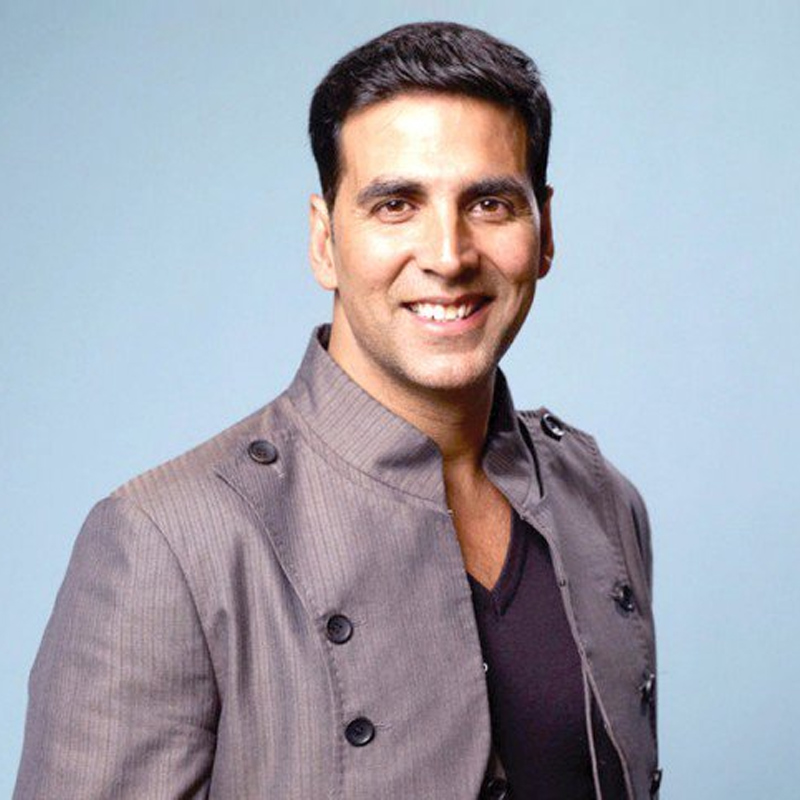
    MUMBAI: After the deadline for paying the final installment of advance tax for both corporates and individuals expired on 15 March, Akshay Kumar has emerged as Bollywood‘s top advance taxpayer for the sixth consecutive year when he paid Rs 180 million.

    Last year Akshay gave a series of hits in films like Special 26, Khiladi 786, Housefull 2, Rowdy Rathore and Oh My God!

    Close on the heels of Akshay Kumar was Salman Khan who paid Rs 110 million. The actor had two big releases viz Ek Tha Tiger and Dabangg 2 that totally made more than Rs 2.5 billion at the box office in 2012.

    While Shah Rukh Khan paid Rs 105 million, Aamir Khan returned with a seven-fold year-on-year increase by paying Rs 75 million. Shahid Kapoor‘s tax payout remained unchanged at Rs 10 million this year.

    Among Bollywood‘s leading ladies, Katrina Kaif paid the highest tax of Rs 45 million while Kareena Kapoor Khan is said to have paid Rs 40 million. Priyanka Chopra paid Rs 20 million.

    About 1.35 million returns were filed between 10 February and 10 March, an increase of more than 15 per cent over the 1.08 million returns filed in the year-ago period.

  • Off-beat  films win top awards in 60th National Film Awards

    Off-beat films win top awards in 60th National Film Awards

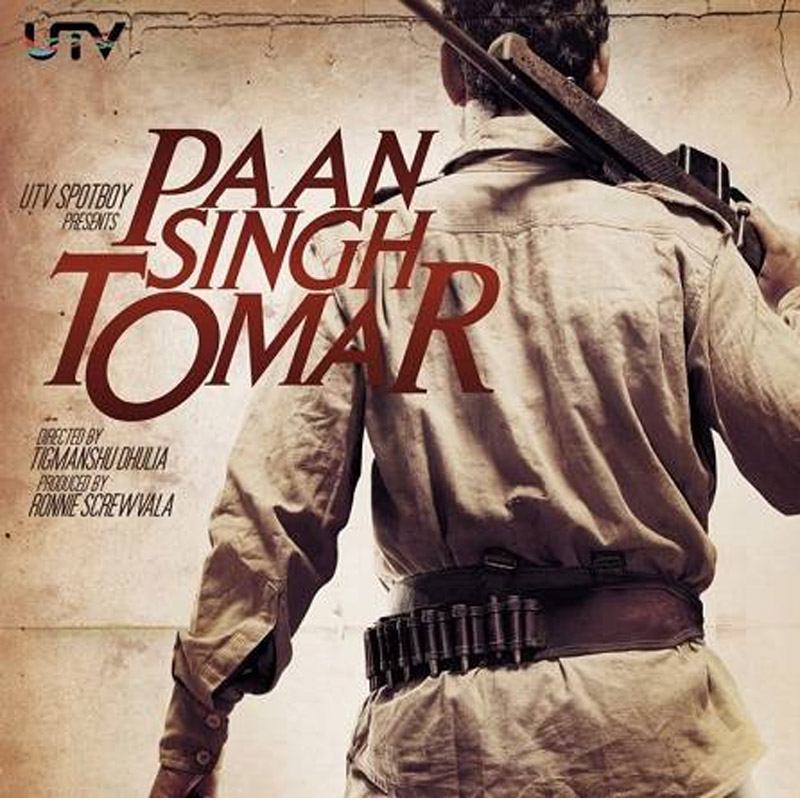
    NEW DELHI: The Hindi film ‘Paan Singh Tomar’ by Tigmanshu Dhulia has been selected as the best feature film of 2012 with its protagonist Irrfan Khan sharing the best actor award with the veteran Vikram Gokhale for the film Anumati in Marathi, while Usha Jadhav gets the actress award for her performance in Dhag (Marathi).

    Marathi films have bagged another prominent award with Dhag director Shivaji Lolan Patil getting the best director award.

    In the Feature Film category, a total of 38 films from 14 languages have been selected for the 60th National Awards. Clearly demonstrating the emergence of quality cinema in 2012 in different languages, many awards have been shared by two different films or artistes.

    In the non-feature film category, the award for the Best Film has been conferred on Shepherds of Paradise (Gojri & Urdu) produced and directed by Raja Shabir Khan. In the category of Best Writing on Cinema section, the book Silent Cinema in India – A Pictorial Journey (English) written by the veteran B D Garga and published by Harper Collins Publisher India has bagged the top honour while P S Radhakrishnan has been conferred the award for the Best film Critic with Piyush Roy getting a special mention in this category.

    Chittagong (Hindi) and 101 Chodiyangal (Malayalam) have shared the Indira Gandhi award for the Best Debut Film of a Director for Bedaprata Pain and Siddhartha Siva respectively. The award for the Best Popular Film for providing wholesome entertainment has been shared by Vicky Donor (Hindi) by Shoojit Sircar and Ustad Hotel (Malayalam) by Anwar Rashid.

    Thespian Anu Kapoor gets the best Supporting Actor award for Vicky Donor, and Dolly Ahluwalia for the film Vicky Donor and Kalpana for the film ThanichallaNjan (Malyalam) get the best supporting Actress awards. The Best Child Artist award has been shared by Master Virendra Pratap for Dekh Indian Circus (Hindi) and Master Minon for 101 Chodiyangal (Malayalam).

    The well-known Shankar Mahadevan gets the best Male playback singer award for Bolo Na from the film Chittagong which also gets Prasoon Joshi the best lyricist award. The award for the Best Female Playback singer has gone to the Marathi Samhita for the song Palakein Naa Moon Don by Aarti Anklekartikekar, and Shailender Barve gets the best music direction award for same film. Biji Bal gets the best background score award for Kaliyachan (Malayalam).

    ThanichallaNjan (Malayalam) by Babu Thiruvalla gets the Nargis Dutt award for best feature film on national integration, while the Malayalam film Spirit by Renjith gets the best social issues award. The Best film on environment conservation/Preservation also goes to a Malayalam film, Black Forest by Joshy Mathew.

    Dekh Indian Circus by Mangesh Hadawale is the best children’s film and Delhi Safari by Nikhil Advani is the best animation film.

    Cameraman Sudheer Palsane gets the cinematography award for the Mising film Ko:Yad. The award for the best screenplay writer (original) has been conferred on Sujoy Ghosh for the film Kahaani which also gets the best editing award for Namrata Rao. The award for best Screen play writer (adapted) has been conferred on Bhavesh Mandalia and Umesh Shukla for the film OMG -Oh My God. The award for the best Dialogue has been conferred on Anjali Menon for the film Ustad Hotel (Malayalam).

    The audiography awards go for Location Sound Recordist to Radhakrishnan S for the Malayalam Annayum Rasoolum, for Sound Designer to AnirbanSengupta and Dipankar Chaki for the Bengali Shabdo and for Re-recordist of the final mixed track to Alok De, Sinoy Joseph and Shreejesh Nair for ‘Gangs of Wasseypur’. Boontawee ‘Thor’ Taweepasas and Lalgudi N. Ilayaraja get the production design award for Kamal Haasan’s Tamil Viswaroopam. Two Tamil films Paradesi and Vazakkuenn 18/9 get the awards for best costume design by Poornima Ramaswamy and best make up by Raja respectively. Makuta VFX get the special effects award for Eega in Telugu.

    A special jury award has been conferred on Rituparno Ghosh for the Bengali film Chitrangadha, and on Nawazuddin Siddiqui for the films Kahaani, Gangs of Wasseypur, Dekh Indian circus and Talaash (Hindi). The award for the best choreography has been conferred on the legendary Pt. Birju Maharaj for the film Vishwaroopam (Tamil).

    In the Non-Feature Film category, Vikrant Pawar has got the Best Director award for the film Kaatal (Marathi). The Award for the Best Debut Film of a Director has been conferred to Lipika Singh Darai for the film Eka Gachha Eka Manisa Eka Samudra (Odia). Shumona Goel and Shai Heredia for the film I Am Micro (English) and Vasudah Joshi for Cancer Katha (English) have been selected for Special Jury Award. Timbaktu (English) has been awarded as the Best film in the Environmental category and Dreaming Taj Mahal ( Hindi & Urdu) has been conferred the award for the Best Promotional film.

  • Ankur Arora Murder Case releasing on 17 May

    Ankur Arora Murder Case releasing on 17 May

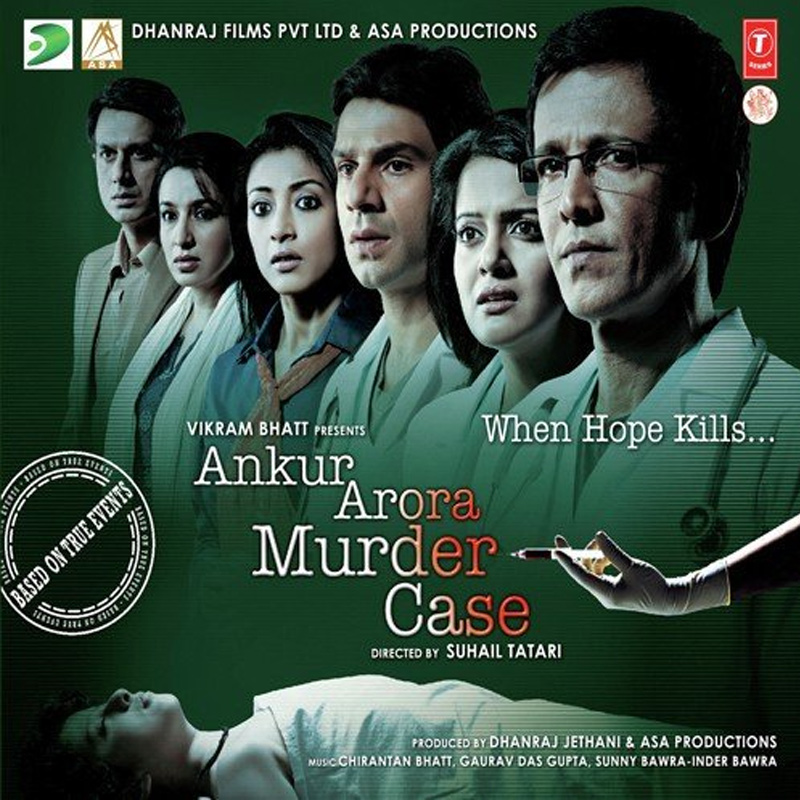
    MUMBAI: Ankur Arora Murder Case, an upcoming Bollywood medical thriller is all set to release on 17 May.

    The film is directed by Suhail Tatari and written by Vikram Bhatt. It takes up an urgent and disturbing issue of death during surgery and is based on a real-life incident where a boy dies on the operation table due to medical negligence.

    Rohan (Arjun Mathur) was a young medical intern who dared to dream. He was in awe of Dr. Asthana (Kay Kay Menon), the chief Surgeon of the Shekhawat General Hospital. All he wanted was to be like him. He lived in with Riya, his co-intern and the love of his life.

    However, when an eight year old boy, Ankur dies due to Dr. Asthana‘s medical negligence, Rohan realises that a good surgeon is not necessarily a good person.

    Together with Ankur‘s mother Nandita, Rohan sets out on a turbulent journey to fight for what is right.

    A fight for justice against his mentor, the hospital and the love of his life.

    The film features, Paoli Dam, Vishakha Singh, Tisca Chopra, Manish Choudhary and Sachin Khurana apart from Menon and Mathur.

  • Off-beat films win top awards in 60th National Film Awards

    Off-beat films win top awards in 60th National Film Awards

    NEW DELHI: The Hindi film ‘Paan Singh Tomar‘ by Tigmanshu Dhulia has been selected as the best feature film of 2012 with its protagonist Irrfan Khan sharing the best actor award with the veteran Vikram Gokhale for the film Anumati in Marathi, while Usha Jadhav gets the actress award for her performance in Dhag (Marathi).

    Marathi films have bagged another prominent award with Dhag director Shivaji Lolan Patil getting the best director award.

    In the Feature Film category, a total of 38 films from 14 languages have been selected for the 60th National Awards. Clearly demonstrating the emergence of quality cinema in 2012 in different languages, many awards have been shared by two different films or artistes.

    In the non-feature film category, the award for the Best Film has been conferred on Shepherds of Paradise (Gojri & Urdu) produced and directed by Raja Shabir Khan. In the category of Best Writing on Cinema section, the book Silent Cinema in India – A Pictorial Journey (English) written by the veteran B D Garga and published by Harper Collins Publisher India has bagged the top honour while P S Radhakrishnan has been conferred the award for the Best film Critic with Piyush Roy getting a special mention in this category.

    Chittagong (Hindi) and 101 Chodiyangal (Malayalam) have shared the Indira Gandhi award for the Best Debut Film of a Director for Bedaprata Pain and Siddhartha Siva respectively. The award for the Best Popular Film for providing wholesome entertainment has been shared by Vicky Donor (Hindi) by Shoojit Sircar and Ustad Hotel (Malayalam) by Anwar Rashid.

    Thespian Anu Kapoor gets the best Supporting Actor award for Vicky Donor, and Ms Dolly Ahluwalia for the film Vicky Donor and Ms Kalpana for the film ThanichallaNjan (Malyalam) get the best supporting Actress awards. The Best Child Artist award has been shared by Master Virendra Pratap for Dekh Indian Circus (Hindi) and Master Minon for 101 Chodiyangal (Malayalam).

    The well-known Shankar Mahadevan gets the best Male playback singer award for Bolo Na from the film Chittagong which also gets Prasoon Joshi the best lyricist award. The award for the Best Female Playback singer has gone to the Marathi Samhita for the song Palakein Naa Moon Don by Aarti Anklekartikekar, and Shailender Barve gets the best music direction award for same film. Biji Bal gets the best background score award for Kaliyachan (Malayalam).

    ThanichallaNjan (Malayalam) by Babu Thiruvalla gets the Nargis Dutt award for best feature film on national integration, while the Malayalam film Spirit by Renjith gets the best social issues award. The Best film on environment conservation/Preservation also goes to a Malayalam film, Black Forest by Joshy Mathew.

    Dekh Indian Circus by Mangesh Hadawale is the best children‘s film and Delhi Safari by Nikhil Advani is the best animation film.

    Cameraman Sudheer Palsane gets the cinematography award for the Mising film Ko:Yad. The award for the best screenplay writer (original) has been conferred on Sujoy Ghosh for the film Kahaani which also gets the best editing award for Namrata Rao. The award for best Screen play writer (adapted) has been conferred on Bhavesh Mandalia and Umesh Shukla for the film OMG -Oh My God. The award for the best Dialogue has been conferred on Ms Anjali Menon for the film Ustad Hotel (Malayalam).

    The audiography awards go for Location Sound Recordist to Radhakrishnan S for the Malayalam Annayum Rasoolum, for Sound Designer to AnirbanSengupta and Dipankar Chaki for the Bengali Shabdo and for Re-recordist of the final mixed track to Alok De, Sinoy Joseph and Shreejesh Nair for ‘Gangs of Wasseypur‘. Boontawee ‘Thor‘ Taweepasas and Lalgudi N. Ilayaraja get the production design award for Kamal Haasan‘s Tamil Viswaroopam. Two Tamil films Paradesi and Vazakkuenn 18/9 get the awards for best costume design by Poornima Ramaswamy and best make up by Raja respectively. Makuta VFX get the special effects award for Eega in Telugu.

    A special jury award has been conferred on Rituparno Ghosh for the Bengali film Chitrangadha, and on Nawazuddin Siddiqui for the films Kahaani, Gangs of Wasseypur, Dekh Indian circus and Talaash (Hindi). The award for the best choreography has been conferred on the legendary Pt. Birju Maharaj for the film Vishwaroopam (Tamil).

    In the Non-Feature Film category, Vikrant Pawar has got the Best Director award for the film Kaatal (Marathi). The Award for the Best Debut Film of a Director has been conferred to Lipika Singh Darai for the film Eka Gachha Eka Manisa Eka Samudra (Odia). Shumona Goel and Shai Heredia for the film I Am Micro (English) and Vasudah Joshi for Cancer Katha (English) have been selected for Special Jury Award. Timbaktu (English) has been awarded as the Best film in the Environmental category and Dreaming Taj Mahal ( Hindi & Urdu) has been conferred the award for the Best Promotional film.

  • Jolly LLB nets Rs 124 mn in opening weekend

    Jolly LLB nets Rs 124 mn in opening weekend

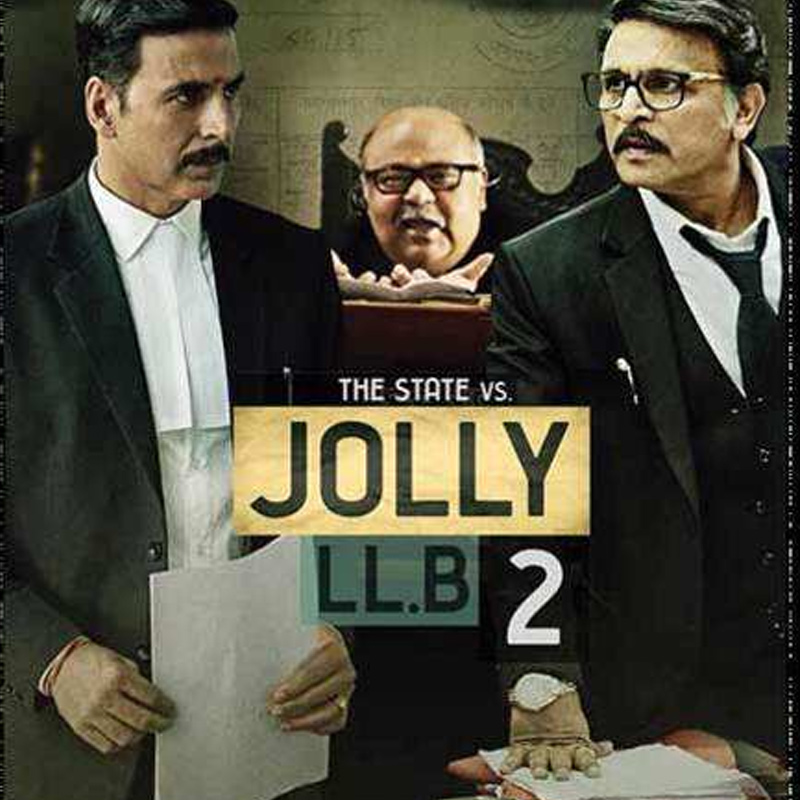
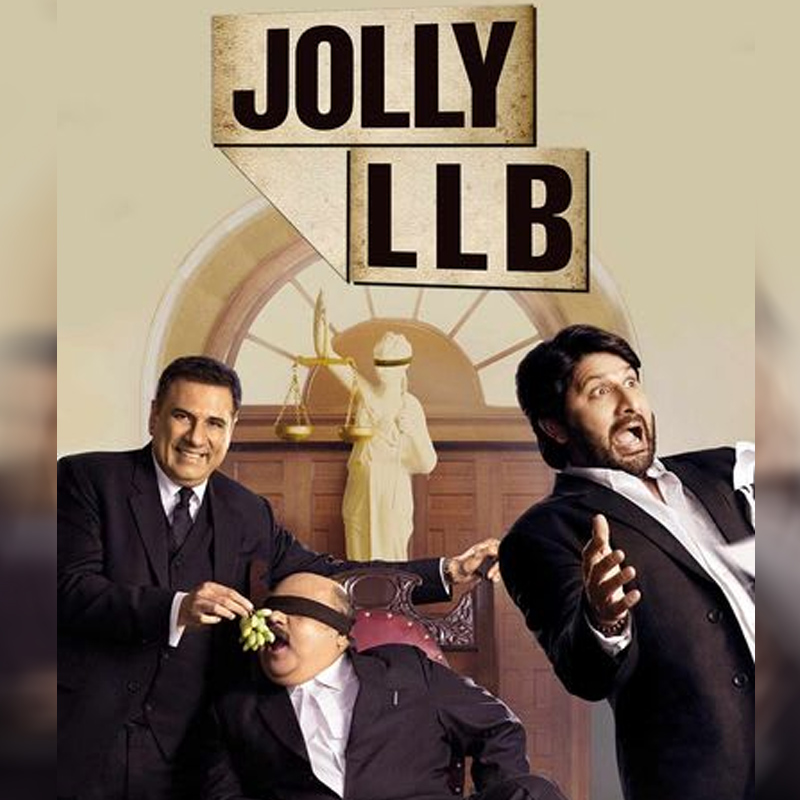
    MUMBAI: Boman Irani and Arshad Warsi starrer Jolly LLB collected Rs 123.5 million in its opening weekend. The film has found few takers in single screens and small centres as the collections indicate that over Rs 90 million has come from Bombay, Delhi-UP NCR and Punjab circuits.

    Mere Dad Ki Maruti has not been able to draw patrons and has managed to collect just Rs 45.9 million from its first weekend run at the box office.

    Neil Nitin Mukesh 3G seems to have done better in smaller centres and collected Rs 41 million in its opening weekend.

    Tigmanshu Dhulia’s critically appreciated Saheb Biwi Aur Gangster Returns sustained fairly well to end its first week with collections of Rs 178 million (after a weekend of Rs 111 million).

    Saare Jahaan Se Mehnga ran with collections of about Rs 8.5 million in its first week.

    I Me Aur Mein collected Rs 8.5 lakh in its second week taking its total to Rs 86.5 million.

    Ram Gopal Varma’s The Attacks Of 26/11 collected Rs 25 million in its second week. It has netted Rs 132 million so far.

    Zila Ghaziabad collected Rs 6.5 million in its third week to take its box office total to Rs 155.5 million.

    Kai Po Che sustained well in its third week and collected Rs 52 million. Its box office collections stand at Rs 457 million.

    Special 26 collected Rs 13 million in its fifth week to have a total score of Rs 698.5 million.

    Any Body Can Dance (ABCD) added Rs 4.2 million in its fifth week to take its total collections to Rs 406 million.

  • Reliance Entertainment sells rights of 3 films to Japan

    Reliance Entertainment sells rights of 3 films to Japan

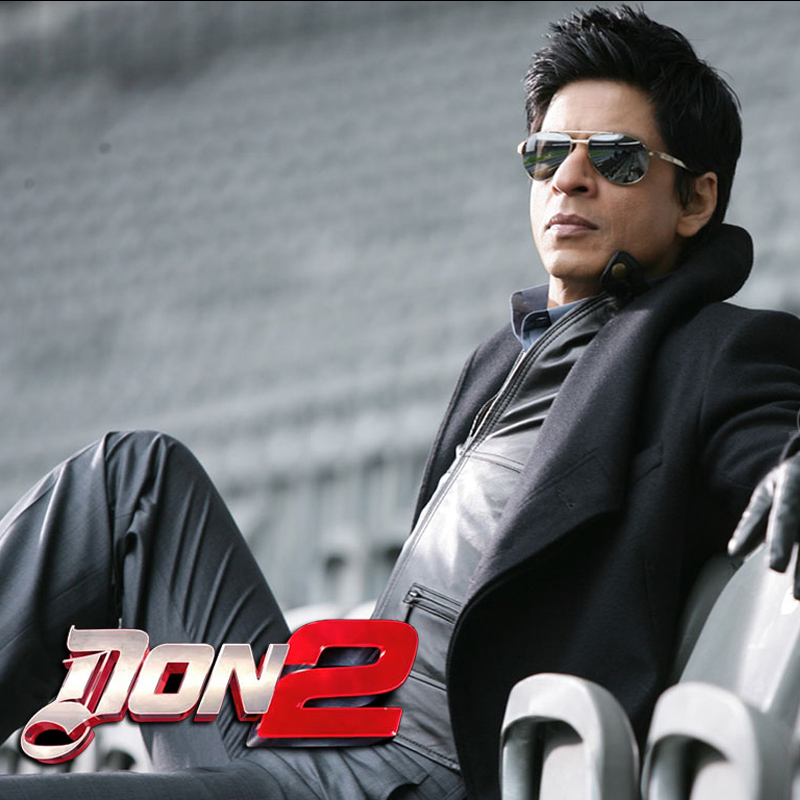
    MUMBAI: In a move that breaks the long impasse of any Indian film releasing in Japan in a big way, Reliance Entertainment has sold the distribution rights of 3 Idiots, Don 2 and Makkhi for their International release in Japan. This deal was inked at the Mumbai Film Mart held in 2012 under the aegis of Mumbai Film Festival.

    The release of India‘s highest grossing film may well mark the opening up of Japan as a significant territory in the international distribution of Hindi movies.

    Japan‘s oldest production and distribution company Nikkatsu will release the first two films in Japan in summer this year and Unplugged Inc. will release the animated creature film in autumn. The Aamir Khan-starrer will see the widest ever release for a Hindi movie in Japan on 18 May in approximately 50 screens.

    Commented Reliance Entertainment, CEO, Sanjeev Lamba, "Reliance Entertainment broke fresh ground in the international markets with a tie-up with Nikkatsu- Japan‘s oldest & century old movie studio. Nikkatsu will release Reliance Entertainment‘s top grossing film of all time internationally – 3 IDIOTS & the third ranking international grosser of all time DON-2. This initiative of Reliance Entertainment should pave the way for opening up of Japan as a major international market for Indian films in the future".

    The Japanese companies are determined to make the release of Indian films a success in order to grow the market and build long term relations. Strategizing for the same, they collaborated with the Indian Embassy in Japan and for the first time ever an international media contingent was sent to Mumbai for the promotions of these films back home.

    This contingent comprised representatives from Television, Radio, Press, Magazine and online website. They had very candid and detailed interviews with Rajkumar Hirani, Priyanka Chopra, producer Ritesh Sidhwani talking about their body of work, future projects, and specifically on the Japanese release of their films.

  • Jolly LLB: A not so jolly fare

    Jolly LLB: A not so jolly fare

    MUMBAI: Courtroom drama is a rare genre in Hindi film industry, possibly because there is little that is exemplary or inspiring coming out of legal stories. Also, a courtroom drama is a verbal battle of wits and needs good script and skill with dialogue, both of which are rather tough to find. In such an event, the inspiration has to come from a foreign film, especially to base your protagonists on. Arshad Warsi‘s character, in that case, identifies with that of Joe Pesci in the 1992 Hollywood hit, My Cousin Vinny. Only, here it is blended with the screen persona of Warsi. And so also that of the judge, played here by Saurabh Shukla. Of course, the plot is given an Indian hue having been based on the story of Delhi‘s infamous Sanjeev Nanda case about drunken driving, running over and killing six people in 1999.

    Producers: Fox Star Studios
    Director: Subhash Kapoor.
    Cast: Arshad Warsi, Boman Irani, Saurabh Shukla, Amrita Rao, Mohan Kapoor, Mohan Agashe, Harsh Chhaya, Manoj Pahwa, Ramesh Deo.

    Warsi is a lawyer in Meerut, a town about 70kms from Delhi. Like many of his breed, he chases and solicits clients for simple court proceeding like affidavits since nobody would trust him, a fresh out-of-college lawyer, to handle a serious case. In any case, high profile cases are not happening in his town. His ambition to make it big as a legal luminary seems impossible to him in Meerut. Convinced that his only chance to make it big is to go to Delhi, he makes the move leaving his girlfriend, Amrita Rao, behind. Once in Delhi, things are no different. He is still running after anybody and everybody in the court premises seeking a client for simple court paperwork.

    Boman Irani, who ranks among the top few lawyers, is in the district court to defend one of his most controversial clients, Rahul Dewan, the scion of the big business house. The scion has driven his car into six people in a drunken stupor killing them all. Since Irani, one of the renowned practitioners is handling the case, Warsi, among others, is also in the audience to learn a thing or two and he is awed by the way Irani gets his client released in a few minutes.

    Warsi is impressed but idle as he is, decides to dig into the case thinking that this is his chance and that, in India, a PIL is the best way to get noticed and draw media attention overnight, especially, in a case is as controversial as this. The whole world and the media knows the scion killed people but Irani proved it otherwise. A novice, Warsi, who has never argued a court case, learns from his adversary, Irani, and goes along to use what he learnt from him against him as the things proceed. But Irani proves too smart for him, because Warsi‘s prime eye-witness turns out to be Irani‘s plant. Irani uses Warsi to get his dues from the Dewans.

    After that, the scriptwriter takes an easy route; there is a constable who auctions and allots prime posts in Delhi police to the highest bidder (the one with a 65-lakh bid for Delhi Sadar gets the plum post). He agrees to handover the accident videos to Warsi. This is script writing of convenience.

    Warsi is the underdog and has taken on a big fish in Irani and the media want to ride with him. However, the viewer goes along with Saurabh Shukla, the judge, for he is also with the underdog because as he says, ‘The law may be blind but the judge is not.‘ His other observation: ‘The day the case begins, I know what is right but I need to wait till somebody presents proof.‘

    The problem with the handling of Jolly LLB is that, with Warsi and Irani in the lead, it has been promoted as an outright comedy; that is the impression all its media promotion gives. However, the film is never sure about its aim. It keeps swinging between a comedy, a serious social issue and a dig at the Indian judicial system. It could simply have been a good vs. evil or a right vs. wrong story.

    The script is bereft of excitement or twists and turns that could hold a viewer‘s interest. The film has but one such, when Harsh Chhaya turns out to be Irani‘s plant. Director Subhash Kapoor does just a passable job as his characters lack consistency; Irani is a lawyer rated along with Sibal and Jethmalani but loses control at the smallest of adversity while Warsi‘s ambition is to make a name but falls for the first carrot hung at him, a cut of Rs 20 lakh. In this film pitting Warsi and Irani, it is the referee, the judge, who steals a march; Saurabh Shukla is excellent. Amrita Rao, Warsi‘s love interest has nothing much to do. Dialogue doesn‘t provide scope for the verbal duel one would wish for in a courtroom drama. Music is of little help.
    Mere Dad Ki Maruti: A flat script

    Producer: Ashisha Patil.
    Director: Ashima Chibber.
    Cast: Saqib Saleem, Rhea Chakrobarty, Ram Kapoor, Prabal Punjabi, Ravi Kissen, Benazir Shaikh, Karan Mehra, Ritu Khanna Vij.

    A Punjabi wedding becomes impressive depending on the gifts bestowed on the son-in-law and to a filmmaker it gives a chance to fill the screen with colour, dances and songs.

    Ram Kapoor‘s daughter, Benazir Shaikh, is due to marry her boyfriend of many years, Karan Mehra. Kapoor is very happy at the choice as he has always liked Mehra more than he likes his son, Saqib Saleem. For his only daughter, he has decided to gift a high-end Maruti car as a bidaai gift. Saleem does not think much of his brother-in-law to be and thinks it is unfair to give away a new car to him on pretence of giving it to his sister when he himself has no car of his own. Saleem has a sidekick in Prabal Punjabi.

    Saleem likes a particular college hottie, Rhea Chakarobarty, and often tries to approach her but she is hooked to another guy. But then Chakrobarty ticks off her boyfriend and Saleem sees a chance for him to invite her out that night. Wanting to impress his date, Saleem decides to ‘borrow‘ the new Maruti delivered the same day. His plan is very simple: take the car out on the sly, impress the girl, replace it quietly and no one need be any wiser. All goes according to plan and it is time to drop off Chakrobarty back to her hostel. Having done that, Saleem decides he has not had enough of the evening yet. He goes back to the bar to enjoy some more. He is too excited at the outcome of the evening to see that he is handing over the car keys to a person dressed in black, thinking that is the valet.

    There is a girl by his side and car keys in his hand. The man in black decides to take a spin. When he stops to try some ideas with the girl, the cops spring up. The man in black vanishes, leaving the car. The car makes one more journey on its own when a few kids see the car in unlocked, they push it and it lands in some no man‘s land kind of lane.

    Saleem and his sidekick Punjabi are done at the bar and want the car keys from the real valet. His troubles start here. There is no car and Kapoor is sure to find the garage empty in the morning. All sorts of tricks are resorted to so that there is a car in the garage, with the same model and same colour for Kapoor to see until the real one is found. From here till the car is traced should have been a fun ride but it is not. The writers do not manage to give the viewer much enjoyment or thrill until about 15 minutes before the end.

    Mere Dad Ki Maruti comes from Y Films, a division of Yash Raj Films, under which the company gives opportunities to new ideas and talents. However, in the case of Mere Dad Ki Maruti, the idea has come from the Hollywood hit, Dude, Where‘s My Car? Just finding a good starting point is not enough even if it has come from a foreign film. And with newer faces in the lead, the script needed to be solid.

    With content that has little to work on and a budget that is limited; director Ashima Chibber (also one of the three writers) does not deliver. Dialogue is routine and quite a lot of it in Punjabi. Music is all Punjabi and to those who don‘t dig it, it is just a lot of sound. Fine, it is about a Punjabi wedding and based in Chandigarh but did it have to be an almost Punjabi film? Ram Kapoor, in fact, struggles to pass off as a thorough Punjabi. Saleem can loosen up a little. Rhea Chakrobarty and Prabal Paunjabi are okay. Karan Mehra is good in a brief role. Ravi Kissen in a cameo is effective.

    Mere Dad Ki Maruti may be one of the most economical films made and released only through digital platform but is a disappointment for the exhibitors since only a good word of mouth could have brought some patrons to the halls which is unlikely.
  • Set of Dilip Kumar photos fetch Rs 162,000 at art auction

    Set of Dilip Kumar photos fetch Rs 162,000 at art auction

    NEW DELHI: A still from Gangavataram (1937), the first talkie by and the last film of father of Indian cinema Dadasaheb Phalke was sold at an auction here recently for Rs 102,000.

    The still was part of the Vintage Indian Film Memorabilia section featuring Hindi Cinema‘s forgotten and Silent Era (Black & White) memorabilia put on auction by Osian‘s Connoisseurs of Art.

    This proved to be a major landmark for the evolving film memorabilia market and also showed the interest amongst people for film mementos.

    There has been a growing participation of international museums and curators from the United States, the United Kingdom, and Singapore in the bidding for vintage Indian cinematic heritage.

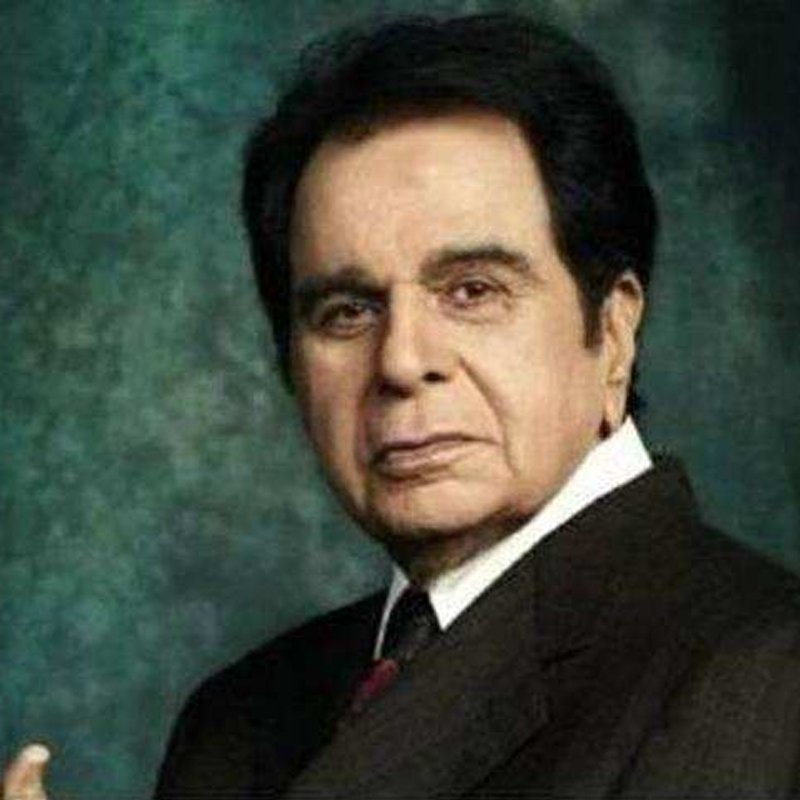
    The other highlights in this section were the Dilip Kumar set of photographs at Rs 162,000 and Amitabh Bachchan with Rs 126,000.

    The sale of vintage Indian film memorabilia was part of the art auction which fetched Rs 7,44,81,600 (90 per cent of value of the total lower estimate and 60.5 per cent of total quantity).

    The recapturing of its leadership position by the Osian‘s Auction House, the impending launch of its arts, culture and cinema search engine – theosianama.com – and the forthcoming publication of 100 volumes on ‘Celebrating 100 Years of Indian Cinema‘ in collaboration with Mapin Publishing, will mark the re-emergence of Osian‘s as the pace setter in the Indian art and memorabilia market.

    On the successful completion of the 1st Osianama Series Auction, Neville Tuli, Chairman, Osian‘s Group said "It is a slow and steady rebuilding process for the arts and cultural artifacts market. Without a strong Osian‘s it is very difficult for the market to achieve stability and confidence given that every area of arts and cultural infrastructure building is now linked to Osian‘s activities, from auctions to publishing & design, online search to museums, film festivals to conservation and archiving."

  • Sony DADC acquires home video license of Warner Home Video

    Sony DADC acquires home video license of Warner Home Video

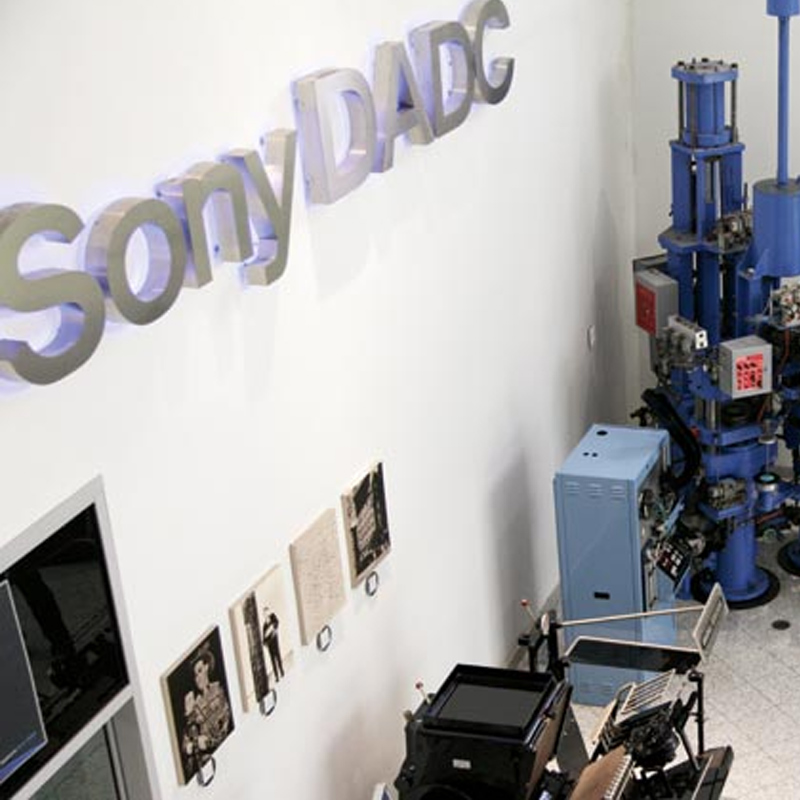
    MUMBAI: Home Entertainment Services by Sony DADC has acquired the exclusive home video license of Warner Home Video for India aimed at marketing and distributing their content on all physical formats in the country.

    The venture, that is expected to become a market leader in the retailing of home entertainment products in the country, plans to bring an innovative and path-breaking approach to the marketing and distribution of the same.

    Commenting on the association of Sony DADC with Warner Home Video, Rajat Kakar, Business Head of ‘Home Entertainment Services by Sony DADC’ said, “We are extremely excited to have joined hands in partnership with Warner Home Video. This association will help us maximize our reach in the home entertainment segment. It will also add more movie titles under our repertoire and enhance our content base. We are glad to begin this alliance with Argo, the winner of this year’s Best Picture Academy Award.”

    The first title that would be released by Sony DADC under this alliance in India would be Argo that won the ‘Best Picture’ award at the recently held 85th Academy Awards. The film, directed by Academy Award winner Ben Affleck is a dramatisation of the 1980 joint CIA-Canadian secret operation to extract six American diplomatic personnel out of revolutionary Iran.

    Under this license model, close to 400 Warner Home Video titles are planned for release. They include films like The Hobbit: An Unexpected Journey, Man Of Steel, 300: Rise Of An Empire, The Hangover III, The Great Gatsby and Pacific Rim.

    In addition to the fantastic array of movies lined up for the exciting year of 2013, Warner Home Video has some amazing movie titles under their repertoire, which includes classics like Ben-Hur, Gone With The Wind, Casablanca, 300, The Departed, the Harry Potter film series, Friends, The Big Bang Theory, Tom & Jerry series and The Lord Of The Rings franchise, which will now be distributed by Sony DADC in India.

  • All films of YRF to be released at IMAX theatres

    All films of YRF to be released at IMAX theatres

    MUMBAI: IMAX Corporation and India’s largest film studio Yash Raj Films Pvt. Ltd. today announced an expansion of their partnership to release Paani as well as all upcoming Yash Raj Films in IMAX theatres across India and other key markets.

    Paani is based in a future world where wars have broken out over water which is owned by International Corporations who use thirst as a weapon of control. In one such futuristic city, a young love story breaks all the rules and in the ensuing war, water flows back to its people.

    The film will have a strong Indian and Western star cast, headed by a young leading actor from India and a young leading actress from the West. Produced by Aditya Chopra, it is being directed by Shekhar Kapur and will be shot in India and overseas.

    The film will be digitally re-mastered into the image and sound quality of the IMAX Experience with proprietary IMAX DMR (Digital Re-mastering) technology for presentation in IMAX. The crystal-clear images coupled with IMAX‘s customized theatre geometry and powerful digital audio create a unique immersive environment that will make audiences feel as if they are in the movie.
    The agreement announced at the ongoing FICCI FRAMES brings the total number of films included under the expanded partnership to three, the first one being the upcoming action thriller Dhoom:3 which will open in IMAX theatres this winter.

    “Since announcing the IMAX release of Dhoom:3, we’ve seen tremendous anticipation building among Indian moviegoers around this first-ever IMAX release of a Hindi feature film, and we’re excited to add to this excitement with two more of our highly anticipated films, including our most ambitious one, Paani,” said Yash Raj Films Chairman Aditya Chopra.

    “We believe that together with IMAX, we will usher in a new era in Indian movie-going that will immerse fans into the drama, action and grandeur of Hindi movies like nothing they have experienced before,” he added.