Category: Hindi

  • A Centenary of experimentation through cinema is highlight of FD festival

    A Centenary of experimentation through cinema is highlight of FD festival

    NEW DELHI: This weekend, Mumbaiikars will see a feast of experimentation through a Retrospective of Indian Cinema and Video over the last one hundred years.

    The Retrospective from 28 to 30 June has been curated by Ashish Avikunthak & Pankaj Rishi Kumar and will be screened at the Films Division in Mumbai.

    The prints of the films have been acquired from the Directorate of Film Festivals, the Film and Television Institute of India in Pune and the Satyajt Ray FTI in Kolkata, and the National Film Archives of India in Pune.

    The retrospective is a celebration of the spirit of experimentation in Indian cinema; from the moment of its mythic birth in 1913 with D G Phalke’s Raja Harishchandra to the innovative and challenging moving images produced and exhibited today. The films brought together chart the transformation of experimentation, from early celluloid spectacle to contemporary digital adroitness. The curatorial impetus of this retrospective is marked by an emphasis on tracing the chronology of experimentation through the history of Indian cinema. The idea of ‘experimentation’ rather than the experimental or avant-garde drives the films put together in this retrospective.

    These films challenge modernity by generating a contemplative dialogue with Indian history, tradition, culture and religion. They are not driven by the desire to just produce an aesthetic artifact, but rather to create a discursive field. 

    It was more than 50 years later after Phalke’s experiments that the first experimentation occurred within the bureaucratic confines of the postcolonial Films Division in the late 1960s. These films challenged the formidable account of the sturdy developmentalist state and shattered its edifying edifice. These were the first cinematic critiques of the nation – forthright, trenchant and angry. S. Sukhdev, Pramod Pati, S.N.S Shastry and K.S. Chari among others, radically altered the possibilities of cinematic representation in India.

    Soon the films funded by Film Finance Corporation (later NFDC) ushered the much-celebrated rise of the Indian New Wave. Mani Kaul’s Uski Roti (1969) and Kumar Shahani’s Maya Darpan (1972) spearheaded profound experimentation in this period. However, the foundation of this continued experimentation was first established in the venerable FTII under the tutelage of Ritwik Ghatak. The section “Experiment in School” is a small curatorial gesture towards the pioneering works produced in its confines along with the later established SRFTI.

    This retrospective is conceptualised as a conversation with cinema, cinematic experience and cinematic thought.

    Screening Schedule
    Day One — 28 June, 2013, Friday
    28 June, 2013, Friday: 10.00-12.30 pm
    Session 1: Experiments with Gods 
    A collection of early films made by D.B. Phalke between 1913 and 1935. 
    Raja Harishchandra (20 mins, 35mm, 1913)
    Lanka Dahan (9 mins, 35mm, 1917)
    Shree Krishna Janma (6 mins, 35mm, 1918)
    Kaliya Mardan (50 mins, 35mm, 1919)

    28 June, 2013, Friday: 1.15- 3.45 pm
    Session 2: Experiment in the State 
    The earliest robust experimentation in India begins under the imaginative tutelage of Jean Bhownagary while he headed the Films Division in 1965. 
    Explorer – Pramod Pati (7 mins, 35mm, 1968)
    Claxplosion – Pramod Pati (2 mins, 35mm, 1968)
    Trip – Pramod Pati (4 mins, 35mm, 1970)
    Koodal – Tyeb Mehta (16 mins, 35mm, 1970)
    Abid – Pramod Pati (5 mins, 35mm, 1972)
    Child on a Chess Board – Vijay B. Chandra (8 mins, 35mm, 1979)
    India ’67 – S. Sukhdev (57 mins, 35mm, 1968)
    28 June, 2013, Friday 4.00- 6.45 pm
    Session 3: Experiment in the School 
    FTII became the centre of experimentation soon after it was headed by Ritwik Ghatak. Since then, along with SRFTI, it has continued to be a space where experimentation in cinema occurs on a regular basis.
    Bodh Vriksha – Rajan Khosa (27mins, 35mm, 1987)
    In Short – Kuntal Bhogilal (18 mins, 35mm, 1996)
    Repentance – Rajeev Raj (22 mins, 35mm, 1997)
    Chinese Whisper – Raka Dutta (27 mins, 35mm, 2006)
    Airawat – Renu Savant (10mins, 35mm, 2011)
    Moon Stars Lovers – Jessica Sadana (10 mins, 35mm, 2012)

    28 June, 2013, Friday, 7.00- 9.00 pm
    Session 4: Feature Film 1- Kanchan Seetha (87 mins, 35mm, Malayalam, 1977)
    by G. Aravindan
    Ending the first day with Malayali Filmmaker Aravindan’s masterpiece Kanchan Seetha – an invigorating reworking of the Ramayana, which opens up a new discourse on Indian cinema and its interpretation of religion. This film is located here to be in direct conversation with Phalke’s cinema of religiosity.

    Day Two
    29 June, 2013, Saturday
    29 June, 2013, Saturday, 10.00- 12.30 pm
    Session 1: Experiment with the Documentary 
    Documentary has been a formidable cinematic form in India. Although most innovation has occurred in world of the political, it has also has seen serious experimentation. 
    I am Twenty S.N.S. Sastry (20 mins, 35mm, 1967)
    Tales from Planet Kolkata – Ruchir Joshi (38 mins, 16mm, 1993)
    Brahma, Vishu, Shiva – R.V. Ramani (19 mins, video, 1999)
    Presence – Ekta Mittal & Yashaswini B. R.- Behind the Tin Sheets Project (18 mins, HD, 2012 )
    Nayi Kheti – Pallavi Paul (11 mins, HD, 2013)

    29 June, 2013, Saturday, 1.15- 3.45 pm
    Session 2: Experiments with the Short Film 
    This section focuses on films that were made outside the institutional framework of the state or the school and can be understood as independent experimentations, especially focusing on the short form.
    Nirjan Godhuli – Santosh Gour (10 mins, 16mm, 1993)
    Dust – Ashim Ahulwalia (20 mins, Video, 1993)
    Atreyee – Shumona Goel (17 mins, Video, 2003)
    Straight 8 – Ayisha Abraham (17 mins, Video, 2005)
    Bare – Santana Issar (11 mins, Video, 2006)
    Jan Villa – Natasha Mendonca (20 mins, HD, 2010)

    29 June, 2013, Saturday, 4.00- 6.00 pm
    Session 3: Experiments in the Gallery 
    In the last decade, the Art Gallery has become a vibrant space for exhibiting moving images mostly in the form of video art and installations. This section attempts to grasp with this new space of experimentation. It has been co-curated by Mortimer Chatterjee.
    Record/Erase – Nalini Malani (10 mins, Video, 1996 )
    Flight Rehearsals – Kiran Subbaiah (7: 26 mins, Video, 2007)
    Dance Like Your Dad – Hetain Patel (6:15 mins, Video, 2009)
    There is a spider living between us – Tejal Shah (7 mins, Video, 2009)
    Man Eats Rock – Nikhil Chopra & Munir Kabani (22:11 mins, Video, 2011)
    The First Dance – Hetain Patel (7:44 mins, Video, 2012)
    Forerunner – Sahej Rahal (12:16 mins, Video, 2013)
    File not Found – Jaret Vadera (1 min, Video, 2013)

    29 June, 2013, Saturday, 6.30-8.30 pm 
    Session 4: Feature Film 2- Satah Se Uthata Aadmi (114 mins, 35mm, Hindi, 1980) by Mani Kaul
    Mani Kaul is known mostly for his landmark film Uski Roti. However, the Satah Se Uthata Aadmi is probably his most conceptually rigorous and philosophically penetrating work. Based on the writings on Muktibodh, this film is a deep philosophical articulation on postcolonial modernity.
    Day Three
    30 June, 2013, Sunday
    30 June, 2013, Sunday 10.00- 12.30 pm
    Session 1: Experiments with Animation
    Co-curated by Nina Sabnani, this section examines experimentation in the world of animation. We shall look at the way in which animation directors have pushed the boundaries and expanded its scope in process, materials, concepts and its functions.

    30 June, 2013, Sunday 1.30- 4pm 
    Session 2: Cinema of Prayoga 
    The invocation of “prayoga” from Sanskrit etymology is Amrit Gangar’s radical move of rejecting the Western art historical terminology of experimental and avant-garde to explain the specific nature of experimentation in Indian cinema. This section has been co-curated by Amrit Gangar.
    And now i feel i don’t know anything – Kabir Mohanty (35 mins, 35mm, 2001)
    Egotic World – Vipin Vijay (21 mins, 35mm, 2002)
    Kramasha – Amit Dutta (22 mins, 35mm, 2006)
    Vakratunda Swaha – Ashish Avikunthak (22 mins, HD, 2010)
    21 Chitrakoot – Sambhavi Kaul (9 min, HD, 2012)

    30 June, 2013, Sunday 4.15- 6.30 pm 
    Session 3: Feature Film 2- Kaal Abhirati (120 mins, 35mm Bengali, 1989) by Amitabh Chakraborthy. 
    This is a significant film of this era that explores the complexities of human existence within the confines of Indian philosophy and discourse. This film, along with Kamal Swaroop’s Om Dar Badar, is the link between experimentations by Mani Kaul and Kumar Shahni and contemporary articulations by the ‘Cinema of Prayoga’ filmmakers.

    30 June, 2013, Sunday, 6.45- 8 pm 
    Session 4: Round Table Discussion
    The curators along with filmmakers, discussants and respondents will have a Round Table conversation teasing out and putting on the board the major points/ issues /debates that have been brought out in these three days.

  • Sajid Khan returns, with Humshakals in 2014

    Sajid Khan returns, with Humshakals in 2014

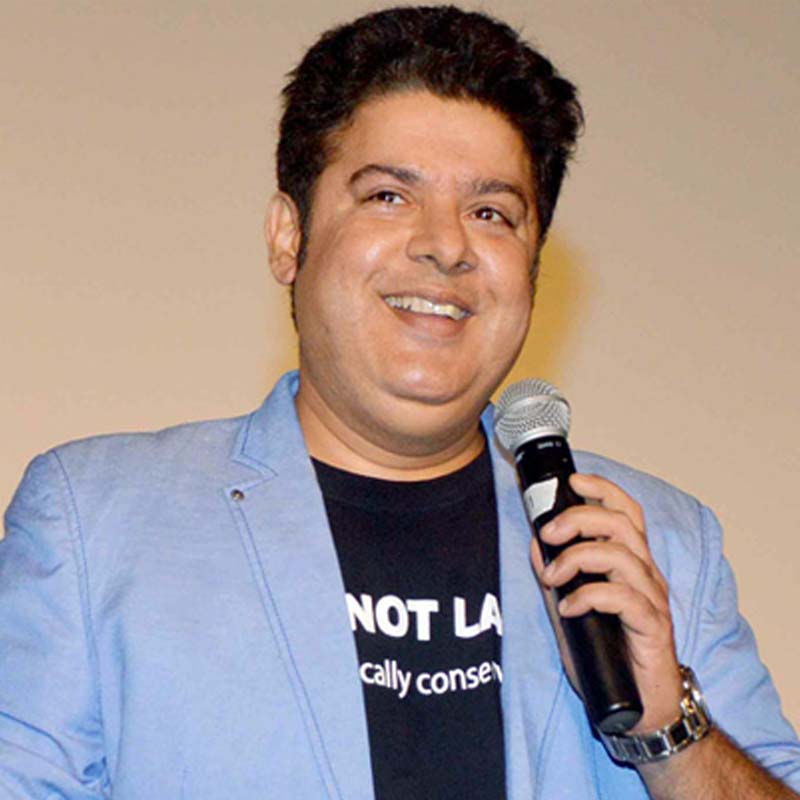
    MUMBAI: Fox Star Studios and Pooja Entertainment & Films have announced Vashu Bhagnani‘s Humshakals, touted to be one of the biggest comedy entertainers of 2014, directed by filmmaker Sajid Khan.

    Starring Saif Ali Khan, Riteish Deshmukh and Ram Kapoor for the first time in triple roles, the film promises to be a laugh riot, as the trio unleashes total madness and confusion in their triple avatars!

    The film is slated to go on floors in September 2013 and will be shot extensively abroad at scenic locations. Humshakals will have a worldwide release on 6 June 2014.

  • Raanjhanaa collects Rs 18.75 crore for the weekend, YJHD still going strong at Rs 172.95 crore

    Raanjhanaa collects Rs 18.75 crore for the weekend, YJHD still going strong at Rs 172.95 crore

    MUMBAI: Raanjhanaa, starring Dhanush, Sonam Kapoor and Abhay Deol which opened with weak collections, did well to gather momentum over the weekend. However, a disappointing second half plot being a major drawback, generating bad word of mouth, the film is not expected to carry on the momentum it generated over the weekend. Also, with its hero‘s mass appeal riding on the ‘Kolaveri Di‘ fame, the film was expected to do well in single screen theatres but that has not happened. The film has gone on to end its opening weekend with Rs 18.75 crore.

    Enemmy, Mithun Chakraborty‘s home production starring Mithun, Mahakshay, Suniel Shetty, Kay Kay Menon and Johnny Lever is doing poor business, barely collecting about a crore for its opening weekend.

    Shortcut Romeo the remake of Susi Ganeshan‘s own Tamil film Thiruttu Payale, starring Neil Nitin Mukesh, Ameesha Patel and Puja Gupta is a disaster, finding no takers.

    Fukrey, a north-centric youth comedy, has sustained reasonably well in its first week with major boost coming from North. The film has collected Rs 17.5 crore in first seven days, with as much as 50 per cent coming from Delhi/NCR/Punjab. The film is reported to have done very well in its second weekend too, assuring the film will emerge a moderate earner.

    Yamla Pagla Deewana 2 from the Deol clan has dropped to less than 10 per cent of its first week figures collecting Rs 2.55 crore in its second week and taking its two week total to Rs 30.1 crore.

    Yeh Jawaani Hai Deewani continues to be strong in its third week. The film has collected Rs 19.65 crore in third week to take its three week total to Rs 172.95 crore. This is certainly Ranbir Kapoor‘s biggest hit so far in a career spanning just six years from his debut withSaawariya (2007) till his last release in 2012 with Barfi! The Kapoor scion has certainly come off age in a big way.

    Aashiqui 2, the Aditya Roy Kapoor and Shraddha Kapoor starrer has added Rs 20 lakh in its eighth week, taking its eight week tally to Rs 78.5 crore. This film has certainly exceeded everyone‘s expectations. The music of the movie has been much appreciated by audiences across the country.

  • Debunking  plagiarism  Rajkumar Gupta: “Gunchakkar script is co-written by Parvez Sheikh”

    Debunking plagiarism Rajkumar Gupta: “Gunchakkar script is co-written by Parvez Sheikh”

    BENGALURU: Denying plagiarism, the soon to be released Hindi film Gunchakkar director Rajkumar Gupta said that the story belonged to a writer named Parvez Sheikh who had co-written the script. Gupta said that Sheikh had narrated the script to him way back in 2008.

    According to reports, Dhirender Kumar who hails from Nepal, alleged that the story ofGhunchakkar was similar to the one for which he had penned a script in 2010-11. Kumar, who claims to have registered the script, filed a complaint with the Film Writers Association on May 20, has sent a legal notice to the production house UTV Motion Pictures, and requested a High Court stay for its slated release date of 28 June 2013.Reacting strongly to queries, Gupta questioned Kumar’s silence for such a long time – the trailer of the film was released more than three months ago. He said “It’s strange that people always get up and claim that the story is theirs and file cases in the week before which a film is to be released. Collectively, as an industry we should be going against such people to court. This claim is absolutely false.”

    Refusing to comment further on the counteraction measures, he said that the UTV team was looking into it. Gupta was at the Reliance Digital Store in Bengaluru for promoting the film along with the lead actors of Ghanchakkar – Vidya Balan and Emraan Hashmi.

  • 2nd edition of LIFF to premiere docu on Frontier Gandhi

    2nd edition of LIFF to premiere docu on Frontier Gandhi

    NEW DELHI: A total of 115 films from fifteen countries will be screened at the second Ladakh International Film Festival (LIFF) being held early next month.

    The films will be screened in five screens in Leh from 5 to 7 July, according to Festival founder and Festival Director Melwyn Chirayath who said the festival will be inaugurated by Jammu and Kashmir chief minister Farooq Abdullah and the awards on the closing day will be given away by Information and Broadcasting minister Manish Tewari.


    The jury for LIFF 2013 will be headed by well known actor / Director Aparna Sen while members are Paul Smaczny (Emmy winner), Mathew Robbins (Palm d‘Or), Vimukhti Jayasundara (Palm d’Or), Alireza Shahrokhi (Iran) & Teri McLuhan (Canada).

    Announcing the details, Chirayath said “Ladakh is a one of its kind place in India, known for its serene environment and brilliant landscape. LIFF, in its second year, will screen a cross section of films.”

    These include international feature films, documentaries from India, short films (national – international) and Indian feature films.

    In addition, there will be a retrospective on lyricist-filmmaker Gulzaar by Director/Producer Vishal Bharadwaj who had got his first major break in the former’s ‘Maachis’.

    There is a section celebrating women through some of the finest women oriented films made in India.

    Chirayath added that entries were received from close to 130 countries, after which the best were selected for the final showcase.

    A major highlight is the green carpet premiere at LIFF 2013 of Teri Mc Luhan’s documentary ‘Frontier Gandhi’, on the forgotten freedom fighter, nationalist and peace advocate Khan Abdul Gaffar Khan. There will also be a special children’s section curated by Amole Gupte, Chairperson of the Children’s Film Society, India, which will feature six children’s films.

    The Ladakhi section will include Tsering Motup Chospa’s feature film Lzadol (Broken piece of moon), with its central theme of women’s strength, patience and wit against the evils of the day. In addition 5 short films from Ladakh will also be premiered this year”

    Mike Pandey, a specialist in wild life and environment films and a patron of the Festival, said the Directorate of Film Festivals had curated an eight-film package to mark 100 years Celebration stressing on Women in Cinema. These include Diamond Queen (Homi Wadia) Hindi 1940; Meghe Dhaka Tara (Ritwik Ghatak) Bengali 1960; Mirch Masala (Ketan Mehta) Hindi 1986; Dasi (B Narsing Rao) Telugu 1987; Dahan (Rituparno Ghosh) Bengali 1997;Chandni Bar (Madhur Bhandarkar) Hindi 2001; Mee Sindhutai Sapkal (Anant Mahadevan) Marathi 2010; and Byari (Suveeran( Byari 2011.

    While renowned filmmaker Shyam Benegal, chairman of LIFF, said: “Apart from the fact that it is a festival that takes place in Leh on the roof of the world surrounded by the magnificent snow peaks of the Himalayan Zanskar range skirted by what appears to be a little fledgling river Indus which will soon become one of the great rivers of the sub-continent as it goes downstream. This is a veritable Shangri-la and the film festival is the latest of its cultural attractions. The venue of the festival is a large theatre on a hilltop built for this purpose by the state government with smaller halls surrounding it making for a perfect location for this delightful festival in the northernmost part of India.”

    Vishal Bhardwaj, patron member of LIFF said: “To watch films in one of the most pristine landscapes in the world is a rare pleasure only the ladakh film festival offers. One walks out of the auditorium and is surrounded by mountains on all sides, it‘s almost surreal. What makes it even more special this year is the retrospective on Gulzar Saab, it will be an honor for me to curate this event which showcases some of his best work.” –

    Shaji N Karun, patron member of LIFF referred to cinema being a tool to identify it in spiritual languages and said he believed that Ladakh is one of the most suitable places of our land for spirituality.”

  • Fox Star teams with Gupte for the celebrated film maker’s next directorial venture

    Fox Star teams with Gupte for the celebrated film maker’s next directorial venture

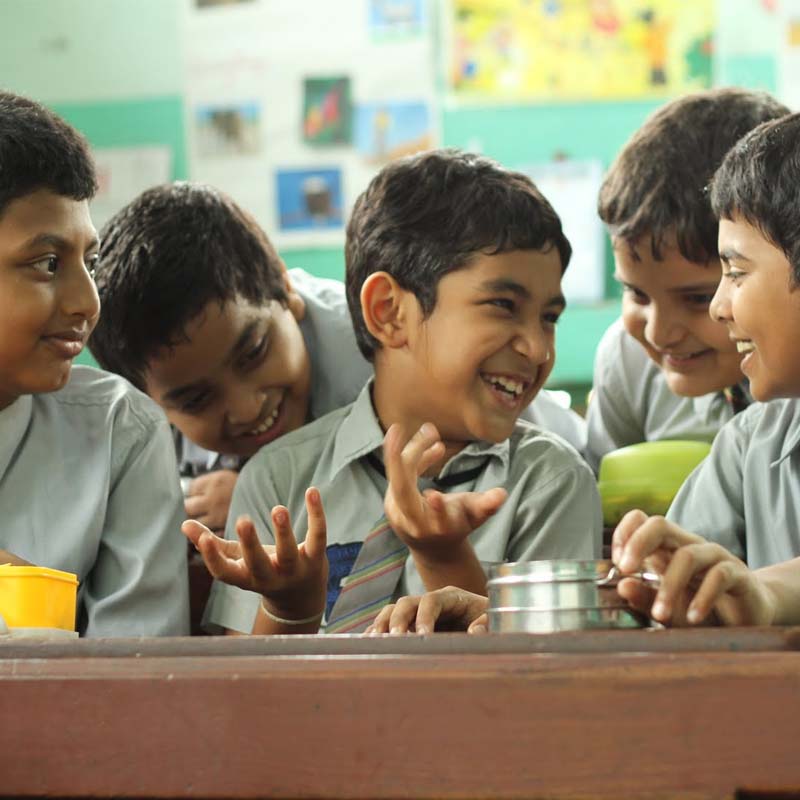
    MUMBAI: Amol Gupte‘s 2011 directorial venture, Stanley Ka Dabba is all set to make its debut in newer international markets. This comes as a great achievement for Fox Studios and Amol Gupte who are geared up for the movie‘s release in Japan on 29 June this year. Stanley ka Dabba which sees Amol‘s son, Partho Gupte playing the lead has already traveled across fifteen international markets, from America, Europe to Far East.
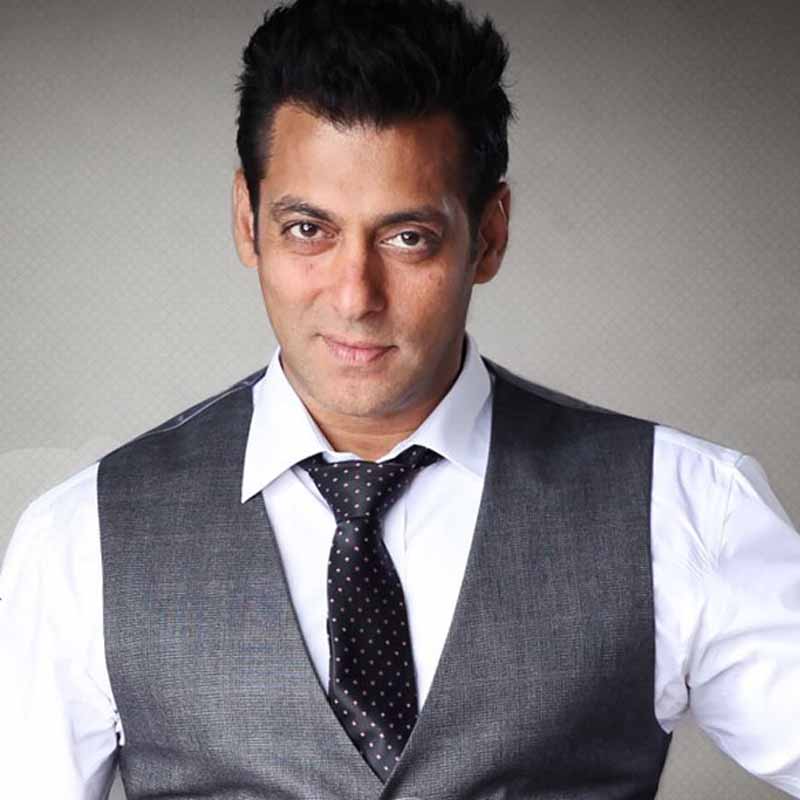
    Fox studios which is known for its commitment towards supporting and creating high content cinema is once again partnering with Gupte in his next untitled directorial venture. While commenting on his venture and partnership with the studios, Gupte highlights, “In this land of a billion dreams, it will always be a challenge to record the spirit and energy of dreamers that move mountains. This summer, I have set off on this exciting trail and I am thankful to Fox Star Studios for keeping the faith and traveling with me.”

    Fox Star Studios CEO Vijay Singh said, “We are delighted to partner with Amole and Deepa on their next film. Amole brings a unique vision to film making and his philosophy of ‘ethical cinema with a heart ‘ is inspiring and path-breaking. At Fox Star, we are committed to nurturing and developing high concept films – be it Stanley Ka Dabba or Jolly LLB – and Amole‘s next film is definitely the one that will tug at our hearts.”

    Following Gupte‘s track record of delivering high on content with a worldwide critical and popular acclamation, Fox Star studios is hoping to bring alive another heart-warming story with a universal appeal.

  • Sandalwood’s Kunigal Nagabhushan passes away

    Sandalwood’s Kunigal Nagabhushan passes away

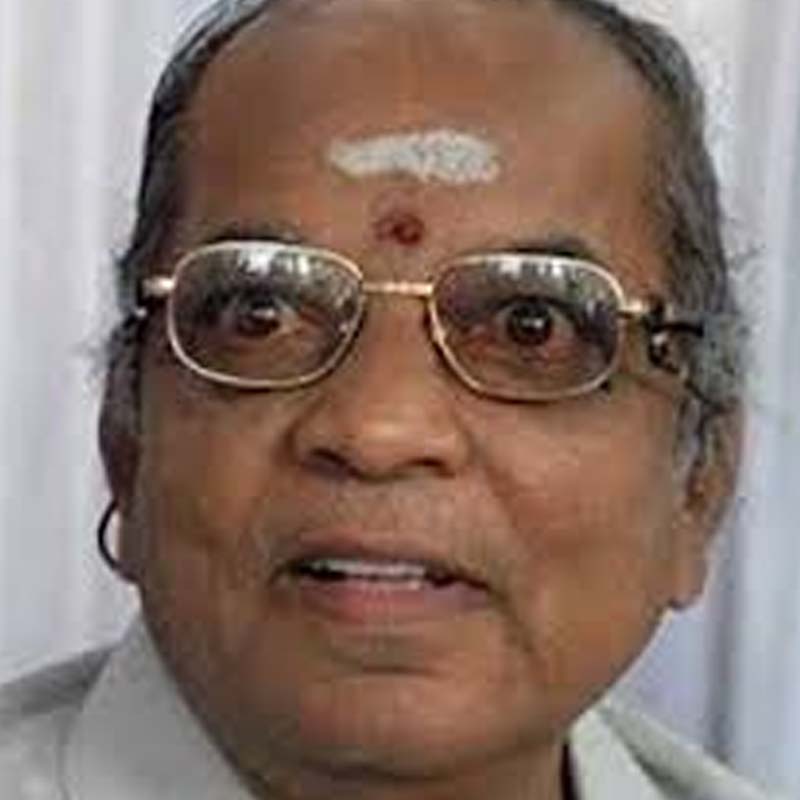
    BENGALURU: Kannada film director, scriptwriter and actor Kunigal Nagabhushan passed away in Bengaluru yesterday morning. Nagabhushan, who had been admitted to hospital on Saturday, last suffered two massive heart attacks. He was 70. Earlier this year, doctors had to amputate his right leg due to gangrene problems brought on by diabetes.

    Nagabhushan had obtained a degree in cinematography and entered films in 1961. His tryst with Sandalwood began as an assistant director and has even directed southern cinema icon Rajnikanh in a Kannada film. He won the state award for writing dialogues in the filmGowri Ganesha directed by Phani Ramachandra which had Anant Nag in the lead role.

    Nagabhushan`s successful films include Sahodarara Savaal, Simhada Jodi, Oorige Upakari, Sangliana and others.

  • Salman Khan to shake a leg in honour of the Bollywood legends in Chicago

    Salman Khan to shake a leg in honour of the Bollywood legends in Chicago

    MUMBAI: Bollywood‘s biggest night is all set to turn more glamorous with cinema‘s ‘Dabangg‘ star Salman Khan performing alongside his Ek Tha Tiger co-star Katrina Kaif at the Sears Center Arena, Hoffman Estates, Chicago, for the show – 100 Years of Indian Cinema Concert and Awards. The event which is one of its kind is scheduled to start on 30 August and end on 1 September.

    It is reported that the organisers are going the extra mile to reminisce the glorious history of the Indian cinema. The exclusively dedicated two day celebration will sport a number of Bollywood performances from top Bollywood stars including Sonashi Sinha, Prabhu Deva, Katrina Kaif, Ranveer Singh, and more dancing to chart-topping numbers dating from 1913-2013.The dance performances will be choreographed by the dancing superstar, Prabhu Deva.

    The highlight of the event apart from the Awards presented to the living legends of Indian Cinema will be Salman‘s entertaining performance.

    Says Sudesh Sonawane of Entertainment Synergies, “Our focus is to celebrate 100 years of Indian cinema worldwide and besides that we also plan to host an extravagant musical concert featuring leading playback singers Usha Mangeshkar, Krishna Beura and more from Bollywood.”

    While leaving no stone unturned it would be no surprises if the organisers add more exciting names to the list of performers.

  • Film inspired by gang rape victim case in Delhi set for release next month

    Film inspired by gang rape victim case in Delhi set for release next month

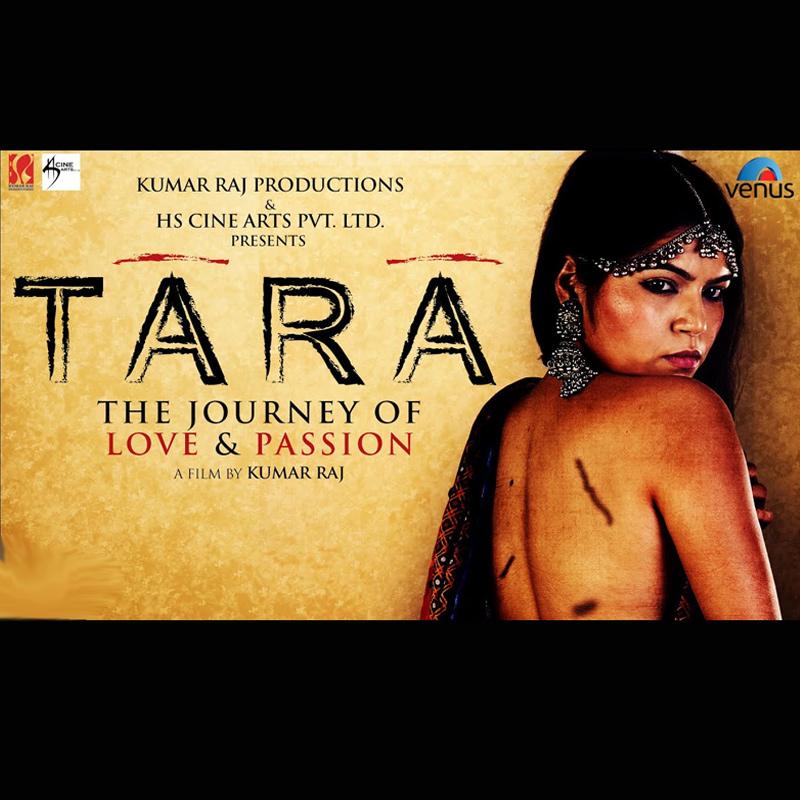
    NEW DELHI: “Tara – The Journey of Love & Passion”, a film inspired by the case of the gang rape victim in Delhi last December, is being released on 12 July after having acclaim at several festivals overseas.

    Awnindra Pratap Pandey (Boyfriend of the gang rape victim generally referred to as Nirbhaya) said: “I totally feel for the cause on which this film is based and I am happy that someone has taken the step towards empowerment of Women. I hope this small step would lead to the betterment of the society and provides a message to everyone.”

    Speaking a press meet in Delhi, lead actress Rekha Rana said, “I am from Delhi and I was very upset with the Nirbhaya incident. I feel lucky that this film came to me. This is the kind of role I have been looking forward to.”
    Producer and Director Kumar Raj said, "I happened to attend one of her (Rekha’s) plays, I had already auditioned more than 300 girls and was in search for leading lady for a very long time.” Impressed with her stage presence, Rekha was called by Kumar for an audition in front of ten people including the writer, out of which nine people voted for her."

    This powerful story of self-discovery transcends the original theme of tribal strife to raise a universal question: Can you always choose freedom and self-respect over social acceptance? The journey of the ordinary woman Tara in extraordinary situations reveals the story of love and passion and how she deals with this dilemma.

  • Raanjhanaa: A love triangle with a twist

    Raanjhanaa: A love triangle with a twist

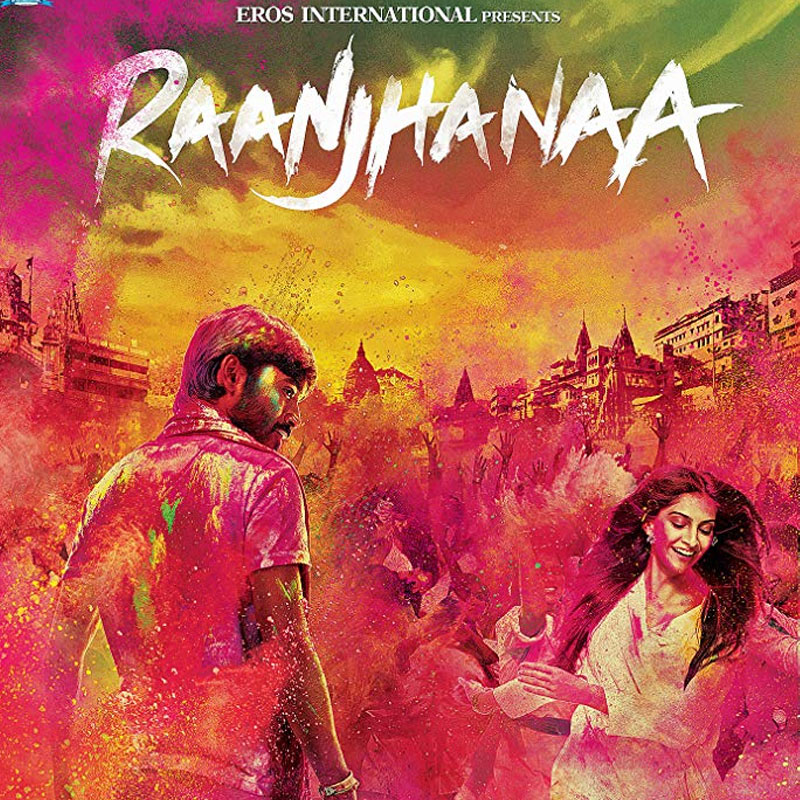
    MUMBAI: If you remember Ranjha, the legendary romantic of the Heer Ranjha story, you are expected to know the meaning of Raanjhanaa, burdened heavily with extra As, thanks to more faith in numerology than its content. Raanjhanaa means one who is madly in love with all the attributes of Ranjha. The film crams in four stories and puts too mach baggage on the fragile shoulders of Sonam Kapoor and Dhanush.

    Dhanush‘s family was brought to Banaras by the king 200 years back and appointed as temple priests. The tradition continues as Dhanush‘s father holds the post while he does his schooling and generally loafs around town. That is till he sets eyes on Kapoor, a Muslim girl. The puppy love matures into real love but, obviously, is not approved by the girl‘s parents. She is soon dispatched to her aunt‘s house in Meerut to complete her schooling. While away, as Kapoor outgrows her infatuation, but for Dhanush, pining for her every moment, it has only turned into deep-rooted love.

    From Meerut, Sonam proceeds to Delhi to do her graduation and returns to Banaras after eight long years. Dhanush‘s dream of picking up their romance from where they left off eight years back is shattered. Not only has Kapoor forgotten him and also overcome her childhood romance, she has found her true love in college in Abhay Deol. Left with no alternative and being the only one kapoor considers close, Dhanush agrees to make her marriage with Deol possible after convincing her father. But, come the wedding day, Dhanush who has made the marriage possible is the one who becomes instrumental in breaking it when he reveals that Deol is not a Muslim but is posing as one only to marry Kapoor. Deol is beaten up mercilessly, to fatal consequences, while Sonam comes to hate Dhanush.

    Sonam decides to go back to Delhi and take up Deol‘s incomplete task of leading the college youth through the political outfit built by Deol. Their approach is radical with plans to foil authorities‘ attempts at exploiting the poor in the guise of various schemes. Dhanush follows to win back her love or to atone may be. While he can‘t win over Sonam, he sure gets all the party members to follow his ideas. From accompanying the outfit to serve tea and wait on them, he turns into its leader thanks to his native instinct and negotiation skills on various occasions.

    A time comes when the party can be headed by only one leader and either Kapoor or Dhanush has to go. The seed of this idea is planted in Sonam‘s mind by the local Chief Minister who foresees this youth party starting off with a seat or two in the ensuing elections. Sonam has many reasons for Dhanush to go: him replacing her as the rightful heir to Deol‘s party is one and the death of Deol is the other, more important one.

    Raanjhanaa has quite a few stories told in one film: the childhood love of Sonam and Dhanush, college romance of Sonam and Deol, the return to Banaras, wedding day murder of Deol and, finally, the second half which has little connect with the first half and goes totally on politics and youth movement. So much so the second part comes across as the sequel to the Raanjhanaa of the first part! The initial parts of childhood romance between Dhanush and Sonam are fun to watch followed by sequences with Deol. Post these parts, the film goes off track; neither romantic nor entertaining, running away from itself.

    While Dhanush is a natural, at ease with all kinds of situations, Sonam does well as girl in love, which is until she is projected as a leader. Deol emits a pleasant feel while he is there. Swara Bhaskar supports very well. Direction is smooth during initial parts and during college phase but loses control thereafter. Musically, the film has three good numbers in Tum tak…, Banarasiya…. and Tu mun shudi… Dialogue is effective. Editing is slack while the photography is good.

    Raanjhanaa has taken an average opening and may find a bit of improvement over the weekend but not enough to justify its cost.

    Shortcut Romeo: A story of love, greed and deceit

    Shortcut Romeo is the remake of maker Susi Ganeshan‘s own Tamil film Thiruttu Payale (2006). The film explores the age-old theme of vice and greed. The film is about the straying of a woman with a doting husband and about a ruffian who wants a shortcut to wealth and worldly pleasures by exploiting the situation.

    Neil Nitin Mukesh is a footloose and fancy-free lad with a streak of violence in him due to which he is dispatched off to Mumbai to live with his maternal uncle to whom he is very attached. Neil was a studious and honest boy in Goa who goes wayward as his inspector father involves him in collecting bribes on his behalf. The boy soon learns to pilfer some money to enjoy with his friends. Now a grown man in Mumbai, Neil spies a man and woman playing golf and soon going behind the bushes and having sex. Next time, Neil is ready with a video camera and catches the couple in the act, the woman being Ameesha Patel with her husband‘s best friend.

    Neil now possesses an ATM card without limit with this video. Instead of one time settlement with Patel, he decides to milk the situation piecemeal; making demands at whim. After starting with demanding cash, next he asks for an all-expense paid trip to Africa with his friends. He poses as a millionaire businessman and happens to meet Puja Gupta, who is a daughter of a millionaire too. By the second meeting, they are in to janam janam ka love. But, Patel has decided not to take her exploitation lying down. Neil and his friends are attacked by the local tribesmen; while his friends are killed, Gupta is kidnapped. Of course, Patel is responsible.

    Back in India, Neil realises that Gupta was no millionaire‘s daughter but is the daughter of Patel‘s greedy servant who was sent after Neil to trap him in her love. But, it is too late now because that pretence of love has turned into real love.

    It is time for some new players to join the game played by patel and Neil. The former‘s husband feels something is bothering his ‘vulnerable‘ wife and adds the third angle. After all, he is the moneybags. He settles all scores, destroys any track that leads to his family and we have one James Hadley Chase kind of thriller ready.

    The film loses its grip after the African episode. Everybody is a sinister schemer and yet starts crying at the drop of a hat. Parts which are shot on scenic outdoors are worth watching but that is about all. Musically, a couple of songs have appeal, with the best being Khali salaam dua… Direction is average. Rest of the aspects are routine.

    Shortcut Romeo holds no promise at the box office.


    Enemmy is Mithun Chakraborty‘s home production where he plays a pivotal role but it projects his son Mahakshay Chakraborty in a prominent role buffered by other actors, Suniel Shetty, Kay Kay Menon and Johnny Lever. With such veterans in the cast, the film can‘t be a romance; it should be and is an action with a fair amount of suspense. It is about a triangle formed by politicians, underworld (drug dealers) and police and a search for Rs 500 crore of missing drug money.

    Gang wars have broken out across Mumbai as Zakir Hussain and Sharat Saxena‘s men are on a killing spree eliminating each others‘ members. The minister concerned gives the police a free hand to stop these killings. The media is full of reports of these crimes. The quartet of Shetty, Menon, Lever and Mahakshay get into action. The inseparable four complement each other well and usually carry out all their operations as a team.

    While Hussain is locked up in jail, the killings don‘t stop. The reason: Hussian‘s huge cache of funds goes missing from the expressway while in transit. The money was meant for financing the coming elections in the state. Akshay Kapoor, the politician in the capital, who is expected to go a long way in politics, deputes a special CBI agent, Mithun, to go to the roots of the events in Mumbai.

    Mithun narrows down on who stole the money but needs the proof. He also finds out where the money was destined to go. All rules are shelved as the only priority the politicians have is to get the money back, no care whose head rolls, cops‘ or gangsters‘. All are guilty in this game but those with courage to own up win in the end.

    The film has a decent idea but the script is developed in a very old fashioned way as it leads to a climax which could well be out of any 1970s/80s film. Also, the need for logic has been done away with. The music has no scope in the proceedings. Performances are generally good as the film boasts of all seasoned artistes. Mahakshay has shed his excess weight and developed a well toned body and has improved a great deal in acting. Akshay Kapoor in a small role makes his mark.

    Enemmy has not had an auspicious start with dearth of audience to welcome it.