Category: Hindi

  • IFP rings in fifteen years of creativity and culture

    IFP rings in fifteen years of creativity and culture

    MUMBAI: Fifteen and fabulous! India Film Project (IFP) is all set to celebrate its milestone 15th edition, returning to Mumbai’s iconic Mehboob Studios on 29 and 30 November for a weekend bursting with stories, art, and unfiltered creativity.

    What started as a spark between a few passionate creators has now grown into the world’s largest festival celebrating creativity x culture, a global platform where filmmakers, writers, designers, musicians, and dreamers come together to create, collaborate and reimagine storytelling.

    This year’s line-up is nothing short of stellar. The jury features cinematic heavyweights and creative icons including Dibakar Banerjee, Sheeba Chaddha, Hariharan, Bilal Siddiqi, Santhy Balachandran, Ravi Jadhav, Kanu Behl, Mukesh Chhabra, and Gajesh Mitkari, among others.

    At the festival’s heart lie the 50 hour creative challenges, IFP’s signature event where imagination meets the ticking clock. From filmmaking and music to design, photography, writing, and performing arts, this year’s challenges drew over 40,000 participants from 350 cities across 23 countries, a testament to IFP’s ever-growing creative tribe.

    Reflecting on the milestone, IFP founder Ritam Bhatnagar shared, “What began as a small dormitory idea is now one of the world’s biggest celebrations of creativity. Fifteen years later, IFP continues to be that space where creative people come together, experiment, and grow.”

    For filmmaker Dibakar Banerjee, being part of the jury felt like coming full circle. “Storytelling thrives on curiosity, and that’s what IFP embodies. Fifteen years in, it still surprises and inspires.”

    Echoing the sentiment, Sheeba Chaddha added, “There’s a rare joy in being part of IFP. It’s a space that lets artists express freely and evolve without boundaries.”

    Over the years, IFP has hosted over 1.2 lakh creators, 1400 speakers, and creative legends like Joseph Gordon-Levitt, Mira Nair, Vicky Kaushal, and Javed Akhtar, proving that it’s not just a festival, but a movement.

    This November, IFP once again promises two unforgettable days where every idea, big or small, finds its spotlight. So if creativity runs in your veins, Mehboob Studios is the place to be.

  • Justice takes the spotlight as Junglee Pictures screens haq

    Justice takes the spotlight as Junglee Pictures screens haq

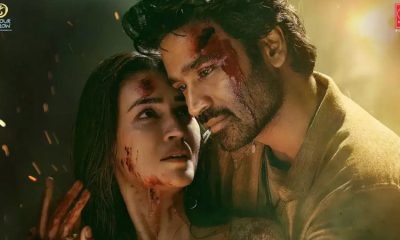
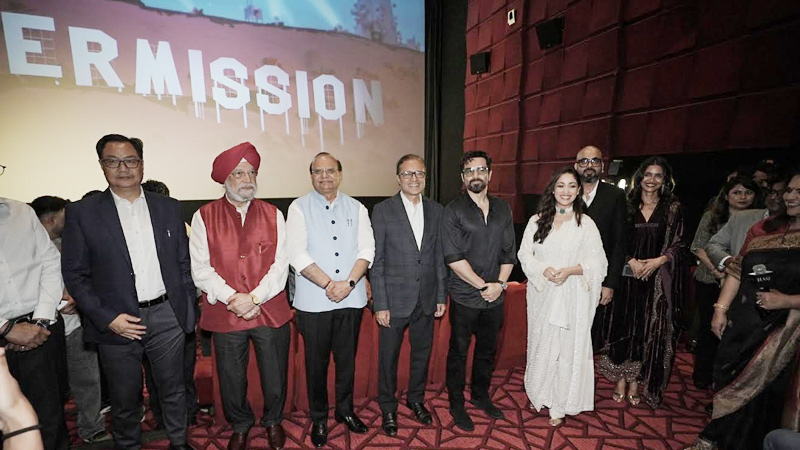
    MUMBAI: Justice found its stage and the stars took the stand as Junglee Pictures hosted an exclusive screening of its upcoming legal drama Haq in New Delhi. The evening saw a rare confluence of cinema and statesmanship, with union ministers Hardeep Singh Puri and Kiren Rijiju, Delhi lieutenant governor VK Saxena, former chief justice of India DY Chandrachud, and Times Group managing director Vineet Jain gracing the red carpet at The Chanakya Mall.

    Directed by Suparn S Varma, Haq stars Yami Gautam Dhar and Emraan Hashmi in a gripping tale inspired by a landmark supreme court judgment. The film explores the collision between personal faith and secular law, tackling patriarchy and power while celebrating justice and equality. Written by Reshu Nath, it’s the kind of story that lingers long after the credits roll, a mix of emotion, courage, and conversation.

    Produced by Junglee Pictures in association with Insomnia Films and Baweja Studios, Haq also features a compelling debut by Vartika Singh alongside Sheeba Chaddha, Danish Hussain, and Aseem Hattangady.

    From the first half alone, the film struck a chord with its audience. “It’s not just about women’s empowerment but about justice denied because of personal laws. Everybody should see this movie,” said Hardeep Singh Puri. Union minister Kiren Rijiju added, “The film carries a message that shouldn’t be limited to the screen, every Indian should watch it.”

    Former CJI DY Chandrachud called the screening “an emotional and personal moment,” reflecting on the historic judgment that inspired the narrative. “The rights given to women can’t be taken away, they are vindicated in law and in spirit,” he said.

    Echoing the sentiment, Times Group MD Vineet Jain remarked, “There are two kinds of films, the purely entertaining and those that make you think while entertaining. Haq is both.”

    Set to release in cinemas worldwide on 7 November, Haq promises to be more than just another courtroom drama, it’s a stirring plea for justice, equality, and the courage to question.
     

  • From reel to real change as IMDb maps 25 years of indian cinema

    From reel to real change as IMDb maps 25 years of indian cinema

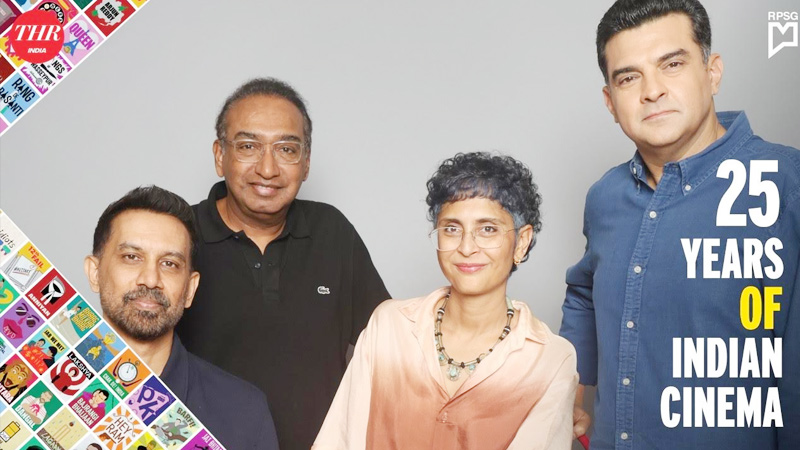
    MUMBAI: Lights, camera, reflection! As IMDb turned the spotlight on 25 Years of Indian Cinema (2000–2025), a new script of change unfolded, one where superstardom is shared, stories are decentralised, and the audience now holds the director’s chair.

    In a spirited roundtable hosted by Anupama Chopra for The Hollywood Reporter India, industry stalwarts Siddharth Roy Kapur, Kiran Rao, Sameer Nair and Raj Nidimoru dissected the shifting contours of India’s cinematic universe. The conversation, anchored in IMDb’s landmark report, delved deep into how streaming, social media, and audience evolution have rewritten Bollywood’s rulebook.

    “Stardom has been democratized,” said Siddharth Roy Kapur, noting how the halo once reserved for a handful of megastars has now spread across platforms and personalities. Rao agreed, adding that today’s fascination lies less with the cult of celebrity and more with the craft itself. “It’s stopped being all cult of personality. There are so many more artists now that people are interested to watch,” she said, highlighting how Youtubers, comics, and digital creators now rival traditional film stars in influence.

    Raj Nidimoru pointed out the industry’s long-standing blind spot, the lack of sustained investment in building women’s stardom. “The hero is treated like a franchise,” he said, “but the same pipeline doesn’t exist for actresses. You can’t expect overnight success for female-led films when you haven’t built that equity over time.” His words struck a chord, echoing an industry still learning to give its heroines equal narrative and commercial weight.

    The conversation turned south quite literally as Kapur acknowledged the audacious ambition of regional cinema. “There’s something to be said for the ambition of South films,” he remarked, attributing their boldness partly to the less corporatised funding ecosystem. “They go all in. That chaos fuels creativity.”

    Nidimoru added a telling anecdote from his Stree shoot in Chanderi: “The cook was watching a dubbed Telugu film that’s all they watched.” For him, the distinction between North and South cinema no longer holds. “It’s one Indian film industry now,” he said.

    Sameer Nair proposed a compelling concept CSR for creativity. “The industry needs its own form of CSR Creative Social Responsibility,” he said, urging filmmakers to balance profit with purpose. “For all the commercial stuff we aspire to, we must ensure creativity is preserved and shared almost like saving the knowledge of the race.”

    As the discussion drew to a close, it was clear that Indian cinema’s next 25 years won’t just be about bigger budgets or bolder scripts but about inclusion, integrity, and imagination.

    After all, the story of Indian cinema has never been just about stars on screen. It’s about who gets to shine next.

    Watch the full discussion here


  • Hindi cinema shines bright at Filmfare’s 70th night

    Hindi cinema shines bright at Filmfare’s 70th night

    MUMBAI: Lights, camera, nostalgia! The 70th Hyundai Filmfare Awards 2025 with Gujarat Tourism turned Ahmedabad into the heart of Hindi cinema, where stars, stories and songs collided in a night of pure cinematic magic. The telecast of the unforgettable evening airs on 9 November at 9 pm across Zee TV, Zing and Zest, promising fans a front-row seat to the glamour, grandeur and golden memories.

    Hosted by the ever-charismatic Shah Rukh Khan, joined by Karan Johar and Maniesh Paul, the ceremony was a dazzling blend of celebration and emotion. The event honoured not just the brightest stars but the creative minds behind the camera, directors, writers, musicians and technicians, all of whom keep Indian cinema’s soul alive.

    One of the night’s most goosebump-inducing moments came when SRK and Kajol brought back the magic of Dilwale Dulhania Le Jayenge, Kuch Kuch Hota Hai and Kabhi Khushi Kabhie Gham, leaving the audience awash in nostalgia. Adding a heartfelt touch, Abhishek Bachchan paid tribute to his legendary father with a dynamic medley of Amitabh Bachchan classics, from Khaike Paan Banaras Wala to Jumma Chumma.

    The evening’s rhythm soared higher with Akshay Kumar’s powerhouse performance of timeless hits and Kriti Sanon’s glamorous homage to Zeenat Aman, who, along with Shyam Benegal, received the prestigious Lifetime Achievement Award. Ananya Panday brought Gujarat’s vibrant culture to life, while Siddhant Chaturvedi saluted Hindi cinema’s dance icons with electrifying energy.

    Taking the celebration sky-high, a stunning drone show lit up Ahmedabad’s skyline, tracing the evolution of Hindi cinema through the decades. A nostalgic ‘Cine Icon Awards’ segment revisited legends like Bimal Roy, Sridevi, Dilip Kumar, Nutan, and Amitabh Bachchan, right up to the 1990s icons SRK, Kajol and Karan Johar.

    The telecast also captures intimate moments, from the audience joining SRK to wish Big B a happy birthday to Ravi Kishan and Abhishek Bachchan winning their first-ever Filmfare trophies.

    So, polish that popcorn bowl and prepare for an unforgettable evening. The 70th Filmfare Awards 2025 promises everything Hindi cinema stands for, emotion, entertainment and eternal magic, on 9 November at 9 pm only on Zee TV, Zing and Zest.


  • Netflix rolls the YRF reel worldwide

    Netflix rolls the YRF reel worldwide

    MUMBAI: Lights, camera, nostalgia! Netflix and Yash Raj Films (YRF) hit play on a golden reel of Hindi cinema memories, bringing five decades of cinematic gems to screens around the world. The streaming giant sealed a landmark partnership with India’s iconic studio, opening its vault of classics, blockbusters and heart-throbs for global audiences to binge on.  

    The celebration began with a star-studded line-up. Shah Rukh Khan fans were treated to nine of his biggest hits, including Dilwale Dulhania Le Jayenge, Veer-Zaara and Chak De! India, which dropped on November 1, marking the superstar’s birthday weekend. Salman Khan’s action-packed trio Ek Tha Tiger, Sultan and Tiger Zinda Hai will roar onto Netflix on December 27, his birthday.

    Romance buffs can look forward to November 14, when timeless Yash Chopra classics like Chandni, Lamhe and Silsila begin streaming. Ranveer Singh’s infectious energy arrives on December 5 with Band Baaja Baaraat and Gunday. The festive season gets even brighter with 34 YRF crowd-pleasers, including Hum Tum, Bunty Aur Babli and Mujhse Dosti Karoge, set to stream two at a time between December 12 and 28.

    The reel keeps rolling into 2026, with the Dhoom trilogy revving up from November 28 and the Mardaani series joining on January 22. Valentine’s week will see eight heart-fluttering romances like Saathiya and Bachna Ae Haseeno streaming from February 7.

    “For over 50 years, Yash Raj Films has shaped the heart of Indian cinema,” said YRF CEO Akshaye Widhani. “Bringing this legacy to Netflix lets the world experience the colour, the music and the magic of India.”

    Netflix India vice president of content Monika Shergill added, “This partnership celebrates Indian cinema in all its glory, allowing fans to relive the magic while new audiences discover its timeless charm.”

    Whether you’re chasing Dhoom-style thrills or humming Tujhe Dekha To in your living room, Netflix’s latest drop has turned every night into a Hindi cinema blockbuster.


  • Cinépolis rolls out the red carpet for SRK fans

    Cinépolis rolls out the red carpet for SRK fans

    MUMBAI: It’s time to fall in love all over again. Cinépolis India is turning up the nostalgia with a cinematic celebration fit for the king of Hindi cinema. Beginning October 31, the multiplex chain is hosting the Shah Rukh Khan Film Festival across 24 cities, inviting fans to relive the actor’s most iconic performances where they belong, on the big screen.

    The line-up reads like a love letter to Hindi cinema itself, spanning Kabhi Haan Kabhi Naa, Devdas, Main Hoon Na, Om Shanti Om, Chennai Express, Dil Se, and Jawan. Each screening promises a return to those unforgettable moments of romance, drama and charm that defined generations of moviegoers.

    “Few actors have shaped Indian cinema like Shah Rukh Khan,” said Cinépolis India managing director Devang Sampat. “This festival celebrates his legacy by recreating the shared joy of watching his films together in theatres. At Cinépolis, we want every film to feel like an experience.”

    Running through the first week of November, the festival will light up Cinépolis theatres from Delhi and Lucknow to Bengaluru, Pune, Hyderabad, Kolkata and beyond. With seven blockbusters, 24 cities and countless memories, this tribute is pure Hindi cinema magic, curtain up, arms outstretched, and hearts wide open.


  • Isha Koppikar’s Rocketship soars to new heights

    Isha Koppikar’s Rocketship soars to new heights

    MUMBAI: Looks like Isha Koppikar’s latest project is truly sky-bound. Her new film Rocketship has taken off in style, bagging official selections at not one but two international film festivals, the Dadasaheb Phalke International Film Festival 2026 and the Mokkho International Film Festival 2025.

    For Koppikar, the recognition feels deeply personal. Having built her career without a godfather, she chose to collaborate on this film with students from Subhash Ghai’s Whistling Woods International, offering young talent a chance to shine. The partnership reflects her belief that grit and opportunity, not privilege, should power one’s journey in cinema.

    Expressing her excitement, Isha Koppikar said, “This is such an honour, not just for me but for the entire team behind Rocketship. I’m especially proud of the students who worked tirelessly and are now getting the recognition they deserve. Dreams really do take flight.”

    The film’s trailer, which dropped recently, drew wide praise for its emotional tone and strong performances. Rocketship, directed and written by Arjun Menon and produced by Harmanraai Singh Sehgal, tells a moving story about the unbreakable bond between a mother and her daughter, a tale of strength, sacrifice and dreams that refuse to burn out.

    Starring Isha Koppikar alongside young talent Amayira Sharma, the film promises to tug at heartstrings while celebrating the spirit of perseverance. With Rocketship earning critical attention on the festival circuit, it seems Koppikar’s latest venture is not just a cinematic journey, it’s a story of hope taking flight.


  • Rangeela rolls again in 4K 90s magic gets a new frame of mind

    Rangeela rolls again in 4K 90s magic gets a new frame of mind

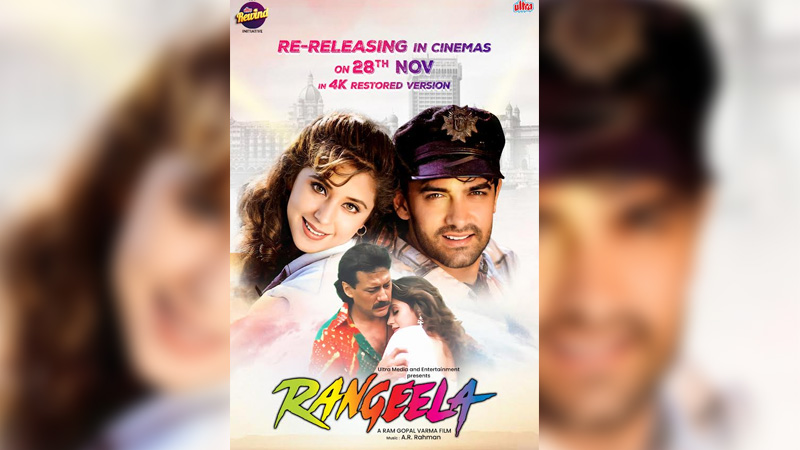
    MUMBAI: It’s time to put on those dancing shoes again Rangeela is ready to paint theatres in technicolour nostalgia. Three decades after Aamir Khan, Urmila Matondkar, and Jackie Shroff set the screen ablaze, Ram Gopal Varma’s cult classic is making a grand comeback. The 1995 musical will hit cinemas once again on 28 November 2025, exactly 30 years after it first redefined Bollywood cool.

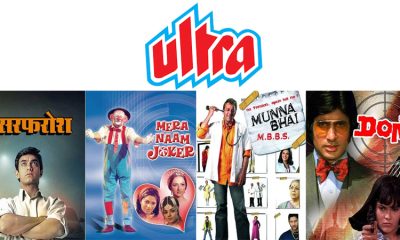
    The re-release isn’t just a replay; it’s a revival. Presented in a 4K HD restored version with immersive sound, the film promises razor-sharp visuals, richer colours, and a sonic polish worthy of A.R. Rahman’s iconic soundtrack. The restoration comes courtesy of Ultra Media, under its Ultra Rewind initiative, a project devoted to bringing India’s cinematic gems back to the big screen, one frame-perfect classic at a time.

    When it first released, Rangeela was nothing short of revolutionary, a vibrant cocktail of melody, ambition, and Mumbai masti that marked a turning point for Hindi cinema in the 90s. From Rahman’s foot-tapping “Tanha Tanha” to the breezy “Yaaron Sun Lo Zara,” the soundtrack redefined Bollywood music, while Urmila’s star-making turn and RGV’s kinetic storytelling gave Hindi cinema a fresh, stylish edge.

    Reflecting on the film’s enduring legacy, Ram Gopal Varma said, “Rangeela embodied the spirit of aspiration, showing that ordinary people can also dare to dream big. Its success demonstrated that rule-breaking cinema is often the most unforgettable.”

    Ultra Media CEO Sushilkumar Agrawal added, “For many, Rangeela is a nostalgic trip back to the golden era of Bollywood. With Ultra Rewind, we’re bringing this beloved classic to modern audiences in a stunning 4K format, ensuring that its timeless charm continues to mesmerise audiences for years to come.”

    Rangeela is the second project under Ultra Rewind, following the Guru Dutt Centenary Retrospective earlier this year on 8 July. That initiative saw the re-release of gems like Pyaasa, Sahib Biwi aur Ghulam, Kagaz Ke Phool, and Chaudhvin Ka Chand in 4K glory. The studio now plans to restore and re-release many other classics across languages, keeping India’s cinematic heritage alive and looking sharper than ever.

    So, come November, the big screen will once again shimmer with Rahman’s rhythms, RGV’s storytelling swagger, and Urmila’s electric charm. Because some films don’t just age, they replay beautifully.

  • Theatre’s role in cinema, where stage meets screen

    Theatre’s role in cinema, where stage meets screen

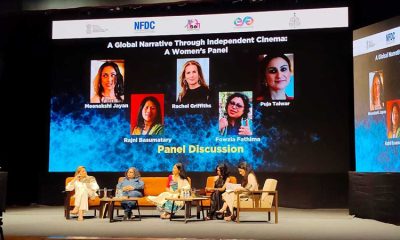
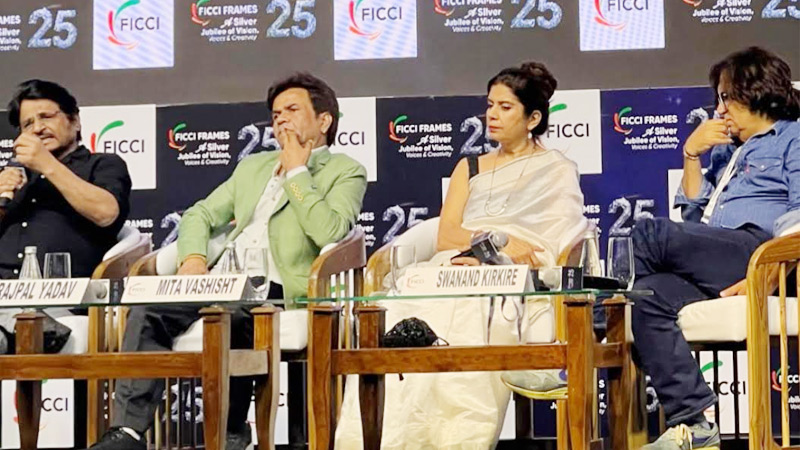
    MUMBAI: Curtains up, lights on, and action, but the roots of cinema lie on the stage. At a lively session on “The Power of Theatre in Cinema’s DNA,” celebrated actors and creators revealed how the world of theatre continues to shape the Indian screen.

    Moderated by National School of Drama director Chittaranjan Tripathy, the panel featured Swanand Kirkire, Raghubir Yadav, Rajpal Yadav, and Mita Vashisht. The discussion explored how theatrical training provides actors with depth, discipline, and authenticity that resonate on screen.

    Swanand Kirkire, a multi-talented lyricist, actor, and singer, called cinema an extension of theatre. “Drama happens in one space and one time on stage. Cinema takes the same drama and expands it across spaces and moments,” he said. He highlighted that every great film begins with understanding drama, the conflict between forces, and the forward motion of storytelling.

    Raghubir Yadav stressed theatre’s irreplaceable role in building a performer. “You can do a play without cinema, but you cannot do a film without a play. Theatre gives you everything: emotion, nuance, life. Cinema may teach dialogue memorisation, but theatre teaches you living on stage,” he explained.

    Rajpal Yadav reflected on theatre as a teacher of life itself. “The collaborative essence of stagecraft and how understanding every role, from actors to carpenters, enriches cinema. Theatre teaches zero, cinema teaches hero. When theatre and cinema come together, every element of performance becomes alive,” he said.

    Mita Vashisht discussed the technical interplay between theatre and film. While theatre delivers a live connection with audiences, cinema requires technology to capture and convey the same energy. She also pointed out that concepts like framing, positioning of actors, and set design in cinema are borrowed directly from theatre, referencing techniques like Mise en Scène.

    The session celebrated theatre as the backbone of cinema, emphasising that even with all the technology in modern filmmaking, the foundational lessons of stagecraft: discipline, collaboration, and emotional truth, remain essential. As Kirkire summarised, “Theatre gives cinema its DNA. Without it, the soul of performance is incomplete.”

    From the intricacies of acting to the careful orchestration of a set, the discussion made it clear, the spotlight may have shifted from stage to screen, but the heart of storytelling continues to beat in the theatre.

  • Ajay Devgn rebrands NY Cinemas as Devgn Cinex in metro push

    Ajay Devgn rebrands NY Cinemas as Devgn Cinex in metro push

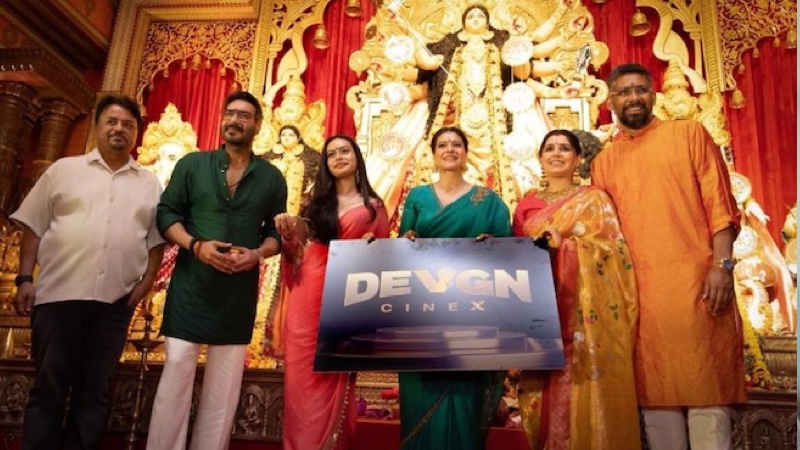
    MUMBAI: Ajay Devgn is putting his name on cinema screens—literally. The actor launched Devgn Cinex on Maha Navami, rebranding the NY Cinemas chain at North Bombay’s Durga Puja celebrations alongside his wife, actor Kajol. The move signals an aggressive expansion play across Indian metros and the south, backed by Vishwa Samudra Holdings.

    Vishwa Samudra group managing director Shivdutt Das hailed the rebrand as more than cosmetic. The company promises to turn multiplexes into “spaces of innovation, comfort, and culture”, deploying premium formats and what it calls “immersive experiences”. Whether that means reclining seats, better sound systems or something more ambitious remains unclear—cinema chains have long promised whilst delivering incremental upgrades.

    NY Cinemas has operated quietly for years, but the Devgn tie-up suggests plans to compete with PVR Inox, which dominates India’s multiplex market with over 1,700 screens, and Cinépolis, which runs around 450.

    Devgn, one of Indian cinema’s bankable stars and a producer through his Devgn Films banner, brings celebrity firepower to a sector recovering from pandemic losses and grappling with streaming competition.

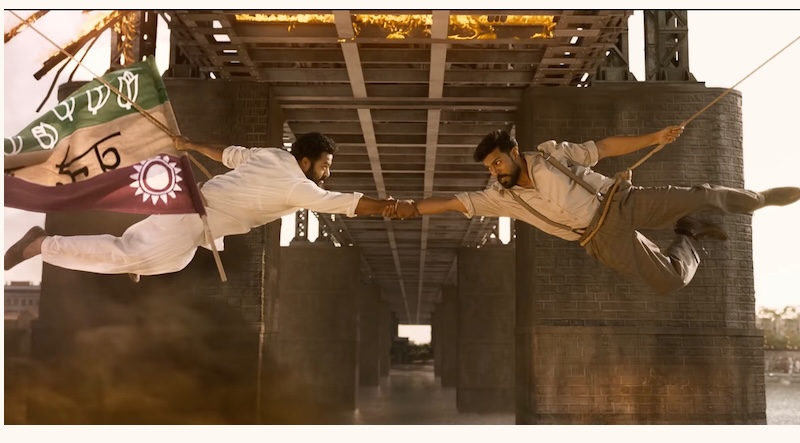
    The emphasis on south India is telling. Regional-language films have outperformed Hindi movies at the box office in recent years, with Tamil and Telugu blockbusters like Pushpa and RRR drawing massive crowds. Metros in Chennai, Bengaluru and Hyderabad have become battlegrounds for cinema chains chasing affluent audiences willing to pay premium ticket prices.

    Vishwa Samudra Holdings operates across real estate, hospitality and entertainment. Its bet on Devgn Cinex suggests it sees room for another national player, despite consolidation that saw PVR and Inox merge last year.
     
    Says a media observer: “There’s a shortage of cinema screens in India compared to its massive 1.5 billion or so population. The population is underserved, which has stunted the growth of Indian cinema. The more the screens, the better can be the box office collections for good productions.”

    But whether Indian audiences need yet another multiplex brand—celebrity-backed or not—to fill that gap is another question entirely.