Category: MAM

  • La Chérie expands to Mumbai with a taste of everyday indulgence

    La Chérie expands to Mumbai with a taste of everyday indulgence

    MUMBAI: La Chérie is a premium dessert brand celebrated for its artisanal cheesecakes, exceptional craftsmanship, and honest baking philosophy. Known for creations like the airy Japanese Cheesecake, indulgent New York Cheesecake, decadent San Sebastian Burnt Cheesecake, and charming Mini Bento Cheesecake Boxes, the brand has won over dessert lovers with its commitment to using only the finest ingredients, without preservatives, bulking agents, compound chocolate, gelatin, or agar-agar. Because you deserve a little indulgence. Everyday.

    Founded in 2020 by Supriya Konduskar and co-founder Abhijeet Konduskar, La Chérie began as a home kitchen passion project during the COVID-19 lockdown. Over the past four years, it has grown into a nationally recognised name, admired for its quality, craftsmanship, and personal touch, reflecting how women entrepreneurs are redefining India’s F&B landscape.

    La Chérie, which has built a loyal following and “ruled” the dessert scene in Pune, is now planning to bring its handcrafted creations to Mumbai. The expansion will allow the brand to connect with the city’s discerning dessert lovers and offer them the La Chérie experience, fresh, authentic, and made with love.Currently, these indulgent creations are also available for online ordering on Swiggy and Zomato.

    “We’ve built a loyal community in Pune, and now we’re ready to share our cheesecakes with Mumbai,” says Supriya. “This expansion is more than a milestone, it’s a celebration of women who dare to dream, create, and lead.”

    Co-Founder Abhijeet Konduskar added, “Our growth has always been guided by quality and the trust we’ve earned from our customers. This store will allow them to experience the heart of La Chérie, authentic flavours, meticulous artistry, and the warmth we stand for.”


  • Zodiac Clothing posts Rs 862.8 crore loss in June quarter

    Zodiac Clothing posts Rs 862.8 crore loss in June quarter

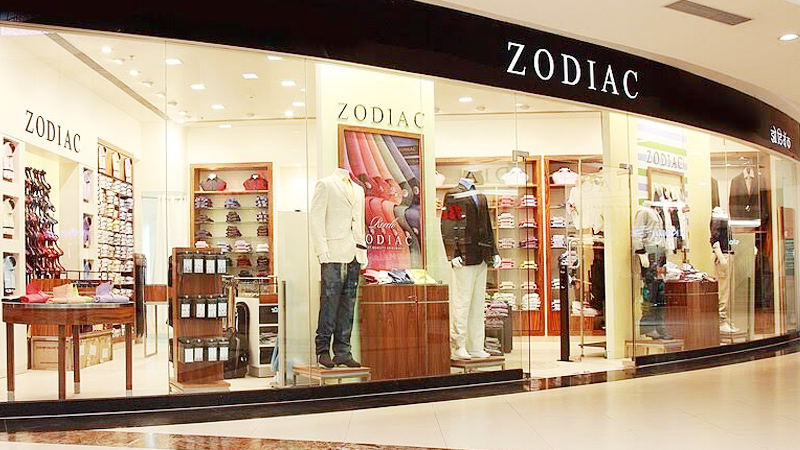
    MUMBAI: Zodiac’s stars aren’t exactly aligned this season. Zodiac Clothing Company Limited stitched up higher revenues in Q1 FY26 but couldn’t keep the red off its books, posting a consolidated net loss of Rs 862.77 crore for the quarter ended 30 June 2025. That’s deeper than the Rs 764.20 crore loss in the March quarter, though slightly better than the Rs 942.34 crore loss a year earlier.

    Revenue from operations edged up to Rs 3,902.78 crore from Rs 3,769.68 crore in Q1 FY25, boosted by steady sales momentum. Other income, however, more than halved year-on-year to Rs 224.75 crore from Rs 598.27 crore. Total income came in at Rs 4,127.53 crore, down from Rs 4,367.95 crore last year.

    Expenses remained the fashion faux pas surging to Rs 4,971.89 crore. Raw material costs alone stood at Rs 1,408.38 crore, with employee benefits at Rs 1,170.24 crore, depreciation at Rs 534.91 crore, and finance costs climbing to Rs 237.89 crore. Other expenses, including marketing and overheads, were a hefty Rs 1,633.45 crore.

    Margins told their own style story. Inventory changes shaved off Rs 61.57 crore from costs this quarter compared to a Rs 368.02 crore inventory drawdown last year. Still, the operating runway was too tight to avoid losses.

    The company’s tax expense swung to Rs 18.41 crore from a credit of Rs 30.79 crore in March, leaving a bottom line firmly in negative territory. Basic and diluted earnings per share came in at a loss of Rs 3.32, against a Rs 3.63 loss per share last year.

    On the balance sheet, equity capital held steady at Rs 2,599.37 crore, with other equity at Rs 15,366.02 crore. Comprehensive losses for the quarter stood at Rs 947.87 crore, factoring in an Rs 85.10 crore hit from other comprehensive income items, including swings in investment valuations and currency movements.

    For now, Zodiac may have pulled in sales, but with costs outpacing the catwalk, the label’s financials are still very much in last season’s colours.

  • Fyno Appoints Ali Lightwalla as vice president – sales & partnerships

    Fyno Appoints Ali Lightwalla as vice president – sales & partnerships

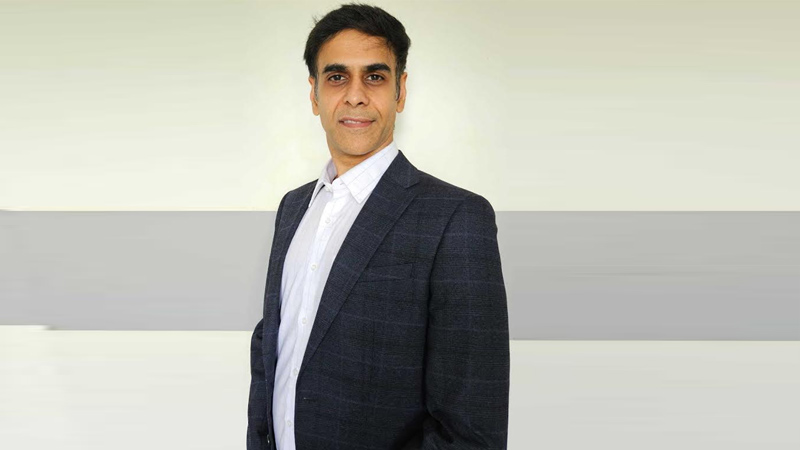
    MUMBAI: Fyno announced the appointment of Ali Lightwalla as its Vice President.  In this new role, Ali will lead Fyno’s go-to-market strategy, expand its presence across the BFSI sector, and build long-term strategic alliances.

    Ali brings with him over 22 years of robust experience in sales leadership, strategic partnerships, and business development across the financial services and enterprise technology space. His extensive experience across emerging technologies and global enterprises gives him deep insights into the changing needs of large organizations, especially in the BFSI sector. With his partnership-driven mindset and strategic foresight, Ali is poised to significantly contribute to Fyno’s next phase of growth.

    Prior to joining Fyno, he was associated with Gupshup, where he played a key role in boosting customer engagement and driving platform adoption. Previously, as AGM – Digital Sales at IDEMIA, Ali spearheaded multiple successful digital transformation initiatives. His tenure at Broadcom as Account Director – BFSI further strengthened his expertise in enterprise technology sales. Ali drove impactful sales strategies for the banking sector as Area Director – Banking Sales (West & North India) at Oracle Financial Services Software. At Ernst & Young’s subsidiary C Centric, he enhanced CRM strategy and client engagement, reinforcing his customer-first approach.

    Fyno co-founder & CEO Aniketh Jain said, “Ali’s wealth of experience in enterprise technology and the BFSI sector makes him a valuable addition to our leadership team. His proven ability to drive strategic partnerships, deliver impactful go-to-market strategies, and foster customer success aligns perfectly with our vision of enabling enterprises to take complete control of their customer communication. I’m confident that Ali’s leadership will play a pivotal role in accelerating Fyno’s growth trajectory and expanding our market footprint.”

    Commenting on his appointment, Lightwalla said, “I’m excited to join Fyno at such a transformative stage in its journey. The company’s innovative approach to help regulated enterprises take control of their customer communication while staying fully compliant, combined with its strong focus on delivering value to enterprises, presents tremendous opportunities for growth. I look forward to working closely with the team to strengthen our BFSI presence, build lasting partnerships, and help customers unlock the full potential of their communication strategies.”

  • Fashion house in the red as ABFRL posts Rs 233.7 crore quarterly loss

    Fashion house in the red as ABFRL posts Rs 233.7 crore quarterly loss

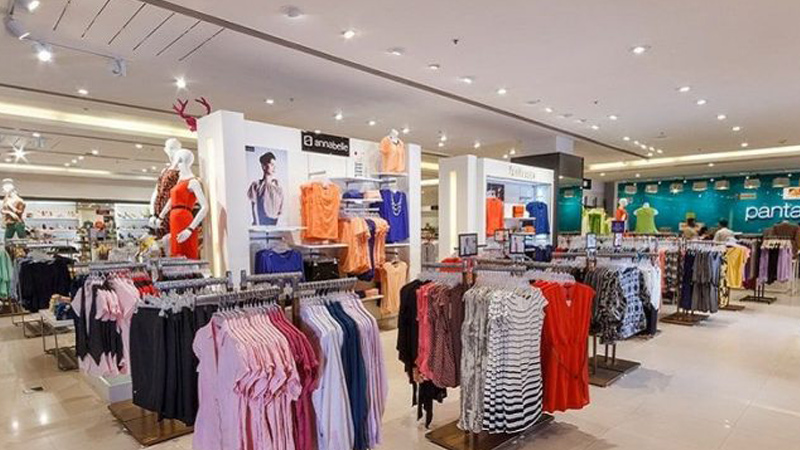
    MUMBAI: Loss is the new black and ABFRL is wearing it this quarter. Aditya Birla Fashion & Retail Ltd (ABFRL) has stitched together a tough start to FY26, posting a consolidated net loss of Rs 233.73 crore for the quarter ended 30 June 2025 deeper than the Rs 144.18 crore loss in the March quarter and the Rs 237.86 crore red ink from the same period last year.

    Revenue from continuing operations inched up 9.4 per cent year-on-year to Rs 1,831.46 crore, with the Pantaloons arm contributing Rs 1,094.13 crore and the Ethnic & Others segment adding Rs 754.57 crore. But rising costs from Rs 742.49 crore worth of stock-in-trade purchases last quarter to Rs 449.90 crore this time and finance charges of Rs 113.36 crore kept the bottom line under pressure.

    The quarter also included discontinued operations from the recently demerged Madura Fashion & Lifestyle unit, which brought in Rs 1,877.50 crore in revenue and Rs 140.61 crore profit after tax. Even with this boost, the overall loss for continuing and discontinued operations stood at Rs 212.81 crore.

    Operating margins from continuing business slipped into the negative at -0.26 per cent compared to 2.84 per cent in Q1 FY25, while net profit margin was -4.30 per cent. Total expenses surged to Rs 2,148.75 crore, with depreciation and amortisation costs rising to Rs 303.14 crore and rent expense hitting Rs 55.74 crore.

    On the balance sheet, ABFRL’s total assets stood at Rs 16,696.52 crore, with segment liabilities at Rs 9,628.52 crore. Net worth came in at Rs 8,239.51 crore. The company’s debt service coverage ratio remained negative at -3.52 times, signalling ongoing financial strain.

    Earnings per share from continuing operations came in at a loss of Rs 1.74, versus a Rs 0.49 loss a year ago. The Ethnic & Others segment, despite revenue growth, recorded a Rs 178.82 crore loss for the quarter, while Pantaloons barely broke even with Rs 3.67 crore in profit.

    While ABFRL continues to face cost headwinds and margin pressure, it is banking on its mass-market and ethnic portfolios to ride out the turbulence. For now, though, this quarter’s fashion statement is all about survival chic.
     

  • Hindi cinema royalty’s and fintech mogul’s bid to shake up India’s spirits trade

    Hindi cinema royalty’s and fintech mogul’s bid to shake up India’s spirits trade

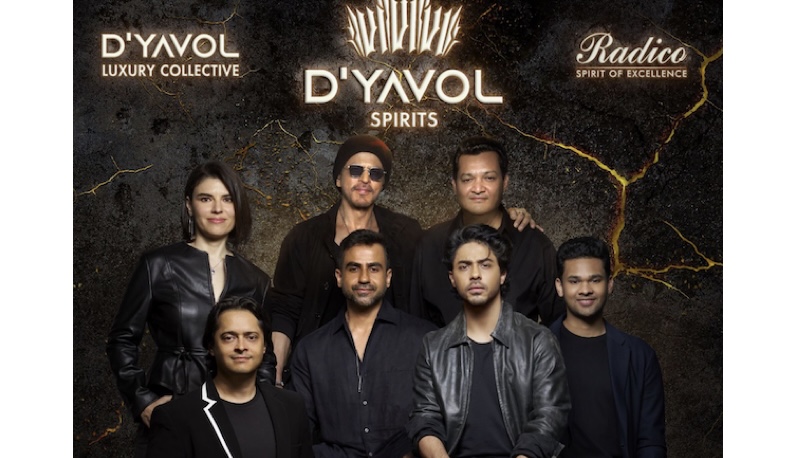
    MUMBAI: India’s premium spirits market has attracted an unlikely trio: Hindi cinema superstar Shah Rukh Khan, Zerodha co-founder Nikhil Kamath, and established liquor manufacturer Radico Khaitan. Their joint venture, D’yavol Spirits, promises to blur the lines between celebrity endorsement and serious entrepreneurship in India’s rapidly premiumising alcohol sector.

    The partnership announced on  12 August brings together  SRK’s  global star power,  Kamath’s disruptive business instincts, and Radico Khaitan’s manufacturing prowess. The venture will launch with a luxury tequila, targeting both domestic consumers and international markets with what the partners describe as “bottled-in-origin” products carrying “rich regional provenance.”

    The collaboration reflects India’s evolving relationship with premium alcohol. Domestic consumption has shifted dramatically upmarket as disposable incomes rise and social attitudes liberalise. Premium spirits now command growing shelf space in urban markets, whilst younger consumers increasingly view expensive liquor as lifestyle statements rather than mere intoxicants.

    For Radico Khaitan, the partnership represents a calculated bet on celebrity-backed brands. The Uttar Pradesh-based company has built a portfolio around traditional Indian spirits like whisky and rum, but faces intensifying competition from international brands and craft distilleries. Abhishek Khaitan, the company’s managing director, frames the venture as combining “proven expertise in blending, marketing and distribution” with celebrity charisma.

    SRK’s involvement extends beyond typical endorsement deals. His son Aryan Khan co-founded D’yavol  Luxury Collective, which already produces award-winning spirits in smaller quantities. The family’s deeper engagement suggests genuine entrepreneurial ambition rather than mere brand licensing.

    More intriguing is Kamath’s participation. The Zerodha co-founder has emerged as one of India’s most prominent fintech entrepreneurs, building a discount brokerage that democratised stock trading for millions of Indians. His pivot into premium alcohol signals confidence in India’s luxury consumption trends.

    “Tomorrow’s best brands will be built on history, culture, and craftsmanship,”  Kamath said, positioning D’yavol as an “Indian brand with the intent and ability to compete anywhere in the world.”

    Such ambitions face considerable hurdles. India’s alcohol market remains heavily regulated, with individual states controlling distribution and taxation. Export opportunities exist but require navigating complex international regulations and established brand loyalties.

    Moreover, celebrity-backed spirit brands have mixed track records globally. Whilst some achieve genuine commercial success, others struggle once initial publicity fades. The key lies in building authentic brand narratives beyond celebrity association.

    D’yavol’s emphasis on “cultural resonance” and “globally-sourced bottled-in-origin products” suggests awareness of these challenges. The brand promises to combine international production standards with Indian creative vision, potentially appealing to both domestic premium consumers and diaspora markets.

    The timing appears favourable. India’s premium spirits segment is growing rapidly, driven by urbanisation and generational change. Meanwhile, Indian brands are gaining international recognition across categories from fashion to technology.

    Whether D’yavol can translate celebrity star power and entrepreneurial expertise into sustained commercial success remains uncertain. The spirits industry demands patience, consistency, and deep market understanding—qualities that don’t always align with celebrity timelines or disruptive business models.

    For now, the partnership represents another data point in India’s premiumisation story. As domestic consumers develop more sophisticated tastes and global ambitions, expect more unlikely collaborations between entertainment, technology, and traditional industries.

    The proof, as always in the spirits trade, will be in the drinking.

  • Digital media veteran climbs WPP ladder in Indonesia’s booming ad market

    Digital media veteran climbs WPP ladder in Indonesia’s booming ad market

    JAKARTA: WPP Media has promoted Mohit Sharma to president of client solutions, elevating a digital media specialist who has spent nearly three years navigating Indonesia’s rapidly evolving advertising landscape.

    Sharma’s ascent reflects the growing strategic importance of southeast Asia’s largest economy for global advertising conglomerates. Indonesia’s digital advertising market has exploded in recent years, driven by rising smartphone penetration and the dominance of platforms like TikTok and Instagram among the country’s 270m inhabitants.

    Since joining WPP Media in October 2022, Sharma has led the Beauty Tech Labs unit, overseeing a 120-person team delivering integrated media solutions spanning traditional planning, performance marketing, e-commerce and influencer communications. His primary client has been L’Oréal, the French cosmetics giant that has made Indonesia a key battleground in its Asian expansion strategy.

    The appointment caps a career trajectory that mirrors Indonesia’s digital transformation. Sharma spent nearly eight years at MEC (now part of GroupM) in India before moving to Essence and then MediaCom, where he served as partner and head of digital and e-commerce for the Indonesian operation.

    His promotion comes as western advertising agencies grapple with shifting client demands and the rise of local competitors across southeast Asia. Traditional agencies have struggled to adapt to the region’s unique social commerce ecosystems, where platforms like Shopee and TikTok Shop blur the lines between entertainment, social networking and retail.

    Sharma’s expertise in e-commerce integration may prove crucial as brands increasingly demand seamless pathways from awareness to purchase. Indonesia’s social commerce market is projected to reach $43 billion by 2025, according to consulting firm Bain & Company, making it a critical testing ground for advertising strategies.

    The move also signals WPP’s confidence in its Indonesian operations at a time when many multinational corporations are reassessing their Southeast Asian strategies amid economic uncertainties and regulatory changes. Indonesia’s advertising market, worth approximately $4.2 billion annually, remains one of the region’s most attractive despite periodic challenges from currency volatility and political shifts.

    For Sharma, the promotion represents validation of a bet on Indonesia’s long-term growth potential. His focus on data-driven strategies and digital-first approaches has aligned with local market dynamics, where mobile-first consumers have largely bypassed traditional desktop experiences.

    Whether his success can be replicated across WPP’s broader southeast Asian operations remains to be seen. The region’s fragmented markets, diverse regulatory environments and varying levels of digital maturity present ongoing challenges for global agencies seeking scalable solutions.

    Yet Indonesia’s importance to WPP’s Asian growth strategy seems assured. With the country’s advertising market expected to grow by 8-10 per cent annually over the next three years, elevating local expertise makes strategic sense—even if it means promoting from within rather than importing talent from established markets.

  • Sabyasachi clicks with Tata CLiQ Luxury for first digital jewellery boutique

    Sabyasachi clicks with Tata CLiQ Luxury for first digital jewellery boutique

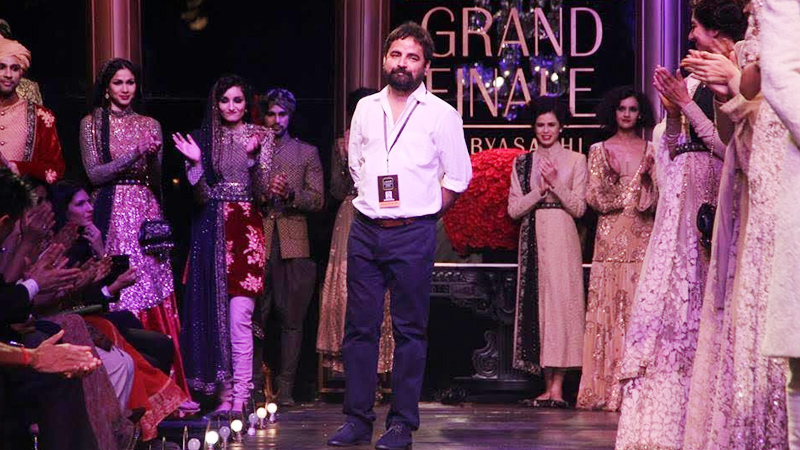
    MUMBAI: When couture royalty meets digital luxury, the sparkle goes online. In a move that marries Calcutta craftsmanship with cutting-edge e-commerce, Sabyasachi Calcutta has teamed up with Tata CLiq Luxury to launch its first-ever digital jewellery boutique in India, going live on 21 August 2025.

    The online store will showcase the largest selection of Sabyasachi Fine Jewellery ever available on a digital platform all crafted in 18 carat gold and brimming with the house’s hallmark blend of heritage and modernity. From the regal Royal Bengal Heritage Gold Collection, flaunting the Bengal Tiger insignia and the signature mangalsutra, to the VVS-VS EF diamond-studded Royal Bengal Diamond Collection, each piece wears its opulence lightly.

    Pearl lovers can swoon over the Royal Bengal Pearl Series featuring natural, cultured, and South Sea pearls, while nature takes centre stage in the Sunderbans Collection, inspired by flora and fauna. Contemporary icons include the lacquer-accented Tiger Stripe and Shalimar collections, alongside the dazzling Tiger Eye group. The line-up spans earrings, pendants, bracelets, and rings everyday elegance with a luxury twist.

    The partnership promises a personalised shopping experience, with trained experts guiding buyers through their perfect pick whether it’s a wedding heirloom, a statement gift, or a piece of self-indulgence.

    For Tata CLiq Luxury, it’s a strategic gem. “We’re bringing one of India’s most iconic brands to discerning consumers nationwide, including Tier 2 and Tier 3 cities,” said Tata CLiq CEO Gopal Asthana. “It’s about redefining fine jewellery for the digital era.”

    Sabyasachi Mukherjee himself calls the collection “refined, rooted, timeless” and grounded in value, not just aspiration. Sabyasachi CEO Manish Chopra adds that the online launch bridges the gap between atelier and living room, letting a new generation experience the brand’s integrity and craftsmanship firsthand.

    With this debut, luxury is no longer just on the high street, it’s in your browser, ready to be delivered with all the sparkle, soul, and story Sabyasachi is known for.

  • Safed Detergent launches new campaign this Independence Day

    Safed Detergent launches new campaign this Independence Day

    MUMBAI: Safed Detergent from Shantinath Detergents Private Ltd marks this Independence Day with a heartwarming campaign film released on 12 Aug’25 that revives the forgotten purity of Safed. In a middle-class home, a kid asks what to wear for his school’s fancy dress competition. While his parents suggest modern heroes, his grandfather steps in with a simple white chadar and a reminder of what Safed once stood for.

    He recalls how Safed bowed an empire, won us freedom, became a symbol of peace, and showed the path of truth. But somewhere along the way, we forgot the safed in our hearts.

    Safed becomes more than fabric; it’s an emblem of unity, truth, and courage. “With this campaign, we wanted to remind people that the true spirit of freedom lives in keeping our hearts as pure as the Safed we wear,” said Shantinath Detergents Pvt Ltd director Ritum Jain. “Just as Safed keeps clothes spotless, we must keep our nation’s conscience unstained.” And hence we say “· Jab Dil Mein Ho Safed, To Saare Jahan Se Achha Desh.”

  • Godrej Industries Q1 profit rises to Rs 725 cr on strong consolidated gains

    Godrej Industries Q1 profit rises to Rs 725 cr on strong consolidated gains

    MUMBAI: Godrej Industries’ June quarter numbers read like a mixed-genre script, a drama of losses on the standalone front, but a blockbuster on the consolidated stage. For Q1 FY26, the conglomerate clocked a consolidated net profit of Rs 725.35 crore, up from Rs 640.86 crore in the year-ago quarter and a sharp leap from Rs 416.13 crore in Q4 FY25. The earnings ride was powered by total income of Rs 5,718.97 crore, a 9 per cent rise year-on-year, buoyed by its FMCG, agri-business, chemicals, and real estate subsidiaries.

    Segmental muscle showed in the expense sheet too cost of materials consumed stood at Rs 2,420.69 crore, while purchases of stock-in-trade rose to Rs 143.79 crore. Inventory changes delivered a significant positive swing at Rs 3,349.68 crore (credit), compared with Rs 2,011.01 crore last year, cushioning the operating line.

    Finance costs came in at Rs 113.53 crore, with depreciation at Rs 576.29 crore. Profit before tax surged to Rs 1,058.56 crore from Rs 872.61 crore in Q1 FY25.

    However, on a standalone basis, it was a different story,  the company posted a net loss of Rs 29.98 crore, reversing from a Rs 105.26 crore profit a year earlier, hurt by higher input costs and flat revenue growth (Rs 1,018.29 crore versus Rs 986.45 crore in Q1 FY25).

    Margins on the consolidated level held strong, with operating margin at 8.90 per cent and net profit margin at 16.26 per cent, an improvement from last year’s 15.09 per cent. Earnings per share stood at Rs 10.37, more than double the Rs 5.44 posted in the March quarter.

    With a net worth of Rs 10,137.54 crore and debt-equity ratios steady (gross at 6.42), Godrej Industries appears well positioned for its next growth leg, even if the standalone arm needs a few scenes rewritten.

  • Inka Insurance rolls out ‘Before We Get Too Big to Do This’ campaign

    Inka Insurance rolls out ‘Before We Get Too Big to Do This’ campaign

    MUMBAI – In a bold move set to disrupt the insurance industry, Inka Insurance has launched a first-of-its-kind campaign giving customers direct, one-on-one guidance from its CEO. The initiative emphasises its exclusivity and time-sensitive nature, offering unprecedented access to the company’s top leadership before rapid growth makes such interactions impractical.

    While most insurers route customers through toll-free numbers, chatbots, or agents focused on meeting sales targets, Inka Insurance is redefining customer service by ensuring that policy queries are addressed by a true expert. The campaign reflects the company’s belief that insurance questions deserve personalised, knowledgeable answers, not scripted responses.

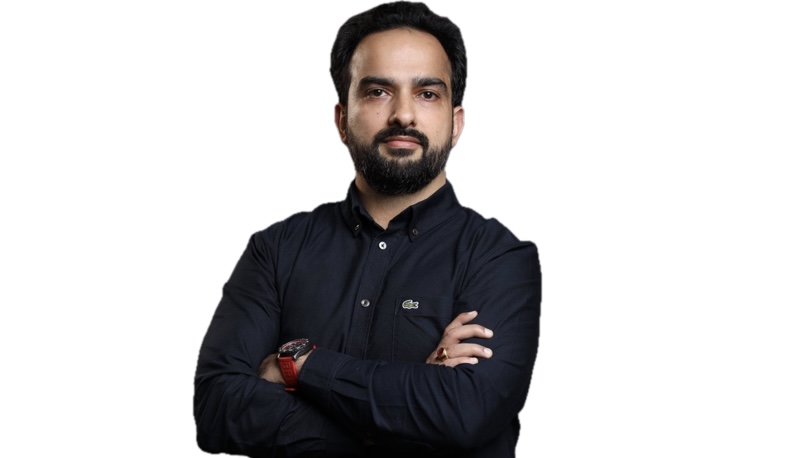
    “Your insurance is personal, and so should be your insurance advice,” said Inka Insurance founder Vaibhav Kathju. “I’ve personally helped MNC leaders and startup founders identify gaps in their policies, and I want to extend that same level of attention to every customer.”

    The initiative aims to simplify an often complex process by having the CEO personally assist customers in identifying missing elements in their policies, providing jargon-free explanations, and offering clear, unbiased advice without any sales pressure. Currently gaining rapid traction on Instagram and X (formerly Twitter), the campaign stands out as a rare opportunity for customers to engage directly with Inka’s top leadership, fostering trust, transparency, and confidence in their insurance decisions.