Category: MAM

  • United Breweries launches Kingfisher Flavours, expands beer portfolio

    United Breweries launches Kingfisher Flavours, expands beer portfolio

    MUMBAI: It’s brewing up new flavours for its bubbly and frothy beer. India’s largest beer maker United Breweries Limited (UBL) and part of the Heineken, has expanded its Kingfisher brand with the launch of Kingfisher Flavours, featuring two unique variants: lemon masala and mango berry twist. Inspired by the vibrant energy of Indian street culture, these new flavors aim to redefine the beer experience in the flavored beer category.

    The Kingfisher Flavours range merges innovation with consumer preferences for premium beer experiences, appealing particularly to a younger demographic seeking bold and unconventional tastes.

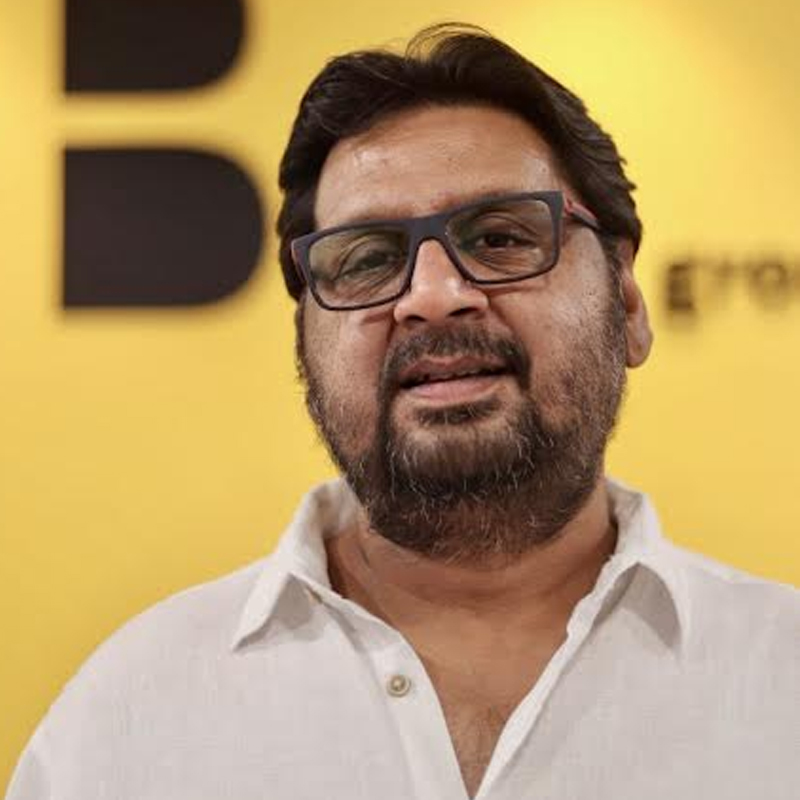
    UBL  chief marketing officer Vikram Bahl  stated: “With Kingfisher Flavours, we’re tapping into India’s vibrant street culture and reimagining it to resonate with GenZ consumers. These flavors celebrate local ingredients and the spirit of experimentation.”

    Currently available in Goa and Daman, Kingfisher Flavours plans to expand to other regions soon, offering more consumers a taste of this innovative product line.

    The launch event in Mumbai featured live performances and merchandise unveilings from artists including Karan Kanchan, Yung Raja, and Rhea Chakraborty, further amplifying the celebration of local culture and creativity.

  • Jaguar Land Rover-Tata Communications  partner for connected, smarter cars

    Jaguar Land Rover-Tata Communications partner for connected, smarter cars

    MUMBAI: They are moving ahead with a stronger relationship.  Jaguar Land Rover (JLR) has announced a deal  with Tata Communications to improve  the driving experience through smarter, data-driven connected cars. The new collaboration will leverage the Tata Communications MOVE platform, providing JLR’s next-generation vehicles with continuous connectivity in 120 countries.

    This partnership aims to future-proof JLR’s digital transformation, enabling real-time vehicle location services, smarter driving experiences, and software over-the-air (SOTA) updates. As part of JLR’s broader innovation strategy, the MOVE platform will facilitate seamless transitions between mobile networks, allowing for personalised connected services such as media streaming.

    JLR’s fleet currently generates over 2.5 terabytes of data daily, with the MOVE platform expected to enhance data exchange and vehicle performance monitoring, thus improving vehicle maintenance and servicing while reducing costs. New medium-sized SUVs built on the Electric Modular Architecture (EMA) are projected to launch in 2026.

    “Our collaboration with Tata Communications is pivotal for our software-defined vehicle journey, ensuring secure and cost-effective data connectivity across our global operations,” said JLR.  director of digital product platform off-board Mark Brogden.

    Tata Communications vice president  MOVE Marco Bijvelds , highlighted the opportunity to deliver advanced driving features and personalised customer experiences through enhanced data insights.

    Additionally, Tata Communications will deploy cloud-first, software-defined wide area network (SD-WAN) technology, connecting JLR’s 128 global sites to improve supply chain efficiency and security. This transformation will facilitate AI-driven data analytics to enhance vehicle production quality and accelerate manufacturing processes.

    JLR  group chief digital and information officer Tony Battle emphasised the importance of AI-powered automation in predicting vulnerabilities and boosting operational effectiveness across JLR’s networks.

    The partnership continues to support JLR’s “Reimagine” strategy, which aims for carbon net zero across its supply chain by 2039, integrating sustainable practices into every aspect of vehicle production and operations

  • Maruti Suzuki drives out first electric SUV, e Vitara at Bharat Mobility Global Expo 2025

    Maruti Suzuki drives out first electric SUV, e Vitara at Bharat Mobility Global Expo 2025

    MUMBAI:  Maruti Suzuki India is moving int higher gear as far as its e-vehicles are concerned. The automaker officially launched its first battery electric vehicle (BEV) SUV, the e Vitara, at the Bharat Mobility Global Expo 2025. The unveiling is part of the company’s commitment to eco-friendly transportation and customer convenience through its new ‘e for me’ electric eco-solutions.

    The e Vitara is built on the all-new Heartect e platform, specifically designed for electric vehicles. This robust platform promises superior performance, an excellent driving range, and uncompromised safety features. MSIL plans to market the e Vitara  through its premium Nexa channel, embodying values of innovation, sophistication, and premium customer experiences.

    Suzuki Motor Corp  president Toshihiro Suzuki  addressed the gathering, emphasising the strategic approach to making BEVs appealing to consumers. “We are focusing on three main strategies: developing a dedicated BEV platform for optimal performance, evolving products tailored to meet customer needs, and leveraging our economies of scale through centralized manufacturing in India,” he stated, highlighting the alignment with prime minister Narendra Modi’s “Make in India” vision.

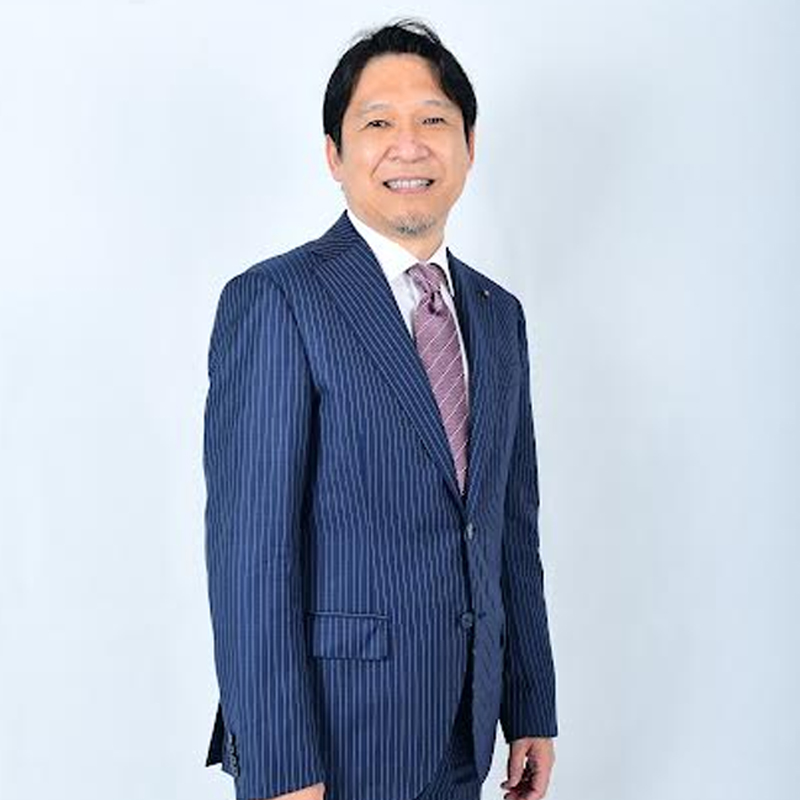
    Maruti Suzuki  India managing director & CEO Hisashi Takeuchi elaborated on the e Vitara’s  technological features. “This SUV, equipped with an efficient 61kWh battery, can deliver ranges exceeding 500 kilometers on a single charge,” he said, adding that the car includes advanced capabilities such as Level 2 advanced driver assistance systems (ADAS) and integrated digital displays for a seamless user experience.

    E Vitara

    In a bid to enhance electric vehicle adoption across India, MSIL introduced the ‘e for me’ initiative. “The goal is to create electric eco-solutions that cater to our customers’ needs,” Takeuchi explained.
     

    This initiative includes smart home charging solutions with installation support, a plan for fast charging stations in over 100 cities, and the establishment of 1,500 EV-enabled service workshops nationwide. The company aims to ensure that customers can find a charging station every 5 to 10 kilometers in major urban areas.

    The e Vitara  will be gradually rolled out across Nexa dealerships, with a significant ambition to export the vehicle to over 100 countries, including major markets like Japan and Europe. This move reinforces MSIL’s commitment to position India as a global hub for electric vehicle manufacturing.

    The design of the all-new e Vitara reflects Nexa’s signature “crafted futurism” philosophy, merging advanced technology with a sense of adventure. Its striking exterior features a bold stance, aerodynamic details, and advanced lighting systems, while the interior boasts a modern digital cockpit, premium sound system, and thoughtful amenities designed for passenger comfort.

    Constructed with high-strength, high-tensile steel, the Heartect -e platform enhances structural integrity and passenger safety. The e Vitara  also incorporates cutting-edge technology to optimise driving performance under varying conditions, with a driving experience enriched by multiple driving modes, including eco, normal, and sports.


    Tech specs

    Safety is paramount in the e Vitara , featuring standard seven airbags, electronic parking brakes, a tyre pressure monitoring system, and built-in Level 2 ADAS. The next gen Suzuki Connect offers over 60 advanced features, enabling remote vehicle controls and real-time updates via a user-friendly mobile application.

    The e Vitara  will be available in two battery options and a palette of 10 colors, including four dual-tone variants. As Maruti Suzuki embarks on this transformative journey, the introduction of the e Vitara  signifies the company’s dedication to reshaping the future of India’s automotive landscape, delivering unmatched value and innovation to its customers.
     

  • Shiba Bhutani makes a dash for Agilitas as brand director

    Shiba Bhutani makes a dash for Agilitas as brand director

    MUMBAI:  Shiba Bhutani has officially joined Agilitas as brand director, bringing over a decade of diverse marketing experience to the role. Agilitas  is a sportswear  brand promoted by former  Puma south east Asia boss Abhishek Ganguly and has the licence to make and sell Lotto shoes in India.

    Bhutani has a proven track record in sectors ranging from cheese and protein supplements to personal care and beverages.

    At Agilitas, a company committed to transforming the sports category, Bhutani will leverage her consumer-focused approach to drive product innovation and enhance brand engagement. The company emphasises robust manufacturing, advanced R&D, and interconnected retail strategies to deliver quality products that resonate with consumers.

    Previously, Bhutani held several key positions at AB InBev, including associate sirector of marketing for Budweiser, where she led successful campaigns and brand activations. Prior to that she managed the personal care creams brands for the Himalaya Drug Co.  She also had short brand management stints at Glanbia Performance and Ornua besides doing corporate sales for HDFC Life.

    Her educational credentials include a Level 1 certification from the Wine & Spirit Education Trust, and a PGDM in marketing from the Goa Institute of Management.

    “Excited to score new life goals at my role as brand director.,” Bhutani enthusiastically exclaimed.
     

  • RIL delivers 3.7 per cent growth; solid Q3 gains amid mixed sector trends

    RIL delivers 3.7 per cent growth; solid Q3 gains amid mixed sector trends

    MUMBAI: Step aside, Indian cinema blockbusters—India’s corporate juggernaut, Reliance Industries Limited (RIL), has dropped its Q3 FY25 and nine-month financial results, and the plot twists are as gripping as any thriller.

    Mukesh Ambani, Asia’s richest man with a jaw-dropping net worth of $101.9 billion, continues to steer this mammoth conglomerate with a flair that makes even the Ambani family’s $600 million wedding bash look like just another weekend splurge.

    But the numbers game is where the real drama unfolds.

    A behemoth company straddling sectors as diverse as petrochemicals, retail, telecom, and renewable energy, all while navigating rising costs, shifting consumer behaviours, and the ever-demanding shareholders. It’s a delicate high-wire act, with every quarter bringing a mix of triumphs and challenges that could put even the savviest financial analysts on edge.

    RIL has once again delivered a performance that is equal parts spectacle and strategy. With Q3 FY25 results showcasing both sharp gains and a few headwinds, the company continues to prove why it remains the unshakable titan of India’s corporate skyline.

    Will Reliance’s growing retail and telecom arms counterbalance the fluctuating fortunes of its oil-to-chemicals business? Are rising costs pinching the profits, or is this a strategic pause before another leap forward? Stay tuned as we break down the twists and turns of Reliance’s financial performance.

    Spoiler alert: it’s as gripping as a weekend binge-watch session—except this one comes with billions riding on the final scene.

    For the quarter ended 31 December 2024, RIL clocked consolidated revenue from operations of Rs 235,481 crore, a decent 3.7 per cent growth from Q3 FY24. Total income stood at Rs 240,357 crore, marking a steady rise. Net profit for the quarter came in at Rs 19,323 crore, slightly down from Rs 19,641 crore in Q3 FY24. Resilient? Yes. Spectacular? Maybe not. Is the glass half-full, or is it just heavy with operational costs?

    For the nine-month period, revenue from operations hit Rs 783,036 crore, a hair’s breadth below last year’s Rs 785,650 crore. But here’s the kicker: net profit surged to Rs 60,666 crore, riding high on stellar performances in retail and digital services. Looks like RIL’s strategy of diversification is paying dividends.

    The standalone core remains strong. RIL’s standalone revenue from operations for Q3 FY25 was Rs 134,054 crore, up from Rs 130,579 crore last year. Standalone net profit, however, dipped to Rs 7,713 crore from Rs 9,924 crore in Q3 FY24. For the nine months, standalone revenue reached Rs 405,559 crore, with net profit at Rs 30,351 crore. Steady as she goes, but where’s the spark? Does the core business need a shot of adrenaline?

    Segment Performance

    ●    Oil-to-Chemicals (O2C): RIL’s O2C business pulled in Rs 155,580 crore for Q3 FY25, contributing significantly to the topline. But wait, here’s the rub: EBITDA for the segment dropped 5.4 per cent  year-on-year to Rs 12,413 crore, thanks to higher feedstock prices. Can RIL recalibrate this cornerstone of its empire, or is it time to rethink its O2C game?

    ●    Retail: The retail arm—the show-stealer yet again—raked in Rs 83,040 crore, up 8.8 per cent  year-on-year. Segment EBITDA climbed to Rs 6,251 crore, driven by aggressive expansions and innovative consumer offerings. But the million-dollar question is: Can this momentum continue in an increasingly competitive retail arena?

    ●    Digital Services: Reliance Jio, the crown jewel of RIL’s digital portfolio, dazzled with revenues of Rs 38,055 crore and EBITDA of Rs 14,256 crore. Rising data consumption and subscriber additions fuelled the growth, but as competition heats up, will Jio’s dominance hold steady?

    ●    Oil and Gas: A surprising hero this quarter, the oil and gas segment posted revenue growth of 12 per cent  year-on-year to Rs 6,222 crore. EBITDA surged to Rs 5,290 crore, thanks to improved realisations and higher production. Is this a sign of sustained recovery for a segment once relegated to the shadows?

    This quarter saw RIL’s ambitious demerger of Viacom18’s media and cinema businesses into Star India, backed by a hefty Rs 11,500 crore investment. Bold? Absolutely. But will this manoeuvre bring blockbuster results or leave the balance sheet bruised?

    The company’s continued push into green energy and retail expansion highlights its long-term vision. Renewable energy projects underscore RIL’s commitment to sustainability, though the hefty upfront costs may weigh on short-term results. Meanwhile, its retail arm’s logistics and operational costs are rising—is it time for some belt-tightening?

    And let’s not forget O2C’s margins. With feedstock prices acting like an unruly stock ticker, RIL’s ability to navigate these headwinds will be crucial. Will precise execution and bold strategies be enough to keep this segment buoyant?

    What lies ahead?

    Reliance Industries’ Q3 FY25 results showcase a company balancing on the edge of consolidation and expansion. With robust performances in retail and digital services, RIL’s adaptability shines through. Yet, rising costs and narrowing margins in its flagship O2C segment call for sharp focus.

    Will the investments in green energy and entertainment usher in the next wave of growth, or will rising costs hold the company back? And as India’s digital transformation accelerates, can Jio keep its throne?

    For now, RIL’s saga of bold bets and calculated moves makes for an unmissable watch. Stay tuned as this corporate behemoth’s next chapter unfolds.

  • IndiGo recruits  Rashmi Soni as vice-president of corporate communications

    IndiGo recruits Rashmi Soni as vice-president of corporate communications

    MUMBAI:  Low cost carrier IndiGo  has announced the appointment of Rashmi Soni as vice-president of corporate communications, effective immediately. Soni replaces C. Leekha, who has decided to leave the company to pursue external opportunities. 

    Leekha had stood up like a rock over the past six years she was with the company, and she helped see It past the low of the Covid lockdowns.

    Soni joins IndiGo from PayU, where she was the chief brand & communications officer. With over 28 years of experience in leadership roles with multinational technology brands, she  brings a wealth of expertise in strategic communications, brand management, and corporate social responsibility.

    IndiGo  CEO Pieter Elbers said: ” Rashmi’s rich professional experience and expertise will be invaluable in helping us take IndiGo to the next level as a global aviation player.”

    Soni has previously worked with prominent companies such as Adobe, Tata Teleservices, Ericsson, and Vistara, where she was part of the airline’s launch team. She is a Stanford certified project manager and has completed leadership programs from Indian School of Business and National Institute of Personnel Management.

    On her appointment, Soni said: “I look forward to contributing to the company’s remarkable growth journey and leveraging my experience to take IndiGo to new heights.”

  • Roles and Responsibilities of an Authorised Person

    Roles and Responsibilities of an Authorised Person

    In the financial markets, an authorised person plays an important role in bridging the gap between stockbrokers and investors. This person is registered under the guidelines of market regulators such as the Securities and Exchange Board of India (SEBI). An authorised person facilitates trade and improves the market reach by extending the broker’s presence to various geographical locations. In this article, we will discuss the important roles and responsibilities of an authorised person and the factors that influence their earnings. 

    Who is an Authorised Person? 

    An authorised person is an entity or an individual who is authorised by a stockbroker to act on their behalf in facilitating trade and other services for investors. The role of an authorised person is to build a business book of the stockbrokers by bringing in new investors and helping existing clients in reinvestment.  

    Key Roles and Responsibilities of an Authorised Person 

    The primary role of an authorised person is serving clients and aiding the operations of the stockbroker. The following are the key roles and responsibilities of an authorised person:  

    1. Client Acquisition and Support 

    An authorised person undertakes activities of identifying prospective investors and presenting them with opportunities on the stock exchange. They guide their clients on how to open trading and Demat accounts in union with an associated broker. An authorised person provides advisory services for clients to help in making informed decisions in investments. 

    2. Trade Execution 

    An authorised person facilitates the performance of buy and sell orders on behalf of clients. They also ensure timely and accurate trade placement to avoid differences. An authorised person stays updated on the latest market trends, policy changes, and technological advancements to serve clients better. 

    3. Market Education and Awareness 

    Authorised persons educate clients about market trends, investment strategies, and regulatory changes. They conduct workshops or webinars to improve financial literacy among investors. The authorised person provides clear information about brokerage fees, charges, and terms of service to clients. 

    4. Compliance and Reporting 

    They ensure adherence to the guidelines set by SEBI and stock exchanges. Their main role is also to maintain proper records of transactions, agreements, and client interactions. An authorised person submits periodic reports to brokers, ensuring transparency in operations. The major responsibility of an authorised person is to follow the rules and regulations laid down by SEBI and stock exchanges and avoid indulging in any fraudulent or unethical practices. 

    5. Ensuring Financial Integrity 

    They avoid unauthorised transactions and ensure funds are handled responsibly. Verify that sufficient funds or securities are available before placing orders. They protect client data and ensure that sensitive information is not misused. 

    6. Conflict Resolution and Customer Handling 

    An authorised person plays an important role in addressing and resolving client complaints. They act as a bridge between clients and the stockbroker, ensuring prompt responses to queries and issues. They mediate conflicts related to trades, account discrepancies, or other concerns, ensuring client satisfaction and maintaining trust. Additionally, they ensure that client feedback is communicated to the broker for service improvements.

    Factors Influencing the Earnings of an Authorised Person 

    Several factors may influence the monthly earnings of an authorised person. They include: 

    Industry and Sector 

    The earnings of an authorised person can vary widely depending on the industry they are in. For example, an authorised person working in the stockbroking industry might have different earnings compared to one working in the banking or insurance industry.  

    Qualifications and Certifications   

    The earning potential of an individual can be enhanced based on the qualifications or certificates they have like Chartered Accountancy (CA), Certified Financial Planner (CFP), or licenses from regulatory bodies such as the SEBI (Securities and Exchange Board of India)  

    Experience and Expertise 

    To determine the earnings of an authorised person, experience plays a significant role. An individual with years of experience may have higher earnings than a newcomer. Additionally, expertise in a particular niche or specialisation can also impact earnings. 

    Location 

    The location also influences the earnings of an individual. For instance, an authorised person who is working in a metropolitan city may have higher earnings compared to the one working in smaller towns or cities. 

    Conclusion 

    The role of an Authorised Person is indispensable in bridging the gap between investors and stockbrokers. By combining regulatory compliance with client-centric services, they contribute significantly to the efficiency and integrity of financial markets. In today’s digital age, many authorised persons use online trading app to provide seamless services to clients, offering real-time market updates, easy trade execution, and portfolio management on the go. These apps enhance accessibility and transparency, making it easier for investors to stay connected to the stock market.

  • 5paisa Capital appoints Gaurav Seth as CEO

    5paisa Capital appoints Gaurav Seth as CEO

    MUMBAI: 5paisa Capital has announced the appointment of Gaurav Seth as its CEO, effective immediately. With over two decades of experience in financial services and technology, Gaurav has a proven track record across the US, India, and southeast Asia. Prior to joining 5paisa, he served as chief product officer at Syfe, where he established it as a leading digital wealth player in southeast Asia. He also played a key role in propelling Paytm Money to prominence in India and led the digital transformation of Morgan Stanley’s wealth management division in New York.

    Gaurav is an alumnus of the Indian School of Business, Hyderabad, and holds a bachelor of engineering from Thapar Institute of Engineering and Technology, Patiala.

    5paise co-Promoter R. Venkataraman stated, “Seth’s experience in tech-driven innovations will enhance our digital transformation priorities at 5paisa Capital. We anticipate significant growth and innovation under his leadership.”

    In response, Gaurav expressed, “5paisa Capital was the original disruptor in the Indian broking industry, democratizing equity investing for millions. I am excited to contribute to this legacy and spearhead the next phase of growth.”

    5paisa.com stands as one of India’s largest discount brokers, boasting over 4.62 million customers and a reported net profit of Rs 219 million in Q2 FY25, with revenues reaching Rs 1008 million. The platform is widely used, with over 20.6 million users and a 4.3 rating on Google Play.


  • Metro Brands  reports steady performance in Q3 FY 2025

    Metro Brands reports steady performance in Q3 FY 2025

    MUMBAI:  Footwear retailer Metro Brands  announced its standalone and consolidated financial results for the quarter ending 31 December 2024 which showcased robust growth, largely driven by the festive and wedding seasons.

    The company recorded a standalone revenue of Rs 688 crore, reflecting a year-on-year sales growth of 10 per cent. The EBITDA margin stood at 32.6 per cent  with a profit after tax (PAT) margin of 13.7  per cent. Notably, the PAT figure includes a one-time tax charge of Rs 25 crore resulting from the reconciliation and reassessment of tax liabilities, mainly related to the Fila business.

    During the quarter, Metro Brands expanded its retail presence with the launch of its first Foot Locker store and a new kiosk for New Era, catering to an increasingly diverse customer base. The company also enlisted celebrities Triptii Dimri and Vijay Varma for its Metro Shoes line, alongside Shanaya Kapoor and Vedang Raina for Mochi, which bolstered brand visibility and contributed to growth.

    Metro Brands liquidated its old Fila inventory during this period and is set to release a second drop of India-manufactured merchandise by mid-February 2025.

    Over the nine months ended  31 December 2024, the company opened 61 new stores while closing four bringing total net new openings below the initial guidance of 100 for the year. However, the company remains committed to its overall target of establishing 225 new stores by FY 2026.

    Said CEO Nissan Joseph: “The third quarter of FY 2025 reflects steady progress for Metro Brands as we build on the momentum of the festive season. With an 18 per cent increase in PBT and a 13 per cent  rise in EBITDA, our focus on operational rigor is yielding results. The successful launch of the Foot Locker store and New Era kiosk, along with our celebrity partnerships, have enhanced our brand visibility and customer engagement. We are optimistic about our initiatives and remain dedicated to delivering value for our customers and stakeholders as we approach the final quarter of the year.”

  • Indian Bank welcomes Binod Kumar as managing director & CEO

    Indian Bank welcomes Binod Kumar as managing director & CEO

    MUMBAI: Indian Bank has appointed Binod Kumar as managing director & chief executive officer. With over 30 years of diverse banking experience, Kumar previously served as executive director at Punjab National Bank (PNB), where he oversaw key divisions including corporate banking and treasury.

    Throughout his career at PNB, Kumar held several notable positions, including chief general manager of corporate credit and CEO of PNB operations at the Dubai International Financial Centre. He is recognised for driving innovation and enhancing customer experience in the banking sector.

    An alumnus of NIBM, Kumar holds a post graduate diploma in banking & finance, as well as certifications in financial risk management & treasury investment. He is also a graduate of a leadership program at IIM Bangalore.

    Under Kumar’s leadership, Indian Bank aims to strengthen its market position, deepen customer relationships, and continue delivering exceptional financial services nationwide and at select international locations.