Category: MAM

  • Kia India promotes digital chief to top marketing role

    Kia India promotes digital chief to top marketing role

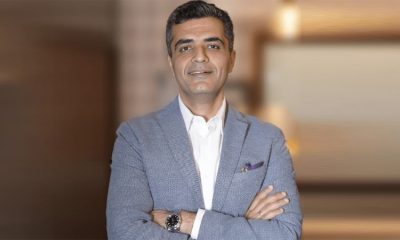
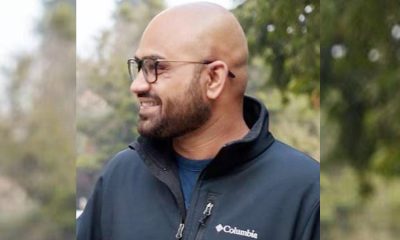
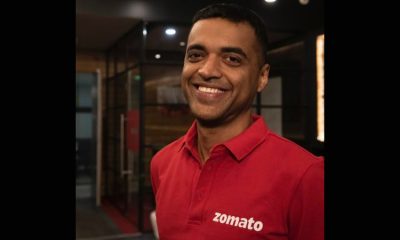
    Mumbai: Vijay Kumar has climbed to the top of Kia India’s marketing ladder, taking on the role of general manager and head of marketing and public relations in September after spending seven years transforming the Korean carmaker from an unknown entity into one of India’s most recognised automotive brands.

    When Kumar joined in June 2018, Kia was a blank slate in India. His mandate was straightforward: make the brand register. Mission accomplished. Through launches of the Seltos, Sonet, Carnival, Carens, Syros, and electric models EV6 and EV9, Kia has muscled its way into India’s cutthroat car market, earning consumer trust and—Kumar’s preferred metric—love.

    Kumar’s ascent from digital marketing responsibilities to the corner office puts him in charge of brand strategy, above-the-line and below-the-line campaigns, digital operations, public relations, media planning and buying, and consumer insights. His earlier digital work earned Kia global recognition, including best digital marketing campaign honours from headquarters in 2019 for the Seltos launch, beating out 70 subsidiaries worldwide. 

    Under his watch, Kia cracked India’s top three digital automotive brands by online engagement.

    Now overseeing media strategy across Kia’s internal combustion engine and electric vehicle portfolios, Kumar reports to Shakti Upadhyay, whom he credits as mentor and guide. His stated ambition: cement Kia as India’s most loved automotive brand and a thought leader, built on creativity and emotional connections with buyers.

    Before Kia, Kumar spent over two years at Cheil Worldwide handling Samsung’s flagship mobile and television products, and nearly three years at Interactive Avenues managing digital media for brands including Reckitt and ITC. At Kia, he’s overseen performance marketing across 450-plus dealer outlets and racked up 22 marketing awards between 2019 and 2025.

    Seven years in, Kumar reckons the hard part—building recognition—is done. What comes next is keeping India’s fickle car buyers smitten. In a market where loyalty is fleeting and competition ferocious, that might prove the tougher assignment.

  • Godrej’s creative chief walks out after role mismatch

    Godrej’s creative chief walks out after role mismatch

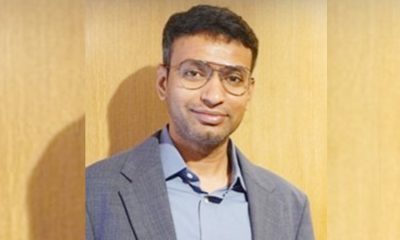
    MUMBAI: Swati Bhattacharya is leaving Godrej Consumer Products, effective January 1st 2026, barely months into her tenure as head of Lightbox Creative Lab. The reason? Blunt and unvarnished: the role “did not leverage her strengths and objectives.”

    The Mumbai-based consumer goods company disclosed the resignation to stock exchanges on October 24th, offering corporate platitudes about appreciating her contribution. But Bhattacharya’s departure signals a rare public admission of a mismatch between executive expectations and reality—a failure that typically gets buried in boardroom euphemisms.

    As senior management personnel at one of India’s largest consumer products firms, Bhattacharya helmed the company’s creative laboratory, presumably tasked with injecting innovation into a portfolio spanning soaps, hair colour and household insecticides. That the experiment fizzled speaks volumes.

    Godrej Consumer Products, listed on both the Bombay Stock Exchange and the National Stock Exchange, now faces the task of finding someone whose strengths actually align with what Lightbox demands. The company’s shares closed at their previous levels; investors, it seems, are unfazed by the creative exodus.

    In corporate India, where resignations are usually dressed up in diplomatic language about “pursuing other opportunities”, Bhattacharya’s candour is almost refreshing. Almost.

  • Apna appoints Kartik Narayan to lead its jobs marketplace vertical

    Apna appoints Kartik Narayan to lead its jobs marketplace vertical

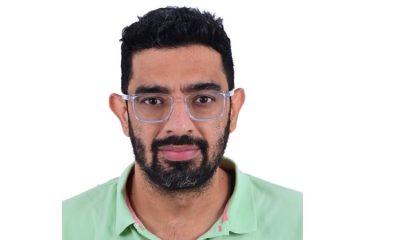
    MUMBAI: Apna Group has appointed industry veteran Kartik Narayan as the chief executive officer of its jobs marketplace vertical, signalling a fresh chapter in the company’s growth story.

    Narayan, who most recently served as CEO of Teamlease’s staffing business, brings more than two decades of leadership experience across giants such as Vodafone Idea, Cisco, and Bharti Airtel. In his new role, he will report directly to Apna’s founder and group CEO, Nirmit Parikh.

    As Apna scales its rapidly growing jobs platform, Narayan will lead efforts to strengthen employer partnerships and drive adoption of AI-powered hiring tools. He also aims to make recruitment smarter, faster, and, quite literally, more conversational, thanks to Apna’s latest tech ventures.

    “We’re thrilled to welcome Kartik to our leadership team,” said Parikh. “With his decades of experience running large businesses, we’re confident he’ll help us empower millions of job seekers and employers who rely on Apna every day.”

    Narayan, clearly energised by the new challenge, added, “Apna has redefined how India hires at scale. What excites me most is seeing companies build their own AI recruiting agents on our platform, it’s like watching the future of hiring unfold in real time.”

    The appointment comes as Apna Group diversifies beyond jobs, with the launch of Blue Machines, an enterprise-grade Voice AI platform, and a new education vertical in the works: both designed to prepare India’s next-generation workforce for an increasingly digital world.

  • Piyush Pandey, the adman who made India feel, is cremated

    Piyush Pandey, the adman who made India feel, is cremated

    MUMBAI: The man who taught India to sing together was cremated at noon on Saturday, his mortal remains consigned to flames at Mumbai’s Shivaji Park crematorium. Piyush Pandey, the advertising genius who turned mundane products into cultural touchstones, died on Friday following an infection.

    They came in their thousands—chief executives whose fortunes he’d reversed, rival agency heads, Ogilvy’s fiercely loyal staff, office runners. All wept. Pandey had that rare gift: he spoke to drivers and sweepers with the same warmth he reserved for corner-office wallahs. In an industry built on hierarchy, he demolished it with a handshake and that signature grin.

    Well done piyush

    Posters lined the crematorium showing Pandey’s famous moustache and wide smile. His younger brother Prasoon, himself a renowned filmmaker, performed the last rites surrounded by family. Then something extraordinary happened. The mourners broke into song—Mile Sur Mera Tumhara, the anthem Pandey created decades ago that stitched a fragmenting nation together through music.

    After the body entered the electric crematorium, Prasoon addressed the assembled crowd. “Thank you for the love you’ve showered on Piyush. He loves you too,” he said, voice steady despite grief. “We’ll celebrate his life with a gathering soon. We’ll keep you informed.”

    Pandey would have approved. The man who spent his life connecting Indians through stories deserved nothing less than a final act of collective remembrance.

  • Cognizant runs the extra mile as title sponsor of New Delhi Marathon 2026

    Cognizant runs the extra mile as title sponsor of New Delhi Marathon 2026

    NEW DELHI: Talk about fast networking! Cognizant has signed on as the title sponsor of the New Delhi Marathon 2026, set to hit the capital’s streets on 22 February 2026.

    Now rechristened the Cognizant New Delhi Marathon, the event marks a milestone partnership between one of the world’s most respected tech companies and one of Asia’s premier long-distance races.

    Celebrating its eleventh edition, the marathon has become more than just a race, it’s a national ritual of endurance, unity, and pure adrenaline. Every year, over 30,000 runners, from elite athletes to spirited amateurs , lace up for the challenge, joined by corporate teams, defence personnel, and fitness enthusiasts from across the globe.

    Cognizant India president – global operations and chairman & managing director Rajesh Varrier said, “We’re thrilled to become the title sponsor of the New Delhi Marathon from 2026. Marathons transcend boundaries and cultures, they celebrate the indomitable human spirit.”

    Globally, Cognizant’s sports portfolio spans golf, racing, and cricket, symbolising its belief in the energy, diversity, and social impact of sport.

    Neb Sports CMD Nagaraj Adiga added, “Cognizant’s partnership adds immense strength and credibility as we continue to inspire a culture of fitness and social responsibility.”

    The Cognizant New Delhi Marathon 2026 will feature four race categories: Marathon, Half Marathon, 10k, and 5k, welcoming participants of all ages and fitness levels. True to its community spirit, the event will continue to support NGOs and social causes, ensuring its impact stretches well beyond the finish line.

    A certified Aims (Association of International Marathons and Distance Races) event, the race promises world-class accuracy, safety, and organisation. The scenic route will take runners past Delhi’s most iconic landmarks: India Gate, Rajpath, and Rashtrapati Bhavan, offering a breathtaking blend of heritage and endurance.

    With Asics as official sports goods partner and Volini as recovery partner, the 2026 edition is all set to deliver a marathon experience that’s equal parts sweat, spirit, and spectacle.
     

  • Best Term Insurance Plan for ₹2 Crore & How to Use a Calculator

    Best Term Insurance Plan for ₹2 Crore & How to Use a Calculator

    MUMBAI: Future planning is necessary. One easy method of securing the financial future of your family is by taking a term insurance plan. Term insurance is a type of life cover that provides a sum assured to your family if anything untoward happens to you. But how much cover do you actually require? And how do you determine the correct plan? A term plan calculator is what you need help with it. It is a quick online calculator that assists you in verifying the appropriate insurance coverage for your family without an estimate.

    A term plan calculator would typically request some simple information, such as your age, income, and loans you have. If you enter these, it comes up with an estimate of the insurance cover you might require. This makes it simpler to select a plan that safeguards your family appropriately without spending extra money. It is like having a mentor to make wise choices for your family’s future.

    What is Term Insurance?

    Term insurance is a pure life insurance policy. Contrary to other policies that offer both investment and insurance, a term policy covers you only for life. In case you die during the policy duration, your family receives the sum assured. This amount can be used to cover daily expenses, education for children, or paying off loans.

    Term plans are typically not expensive relative to other life insurance policies. Because it doesn’t have investment or savings elements, a large portion of your premium is used in offering life cover. This is the reason why numerous individuals look towards the best term insurance plan for 2 crore when they need large coverage without having to pay much.

    Why Choose a ₹2 Crore Term Plan?

    A ₹2 crore term plan provides your family with a solid financial cushion. Life is unpredictable, and expenditure can unexpectedly go up. A significant cover like ₹2 crore can help ensure that your family can live life as usual and cover significant expenses like higher education for children, housing loans, or prolonged medical expenses, even when you are not there.

    Selecting the most appropriate term insurance policy for 2 crore depends on more than just the coverage amount. You should also look at the reputation of the insurance company, claim settlement ratio, policy term choices, and premium costs. A good policy should be easy to comprehend, inexpensive, and trustworthy.

    How to Use a Term Plan Calculator 

    It is very easy to use a term plan calculator. Insurance firms and comparison sites mostly offer it for free. Here is how you can do it in a few steps:

    . Enter Your Age and Gender: Your gender and age have an influence on your premium. Young individuals generally pay less as there is less risk.

    .  Add Your Income: Your income decides your family’s future financial requirements. Add your monthly income and any other sources.

    . Include Liabilities: If you have outstanding loans such as home loans, car loans, or personal loans, include them. The cover should be sufficient to settle these loans.

    .  Consider Your Family Needs: Consider your children’s education, the living expenses of your spouse, and other long-term objectives.

    .  Check the Recommended Cover: The calculator will recommend an amount assured depending on your details. This will lead you to select a plan that suits your family requirements.

    Using a calculator, you eliminate guesswork and can concentrate on choosing the plan that offers coverage and affordability.

    What to Look for in the Best Term Insurance Plan 

    While selecting a term plan, ensure that you verify certain features that make a policy trustworthy and worthwhile:

    . High Claim Settlement Ratio: It indicates how frequently the insurance company settles claims. A high ratio indicates better possibilities of seamless claim settlement.

    . Flexible Policy Term: Select a term that suits your family’s requirements. Longer terms give you longer protection.

    . Premium Payment Options: A few plans allow you to pay annually, half-yearly, quarterly, or monthly. Flexibility in payment simplifies it.

    . Optional Riders: Riders are additional benefits that you can include, like critical illness cover, accidental death cover, or waiver of premium. They add to your policy without purchasing additional insurance.

    . Transparency: The policy must be clear and concise, not having complicated terms or hidden clauses.

    Factors Influencing Your Term Plan Premium 

    Term insurance premiums are based on various factors. Knowing these can help you plan:

    .  Age: People younger than you typically pay less.

    .  Health: Your lifestyle and past health conditions count. Smokers and those who take poor care of their health may pay more.

    .  Occupation: Hazardous occupations might raise premiums.

    .  Policy Term and Sum Assured: The longer the term and the higher the coverage, the more expensive it is.

    .  Riders: Optional riders add to the premium.

    Using these points in mind while applying for a term plan calculator means that the calculated premium will be very much like the actual premium.

    Common Myths About Term Insurance 

    There are a couple of myths that make individuals reluctant to purchase term plans. Let’s dispel them:

    . “I am young and healthy; I don’t need insurance.” Life is full of surprises. Purchasing young and healthy can secure lower premiums.

    .  “Term plans are costly.” In fact, term plans are one of the cheapest types of insurance.

    .  “It’s just like any other insurance plan.” Unlike investment-linked plans, term insurance is all about protection. This keeps things easy and efficient.

    .  “I don’t need a big cover.” A big sum assured protects your family from significant financial risks, such as loans and future education expenses.

    How to Select the Best Term Plan 

    It is simpler to select the right term plan if you go through some steps:

    . Utilize a Term Plan Calculator: This provides a good calculation of the cover that you require.

    . Compare Plans: Compare various plans for premium, coverage, and benefits.

    . Verify the Company Reputation: Check the claim settlement ratio and reviews.

    . Read the Policy Document: Read the terms, conditions, and exclusions carefully.

    .  Add Riders if Required: Add additional benefits if they are suitable for your family’s needs.

    By following these steps, you will receive a policy that not only suits your pocket but also offers genuine protection.

    Advantages of a ₹2 Crore Term Plan 

    A ₹2 crore term plan can bring numerous advantages:

    .  Financial Security: Guarantees your family can afford current and future expenses.

    .  Debt Repayment: Repays home loans, car loans, or personal loans.

    .  Education Expenses: Covers children’s higher studies.

    .  Low Premiums: Pure term plans are usually very low cost even for high cover levels.

    .  Tax Savings: Premiums paid are tax deductible under Section 80C, and the death benefit is free of tax under Section 10(10D).

    Final Tips for Selecting Term Insurance

    .  Plan early; lower age translates to lower premiums.

    .  Select a cover that insures all family expenses, not debts alone.

    .  Utilize a term plan calculator to arrive at a definite estimate.

    .  Regularly go through your policy and change it if your finances undergo a change.

    .  Always carefully read the small letters before signing.

    Conclusion

    A term insurance policy is an easy yet effective tool to safeguard your family’s financial well-being. It is simpler to get the correct cover when using a term plan calculator and avoiding guesswork. The best term insurance plan of 2 crore can provide your family with the security and comfort they deserve even after you are gone. Don’t forget, it is not only about the money; it is also about peace of mind for you and your family. Act now, determine your needs, and select the plan that suits your life and finances. Your family’s future is worth every step you take today.

  • Piyush Pandey’s leaves behind a legacy the world will never forget

    Piyush Pandey’s leaves behind a legacy the world will never forget

    MUMBAI: Piyush Pandey the ad man – a lot has been written about his mastery in connecting through communication with the lay person on the street. Which is why most of the ads which he was involved in as a creative guide live with us till today. Fresh as the day they hot the screens. 
    His passing has left a deep impact on colleagues and industry folks the world over who have shared their grief and their admiration for the genius that he was and most of all for the great human that he was.  

    Liz Taylor, Global Chief Creative Officer, Ogilvy  
    “A quiet Friday morning brought news that shattered our hearts: the legend, Piyush Pandey, has left us. The void he leaves is immense—a silence where once his booming laughter, humble mentorship, and profound humanity resonated. 
    To the world, Piyush was an icon, a creative giant, an advertising hero. To Ogilvy, he was our coach, our champion, our spiritual guide, our heart and soul. His passing is a loss that words cannot capture. 
    Yet even as we grieve, a profound sense of gratitude and purpose fills us. For Piyush, creativity was about connection—about making something that lived in people’s hearts. And that’s exactly what he did, time and again. His ideas shaped brands and culture. His kindness shaped people. 
    He taught us that living with generosity and creating with enormity leaves a legacy beyond measure. We will honor him in all that we do—not just in advertising, but in the way we live, lead, and care—striving always to act in the light of his values and to make him proud in every part of our lives.”

    Joe Sciarrotta, Deputy Global Chief Creative Officer, Ogilvy  
    “It’s hard to know where to begin. Personally, he was a brother to me. We spoke often. I spent time with his family, and he with mine—my mom would often ask after him. His is a loss I cannot fathom. But I also know that I’m not alone in that.  
    Piyush was a legend of our industry, and a national treasure in India. I was once on a tour bus in Goa with him and someone asked where we were from. Ogilvy, we said. They respond ‘Oh! Piyush Pandey is from Ogilvy. He’s very famous.’ To which I said, ‘Well, Piyush Pandey is standing right next to you.’ The man nearly had a heart attack from his awe and excitement. What many people don’t realize is that Piyush gave India its voice back, after having been so Westernized for so long. There was nothing he was more proud of than his country and his people. His greatest gift was that he treated ordinary people extraordinary, and extraordinary people ordinary. He saw, and celebrated, the humanity in it all. And that’s the impact he’s had on the next generation of creatives, and that will ripple for generations to come.”

    Devika Bulchandani, Chief Operating Officer, WPP  
    “Piyush was not just the most important man in Indian advertising, he was the most important man in so, so, so many of our lives at Ogilvy. He may have left us but his work and his legacy will live forever.   
    I am personally heartbroken. I lost my biggest champion. Just last month when I got the WPP job he sent me a note, “Prouder than a peacock can be.” And I always told him, ‘You are my wings.’” 
     

    Shelly Lazarus, Chairman Emeritus, Ogilvy  
    “Piyush Pandey had a giant brain and a giant heart. It was an honor of my life to have been his partner and his friend. 
    Piyush built Ogilvy India into what it is today. He commanded the respect of everyone who worked with him and knew him. I loved walking down the street with Piyush and have people stop and ask him for his autograph. 
    There are some few people who are immortal. Piyush Pandey is one of them. 
    I will miss you, my friend.”

    Hephzibah Pathak, Executive Chairperson, Ogilvy India:  
    “It’s hard to capture the immense impact Piyush had on us all. He didn’t just change the game for our industry; he changed our lives. A giant of a leader, his fearless heart and unwavering goodness inspired us to see the world, and ourselves, differently.  
    His beautiful philosophy, ‘Kuch khaas hai hum sabhi mein’ was his very essence–always finding and celebrating the specialness in everyone. We are so privileged to have been raised and nurtured by him.  
    Godspeed, Piyush. Rest in eternal peace.”

    Harshad Rajadhyaksha, Kainaz Karmakar and Sukesh Nayak, Chief Creative Officers, Ogilvy India: 
    “”The most honest thing we can say is that we’re numb. SO many memories are flooding our hearts. His living room was our second office. From the day we joined Ogilvy, to this day, he was our Creative Director and we were his team. This is an honour we can’t forget or replace. Even if he can’t hear us present ideas anymore, every time we create something, we will be asking ourselves, ‘Will Piyush like this?’ What we can promise as our tribute to him is to carry on his belief in creativity, culture and bravery.”

    Reed Collins, Chief Creative Officer, Ogilvy APAC 
    “Our hearts are stilled, for a legend has departed. Piyush Pandey didn’t just shape culture; he shaped us. We mourn his absence, yet rise with fierce gratitude, committed to carrying his bat, forever building on the extraordinary innings he so brilliantly played. ?????? “

  • Piyush Pandey: India’s greatest adman never stopped watching, listening and loving life

    Piyush Pandey: India’s greatest adman never stopped watching, listening and loving life

    MUMBAI: The lights went out on Indian advertising this Diwali. Piyush Pandey, the wordsmith who turned bus rides and roadside tea into unforgettable campaigns, died on Friday aged 70. Just four months earlier, at the Emvies awards in Mumbai, veterans had touched his feet for blessings while young hopefuls queued for selfies. He looked frail but smiled through every encounter. Humility was his signature; genius was his secret.

    Pandey never claimed special talent. His gift was simpler and rarer: he kept his eyes open. The famous Fevicol advertisement—a Jaisalmer bus groaning under passengers clinging to every inch—came from a real sighting. The magic was slapping a Fevicol poster on the back of the bus. “Keep your eyes open, keep your ears to the ground and have a heart willing to accept,” he told newcomers at Ogilvy. It wasn’t a slogan. It was scripture.
     

    Piyush Pandey

    He joined Ogilvy & Mather in 1982 at 27, after failing at cricket, tea tasting and construction. When Mani Iyer, who headed the agency, introduced him to me as creative director in the late 1980s, Pandey’s deep, soft voice belied a fierce passion for the craft. Like Roda Mehta, who ran media at Ogilvy, he was generous with his time,  patiently explaining the thought behind many a campaign to me. Those campaigns moved hundreds of thousands of crores worth of products off shelves over their lifespans.

    His method was observation turned into emotion. The Dum Laga Ke Haisha Fevicol spot was originally made for a smaller brand called Fevitite. The Parekhs, who owned Pidilite, told him the ad was too good to waste. Reshoot it for Fevicol, they urged. He did. That single decision spawned a series of award-winning campaigns and turned Fevicol into the category itself.

    His philosophy was disarmingly simple: love life. “Whether you are sipping tea from a roadside vendor or in a five-star hotel, whether you are travelling by second class or in a Mercedes-Benz,” he would say. Great ideas came from loving all of it—the chaos, the mundane, the sublime. “Be open to accepting ideas from the world. Be open to sharing ideas with the world. Learn to talk but most importantly also learn to listen.”

    Piyush PandeyPandey despised lazy advertising. Technology for its own sake was pointless; celebrities without ideas were  useless. “Many TVCs are pathetic these days when they use celebrities. They are made very lazily,” he once said. For him, the idea came first. Technology could enhance it; fame could amplify it. But without a core truth, it was just expensive noise.

    He believed consumers, not suits or pony-tailed creatives, made advertising great. “It’s when he or she accepts the product and emotionally bonds with it, the product becomes a brand,” he said. His advice to brand managers was blunt: stop being salesmen. Build brands, not just products.

    I lost touch with him for decades  as I went about building the indiantelevision.com group and all its ancillary services. Journalism and writing as I used to practice when I was younger was relegated to the background. It was during the pandemic that I reached out to him and requested him to spare some time for an online interview. To my surprise, he remembered me and he readily agreed. It was an interesting conversation about how Ogilvy was serving clients during the pandemic and how its creative edge was being maintained. We had agreed we would speak for 30 minutes, but the conversation went on for an hour. It was peppered with Pandey-isms. But that was the last time we spoke at length to each other, though we said hello to each other at advertising industry get-togethers which I rarely attended. Sadly, for me. 

    The man who taught India to watch, listen and love has gone silent. But his voice echoes still—in every vernacular tagline, every slice-of-life commercial, every campaign that dares to see India as it truly is. Pandey didn’t just sell products. He gave an entire nation permission to speak in its own accent, to find poetry in the everyday, to believe that the roadside and the boardroom could meet and make magic. 

    The lights dimmed this Diwali, but the spark he lit—built on observation, fuelled by empathy, sustained by love—will burn for generations. That’s not advertising. That’s immortality.

  • Goodness gets a glow-up with KKCL’s festive campaign ‘Punya Pehnabhi’

    Goodness gets a glow-up with KKCL’s festive campaign ‘Punya Pehnabhi’

    MUMBAI: This festive season, doing good comes with great style. Kewal Kiran Clothing Limited (KKCL), the name behind iconic brands like Killer, Integriti, LawmanPg3, and Easies is adding a touch of soul to celebration with its latest campaign for Punya, the company’s ethnicwear-focused label. Titled ‘Punya – Kiya bhi, Pehnabhi’, the campaign spins the age-old idea of earning punya (virtue) into something fresh, fashion-forward, and feel-good.

    Conceptualised and executed by Branding Edge, Punya – Kiya bhi, Pehnabhi captures everyday acts of kindness through three charming short films. From a father’s quiet pride in his son to a grandfather’s gentle wisdom and friends finding joy in generosity, each story turns simple moments into symbols of modern-day virtue. The films blend warmth, wit, and relatability showing that the spirit of punya isn’t about grandeur but about the goodness we wear on our sleeves.

    “Punya represents the ethnicwear side of KKCL’s business and embodies the values we hold close integrity, tradition, and togetherness in a form that connects with the next generation,” said KKCL chairman and managing director Kewalchand Jain. “The campaign celebrates the spirit of doing good while staying true to one’s personal style.”

    Adding to that, Branding Edge managing partner Rahul Tekwani shared, “Our creative approach was to turn a culturally rich word like Punya into a contemporary conversation. The idea was to show how goodness can be reimagined with warmth and authenticity, a perfect blend for today’s festive mindset.”

    The campaign, running across digital, social, and influencer platforms, extends beyond fashion into a philosophy that the festive season isn’t just about what you wear, but the goodness you carry. With engaging storytelling, experiential activations, and cinematic craft, Punya – Kiya bhi, Pehnabhi invites audiences to see virtue as the new vogue.

    By weaving together tradition and modern expression, KKCL’s Punya brings a refreshing perspective to festive dressing, one that looks good, feels good, and does good. After all, this season, earning punya might just begin with what you choose to wear.
     

  • Piyush Pandey, the adman who gave Indian advertising its soul, passes away

    Piyush Pandey, the adman who gave Indian advertising its soul, passes away

    MUMBAI: Piyush Pandey, the creative colossus who spoke to India in its own voice passed on on Friday aged 70. The man behind Fevicol’s unbreakable bond, Cadbury’s Kuch khaas hai and Asian Paints’ promise to colour every joy had been suffering from an infection. His funeral will be held on Saturday at Shivaji Park Crematorium in Mumbai.

    For more than four decades at Ogilvy India, Pandey rewrote the rules of Indian advertising. He arrived in 1982 at 27, fresh from stints as a cricketer, tea taster and construction worker, and walked into a world dominated by English. His first assignment was a print ad for Sunlight Detergent. What followed was nothing short of a revolution.

    Pandey didn’t just change the language of Indian advertising—he changed its grammar. He brought Hindi, colloquial idioms and the rhythms of everyday India into the mainstream. His campaigns for Fevicol, Cadbury, Hutch and Asian Paints became cultural touchstones, teaching a generation that the truest ideas are often the simplest. “Har khushi mein rang laaye” wasn’t just a tagline. It was philosophy.

    Under his leadership, Ogilvy India held the top spot in Agency Reckoner, an independent survey by The Economic Times, for 12 years. In 2004, he became the first Asian jury president at the Cannes Lions International Festival of Creativity. In 2018, he and his brother, filmmaker Prasoon Pandey, became the first Asians to receive the Lion of St Mark, Cannes’ highest honour for lifetime achievement. In 2016, he was awarded the Padma Shri, the first Indian advertising professional to receive the honour.

    Despite the accolades, Pandey remained disarmingly modest. A cricket lover to the end, he compared himself to a player in a team sport. “A Brian Lara can’t win for the West Indies alone,” he once said. “Then who am I?”
    He had a simple credo: advertising must touch hearts before it wins awards. “No audience is going to see your work and say, ‘How did they do it?’” he said. “They will say, ‘I love it.’” He often warned young creatives against chasing technology at the expense of empathy, urging them to stay rooted in human experience.

    Born in Jaipur to a family of nine children, Pandey grew up surrounded by creativity. His siblings include Prasoon and folk singer-actor Ila Arun. He lent his voice to radio jingles as a child. He also co-wrote the screenplay for Bhopal Express and penned the lyrics for Mile Sur Mera Tumhara, the song that became shorthand for Indian unity. He even acted, appearing in the 2013 film Madras Cafe.

    His political work was equally memorable. In 2014, he crafted Ab ki baar, Modi sarkar, a slogan that helped sweep Narendra Modi to power. But his truest legacy lies not in politics, but in the stories and storytellers he nurtured.

    Tributes poured in from across India. Prime Minister Modi called him “admired for his creativity”. Finance minister Nirmala Sitharaman described him as “a titan and legend” who “transformed communication”. Uday Kotak, founder of Kotak Mahindra Bank, remembered Pandey launching his bank in 2003 with a campaign describing banking as “common sense”. Filmmaker Hansal Mehta captured the mood best: “Fevicol ka jod toot gaya. The ad world lost its glue today.”

    Pandey stepped down as executive chairman of Ogilvy India in 2023 to take on an advisory role. He is survived by his wife, Nita, his family and a creative community that continues to draw from his philosophy: that the best ideas are born not in boardrooms, but in the lives of ordinary people.

    The man who turned commercials into memories has left the building. But his booming laugh, his trademark moustache and his stories—rooted in the street, in life, in listening—remain. India’s advertising soul just got a little quieter.