Category: People

  • T-Series appoints Richa Vaidya as deputy gm

    T-Series appoints Richa Vaidya as deputy gm

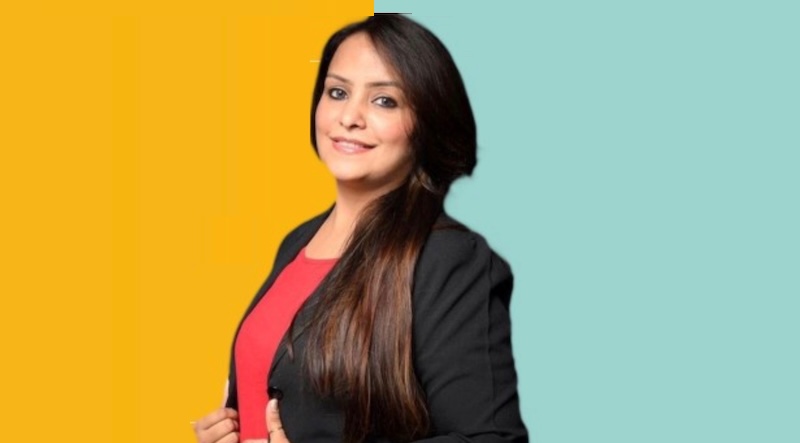
    MUMBAI: T-Series has appointed Richa Vaidya as deputy general manager, music marketing, strengthening its creative leadership with a proven entertainment strategist.

    Vaidya joins from JioHotstar, where she led award-winning campaigns for original web series, post-theatrical releases and non-fiction shows across television, digital and outdoor platforms.

    A seasoned marketer with more than a decade in the entertainment business, she has previously held key roles at Yash Raj Films, Everymedia Technologies, and Balaji Telefilms, shaping digital and theatrical campaigns for major Hindi cinema releases.

    At T-Series, Vaidya will oversee music marketing and brand strategy, driving engagement across platforms for one of India’s most powerful entertainment brands.

    Her appointment marks a strategic move by T-Series to blend data-driven insights with creative storytelling, reinforcing its position at the forefront of India’s music and entertainment ecosystem.

  • Comscore names Vivek Jaiswal APAC country head

    Comscore names Vivek Jaiswal APAC country head

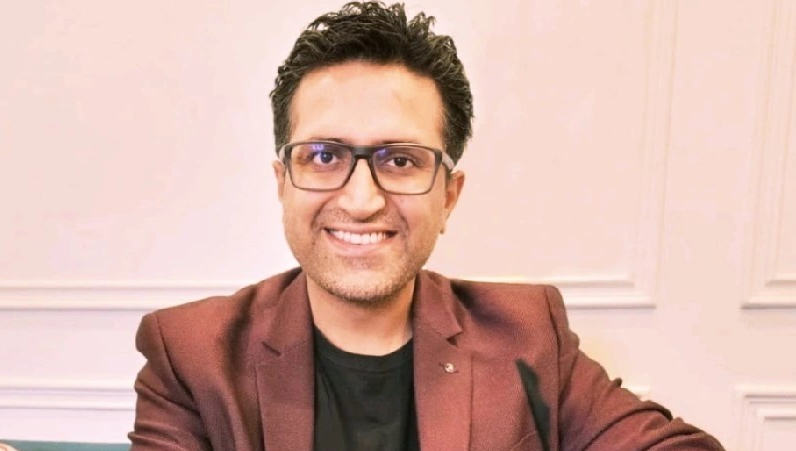
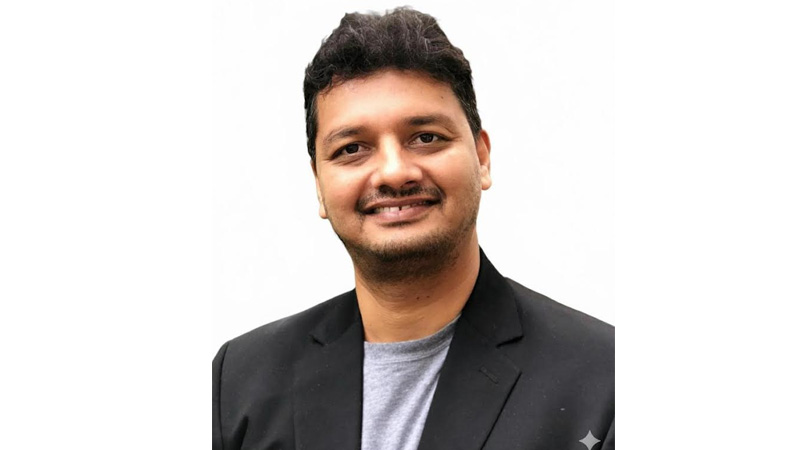
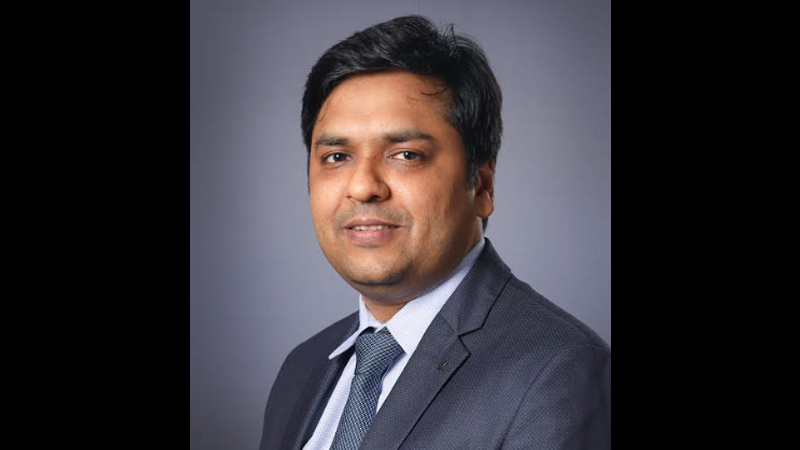
    MUMBAI: Comscore has named Vivek Jaiswal as its new country manager for Asia-Pacific, as the global measurement and analytics firm sharpens its focus on the fast-growing region.

    Based in New Delhi, Jaiswal will steer cross-platform audience measurement, deepen partnerships with brands and publishers, and drive innovation across markets.

    Jaiswal, who joined Comscore in 2022 as sales director, brings over 12 years of experience spanning SaaS, business information services and enterprise sales. Before Comscore, he held commercial roles at Dun & Bradstreet, Standard Chartered, and Kotak Mahindra Bank.

    “It’s an honour to take on this new role,” said Jaiswal. “APAC is an incredibly dynamic market, and I look forward to helping clients make smarter, data-driven decisions.”

    Comscore executive vice president international Alejandro Fosk said Jaiswal’s appointment reflects the firm’s “continued commitment to the region” and its goal of offering “reliable, future-facing measurement solutions” in a changing media landscape.

    The move cements Comscore’s ambitions to strengthen its India and APAC footprint, arming advertisers, agencies and publishers with the insights they need to navigate an increasingly fragmented digital

  • Surya Roshni elevates veteran to head marketing & advertising, lighting division

    Surya Roshni elevates veteran to head marketing & advertising, lighting division

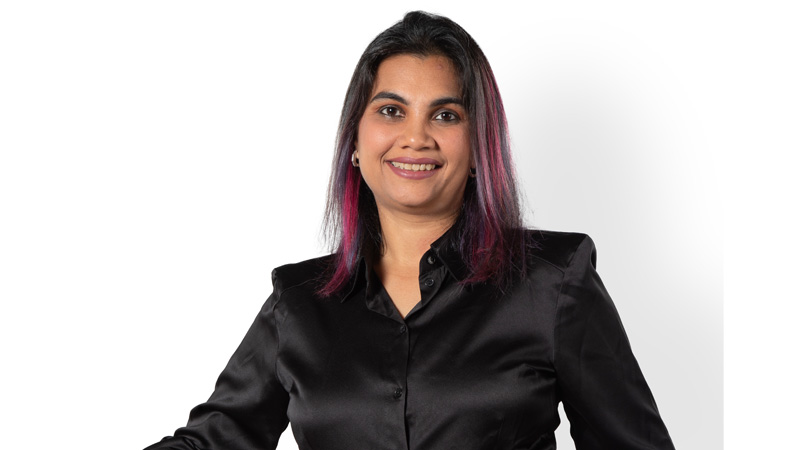
    NEW DELHI: Parul Phadke has climbed the ladder at Surya Roshni, moving from assistant general manager to head of marketing and advertising for the company’s lighting and durables business. The promotion, effective October 2025, caps a four-year stint at the Delhi-based manufacturer.

    Phadke joined Surya Roshni in June 2021, steering marketing communications, digital strategy and brand management for a company that supplies everything from LED bulbs to steel pipes. Her remit now expands to encompass both above-the-line and below-the-line advertising for the entire division.

    Surya Roshni was her first employer; she spent 15 months at the firm between 2009 and 2010 as deputy manager, handling press conferences and event management across India, before departing for a marketing role at Fun Multiplex.

    Her career spans stints at Donaldson India Filter Systems, where she was shortlisted for a leadership summit in Minneapolis, and Arise India, where she conceptualised the company’s premium retail format. But it was her six-year tenure at Art Housing Finance that proved formative. As chief manager, Phadke built the marketing vertical from scratch, expanding the brand to 45 cities whilst managing budgets, compliance and corporate communications.

    Industry watchers reckon the promotion reflects Surya Roshni’s push to sharpen its consumer-facing brands in an increasingly crowded lighting market. Phadke, who describes herself as a “change evangelist”, will need every bit of that disruptive thinking. The lighting sector is ablaze with competition—and she’s now holding the torch.

  • Srinivasan Swamy inducted into AFAA hall of fame at Adasia Beijing

    Srinivasan Swamy inducted into AFAA hall of fame at Adasia Beijing

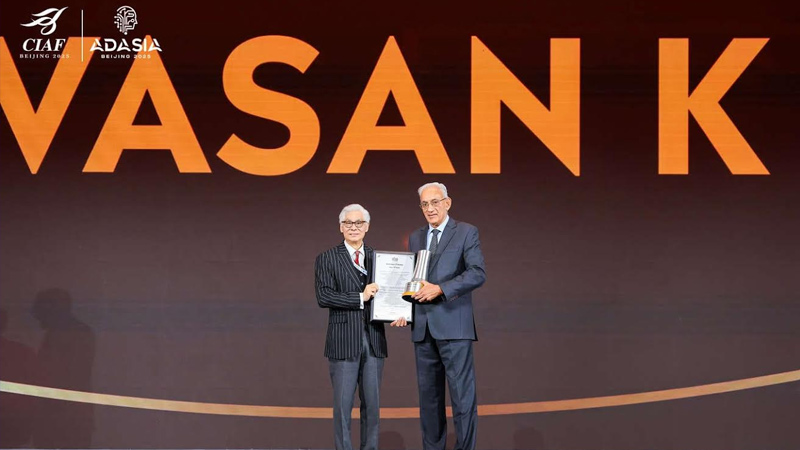
    MUMBAI: In a moment of well-deserved recognition, R K Swamy Ltd chairman Srinivasan Swamy has been inducted into the Hall of Fame of the Asian Federation of Advertising Associations (AFAA) at Adasia Beijing. The honour ‘AFAA’s highest’ was presented by AFAA  immediate past president Raymond So, before delegates from 32 countries.

    The citation celebrating Swamy’s extraordinary career highlighted his “quarter century spent in leading and building the largest Indian-owned integrated marketing services group”: the R K Swamy Hansa Group. It also commended his visionary leadership that has guided the global marketing and communications industry for over four decades.

    Over the years, Swamy has held numerous prestigious leadership positions across the industry. He has served as chairman of the Asian Federation of Advertising Associations (AFAA), chairman and world president of the International Advertising Association (IAA), and chairman of the Confederation of Asian Advertising Agency Associations (CAAAA). He was also president of the India chapter of the IAA for an unprecedented four years, president of the Advertising Agencies Association of India (AAAI) for three consecutive terms and was re-elected once again in 2025 and chairman of the Advertising Standards Council of India (ASCI). In addition, he has served as chairman of the Audit Bureau of Circulations (ABC), president of the All India Management Association (AIMA), the Madras chamber of commerce and industry, the Madras management association, and the Advertising club Madras.

    The citation also lauded his role in creating and leading major industry milestones. Swamy played a key part in conceptualising Goafest, steering the IAA world congress 2019, and spearheading the IAA silver jubilee summit in Kochi. He has also been instrumental in driving several editions of the confederation of Indian industry’s international brand summit and the AIMA world marketing congress, among other notable initiatives.

    Beyond the realm of advertising, Swamy has made a significant impact through his work with social, educational, medical, and cultural institutions. His involvement in community and religious causes has further reinforced his reputation as both an industry stalwart and a socially conscious leader.

    His illustrious career has earned him numerous national and international accolades. He is the only Indian to have received the award of appreciation from the Japan Advertising Association, the IAA Global Compass Award for outstanding contribution to the industry, and the Adstar Korea Lifetime Honour Award. Among his many other honours are the AFAA special merit award, the IAA Inspire champion award, the IAA North Star medal, and the honorary life fellowship from the All India Management Association.

    Swamy has also been recognised closer to home with lifetime achievement awards from the advertising agencies association of India, Indira institutions, the Rotary Club of Guindy, and the Advertising Club Madras. He has been inducted into the IAA India chapter hall of fame and was honoured with the Distinguished alumni award by the Alagappa College of Technology during its platinum jubilee celebrations.

    Known for his friendly demeanour, generous spirit, and wise counsel, Srinivasan Swamy continues to inspire the advertising fraternity across the world. His induction into the AFAA hall of fame cements his position as one of India’s most respected global advertising leaders: a visionary who has built an enduring legacy of leadership, learning, and lasting impact.
     

  • Saksham Kohli hops over to FCB India as president of new venture

    Saksham Kohli hops over to FCB India as president of new venture

    GURGAON: Saksham Kohli has landed at FCB India as president of FCB NEO, marking the end of a nearly seven-year stint at Cheil Worldwide where he shepherded Samsung’s flagship mobile campaigns.

    The move, announced this month, sees Kohli swapping his associate vice-president perch at Cheil—where he orchestrated integrated campaigns for Samsung’s mobile portfolio and ecosystem products—for the top job at FCB’s new venture.

    At Cheil since 2019, Kohli climbed from director of client services to associate vice-president, spending his final months managing full-funnel marketing strategies that blended creative, digital and media. Before that, he put in three years at Ogilvy, steering brands including Perfetti Van Melle, Pernod Ricard India, BMW Mini and Dupont through 40-odd large-scale integrated campaigns.

    His advertising pedigree includes a two-and-a-half-year spell at FCB Global (2013-2016) handling Whirlpool’s India operations, plus stints at McCann on Aircel, Ogilvy & Mather on KFC India, Publicis on Beam Global Spirits & Wine, and BBDO India on Wrigley’s and Hewlett Packard.

    Kohli’s pitch: marketing that starts with understanding people and ends with measurable impact. Whether FCB Neo delivers on that promise remains to be seen—but with a Samsung-sized portfolio under his belt, he’s certainly had the practice.

  • From watching TV, swiping the mobile screen – to reading books

    From watching TV, swiping the mobile screen – to reading books

    MUMBAI: The covid-prompted lockdown turned every parent into a jailer. Trapped indoors with nowhere to run, children reached for the nearest dopamine hit, usually a glowing rectangle promising infinite scroll and zero effort. Kranti Gada, a media entrepreneur and mother of two, watched the same zombie-eyed transformation unfold in her Mumbai home. The dinner table conversations died. The bedtime stories vanished. Imagination, that most precious childhood commodity, seemed to flatline somewhere between Instagram and Youtube.

    Then she noticed something curious bubbling up in her school Whatsapp group. Some 200 desperate parents were frantically swapping books like contraband, passing dog-eared copies of Harry Potter and Geronimo Stilton from flat to flat, anything to prise their children’s fingers away from the screen. The informal lending library worked. Kids were reading again.

    “If this tiny circle could share resources so effectively,” Gada thought, “why not scale it for millions of mothers across India?”

    The result is neOwn, a subscription platform that has become Netflix for the printed page. Children aged 0 to 15 can binge-read from a catalogue of over 9,000 titles delivered straight to their doorstep anywhere in the country. Pick five books a month for Rs 1,299, keep them for 30 days, swap them for fresh ones. Repeat until literate. A single copy of Diary of a Wimpy Kid costs Rs 699 in bookshops; neOwn lets young readers devour up to 15 books a month for roughly double that price.

    The business model is deliciously simple: rent, read, repeat. But the execution requires military precision. Every book undergoes rigorous quality checks and sanitisation before it leaves the warehouse, no one wants sticky fingerprints or mysterious stains from the last borrower. The collection now spans 50,000 physical copies across adventure, mystery, fiction, general knowledge, fantasy and graphic novels, plus a growing selection of regional-language titles. Each book is reviewed by experts before making the cut. This isn’t just bulk-buying from publishers; it’s careful curation designed to hook reluctant readers and challenge voracious ones.

    The neOwn app does the heavy lifting that frazzled parents cannot. It offers personalised recommendations based on age, reading level and genre preferences. Reading progression trackers show how a child evolves from picture books to chapter books to young adult fiction. A waitlist function solves the perennial library problem: if that coveted title is currently out, you simply add it to your wish list. As soon as someone returns it, parents get a Whatsapp alert and an app notification. The book gets reserved for three days. Confirm your interest and it’s blocked exclusively for you, no one else can nick it, ready for your next delivery.

    Reading challenges gamify the experience in ways that would make a Silicon Valley product manager weep with envy. Children log their reading minutes, earn badges, compete (gently) with friends, and build consistent habits. Suddenly, books aren’t homework or vegetables to be endured. They’re addictive. They’re social currency. They’re something to boast about in the school playground.

    The numbers suggest Gada has tapped into something real and urgent. Over 10,000 active readers now scroll through the app. Some 8,500 subscribers are scattered across 350 cities, half of them outside the usual metropolitan suspects of Mumbai, Delhi and Bengaluru. Geography is no barrier; neOwn ships everywhere from tier-1 metros to tier-3 towns, proof that the hunger for stories transcends postcodes and privilege.

    But logistics remain a challenge. Children in Delhi and Bengaluru currently wait five to six days for books couriered from Mumbai, a delay that can dampen enthusiasm when attention spans are measured in seconds. Gada’s solution is simple: decentralise. New warehouses in Bengaluru are coming first, followed by the national capital region. Local distribution means faster deliveries, lower shipping costs, and happier parents. Nearly 10 per cent of neOwn’s subscribers are based in Bengaluru alone, a market too valuable to serve slowly.

    Gada’s background explains why neOwn feels less like a scrappy startup and more like a well-oiled machine. As chief operating officer at Shemaroo, the entertainment giant, she spent years transforming a traditional business-to-business enterprise into a consumer-facing brand. She launched broadcast channels, built OTT platforms, and dragged the company into the digital-first age. An MBA from NMIMS and an alumna of IIM Bangalore, she made Business World’s Disrupt 40 Under 40 list and currently sits on the management committee of the International Advertisers Association’s India chapter.

    “Everything I know I learned there,” she says of Shemaroo. “It’s like my alma mater.”

    That institutional knowledge, how to scale, how to market, how to build infrastructure, now powers neOwn’s rapid expansion.

    But neOwn isn’t just clever logistics wrapped in an app. Gada understands that reading is a social act, not a solitary one. The platform regularly hosts online storytelling sessions, sometimes led by professional narrators who bring characters to vivid life, other times by authors themselves who chat with children about plot twists and character motivations. Young readers ask questions. Authors answer. The distance between creator and consumer collapses. It’s part book club, part fan convention, part interactive theatre. Authors promote neOwn to their followers; neOwn promotes authors to its subscribers. Everyone wins, especially the children who discover that writers are real people with interesting things to say.

    Her “Million Readers Pledge” aims to mobilise an entire country into a reading insurgency. Parents, teachers, corporates, Rotary Clubs, even people without children, everyone is invited to take small, weekly actions that promote literacy. “Gift a book instead of a toy,” Gada urges. “When everyone does a little, together we create a massive impact.” It’s grassroots activism dressed up as consumer behaviour.

    When she appeared on the television show Ideabaaz, which showcases promising business ideas, Liberty Shoes owner  Anupam Bansal immediately pledged his support. “We should encourage her,” he told the cameras. The reaction is typical wherever Gada pitches neOwn: people grasp the mission instantly and instinctively. There’s no need to convince anyone that children spend too much time on screens. The problem is obvious. What’s rare is a solution that’s both practical and scalable.

    Subscriptions currently range from Rs 4,000 for book-only plans to around Rs 8,400 for bundles that include educational toys, yes, neOwn has expanded beyond books into a full ecosystem of learning and play. Parents don’t subscribe once and vanish; they stick around because the value proposition is undeniable.

    The ambition, however, is enormous. Gada wants to scale from 10,000 readers today to 100,000 in the near term, then to one million active readers annually. With an average spend of Rs 8,000 to Rs 10,000 per customer, that translates to Rs 1,000 crore in revenue, a thousand-crore brand built on the radical notion that children might prefer stories to screens if given half a chance. It’s a bold target, but not an insane one. The infrastructure is proven. The engagement metrics are solid. The book quality is high. What’s needed now is reach, and that’s what the new warehouses and the Million Readers Pledge are designed to deliver.

    For Gada it’s like going back to her roots. Shemaroo, was a book lending library (it’s still operational), it moved forward into circulating videos, when her uncles – the Maroo family –  ran it in the seventies and eighties. Today, it runs channels galore and offers several video services to the media and entertainment industry.

    In an age when algorithms curate childhood and attention is the scarcest resource, Gada has sparked a kranti, a revolution, by offering something delightfully analogue. The crackle of a new page. The weight of a hardback. The shared wonder of a story told well, discussed over breakfast, argued about with siblings, remembered for life. She’s betting that beneath all the screen addiction lies something older and more powerful: humanity’s ancient love affair with narrative. Give children access to great stories, remove the barriers of cost and clutter, make reading social and rewarding, and they’ll choose books over Instagram.

    Turns out the greatest gift you can give a child isn’t a screen. It’s a plot and a twist and a turn. And nowhere can you find as many of them as in a book.

     

  • Uber shifts gears with Rituraj Chaturmohta in the driver’s seat

    Uber shifts gears with Rituraj Chaturmohta in the driver’s seat

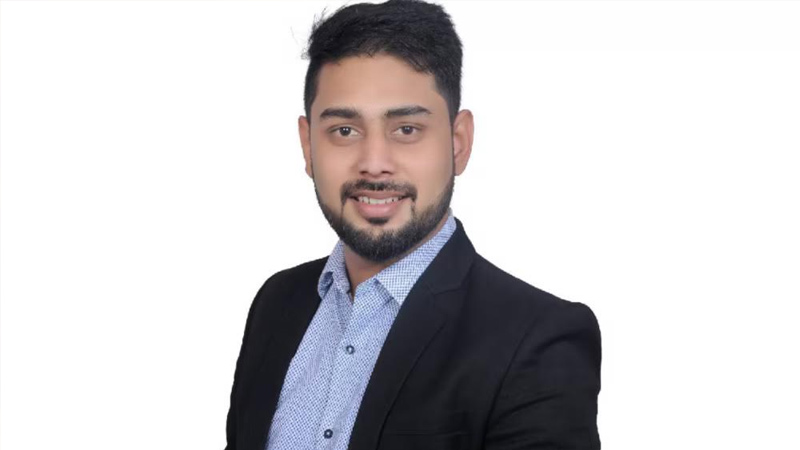
    MUMBAI: Uber for Business is cruising into a new chapter, and it’s Rituraj Chaturmohta taking the wheel. The enterprise arm of Uber has appointed him as senior country manager for India and South Asia, a move aimed at fuelling its next phase of growth across the region’s bustling corporate mobility landscape.

    From boardrooms to backseats, Rituraj’s mission is clear: strengthen partnerships, build smarter enterprise travel solutions, and keep innovation firmly in the fast lane. With over a decade of experience across two-sided marketplaces and platform businesses, he’s no stranger to navigating complex ecosystems.

    Before joining Uber, Rituraj led sales and business development at Airbnb, where he managed teams across supply and demand balancing the platform’s dynamic growth on both ends. A former entrepreneur in India’s hyper-local delivery space, he brings a sharp understanding of what drives both businesses and consumers in one of the world’s most competitive markets.

    Welcoming him aboard, Uber regional general manager and of Uber for Business head for APAC Eric Lee, said, “We are delighted to have Rituraj join our leadership team to drive Uber for Business’ growth and partnerships in India and South Asia. His experience in scaling platform businesses and understanding the Indian market will be instrumental in strengthening our enterprise offering.”

    Excited about the road ahead, Rituraj said, “I am thrilled to join Uber for Business to lead India and South Asia, one of Uber’s most dynamic growth markets. Uber for Business is reimagining how businesses move with scale, sustainability, and customer centricity at the core. My focus is to deepen Uber’s relationships with business clients, build tailored mobility solutions that drive measurable ROI, and make Uber for Business a growth partner for every company in this region.”

    Globally, Uber for Business powers mobility for over 200,000 organisations, helping them manage employee travel, meals, and commute programmes through Uber’s trusted platform. In India alone, more than 8,000 organisations are already on board, using its solutions for business travel, daily commutes, and employee shift transport.

    With Rituraj in the driver’s seat, Uber for Business seems ready to chart new routes merging convenience, technology, and enterprise efficiency into one smooth ride.


  • Transbnk taps Amar Bhartia to drive global product vision

    Transbnk taps Amar Bhartia to drive global product vision

    MUMBAI: Transbnk is cashing in on global experience to turbocharge its product game. The next-gen transaction banking platform has appointed Amar Bhartia as global product head, marking a strategic move as it gears up for international expansion.

    A Deutsche Bank veteran, Amar brings over a decade of expertise in cash management, treasury solutions and fintech partnerships. At Deutsche Bank, he played a key role in rolling out Payment Acceptance across the APAC region, working with regulators, payment aggregators and fintech innovators.

    “I’m excited to join Transbnk at such an exciting phase in its journey,” said the newly minted global product head Amar Bhartia. “The intersection of banking, fintech and digital infrastructure offers a rare chance to reimagine how institutions transact globally. I look forward to shaping world-class products and delivering real value for clients.”

    Co-founder and CEO Vaibhav Tambe, welcomed the appointment, calling it a timely boost for Transbnk’s global ambitions. “Amar’s proven ability to scale banking-grade platforms will be vital as we expand our reach. With our recent Series B raise and Amar’s leadership, we’re powering ahead towards building a unified transaction-banking operating system for banks and enterprises,” he said.

    The appointment follows Transbnk’s successful 25 million dollars Series B funding round led by Bessemer Venture Partners. The fresh capital will help strengthen its tech and product teams while driving expansion into Southeast Asia and the Middle East.

    With Amar at the helm of product strategy, Transbnk seems ready to turn its global growth plans into a blockbuster sequel, one transaction at a time.


  • India braces for a grey wave as elderly numbers set to hit 230m by 2036

    India braces for a grey wave as elderly numbers set to hit 230m by 2036

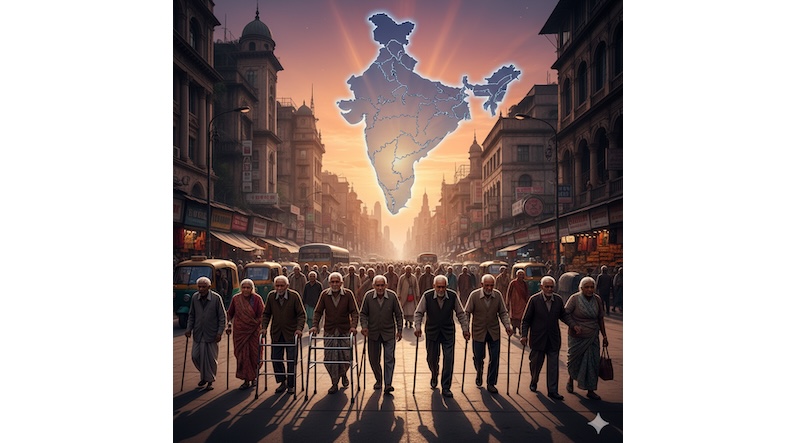
    MUMBAI India’s population is ageing fast. By 2036, roughly 230 million Indians—one in seven—will be 60 or older, more than double the 100 million recorded in 2011. It’s a demographic earthquake that will reshape everything from healthcare to housing, pensions to public transport.

    The south is greying fastest. Kerala, already home to 13 per cent elderly in 2011, will see that figure leap to 23 per cent by 2036, matching developed nations. Tamil Nadu and Himachal Pradesh aren’t far behind. 

    Meanwhile, northern states like Uttar Pradesh, though younger now, are catching up quickly—elderly numbers there will nearly double from 7 per cent to 12 per cent.

    Women dominate the demographic. They make up 58 per cent of India’s elderly, with a sex ratio of 1,065 females per 1,000 males. More than half are widows. The overall dependency ratio—62 dependents per 100 working-age people—signals mounting pressure on families and the state.

    The challenges are stacked high. Mental health stigma around dementia and Alzheimer’s persists. Geriatric infrastructure is patchy, especially in rural areas. Social security remains inadequate even as living costs climb. Traditional family support systems are fraying under the weight of urbanisation and nuclear households. And India’s infrastructure—from public transport to pavements—remains stubbornly unfriendly to the elderly.

    New Delhi is scrambling to respond. The ministry of social justice and empowerment has rolled out a raft of schemes. The Atal Pension Yojana, launched in 2015, has swelled from 15.4 million subscribers in 2019 to 82.7 million by October 2025, managing assets worth over Rs 49,000 crore. It promises monthly pensions of Rs 1,000 to Rs 5,000 after subscribers turn 60.

    The Integrated Programme for Senior Citizens runs 696 old-age homes across 29 states and union territories, with 84 more approved this year. The Rashtriya Vayoshri Yojana distributes walking sticks, hearing aids, wheelchairs and dentures to low-income seniors. A toll-free helpline—14567—offers support. The Sacred portal helps those over 60 find jobs. The SAGE portal encourages start-ups to develop elderly care solutions, offering equity support of up to Rs 1 crore per project.

    Legal muscle backs the effort. The Maintenance and Welfare of Parents and Senior Citizens Act, amended in 2019, compels children—including step-children and in-laws—to provide for parents. It scrapped the Rs 10,000 monthly maintenance cap and mandated special police units for seniors in every district. All hospitals, private included, must now provide dedicated queues, beds and geriatric care.

    Technology is pitching in too. Telemedicine platforms like e-Sanjeevani offer free home consultations. Wearable devices track vital signs. Online pharmacies deliver medicines to doorsteps. Smart home sensors let families monitor elderly relatives remotely.

    The silver economy—goods and services for those over 50—is booming. Valued at Rs 73,000 crore in 2024, it’s set for multi-fold growth. Globally, senior citizens and professionals aged 45 to 64 are the wealthiest cohort. India’s senior care market presents vast opportunities for health and wellness firms, both at home and abroad.
    Yet success hinges on more than schemes and start-ups. India needs specialised regulations for senior care, policy reforms anchored in evaluation frameworks, and better coordination across ministries. Panchayati raj institutions, urban local bodies, NGOs and private providers must work in concert. Public-private collaboration across healthcare is essential.

    The clock is ticking. By 2050, India’s elderly population will swell to 319 million, growing at three per cent annually. The country that once prided itself on youthful demographics now faces a greying future. Whether it becomes a burden or a boon depends on how swiftly India adapts. The grey wave is coming. Ready or not.

  • Surej Salim takes the helm at Ad Club Madras

    Surej Salim takes the helm at Ad Club Madras

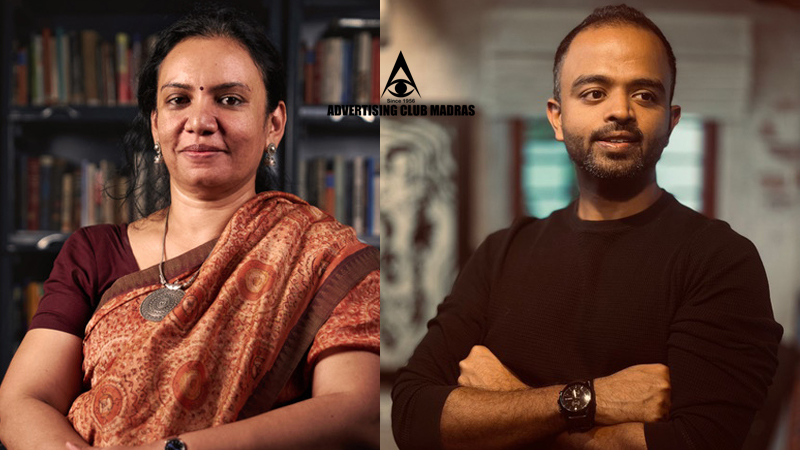
    MUMBAI: The ad world in Chennai just got a creative shake-up! Digitally Inspired Media co-founder and COO Surej Salim, has been elected as the 46th president of The Advertising Club Madras for 2025–2026, at the club’s annual general meeting held on 24 October.

    Known for his passion for creativity and collaboration, Surej steps into the role after serving as secretary, bringing nearly two decades of industry experience to one of India’s oldest advertising institutions.

    “It’s an honour to lead a legacy institution that’s been the heartbeat of the advertising community for nearly seven decades,” said Surej. “Our vision is to strengthen the community, celebrate creativity, and build more opportunities for learning and collaboration.”

    The AGM also paid tribute to the late Piyush Pandey, one of India’s most celebrated advertising icons, with a minute of silence, heartfelt speeches, and black ribbons as a mark of respect.

    Joining Surej on the new executive committee are Umanath V (Vice President, Medianews4u.com), Kavitha Srinivasan (Secretary, Coeus Communications), Stalin Periasamy (Joint Secretary, Presto Advertising), and Murugan K (Treasurer, Jaya TV). The Club also welcomed industry stalwarts from The Hindu Group, Catalyst PR, Deepsense Digital, and others.

    As the Club gears up for another dynamic year, its focus remains clear: fostering learning, recognition, and community. From the Maddys Awards celebrating creative excellence, to Adtalks, Insightview webinars, and student chapters nurturing young talent, the Club continues to be the beating heart of South India’s ad scene.