Category: People

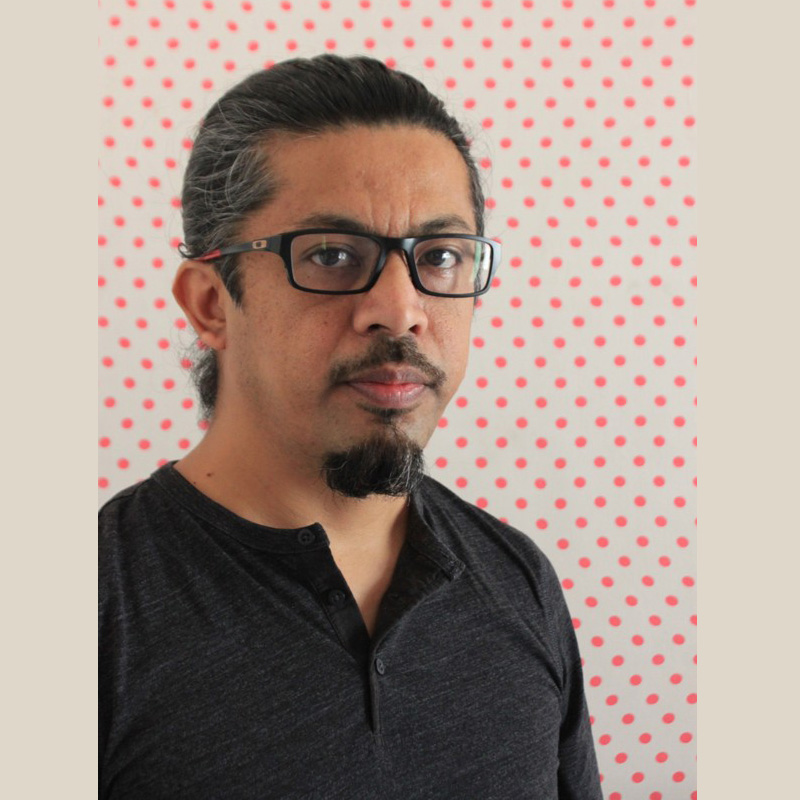
  • Havas Media Singapore’s Melvin Lim is new APAC CCO; Jacqui Lim to replace him

    Havas Media Singapore’s Melvin Lim is new APAC CCO; Jacqui Lim to replace him

    MUMBAI: Havas Media has elevated its current CEO of Singapore Melvin Lim to the newly created role of Chief Commercial Officer (CCO) for Havas Media Group, Asia Pacific.

    Jacqui Lim, the current MD of Singapore operations, will take over as the CEO of Havas
    Media Group, Singapore.

    In the new role, Melvin will be responsible for regional business development across all brands of Havas Media Group, including Havas Media, Arena Media and the specialist brands: Socialyse, Ecselis, Mobext and Affiperf.

    In addition to the CCO role, he will continue to be the regional lead for Havas Sports & Entertainment, a concurrent role he took over in 2014.

    Melvin joined Havas Media in 2011 and is credited with not only exponentially growing the Singapore operations but also transforming the agency into one of the most respected and competitive agencies in the country.

    Commenting on the promotions, Havas Media Group, Asia Pacific, CEO Vishnu Mohan said, “Our Singapore operations has grown from strength to strength under Melvin’s leadership and we were keen to utilise his strong business acumen at a regional level. The role of Chief Commercial Officer is a natural fit for him given his background as a marketer, his experience with the network and his relationship with the wider global and local teams. I am confident that Melvin will be big asset to the regional team.”

    “Jacqui is a natural leader and has more than proven her credentials for taking on a bigger role. She is a new business star, a talent magnet and a strategic thinker. I have no doubt that she will lead our Singapore operations to new heights of success,” added Vishnu.

    Prior to joining Havas Media, Melvin was Head of Marketing for DBS Consumer Bank in Singapore where he led and managed all of DBS’ and POSB’s marketing programmes. Before this, Melvin spent four years as Deputy Director, Consumer Marketing at Singtel and
    10 years with Asia Pacific Breweries, where he developed his foundation in Marketing and
    Brand Management.

    Jacqui joined Havas Media as Managing Director in October 2014 after having spent six years in ZenithOptimedia. In her previous role, she was Executive Director, General Manager, followed by Managing Director of the Singapore office. She was pivotal in leading and winning the Changi Airport Group pitch in 2013 as well as the Asia Pacific Breweries pitch in 2010.

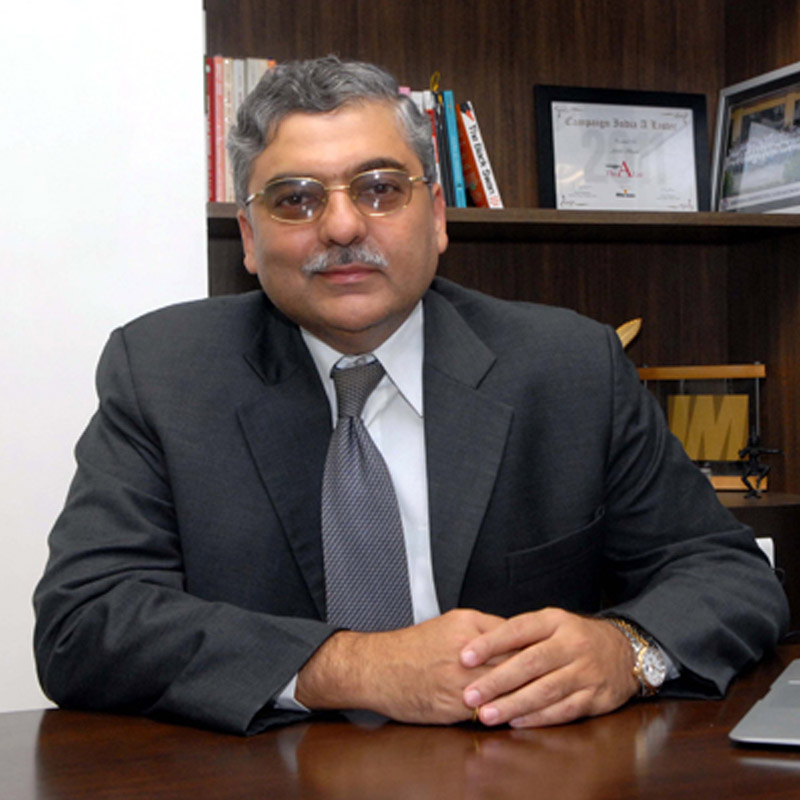
  • Isobar India ropes in Chandrashekhar Mhaskar as VP

    Isobar India ropes in Chandrashekhar Mhaskar as VP

    MUMBAI: Isobar India has appointed Chandrashekhar Mhaskar as Vice President to drive the digital creative and services division nationally. Additionally, he will also handle the responsibilities for the West India region.

    A computer engineer by qualification and having followed his heart, Mhaskar has been part of the digital advertising industry for more than two decades including international exposure in London and Singapore. He has had varied experience in heading Digital SBUs at renowned agencies such as Ogilvy One, Cheil Worldwide, and Maxus. He was also a successful entrepreneur before taking up the mandate at Isobar. His industry experience spans Television, Film, Internet, eCommerce, Mobile, Social, Online Media and New Technology; across industry verticals like FMCG, IT, Entertainment, BFSI, Education, and Telecommunications.

    Big clients under his belt included Nokia, Cisco, British Airways, Perfetti, American Express, and Samsun. He brings with him a rich experience of integrating agency and client teams to collaboratively conceptualize award-winning digital advertising solutions and execute them to successfully tackle business challenges and drive ROI.

    Mhaskar will also join Isobar India’s Leadership team, which includes Gopa Kumar, Vice-President; Anish Varghese, National Creative Director and Rahul Vengalil, Business Head (South), alongside Shamsuddin Jasani, Managing Director for Isobar India. Isobar India has emerged as a leader amongst the digital agencies in India, winning multiple awards including Campaign Asia’s Agency of the Year, and this appointment will further strengthen it.

    Shamsuddin Jasani, Isobar India Managing Director, says: “We are happy to welcome Chandrashekhar on board with our amazing team. Over the last two years, we have clearly emerged as one the leading full service digital agencies in India of media buying and over 100 creative and technology professionals. Chandrashekhar brings a vast experience across all aspects of digital, especially creative services, which he will be heading nationally. We already have a very strong Creative services and Technology business, and with Chandrashekhar leading the way, we are looking at reaching even greater heights.”

    Commenting on his appointment, Chandrashekhar Mhaskar, Vice-President, Isobar India, said: “I am immensely excited to join Isobar and be part of a team that is brimming with stupendous energy. Isobar is already in the fray of creating some cutting-edge creative and tech solutions which have garnered media attention. I am really looking forward to working with Shamsuddin and the senior management team to take Isobar to greater heights in India.”

  • Isobar India ropes in Chandrashekhar Mhaskar as VP

    Isobar India ropes in Chandrashekhar Mhaskar as VP

    MUMBAI: Isobar India has appointed Chandrashekhar Mhaskar as Vice President to drive the digital creative and services division nationally. Additionally, he will also handle the responsibilities for the West India region.

    A computer engineer by qualification and having followed his heart, Mhaskar has been part of the digital advertising industry for more than two decades including international exposure in London and Singapore. He has had varied experience in heading Digital SBUs at renowned agencies such as Ogilvy One, Cheil Worldwide, and Maxus. He was also a successful entrepreneur before taking up the mandate at Isobar. His industry experience spans Television, Film, Internet, eCommerce, Mobile, Social, Online Media and New Technology; across industry verticals like FMCG, IT, Entertainment, BFSI, Education, and Telecommunications.

    Big clients under his belt included Nokia, Cisco, British Airways, Perfetti, American Express, and Samsun. He brings with him a rich experience of integrating agency and client teams to collaboratively conceptualize award-winning digital advertising solutions and execute them to successfully tackle business challenges and drive ROI.

    Mhaskar will also join Isobar India’s Leadership team, which includes Gopa Kumar, Vice-President; Anish Varghese, National Creative Director and Rahul Vengalil, Business Head (South), alongside Shamsuddin Jasani, Managing Director for Isobar India. Isobar India has emerged as a leader amongst the digital agencies in India, winning multiple awards including Campaign Asia’s Agency of the Year, and this appointment will further strengthen it.

    Shamsuddin Jasani, Isobar India Managing Director, says: “We are happy to welcome Chandrashekhar on board with our amazing team. Over the last two years, we have clearly emerged as one the leading full service digital agencies in India of media buying and over 100 creative and technology professionals. Chandrashekhar brings a vast experience across all aspects of digital, especially creative services, which he will be heading nationally. We already have a very strong Creative services and Technology business, and with Chandrashekhar leading the way, we are looking at reaching even greater heights.”

    Commenting on his appointment, Chandrashekhar Mhaskar, Vice-President, Isobar India, said: “I am immensely excited to join Isobar and be part of a team that is brimming with stupendous energy. Isobar is already in the fray of creating some cutting-edge creative and tech solutions which have garnered media attention. I am really looking forward to working with Shamsuddin and the senior management team to take Isobar to greater heights in India.”

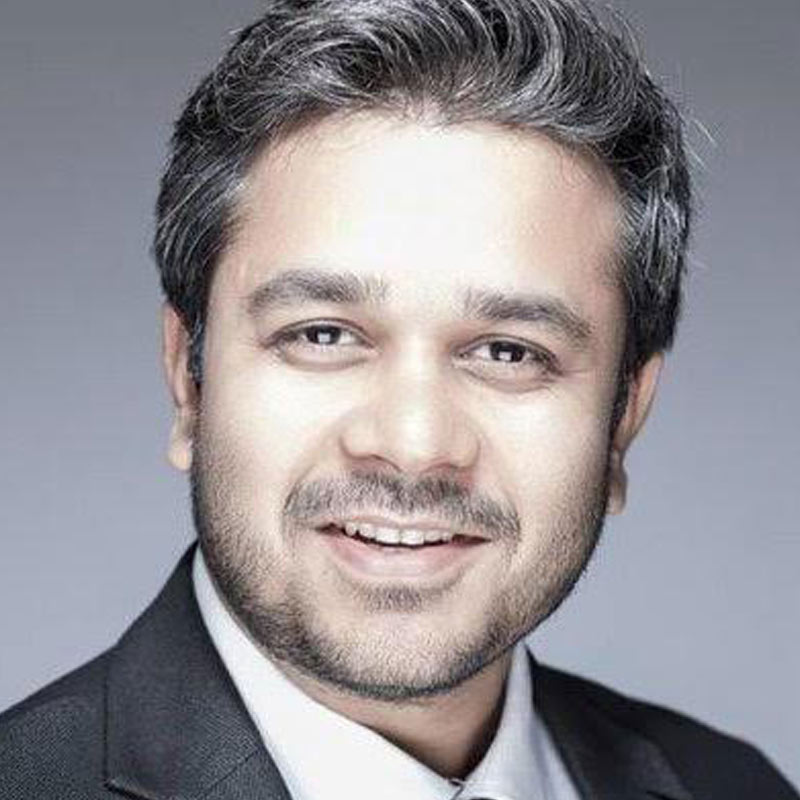
  • R. Balakrishnan bids adieu to MullenLowe Lintas

    R. Balakrishnan bids adieu to MullenLowe Lintas

    MUMBAI: After a three decade long career in the advertising industry, R. Balakrishnan, has decided to move out of MullenLowe Lintas Group, India. The majority of Balki’s advertising years have been spent at the agency where he held the role of group chairman.

    Balki joined the agency in 1994 and was based in its Bangalore office then.

    MullenLowe Group global CEO Alex Leikikh said, “Balki has been the architect of the stellar agency we have in India today. He leaves behind an operation that’s successful and future-ready, a leadership team that’s perhaps the strongest of any agency in India, and a culture that he shaped along the way while himself leading by example. While we will miss his infectiously passionate presence, we wish him even greater success as a film-maker.”

    Speaking of his decision, Balki voiced, “We’ve been planning this for some time now. It’s been a long process of succession planning that concludes with my move. The agency is at its strongest today and I leave feeling satisfied, proud and excited. We have a fine leader in Joe and two world-class creative champions in Amer and Arun. The agency has given me more than 22 years’-worth in opportunities, growth, values and most of all, some friends-for-life.”

    Balki started his career in Mudra, before moving on to Lintas, a place that he went on to make his home for over two decades. While with the agency, he’s been the brain behind several globally acclaimed campaigns and brand ideas. Under his leadership, MullenLowe Lintas Group has consistently retained its spot as one of India’s top agencies and a training ground for some of the best advertising minds of the industry.

    MullenLowe Lintas Group CEO Joseph George who has worked closely with Balki through all of the 22 years added, “It is impossible and even foolish to try and replace someone like Balki; so we planned the transition differently. As early as July 2015, we put in place, a management structure that would help us move forward as an organisation, while also maximizing the potential and aspirations of great individuals we have. Balki and I have tried to think this through every step of the way, and it’s reached a place where we feel the agency is ready for today, and tomorrow.”

    Balki concluded, “There is no bigger happiness than to see a thought actually work the way you had fantasised. Lowe was a thought am proud of. Ok…next!”

  • R. Balakrishnan bids adieu to MullenLowe Lintas

    R. Balakrishnan bids adieu to MullenLowe Lintas

    MUMBAI: After a three decade long career in the advertising industry, R. Balakrishnan, has decided to move out of MullenLowe Lintas Group, India. The majority of Balki’s advertising years have been spent at the agency where he held the role of group chairman.

    Balki joined the agency in 1994 and was based in its Bangalore office then.

    MullenLowe Group global CEO Alex Leikikh said, “Balki has been the architect of the stellar agency we have in India today. He leaves behind an operation that’s successful and future-ready, a leadership team that’s perhaps the strongest of any agency in India, and a culture that he shaped along the way while himself leading by example. While we will miss his infectiously passionate presence, we wish him even greater success as a film-maker.”

    Speaking of his decision, Balki voiced, “We’ve been planning this for some time now. It’s been a long process of succession planning that concludes with my move. The agency is at its strongest today and I leave feeling satisfied, proud and excited. We have a fine leader in Joe and two world-class creative champions in Amer and Arun. The agency has given me more than 22 years’-worth in opportunities, growth, values and most of all, some friends-for-life.”

    Balki started his career in Mudra, before moving on to Lintas, a place that he went on to make his home for over two decades. While with the agency, he’s been the brain behind several globally acclaimed campaigns and brand ideas. Under his leadership, MullenLowe Lintas Group has consistently retained its spot as one of India’s top agencies and a training ground for some of the best advertising minds of the industry.

    MullenLowe Lintas Group CEO Joseph George who has worked closely with Balki through all of the 22 years added, “It is impossible and even foolish to try and replace someone like Balki; so we planned the transition differently. As early as July 2015, we put in place, a management structure that would help us move forward as an organisation, while also maximizing the potential and aspirations of great individuals we have. Balki and I have tried to think this through every step of the way, and it’s reached a place where we feel the agency is ready for today, and tomorrow.”

    Balki concluded, “There is no bigger happiness than to see a thought actually work the way you had fantasised. Lowe was a thought am proud of. Ok…next!”

  • NavinTheeng has joined Havas Worldwide as Executive Creative Director, Gurgaon

    NavinTheeng has joined Havas Worldwide as Executive Creative Director, Gurgaon

    MUMBAI: NavinTheeng has joined Havas Worldwide as Executive Creative Director, Gurgaon. He moves from Cheil Worldwide, Gurgaon where he was Group Creative Director leading a team handling Samsung mobiles, televisions and home appliances besides other business. Navin replaces the erstwhile ECD team of Nakul Sharma and TirthaGhosh.

    “At Havas, we are working towards not just blurring the line between digital and traditional creative but completely erasing it. And a creative leader who is comfortable with and excited by both is what we needed. I think we have found that person in Navin”, said Nima DT Namchu, Chief Creative Officer, Havas Worldwide, India. Theeng will report to Namchu and will be responsible for digital and traditional creative output of Gurgaon office.

    Welcoming Navin aboard, Chief Executive Officer, NirmalyaSen said – “Navin’s appointment is a part of our further strengthening of our already robust offering in Gurgaon. Navin brings with him not just an impressive track record as a creative mind, but also a reputation for leading his team to creative excellence. I wish him great success with Havas Worldwide.”

    “It’s a bit of a homecoming”, said Theeng. This is his second stint at the agency after a fairly long first stint. “But other than that, everything has changed. Technology was a bit of a bugbear 10 years back, but now the possibilities are endless. You can expect to see more technology-infused ideas coming from Havas.”

    In the 18 years he has been in the industry, Navin has worked with Bates, McCann Erickson, Euro RSCG, Rediffusion DY&R, Contract and Cheil handling brands across categories such as consumer durables, colas, airlines, mobile phones, liquor, real estate and sports.

    Along the way, he has won accolades at Cannes, The One Show, New York Festival, Spikes Asia and Goafest Abbys with quite a few of the wins in the ‘Integrated Category led by Digital’.

  • NavinTheeng has joined Havas Worldwide as Executive Creative Director, Gurgaon

    NavinTheeng has joined Havas Worldwide as Executive Creative Director, Gurgaon

    MUMBAI: NavinTheeng has joined Havas Worldwide as Executive Creative Director, Gurgaon. He moves from Cheil Worldwide, Gurgaon where he was Group Creative Director leading a team handling Samsung mobiles, televisions and home appliances besides other business. Navin replaces the erstwhile ECD team of Nakul Sharma and TirthaGhosh.

    “At Havas, we are working towards not just blurring the line between digital and traditional creative but completely erasing it. And a creative leader who is comfortable with and excited by both is what we needed. I think we have found that person in Navin”, said Nima DT Namchu, Chief Creative Officer, Havas Worldwide, India. Theeng will report to Namchu and will be responsible for digital and traditional creative output of Gurgaon office.

    Welcoming Navin aboard, Chief Executive Officer, NirmalyaSen said – “Navin’s appointment is a part of our further strengthening of our already robust offering in Gurgaon. Navin brings with him not just an impressive track record as a creative mind, but also a reputation for leading his team to creative excellence. I wish him great success with Havas Worldwide.”

    “It’s a bit of a homecoming”, said Theeng. This is his second stint at the agency after a fairly long first stint. “But other than that, everything has changed. Technology was a bit of a bugbear 10 years back, but now the possibilities are endless. You can expect to see more technology-infused ideas coming from Havas.”

    In the 18 years he has been in the industry, Navin has worked with Bates, McCann Erickson, Euro RSCG, Rediffusion DY&R, Contract and Cheil handling brands across categories such as consumer durables, colas, airlines, mobile phones, liquor, real estate and sports.

    Along the way, he has won accolades at Cannes, The One Show, New York Festival, Spikes Asia and Goafest Abbys with quite a few of the wins in the ‘Integrated Category led by Digital’.

  • “TV ad rates will continue to be under pressure” – Ashish Bhasin

    “TV ad rates will continue to be under pressure” – Ashish Bhasin

    MUMBAI: From leading brands discussing the advertising fraternity’s readiness to deal with the digital onslaught to panel discussions after panel discussions dedicated to cracking the content code of the digital world in reputed conferences; the Indian media world is truly enamored with the word ‘digital.’ And rightly so, as the media has completely changed how the trade works in the sector.

    But little is being discussed on the specifics of digital media’s effect on television and its business. To put this into perspective and shed light upon the current realities of the television industry from a media executive’s point of view, indiantelevision.com reached out to Dentsu Aegis Network chairman and South Asia CEO Ashish Bhasin.

    In a free flowing conversation, Bhasin opens up on sophistication employed in a new age television plan with the help of data analysis, ad-rates discrepancies in India,  future of TV media from advertising perspective, and more.

    Excerpts:

    Does Big Data and interpreting it play a role in today’s TV plans?

    It is important to pay attention to Big Data and analyse it right. At Dentsu Aegis Network we have set up our own data stack, which is driving through econometric modelling. That team is using it…it is composed of a young team of statisticians and senior data analysts, economists, and technicians who are analysing and decoding the available data on behalf of our clients.

    For example, you can get 44 percent reach for a particular plan on television.  Now if you spend 10 percent extra on your budget, you probably can get 46 percent reach on the same plan. This 10 percent of budget spends for 2 percent of incremental reach isn’t viable for the client. Thats where the data team comes in, who have developed a software who figures out where is that wastage happening. They combine the television exposure and digital exposure and tells us here is the sweet spot for advertisers to spend that 10 percent on.

    The age old problem of advertising is that advertisers know 50 percent of their advertising works but don’t know which half. Our approach helps the advertisers to know to some extent which half works.

    Many fear that digital will eat into television’s ad revenues even as TV continues to grow. What are your thoughts on this?

    Well in the distant future, in theory, digital will eat into television’s market share because everything will become digital. It is already happening in the more mature western markets but in India that has a long way go because television penetration has some way to go. We are all seeing it still from a Mumbai-Delhi point of view but the growth is not going to come from these two metros, there is already 100 per cent penetration there. The growth will come from tier III tier IV rural towns.

    There it is a long way to go. Therefore for the next five to 10 years there is enough space for all media to grow. Even print, which is collapsing everywhere else in the world is still still growing in India because literary levels are growing. But we don’t doubt that digital will grow faster – at least we believe – than any other medium.

    Will the per unit realisation (valuation) of television go up?

    Per unit realisation is the function of the audiences you get. More your distribution, more your audience, more is the realisation. I don’t think it will go because there are contradictory factors acting. On the one side you are getting more audiences, on the other side, the time of these audiences is getting more fragmented. It is getting fragmented — within television, and also between television and digital.

    So, there will be a balancing factor. It won’t collapse like it has in many other parts of the world. It may go up but gradually because there will be the other factor of the fragmentation which will come into play. There will be the two paradoxical forces acting together.

    Compared to markets like US, Indian television ad rates are very low even after adjusting the purchasing power parity. Your comments?

    I think it is unfair to compare US national rates with Indian semi regional rates because they are operating on completely different bases. There are 300 million people in the US. Out of that the TV audience is about 150 million. Per person per secondage average if you compare the two, you will understand, there are two different bases you are operating from. It’s unfair to compare US national rates with Indian semi-national or regional programs. Because then what you should compare is the 0800 ads in Minnesota, Iowa. You see their rates, their rates are less than or equal to the rates in India, even though the ones there are in dollars. The Super Bowl, one refers to, is a dense packed audience nationally – it is a unique phenomenon.

    Could the IPL be that property in India?

    It probably could be, But the IPL has already peaked; it will not go beyond this. That’s why IPL is commanding the premium; one spot on IPL is so expensive. It is anywhere between Rs three to five lakh for a 10 second spot.  

    What trend do you notice in the current television advertising rates per spot?

    I feel that the pricing on television will further go down. Today, we are looking at 0.1 rated programs. There are hundreds of programs that rated 0.1 by BARC. Tomorrow, you will be having programs with e rated 0.05, hypothetically. An advertiser is ultimately paying for the eyeballs the show is getting. If that number will go down, suddenly the prices can’t go up right?

    It is true that some premier shows will command higher ratings, such as a cricket match etc. But I don’t see the ratings going up in general.

    An advertiser is only paying more money to get more audience. To an advertiser it does not matter whether the viewer is watching it on Zee, Sony, Star or Colors, he is interested in that my target audience, say a million people, where do I reach them? So, if the reach or number of people is going to get more and more fragmented, then the per spot rate is headed south. Overall the advertiser may end up spending more because he has to take that many more spots to reach the audience he wants, but the per spot rate realisation will not go up, it will come down.

    The problem with television is also that there is too much supply, too many channels, too much inventory. The TV industry had one chance to limit the supply when the TRAI asked them to limit ad time on TV to 12 minutes an hour. Limiting supply could have had to benefit of taking rates up. But the industry did not comply with this. Hence, now there has been a commodisation of television air time.

    Do you think we will need  TV broadcaster going forward?

    The reduction of dependency on a broadcaster is at least five to 10 years away in India, which is what I keep reminding people. We are at that sweet spot where everything is going to grow. While there will be a lot of digital pressure and digital will grow fast, actually if there were no other contradictory pressures, TV should have started collapsing. That will not happen because TV is growing.

    Doordarshan has started giving away its Free Dishes in the south now. They started this in the north earlier. With this the penetration of free to air channels is going to really rise. Hence the distribution increase is going to keep an inward positive upward pressure for TV coming up. Digital is going to put pressure on it to push it down. Therefore it will remain in balance for four to five years. Finally, digital will prevail. Once you more or less have penetrated India. You have more or less got everyone in. That stage, that will be tipping point when digital will take over.

    What will happen when Jio launches?

    Globally, if you see, smart phone penetration when it goes over one third, it’s the rule of thumb. That’s the inflection point in digital anywhere. In India we are probably at around 18-20 per cent. We are about 12-18 months away from that point. The moment smartphone penetration crosses 33 per cent, bandwidth gets available cheaper and cheaper. And you get good quality bandwidth. That inflection point is going to happen.

    How will that impact the advertising agency?

    Lines are blurring. There is no difference between media  or technology or content. There is only one solution. And the advertiser is looking at a comprehensive digital solution from his communications partner.

    What does a traditional client looking for digital solutions want from an agency these days?

    The client today doesn’t want generalists. He wants super specialists. If it is digital, he doesn’t want a normally media guy to handle it, he wants a digital specialist to handle its social media, a search specialist and then a display specialist.

    The clients today want the benefits of specialization but he does not want the hassles of silos. Fortunately or unfortunately, all the legacy agencies are constructed in silos. For a guy in a creative agency, it does not matter if the media goes to any other agency. Because they are all separate companies. Because of this they have not been able to provide a single solution under one umbrella.

    The reason we have been successful is that we are structured as one P&L. Everything from media in India reports into me – whether it is Carat or Isobar or iProspect or  Dentsu Creative or whatever. And that is our biggest strength because you can bring talent in, think around the client in one seamless way.  And almost all of the others have not focused on this.

    Your take on ad blockers?

    Ad blocking is a very tricky subject. As a consumer when I look at it, ad blockers are damn good because audiences don’t want an intrusion when they consume content. I think advertising businesses are to be blamed for getting the pushback from the consumers because people just went berserk with displays online. Consumers are not paying to see your advertising, they are paying for content. So if advertisers start intruding so much, there will be push back. And it will only go up unless we figure out some standardisation. The future of digital advertising is going to be opted.

    We see ad blocking in conjunction with bot fraud and click fraud, it will lead to a scenario where the media will collapse unless the cleaning up doesn’t happen.

    We have a large programmatic buying division. The biggest challenge they face is how do you that it’s a human being consuming the content on the other end. So ad blocking will continue to happen unless you have incentivized the consumer to opt it. Either by choice or by incentives. Privacy laws will get stronger, they are much stronger abroad than they are here.
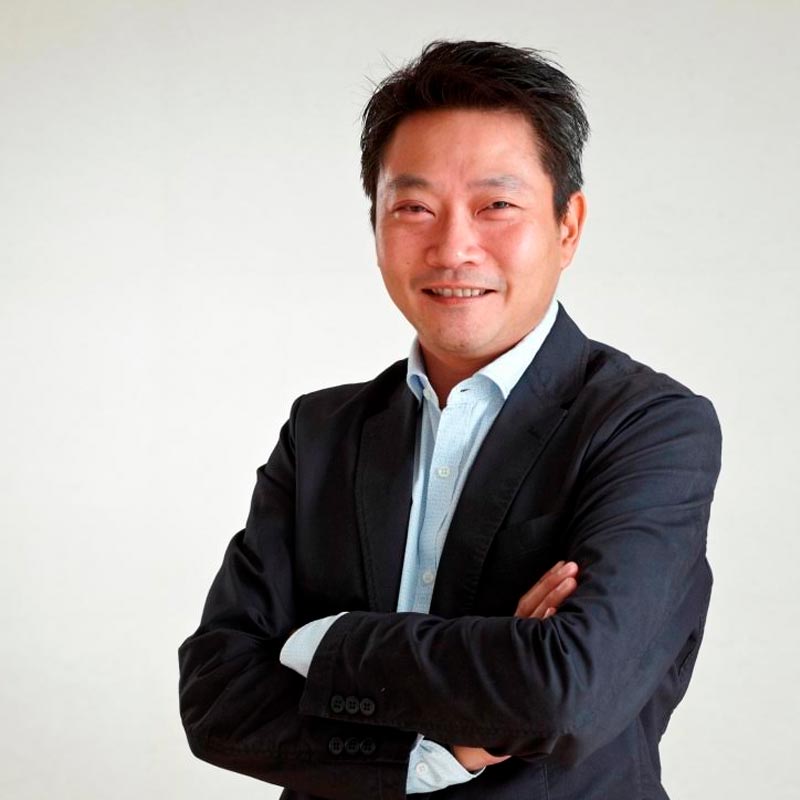
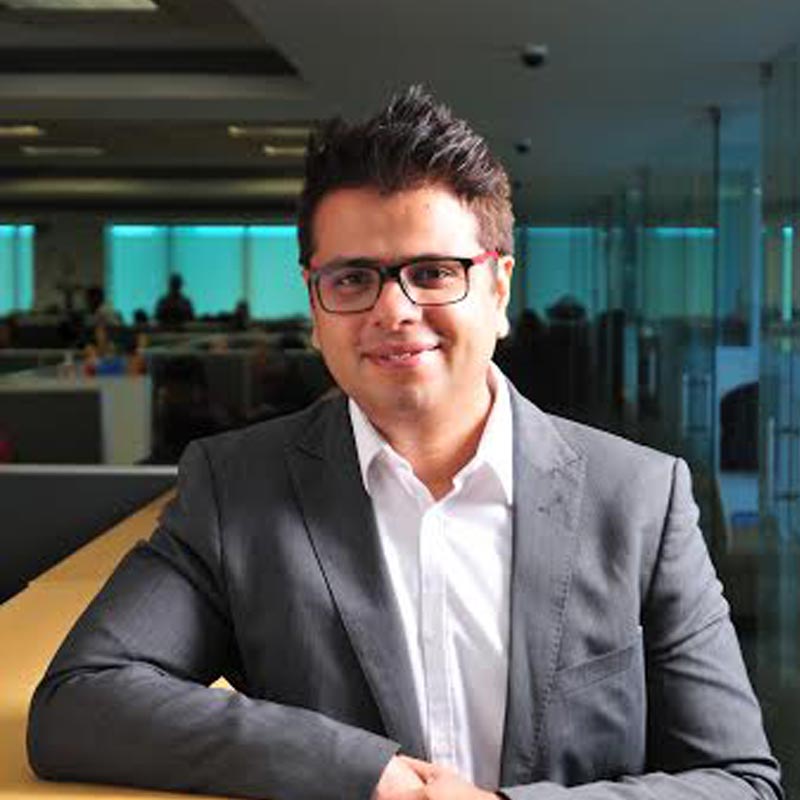
     

  • “TV ad rates will continue to be under pressure” – Ashish Bhasin

    “TV ad rates will continue to be under pressure” – Ashish Bhasin

    MUMBAI: From leading brands discussing the advertising fraternity’s readiness to deal with the digital onslaught to panel discussions after panel discussions dedicated to cracking the content code of the digital world in reputed conferences; the Indian media world is truly enamored with the word ‘digital.’ And rightly so, as the media has completely changed how the trade works in the sector.

    But little is being discussed on the specifics of digital media’s effect on television and its business. To put this into perspective and shed light upon the current realities of the television industry from a media executive’s point of view, indiantelevision.com reached out to Dentsu Aegis Network chairman and South Asia CEO Ashish Bhasin.

    In a free flowing conversation, Bhasin opens up on sophistication employed in a new age television plan with the help of data analysis, ad-rates discrepancies in India,  future of TV media from advertising perspective, and more.

    Excerpts:

    Does Big Data and interpreting it play a role in today’s TV plans?

    It is important to pay attention to Big Data and analyse it right. At Dentsu Aegis Network we have set up our own data stack, which is driving through econometric modelling. That team is using it…it is composed of a young team of statisticians and senior data analysts, economists, and technicians who are analysing and decoding the available data on behalf of our clients.

    For example, you can get 44 percent reach for a particular plan on television.  Now if you spend 10 percent extra on your budget, you probably can get 46 percent reach on the same plan. This 10 percent of budget spends for 2 percent of incremental reach isn’t viable for the client. Thats where the data team comes in, who have developed a software who figures out where is that wastage happening. They combine the television exposure and digital exposure and tells us here is the sweet spot for advertisers to spend that 10 percent on.

    The age old problem of advertising is that advertisers know 50 percent of their advertising works but don’t know which half. Our approach helps the advertisers to know to some extent which half works.

    Many fear that digital will eat into television’s ad revenues even as TV continues to grow. What are your thoughts on this?

    Well in the distant future, in theory, digital will eat into television’s market share because everything will become digital. It is already happening in the more mature western markets but in India that has a long way go because television penetration has some way to go. We are all seeing it still from a Mumbai-Delhi point of view but the growth is not going to come from these two metros, there is already 100 per cent penetration there. The growth will come from tier III tier IV rural towns.

    There it is a long way to go. Therefore for the next five to 10 years there is enough space for all media to grow. Even print, which is collapsing everywhere else in the world is still still growing in India because literary levels are growing. But we don’t doubt that digital will grow faster – at least we believe – than any other medium.

    Will the per unit realisation (valuation) of television go up?

    Per unit realisation is the function of the audiences you get. More your distribution, more your audience, more is the realisation. I don’t think it will go because there are contradictory factors acting. On the one side you are getting more audiences, on the other side, the time of these audiences is getting more fragmented. It is getting fragmented — within television, and also between television and digital.

    So, there will be a balancing factor. It won’t collapse like it has in many other parts of the world. It may go up but gradually because there will be the other factor of the fragmentation which will come into play. There will be the two paradoxical forces acting together.

    Compared to markets like US, Indian television ad rates are very low even after adjusting the purchasing power parity. Your comments?

    I think it is unfair to compare US national rates with Indian semi regional rates because they are operating on completely different bases. There are 300 million people in the US. Out of that the TV audience is about 150 million. Per person per secondage average if you compare the two, you will understand, there are two different bases you are operating from. It’s unfair to compare US national rates with Indian semi-national or regional programs. Because then what you should compare is the 0800 ads in Minnesota, Iowa. You see their rates, their rates are less than or equal to the rates in India, even though the ones there are in dollars. The Super Bowl, one refers to, is a dense packed audience nationally – it is a unique phenomenon.

    Could the IPL be that property in India?

    It probably could be, But the IPL has already peaked; it will not go beyond this. That’s why IPL is commanding the premium; one spot on IPL is so expensive. It is anywhere between Rs three to five lakh for a 10 second spot.  

    What trend do you notice in the current television advertising rates per spot?

    I feel that the pricing on television will further go down. Today, we are looking at 0.1 rated programs. There are hundreds of programs that rated 0.1 by BARC. Tomorrow, you will be having programs with e rated 0.05, hypothetically. An advertiser is ultimately paying for the eyeballs the show is getting. If that number will go down, suddenly the prices can’t go up right?

    It is true that some premier shows will command higher ratings, such as a cricket match etc. But I don’t see the ratings going up in general.

    An advertiser is only paying more money to get more audience. To an advertiser it does not matter whether the viewer is watching it on Zee, Sony, Star or Colors, he is interested in that my target audience, say a million people, where do I reach them? So, if the reach or number of people is going to get more and more fragmented, then the per spot rate is headed south. Overall the advertiser may end up spending more because he has to take that many more spots to reach the audience he wants, but the per spot rate realisation will not go up, it will come down.

    The problem with television is also that there is too much supply, too many channels, too much inventory. The TV industry had one chance to limit the supply when the TRAI asked them to limit ad time on TV to 12 minutes an hour. Limiting supply could have had to benefit of taking rates up. But the industry did not comply with this. Hence, now there has been a commodisation of television air time.

    Do you think we will need  TV broadcaster going forward?

    The reduction of dependency on a broadcaster is at least five to 10 years away in India, which is what I keep reminding people. We are at that sweet spot where everything is going to grow. While there will be a lot of digital pressure and digital will grow fast, actually if there were no other contradictory pressures, TV should have started collapsing. That will not happen because TV is growing.

    Doordarshan has started giving away its Free Dishes in the south now. They started this in the north earlier. With this the penetration of free to air channels is going to really rise. Hence the distribution increase is going to keep an inward positive upward pressure for TV coming up. Digital is going to put pressure on it to push it down. Therefore it will remain in balance for four to five years. Finally, digital will prevail. Once you more or less have penetrated India. You have more or less got everyone in. That stage, that will be tipping point when digital will take over.

    What will happen when Jio launches?

    Globally, if you see, smart phone penetration when it goes over one third, it’s the rule of thumb. That’s the inflection point in digital anywhere. In India we are probably at around 18-20 per cent. We are about 12-18 months away from that point. The moment smartphone penetration crosses 33 per cent, bandwidth gets available cheaper and cheaper. And you get good quality bandwidth. That inflection point is going to happen.

    How will that impact the advertising agency?

    Lines are blurring. There is no difference between media  or technology or content. There is only one solution. And the advertiser is looking at a comprehensive digital solution from his communications partner.

    What does a traditional client looking for digital solutions want from an agency these days?

    The client today doesn’t want generalists. He wants super specialists. If it is digital, he doesn’t want a normally media guy to handle it, he wants a digital specialist to handle its social media, a search specialist and then a display specialist.

    The clients today want the benefits of specialization but he does not want the hassles of silos. Fortunately or unfortunately, all the legacy agencies are constructed in silos. For a guy in a creative agency, it does not matter if the media goes to any other agency. Because they are all separate companies. Because of this they have not been able to provide a single solution under one umbrella.

    The reason we have been successful is that we are structured as one P&L. Everything from media in India reports into me – whether it is Carat or Isobar or iProspect or  Dentsu Creative or whatever. And that is our biggest strength because you can bring talent in, think around the client in one seamless way.  And almost all of the others have not focused on this.

    Your take on ad blockers?

    Ad blocking is a very tricky subject. As a consumer when I look at it, ad blockers are damn good because audiences don’t want an intrusion when they consume content. I think advertising businesses are to be blamed for getting the pushback from the consumers because people just went berserk with displays online. Consumers are not paying to see your advertising, they are paying for content. So if advertisers start intruding so much, there will be push back. And it will only go up unless we figure out some standardisation. The future of digital advertising is going to be opted.

    We see ad blocking in conjunction with bot fraud and click fraud, it will lead to a scenario where the media will collapse unless the cleaning up doesn’t happen.

    We have a large programmatic buying division. The biggest challenge they face is how do you that it’s a human being consuming the content on the other end. So ad blocking will continue to happen unless you have incentivized the consumer to opt it. Either by choice or by incentives. Privacy laws will get stronger, they are much stronger abroad than they are here.
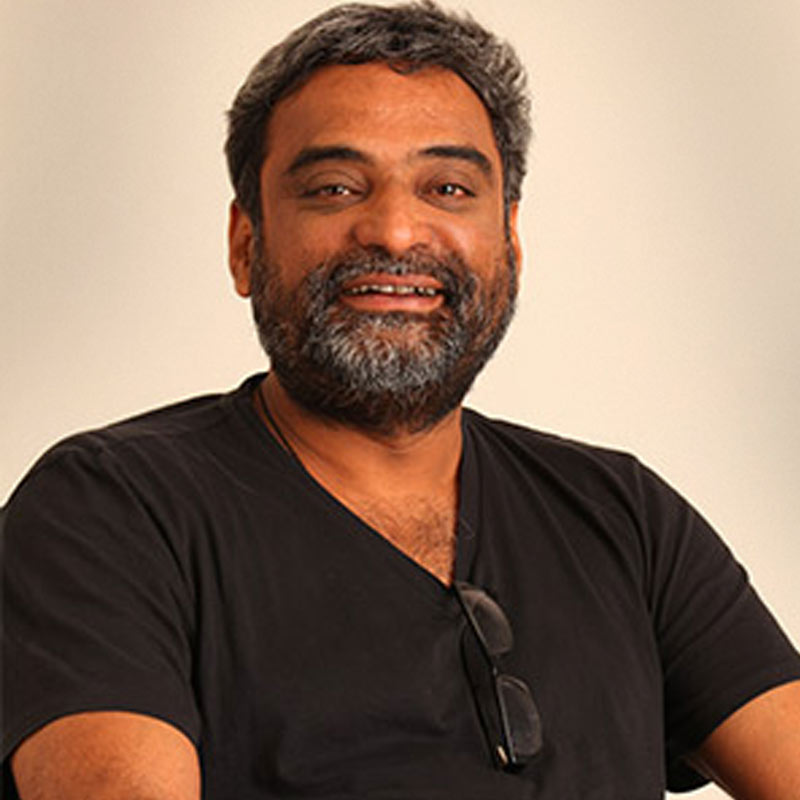
     

  • Roposo appoints Anand Jha and Saurabh Khullar

    Roposo appoints Anand Jha and Saurabh Khullar

    MUMBAI: India’s fashion social network Roposo has strengthened its leadership ranks with the appointments of Anand Jha as the Head of Design and Saurabh Khullar as the Head of Sales.

    Speaking on the appointments, Roposo co-founder Avinash Saxena said, “Roposo has had a phenomenal growth story so far. As we prepare to helm the company into its next level of evolution, we are pleased to welcome Saurabh and Anand on board to lead the key divisions of Sales and Design. Both bring tremendous experience and dynamism along with years of rich industry experience. We are certain that their contributions to the Roposo growth narrative will be significant and that they will be a perfect synergistic match for our existing team.”

    At Roposo, Jha will look after the entire user interface and user experience.

    Speaking on his appointment, Jha said, “I am glad to be a part of this enthusiastic and diligent team at Roposo. Design is central to Roposo and my job will be to build on the already-outstanding product. Through an enriched design offering, Roposo will be able to further establish its market leadership stance and make deeper inroads in the consumer mindscape across India. ”

    Khullar too added, “I believe that Roposo has had an exceptional growth graph given the current business climate. I’m looking forward to further enhancing its revenue model and sales numbers and contribute to the company’s upward trajectory. The team’s energy and passion for the product is truly infectious and I’m looking forward to working with them.”

    As the company has been crossing one milestone after the other, with a user base of 3 Million and its ever growing popularity among celebrities and enthusiasts alike, these new appointments highlight function expansion within the team. Roposo is now entering the next stage of growth and will be focusing on revenue generation along with its persistent endeavor of product development.