Category: People

  • Clinique signs Radhika Apte as first brand ambassador for India

    Clinique signs Radhika Apte as first brand ambassador for India

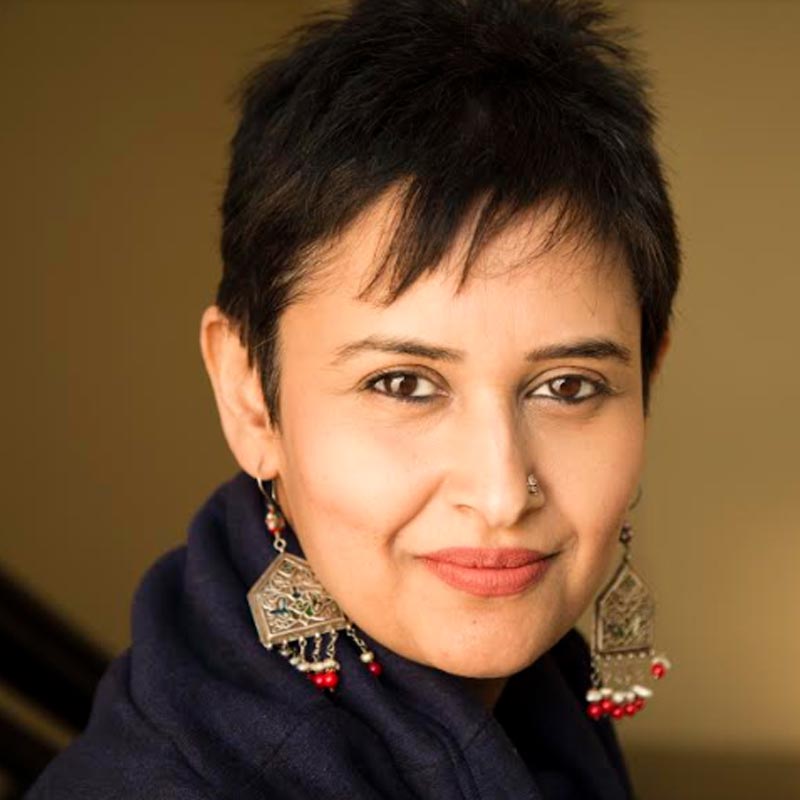
    MUMBAI: Clinique, the skin care brand has introduced Bollywood actress Radhika Apte as its first brand ambassador for India. Known for her real, natural and authentic approach to beauty, Apte exemplifies Clinique’s philosophy of empowering, inspiring and delivering happiness to women by celebrating natural beauty through great skin.  

    “Since its inception, Clinique has paved the way for the beauty industry in delivering innovative, high-performance skincare ahead of its time, while uploading its foundation of inspiring confidence and embracing natural beauty at the heart of everything it does”, says Estée Lauder Companies India general manager Rohan Vaziralli. “Similarly, Radhika is a trailblazer in her line of work – through the roles she portrays to empowering women to focus on inner beauty. She is fresh, dynamic, young, strong minded, natural and genuine, making her the perfect expression of Clinique. We’re delighted to welcome Radhika to the Clinique India family and am confident she will inspire millennial consumers in India and around the world.”

    “What better way to start this year than with Clinique!”, says Radhika Apte. “Skin care has always been an integral part of my beauty regime alongside drinking water, staying fit and sleeping well. I’ve long admired Clinique and strongly believe in its philosophy of great skin equals happiness. Joining this family is extremely special as it’s the first time Clinique India has had a brand face, so it’s a privileged opportunity and I hope to inspire women to be real, natural and authentic in everything they do, without forgetting that beauty lies in simply being happy!”

    Clinique India aims to increase brand awareness, deepen consumer engagement and drive education on the importance of good skincare habits through a series of campaigns featuring Apte in 2019. Audiences will see her appear in her first campaign for a new revolutionary moisturizer, Clinique iD™ in March 2019 followed by its cult hydrator, Moisture Surge™ in May 2019. Apte's campaigns will play across digital media, social media and in-store in India and around the world.

  • YAAP appoints Smriti Shadra as director-content

    YAAP appoints Smriti Shadra as director-content

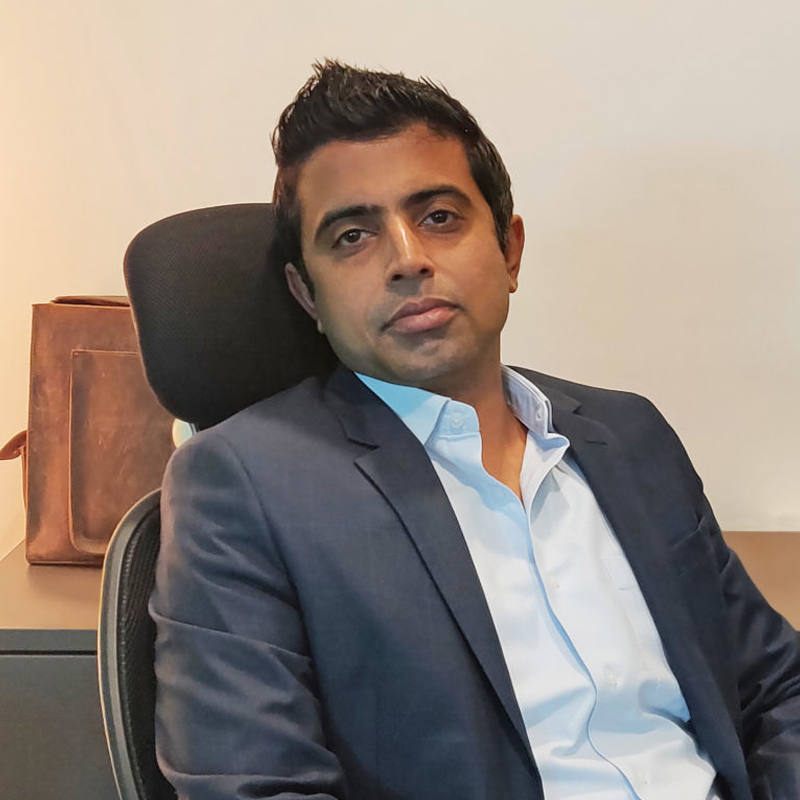
    MUMBAI: Rainmaker Ventures-backed YAAP has announced the appointment of Smriti Shadra as director-content. She will be based out of the Mumbai office and will report directly to YAAP chief creative officer Deepak Singh.

    Speaking on her appointment, Singh said, “Smriti is one of the young and upcoming talents in the industry; with a rare body of work spanning across multiple mediums. We are happy to have her on board; as she is a perfect fit for an offbeat culture that we are looking to create with a team of people having diversified skill sets. I am confident that she will play an integral role in raising the bar of our creative output while leading a team of people from varied backgrounds.”

    Commenting on her new role, Shadra, added, “Deepak is very clear about the vision that he has for YAAP, and I am more than happy to be a part of it. Advertising today is continuously changing, so the need of the hour is to evolve with the times. This will surely be an interesting move, as it’ll help me explore a dynamic medium like digital in combination with the design. I'm certainly looking forward to pushing the boundaries and creating some path-breaking work with Deepak.”

    Smriti has worked with agencies such as Grey Worldwide, JWT, Leo Burnett, Dentsu India Group, and The Social Street. During her previous tenures, she has worked on brands like DHL, Star, MRF, Britannia, Maruti Suzuki, Max Healthcare, Airtel, The Indian Express, Fortis Healthcare, Madhya Pradesh Police, SBI Cards, Twinings, MOHAN Foundation and Alzheimer’s and Related Disorders Society of India.

    She has around 190 Indian and International awards to her credit; across various categories and has been a jury member at The MAA Worldwide Globes, The ABBYS, and The EMVIES. In 2017, Smriti was chosen as an Adobe Young Lantern, acknowledged and judged by the finest jury in the country.

    The YAAP Group works with brands like Dubai Tourism, ITC Hotels, Lufthansa, Coca Cola, American Express, SBI Cards, SHRM, NPCI, Assam Tourism along with more than 50 other brands.

  • Xiaomi India partners Ranveer Singh

    Xiaomi India partners Ranveer Singh

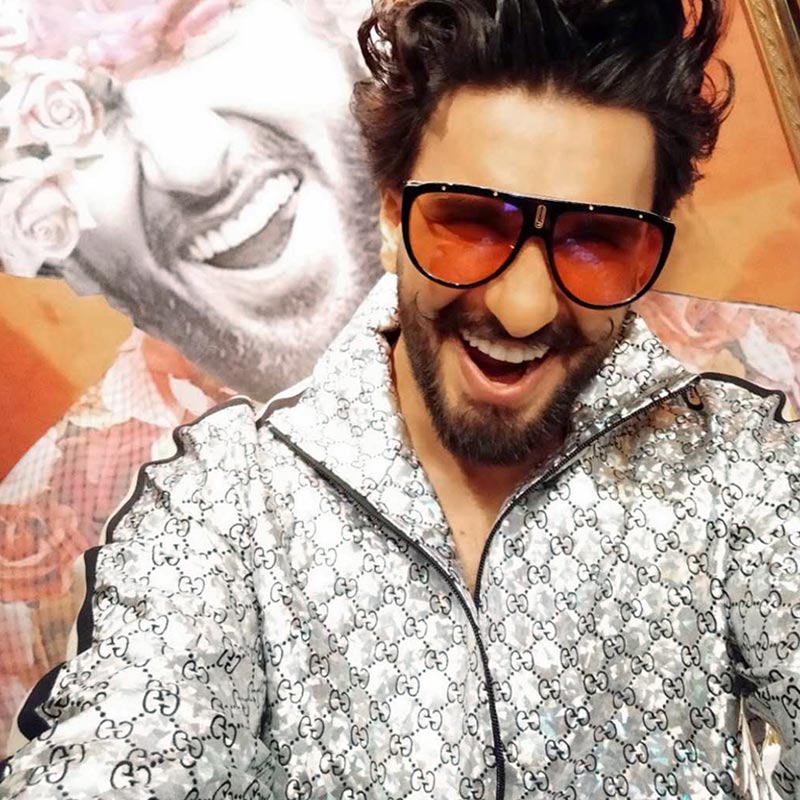
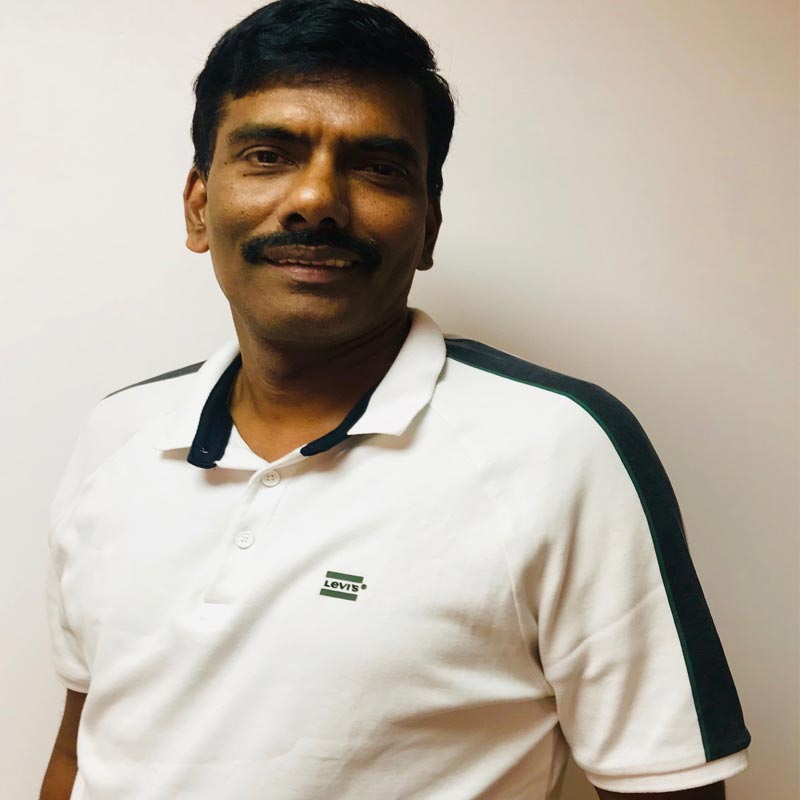
    MUMBAI: Xiaomi India has announced its partnership with Bollywood superstar Ranveer Singh to endorse Xiaomi’s line of smartphones. Singh also showcased the yet to be launched Redmi Note 7 in a free-spirited web film.

    Singh joins the Xiaomi India family, and will be responsible for bringing the disruption factor across the entire Xiaomi smartphone series. Ranveer’s announcement sees him being introduced in a web film in which he is showcasing Redmi Note 7 while dancing his heart out to the track ‘I am sexy and I know it’. The web film in the end reveals Singh's and Xiaomi’s association as Manu Jain, MD of Xiaomi India calls Singh and the two confirms the alliance.

    Xiaomi India chief marketing officer Anuj Sharma said, “Xiaomi is built with the love of Mi Fans, and we are really excited that our fan family is growing with Ranveer joining us. Ranveer has a huge appeal across all demographics and regions and is known for the passion and the extreme attention to detail which he brings to his role, and just like Xiaomi’s belief of bringing innovation to everyone, Ranveer believes in doing the best for his audience.”

    Ranveer Singh said, “Xiaomi is the number one smartphone brand. The company has been making waves since its entry into the market. We share similar beliefs of providing the best to our consumers, and I am really looking forward to disrupting the market together with Xiaomi for their smartphone series starting with Redmi Note 7.”

  • Kalyan Jewellers CMD honoured at 44th IAA World Congress

    Kalyan Jewellers CMD honoured at 44th IAA World Congress

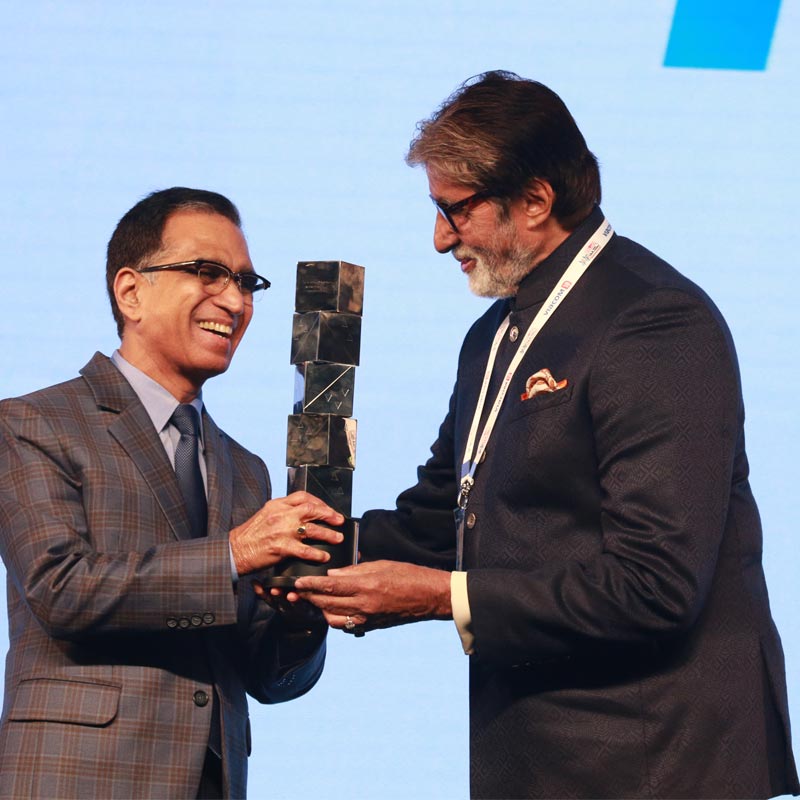
    MUMBAI:  Kalyan Jewellers founder chairman and managing director TS Kalyanaraman has been honoured with a special award at the 44th IAA World Congress being held in Kochi. The award bestowed by the International Advertising Association recognises the contribution of Kalyanaraman in building Kalyan Jewellers as a global endearing brand and taking it from a regional brand in Kerala to a national and international brand.

    Bollywood superstar Amitabh Bachchan who is also the national brand ambassador for Kalyan Jewellers graced the occasion to bestow the award to Kalyanaraman.

    Receiving the award, Kalyanaraman said, “It is an honour to receive this award recognising Kalyan Jewellers excellence in marketing communication. I would like to dedicate the award to our customers without whose support we could not have reached the stage we are at today! As we grew from a single store in Kerala to other states in India as well as abroad, the evolution from a local to a global brand was on a foundation of the core value of trust, and it is this trust that has resonated with our customers. While maintaining a consistent messaging, the brand communication has always focused on the customer in each region, with tastes and choices specific to the local culture. I believe it is this approach that has led us to succeed in markets as varied as the country we live in, as well as in markets abroad.”

    The award recognises the brand’s hyperlocal approach to advertising that is crafted specifically for the customer in each region. With brand ambassadors belonging to the states, taking the brand closer to the audiences and connecting in each region has been particularly successful. Regional celebrities like Nagarjuna, Prabhu, Shivraj Kumar and Manju Warrier, each with their unique fan following, enables the brand to build a strong bond with existing and potential customers. Of course, Amitabh Bachchan as the national brand ambassador is a strong push for the brand in the minds of the customers across the country. 

  • Madison Group CEO Vikram Sakhuja on TRAI tariff order, Ekam & media landscape

    Madison Group CEO Vikram Sakhuja on TRAI tariff order, Ekam & media landscape

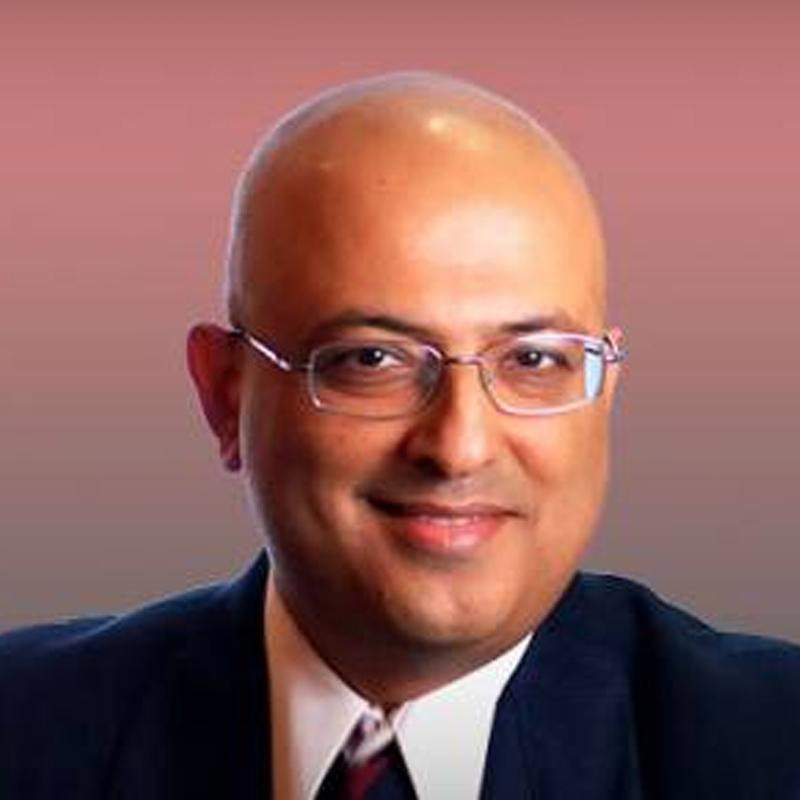
    In a highly VUCA media world, over I’m going to attempt to answer the question of what’s in store for media in the near future. Today 11000 TV and radio advertisers, over two lakh print advertisers, 1500 OOH advertisers and 300 large – 2 lakh long tail online advertisers think long and hard about how to spend their marketing budgets.

    On one hand, it costs 30-40 crore to do a significant national launch, advertising on IPL can exceed a 100cr for some advertisers. A YouTube masthead or a TOI jacket costs excess of a crore, a 10-day OOH plan in Mumbai can cost over a crore. Yet an average advertiser spends under five crore a year on TV, two crore on OOH and lakhs on other mediums. At the top, there are only 12 advertisers with spends more than 500 cr. At a brand level, an equal number (12) spend more than 100 crore.

    For all of them, budget management boils down to making trade-offs between mediums and media objectives. By mediums I mean TV, print, radio, OOH, digital, cinema, and media objectives: reach, frequency, SOV, weeks on air, advertising size and “impact vs regular” inventory.

    How media shapes in the future will depend on how advertisers, agencies and media owners use different mediums across these fundamental media objectives.

    Reach: When it comes to reach we have close to 200 mn TV homes but only a handful of advertisers – large FMCG, political parties and telecom that reach both urban and rural. Even within urban most aggressive plans reach about 70% of TV homes once/month and about 45% three times.

    Byron Sharp amongst other media pundits says that reach is most important, yet at an India level we are reaching less than half. Question to ask is whether that 60% reach overall urban better or 95% reach among a particular market.

    Frequency: At a campaign level, TV typically operates at a 3-5 frequency, online at 7-8, print at 1 or 2. Yet paradoxically as consumers we often see the same ad perhaps three times in an hour while watching a movie or a game. Question to ask here is do we truly understand the concept of media frequency?

    SOV: Most advertisers track SOV/SOM closely as they find that competitive spends have a bearing on their business. Best way to get a client to spend is to tell them that their competitor is spending. Fact is media salience does drive brand choice but do we need to do it over a campaign or a financial year.

    ACD: TV copy length is coming under a microscope even as print sizes are increasing. Digital has expanded the ad range from 6” to long-form video. Rather than approach copy length by the medium question is one of optimizing the effectiveness and efficiency of creative length (typically using analytics).

    Impact vs. regular: Impact unquestionably helps cut clutter and build awareness. Used well it builds equity. However, it comes at a premium. New advertisers hoping to make a quick mark in the Indian market opt for an impact heavy strategy, while legacy marketers approach impact more judiciously. Question to my mind is do brands have an impact strategy?

    WOA: Often the variable that is traded off most. It is felt that it is better to have a campaign that is noticed over an always-on one. Indeed, we have only a few brands who are always-on on TV, display, social, search, performance; but most TV and all print, OOH, radio, cinema activity is typically sporadic and behind specific marketing initiatives. Why is WOA not given more importance?

    Current thinking has carved the pie across TV – 38%, print – 32%, digital – 19% (search 6%, display/video 7% and social 6%) OOH – 5.5% and radio – 3.5%.

    How will this media scenario change in the near future? If the future follows the past we will see the following:

    TV will be the base medium for building awareness and consideration. More TV channels will continue to launch, rate/10” will not increase and may even fall. Fragmentation will lead to an increase in CPRP. CPRPs within a genre will be competitive. Reach will be precious. Overall it will cost more to reach less. There will be the occasional super Premium Impact program that becomes a “tribal moment”.

    The power of others seeing the same thing as you, in the same room and across India at the same moment, cannot be overstated. If I see a Dominos RCB spot during IPL, and I discuss it with a friend who I can safely assume has seen it, a certain legitimacy is created that is called Cultural Imprinting.

    Digital Video will grow on the back of OTT, YouTube, Jio, MX Player, ShareIt and other video consumption and sharing platforms. Digital video has two roles: on advertising, the TV vs. digital video debate will net out at one complementing/supplementing, rather than replacing the other. On content, video will have an amazing run limited only by a brand’s ability to embrace content assets.

    Social will grow on the back of great psychographic targeting and delivery of outcomes and again grow proportionate to brand’s ability to create content based assets.

    Search will grow but more modestly as CPC’s go up and the ROI on search reduces

    Print will have a bumpy ride. It will remain a medium for a call to action and announcement of new news unless it reinvents itself. Categories will put it more under the scrutiny of effectiveness than any other medium. Comparisons will inevitably be with digital. Newspapers will struggle to balance yield with outlays.

    Digital display will grow but less than video. Here the contextual, performance oriented, rich media, tech-enhanced nature will lead to banners winning the battle versus print. Voice will emerge as a display medium

    Radio and cinema will grow as outlays remain modest and local marketing importance grows. OOH will gain from traffic count measurement that is now available at least in Madison and also grows. Put this way, if nothing changes, one could see similar trends in the next t years as we have seen in PMAR 2018. In 2021 we could well see digital being the second most dominant medium.

    But I think an alternative more exciting scenario is possible. This, however, is predicated on the occurrence of three disruptor events and two changes in how advertisers market their brands.

    · Disruptor events are TRAI channel pricing, digital data measurement, and data privacy

    · Marketing changes are true integrated marketing and increased localisation

    Disruptor events

    TRAI channel tariff order

    When TRAI channel tariff order is enforced, channel availability per home will reduce from approx. 350 Channels to 100+50. So, today most GEC channels have 90%+ distribution and about 35% weekly reach. After TRAI these channels could land up having 30% distribution and 30% reach.

    Reality is that an average home watches 16 channels. It is just that with so many more available there is surfing and some snacking and reach extension. Once these extraneous channels go out we will see individual channel reach reduce, ATS go up, and overall fragmentation will reduce. More channels will also go FTA, but carriage fees will also increase. There will be moreexperimentation with consumers opting in and out of channels on a monthly basis.

    Today there is a high degree of substitution possible between channels. In a post TRAI world, we will need a combination of channels to build reach and no two channels will be completely substitutable. Life will also be more dynamic. Using past four week data to predict the next four weeks will become challenging. It is a good time for a media planner to make a difference.

    Digital measurement

    The most accountable medium does not have a measurement currency. We don’t have a currency on digital AdEx, no currency that tells us about viewability and viewership/listenership. Sure, we are fed data by publishers, and we also have our own tags that we track, but there is no industry currency. Ekam was supposed to be one and huge amounts were spent to keep the infrastructure going, but for completely manmade reasons this has not emerged. If it comes we will get a currency on digital viewership and an official read on integrated reach between at least TV and digital video.

    This can redefine the 27000 cr video+ (23500+3500) industry.

    I believe TV and OTT have the common lean back consumer habit to viewing which will lead to a lot of crossover advertising between the two platforms. I also think the OTT content ecosystem will allow advertisers the deal structuring that we used to do with private producers in the DD era.

    This will also allow a narrowcast of a broadcast medium. We can choose markets and genders or ages and cut some wastage.

    Data Privacy

    As a consumer who owns my data will have a profound bearing on how the digital marketing evolves.This is not a current issue in India but is a simmering one in more developed digital economies.

    The detractors say that global digital media giants have the power and ability to manipulate our behaviour as well as profile us if they control our data. The supporters say having consumer data has led to contextual marketing, psychographic marketing and programmatic marketing that has made messaging to consumers more relevant. Indeed, these are powerful tools for any marketer that goes a long way in improving targeting and explaining how media works.

    As a marketer it would be a shame to lose this tool. But with great power comes great responsibility. It is obvious that data needs to be anonymised. That is a given. The crux of the issue lies in internalising the difference between targeting and profiling. It is ok to target me, but please don’t profile me. The difference is subtle but significant. If we cross the line, there is a danger of the entire digital media juggernaut crashing.

    Two marketing practices will impact the way we spend

    Act truly integrated

    We have talked integrated marketing plans for decades but we still act in silos. Sometimes an idea binds the media together, but is this integrated?

    There is a term called consumer journey or path to purchase that tracks a consumer from the time the trigger for the category happens to when purchase and post purchase happens. In this journey the potential media touchpoints are when the consumer is engaged in the activity of listening, viewing, reading, searching, shopping, socialising, learning or gaming. What brands can do with media at these touch points is the opportunity to get consumers to see us, think about us, experience us, buy us and share their views about us.

    Today over 90% of a brand’s marketing budget is involved in getting ads to be seen. As they move to other aspects of the marketing funnel, how the money is spent will change dramatically.

    Biggest catalyst to that will be CPT (or CPM). Today we evaluate a TV plan in CPRP, print in rate/sqcm, radio in rate/10”, OOH in rate/site, digital in CPT or CPO, etc. This needs to move to an apple to apple CPT. Over this we can add outcomes and measure CPO.

    Increased localisation

    We need to factor India’s heterogeneity much more into our marketing plans than we do currently. We approach plans as urban vs rural, 8 metro vs rest of India urban, HSM, 4 southern states, Maharashtra and West Bengal, and on socio economic basis through an increasingly NCCS AB skewed classification. Way forward is for brands to fine tune their battlegrounds. From spray and pray to seek and prey. We have several examples over the years like Ghadi, Santoor, Thums Up, etc that have built dominant regional positions.

    So, what’s in store for media in the near future is essentially harder working outcome based marketing. Brand budget growth follows an arithmetic progression while demands from marketing forces increase at a geometric progression. The following six forces will shape the advertising spend market.

    1. Expansion of marketing funnel: We used to make trade-offs between Mediums and Media Objectives (R/F/SOV/WOA/ACD/Impact). This was largely about getting consumers to see an Ad. Now we will additionally make trade-offs between getting them to see, explore, experience, buy and share across the journey. If that happens TV will lose relatively and all others will gain.

    2.Integrated Reach will continue to be critical: More media touchpoints will be required to get reach. Marketers will seek it in an integrated manner. Campaigns will maximize reach and optimize frequency across media. CPT will become the common currency that equates the cost of an impression across media.

    3. Greater Localisation: it will become increasingly impractical and inefficient to market to one India. Additionally, the trade-offs between markets will become sharper than our current P1, P2 classification. Greater digitisation and channel selection will lead to more localisation. TV will be used as a local medium more than it ever has. Digital, OOH, radio, the cinema will work in combination better than they work in a silo. Print will need to redefine its value to a local marketer and will find a huge role.

    4. Integrated Reach:, CPT, and greater localisation will lead to more intelligent media selling. All Mediums will have a role. From selling Media like onions and potatoes, there will be a need to find brand building solutions. In the near though not immediate future, media in India will get truly integrated as smart devices get connected in what we know as IOT.

    5.Data and technology will revolutionise targeting: We will increasingly target geographically, psychographically, contextually and behaviourally. We will increasingly retarget sequentially with customised messaging. Any medium with digital backbone leverage this capability.

    6.We will decode how media works: Increasingly through a combination of marketing analytics and real-time attribution, we will understand what sequence of Media drives consumer behaviour for each category

    (The author is Madison Group CEO Vikram Sakhuja. The views expressed here are his own and Indiantelevision.com may not subscribe to them)

  • Akanksha Singhal joins Tonic Worldwide as business head – North

    Akanksha Singhal joins Tonic Worldwide as business head – North

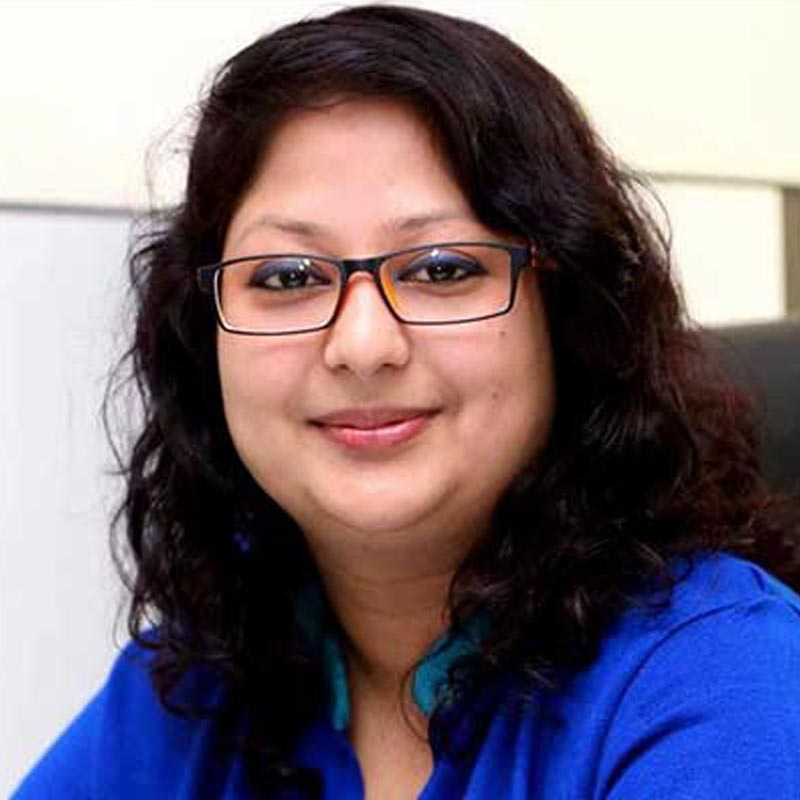
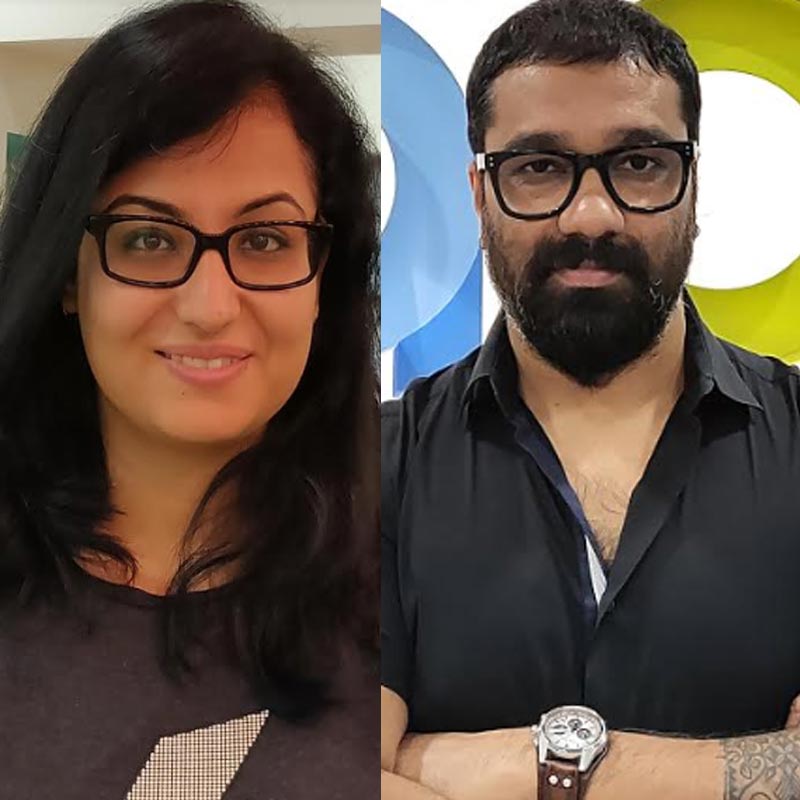
    MUMBAI: Independent digital agency, Tonic Worldwide has announced the appointment of Akanksha Singhal as its business head – north. Singhal will be leading the agency's operations in North and will be based out of its Delhi office.

    With more than 13 years of experience in both the agency and brand side, Singhal is an experienced professional with a demonstrated history of working in the marketing and advertising industry. Prior to Tonic, Singhal worked at Cheil Worldwide, DigitasLBi and Reprise Media. She has worked with brands across many industries including Samsung, Coca Cola, Microsoft, Axis Bank, Dabur, Reckitt Benckiser, Adidas, Bata, Jet Airways, Mothercare, ThumsUp, Kotak Mahindra Bank, Meizu, InFocus, Jockey and many more.

    Commenting on the appointment, Tonic Worldwide founder and CEO Chetan Asher said, “Akanksha’s deep understanding of the medium and her entrepreneurial spirit makes her the ideal person to build our Delhi operations while keeping our human focused approach at the core. We plan to grow our Delhi office aggressively this year and Akanksha coming on-board will give new impetus.”

    Talking about her new assignment, Singhal said, “Eclecticism converges at Tonic Worldwide, where multifaceted teams have consistently created memorable, business-driving work. I’m honoured and elated to join the team.”

  • Ogilvy names Ritu Sharda chief creative officer Ogilvy North

    Ogilvy names Ritu Sharda chief creative officer Ogilvy North

    MUMBAI: Ogilvy is happy to announce the appointment of Ritu Sharda as Chief Creative Officer, Ogilvy North.  This appointment is effective April 2019.

    Ritu comes to Ogilvy with over 18 years work experience that covered work on brands like Quaker Oats, Mirinda, 7Up, Zandu, Wrigley’s, SC Johnson and Exxon Mobil, McDonald’s, Samsung, Maggi, Dabur, MasterCard, Coca Cola, HP, Microsoft,  HBO to name a few.

    Ritu is a much awarded creative professional. She was a part of the Cannes Cyber Jury in June 2018 and also a speaker at the prestigious 3% Conference. 

    She is also the winner of accolades at international award shows such as Cannes, The One Show, The Andy’s, LIA, The Work and ADFEST. Her work includes celebrated campaigns like #ReleaseThePressure for Mirinda and #StandByToughMoms for SCJohnson.

    Sonal Dabral, Chief Creative Officer South & South East Asia and Vice Chairman India, Ogilvy, “I’m thrilled to have Ritu join us to lead the creative for Ogilvy North. Ritu is a celebrated new age creative leader who believes in the power of creativity and technology to drive business growth. She is an innovative thinker and has created big bold work on big businesses. Ogilvy North is an important office with some significant brands and strong, experienced creative teams. I’m sure with her multidisciplinary expertise and her energy she will help lead the agency to the next level.” 

    Kapil Arora, President, Ogilvy North: Ritu has the passion for ideas, the energy and mindset that will not just benefit our client brands, but will also enhance the formidable talent force of our creative team. With Rohitash (head of planning) and Ritu, we now have the final, critical piece of our Next Chapter plans in place and I am looking forward to their partnership in setting new benchmarks for the work from Ogilvy.”

     “We are at a very interesting point of inflection in our business, a point that is both intimidating and exciting. The stellar leadership of Ogilvy along with its pedigree talent and enviable list of clients, is poised once again to blaze a new trail during this time. I am excited to play my part in this,” said Ritu Sharda. 

  • FCB Ulka appoints Shreekant Srinivasan as senior VP and business director

    FCB Ulka appoints Shreekant Srinivasan as senior VP and business director

    MUMBAI: FCB Ulka has announced the appointment of Shreekant Srinivasan as senior vice president and business director at its Delhi office. In his new role at FCB, Srinivasan will be heading iconic brands, like Horlicks, Hero MotoCorp, Hamdard, along with Boeing.

    Srinivasan, who has earlier worked with agenices like BBH, Leo Burnett, McCann Worldwide, and Weiden and Kennedy, comes with 20 years of extensive experience of the field. He has played a key role in launching new offices, building cohesive teams and managing some illustrious brands such as GM, Tinder and Royal Enfield to name a few. 

    Commenting on the appointment, FCB Ulka president north and east Debarpita Banerjee said, “Shreekant has a proven track record of leadership, advertising flair, and business growth. He will be heading a lion’s share of this ever-growing branch at FCB. We are excited to have him over and are confident that he will lead this business with bigger better ideas on our brands.” 

    Speaking on his new role, Srinivasan said, “Sometimes things just click. I met Debbie after ages over a cup of coffee when she passionately spoke about the group's vision and a role that looked too exciting to not take up. With its legacy of doing culture-defining work being reflected in the recent campaigns like 'Sindoor Khela', FCB looked like the right place for my future exploits. And here I am, looking forward to partner FCB in its next phase of evolution.”

  • Balance Hero India gets Victor Choi as new CEO

    Balance Hero India gets Victor Choi as new CEO

    MUMBAI:  Balancehero India Private Limited(BHI), the wholly owned subsidiary of Balancehero Co. Ltd., Korea which runs and operates mobile App True Balance has appointed Mr. Victor Choi as its new CEO. Choi has 18-year rich and diverse global experience in the business and mobile value-added sector. In his new role as the CEO, he will help drive growth and increased penetration for the company in a market that has significant untapped potential.

    "I am looking forward to this association with Balance Hero India. We have a huge possibility to make a mark here because of the tremendous untapped potential which we are excited about. The company’s strong brand recognition represents a compelling opportunity, both globally and in the Indian market. Having spent most of my career in the marketing sector, I believe strongly in the value proposition of the model and its relevance in emerging economies. I look forward to working with the team to capture these opportunities,” said Choi.

    Before he came on board Balance Hero, Choi worked in the Argentina, Seoul, and Singapore offices of LG Electronics and has also served as managing director for PT. Access Mobile Indonesia. In addition to holding key roles across regions handling functions including R&D, product planning and marketing, Choi’s core competency lies in managing skills at the corporate level and establishing strategy and managing organisation while also identifying skills for new opportunities. 

  • Havas Media India appoints R Venkatasubramanian as national head of investments

    Havas Media India appoints R Venkatasubramanian as national head of investments

    MUMBAI: Havas Media India has announced the appointment of R Venkatasubramanian as national head of investments. Venkat joins the agency from Initiative Media where he was serving as senior vice president.

    A former Havas employee, Venkat has over 22 years of experience in advertising specialising in media buying. He has worked with clients across sectors such as Maruti, Suzuki Motor cycle, DishTV, RB, MG Motor, Usha International and InfoEdge.

    In his new role, Venkat will be based out of Gurgaon and will be responsible for driving media investments, partnerships, and strategic thinking for all Havas Media clients across markets.

    Commenting on his appointment, Havas Media Group CEO – India and Southeast Asia Anita Nayyar said, “Venkat is an accomplished, seasoned professional, with his rich experience of over two decades, Venkat will ensure that the complex media environment is well navigated and negotiated for Havas Media clients. Collaboration is the cornerstone of our unified operating model, allowing us to deliver 100 per cent accountability and ideas that flourish without boundaries. Havas Media has the team, capabilities and is well positioned to be a data-cum-content driven media partner to brands across sectors driving their overall marketing and goal strategy. We wish Venkat a happy homecoming!”

    “We are delighted to have Venkat back with us once again. Havas Media has been growing at a phenomenal rate over the years. We have always been keen to get great professionals who have made a mark in the industry. Venkat is one such person who has contributed phenomenally in building brands through the creation of innovative media associations. We are looking forward to using his experience and commitment to develop our brand partnerships further,” added Havas Media Group MD – India Mohit Joshi.

    Venkat said, “I am motivated to come back to Havas Media as the company is open to innovative and creative ideas. My focus will be to drive new and dynamic properties across media with an added focus in the sports arena to ensure that our brands get the best ROI under the guidance of Havas’ senior management.”