Category: People

  • GUEST COLUMN: A complete guide to retail analytics for 2022

    GUEST COLUMN: A complete guide to retail analytics for 2022

    Mumbai: There are a million things that retailers need to do every day. From creating strategies for attracting new customers to finding ways to retain old customers and introducing exciting offers and brand campaigns, they have to also keep an eye on the fierce competition in the market as well.

    But, coming up with strategies and implementing marketing tactics is not enough until you track them right!

    Data analytics must be a crucial part of every retail business these days. Whether the website traffic, engagement rates, inventory, revenues, or expenses, tracking every retail marketing metric is essential. By monitoring your data the right way, you can gain meaningful insights and make better, informed decisions for your business.

    So, let’s dive into what retail analytics is and how it can be leveraged to make your retail business a success.

    What is retail analytics?

    Retail analytics refers to collecting retail data and analyzing it to gain meaningful insights into the performance of the business. That is information about their stores, vendors, products, and customers. Retail analytics allows retailers to harness all the data, discover trends, and make predictions based on the current data values.

    Types of retail analytics

    You can tap into different types of retail analytics that can help you understand the performance of your business in a better way. These include:

    In-store analytics: This refers to the methods you use to collect data from your retail store. For instance, foot traffic, dwell time, conversion rate, etc.
    Web analytics: You must also know how your website is performing. This includes tracking metrics like website traffic, conversions, and sales.
    Inventory analytics: Keeping track of your stock is also crucial in retail analytics. It helps you determine which products are doing better and which are not. The primary metrics here include sell-through rate, stock turn, etc.
    Customer analytics: It is all about knowing your customers—for example, customer retention rate, churn rate, customer loyalty, etc.

    Importance of retail analytics

    When you have all the data you need, you can use retail data analytics to improve various aspects of your business. Here are a few points highlighting why retail analytics is crucial for every retail business.

    1. Better sales and marketing tactics

    Retail analytics can help you understand your customers at a deeper level, making it easier for you to market your products to the right customers and in the right way. For instance, data analytics can help you find out what messaging attracts more customers or which social media channel has the highest engagement rates. This way, you can improve your marketing campaigns accordingly and drive sales.

    2. Improved business management

    Retail analytics plays a crucial role in enhancing day-to-day business management. It allows you to predict which products are being preferred by customers these days, and you can make decisions on stocking, tracking, and restocking the units accordingly. You can keep track of how a particular product sells and understand the current demand in the market.

    3. Enhancing customer loyalty

    Retail analytics helps you keep track of purchase history, shopping patterns, preferences, and other essential metrics associated with every customer. As retail analytics enables you to analyse customer behavior better, you can use this information to provide a better, personalised shopping experience to every buyer.

    4. Better in-store operations

    With in-store retail analytics, you can make changes around your store to attract more customers and increase your sales. For instance, you can determine which store layouts attract the customers the most or which product placement draws maximum attention. You can enhance your staffing, include appealing designs, and implement effective sales tactics to make your offline store a hit.

    Data analytics is not as easy as it sounds

    Many marketers these days struggle with data analytics. According to Marketing Revolution, 57 per cent of marketers incorrectly interpret data and likely get incorrect results. The main problem that retail marketers face these days is the lack of data which leads to:

        Uninformed decisions and underachieved goals
        Poorly performing campaigns since marketers have no idea which aspect of their campaigns to improve
        Unnecessary investment in data analytics tools and vendors

    How to utilise retail analytics for your business?

    Retail analytics can help take away the guesswork out of your business. It gives you a reality-check of how your business is performing and enables you to keep track of every aspect of your business, from sales to inventory and customer experience. Here’s how you can overcome data analytics problems and make use of retail analytics better.

    1. Integrate various marketing channels

    Keeping data from different sources distinctively makes tracking it a difficult task. The first step to retail marketing involves connecting all your marketing channels to a single data platform. Bring data from multiple marketing channels to a centralised place so that you can track data, find patterns and understand your customer journey in a better way.

    2. Real-time tracking

    Track the critical metrics every single day! Real-time tracking allows you to understand the current market situation. This way, you can take immediate action and see results. You can send the proper communication to your customers at the right time and promote your sales.

    3. Represent your data visually

    Do not just rely on spreadsheets for retail analytics. Make use of charts, graphs, and funnels to understand every little detail. Visual representation of data will also make it easier for you to identify patterns and understand the performance of your business in a better way.

    4. 360-degrees retail analytics

    This is considered one of the most important analysis tools for a retail company. It is a compact, easy-to-read, insightful report that combines all the customer metrics in one place. For instance, a 360-degree customer profile helps you understand their buying history, interests, preferences, shopping patterns, and demographics.

    5. Access analytics data from anywhere

    Data should be available to retailers at all times and across platforms. This means you should be able to access and manage your analytics dashboards at any time from your laptop, tablet, or even mobile phone. This way, you can share this data anytime, from anywhere, with your team and keep track of your retail business performance.

    Some tips for better retail analytics:

    Here are some essential tips that retailers should keep in mind to ensure a successful data analytics process for their business.

    1. Focus on key metrics

    There are different key performance indicators (KPIs) in retail marketing. But, not all of them might work for all retail businesses. So, you must find out which metrics affect your business the most and are relevant to you. Track them and make the best use of retail analytics. Some important retail marketing KPIs include:

        Customer retention
        Average transaction value
        Conversion rate
        Foot traffic and digital traffic
        Sales per square foot
        Inventory turnover
        Gross margins return on investment

    2. Be consistent

    Retail analytics should be something that you do regularly—for instance, weekly or even daily. When you track the metrics constantly, you understand the various factors bringing that change in a better way. For example, if you follow your sales weekly, you can quickly determine if your sales are dropping and immediately take action.

    3. Connect different metrics

    If you want to gain clear insights into the performance of your business, you need to relate the various metrics and analyze them. For example, foot traffic should be associated with the number of sales to determine whether people entering your store are actually buying your product.

    4. Collaborate with your team

    Clever algorithms and practical tools are essential, but so is a team that can study the results and gives its opinions. Talk to your staff and understand what they are experiencing on the frontline. Then match their experiences with the results from the numbers you have collected. Allow your team members to bring in different perspectives in analysing and interpreting data to create better marketing strategies.

    5. Use intelligent tools

    Last but not least, find a tool that can help you maximise your retail analytics efforts. Pick up a tool that can help you collect, measure and analyze data all in one place. You should be able to spot long-term trends, track every metric, integrate with other tools or applications, and access data from anywhere you want.

    Gain a competitive advantage with retail analytics

    There is no denying that data can do wonders for a retail business. But, it is essential to note that data alone cannot do everything. You need the right analytics tools to extract the correct value from the data you have collected.

    (About Author: Pranav Ahuja is the co-founder and CEO of Xeno)
  • Industry veteran Varun Kohli takes over as Sporty Solutionz CEO

    Industry veteran Varun Kohli takes over as Sporty Solutionz CEO

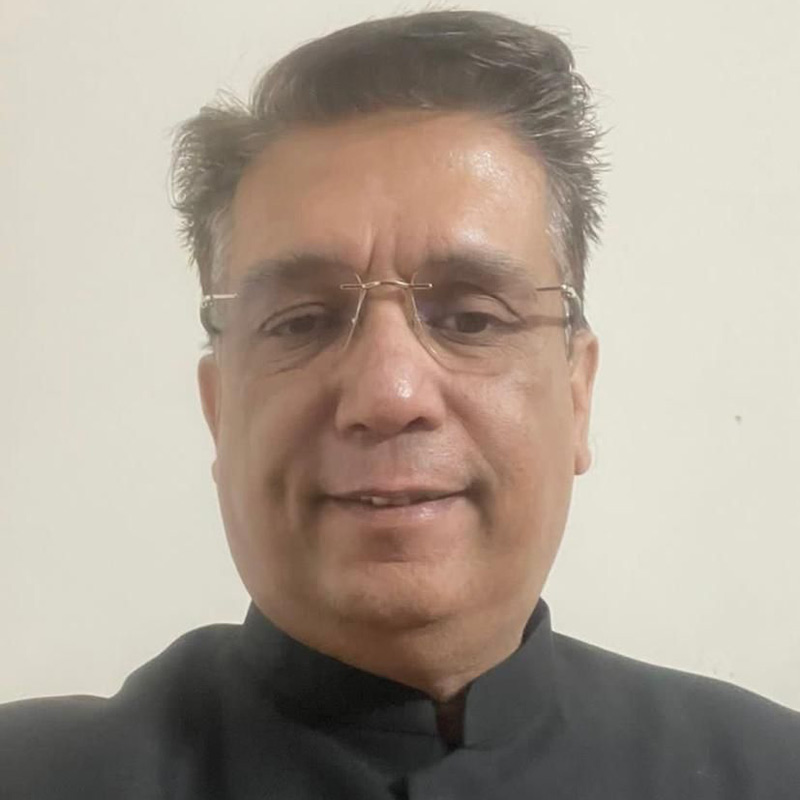
    Mumbai: In a significant move in the sports marketing industry, Varun Kohli has joined sports marketing and media rights company Sporty Solutionz as its new chief executive officer. Kohli will take charge of all SSPL Group of companies including Sports Media Unit InsideSport.

    Kohli has a very distinguished media career in leadership positions for the last 27 years in leading media organisations. Before joining Sporty Solutionz Pvt Ltd (SSPL), he was the CEO of ITV Network for eight long years.

    Previously, he worked with Network 18, Bennett and Colman Ltd, HT Media Ltd, Amar Ujala Prakashan and other top media houses in senior leadership roles.

    With professional experience spanning over 27 years, Kohli is a seasoned sales specialist and is credited with creating sustainable business development and management strategies.

    “The demand for watching top−class sports events on both air and ground is increasingly growing in India and as a company, we are committed to fulfilling the desires of millions of discerning sports fans,” commented SSPL director Ashish Chadha. “Kohli brings a wealth of experience behind him in the media, marketing and advertising industry and has led various organizations to success. We welcome him on board and hope it will be a great mutual association and he will take the company to new heights.”

    Delighted with this new responsibility, Kohli said, “Sporty Solutionz has emerged as one of the leading sports content creators and monetiser in the region. SSPL is planning to integrate all its business interests. The company has envisaged some big growth plans and I will channelise those to realities.”

  • Himanshu Shekhar named as cluster CEO of GroupM Thailand, Indonesia & Vietnam

    Himanshu Shekhar named as cluster CEO of GroupM Thailand, Indonesia & Vietnam

    Mumbai: Media investment company GroupM has promoted Himanshu Shekhar to the role of cluster CEO of GroupM Thailand, Indonesia and Vietnam. Shekhar became CEO of GroupM Indonesia in 2019, and in October last year, he took on the additional mantle as CEO of GroupM Vietnam. His remit as CEO of GroupM Indonesia and Vietnam has been expanded to include the burgeoning Thailand market.

    Additionally, the company has appointed Pathamawan Sathaporn as the CEO of GroupM Thailand. She moves on from Mindshare Thailand’s CEO position where she held various leadership roles for over one and a half decades. Pathamawan assumes the portfolio held by Niklas Stalberg who will be leaving the network after a decade of long-standing service. In this role, she will report to cluster CEO Himanshu Shekhar.

    “Both the appointments are with effect from 1 May,” the company said in a statement.

    Having spent two decades within the GroupM network, Shekhar rose through the ranks in Mindshare managing the business in volume-heavy India and Indonesia. He was appointed CEO of Mindshare Southeast Asia from 2014 to 2018. During Shekhar’s tenure at Mindshare, the agency in Indonesia bagged gold at ‘Campaign Asia’s Agency of the Year’ for five years running, while Mindshare Southeast Asia also snagged gold for three consecutive years.

    “The group’s strategy to cluster Thailand, Indonesia and Vietnam under one unified leadership will strengthen market capabilities and network agility,” said Himanshu Shekhar. “Given the breadth and depth of resources across these three important markets, we will be able to further scale our capabilities and solutions to deliver enhanced value for all our clients and partners. I look forward to building pathways for our talents to flourish in their careers and do great work for our clients. Our chief goal is to make advertising work better for people across Southeast Asia.”

    “I am thrilled to partner with an illustrious leader like Pathamawan whose depth of field experience in Thailand will undoubtedly propel us into an even more glorious future,” he further said.

    As CEO of GroupM Thailand, Indonesia & Vietnam, Himanshu will report to GroupM Asia Pacific CEO Ashutosh Srivastava, the company stated.

    GroupM Thailand CEO Pathamawan Sathaporn commented, “I am honoured to embark on a journey that is both familiar and new – the purple blood running through my veins has now taken on a shade of blue. Growing alongside Mindshare for the past 16 years, I feel privileged to have witnessed the dramatic evolution of the media landscape which sets us up for new adventures daily.”

  • Wondrlab appoints Sameet Ali Soni as content lead

    Wondrlab appoints Sameet Ali Soni as content lead

    Mumbai: A data-driven influencer marketing platform, Wondrlab has appointed Sameet Ali Soni as content lead. He joins from Wunderman Thompson Bangalore, where he was assistant vice-president (AVP) and senior creative director.  

    At Wondrlab, Sameet will oversee the creative integration and content creation on a large set of key accounts. He will report to the What’s Your Problem’s (WYP) co-founder and CCO Amit Akali. For the record, Wondrlab has acquired WYP in 2020. 

    Sameet comes with nearly 17 years of experience in advertising, having worked on brands like ITC Foods, Kingfisher, Sony ESPN, Lifestyle, Britannia (digital), Rohan Builders and McDowells.  

    Speaking in this context, Akali said, “We’ve done away with the 13/14 designations that other agencies have. Our senior-most creative positions are our ‘content leads’ and ‘content directors’. Sameet is someone I’ve worked with at the beginning of his career. Even then, he was a special talent creating the iconic Bingo Mad Angles ‘Board Room’ film.”

    “While he brings many more skills with him now, he brings the same love for advertising. The last year (our first at Wondrlab) has been amazing with us winning some of the biggest and most exciting brands. That is looking for the platform first, new-age, truly integrated work. The coming days are full of opportunities and I am sure someone senior and experienced like Sameet and Rahul will help us make the most of it,” he added.

    “What’s Your Problem and WondrLab have been doing some wonderful integrated work for all its brands with fresh platform-first ideas. I am excited as I set a path on a new journey and of course, working with my old boss and mentor Amit Akali,” Soni added further.

  • The Knot Worldwide names Jenny Lewis as CMO

    The Knot Worldwide names Jenny Lewis as CMO

    Mumbai: The Knot Worldwide, a global digital wedding planning company and the parent company of WeddingWire India on Monday announced the appointment of a former executive of Uber Technologies Inc Jenny Lewis as its new chief marketing officer.

    In her new role, Lewis will lead all marketing, insights, and editorial initiatives for The Knot Worldwide and its 19 global brands across 16 countries, said the statement.

    “Lewis is a highly experienced, seasoned business leader responsible for building one of the most well-known global marketplace brands: Uber,” said The Knot Worldwide chief executive officer Tim Chi. “I am confident that Jenny’s consumer-centric approach to full-funnel marketing and ability to anchor a brand’s relevancy with current and prospective consumers will drive innovation for the millions of engaged couples and hundreds of millions of wedding guests that we serve each year in the $200 billion global wedding industry.”

    Over the course of her seven-plus years with Uber as head of US & Canada marketing, Lewis was the driving force behind a number of product and brand-defining initiatives, including UberPool and the brand’s Covid-19 response campaign. Before Uber, Lewis worked at Undertone Advertising and Fox Networks Group (FX, National Geographic Channel, Fox Sports), where she developed co-marketing strategies with Fortune 500 brands such as MillerCoors and Volkswagen, according to the statement.

    “As the number of weddings around the world will hit an all-time high this year, I’m thrilled to join this talented leadership team at such a pivotal moment when our services are needed more than ever,” said Lewis. “I look forward to further developing and implementing a strategy that supports our global growth plans, eCommerce business objectives, and above all, provides couples with an unparalleled experience during one of the most important moments of their lives.”

    The company has most recently scaled its e-commerce offerings, which include The Knot Registry, The Knot Invitations, WeddingWire Invitations, and more.

    “Jenny joins us at a pivotal time when the market opportunity is immense,” commented WeddingWire India associate director of marketing Anam Zubair. “She brings on board a wealth of experience from managing brands like Uber, where she has been instrumental in driving growth. This empowers The Knot Worldwide and WeddingWire India to identify new growth opportunities and derive actionable insights from an audience that is extremely digital-savvy. We are certain that with Jenny’s leadership, we’ll be able to make WedTech an indispensable part of every Indian consumer’s life.”

  • ‘Wherever a shopper shops, one must make a product around it’: Swiggy’s Swapnil Bajpai

    ‘Wherever a shopper shops, one must make a product around it’: Swiggy’s Swapnil Bajpai

    With the pandemic fuelling a paradigm shift in consumer behaviour aided by digital acceleration and customers preferring doorstep food delivery over dine-in services, cloud kitchens have emerged as viable business model in the F&B industry. Many restaurateurs are now looking to shift from a traditional dine-in facility to set up a delivery-only business to tide over the havoc wreaked by the Covid-19 pandemic. To aid the process and showcase the importance of incorporating cloud kitchens into the Indian restaurant industry, the National Restaurant Association of India’s (NRAI) Mumbai chapter recently held the Cloud Kitchen Convention where prominent stakeholders from the cloud kitchen space got together and shared their knowledge and cutting edge insights.

    Last year, NRAI had launched the #OrderDirect campaign to offer a democratised digital channel with low commissions to reduce their reliance on the aggregator platforms.

    IndianTelevision.com exclusively spoke to Swiggy AVP of sales Swapnil Bajpai on the foodtech brand’s association with the NRAI event. This sheds the spotlight on one of the major concerns of the industry on how to reduce the dependency on restaurants and cloud kitchens on aggregators such as Swiggy and Zomato, and the ongoing debate of whether they are a boon or bane for the F&B businesses.

    The Cloud Kitchen industry is expected to become a two billion dollar industry in India by 2024 as per reports, paving the way for accelerating and revolutionising the concept of dine-in restaurants and cafes. It is this emerging ecosystem that the ‘voice of the Indian restaurant industry’ aims to tap into and grow through such conventions.

    The Swiggy executive was one of the speakers on the event’s panel on ‘Cloud Kitchen marketing – How to stand out amongst the crowd?’

    In this chat, Bajpai further talks about Swiggy’s roller-coaster ride through the pandemic and sustaining the growth going ahead.

    Edited excerpts:

    On Swiggy’s association with the NRAI cloud kitchen convention

    We call our restaurant partners as partners, and we have a partnership with the restaurant association. And this partnership is for something meaningful, not just namesake. We genuinely believe that as aggregators we can learn a lot from the restaurant partners in conventions like these. And we will be able to share our experiences also through which they will also get to learn from us, hopefully. So I look at it as a platform for the mutual sharing of ideas and experiences.
     
    On #OrderDirect campaign by NRAI

    I come from a background of FMCG (Bajpai was previously with Procter and Gamble for close to ten years). And one of the things we learned was wherever a shopper shops we have to make a product around it. And it’s the same for the restaurant partners. When it comes to ordering direct, it’s one of the channels that they would want to operate in. So as aggregators we don’t have a point of view. In fact, if we are able to bring a solution to that, we would also want to do that. So, we don’t see it as competition- it’s just one of those ways to serve the consumer better.

    On Swiggy’s plan to drive awareness about cloud-based kitchen

    Awareness, in general, is created for a brand. Whether the brand is coming from a cloud kitchen or it is coming from a physical restaurant, as a consumer one does not care about it, till the time we know that the brand is preparing the food in a safe way and the quality of the food is good. So we will definitely employ all levers to showcase all brands and their offerings to the consumer – be it cloud or non-cloud in our ecosystem. We already have a bouquet of marketing tools that a new upcoming brand can choose from and we can showcase it on the app. We also go beyond that through our e-mailers and push notifications which we send out to promote and create awareness about the brand.

    On challenges faced during Covid lockdowns

    There have been two cycles of the pandemic that we have seen in wave one and wave two. In the first wave, the biggest concern that people had was whether this delivery would be safe for them or not. Which’s why we saw a massive decline in orders across the board. This coupled with lockdowns and closure of places, movement control etc. In the second wave, this issue was not there, because over time it was established that food delivery is safe. And we also ran many campaigns from Swiggy’s side – I’m sure Zomato also did that, and so did restaurant partners. So mental barriers were taken away from people that food delivery is not safe. Hence after the second wave, we have gradually seen business pick up again, but that first wave to second wave period was very tough when the numbers were pretty low, as compared to 2019 figures. Unquestionably, after the second wave, the platform saw a huge spike in orders.

    On riding the recovery wave post-pandemic

    I foresee a massive potential for food delivery because of the pandemic-fuelled digital acceleration led by increasing internet penetration and also, the frequency of eating out in the country. What delivery does is increase the frequency of ordering out. There are dine-in occasions that you cannot replace with delivery and likewise, there will be delivery occasions that you cannot replace with a dine-in. So each has its own space and they complement one another. Delivery actually increases the frequency of ‘eating out.’ And, now with places opening up, dining-in will also start picking up in its own way. Even pre-Covid when delivery was increasing, dining out was parallelly growing- it’s not as if when delivery picked up, dining actually reduced. So I definitely see food delivery sustaining and scaling up in the coming future.

  • Pidilite’s Vivek Sharma joins as marketing advisor for Fixcraft

    Pidilite’s Vivek Sharma joins as marketing advisor for Fixcraft

    Mumbai: Fixcraft appointed Vivek Sharma as marketing advisor to accelerate the company’s growth through marketing excellence and brand building.

    Sharma has been a part of the industry for 32 years. He brings on board a unique experience of business and brand development across FMCG, healthcare, lighting, consumer durables and home improvement, encompassing B2C, B2B and B2G.

    For seven years, Sharma served as a chief marketing officer at Pidilite. During his long stint with Pidilite, he was responsible for marketing planning, implementation and brand development for all divisions, corporate brand, innovation and marketing talent development across the organisation.

    He was also the vice president Indian sub-continent at Philips India Ltd. He held many senior positions across various organisations such as Cadbury (now Mondelez), Ogilvy advertising and MIRC electronics (ONIDA).

    According to a media report, Sharma said, “Fixcraft is looking at a huge untapped opportunity for quality and reliable car repair and service that exists between authorized workshops and neighbourhood garages. I see here a vacant space to build a trusted brand that takes full accountability for its service and creates consumer delight. The journey in building the business and brand Fixcraft with the young team is surely going to be exciting.”

    Sharma regularly teaches and delivers marketing lectures at premier B schools like IIMs, ISB and SPJIMR. He holds a Post Graduate Diploma in Management from Indian Institute of Management (IIM), Bangalore and Bachelor of Technology from Indian School of Mines (now IIT, Dhanbad).

    “We at Fixcraft are building a reliable brand which is accountable for the service delivery to consumers by owning the end-to-end execution of repair in company owned service centers. With Vivek joining hands with us as a marketing advisor, we are sure that we will be able to take this promise to all consumers PAN India in a very effective manner and our brand position will help us service more and more consumers who are looking for a trustworthy service provider,” Vivek Sharma, Founder and CEO Fixcraft said in the media report.

  • Yulu onboards Sandilya Konduri as Head of Product

    Yulu onboards Sandilya Konduri as Head of Product

    Mumbai: The shared electric mobility and battery-as-a-service company, Yulu appointed Sandilya Konduri as head of product. He will drive the product vision, lifecycle strategy and implementation for Yulu to deliver world-class products that can offer a superlative user experience.

    Konduri will also focus on the adoption of the latest technology, tools and product management practices to help build a thriving product culture at Yulu, as the company looks to scale its shared mobility & battery-as-a-service (BaaS) businesses. He comes with deep expertise in product management and supply chain analytics.

    Prior to joining Yulu, he was the Group Product Manager at Flipkart and had the opportunity to resolve critical platforms in the Supply Chain & Optimisation space. He has also contributed to Flipkart’s IP through 2 patents that he co-authored with his colleagues.

    He has also worked for companies like ITC Infotech as a lead consultant and Dell as their senior analyst & advisor previously.

    Welcoming him to the company, Yulu co-founder & CTO Naveen Dachuri said, “We are delighted to have Sandilya on board. Electric mobility in India is at a tipping point, and Yulu is very well-positioned to lead this phase of hyper-growth for shared mobility.”

    Sandilya will help bring in product thought-leadership, accelerate the adoption of the latest technology to stay ahead of the curve and build a culture of continuous innovation within the product team.

    He will prioritize close alignment & collaboration between the product team and engineering, business, operations, marketing, data and other teams to ensure smooth & speedy execution of the product roadmap. “I am sure he will coach and groom the wonderful talent at Yulu to create a world-class product culture and we look forward to this new phase in our product journey,” said Dachuri.

    Commenting on his new role, he said, “I am very excited to join Yulu as I see a tremendous scope in what we are working towards, which is to create sustainable mobility solutions tailor-made for India & India-like markets, powered by technology.”

    “The priority will be to balance user needs and business priorities, and keep iterating with new innovations & product features to continuously raise the bar. Another focus area will be to build a culture that is user-centric, insights-driven & analytics-based when it comes to making product decisions, prioritisation & resource allocation,“ added Konduri

    He further added, “I genuinely believe that we are at a very interesting time in history, where the coming years will put India on the global map for the kind of Products & Services we design and offer. Congestion and infrastructure shortage are problems that we are grappling with today. As we move ahead, Yulu will not only play a significant role in shaping the perception of shared electric mobility in India, but will also drive the change in the way we imagine EV mobility globally.”

  • Amrita Thapar named as CMO for Microsoft India

    Amrita Thapar named as CMO for Microsoft India

    MUMBAI: Microsoft Corporation (India) has named Amrita Thapar as the new chief marketing officer (CMO). Thapar’s LinkedIn profile confirms her taking over the new role for the tech giant in January.

    Thapar also headed India Communications at Amazon Web Services (AWS) before moving on to her new role.

    Erstwhile India’s chief marketing officer, Hitu Chawla has joined into a new role at Microsoft, sources told Indiantelevision.com, while declining to disclose any further details.

    Chawla has served 16 years at the American multinational technology corporation. Having started as a marketing & communications manager in 2006 and rose through the ranks to become a senior director (Partner Go-To-Market strategy) of the organisation in the US in 2017, before taking on the mantle of CMO at Microsoft India in May 2020.

    A marketing and communications professional with nearly 25 years of experience, Thapar has worked at companies spanning broadcast television, media strategy, and professional services both big tech giants in India and globally. She also has worked in television programming, corporate strategy and sales before pivoting to marketing and communications.

    Previously, Thapar served as vice president of marketing and communications at Genpact in a stint lasting over thirteen years. She has also worked in corporate strategy at The Times of India Group and served as a television producer at NDTV. She has reported and produced shows including ‘Night Out’, ‘Jeena isi ka naam hai’, ‘Moneywise’ and ‘IT: India Tomorrow’ at NDTV. She was also a member of the core response team for COVID-19 at Genpact in 2020 and AWS in 2021.

    Armed with a bachelor’s degree in journalism from Lady Shri Ram College at Delhi, Thapar lists her areas of expertise as brand storytelling, content and digital operations, mergers & acquisitions (M&A), reputation management, virtual collaboration, thought leadership, to name a few, to deliver business growth objectives.

  • ASCI appoints Manisha Kapoor as CEO

    ASCI appoints Manisha Kapoor as CEO

    Mumbai: Manisha Kapoor has been elevated as the new chief executive officer of the Advertising Standards Council of India (ASCI), according to her Linkedin profile.

    Kapoor has been serving as secretary general at ASCI since 2020. “I’m happy to share that I’m starting a new position as Chief Executive Officer (CEO) at The Advertising Standards Council of India!,” reads her LinkedIn post.

    Kapoor has been working in the industry for 25 years now. Over the years, she has worked with many notable brands such as Hindustan Unilever, Johnson & Johnson India and Kotak Mahindra Bank.  

    She has helped many companies to establish their brand. Her expertise includes brand building, new product development, marketing and strategy development.

    She said in her post,  “It is my absolute privilege to lead a rocking team that has relentlessly pushed itself to deliver better, and adapted itself to the transformation we are in the midst of at ASCI.”