Category: Media and Advertising

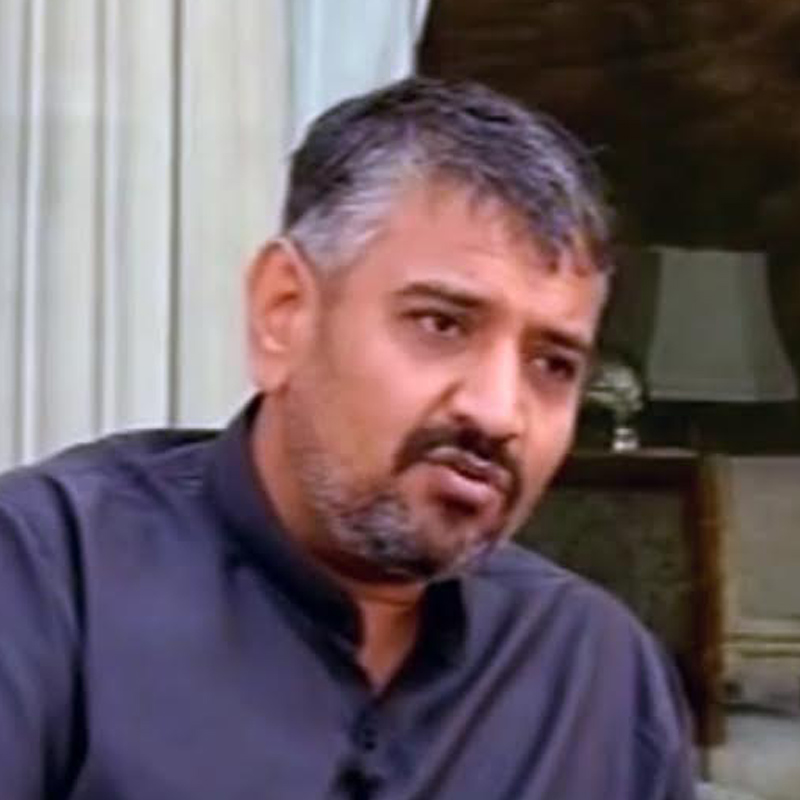
  • Gurpreet Wadhwa is MEC Vietnam’s Head of Digital

    Gurpreet Wadhwa is MEC Vietnam’s Head of Digital

    MUMBAI : MEC has appointed Gurpreet Wadhwa as the new Head of Digital of their Vietnam office.

    In his new role, Gurpreet Wadhwa’s main focus will be leading the digital team in developing the core digital strength of the agency and bring new thinking and capability to the fast growing MEC Vietnam. Gurpreet Wadhwa has more than eight years of experience working on the forefront of digital transformation and this experience makes him the right person to further fuel MEC’s digital expansion in the dynamic Vietnam market.

    Gurpreet Wadhwa will be reporting to MEC Vietnam MD Arup Bansal,who commented: “This is an investment into our digital expertise and growing client portfolio. We are committed to add depth to the dynamic digital conversations with a seasoned communication professional like Gurpreet in the lead.”

    Speaking on his appointment, Wadhwa said, “I am very excited to join MEC Vietnam, one of the fastest growing agencies in the country. Vietnam as a market is full of opportunities and challenges and I am looking forward to contribute to making MEC Vietnam a stronger partner for its clients.”

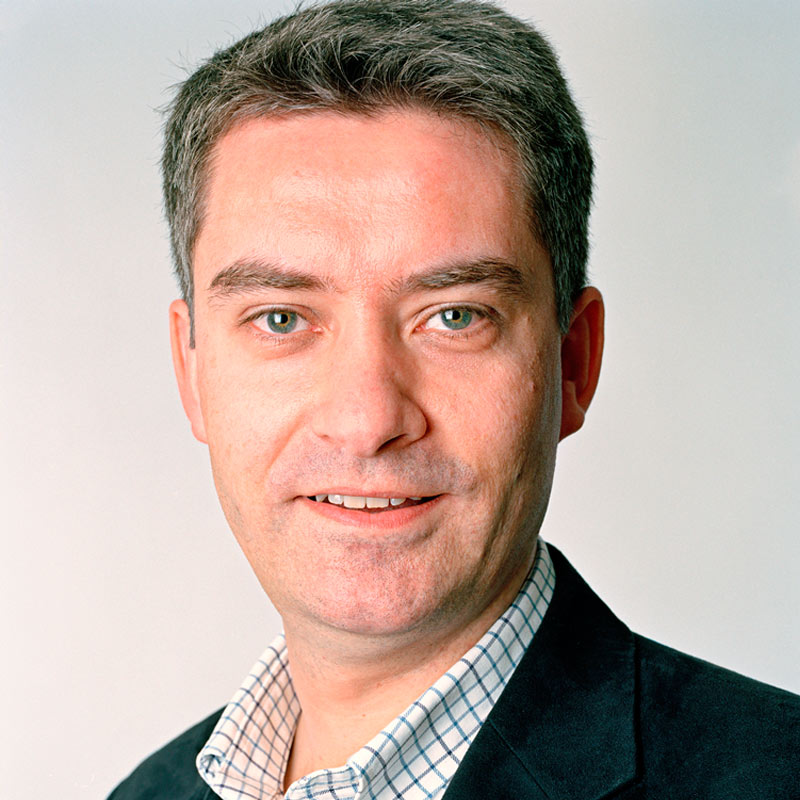
  • “The new management structure will empower and create width of leadership” – Kunal Jeswani

    “The new management structure will empower and create width of leadership” – Kunal Jeswani

    As the media and advertising world in India undergoes catharsis in the form of unlearning, relearning and evolving for the ongoing digital disruption, with data and analytics infusing new variables in the process of creating a brand communication, most of the major stakeholders understand the urgency to address the matter at a talent and skill level within the organisations as well. The recent restructuring of Ogilvy & Mather Mumbai is a fine example of that.

    Effective from July 7, 2016, all Ogilvy & Mather Mumbai’s businesses and account management resources were brought together under five clusters, each headed by an executive vice-president (EVP) and cluster head.

    The five new EVPs and cluster heads are —  Abhik Santara, Ajay Menon, Hitesh Patel, Prakash Nair, and VR Rajesh — forming the core business leadership team for Ogilvy & Mather Mumbai. The EVPs are working closely with CEO of Ogilvy India, as well as the head of office for Ogilvy Mumbai Kunal Jeswani to spearhead the agency’s flagship Mumbai office.

    It is a first major change in the organisation structure after Kunal Jeswani’s appointment as the CEO last year, after the position lay vacant since the previous CEO Pratap Bose quit in 2008.

    To understand the agency’s strategy behind the new reshuffle of key positions and what foreshadowed the restructuring,  indiantelevision.com’s Papri Das caught up with Kunal Jeswani.

    In a free flowing interaction, Jeswani  attempts to satisfy curiosities about function and purpose of the new management structure at Mumbai Office, his thoughts on the challenges of talent retention within major agencies, the relevance of 30 second TV commercials for brands today and why brands should not fall prey to promise of  ‘free viral reach.’

    Excerpts:

    Q1. What called for the need to restructure Ogilvy & Mather’s Mumbai office?

    Ogilvy Mumbai has grown to become the largest advertising office in South Asia. At the same time, our business is changing rapidly. We need a more nimble management structure and we need to put our young leaders in positions where they can influence change. The new management structure is designed to empower Ogilvy’s young leaders and create a width of leadership to re-engineer the agency for growth over the next 5 years and drive greater focus on clients.

    Q2. What were the key factors kept in mind while planning this restructure?

    The heart of planning the new structure was creating leadership width. There is so much to do and we need to empower people to take on different aspects of the business and own them. Brand stewardship is a given. That is the heart of our business.

    But there is so much more to do today — new business growth, building, launching and nurturing new services, talent and training, agency reputation management, and the list goes on. We need more people in positions of authority to drive this.  

    Q3. What roles will each of the units have and how will the five units function in tandem?

    The EVPs & cluster heads will have a line responsibility to run their clusters and improve the quality of our client relationships. However, they will also work as a management team with me at an office level. The intent, at an office level, is for them to work as a team to influence the office as a whole.

    Q4. What function does the Mumbai office play for the agency’s overall strategy in the market keeping the rest of the offices in mind?

    Every office has a strong role to play in the India network. Gurgaon is the fastest growing market for the advertising industry in India and we have a fantastic team leading it. Our Bangalore office has seen dramatic growth on the back of offshore marketing services as well as great new business wins like Amazon. Our Hyderabad office is our digital technology and production centre. Our Kolkata and Chennai offices have each built a strong business in their markets.

    Mumbai is the largest of the lot and is recognized as one of the best advertising offices in the world. Its role is no different from any of our other offices in the sense that it needs to deliver communications solutions that help grow our clients’ businesses. We have to do it better than anyone else in the market. Our work has to shine, across every medium of communication. At the end of the day, it’s always about creating great work and growing our clients’ businesses.

    Q5. In a scenario when consumers are also becoming a key part of the creative process for a brand’s communication, how can an agency stay relevant to clients?

    Consumers have always been part of the creative process. No one has ever created work without a consumer in mind. But our job is not to do what the consumer tells us to. If that were the case, no client would need an agency. All you would need to do is get a bunch of consumers in a room and get them to create advertising for you. Or better still crowdsource your advertising online. You need an agency because you want work that cuts through, that connects with consumers in a way they couldn’t have envisaged in the first place. That uses decades of experience in persuasion to deliver work that actually gets the consumer to do something you want him or her to do, that navigates the changing media landscape to deliver a width of work that addresses the consumer in different mind-states, at different points in the consumer journey, across different media. Of course the role of the agency is becoming harder. And that’s a good thing. The harder the job is, the more clients need us to do it well.

    Q6. Independent content creators today are launching several branded content initiatives. Does the agency see a market in India for developing their own branded content for the digital or television space for that matter?

    Media is getting more expensive every year. As clients struggle to manage slow sales growth and rapid media cost escalation, they look for easier, more cost effective ways to reach consumers. Branded content, particularly digital video offers the allure of free viral reach. My advice is always to be wary of anyone who tells you that a piece of branded content will go viral. The odds are hugely stacked against it. The hard truth is that if you want significant reach (and by significant reach I mean that if you want a large proportion of your actual consumers to see something) you need to spend significant media money behind it. There are no short-cuts. There is no escaping it. Is there are market for branded content? Yes. Will we build a play in that market? Yes. But clearly content that is part of an overall communication strategy, content that has a specific role in the media mix, content that engages predominantly digital consumers. Not content that is the promise of free viral reach.

    Q7 Are 30 seconders still relevant to brands today, or is not the age of one minute or two minute videos?

    Both. Most clients understand that TV is still the driving force of reach, awareness and persuasion and the TV commercial still accounts for the chunk of their media spend. However, many clients are also using digital to reach and engage with consumers who spend a significant amount of their media time on mobile and desktop video consumption.

    Q8. How hard is it to attract new talent and retain existing talent for an agency like Ogilvy & Mather, when several are leaving salaried jobs for the freedom that comes with being an entrepreneur?

    Talent is our business. It is our primary cost and without great talent, we are nothing. Of course it’s getting more and more difficult to retain talent. There are far more options that are available to young people today. However, Ogilvy offers them stability, mentorship of the best kind, the opportunity to work on a range of the incredible brands, and a client base that essentially comes to us because they want great work. That’s what attracts people to us. That’s what keeps them here. 
  • “The new management structure will empower and create width of leadership” – Kunal Jeswani

    “The new management structure will empower and create width of leadership” – Kunal Jeswani

    As the media and advertising world in India undergoes catharsis in the form of unlearning, relearning and evolving for the ongoing digital disruption, with data and analytics infusing new variables in the process of creating a brand communication, most of the major stakeholders understand the urgency to address the matter at a talent and skill level within the organisations as well. The recent restructuring of Ogilvy & Mather Mumbai is a fine example of that.

    Effective from July 7, 2016, all Ogilvy & Mather Mumbai’s businesses and account management resources were brought together under five clusters, each headed by an executive vice-president (EVP) and cluster head.

    The five new EVPs and cluster heads are —  Abhik Santara, Ajay Menon, Hitesh Patel, Prakash Nair, and VR Rajesh — forming the core business leadership team for Ogilvy & Mather Mumbai. The EVPs are working closely with CEO of Ogilvy India, as well as the head of office for Ogilvy Mumbai Kunal Jeswani to spearhead the agency’s flagship Mumbai office.

    It is a first major change in the organisation structure after Kunal Jeswani’s appointment as the CEO last year, after the position lay vacant since the previous CEO Pratap Bose quit in 2008.

    To understand the agency’s strategy behind the new reshuffle of key positions and what foreshadowed the restructuring,  indiantelevision.com’s Papri Das caught up with Kunal Jeswani.

    In a free flowing interaction, Jeswani  attempts to satisfy curiosities about function and purpose of the new management structure at Mumbai Office, his thoughts on the challenges of talent retention within major agencies, the relevance of 30 second TV commercials for brands today and why brands should not fall prey to promise of  ‘free viral reach.’

    Excerpts:

    Q1. What called for the need to restructure Ogilvy & Mather’s Mumbai office?

    Ogilvy Mumbai has grown to become the largest advertising office in South Asia. At the same time, our business is changing rapidly. We need a more nimble management structure and we need to put our young leaders in positions where they can influence change. The new management structure is designed to empower Ogilvy’s young leaders and create a width of leadership to re-engineer the agency for growth over the next 5 years and drive greater focus on clients.

    Q2. What were the key factors kept in mind while planning this restructure?

    The heart of planning the new structure was creating leadership width. There is so much to do and we need to empower people to take on different aspects of the business and own them. Brand stewardship is a given. That is the heart of our business.

    But there is so much more to do today — new business growth, building, launching and nurturing new services, talent and training, agency reputation management, and the list goes on. We need more people in positions of authority to drive this.  

    Q3. What roles will each of the units have and how will the five units function in tandem?

    The EVPs & cluster heads will have a line responsibility to run their clusters and improve the quality of our client relationships. However, they will also work as a management team with me at an office level. The intent, at an office level, is for them to work as a team to influence the office as a whole.

    Q4. What function does the Mumbai office play for the agency’s overall strategy in the market keeping the rest of the offices in mind?

    Every office has a strong role to play in the India network. Gurgaon is the fastest growing market for the advertising industry in India and we have a fantastic team leading it. Our Bangalore office has seen dramatic growth on the back of offshore marketing services as well as great new business wins like Amazon. Our Hyderabad office is our digital technology and production centre. Our Kolkata and Chennai offices have each built a strong business in their markets.

    Mumbai is the largest of the lot and is recognized as one of the best advertising offices in the world. Its role is no different from any of our other offices in the sense that it needs to deliver communications solutions that help grow our clients’ businesses. We have to do it better than anyone else in the market. Our work has to shine, across every medium of communication. At the end of the day, it’s always about creating great work and growing our clients’ businesses.

    Q5. In a scenario when consumers are also becoming a key part of the creative process for a brand’s communication, how can an agency stay relevant to clients?

    Consumers have always been part of the creative process. No one has ever created work without a consumer in mind. But our job is not to do what the consumer tells us to. If that were the case, no client would need an agency. All you would need to do is get a bunch of consumers in a room and get them to create advertising for you. Or better still crowdsource your advertising online. You need an agency because you want work that cuts through, that connects with consumers in a way they couldn’t have envisaged in the first place. That uses decades of experience in persuasion to deliver work that actually gets the consumer to do something you want him or her to do, that navigates the changing media landscape to deliver a width of work that addresses the consumer in different mind-states, at different points in the consumer journey, across different media. Of course the role of the agency is becoming harder. And that’s a good thing. The harder the job is, the more clients need us to do it well.

    Q6. Independent content creators today are launching several branded content initiatives. Does the agency see a market in India for developing their own branded content for the digital or television space for that matter?

    Media is getting more expensive every year. As clients struggle to manage slow sales growth and rapid media cost escalation, they look for easier, more cost effective ways to reach consumers. Branded content, particularly digital video offers the allure of free viral reach. My advice is always to be wary of anyone who tells you that a piece of branded content will go viral. The odds are hugely stacked against it. The hard truth is that if you want significant reach (and by significant reach I mean that if you want a large proportion of your actual consumers to see something) you need to spend significant media money behind it. There are no short-cuts. There is no escaping it. Is there are market for branded content? Yes. Will we build a play in that market? Yes. But clearly content that is part of an overall communication strategy, content that has a specific role in the media mix, content that engages predominantly digital consumers. Not content that is the promise of free viral reach.

    Q7 Are 30 seconders still relevant to brands today, or is not the age of one minute or two minute videos?

    Both. Most clients understand that TV is still the driving force of reach, awareness and persuasion and the TV commercial still accounts for the chunk of their media spend. However, many clients are also using digital to reach and engage with consumers who spend a significant amount of their media time on mobile and desktop video consumption.

    Q8. How hard is it to attract new talent and retain existing talent for an agency like Ogilvy & Mather, when several are leaving salaried jobs for the freedom that comes with being an entrepreneur?

    Talent is our business. It is our primary cost and without great talent, we are nothing. Of course it’s getting more and more difficult to retain talent. There are far more options that are available to young people today. However, Ogilvy offers them stability, mentorship of the best kind, the opportunity to work on a range of the incredible brands, and a client base that essentially comes to us because they want great work. That’s what attracts people to us. That’s what keeps them here. 
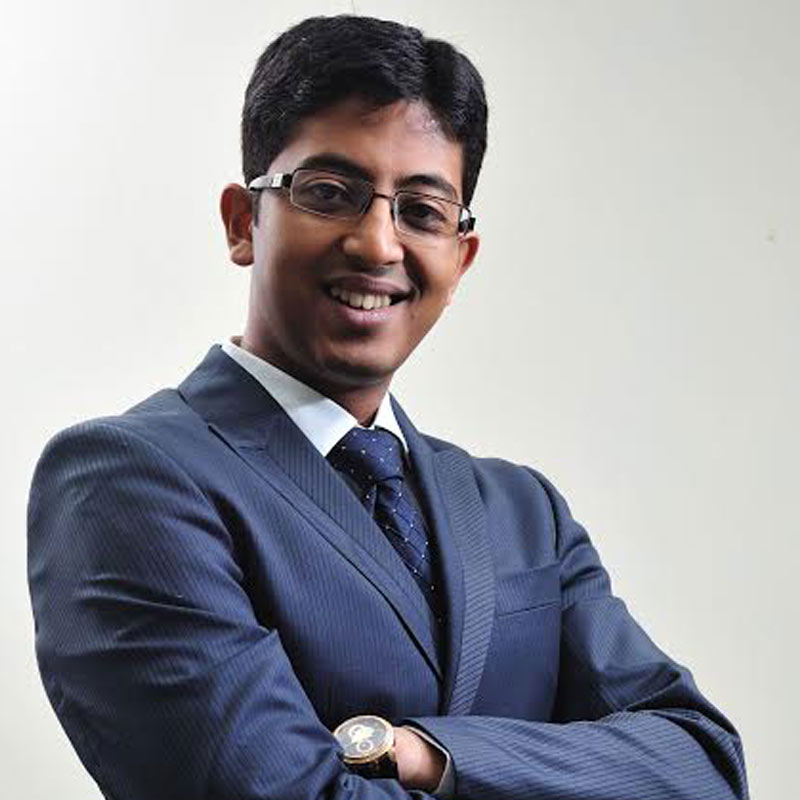
  • MEC launches MEC Touchpoints

    MEC launches MEC Touchpoints

    MUMBAI: MEC, a global media agency has launched MEC Touchpoints, a tool that builds on MEC’s knowledge of the consumer purchase journey combined with global media-survey data from the recently launched GroupM LIVE Panel.

    MEC Touchpoints is built around the Active and Passive stages of the purchase journey, as defined by MEC Momentum, the agency’s proprietary approach to understanding and quantifying how consumers make purchase decisions. Combining the strategic framework of MEC Momentum with data from LIVE Panel, GroupM’s global survey of media and consumer insights, MEC Touchpoints identifies the communication touchpoints that are most valuable to a brand, across any one of 15 categories in 30 countries.

    In contrast to the common assumption that there are general rules about which touchpoints perform particular roles regardless of category, MEC Momentum studies reveal that touchpoint influence is category-specific. Even within a single category, touchpoints play different roles for the same consumer, depending on where they are on the purchase journey. With the launch of MEC Touchpoints, MEC puts these findings to use to help brands determine which exact touchpoints will have the greatest influence over consumers at different stages of the purchase journey, and which present the best opportunity for growth.

    Commenting on the launch, MEC Chief Analytics and Insight Officer Stephan Bruneau, said, “All of our clients face exactly the same challenge: how can they create brand growth that outpaces their competitors? MEC Touchpoints gives us an immediate read on understanding our clients’ business, allowing us to create strategies and ideas that cut through the noise.”

    MEC Touchpoints is powered by data from LIVE Panel, GroupM’s consumer panel built from Lightspeed GMI’s global panel of 5.5m consumers.

  • MEC launches MEC Touchpoints

    MEC launches MEC Touchpoints

    MUMBAI: MEC, a global media agency has launched MEC Touchpoints, a tool that builds on MEC’s knowledge of the consumer purchase journey combined with global media-survey data from the recently launched GroupM LIVE Panel.

    MEC Touchpoints is built around the Active and Passive stages of the purchase journey, as defined by MEC Momentum, the agency’s proprietary approach to understanding and quantifying how consumers make purchase decisions. Combining the strategic framework of MEC Momentum with data from LIVE Panel, GroupM’s global survey of media and consumer insights, MEC Touchpoints identifies the communication touchpoints that are most valuable to a brand, across any one of 15 categories in 30 countries.

    In contrast to the common assumption that there are general rules about which touchpoints perform particular roles regardless of category, MEC Momentum studies reveal that touchpoint influence is category-specific. Even within a single category, touchpoints play different roles for the same consumer, depending on where they are on the purchase journey. With the launch of MEC Touchpoints, MEC puts these findings to use to help brands determine which exact touchpoints will have the greatest influence over consumers at different stages of the purchase journey, and which present the best opportunity for growth.

    Commenting on the launch, MEC Chief Analytics and Insight Officer Stephan Bruneau, said, “All of our clients face exactly the same challenge: how can they create brand growth that outpaces their competitors? MEC Touchpoints gives us an immediate read on understanding our clients’ business, allowing us to create strategies and ideas that cut through the noise.”

    MEC Touchpoints is powered by data from LIVE Panel, GroupM’s consumer panel built from Lightspeed GMI’s global panel of 5.5m consumers.

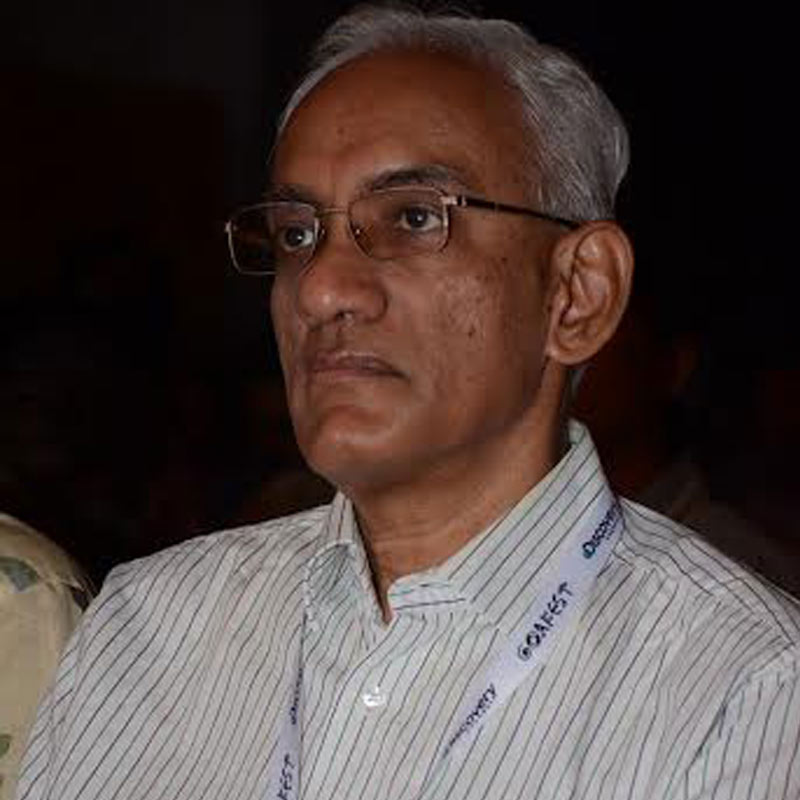
  • Srinivasan K Swamy to receive AAAI Lifetime Achievement Award 2016

    Srinivasan K Swamy to receive AAAI Lifetime Achievement Award 2016

    MUMBAI: The Advertising Agencies Association of India (AAAI) announced the recipient of this year’s AAAI Lifetime Achievement Award as Srinivasan K Swamy popularly known as Sundar Swamy. This Award is the highest honour to be given to an individual in India for his/her outstanding contribution to the Advertising Industry. This award was instituted in 1988 by AAAI and so far 23 persons have been bestowed with it earlier.

    Swamy is the chairman of R K Swamy Hansa , a prominent and well diversified marketing communications group. Since inception in 1973 as an advertising agency, the Group interests currently include creative & media, interactive & digital, health care communications, social & rural sector, communication, human resources communication, marketing analytics, market research, events & activation, retail identity, public relations, continuing medical education, global language work etc.

    Making the announcement, AAAI president Dr. M G Parameswaran, stated that “If there is one person who has tirelessly worked for the advertising industry, for over two decades, in various industry bodies, it is Sundar Swamy. So in a sense it was an easy choice this year. We are hopeful that AAAI and its member agencies will have his continued involvement and inputs as we navigate the ever changing terrain of advertising business.”

    Swamy has been active in various industry bodies working towards the growth and development of the Advertising industry. He was president of AAAI for three consecutive terms (2004 – 2007) and continues to take active interest in the activities of AAAI. He is the vice chairman of Advertising Standards Council of India (ASCI), and a board member of Audit Bureau of Circulations. Swamy was also president of All India Management Association during 2008-09. He was the president of The Madras Chamber of Commerce & Industry (2008-10), Madras Management Association (2001-02) and the Advertising Club, Madras (1988-89).

    He is serving his fourth term as the president of the India Chapter of International Advertising Association and was recently elected as senior vice president of International Advertising Association, the global body. Swamy is vice chairman of Asian Federation of Advertising Associations. Earlier he was chairman of Confederation of Asian Advertising Agency Associations during 2008-10.

    In addition, Swamy is actively involved with socially relevant institutions for the improvement of society viz. 220 bed, multi-discipline tertiary care, Hindu Mission Hospital at Chennai catering to the urban poor and the surrounding rural areas; chairman of Valluvar Gurukulam School Society which runs a school for 2,800 poor students, primarily girls and vice president of National Boys and Girls Education Society, a premium education institution in Central Chennai which runs three reputed schools. He is also chairman of Vidyadhanam and Annadhanam Trust, a Vedic Padasala of Sri Ahobila Mutt and trustee in the Consumers Association of India and CONCERT.

    The AAAI Lifetime Achievement Award will be presented to Swamy on 29th July 2016 in Mumbai.

  • Srinivasan K Swamy to receive AAAI Lifetime Achievement Award 2016

    Srinivasan K Swamy to receive AAAI Lifetime Achievement Award 2016

    MUMBAI: The Advertising Agencies Association of India (AAAI) announced the recipient of this year’s AAAI Lifetime Achievement Award as Srinivasan K Swamy popularly known as Sundar Swamy. This Award is the highest honour to be given to an individual in India for his/her outstanding contribution to the Advertising Industry. This award was instituted in 1988 by AAAI and so far 23 persons have been bestowed with it earlier.

    Swamy is the chairman of R K Swamy Hansa , a prominent and well diversified marketing communications group. Since inception in 1973 as an advertising agency, the Group interests currently include creative & media, interactive & digital, health care communications, social & rural sector, communication, human resources communication, marketing analytics, market research, events & activation, retail identity, public relations, continuing medical education, global language work etc.

    Making the announcement, AAAI president Dr. M G Parameswaran, stated that “If there is one person who has tirelessly worked for the advertising industry, for over two decades, in various industry bodies, it is Sundar Swamy. So in a sense it was an easy choice this year. We are hopeful that AAAI and its member agencies will have his continued involvement and inputs as we navigate the ever changing terrain of advertising business.”

    Swamy has been active in various industry bodies working towards the growth and development of the Advertising industry. He was president of AAAI for three consecutive terms (2004 – 2007) and continues to take active interest in the activities of AAAI. He is the vice chairman of Advertising Standards Council of India (ASCI), and a board member of Audit Bureau of Circulations. Swamy was also president of All India Management Association during 2008-09. He was the president of The Madras Chamber of Commerce & Industry (2008-10), Madras Management Association (2001-02) and the Advertising Club, Madras (1988-89).

    He is serving his fourth term as the president of the India Chapter of International Advertising Association and was recently elected as senior vice president of International Advertising Association, the global body. Swamy is vice chairman of Asian Federation of Advertising Associations. Earlier he was chairman of Confederation of Asian Advertising Agency Associations during 2008-10.

    In addition, Swamy is actively involved with socially relevant institutions for the improvement of society viz. 220 bed, multi-discipline tertiary care, Hindu Mission Hospital at Chennai catering to the urban poor and the surrounding rural areas; chairman of Valluvar Gurukulam School Society which runs a school for 2,800 poor students, primarily girls and vice president of National Boys and Girls Education Society, a premium education institution in Central Chennai which runs three reputed schools. He is also chairman of Vidyadhanam and Annadhanam Trust, a Vedic Padasala of Sri Ahobila Mutt and trustee in the Consumers Association of India and CONCERT.

    The AAAI Lifetime Achievement Award will be presented to Swamy on 29th July 2016 in Mumbai.