Category: Media and Advertising

  • Zomato hits fast-forward, counts to ten and your food’s already arrived!

    Zomato hits fast-forward, counts to ten and your food’s already arrived!

    MUMBAI: When hunger strikes, patience isn’t exactly a virtue—it’s a myth. Zomato gets this, and they’re serving up a delicious solution quicker than you can say your favourite Indian cinema countdown. With their snappy new ‘Ek, Do, Teen…Dus!’ campaign, Zomato promises to deliver steaming hot meals in just 10 minutes, giving hangry customers a reason to ditch those stale crackers.

    Launching nationwide on 21 March 2025, the campaign uses four humorous short films, remixing the iconic Hindi song Ek Do Teen, creatively stopping at Dus, perfectly highlighting the lightning-fast 10-minute delivery promise of Zomato Quick.

    Relatable? Absolutely.

    Entertaining? Unquestionably.

    Now, your midnight cravings have officially met their match.

    “At Zomato, we recognize that our consumers today expect instant solutions, and with Zomato Quick, we’re delivering just that—hot and fresh food in only 10 minutes,” explained Zomato marketing head Sahibjeet Singh Sawhney. “In our films, we’ve used a fun, nostalgic approach to drive home the message of convenience and speed. We have used the iconic Hindi song Ek, Do, Teen, Char,… Our aim is that ads should not feel like ads; they should always entertain and bring a smile.”

    How does Zomato Quick manage this supersonic feat, you wonder? By curating menus with dishes that are quick to whip up, partnering with nearby restaurants, and leaving no room for hunger-induced despair.

    The multi-channel campaign blitz covers all bases, featuring digital and social media promotions, OTT platforms, out-of-home advertising, influencer tie-ups, and even innovative packaging—ensuring no one misses the memo.

    Currently, Zomato Quick is already operational across 15 cities, making ‘fast food’ faster than ever. Forget 30-minute pizza deliveries; that’s practically snail mail compared to Zomato’s Quick!

    So, next time you’re hit by those stomach grumbles, remember: Zomato Quick counts just to ten, and voilà—your meal is at the door. 

  • Reema Jain rides off into sunset, resigns as chief information & digital officer at Hero Motocorp

    Reema Jain rides off into sunset, resigns as chief information & digital officer at Hero Motocorp

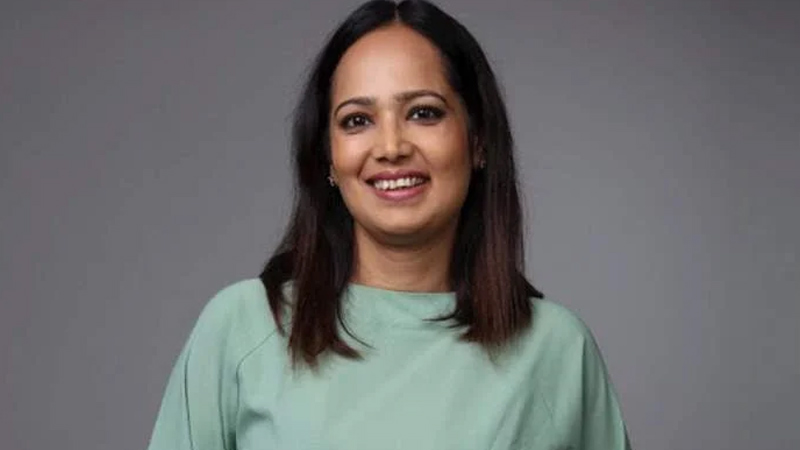
    MUMBAI: Hero Motocorp is about to lose one of its digital superheroes. Reema Jain, the driving force behind Hero’s ambitious digital transformation, decided it’s time to hang up her cape and ride off towards fresh adventures. After steering Hero Motocorp through a whirlwind digital overhaul spanning R&D, supply chains, marketing, and customer engagement, Jain officially announced her departure, effective 17 April 2025.

    Under her leadership, Hero built a robust platform-product structure, establishing from scratch a dream team specialising in data science, digital engineering, cyber security, connected platforms, martech, and cloud computing. Jain masterminded key revenue-driving platforms like direct to customer, a slick customer app, and eFin, a finance aggregator platform.

    Before her time at Hero, Jain brought digital dynamism to Vodafone Idea, Unilever, and GE, showcasing an unmatched ability to weave tech magic into corporate giants. Her tenure included significant roles such as chief digital officer at Vodafone Idea, IT director at Unilever, and multiple leadership roles at GE.

    Now, as Jain moves on, Hero Motocorp faces the challenge of filling the sizeable shoes she leaves behind. The question isn’t just who will follow—but who dares to?

    As Hero prepares to wave goodbye, one thing’s clear: Jain rewrote the digital rulebook.

  • Paddy dives ‘Into’ it again: adland maverick launches new creative hotshop

    Paddy dives ‘Into’ it again: adland maverick launches new creative hotshop

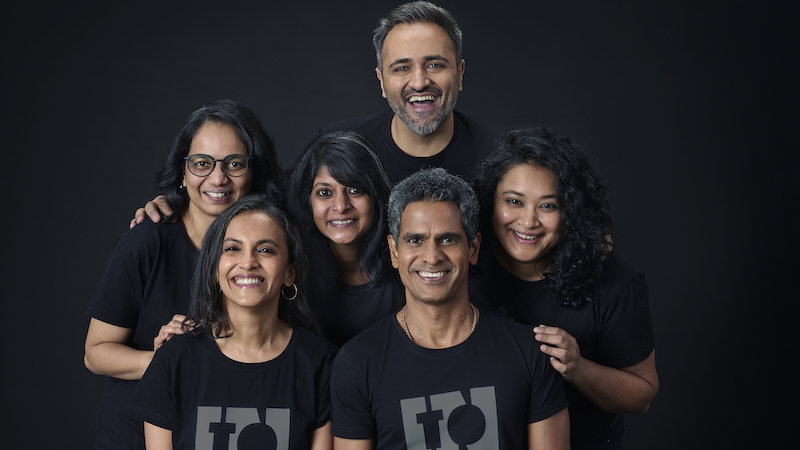
    MUMBAI:  Santosh Padhi—better known as Paddy—is back in the game. The celebrated adman, who co-founded Taproot before selling it to Dentsu, has launched his independent creative agency, Into Creative, with a mission to bring back big, brave, and fearless ideas.

    Paddy will serve as chief creative officer &  chairman, with Ayesha Ghosh as CEO & co-founder. The founding team also includes Yogesh Rijhwani (creative lead), Tania Dey (strategy and digital), Namrata Gosavi (design and digital), and Gargi Vegiraju (business lead).

    “I could have retired on an island, but adland’s calling was too loud to ignore,” said Paddy. “This industry has given me everything, and it’s time to give back. Our focus will be on doing brave, fearless, creative brand work. Indian brands and platforms have grown in number, but creativity hasn’t. Oddly enough, brands are being built on creativity. Somewhere the passion of creative agencies to push boundaries has been lost. In a world where anything is now creatively possible, we are here to fill this vacuum.”

    Into creative

    More than just an ad agency, Into Creative aims to craft big directional ideas—concepts that don’t just live in ads but shape brand universes. The agency’s offerings span brands, insights, ideas, design, tech, digital, content, and collaborations.

    Said Ayesha Ghosh: “More experiments happen when independent. Sure, some fail, but some lead to triumphant discoveries. We’re here for that. We see ourselves as multipliers. When one collaborates with high creative integrity, respecting every platform, that’s when true magnification of ideas happens “

    The six founders, all ex-Wieden+Kennedy India, have worked on some of the country’s biggest brands, including Jio 5G, Hero Vida EV, Jindal Steel, Jockey, and Zoya. Paddy and Ayesha also share history from their Taproot days.

    Into Creative officially launches in Mumbai on March 30, aligning with Gudi Padwa/Ugadi—a day marking new beginnings. The agency is already in talks with brands, with announcements expected soon.

    The creative revolution starts now.

  • Radisson elevates Nikhil Sharma to lead South Asia’s growth and operations

    Radisson elevates Nikhil Sharma to lead South Asia’s growth and operations

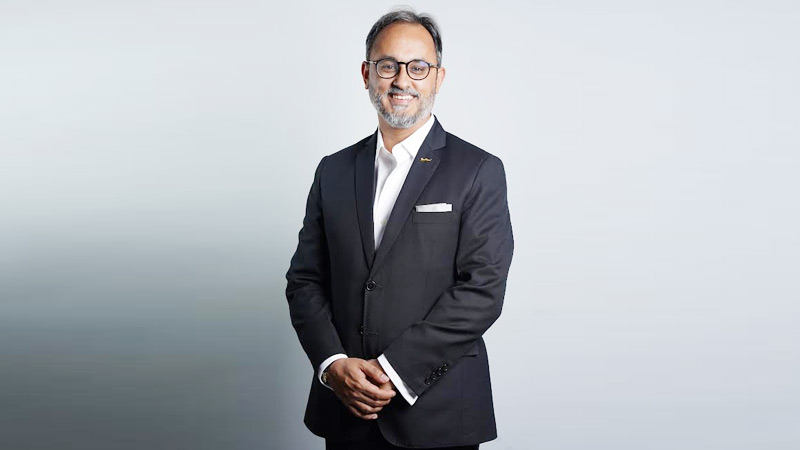
    MUMBAI: Radisson Hotel Group (RHG) is doubling down on its leadership strength, redesignating Nikhil Sharma as managing director & chief operating officer, South Asia. Having previously served as managing director & area senior vice president, Sharma will continue to spearhead RHG’s strategic expansion and operations across the region, ensuring the group’s unwavering dominance in India’s hospitality sector.

    With an in-depth understanding of South Asia’s evolving hospitality landscape, Sharma has been instrumental in RHG’s rapid growth and operational excellence. His leadership has helped solidify Radisson’s status as one of India’s largest international hotel operators, with a robust portfolio of nearly 199 hotels in operation and development.

    As one of the biggest players in India’s hospitality industry, Radisson commands an unrivalled presence in tier-1 markets like Delhi NCR, while more than 50 per cent of its footprint extends into thriving tier-2 and tier-3 cities. RHG’s diverse brand portfolio featuring Radisson Blu, Radisson Red, Park Inn by Radisson, Country Inn & Suites, and Radisson Individuals Retreats has successfully captured the demand for both luxury and mid-scale hospitality.

    The move to elevate Sharma’s role underscores RHG’s commitment to aligning its leadership structure with the dynamic needs of the hospitality sector. Under his guidance, Radisson continues to expand its brand presence, ensuring seamless guest experiences and operational excellence across the region.

    With South Asia’s hospitality industry on an upward trajectory, Sharma’s expanded role signals a bold step forward for RHG, reinforcing its position as a leader in India’s flourishing travel and tourism sector. For Radisson, the future looks grand, one hotel at a time.
     

  • Truebalance expands campaign with Rajkummar Rao, Priyamani and Divya Dutta

    Truebalance expands campaign with Rajkummar Rao, Priyamani and Divya Dutta

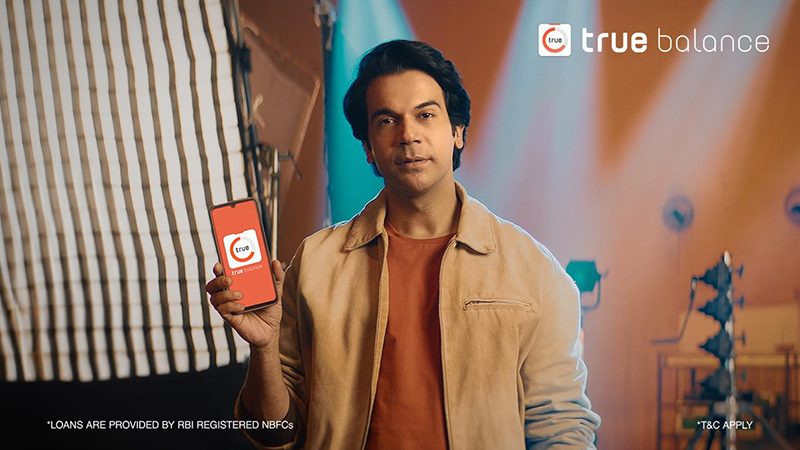
    MUMBAI: Truebalance, has launched the second phase of its Aapki Har Zaroorat Ka Saathi campaign, now featuring acclaimed actor Rajkummar Rao. Following the success of the first phase with Priyamani and Divya Dutta, the new segment continues the brand’s mission of positioning Truebalance as a reliable financial partner for quick and accessible personal loans.

    The initial campaign featured Priyamani and Dutta, highlighting real-life financial challenges. In one advertisement, Priyamani helps Dutta secure funds for her daughter’s sports kit, showcasing the ease of obtaining a loan through Truebalance. Another story portrays Priyamani assisting her brother in arranging money for their grandfather’s knee surgery, demonstrating the platform’s hassle-free, paperwork-free loan process.

    Building on this, the second phase introduces Rao, whose relatable persona reinforces Truebalance’s commitment to financial empowerment. His storyline centres on assisting a friend with an urgent financial need, highlighting the platform’s speed, security, and accessibility.

    Despite advancements in digital lending, financial services remain inaccessible in many Tier two, Tier three, and rural regions. Truebalance addresses this gap by offering millennials, salaried professionals, and self-employed individuals instant access to credit through its user-friendly digital lending app.

    “As a brand, we are committed to simplifying credit access for evolving financial segments. This campaign with Rao, Priyamani, and Dutta reaffirms our role as a dependable financial partner,” said Balancehero India CMO Ashish Aggarwal.

    Backed by its own NBFC, True Credit, Truebalance continues to expand its services through a marketplace model, integrating a range of financial solutions to cater to its growing customer base.

    The Aapki Har Zaroorat Ka Saathi campaign underscores Truebalance’s dedication to financial empowerment and accessibility, helping millions confidently navigate their financial journey.

  • Rategain bets big, names Anurag Jain as EVP to lead growth charge in APMEA

    Rategain bets big, names Anurag Jain as EVP to lead growth charge in APMEA

    MUMBAI: In the high-speed world of travel tech, getting left behind is about as appealing as missing your connecting flight. So, Rategain Travel Technologies has strapped itself firmly into the pilot’s seat by appointing Anurag Jain as its executive vice president for the Asia Pacific, middle east, and Africa (APMEA). With Jain at the helm, Rategain’s aiming to ensure its AI-powered solutions fly higher than ever—no turbulence allowed.

    Announced on 20 March 2025, Jain’s appointment signals Rategain’s serious play to turbocharge its growth, partnerships, and market presence. Bringing more than 20 years of heavy-hitting experience, Jain previously transformed businesses at Expedia, Amazon, Johnson & Johnson, and Godrej. At Expedia, he notably drove expansion in south Asia, Indonesia, and China, helping hotels navigate digital mazes to optimise revenue streams.

    “Anurag’s extensive experience in travel, e-commerce, and market expansion makes him an invaluable addition to Rategain,” said Rategain founder & MD Bhanu Chopra. “As APMEA continues to see rapid digital adoption and evolving travel trends, his leadership will be crucial in helping our customers maximize revenue, enhance distribution, and stay ahead in a competitive market. We are pleased to welcome him to the team as we further our mission to empower travel and hospitality businesses with AI-driven solutions, achieving unparalleled growth.”

    Equally excited, Jain stated, “I am excited to join Rategain at a time when AI-driven innovation is reshaping the travel and hospitality industry. The opportunity to work with industry leaders and bring cutting-edge solutions to hotels, airlines, and OTAs across APMEA is incredibly exciting. I look forward to driving growth, building strategic partnerships, and delivering impact in one of the most dynamic travel markets in the world.”

    An enthusiastic traveller himself, Jain enjoys exploring new destinations and is passionate about digital transformation—further proving he’s the right man to pilot Rategain’s next big leap. With Jain onboard, the journey ahead for Rategain promises to be as smooth as a first-class flight, equipped with all the latest tech upgrades.

  • Dhruv Dhawan checks in at The Trade Desk to power adtech growth in India

    Dhruv Dhawan checks in at The Trade Desk to power adtech growth in India

    MUMBAI: In a move that’s set to make waves in the adtech space, Dhruv Dhawan is joining The Trade Desk as vice president for revenue. With over two decades of expertise spanning communications, digital transformation, and consulting, Dhawan’s appointment signals a strategic push to strengthen The Trade Desk’s position in the Indian market.

    From Google to Disney+ Hotstar, Airtel to Accenture, Dhawan’s career has been a masterclass in building brands, driving sales, and shaping digital-first strategies. At Google, where he spent nearly a decade, Dhawan worked across multiple industries including telecom, financial services, FMCG, automotive, e-commerce, and retail helping businesses leverage digital tools for both online and offline growth. His most recent role as head of ads at Disney+ Hotstar saw him navigating the rapidly evolving streaming landscape, further solidifying his expertise in media and advertising.

    Beyond his industry credentials, Dhawan is also known for his passion for people development, having spearheaded sales training initiatives and workplace culture programmes focused on psychological safety and team dependability. His diverse skill set spanning product management, marketing, and consulting makes him a formidable addition to The Trade Desk’s leadership team.

    With programmatic advertising in India witnessing unprecedented growth, Dhawan’s appointment comes at a pivotal time. His vast experience in ad sales, digital evangelism, and data-driven marketing will be instrumental in driving revenue growth, forging new partnerships, and further establishing The Trade Desk as a leader in the adtech ecosystem.

  • Breaking the ad code ASCI Global Adda 2025 sparks bold brand conversations

    Breaking the ad code ASCI Global Adda 2025 sparks bold brand conversations

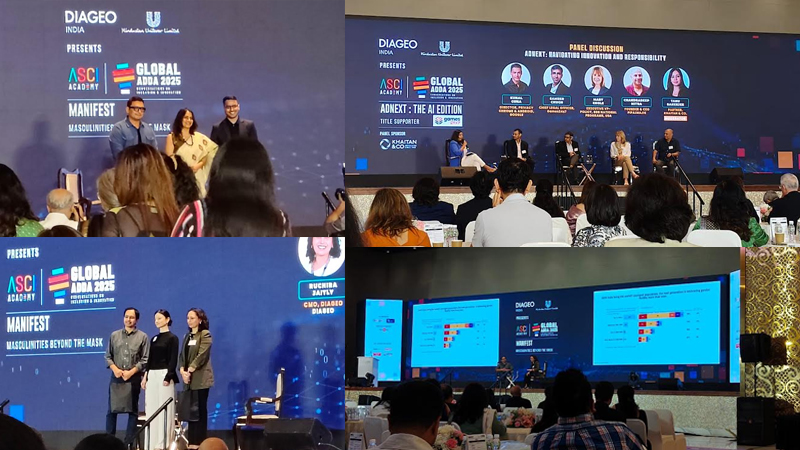
    MUMBAI: Advertising isn’t just about selling products anymore, it’s about shaping the world we live in. That was the resounding message at Asci Global Adda 2025, where industry leaders, marketing pioneers, and policy experts gathered to discuss the power of advertising to drive meaningful change. From redefining masculinity in Indian media to harnessing AI’s potential responsibly, the event sparked thought-provoking discussions on the evolving role of brands in an increasingly complex digital world.

    Masculinity in advertising is getting a reality check, The event kicked off with a powerful discussion on gender representation in Indian advertising with the unveiling of Manifest: Masculinities Beyond the Mask. The report, presented by Arvind Mohan of Religious Brands, explored how masculinity has evolved in Indian media and the advertising industry’s role in shaping it.

    Taking the conversation further, renowned mythologist Devdutt Pattanaik analysed how traditional archetypes of masculinity rooted in mythology and historical narratives continue to influence modern media. He argued that while Indian advertising has made progress in challenging outdated gender roles, the industry still has a long way to go in truly redefining masculinity for contemporary audiences.

    A panel discussion followed, featuring actor Abhishek Banerjee, filmmaker Paromita Vohra, and Unilever’s Anila Vinayak. They debated whether advertising should simply reflect societal changes or actively drive progress. With Indian cinema still dominated by hyper-masculine narratives (like Kabir Singh and Animal), the advertising industry faces a critical choice, should it play it safe or push for progressive storytelling?

    The consensus? Stereotypes might sell, but inclusivity builds long-term brand loyalty. As the panelists pointed out, modern audiences—especially Gen Z—are demanding more authentic, diverse, and inclusive portrayals of gender in advertising.

    How brands Can Drive Real Change? Well, brands have immense power in shaping culture, but inclusivity in advertising must go beyond token gestures. That was the key takeaway from the Insights & Action: Brand Case Studies session, featuring Diageo India’s Ruchira Jaitly and L&K Saatchi & Saatchi’s Kartik Smetacek.

    Jaitly highlighted Diageo’s commitment to unstereotyping, showcasing campaigns that do more than just tick diversity checkboxes. For example, Royal Challenge’s gender-equitable jersey campaign broke stereotypes in sports marketing, while Johnnie Walker’s ‘Keep Walking’ campaign told stories of resilience and reinvention that resonated across diverse identities.

    “We’re not just talking about representation,” Jaitly stated. “It’s about depth, agency, and authentic storytelling—because consumers can see through empty gestures.”

    Joining the discussion, Bajaj Auto’s Sumeet Narang and Ogilvy’s Sukesh Nayak explored how brands can strike the right balance between mass appeal and progressive storytelling. In a country where traditional masculinity still dominates pop culture, brands must navigate the fine line between commercial success and meaningful representation.

    The discussion underscored that progressive storytelling isn’t just ethical, it’s profitable. Diageo’s research with Kantar and Asci revealed that ads promoting inclusivity drive higher brand distinctiveness, purchase intent, and long-term sales. However, the challenge lies in ensuring authenticity, as performative inclusivity can backfire and damage a brand’s credibility.

    As the day progressed, the spotlight turned to AdNext: The AI Edition, a deep dive into how artificial intelligence is reshaping the advertising industry.

    Kunal Guha (Google) set the tone, describing AI as both “overhyped and underappreciated”. He compared it to having “the world’s greatest polymath in your pocket”, a tool that enhances human creativity, decision-making, and efficiency at an unprecedented speed.

    But with great power comes great responsibility. Sameer Chugh (Games24x7) raised concerns about AI-driven hyper-personalisation, warning that while AI can enhance consumer experiences, it also poses risks from privacy violations to manipulative targeting.

    Meanwhile, Mary K Engle (BBB National Programs, US) highlighted the urgent need for self-regulation in AI-driven advertising, arguing that proactive industry standards must be established before government intervention becomes inevitable.

    One of the most heated debates of the day revolved around whether AI-generated content should be labelled.

    While panelists agreed that AI-generated content in high-risk industries (like healthcare and finance) should be clearly labelled, they cautioned against over-labeling in advertising. Excessive disclaimers could create consumer fatigue, making audiences less likely to trust AI-generated content altogether.

    AI is set to contribute nearly $1 trillion to India’s digital economy, but for India to lead globally, panelists emphasised the need for strong collaboration between businesses, regulators, and policymakers.

    To truly harness AI’s potential, the advertising industry must prioritise the development of ethical AI frameworks that strike a balance between innovation and responsibility, ensuring that technological advancements do not come at the cost of consumer trust. Additionally, AI literacy among consumers must be actively promoted, helping them understand how AI-driven content and recommendations work, thereby fostering greater transparency and trust in digital interactions. Equally important is the commitment to inclusive, unbiased AI-driven advertising, ensuring that automated decision-making does not reinforce stereotypes or exclude marginalised voices. By integrating these principles, the industry can leverage AI’s transformative power while maintaining ethical integrity and consumer confidence.  

    Whether it was Diageo’s commitment to breaking gender stereotypes in advertising or the transformative role of AI in reshaping marketing strategies, Asci Global Adda 2025 made one resounding point, brands are no longer just selling products; they are actively shaping the world we live in. The discussions at the event underscored how companies must move beyond traditional storytelling and embrace purpose-driven marketing to connect meaningfully with modern consumers. With AI becoming the driving force behind hyper-personalised advertising, ethical considerations around transparency, bias, and consumer trust took centre stage. Industry leaders agreed that AI is as disruptive as the internet was in its early days, bringing both unprecedented opportunities and complex challenges.

    As Tanu Banerjee of Khaitan & Co. aptly put it, “AI is the new internet, we must decide now how we want it to shape our lives.”

    This powerful statement highlighted the urgency for businesses to take proactive steps in defining ethical AI frameworks, ensuring inclusive narratives, and fostering consumer education to build trust in AI-powered advertising. With marketing standing at a pivotal crossroads, the question remains: will brands take charge and lead this transformation, or risk being left behind? Judging by the insights and commitments made at Asci Global Adda 2025, the industry is already racing towards a future where innovation and responsibility must go hand in hand.  
  • Asci AdNext Report: Indian Advertising Industry Embraces AI

    Asci AdNext Report: Indian Advertising Industry Embraces AI

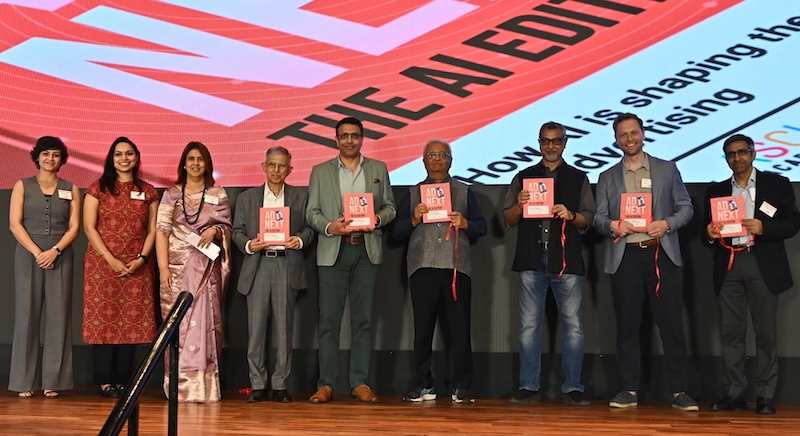
    MUMBAI: At a glitzy Mumbai summit today, India’s advertising watchdog unveiled its latest deep dive into how AI is revolutionising the way brands seduce consumers. The Advertising Standards Council of India (Asci) dropped its AdNext: The AI Edition  report during the ICAS Global Dialogues Summit, delivering a sweeping analysis of artificial intelligence’s growing footprint in the advertising landscape.

    The report—crafted by design tech outfit Parallel HQ with backing from Google and Games 24X7—stitches together insights from over 27 industry heavyweights, including brand gurus, agency wizards, legal eagles and tech innovators.

    “AI presents an unprecedented opportunity for the advertising industry to connect with consumers in more meaningful ways,” said ASCI chief executive and secretary general  Manisha Kapoor.”However, this power must be wielded responsibly.”

    The findings paint a picture of an industry caught in a whirlwind romance with AI.  They highlight the optimistic outlook surrounding AI integration in advertising, with experts recognising its potential to drive efficiency and personalisation. A significant finding is the understanding that AI’s true strength lies in augmenting, not replacing, human creativity, enabling advertisers to craft compelling and nuanced narratives.

    Digital-native businesses are embracing the technology with open arms, while traditional players are finding clever workarounds to join the party. Perhaps most tellingly, the report suggests Indian consumers are surprisingly game for AI-powered advertising tricks—making the subcontinent a potential playground for experimental approaches. Recognising the need for guardrails in this rapidly evolving landscape, the report advocates for responsible AI frameworks and principles to guide the development and deployment of AI in advertising.

    ParalleL founder and chief executive Robin Dhanwani noted that “AI is reshaping industries rapidly, and advertising is no exception.” The report highlights how generative AI is democratising the playing field for small businesses that previously couldn’t afford Madison Avenue magic.

    Following the reveal, industry bigwigs locked horns in a spirited panel discussion exploring the tightrope walk between pushing AI’s boundaries and maintaining responsible practices. The chinwag featured perspectives from legal minds, tech giants and regulatory bodies on everything from data privacy to creativity concerns.

    In a separate fireside chat, additional secretary at the Ministry of Electronics and Information Technology, Abhishek Singh, waxed lyrical about AI’s transformative impact on personalised content and audience targeting.

    The report concludes with a call for ongoing dialogue among stakeholders to develop frameworks for responsible AI use—ensuring the technology serves both corporate coffers and consumer interests equitably.

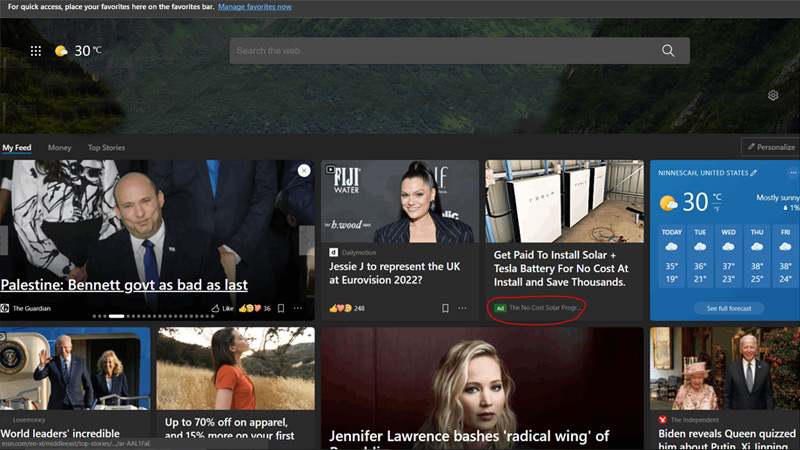
  • Taboola and Microsoft mark 10-year ad romance, dial up the partnership

    Taboola and Microsoft mark 10-year ad romance, dial up the partnership

    MUMBAI: Let’s face it, relationships rarely last longer than your last smartphone battery—but Taboola and Microsoft are proving to be the power couple of digital advertising, celebrating their 10 anniversary. That’s practically a century in internet years! And just when we thought this match made in ad-heaven couldn’t get any hotter, Taboola is dialling up the romance, now serving ads across even more Microsoft apps, including your trusty email companion, Outlook, and your favourite work buddy, Office 365.

    Taboola, known for turning ads into engaging conversations rather than annoying pop-ups, has long run ads on Microsoft’s digital giants like MSN, Edge browsers, and Windows experiences. MSN is already one of the world’s most visited news hubs, while Edge is that AI-powered browser we’ve all accidentally clicked on at least once—admit it, it happens.

    Now, Taboola extends its clever AI-powered tech to the Microsoft 365 productivity suite, giving advertisers an unprecedented opportunity to connect with nearly 600 million daily active users. Yes, that’s almost twice the population of the United States—daily! Taboola helps digital properties monetise better, and advertisers reach audiences who are actually awake and paying attention, a rare combo these days.

    “Reaching a decade serving ads with an industry leader such as Microsoft is an incredible milestone,” said Taboola CEO Adam Singolda. “Our collaboration has been established for the long-term, and on Taboola’s ability to help Microsoft provide richer experiences on its immensely popular digital properties. As we expand to offer advertising on additional Microsoft properties, we’re giving advertisers even more access to trusted, premium destinations that reach people across all different parts of their day as they’re actively engaged.”

    Ten years down the line, Taboola and Microsoft are still making sweet digital music together. How’s that for relationship goals in a world filled with Tinder swipes and 30-second Tiktok romances?