Category: Media and Advertising

  • Mipim names Nicolas Boffi as new director

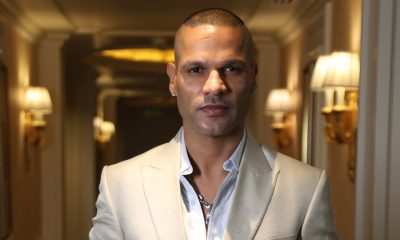
    Mipim names Nicolas Boffi as new director

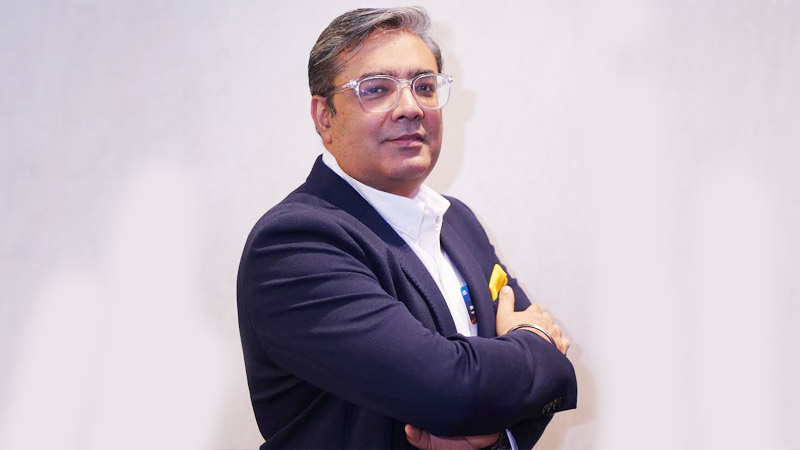
    PARIS: Rx France has appointed Nicolas Boffi as director of Mipim, the global urban festival that each March draws more than 20,000 delegates to Cannes. An engineer and urban planner by training, Boffi has over two decades of experience in real estate and urban development, spanning project management, business development and public affairs.

    He joins from Arcadis, where he led strategy for the global cities programme as Paris city executive, working with both the private sector and city leaders on sustainable projects in the French capital and beyond.

    Boffi succeeds Nicolas Kozubek, who steered Mipim through a turbulent period of industry change. Under his watch, Mipim became a forum where real-estate players and policymakers confronted geopolitical risk, technological disruption and the shift towards sustainability.

    Filippo Rean, managing director at Rx France, said Boffi’s “strategic mindset and track record in aligning public and private priorities” would help sharpen Mipim’s position as the place where cities’ biggest challenges—sustainability, resilience and competitiveness—are tackled head-on.

    Boffi said his priority was to deepen dialogue between the public and private sectors. “The next few years will bring economic, political and fiscal challenges that demand collaboration and bold decision-making,” he said. “Mipim must be where uncertainty turns into opportunity.”

    Expect new content under his leadership, from a sharper focus on AI disruption to the race to net zero.
    Mipim returns to the Palais des Festivals in Cannes from 9-13 March 2026. The Mipim Asia Summit runs on 3-4 December 2025 in Hong Kong.

  • Mythik names Preeti Vyas president to steer content and partnerships

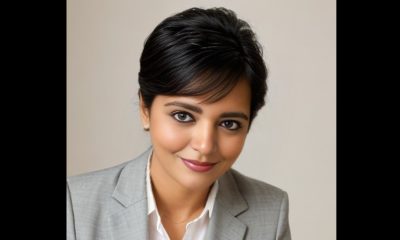
    Mythik names Preeti Vyas president to steer content and partnerships

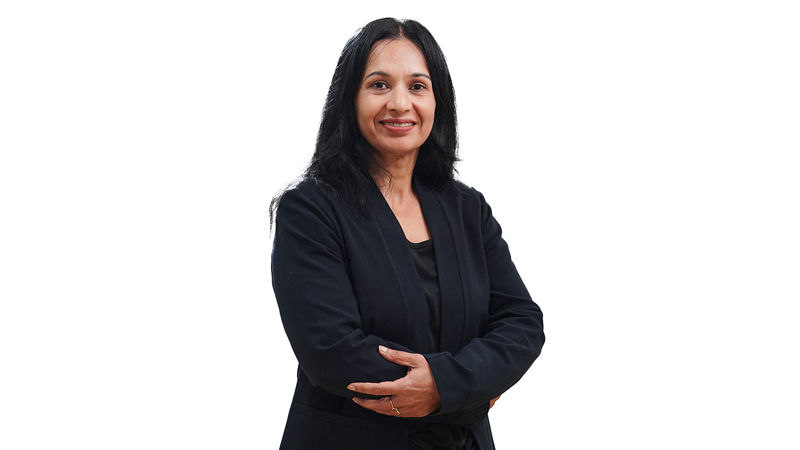
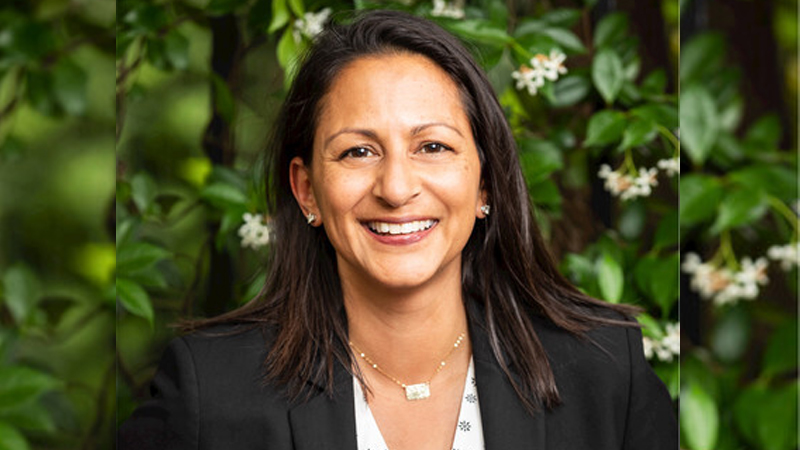
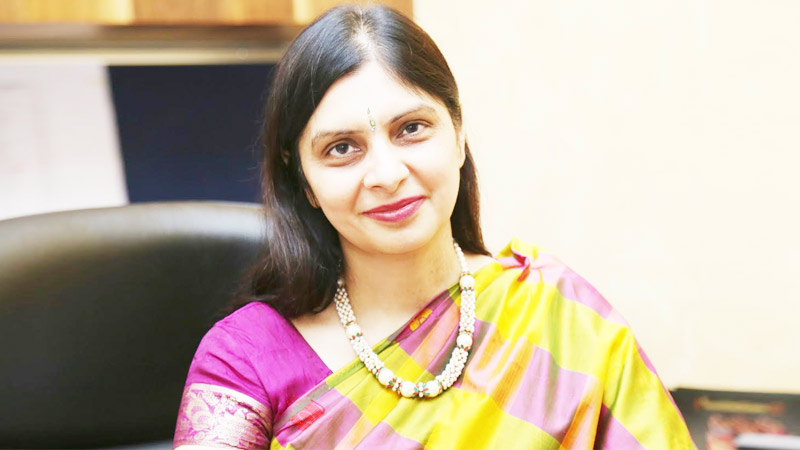
    MUMBAI: Mythik, the tech-first entertainment upstart styling itself as the “Disney from the East”, has hired Preeti Vyas as president of content strategy, partnerships and consumer products.

    Vyas, who previously served as president and chief executive of Amar Chitra Katha, brings three decades of experience across publishing, retail and entertainment. At Amar Chitra Katha, she engineered the heritage brand’s revival, taking it from nostalgia act to profitable modern player while driving readership tenfold to over 6 million globally.

    Her career has spanned founding Fun OK Please publishing, the company behind children’s favourites like Toto the Auto, to senior stints at Future Group, Sony Music, Toys R Us and Crossword. She also piloted transmedia adaptations of franchises such as Tinkle and built licensing deals that expanded their reach.

    At Mythik, she will spearhead efforts to package mythology, history and folktales from the East for a global audience, tapping into new-age distribution and consumer products.

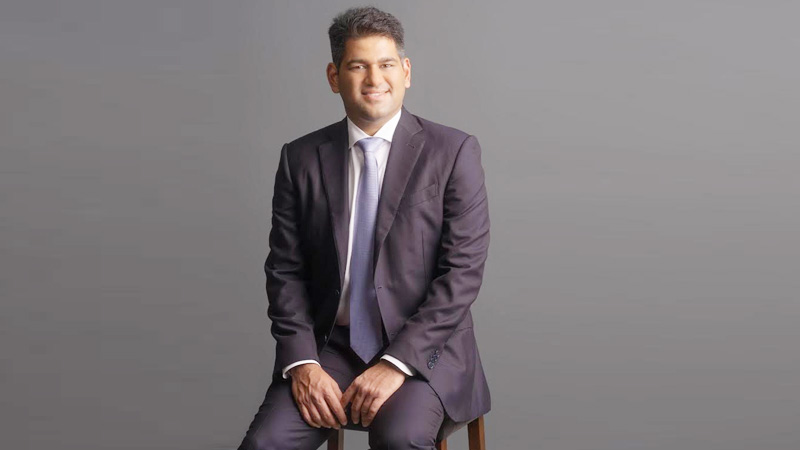
    Mythik, founder and chief executive, Jason Kothari called Vyas “a rare combination of strategic acumen and creative vision” and said her track record of transforming heritage brands would be key to realising the company’s global ambitions.

    Vyas herself described the role as “an opportunity to present stories from our ancient past at a scale never attempted before”.

    Alongside her corporate career, she sits on industry bodies including the Media & Entertainment Skills Council and the Advertising Standards Council of India, giving her a perch at the intersection of policy, talent and content. 

  • WPP hires Mariel Maciá as senior director of strategic design for Open unit

    WPP hires Mariel Maciá as senior director of strategic design for Open unit

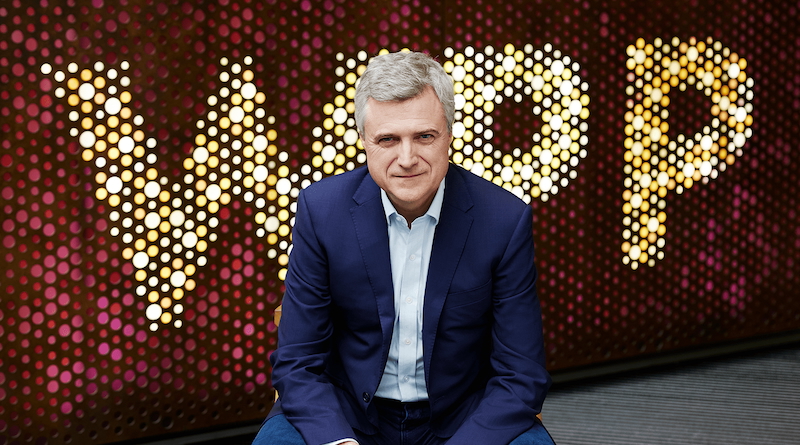
    MUMBAI: WPP has appointed Mariel Maciá as senior director of strategic design within its WPP Open team, strengthening the agency group’s push to blend human creativity with artificial intelligence in marketing and brand experience.

    Maciá joins after more than five years at McKinsey & Company, where she served as senior service design manager in Berlin. Before that, she held design leadership roles at Die Krieger des Lichts and the innogy Innovation Hub, and earlier worked in film acquisition, production and festival programming across Europe and Latin America.

    Trained in audiovisual narrative in Buenos Aires, Maciá has built a career spanning media, design and digital transformation. At WPP, she will focus on reimagining how design thinking and emerging technologies can unlock new opportunities in advertising, media and customer experience.

    “The journey ahead is incredibly exciting,” she said, adding that she looks forward to collaborating with “the brilliant minds across WPP.”

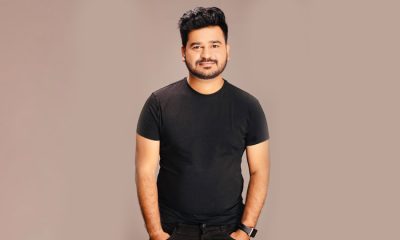
  • Sportskeeda CTO Sankalp Sharma exits after 10 years at the helm

    Sportskeeda CTO Sankalp Sharma exits after 10 years at the helm

    MUMBAI: You can’t spell Sportskeeda without code. And for the last decade, Sankalp Sharma has been the man behind the machine, the chief technology officer who took a broken codebase, a skeletal team, and a laundry list of experiments, and turned it into a battle-hardened platform serving millions of sports fans worldwide. Now, after 10 years and 7 months, Sharma is moving on, leaving behind a tech legacy etched into the site’s DNA.

    Sharma’s tenure has been one of audacious scale. From six hot codebases and a dozen services, his lean team engineered a system that now handles a billion API calls a day with near-million concurrency. As CTO since December 2020 (after stints as VP of technology and tech lead), he not only scaled from “0 to 1, 1 to 10, and on to 100” but also reshaped how Sportskeeda approached experimentation, reliability, and growth.

    Reflecting on his philosophy, Sharma describes his approach as “going wide, going deep, and going around” spotting unnoticed patterns, rolling up his sleeves to refine systems, and navigating future goals through the fog of war. Along the way, he fostered a culture of curiosity, killed fluff projects early, and championed open-source contributions. His earlier career saw roles at Essencemediacom, Mindshare, VML, Foxymoron, TCS, and even a freelance stint helping startups and Fortune 500 companies alike.

    From one-click deployments to site reliability engineering, from streamlining legacy microservices to mentoring LGBTQIA+ professionals and startup founders, Sharma’s playbook has been as much about people as it was about platforms. As Sportskeeda now looks ahead to its next growth chapter, it does so with a tech foundation built on Sharma’s decade-long vision of harmony amid chaos.


  • Madison logs into digital future with Vivek Das as chief digital officer

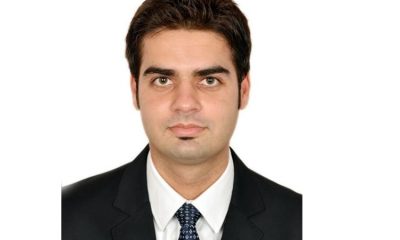
    Madison logs into digital future with Vivek Das as chief digital officer

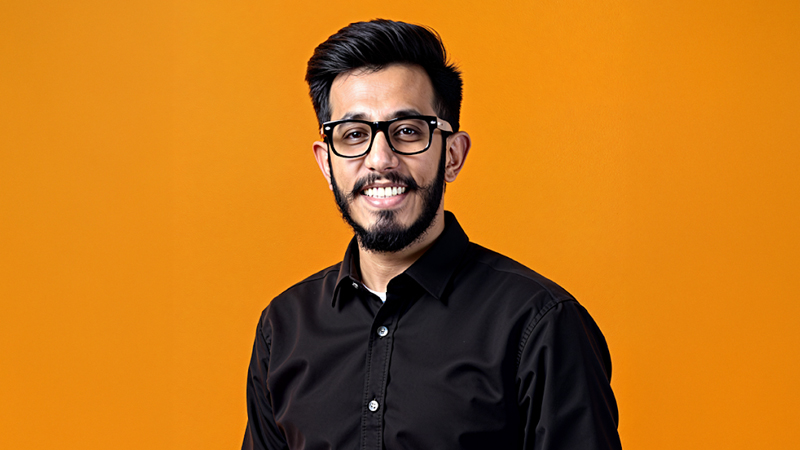
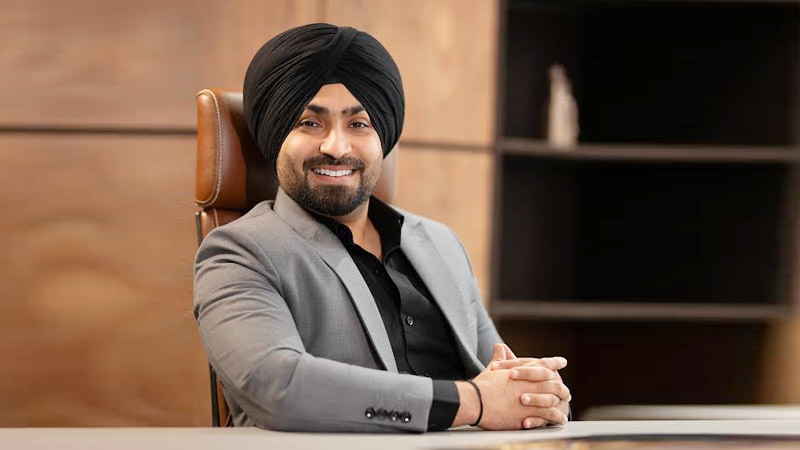
    MUMBAI: When the digital world calls, Madison Media answers with a double click and its newest hire is set to hit refresh on the agency’s future. Madison Media, part of Madison World, has roped in Vivek Das as chief digital officer, a role in which he will report to Ajit Varghese, partner and group CEO, Madison Media and OOH. With more than 20 years of experience spanning entrepreneurship, integrated media, and digital transformation, Das is no stranger to reshaping how brands connect with audiences.

    Most recently, he was on the India leadership team at Essencemedia.com, where he helmed Google India and Southeast Asia WPP’s second-largest account globally. His résumé also features leadership stints at Mindshare and VML (formerly Wunderman), besides a CEO turn at Foxymoron. Beyond the boardroom, he mentors LGBTQIA+ professionals and startup founders, reflecting a commitment to inclusivity and new-age entrepreneurship.

    Welcoming him aboard, Varghese noted, “Vivek joins us at a pivotal time… At Madison, we are building an AI-first planning framework and embedding digital-first thinking into everything we do. His rich experience makes him the perfect leader to accelerate this journey.”

    Das added his own perspective: “I am thrilled to join Madison at a time of great opportunity and change… In the era of platforms, LLMs, and Artificial Intelligence, I look forward to strengthening Madison’s leadership in new media and enhancing the value we bring to clients and the industry.”

    For Madison, this appointment isn’t just about filling a role, it’s about future-proofing its position in a market where AI, creativity, and consumer-first strategies are rewriting the playbook

  • Dentsu weighs retreat from global stage after $5 billion gamble falters

    Dentsu weighs retreat from global stage after $5 billion gamble falters

    TOKYO: It was once viewed as a cheetah making a smooth and speedy dash to the finish  tape as it went about muscling itself with acquisitions. But, hardly a decade later,  in 2025, Dentsu, Japan’s largest advertising group and one of the industry’s oldest names, is considering pulling the plug on its international ambitions after more than a decade of struggle abroad. The Tokyo-listed company has hired Mitsubishi UFJ Morgan Stanley and Nomura Securities to approach potential buyers for its overseas creative and media arm — a sprawling business that includes the former Aegis Group, US consultancy Merkle and digital production house Tag — according to a report in the Financial Times on Thursday.

    The move could culminate in a deal worth several billion dollars, insiders told the paper, and would mark a dramatic retreat for a group that only a decade ago sought to rival WPP, Publicis and Omnicom on the global stage. Options on the table range from the sale of a minority stake to an outright divestment of the entire overseas division, which generated $4.5bn in revenues last year but remains chronically underperforming.
    The potential sale underscores the failure of Dentsu’s boldest bet — the £3.2bn ($5bn) purchase of Aegis Group in 2012, then one of Britain’s largest media-buying companies. The deal was meant to be Dentsu’s passport to the global top tier. With Aegis, the Japanese powerhouse — already near-hegemonic at home — vaulted into the ranks of the world’s top five ad holding groups.

    But integration proved difficult. Dentsu’s Japanese arm remained culturally and operationally distinct from its international business. The London- and New York-led operations frequently clashed with Tokyo headquarters, leaving the business fragmented. Over time, larger rivals poached key clients, while the promise of scale failed to materialise.

    Even subsequent purchases, such as the $1.5 billion acquisition of US-based Merkle in 2016, could not reverse the trend. Instead, the group accumulated goodwill impairments and rising restructuring costs. Earlier this year Dentsu wrote down $1.38 billion on its American and EMEA units and earmarked $327 million for further restructuring, including IT upgrades and headcount cuts.

    The pressure has intensified this year. In February, Dentsu unveiled weak 2024 results and suspended dividends. In August, it reported a 0.2 per cent drop in organic revenues in the first half, cut 3,400 jobs — about 8 per cent of its global workforce — and downgraded full-year guidance from 1 per cent growth to flat. It now expects an operating loss of ¥3.5bn ($24 million) for the year, compared with a previous forecast of ¥66 billion profit.

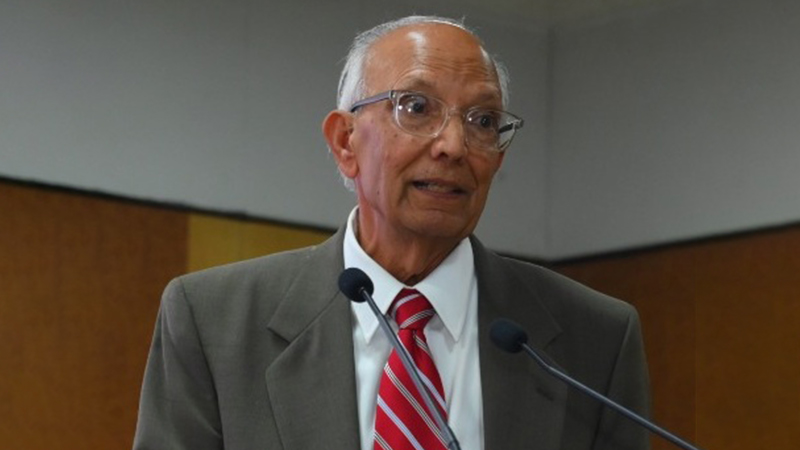
    Hiroshi Igarashi, the group’s president and global chief executive, offered a rare public apology: “I deeply regret this situation and offer my sincere apologies on behalf of the company.” In a call with analysts, he admitted that the international unit “continues to face negative growth across all regions”. Japan, by contrast, delivered record revenues and profits.

    Industry analysts say the bifurcation of Dentsu’s fortunes reflects a deeper problem: a business structurally divided between a dominant home base and underperforming overseas assets.

    “Dentsu’s ownership of the international business was somewhat unusual because of the complete separation between it and the domestic business,” said a media observer. “Japan’s idiosyncratic isolation within the global agency industry meant the leadership in Tokyo was not plugged in to the rest of the world.”

    That disconnect became even clearer after Wendy Clark, then global CEO, quit in 2022, triggering an internal restructuring aimed at closer integration. Yet the changes failed to stem the tide.

    According to people close to the discussions, potential suitors include Accenture Song, large independent networks, and private equity funds that have circled the sector in recent years.

    IPG and Omnicom, however, are seen as unlikely contenders. The two American giants are preoccupied with completing their own merger — a blockbuster deal set to close by year-end, creating a North American behemoth. Meanwhile, Havas has been spun out of Vivendi into a standalone public company, and WPP has fended off repeated speculation about being a takeover target itself.

    That leaves Accenture — which has aggressively expanded into creative services — as perhaps the most credible buyer. Private equity funds could also be tempted by the chance to carve up the business, but the declining revenue outlook, heavy job cuts and uncertain future of traditional agency models may weigh on valuations.

    Any sale would also take place against the backdrop of an industry in flux. Artificial intelligence, once seen as a tool to aid campaign targeting, is now automating functions from media planning to creative production. Rivals such as WPP and Publicis are pouring hundreds of millions into AI platforms that promise cheaper, faster and more personalised ads.

    “Revenues are already shrinking,” one person familiar with the sale process told the FT. “It’s been bad and could get worse as no one knows what AI will do to the industry.” For Dentsu’s global unit, which has struggled even in the best of times, the disruption could prove 

    For Dentsu, a sale would be nothing short of a reset. At home, the company remains unrivalled, commanding more than 25 per cent of Japan’s advertising market. Its domestic operations continue to churn out record profits and steady growth. By contrast, its international adventure has been a costly distraction.

    Back in 2023, Igarashi insisted that selling was “totally not part of my mindset”. Today, facing mounting losses and a fragmenting industry, he has softened his stance, saying only that “strategic alternatives” are under review.

    A sale of the international arm — once Dentsu’s vehicle for global expansion — would symbolise a retreat from ambition to pragmatism. It would also leave the advertising world reshaped yet again, in a year already marked by consolidation, divestments and upheaval.

    Whether buyers emerge — and at what price — may be the truest test of how investors now value traditional ad agencies in an AI age.

  • Z rolls out Zee Spotlight; Hyundai drives in as inaugural partner

    Z rolls out Zee Spotlight; Hyundai drives in as inaugural partner

    MUMBAI: Zee Entertainment Enterprises has launched Zee Spotlight, a high-impact advertising package under its Z Rise initiative, with Hyundai Motor India stepping in as the exclusive first partner.

    Billed as a clutter-busting innovation, Zee Spotlight combines premium brand touchpoints across general entertainment and movie channels — from stings, branded windows and in-show funnel placements to carousels, QR-code astons, L-bands and tags. The package is also designed to extend onto Zee5, ensuring brands reach audiences seamlessly across broadcast and digital in line with the AIDA model of awareness, interest, desire and action.

    Laxmi Shetty, head of advertisement revenue for broadcast and digital at Zee, said the move was about “reimagining how brands engage with audiences in a fragmented media ecosystem.”

    Hyundai’s avp and vertical head of marketing, Virat Khullar, called the tie-up “a cutting-edge platform that redefines brand storytelling,” adding that the partnership would deepen connections with consumers across India’s entertainment landscape.

    With Zee Spotlight, the network is pitching a sharper value proposition to advertisers: high-frequency, high-visibility brand presence baked into viewers’ content journeys, with Hyundai leading the charge.

  • Saumya Mittal takes charge as McDonald’s chief people officer for Asia

    Saumya Mittal takes charge as McDonald’s chief people officer for Asia

    MUMBAI: McDonald’s Corp has appointed Saumya Mittal as chief people officer for Asia, handing her the keys to one of its most critical growth markets. Mittal, who took charge this month, will oversee the end-to-end people agenda across Asia, partnering with regional leaders to sharpen talent strategy, culture and organisational design.

    She joins from Google, where she spent nearly eight years in senior HR roles, most recently as APAC commercial HR lead, steering transformational programmes across the region. Earlier, she led diversity, equity and inclusion for Google APAC and served as people partner for the region.

    Mittal cut her teeth at PepsiCo, spending a decade across plant HR, IR, talent acquisition, diversity and change management, before rising to head culture, engagement and change. Her early years as management trainee and plant HR manager gave her hands-on grounding in industrial relations and large workforce management.

    Winner of People Matters’ Are You in the List award in 2015, Mittal has also bagged multiple national and international honours during her career at PepsiCo and Google. With 15 years of experience straddling consumer goods and technology, she is expected to play a pivotal role as McDonald’s deepens its bets on Asia’s high-growth markets.

  • Parrot Analytics launches Sports Demand to put rigour into soaring media rights market

    Parrot Analytics launches Sports Demand to put rigour into soaring media rights market

    LOS ANGELES: : Parrot Analytics, the media analytics firm known for pioneering streaming valuation, has launched Sports Demand, billed as the most advanced global sports analytics system. The tool is designed to arm leagues, teams, broadcasters, streamers and sponsors with data-driven insights to navigate the fast-inflating sports rights market.

    Sports rights fees have surged in recent years, with Paramount’s $7.7 billion deal for UFC events, WWE’s $1.6 billion tie-up with ESPN, and the NFL’s equity-for-content swap with Disney underscoring the scale. Parrot says its system will allow buyers and sellers to measure fan engagement market by market, justify valuations, and extract stronger returns on investment.

    “For the first time, decision-makers can weigh the impact of acquiring a sports league against investing in scripted series or films, within a single framework,” said Parrot Analytics chief executive Wared Seger. By integrating with the firm’s Demand360 platform, Sports Demand lets clients benchmark sports against TV shows, films and on-screen talent.

    Capabilities include global fan mapping across 100 markets, integrated sports-entertainment benchmarking, empirical valuation models, content optimisation, and sponsor alignment analysis. Early adopters include leagues negotiating landmark streaming deals and operators launching direct-to-consumer sports services.

    Seger argued that in an attention economy where sports compete directly with films and television for time and spend, “rigorous, standardised data is essential.” 

    Sports Demand is now available worldwide to Parrot Analytics’ enterprise clients, with dashboard and API access for seamless integration into rights, content and sponsorship strategies.

  • Deepali Saini steps up as global chief experience design officer at Havas CX

    Deepali Saini steps up as global chief experience design officer at Havas CX

    BENGALURU: Think Design chief executive Deepali Saini has been elevated to global chief experience design officer at Havas CX, the customer experience arm of Havas Group. In her expanded brief, Saini will continue to run Think Design in India while shaping the network’s worldwide experience design (XD) practice.

    The move signals Havas CX’s ambition to place design leadership from India at the centre of its international growth. Saini now joins the global CX leadership board, where she will be responsible for harmonising experience design standards across markets, deepening integration with client programmes, and accelerating growth in new service areas.

    Her mandate also includes strengthening design methodologies across geographies, mentoring talent, building proprietary frameworks, and setting ethical guidelines for deploying artificial intelligence in the design process — a theme gaining urgency across global networks.

    Saini, who co-founded Think Design in 2004, has spent over two decades shaping design-led strategies for organisations in healthcare, banking, telecom, and public services. A graduate of NID Ahmedabad and ENSCI Paris, she is known for championing research-driven design and has taught methodology at NID.

    “This is an opportunity to both honour the foundations we have laid in India and push the boundaries of what experience design can achieve globally,” Saini said. She credited Havas India chief Rana Barua and Havas CX global chief David Shulman for their backing in creating what she called “a truly borderless design practice.”

    Her appointment underscores a wider trend of Indian design talent gaining global prominence within multinational networks, with Havas signalling that southeast Asia, India, and the middle east will be pivotal growth regions for its CX portfolio.