Category: Media Agencies

  • “The new management structure will empower and create width of leadership” – Kunal Jeswani

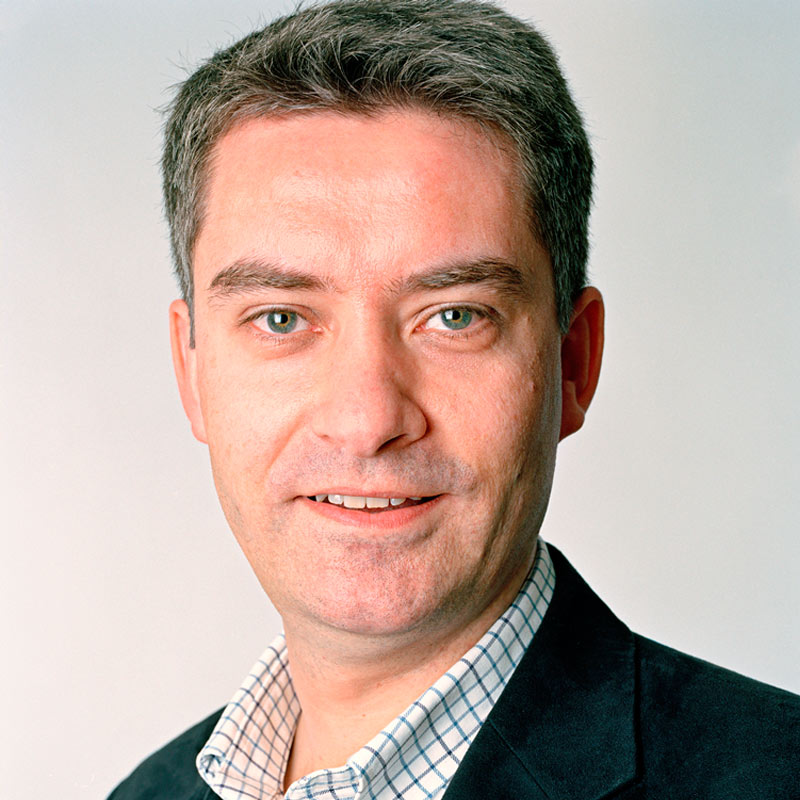
    “The new management structure will empower and create width of leadership” – Kunal Jeswani

    As the media and advertising world in India undergoes catharsis in the form of unlearning, relearning and evolving for the ongoing digital disruption, with data and analytics infusing new variables in the process of creating a brand communication, most of the major stakeholders understand the urgency to address the matter at a talent and skill level within the organisations as well. The recent restructuring of Ogilvy & Mather Mumbai is a fine example of that.

    Effective from July 7, 2016, all Ogilvy & Mather Mumbai’s businesses and account management resources were brought together under five clusters, each headed by an executive vice-president (EVP) and cluster head.

    The five new EVPs and cluster heads are —  Abhik Santara, Ajay Menon, Hitesh Patel, Prakash Nair, and VR Rajesh — forming the core business leadership team for Ogilvy & Mather Mumbai. The EVPs are working closely with CEO of Ogilvy India, as well as the head of office for Ogilvy Mumbai Kunal Jeswani to spearhead the agency’s flagship Mumbai office.

    It is a first major change in the organisation structure after Kunal Jeswani’s appointment as the CEO last year, after the position lay vacant since the previous CEO Pratap Bose quit in 2008.

    To understand the agency’s strategy behind the new reshuffle of key positions and what foreshadowed the restructuring,  indiantelevision.com’s Papri Das caught up with Kunal Jeswani.

    In a free flowing interaction, Jeswani  attempts to satisfy curiosities about function and purpose of the new management structure at Mumbai Office, his thoughts on the challenges of talent retention within major agencies, the relevance of 30 second TV commercials for brands today and why brands should not fall prey to promise of  ‘free viral reach.’

    Excerpts:

    Q1. What called for the need to restructure Ogilvy & Mather’s Mumbai office?

    Ogilvy Mumbai has grown to become the largest advertising office in South Asia. At the same time, our business is changing rapidly. We need a more nimble management structure and we need to put our young leaders in positions where they can influence change. The new management structure is designed to empower Ogilvy’s young leaders and create a width of leadership to re-engineer the agency for growth over the next 5 years and drive greater focus on clients.

    Q2. What were the key factors kept in mind while planning this restructure?

    The heart of planning the new structure was creating leadership width. There is so much to do and we need to empower people to take on different aspects of the business and own them. Brand stewardship is a given. That is the heart of our business.

    But there is so much more to do today — new business growth, building, launching and nurturing new services, talent and training, agency reputation management, and the list goes on. We need more people in positions of authority to drive this.  

    Q3. What roles will each of the units have and how will the five units function in tandem?

    The EVPs & cluster heads will have a line responsibility to run their clusters and improve the quality of our client relationships. However, they will also work as a management team with me at an office level. The intent, at an office level, is for them to work as a team to influence the office as a whole.

    Q4. What function does the Mumbai office play for the agency’s overall strategy in the market keeping the rest of the offices in mind?

    Every office has a strong role to play in the India network. Gurgaon is the fastest growing market for the advertising industry in India and we have a fantastic team leading it. Our Bangalore office has seen dramatic growth on the back of offshore marketing services as well as great new business wins like Amazon. Our Hyderabad office is our digital technology and production centre. Our Kolkata and Chennai offices have each built a strong business in their markets.

    Mumbai is the largest of the lot and is recognized as one of the best advertising offices in the world. Its role is no different from any of our other offices in the sense that it needs to deliver communications solutions that help grow our clients’ businesses. We have to do it better than anyone else in the market. Our work has to shine, across every medium of communication. At the end of the day, it’s always about creating great work and growing our clients’ businesses.

    Q5. In a scenario when consumers are also becoming a key part of the creative process for a brand’s communication, how can an agency stay relevant to clients?

    Consumers have always been part of the creative process. No one has ever created work without a consumer in mind. But our job is not to do what the consumer tells us to. If that were the case, no client would need an agency. All you would need to do is get a bunch of consumers in a room and get them to create advertising for you. Or better still crowdsource your advertising online. You need an agency because you want work that cuts through, that connects with consumers in a way they couldn’t have envisaged in the first place. That uses decades of experience in persuasion to deliver work that actually gets the consumer to do something you want him or her to do, that navigates the changing media landscape to deliver a width of work that addresses the consumer in different mind-states, at different points in the consumer journey, across different media. Of course the role of the agency is becoming harder. And that’s a good thing. The harder the job is, the more clients need us to do it well.

    Q6. Independent content creators today are launching several branded content initiatives. Does the agency see a market in India for developing their own branded content for the digital or television space for that matter?

    Media is getting more expensive every year. As clients struggle to manage slow sales growth and rapid media cost escalation, they look for easier, more cost effective ways to reach consumers. Branded content, particularly digital video offers the allure of free viral reach. My advice is always to be wary of anyone who tells you that a piece of branded content will go viral. The odds are hugely stacked against it. The hard truth is that if you want significant reach (and by significant reach I mean that if you want a large proportion of your actual consumers to see something) you need to spend significant media money behind it. There are no short-cuts. There is no escaping it. Is there are market for branded content? Yes. Will we build a play in that market? Yes. But clearly content that is part of an overall communication strategy, content that has a specific role in the media mix, content that engages predominantly digital consumers. Not content that is the promise of free viral reach.

    Q7 Are 30 seconders still relevant to brands today, or is not the age of one minute or two minute videos?

    Both. Most clients understand that TV is still the driving force of reach, awareness and persuasion and the TV commercial still accounts for the chunk of their media spend. However, many clients are also using digital to reach and engage with consumers who spend a significant amount of their media time on mobile and desktop video consumption.

    Q8. How hard is it to attract new talent and retain existing talent for an agency like Ogilvy & Mather, when several are leaving salaried jobs for the freedom that comes with being an entrepreneur?

    Talent is our business. It is our primary cost and without great talent, we are nothing. Of course it’s getting more and more difficult to retain talent. There are far more options that are available to young people today. However, Ogilvy offers them stability, mentorship of the best kind, the opportunity to work on a range of the incredible brands, and a client base that essentially comes to us because they want great work. That’s what attracts people to us. That’s what keeps them here. 
  • “The new management structure will empower and create width of leadership” – Kunal Jeswani

    “The new management structure will empower and create width of leadership” – Kunal Jeswani

    As the media and advertising world in India undergoes catharsis in the form of unlearning, relearning and evolving for the ongoing digital disruption, with data and analytics infusing new variables in the process of creating a brand communication, most of the major stakeholders understand the urgency to address the matter at a talent and skill level within the organisations as well. The recent restructuring of Ogilvy & Mather Mumbai is a fine example of that.

    Effective from July 7, 2016, all Ogilvy & Mather Mumbai’s businesses and account management resources were brought together under five clusters, each headed by an executive vice-president (EVP) and cluster head.

    The five new EVPs and cluster heads are —  Abhik Santara, Ajay Menon, Hitesh Patel, Prakash Nair, and VR Rajesh — forming the core business leadership team for Ogilvy & Mather Mumbai. The EVPs are working closely with CEO of Ogilvy India, as well as the head of office for Ogilvy Mumbai Kunal Jeswani to spearhead the agency’s flagship Mumbai office.

    It is a first major change in the organisation structure after Kunal Jeswani’s appointment as the CEO last year, after the position lay vacant since the previous CEO Pratap Bose quit in 2008.

    To understand the agency’s strategy behind the new reshuffle of key positions and what foreshadowed the restructuring,  indiantelevision.com’s Papri Das caught up with Kunal Jeswani.

    In a free flowing interaction, Jeswani  attempts to satisfy curiosities about function and purpose of the new management structure at Mumbai Office, his thoughts on the challenges of talent retention within major agencies, the relevance of 30 second TV commercials for brands today and why brands should not fall prey to promise of  ‘free viral reach.’

    Excerpts:

    Q1. What called for the need to restructure Ogilvy & Mather’s Mumbai office?

    Ogilvy Mumbai has grown to become the largest advertising office in South Asia. At the same time, our business is changing rapidly. We need a more nimble management structure and we need to put our young leaders in positions where they can influence change. The new management structure is designed to empower Ogilvy’s young leaders and create a width of leadership to re-engineer the agency for growth over the next 5 years and drive greater focus on clients.

    Q2. What were the key factors kept in mind while planning this restructure?

    The heart of planning the new structure was creating leadership width. There is so much to do and we need to empower people to take on different aspects of the business and own them. Brand stewardship is a given. That is the heart of our business.

    But there is so much more to do today — new business growth, building, launching and nurturing new services, talent and training, agency reputation management, and the list goes on. We need more people in positions of authority to drive this.  

    Q3. What roles will each of the units have and how will the five units function in tandem?

    The EVPs & cluster heads will have a line responsibility to run their clusters and improve the quality of our client relationships. However, they will also work as a management team with me at an office level. The intent, at an office level, is for them to work as a team to influence the office as a whole.

    Q4. What function does the Mumbai office play for the agency’s overall strategy in the market keeping the rest of the offices in mind?

    Every office has a strong role to play in the India network. Gurgaon is the fastest growing market for the advertising industry in India and we have a fantastic team leading it. Our Bangalore office has seen dramatic growth on the back of offshore marketing services as well as great new business wins like Amazon. Our Hyderabad office is our digital technology and production centre. Our Kolkata and Chennai offices have each built a strong business in their markets.

    Mumbai is the largest of the lot and is recognized as one of the best advertising offices in the world. Its role is no different from any of our other offices in the sense that it needs to deliver communications solutions that help grow our clients’ businesses. We have to do it better than anyone else in the market. Our work has to shine, across every medium of communication. At the end of the day, it’s always about creating great work and growing our clients’ businesses.

    Q5. In a scenario when consumers are also becoming a key part of the creative process for a brand’s communication, how can an agency stay relevant to clients?

    Consumers have always been part of the creative process. No one has ever created work without a consumer in mind. But our job is not to do what the consumer tells us to. If that were the case, no client would need an agency. All you would need to do is get a bunch of consumers in a room and get them to create advertising for you. Or better still crowdsource your advertising online. You need an agency because you want work that cuts through, that connects with consumers in a way they couldn’t have envisaged in the first place. That uses decades of experience in persuasion to deliver work that actually gets the consumer to do something you want him or her to do, that navigates the changing media landscape to deliver a width of work that addresses the consumer in different mind-states, at different points in the consumer journey, across different media. Of course the role of the agency is becoming harder. And that’s a good thing. The harder the job is, the more clients need us to do it well.

    Q6. Independent content creators today are launching several branded content initiatives. Does the agency see a market in India for developing their own branded content for the digital or television space for that matter?

    Media is getting more expensive every year. As clients struggle to manage slow sales growth and rapid media cost escalation, they look for easier, more cost effective ways to reach consumers. Branded content, particularly digital video offers the allure of free viral reach. My advice is always to be wary of anyone who tells you that a piece of branded content will go viral. The odds are hugely stacked against it. The hard truth is that if you want significant reach (and by significant reach I mean that if you want a large proportion of your actual consumers to see something) you need to spend significant media money behind it. There are no short-cuts. There is no escaping it. Is there are market for branded content? Yes. Will we build a play in that market? Yes. But clearly content that is part of an overall communication strategy, content that has a specific role in the media mix, content that engages predominantly digital consumers. Not content that is the promise of free viral reach.

    Q7 Are 30 seconders still relevant to brands today, or is not the age of one minute or two minute videos?

    Both. Most clients understand that TV is still the driving force of reach, awareness and persuasion and the TV commercial still accounts for the chunk of their media spend. However, many clients are also using digital to reach and engage with consumers who spend a significant amount of their media time on mobile and desktop video consumption.

    Q8. How hard is it to attract new talent and retain existing talent for an agency like Ogilvy & Mather, when several are leaving salaried jobs for the freedom that comes with being an entrepreneur?

    Talent is our business. It is our primary cost and without great talent, we are nothing. Of course it’s getting more and more difficult to retain talent. There are far more options that are available to young people today. However, Ogilvy offers them stability, mentorship of the best kind, the opportunity to work on a range of the incredible brands, and a client base that essentially comes to us because they want great work. That’s what attracts people to us. That’s what keeps them here. 
  • MEC launches MEC Touchpoints

    MEC launches MEC Touchpoints

    MUMBAI: MEC, a global media agency has launched MEC Touchpoints, a tool that builds on MEC’s knowledge of the consumer purchase journey combined with global media-survey data from the recently launched GroupM LIVE Panel.

    MEC Touchpoints is built around the Active and Passive stages of the purchase journey, as defined by MEC Momentum, the agency’s proprietary approach to understanding and quantifying how consumers make purchase decisions. Combining the strategic framework of MEC Momentum with data from LIVE Panel, GroupM’s global survey of media and consumer insights, MEC Touchpoints identifies the communication touchpoints that are most valuable to a brand, across any one of 15 categories in 30 countries.

    In contrast to the common assumption that there are general rules about which touchpoints perform particular roles regardless of category, MEC Momentum studies reveal that touchpoint influence is category-specific. Even within a single category, touchpoints play different roles for the same consumer, depending on where they are on the purchase journey. With the launch of MEC Touchpoints, MEC puts these findings to use to help brands determine which exact touchpoints will have the greatest influence over consumers at different stages of the purchase journey, and which present the best opportunity for growth.

    Commenting on the launch, MEC Chief Analytics and Insight Officer Stephan Bruneau, said, “All of our clients face exactly the same challenge: how can they create brand growth that outpaces their competitors? MEC Touchpoints gives us an immediate read on understanding our clients’ business, allowing us to create strategies and ideas that cut through the noise.”

    MEC Touchpoints is powered by data from LIVE Panel, GroupM’s consumer panel built from Lightspeed GMI’s global panel of 5.5m consumers.

  • MEC launches MEC Touchpoints

    MEC launches MEC Touchpoints

    MUMBAI: MEC, a global media agency has launched MEC Touchpoints, a tool that builds on MEC’s knowledge of the consumer purchase journey combined with global media-survey data from the recently launched GroupM LIVE Panel.

    MEC Touchpoints is built around the Active and Passive stages of the purchase journey, as defined by MEC Momentum, the agency’s proprietary approach to understanding and quantifying how consumers make purchase decisions. Combining the strategic framework of MEC Momentum with data from LIVE Panel, GroupM’s global survey of media and consumer insights, MEC Touchpoints identifies the communication touchpoints that are most valuable to a brand, across any one of 15 categories in 30 countries.

    In contrast to the common assumption that there are general rules about which touchpoints perform particular roles regardless of category, MEC Momentum studies reveal that touchpoint influence is category-specific. Even within a single category, touchpoints play different roles for the same consumer, depending on where they are on the purchase journey. With the launch of MEC Touchpoints, MEC puts these findings to use to help brands determine which exact touchpoints will have the greatest influence over consumers at different stages of the purchase journey, and which present the best opportunity for growth.

    Commenting on the launch, MEC Chief Analytics and Insight Officer Stephan Bruneau, said, “All of our clients face exactly the same challenge: how can they create brand growth that outpaces their competitors? MEC Touchpoints gives us an immediate read on understanding our clients’ business, allowing us to create strategies and ideas that cut through the noise.”

    MEC Touchpoints is powered by data from LIVE Panel, GroupM’s consumer panel built from Lightspeed GMI’s global panel of 5.5m consumers.

  • Isobar introduces programmatic radio buying in India

    Isobar introduces programmatic radio buying in India

    MUMBAI: The face of radio and music consumption has changed with the smartphone explosion in India and so has the way advertisers look at the market. With almost all music consumers tuned into their favourite tracks through their choice of over-the-top digital music players, top media agencies too are taking note that radio as a form of mass media could catch up with the rest backed by data and analytics.

    A good example of this is the recently launched initiative from Dentsu Aegis Network’s digital arm, Isobar India, in partnership with AMNET that facilitates programmatic radio buying — a first of its kind in India as per the agency. In order to execute the first ever digital radio, Isobar and AMNET partnered with digital audio companies, Triton Digital and AdsWizz by integrating data with Appnexus.

    Online music consumption enabled by players like Guevara, Tunein, Planet Radio city, AIR Fm Gold and Music Live FM etc. have democratized the music industry in India, making it a lucrative segment for brands to capitalize on. However, until recently, media buys used to happen on these platforms on an ad hoc basis with no clear definition of the audience segment clusters.

    But with introduction of digital radio infusing intelligent targeting through programmatic solution,the new tool from Isobar will be efficient in aiding the process of acquiring new customers and delivering relevant output to existing customers via search, display, native, video and social.

    Breaking the concept down for the layman, Isobar India MD Shamsuddin Jasani AKA Shams explained, “Currently music lovers are consuming most of their music on the Gaanas and Saavns of the world as opposed to traditional radio channels. With the new tool that we are launching we are able to marry the data that we acquire from these digital players and target consumers.This will allow advertisers to programmatically buy audience targeted digital radio units based on the consumer’s’ music listening behaviour. Basically radio commercials that are targeted at digital music consumers.”

    AMNET India business head Salil Shanker said, “At AMNET, we believe in extracting the full potential of our brand offerings by using AMNET Audience Centre to profile new customers, deliver unique messaging to brand loyalists, and connect audiences across channel beats they fall into – i.e. Search, Video, Social and Native. Many brands fail to connect with relevant audiences, who consume audio content on the go (on digital radio).We have managed to bridge this gap by introducing the first ever programmatic digital radio in India. Our recent associations with brands like Microsoft, DS Group and JK Tyres have identified the potential of digital radio like never before and adopted this new-age technology.”

    Similar to how two way communication through digitally addressable system (DAS) on television allows advertisers to run different ads targeted at different audience parallely, programmatic buying of radio units will let advertisers place user specific different communications all playing at the same time.

    “We are creating different profiles for users to be categorised in based on the different campaigns. It’s not like one profile fits all consumers. We are able to target different profiles of consumers with different ad sports at different points in their purchase journey for a particular advertiser. For example at one time 30 different 15 second-er audio spots can run on one of these on demand music players.” Not to mention, being audio, the ad spots are lighter on the advertiser’s pocket as well.

    There are several perks to using audio as a medium of communication for brands. Apart from targeted messaging that saves brands from spraying and praying, and prevents wastage of precious advertising budget, tapping into a whole new market is another advantage that the new tool offers advertisers. “Most of the users who have switched to digital to listen to music are not paid users. In turn they are okay with listeing to advertisements as long as they have access to the huge music libraries players such as Saavan and Gaana.com have to offer.”
    Currently digital agency already has three major clients onboard with the new initiative namely – -DS Group, Microsoft and JK Tyres.Claiming it to be the first of its kind in Asia Pacific, the agency also hopes to get 50 to 60 clients using the service by the end of this financial year.

    Lauding the new initiative Microsoft India CMO Jyotsna Makkar shared her views saying, “We always look for innovative ways to cut-through and are happy to be amongst the first marketers to explore the potential of this format.”

    “Again,” Jasani highlights, “audio consumes less data and therefore consumers seamlessly consume the content.”

    When pointed out that only handful of such digital audio platforms are available to advertisers in India, Jasani assured that by the end of this financial year Isobar has plans allow access to ‘ 45 such apps, both Indian and global’ to its clients.

    Jasani is also optimistic that this new aspect of digital audio ads will push the envelope of digital ad spends within the country. “It’s only a matter of time before advertisers take better notice as the majority of consumers have already shifted to digital, especially when it comes to music. And it’s only going to grow as the data price becomes cheaper and cheaper in the next few months. What holds them back is a proper mechanism that will allow them to systematically use to power of digital in their campaigns and that is exactly what programmatic radio buying will allow them,” Jasani signed off.

  • Isobar introduces programmatic radio buying in India

    Isobar introduces programmatic radio buying in India

    MUMBAI: The face of radio and music consumption has changed with the smartphone explosion in India and so has the way advertisers look at the market. With almost all music consumers tuned into their favourite tracks through their choice of over-the-top digital music players, top media agencies too are taking note that radio as a form of mass media could catch up with the rest backed by data and analytics.

    A good example of this is the recently launched initiative from Dentsu Aegis Network’s digital arm, Isobar India, in partnership with AMNET that facilitates programmatic radio buying — a first of its kind in India as per the agency. In order to execute the first ever digital radio, Isobar and AMNET partnered with digital audio companies, Triton Digital and AdsWizz by integrating data with Appnexus.

    Online music consumption enabled by players like Guevara, Tunein, Planet Radio city, AIR Fm Gold and Music Live FM etc. have democratized the music industry in India, making it a lucrative segment for brands to capitalize on. However, until recently, media buys used to happen on these platforms on an ad hoc basis with no clear definition of the audience segment clusters.

    But with introduction of digital radio infusing intelligent targeting through programmatic solution,the new tool from Isobar will be efficient in aiding the process of acquiring new customers and delivering relevant output to existing customers via search, display, native, video and social.

    Breaking the concept down for the layman, Isobar India MD Shamsuddin Jasani AKA Shams explained, “Currently music lovers are consuming most of their music on the Gaanas and Saavns of the world as opposed to traditional radio channels. With the new tool that we are launching we are able to marry the data that we acquire from these digital players and target consumers.This will allow advertisers to programmatically buy audience targeted digital radio units based on the consumer’s’ music listening behaviour. Basically radio commercials that are targeted at digital music consumers.”

    AMNET India business head Salil Shanker said, “At AMNET, we believe in extracting the full potential of our brand offerings by using AMNET Audience Centre to profile new customers, deliver unique messaging to brand loyalists, and connect audiences across channel beats they fall into – i.e. Search, Video, Social and Native. Many brands fail to connect with relevant audiences, who consume audio content on the go (on digital radio).We have managed to bridge this gap by introducing the first ever programmatic digital radio in India. Our recent associations with brands like Microsoft, DS Group and JK Tyres have identified the potential of digital radio like never before and adopted this new-age technology.”

    Similar to how two way communication through digitally addressable system (DAS) on television allows advertisers to run different ads targeted at different audience parallely, programmatic buying of radio units will let advertisers place user specific different communications all playing at the same time.

    “We are creating different profiles for users to be categorised in based on the different campaigns. It’s not like one profile fits all consumers. We are able to target different profiles of consumers with different ad sports at different points in their purchase journey for a particular advertiser. For example at one time 30 different 15 second-er audio spots can run on one of these on demand music players.” Not to mention, being audio, the ad spots are lighter on the advertiser’s pocket as well.

    There are several perks to using audio as a medium of communication for brands. Apart from targeted messaging that saves brands from spraying and praying, and prevents wastage of precious advertising budget, tapping into a whole new market is another advantage that the new tool offers advertisers. “Most of the users who have switched to digital to listen to music are not paid users. In turn they are okay with listeing to advertisements as long as they have access to the huge music libraries players such as Saavan and Gaana.com have to offer.”
    Currently digital agency already has three major clients onboard with the new initiative namely – -DS Group, Microsoft and JK Tyres.Claiming it to be the first of its kind in Asia Pacific, the agency also hopes to get 50 to 60 clients using the service by the end of this financial year.

    Lauding the new initiative Microsoft India CMO Jyotsna Makkar shared her views saying, “We always look for innovative ways to cut-through and are happy to be amongst the first marketers to explore the potential of this format.”

    “Again,” Jasani highlights, “audio consumes less data and therefore consumers seamlessly consume the content.”

    When pointed out that only handful of such digital audio platforms are available to advertisers in India, Jasani assured that by the end of this financial year Isobar has plans allow access to ‘ 45 such apps, both Indian and global’ to its clients.

    Jasani is also optimistic that this new aspect of digital audio ads will push the envelope of digital ad spends within the country. “It’s only a matter of time before advertisers take better notice as the majority of consumers have already shifted to digital, especially when it comes to music. And it’s only going to grow as the data price becomes cheaper and cheaper in the next few months. What holds them back is a proper mechanism that will allow them to systematically use to power of digital in their campaigns and that is exactly what programmatic radio buying will allow them,” Jasani signed off.

  • OMD CEO Stephen Li on why agencies are struggling to retain talent

    OMD CEO Stephen Li on why agencies are struggling to retain talent

    MUMBAI:  Stephen Li’s takeover of OMD’s Asia Pacific business as the new CEO made several headlines in October last year, after former CEO Steve Blakeman relocated to London. After all, Li’s movement from MEC as the CEO for Asia Pacific after a happening 10 year stint in the company surprised many. In addition to launching the sports and entertainment partnership company MEC Access Asia Pacific, Li also handled MEC’s multinational clients in APAC, such as Chevron, Singapore Airlines and Citibank.

    At the same time anticipation grew over his upcoming new role in Omnicom Group’s subsidiary OMD, and his plans for the company in the India market, which is part of his mandate. With a keen eye for detail and a well-seasoned foresight in a new market, Li was the perfect fit to take on a challenging  and dynamic market like India.

    It’s been six months since he took over the role  and now at the edge of his ‘honeymoon period’ in India, Li reflects on the goals he set for himself and the company, the progress he has achieved and the emerging new challenges of working in a market like India.   

    In a candid chat with Indiantelevision.com’s Papri Das, Li shares his fears on becoming too complacent, his plans on upping the ante for the agency’s performance in 2016 and why it is a task to retain good talent within agencies these days.

    Excerpts:

    Q1. What were your initial goals for the India market when you took on the portfolio at OMD?

    Ans: My initial goal in India was to keep the motion going, not to stagnate the progress and keep innovating. From a business development perspective, I wanted to ensure that our global clients who are currently not working with us in India, become clients here as well.  By working with the global teams in London and New York, we wanted to bring those businesses to OMD in India. Though they are old partners, the mandates would be different and the communication would require a completely different treatment in India.

    Q2. Have you achieved the goals you set for yourself for India when you joined office?

    Ans: We are making progress. I have been here in OMD for a little over six months now. I guess you can say in some ways I am coming to the end of my honeymoon period. Now I have got to make things happen. It is beginning to take shape in India.

    Q3. What challenges have you faced in India so far on the path to achieve your vision for the company?

    Ans: The two challenges that we have faced in India are at two fundamental levels. On one side is the eminent question of how do we ensure to keep developing the best possible work. Which is not always easy. Especially when you have clients who sometimes put you in a box as an agency, guided by their’ ‘I want this’,  ‘I want it this way’, ‘I want it by this time’,  ‘ I want it with this much money’. Our ability to innovate within the parameters of the clients requirement, not being  reckless and or not in a way that is totally  counter cultural, or breaks the back every time, but to challenge ourselves creatively for our clients is the real concern in India.

    It is not an India specific problem, it is a universal challenge, to be honest. As a media agency we must challenge ourselves to be more creative.

    Q4. Agencies are swearing by data these days. Does that take away from the creativity you are striving for?

    Ans: In most industry award shows we see media and creative being judged differently. I think that our definition of creativity needs to change as well as data can be applied in a very creative fashion also.

    Q5. Between your global and local clients who are more particular and restrictive about your work?

    Ans: I think it’s not a matter that can be generalised into global and local clients. There are some global clients who are very open to creative innovations and willing to take risks and then you have some local clients that are incredibly conservative. It comes right back to the attitude and mentality of the agency. We have a broad sweeping set of clients from large global conglomerates to very niche eCommerce ones. It is a challenge for us to be doing equally great work across the board.

    Q6. Which is the biggest challenge to a media agency right now?

    Ans: How do we continue to ensure that we are attracting and retaining the best talent in the industry’ is the single biggest issue currently in our business.

    Q7. What is holding back media agencies from retaining good talent? Surely, money isn’t a factor.

    Ans: Yes it is more complex than that. I think a lot of aspiring creatives enter the industry with the vision to make ‘good ads’. But the definition of advertising is now so broad you could even be creating communication for brands, whether you work in a media agency or creative agency, or working for  Google or Facebook, or for a digital agency or you can even do a user generated work from your own living room. Also because the ability to create is now so broad that you are no longer forced into a particular profession. Therefore as an agency that means we have to compete with so many different people or businesses for that gene pool of talent.

    Q8. How are you planning to counter this issue?

    Ans: As an agency it is crucial to always be seen and known for doing great work. People don’t come into this business to simply get paid well, but for the satisfaction of doing great work. They want to go back to their friends, family and peers and say, ‘look what I did’. We need to be able to always offer each individual the opportunity to do great work.

    Q9. Speaking of talent, do you think the talent in India is at par with the rest of the world

    Ans: There is a definitely a desire amongst the talent I see in India to push boundaries and be future facing. My question to agencies and also to clients is that are we allowing that talent to really shine, and giving them enough opportunities? When you ask them if they are looking at things from a globally relevant perspective, I would say definitely yes. India is such a connected country in every shape and form. There is very little that happens in the rest of the world that India is not aware of. I don’t think the challenge is in if people have a broad view or education. I think the challenge comes back to us — do we have the guts as agency leaders and marketers to recognize their spirit and creativity and do all we can to nurture them to their full potential.

    Q10. Are you happy with the number of new businesses that OMD media has acquired in the last six months?

    Ans: I am never happy with the amount of new businesses. We can always do better. In terms of OMD India, the opportunities we are getting are good. I want that to be bigger and better, and of course that is not a purely an Indian responsibility. The Indian team really puts its best foot forward to ensure it is leading as much growth as possible domestically in India. But it’s the responsibility of the rest of the OMD network as well to ensure that when it comes to global clients and opportunities, they are brought to India as well. It is happening now, but I want to see more of that. That is part of the priorities for us this year and for 2017 as well. I think having a balance between a top down global growth to a bottom up local growth is very crucial for any big agency.

    Q 11. The marketing scene in India is going through a disruption. How equipped is OMD India to deal with it?

    Ans: We are very much equipped in that area. We are no longer looking at communication as ‘branded content’ or digital activation, but smart and engaging content. What I mean by that is its no longer enough to just entertain, we have to be able to engage audiences or consumers while entertaining them. This starts from having a deep seated understanding of consumer insights. I think media agencies have a head start in this as we already have a comfort around data and systems and processes in place for its analysis.  The comfort also allows us to measure any piece of content that we put out to be measurable. This why I think OMD has an advantage as we are already looking at it not only from the ideation and creating standpoint, but from delivery and measurement as well.

    Q12. What is your target for OMD in India in year?

    I think I have two primary targets for India. Firstly, I was really keen to up the ante when it comes to our award presence and our award successes. Campaigns like the ones we have done for Kinder Joy and Johnson and Johnson have already won a few awards and we hope they will be recognised in few more places as well. That is one of the targets we aim to hit. Secondly, recalling what I said about retaining talent. We plan to continue to challenge ourselves to attract the best people into OMD. That is what I am currently working very closely with the management team to do. We are looking far and wide and not just the media agency side of the business. We are looking across the segment agencies, communication partners and creatives to bring digitally savvy future facing people into the team. I will be back in India often to ensure that it’s on track.

  • OMD CEO Stephen Li on why agencies are struggling to retain talent

    OMD CEO Stephen Li on why agencies are struggling to retain talent

    MUMBAI:  Stephen Li’s takeover of OMD’s Asia Pacific business as the new CEO made several headlines in October last year, after former CEO Steve Blakeman relocated to London. After all, Li’s movement from MEC as the CEO for Asia Pacific after a happening 10 year stint in the company surprised many. In addition to launching the sports and entertainment partnership company MEC Access Asia Pacific, Li also handled MEC’s multinational clients in APAC, such as Chevron, Singapore Airlines and Citibank.

    At the same time anticipation grew over his upcoming new role in Omnicom Group’s subsidiary OMD, and his plans for the company in the India market, which is part of his mandate. With a keen eye for detail and a well-seasoned foresight in a new market, Li was the perfect fit to take on a challenging  and dynamic market like India.

    It’s been six months since he took over the role  and now at the edge of his ‘honeymoon period’ in India, Li reflects on the goals he set for himself and the company, the progress he has achieved and the emerging new challenges of working in a market like India.   

    In a candid chat with Indiantelevision.com’s Papri Das, Li shares his fears on becoming too complacent, his plans on upping the ante for the agency’s performance in 2016 and why it is a task to retain good talent within agencies these days.

    Excerpts:

    Q1. What were your initial goals for the India market when you took on the portfolio at OMD?

    Ans: My initial goal in India was to keep the motion going, not to stagnate the progress and keep innovating. From a business development perspective, I wanted to ensure that our global clients who are currently not working with us in India, become clients here as well.  By working with the global teams in London and New York, we wanted to bring those businesses to OMD in India. Though they are old partners, the mandates would be different and the communication would require a completely different treatment in India.

    Q2. Have you achieved the goals you set for yourself for India when you joined office?

    Ans: We are making progress. I have been here in OMD for a little over six months now. I guess you can say in some ways I am coming to the end of my honeymoon period. Now I have got to make things happen. It is beginning to take shape in India.

    Q3. What challenges have you faced in India so far on the path to achieve your vision for the company?

    Ans: The two challenges that we have faced in India are at two fundamental levels. On one side is the eminent question of how do we ensure to keep developing the best possible work. Which is not always easy. Especially when you have clients who sometimes put you in a box as an agency, guided by their’ ‘I want this’,  ‘I want it this way’, ‘I want it by this time’,  ‘ I want it with this much money’. Our ability to innovate within the parameters of the clients requirement, not being  reckless and or not in a way that is totally  counter cultural, or breaks the back every time, but to challenge ourselves creatively for our clients is the real concern in India.

    It is not an India specific problem, it is a universal challenge, to be honest. As a media agency we must challenge ourselves to be more creative.

    Q4. Agencies are swearing by data these days. Does that take away from the creativity you are striving for?

    Ans: In most industry award shows we see media and creative being judged differently. I think that our definition of creativity needs to change as well as data can be applied in a very creative fashion also.

    Q5. Between your global and local clients who are more particular and restrictive about your work?

    Ans: I think it’s not a matter that can be generalised into global and local clients. There are some global clients who are very open to creative innovations and willing to take risks and then you have some local clients that are incredibly conservative. It comes right back to the attitude and mentality of the agency. We have a broad sweeping set of clients from large global conglomerates to very niche eCommerce ones. It is a challenge for us to be doing equally great work across the board.

    Q6. Which is the biggest challenge to a media agency right now?

    Ans: How do we continue to ensure that we are attracting and retaining the best talent in the industry’ is the single biggest issue currently in our business.

    Q7. What is holding back media agencies from retaining good talent? Surely, money isn’t a factor.

    Ans: Yes it is more complex than that. I think a lot of aspiring creatives enter the industry with the vision to make ‘good ads’. But the definition of advertising is now so broad you could even be creating communication for brands, whether you work in a media agency or creative agency, or working for  Google or Facebook, or for a digital agency or you can even do a user generated work from your own living room. Also because the ability to create is now so broad that you are no longer forced into a particular profession. Therefore as an agency that means we have to compete with so many different people or businesses for that gene pool of talent.

    Q8. How are you planning to counter this issue?

    Ans: As an agency it is crucial to always be seen and known for doing great work. People don’t come into this business to simply get paid well, but for the satisfaction of doing great work. They want to go back to their friends, family and peers and say, ‘look what I did’. We need to be able to always offer each individual the opportunity to do great work.

    Q9. Speaking of talent, do you think the talent in India is at par with the rest of the world

    Ans: There is a definitely a desire amongst the talent I see in India to push boundaries and be future facing. My question to agencies and also to clients is that are we allowing that talent to really shine, and giving them enough opportunities? When you ask them if they are looking at things from a globally relevant perspective, I would say definitely yes. India is such a connected country in every shape and form. There is very little that happens in the rest of the world that India is not aware of. I don’t think the challenge is in if people have a broad view or education. I think the challenge comes back to us — do we have the guts as agency leaders and marketers to recognize their spirit and creativity and do all we can to nurture them to their full potential.

    Q10. Are you happy with the number of new businesses that OMD media has acquired in the last six months?

    Ans: I am never happy with the amount of new businesses. We can always do better. In terms of OMD India, the opportunities we are getting are good. I want that to be bigger and better, and of course that is not a purely an Indian responsibility. The Indian team really puts its best foot forward to ensure it is leading as much growth as possible domestically in India. But it’s the responsibility of the rest of the OMD network as well to ensure that when it comes to global clients and opportunities, they are brought to India as well. It is happening now, but I want to see more of that. That is part of the priorities for us this year and for 2017 as well. I think having a balance between a top down global growth to a bottom up local growth is very crucial for any big agency.

    Q 11. The marketing scene in India is going through a disruption. How equipped is OMD India to deal with it?

    Ans: We are very much equipped in that area. We are no longer looking at communication as ‘branded content’ or digital activation, but smart and engaging content. What I mean by that is its no longer enough to just entertain, we have to be able to engage audiences or consumers while entertaining them. This starts from having a deep seated understanding of consumer insights. I think media agencies have a head start in this as we already have a comfort around data and systems and processes in place for its analysis.  The comfort also allows us to measure any piece of content that we put out to be measurable. This why I think OMD has an advantage as we are already looking at it not only from the ideation and creating standpoint, but from delivery and measurement as well.

    Q12. What is your target for OMD in India in year?

    I think I have two primary targets for India. Firstly, I was really keen to up the ante when it comes to our award presence and our award successes. Campaigns like the ones we have done for Kinder Joy and Johnson and Johnson have already won a few awards and we hope they will be recognised in few more places as well. That is one of the targets we aim to hit. Secondly, recalling what I said about retaining talent. We plan to continue to challenge ourselves to attract the best people into OMD. That is what I am currently working very closely with the management team to do. We are looking far and wide and not just the media agency side of the business. We are looking across the segment agencies, communication partners and creatives to bring digitally savvy future facing people into the team. I will be back in India often to ensure that it’s on track.

  • Dentsu Aegis Network acquires VeryStar in China

    Dentsu Aegis Network acquires VeryStar in China

    MUMBAI: Dentsu Aegis Network has acquired Shanghai VeryStar Internet Science and Technology  AKA VeryStar, which is a leading mobile and online retail commerce agency in China. VeryStar will become part of Dentsu Aegis Network’s digital agency Isobar China and will be known as ‘VeryStar – Linked by Isobar.’

    Established in 2011, VeryStar is based in Shanghai and has now grown to more than 70 staff, servicing a diverse portfolio of leading clients, including Uniqlo, Pizza Hut and KFC.

    VeryStar CEO and founder Milan Jiang, who has been responsible for client development and overall business strategy and planning, will continue to lead the newly formed VeryStar – Linked by Isobar and report to Isobar China Group CEO Jane Lin-Baden.

    “This acquisition is strategically important to support our ambition to become the number one agency in brand commerce in China by 2018. I’m confident that the added strength to the Isobar China leadership team and Very Star’s specialist capabilities in mobile commerce and online retail will drive us to fulfill our goals. I look forward to working with Milan and the team to drive the business forward in this ever changing and diverse environment,” Baden commented.

    On this acquisition, Dentsu Aegis Network Asia Pacific CEO Nick Waters said, “China is now the largest e-commerce market in the world and this is a key capability for the Group. VeryStar offers a rare opportunity to bring in that expertise to take full advantage of the rapid growth of the commerce market over the next few years. There is great talent within the VeryStar business and I look forward to seeing their significant contribution to both Isobar and Dentsu Aegis Network in China.”

    Isobar Global CEO Jean Lin added, “China is Isobar’s centre of excellence for mobile and commerce innovation. Our global clients will benefit tremendously from the experience and innovation of VeryStar, winning in China’s digital economy.”

    “We are very excited to be joining the globally acclaimed and highly awarded digital agency Isobar, and also becoming part of Dentsu Aegis Network – a rapid growth business with innovation at its heart,” said Jiang. “We’re looking forward to working closely with Jane and the team in China to develop and grow the business further and support more clients with our strength of knowledge in mobile and online retail commerce,” Jiang added in parting.

  • Dentsu Aegis Network acquires VeryStar in China

    Dentsu Aegis Network acquires VeryStar in China

    MUMBAI: Dentsu Aegis Network has acquired Shanghai VeryStar Internet Science and Technology  AKA VeryStar, which is a leading mobile and online retail commerce agency in China. VeryStar will become part of Dentsu Aegis Network’s digital agency Isobar China and will be known as ‘VeryStar – Linked by Isobar.’

    Established in 2011, VeryStar is based in Shanghai and has now grown to more than 70 staff, servicing a diverse portfolio of leading clients, including Uniqlo, Pizza Hut and KFC.

    VeryStar CEO and founder Milan Jiang, who has been responsible for client development and overall business strategy and planning, will continue to lead the newly formed VeryStar – Linked by Isobar and report to Isobar China Group CEO Jane Lin-Baden.

    “This acquisition is strategically important to support our ambition to become the number one agency in brand commerce in China by 2018. I’m confident that the added strength to the Isobar China leadership team and Very Star’s specialist capabilities in mobile commerce and online retail will drive us to fulfill our goals. I look forward to working with Milan and the team to drive the business forward in this ever changing and diverse environment,” Baden commented.

    On this acquisition, Dentsu Aegis Network Asia Pacific CEO Nick Waters said, “China is now the largest e-commerce market in the world and this is a key capability for the Group. VeryStar offers a rare opportunity to bring in that expertise to take full advantage of the rapid growth of the commerce market over the next few years. There is great talent within the VeryStar business and I look forward to seeing their significant contribution to both Isobar and Dentsu Aegis Network in China.”

    Isobar Global CEO Jean Lin added, “China is Isobar’s centre of excellence for mobile and commerce innovation. Our global clients will benefit tremendously from the experience and innovation of VeryStar, winning in China’s digital economy.”

    “We are very excited to be joining the globally acclaimed and highly awarded digital agency Isobar, and also becoming part of Dentsu Aegis Network – a rapid growth business with innovation at its heart,” said Jiang. “We’re looking forward to working closely with Jane and the team in China to develop and grow the business further and support more clients with our strength of knowledge in mobile and online retail commerce,” Jiang added in parting.