Category: Digital Agencies

  • KlugKlug grows portfolio with over 40 clients in a year

    KlugKlug grows portfolio with over 40 clients in a year

    Mumbai: KlugKlug, a leading influencer marketing tech SaaS platform, has expanded its reach far and wide. Having onboarded more than 40 clients from institutional agencies to prominent e-commerce brands, mid-sized direct brands to a long tail of small-scale brands, as well as agencies and D2C businesses from India, UAE, and parts of Europe and South East Asia, KlugKlug’s client base knows no bounds. With a proven track record of successful campaigns and an unwavering commitment to data-driven strategies, KlugKlug is set to redefine the landscape of influencer marketing, offering unparalleled business value.

    With an estimated 200 campaigns facilitated to date, KlugKlug has proven its ability to deliver tangible results in the influencer marketing space. Through the utilisation of Klug data, its major clients such as Group M have executed over 30 campaigns per day, contributing to a collective total of over 1,000 live campaigns utilising KlugKlug’s insights and technology. However, KlugKlug aims to emphasize the qualitative impact of the campaigns rather than simply relying on the numbers, showcasing the true value of KlugKlug’s capabilities.

    “Data-driven decision-making is the key to unlocking the full potential of influencer marketing. At KlugKlug, we are passionate about empowering brands with the insights they need to navigate this dynamic landscape. By eliminating the element of luck and embracing the power of data, we are revolutionising the influencer marketing industry, one campaign at a time. Together with our clients, we are shaping the future of brand collaboration, where success is no longer a matter of chance, but a strategic outcome driven by KlugKlug’s unrivaled capabilities.” said KlugKlug co-founder and CEO Kalyan Kumar.

    KlugKlug’s reach extends to the Middle East, where the company currently collaborates with four key clients. One of these clients is a leading global platform operating in the Middle East, while another is a fashion, lifestyle, and luxury D2C brand, revolutionising influencer marketing outreach in the region. Additionally, KlugKlug is partnering with an agency looking to scale its influencer marketing efforts and a health and wellness platform that is in the early stages of a promising collaboration.

    Looking ahead, KlugKlug has set its sights on ambitious achievements by 2025. The company’s strategic plan revolves around adding substantial value to influencer marketing across three major regions: South Asia, Southeast Asia, and the Middle East. KlugKlug aims to engage with every brand investing in influencer marketing, offering them a data-driven and objective approach that minimizes uncertainty and maximizes results. With a firm belief in the power and supremacy of its product, KlugKlug seeks to establish itself as a driving force in the industry, collaborating with a vast number of clients and elevating the standards of influencer marketing.

    KlugKlug’s relentless pursuit of excellence and commitment to innovation has positioned the company as a leading authority in the influencer marketing space. Through its impressive client portfolio, successful campaigns, and a clear vision for the future, KlugKlug is set to reshape the industry landscape, delivering unparalleled value to brands across the globe.

  • The Minimalist hosts Hackathon 2.0

    The Minimalist hosts Hackathon 2.0

    Mumbai: The Minimalist, one of India’s fastest-growing & inventive digital marketing agencies, successfully concluded the second edition of their PAN India hybrid event, Hackathon 2.0. The second chapter of this innovative Digitech IP of The Minimalist focused on the transformative power of Generative AI (Artificial Intelligence) in digital advertising. Building on the victory of the previous year’s Hackathon, the current season aimed to explore the immense potential of AI in shaping innovative experiences for designers, copywriters, account managers, brand managers, and chief marketing officers.

    The Hackathon 2.0 saw over 50 team members of The Minimalist spread Pan India, where they were assigned the challenge of creating new and distinctive campaigns within a tight deadline of 6 hours. Leveraging the capabilities of Generative AI, these teams crafted campaigns for some of India’s leading brands, unlocking fresh perspectives and reimagining the digital advertising landscape for various sectors like real money gaming, fashion e-commerce, health care, consumer packaged foods, BFSI and real estate.

    The Minimalist collaborated with industry experts and thought makers like Maneesh Krishnamurthy from Titan, Sanchita Johri from adidas, Deepak Renganathan from DLF and Amritansu Nanda (ex-CMO, Zepto) as the judges for Hackathon 2.0.

    The Minimalist co-founder Sahil Vaidya expressed his excitement about the event, stating, “The Minimalist Hackathon 2.0 is a testament to our commitment to pushing the limits of creativity and technology in brand marketing & digital advertising. By harnessing the power of Generative AI, we aim to create groundbreaking campaigns that captivate audiences and deliver unprecedented value to our clients.”

    The objective of Hackathon 2.0 was to strategically implement generative AI in the marketing space, pioneering its potential and evolution. This exploration aimed to provide team members in client servicing, brand promotion, product design, and with new opportunities to leverage high-tech artificial intelligence tools. The participating teams identified and tapped innovative AI tools and delivered ideas and campaigns around the briefs. The event highlighted the immense potential of Generative AI technology in advertising, fostered the spirit of collaboration, and inspired participants to think outside the box.

    On the success of Hackathon 2.0, The Minimalist co-founder Chirag Gander stated, “Hackathon 2.0’s success demonstrated the incredible symbiosis between human ingenuity and artificial intelligence. It served as a testament to our team’s expertise, innovation, and collaborative spirit. The event sparked the development of groundbreaking concepts, showcasing the tremendous influence of AI. I would like to express my heartfelt gratitude and congratulations to the organizers and participants for their unwavering dedication to creativity and inventiveness.”

    The winning team’s campaign mind-blowingly showcased the following:

    Sector allocated: BFSI

    Problem Statement: Many young people needed to be more interested in investing in mutual funds and needed assistance to be persuaded.

    To tackle this, a social experiment was conducted in malls, targeting the youth. The campaign featured a captivating photo booth kiosk as the centerpiece. Participants were asked to enter the booth, introduce themselves, answer a few questions, and then the AI took over. The screen would showcase the same person as their future self, thanking themselves for investing in mutual funds at the right time, while the older version of themselves is enjoying their best life.

    The campaign was executed using powerful tools such as Photoshop AI Generator, MidJourney, and other voice and video AI tools. These tools played a crucial role in delivering a seamless and engaging experience, aiming to inspire young individuals to envision their desired future and take proactive steps towards financial planning and wealth creation.

    With Generative AI solutions so unique and fresh, the creative minds at The Minimalist are excited and looking forward to weaving their top contending ideas and solutions in their forthcoming tech-driven digital campaigns. As The Minimalist Hackathon 2.0 geared up to challenge traditional advertising norms, the agency sustains its commitment to driving innovation and redefining industry standards with future campaigns and tech-driven initiatives.


  • Saatchi & Saatchi Propagate bags  Jio-bp’s digital mandate

    Saatchi & Saatchi Propagate bags Jio-bp’s digital mandate

    Mumbai: Saatchi & Saatchi Propagate (SSP), the specialist digital agency, has won the digital marketing mandate for Jio-bp, a fuels and mobility joint venture between Reliance Industries Ltd (RIL) and bp.

    Saatchi & Saatchi Propagate will be a key partner in helping Jio-bp grow its digital footprint and improve social media engagement as it sets out on its digital journey to build a strong online presence across a variety of channels. Additionally, SSP will oversee Jio-bp’s social media and content strategy.

    By utilising the potential of digital platforms, Jio-bp aims to engage more customers, reach a wider audience, and provide personalised experiences. Saatchi & Saatchi Propagate brings in its expertise in crafting innovative digital campaigns and their deep understanding of the  Indian market, which will help make a substantial and enduring impact in the digital space.

    L&K Saatchi & Saatchi CEO Paritosh Srivastava stated, “We are excited  to collaborate with Jio-bp in realising their ambitious goals for the Indian market. Our  partnership seeks to further accelerate Jio-bp’s trajectory in the upcoming years to continue  building on the amazing growth it has demonstrated over the past several years.”

    “Jio-bp is working on reimagining mobility in the country and we are thrilled to partner with  them on this transformative journey. Together, we seek to build a seamless digital experience  that resonates with customers, propels the growth of Jio-bp, and paves the path for a new  era of mobility solutions in India,” said Saatchi & Saatchi Propagate executive vice president & business head Prachi Bali.

    India’s market for fuels and mobility is rapidly growing. It is expected to be the fastest-growing  fuels market in the world over the next 20 years. Jio-bp Mobility Stations are designed to help meet this growing demand and are ideally located to suit customer convenience. They bring together a range of services for consumers on the move – including additivised fuels, EV charging, refreshments & food, and plan to offer more low carbon solutions over time.

  • ASCI’s new guidelines for ‘Online Deceptive Design Patterns in Advertising’ gets a thumbs-up

    ASCI’s new guidelines for ‘Online Deceptive Design Patterns in Advertising’ gets a thumbs-up

    Mumbai: It is the era of digital. And even though the medium proves to be a boon, it can actually also be the cause for misleading consumers in several ways. With a lot of ad fraud and deception going on, consumers demand structures that put forth user autonomy, develop transparency, and enable well-informed choices.

    Very recently, the Advertising Standards Council of India (ASCI) published new comprehensive guidelines for ‘Online Deceptive Design Patterns in Advertising’, to empower businesses, designers, and stakeholders to create user-centric experiences while promoting transparency, trust, and ethical standards in the digital landscape.

    Indiantelevision.com spoke to a few industry experts to get their view on how these guidelines would change the dynamics of online advertising in India and more.

    Putting things into context, as consumers turn to digital platforms, marketing strategies employed on these platforms are becoming more sophisticated and personalised. Some of these practices could be misleading or even predatory. These deceptive practices impair the consumer’s choice to make an informed decision and are more commonly referred to as Dark Patterns. These practices are designed to steer consumers towards making choices that could compromise their interest in favour of the advertiser’s interest.

    These concerns were discussed during the recently held stakeholder consultation in Mumbai on the subject, jointly organised by the Department of Consumer Affairs (DoCA) and ASCI. In November 2022, ASCI released a comprehensive discussion paper titled ‘Dark Patterns – The New Threat to Consumer Protection’ that examined various deceptive patterns, including those found in online advertising and also formed a multi-stakeholder task force to examine these issues. The discussion paper was kept open for comments for almost two months. Based on comments received and discussions held by the task force, it was proposed that the ASCI code be updated to include advertising-related concerns around online deceptive patterns such as drip pricing, bait-and-switch, false urgency and disguised advertising. The guidelines will serve as a framework for businesses to design and implement user navigation and interface that put informed decision-making and express consent a priority.

    Following are the areas that the new guidelines address:

    1.    Drip Pricing: Drip pricing refers to a practice in which elements of the costs are not revealed up front, and the total price is only revealed at the very end of the buying process or after confirmation of purchase. This creates ambiguity around the final price as well as prevents easy cost comparisons. The guidelines require quoted prices in advertisements and e-commerce sites to include non-optional taxes, duties, fees and charges that apply to all buyers. Incomplete price representations upfront would be considered misleading.

    2.    Bait and Switch: When an ad or an element in an ad directly or indirectly implies one outcome of the consumer’s action but instead serves up another, it is misleading.

    3.    False Urgency: Stating or implying that quantities of a product or service are more limited than they are is considered misleading. In case of a complaint, the advertiser would be required to demonstrate that the stock position at the time of the appearance of the limited quantity message was of a level where the urgency communicated could not be considered misleading.

    4.    Disguised Ads: An advertisement that is of a similar format as editorial or organic content must clearly disclose that it is an ad. Examples could be influencer posts, paid reviews, and ads placed in a manner to appear like editorial content.

    Changing the dynamics of online advertising in India

    With these guidelines in place, the aspects of online advertising in the country are sure to see an alteration. Whoppl founder and CEO Ramya Ramachandran is of the opinion that practices such as drip pricing, false urgency, and disguised advertisements have emerged, which is beneficial because consumers can make well-informed decisions about whether they want to buy a product or not. “Often, there is no explicit call to action indicating sponsorship of a particular brand, creating a sense of misrepresentation, whether genuine or an advertisement. Therefore, these guidelines enable consumers to discern if something is an ad and, if they genuinely like the product or service, they can explore further.”

    She further adds, “These guidelines are consumer front and greatly benefit consumers, as they need to be adequately informed about what they encounter online, especially in the current cluttered market. We are constantly exposed to numerous things, and new brands and creators emerge almost every day. Given the rapid growth of the industry, having these protocols in place helps to regulate it more effectively and in a more structured manner.”

    “The ASCI guidelines are a welcome step in the fight against deceptive online advertising. They will help to protect consumers from being misled and will make the online advertising landscape more transparent and fair. It is a good step in not only protecting consumers from being misled by deceptive advertising practices, but also makes the online advertising landscape more transparent and fair. It will help improve and build consumer trust in online advertising,” understands Pulp Strategy founder and MD Ambika Sharma.

    Adapting to these guidelines

    Needless to mention, these guidelines would affect Influencers, content creators, and brands – how will they be adjusting their advertising and marketing plans, when it comes to adapting to these guidelines in the long run?

    Like many, Sharma believes that overall, the ASCI guidelines are a positive step for the advertising industry in India. “They will help to protect consumers and make the online advertising landscape more transparent and fair. The guidelines could help to level the playing field for brands that are not engaging in deceptive advertising practices. However, there are some potential drawbacks that should be considered, the implementation will be gradual, The guidelines could be difficult to understand and enforce, which could lead to confusion and frustration for businesses and consumers alike. It may also increase the cost of online advertising for businesses, especially as they will not need a more standardized thinking on their content strategy.”

    “Most brands now use tags such as ‘paid partnership’, ‘sponsored’, ‘collaboration’, or disclosed if a product is gifted or experiential. This will make brands more vigilant and creators more transparent. Consequently, followers can decide for themselves whether they want to engage with the brand or not. Furthermore, it is crucial to recognize that influencer marketing is no longer limited to creating awareness but also plays a significant role in consideration, purchase, and fostering loyalty. Therefore, implementing these regulations ensures a more streamlined process,” points out Ramachandran.

    These guidelines will be applicable from 1 September to give online platforms a window to make the necessary changes to their systems and interface designs.

  • IAS rolls out Ad measurement tools for Facebook and Instagram reels

    IAS rolls out Ad measurement tools for Facebook and Instagram reels

    Mumbai: Integral Ad Science (Nasdaq: IAS), a global media measurement and optimisation platform, has announced that it has rolled out ad measurement tools for Meta’s Facebook and Instagram Reels videos. Expanding a partnership that began in 2016, IAS will now provide viewability and invalid traffic measurement for Meta’s rapidly growing Reels video feed inventory so that advertisers can be assured that their ads are seen by real users.

    The growing collaboration between Meta and IAS means Reels advertisers will now have unparalleled transparency into the performance of their ad campaigns. IAS has already been providing advertisers with measurement tools that include viewability and invalid traffic for placements across Facebook and Instagram.

    “Facebook and Instagram Reels are enormously popular with advertisers, and based on the success of the existing partnership between Meta and IAS, we are pleased to broaden our work together and provide this deeper level of transparency for Reels ads,” said IAS chief commercial officer Yannis Dosios. “With more than 140 billion Reels played daily, smart marketers have already been placing advertisements on Reels and now they have even more measurement insights into which of their ads are being seen and driving results.”

  • “Empowering the future AI, Blockchain, and Generative AI forge new paths in the industry”: Payoda Technology’s Karunya Sampath

    “Empowering the future AI, Blockchain, and Generative AI forge new paths in the industry”: Payoda Technology’s Karunya Sampath

    Mumbai: The Company had in 2009 established its first development centre in India, following which it went on to build Hedge Mark, which was adjudged the best managed account FinTech platform. One of Payoda’s flagship developments has been AppViewX, a Web Application that entails a centrally-managed unified solution for a data centre, which deals with multiple vendors and servers. Years later, the company unveiled a state-of-the-art care orchestration platform named HealthViewX.

    A leader in the tech space with over a decade-long experience at a few reputed Wall Street firms in New York, Karunya Sampath founded Payoda along with Anand Purushothaman as a joint endeavour to transform the way businesses leveraged technology. Besides being the co-founder of the company, she spearheads the overall operations while setting the vision and defining as well as executing key strategies as Payoda’s chief executive officer.

    Indiantelevision.com in an email interaction spoke to Karunya Sampath on the various technological tools which will revolutionise the manufacturing process, on the challenges of rapid IT growth and the future……

    Edited Excerpts:

    On AI technologies such as machine learning and computer vision revolutionising factory flow in manufacturing processes

    AI and its impact on manufacturing processes is an exciting realm! Machine learning and computer vision have indeed brought about a revolution in factory flow, enhancing efficiency and productivity in manufacturing. By analysing historical data and identifying patterns, machine learning models can predict when a machine will likely malfunction, enabling timely maintenance interventions. For example, predictive maintenance can be employed to detect potential equipment failures before they occur, minimising downtime and improving overall productivity.

    Another exciting application of machine learning is in quality control. By training models on large datasets of product images, computer vision algorithms can quickly and accurately identify defects in real time. This eliminates manual inspection and ensures consistent quality throughout the manufacturing process. Defective products can be swiftly placed and removed from the assembly line, preventing them from reaching customers and potentially damaging a brand’s reputation.

    Also, AI technologies enable factories to optimise their supply chain management. By analysing vast amounts of data, machine learning algorithms can predict demand patterns, optimise inventory levels, and suggest optimal delivery routes. This leads to more efficient logistics, reduced costs, and faster response times to customer demands.

    On the potential risks or challenges that may affect IT spending growth in India and globally

    While the growth of IT spending in India and globally has been remarkable, some potential risks and challenges could impact this upward trajectory. One significant risk is the volatility of global economic conditions. Economic downturns or uncertainties can reduce IT budgets as organisations prioritise cost-cutting measures. Another challenge is the increasing complexity and cost of cybersecurity. As technology advances, so do the threats and risks associated with it. Organisations must allocate a significant portion of their IT budgets to robust cybersecurity measures, including infrastructure, personnel, and advanced threat detection and prevention systems.

    Technological obsolescence is yet another challenge. The IT industry evolves rapidly, with new technologies emerging and older ones becoming outdated. For instance, consider the emergence of AI in content creation. And one more is that talent scarcity in the IT sector can hinder growth. The demand for skilled IT professionals often outpaces the supply, leading to increased competition for talent and rising labour costs. Organisations may need to invest more in talent acquisition, training, and retention initiatives to overcome this challenge.

    By addressing these risks and challenges, the IT industry can continue its growth trajectory in India and globally, enabling technological advancements and digital transformation. So, it’s essential to be aware of these factors to ensure sustainable growth and mitigate potential setbacks.

    On the future possibilities and advancements expected in the field of generative AI for banking and finance

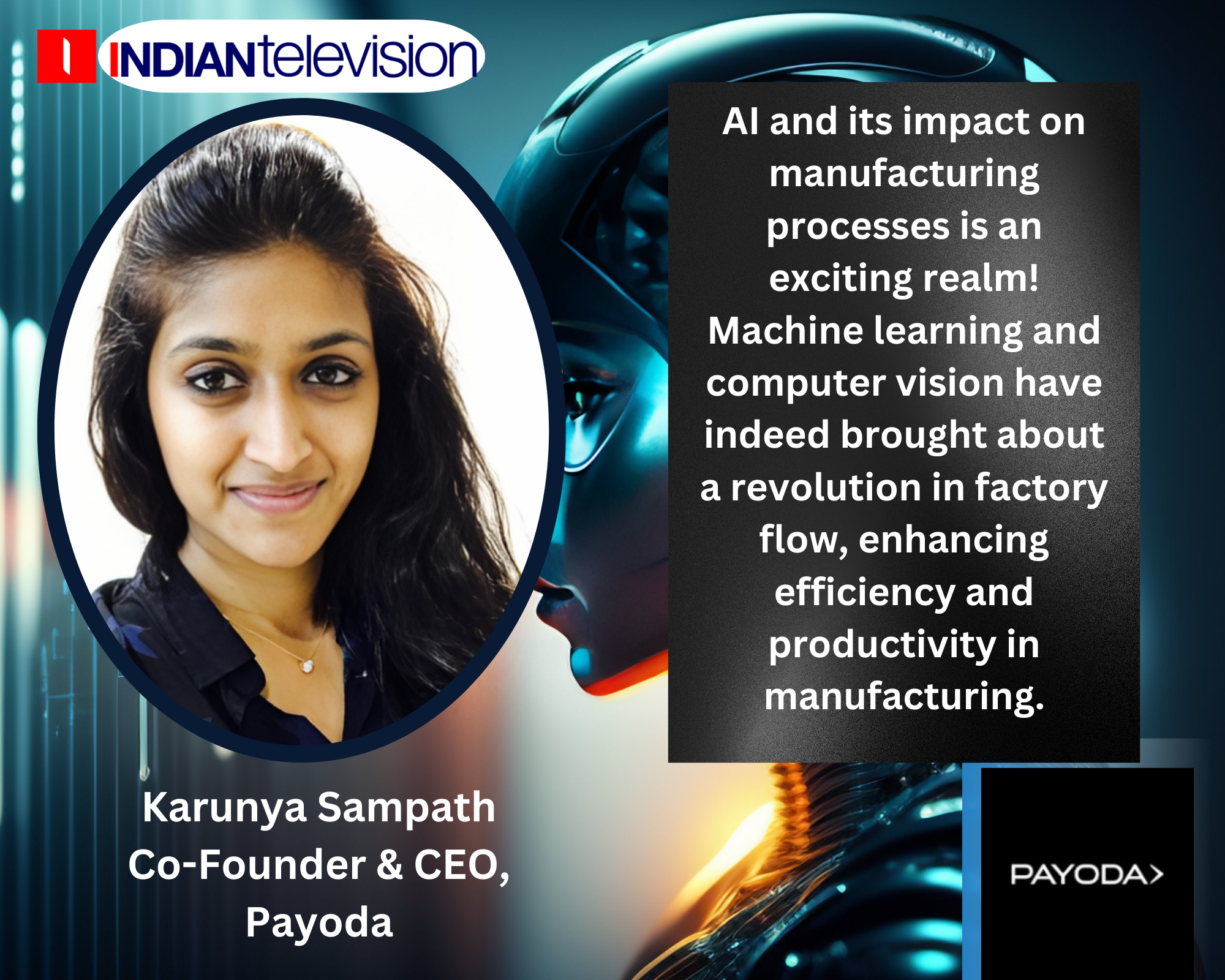
    The future of generative AI in banking and finance is brimming with possibilities for transformative advancements in banking and finance. Generative AI can enhance fraud detection capabilities by analysing large volumes of data, identifying patterns, and generating alerts for suspicious activities. Simulated scenarios based on historical data can help banks and financial institutions make informed decisions regarding loan approvals, investment strategies, and portfolio management. Moreover, virtual assistants powered by generative models can provide personalised and context-aware customer support, answering queries and assisting with financial planning.

    Nowadays, Generative AI can generate insights and recommendations for portfolio optimisation, asset allocation, and risk management by analysing vast amounts of financial data. It is also being helped by the fact that Generative AI can improve natural language processing capabilities, enabling more accurate sentiment analysis, chatbots with enhanced conversational abilities, and automated document analysis for tasks like contract review and compliance. And most importantly, Generative AI can strengthen cybersecurity by generating realistic attack scenarios to test system vulnerabilities. This allows financial institutions to proactively identify and patch potential security loopholes. Embracing these advancements can lead to increased efficiency, improved decision-making, and enhanced customer satisfaction in the financial industry.
    On the potential benefits and challenges of adopting generative AI in different industries

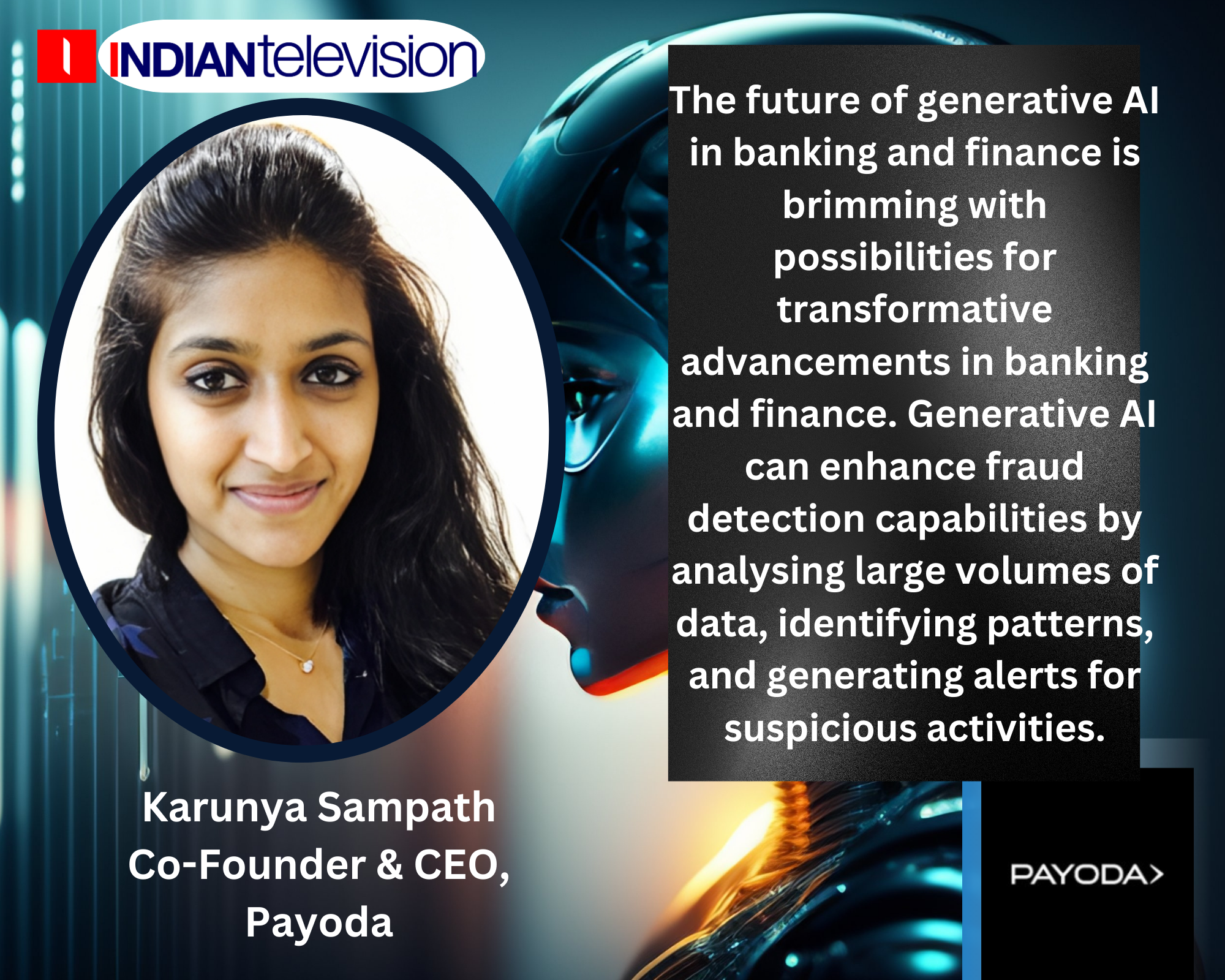
    Generative AI is a fascinating field with vast potential across various industries. Its benefits are truly remarkable. Imagine an artist effortlessly creating stunning visuals, a writer conjuring captivating stories on demand, or a designer producing unique and captivating designs in a fraction of the time. Generative AI empowers artists and designers and professionals in fields like healthcare to explore new horizons. In art and design, it unlocks endless possibilities, allowing for the generation of original and awe-inspiring creations. In healthcare, generative AI analyses vast amounts of patient data to aid in disease diagnosis, treatment prediction, and personalized care, revolutionising the industry and improving patient outcomes.

    However, as with any revolutionary technology, generative AI presents its own set of challenges. With increasing sophistication, responsible and ethical use becomes paramount. Issues such as intellectual property rights and content authenticity must be addressed to ensure integrity and protect creators’ rights.

    Another challenge arises from potential biases ingrained within generative AI models. Biases in the training data can lead to biased outputs, perpetuating societal inequalities.

    Furthermore, the complexity and computational demands of generative AI algorithms can pose difficulties. Achieving high-quality results often requires substantial computational resources, limiting accessibility for industries or organisations with limited computational infrastructure.

    Despite these challenges, the benefits of adopting generative AI in various industries outweigh the obstacles. The key lies in embracing this technology responsibly, fostering collaborations between technical experts and domain specialists, and continually striving for ethical and inclusive practices.
    On Blockchain enabling trustworthy and auditable supply chain management and traceability in manufacturing

    Manufacturers can utilise Blockchain technology to establish a transparent and tamper-proof system for tracking and verifying each step of the supply chain. Every transaction and event, including raw material movement, manufacturing processes, and distribution, can be recorded as a “block” on the Blockchain. These blocks are securely linked in chronological order, forming an immutable chain of information. The transparency and immutability of the Blockchain make it extremely challenging to manipulate or falsify data within the supply chain. All stakeholders, including suppliers, manufacturers, distributors, and customers, can access and verify the information on the Blockchain. Moreover, Blockchain enables improved traceability throughout the supply chain. Traditional systems often struggle with tracing a product’s origin and journey, but with Blockchain, manufacturers can create a digital trail that captures essential details at each stage, such as raw material sources, manufacturing conditions, quality checks, and shipment information. The smart contract functionality of Blockchain further enhances supply chain management capabilities by automating processes like payment settlements, quality certifications, and compliance checks.

    On implementation of blockchain-based cloud optimisation in real-world scenarios

    Blockchain-based cloud optimisation has been implemented to enhance cloud computing efficiency and security in real-world scenarios. One such implementation is efficiently allocating and sharing computing resources through a decentralised marketplace. Users can directly trade or lease unused resources, enabling dynamic and cost-effective allocation. Another application is decentralised cloud storage, where data is encrypted, divided, and stored across multiple nodes, improving security and availability. Blockchain’s immutability and transparency enhance trust and safety by providing audibility and enforcing security protocols through smart contracts.

    Blockchain is helping in optimising service-level agreements (SLAs) by recording, monitoring, and automatically implementing terms, reducing disputes and enhancing customer satisfaction. These implementations leverage the decentralised and immutable nature of Blockchain, offering innovative solutions to address inefficiencies and security concerns in cloud computing. By optimising resource allocation, storage, trust, security, and SLA management, blockchain-based cloud optimisation improves the performance and reliability of cloud-based services.

    On the immutability and transparency of Blockchain contribute to fraud prevention in the BFSI sector

    Blockchain technology, with its immutability and transparency, provides robust solutions for fraud prevention in the Banking, Financial Services, and Insurance (BFSI) sector. Ensuring that data recorded on the blockchain cannot be altered, tampered with, or manipulated, creates a tamper-proof audit trail, crucial for preventing fraudulent activities. The transparency of blockchain enables all network participants to see transactions, making it easier to detect suspicious behaviour and trace fraudulent activities. These attributes contribute to fraud prevention by allowing auditors and regulators to quickly review and validate transactions, establishing secure digital identities to mitigate the risk of identity theft, and using smart contracts to minimise human error.

    Advanced analytics applied to blockchain data help identify patterns and anomalies indicative of fraud, generating alerts for further investigation. Consortium blockchain networks among trusted entities enhance fraud prevention measures by facilitating secure data exchange and faster identification of fraudulent activities across multiple organisations, creating a more secure and trustworthy financial ecosystem.
    On the benefits of using Blockchain for participant consent management and data sharing in clinical research

    Benefits of using Blockchain for participant consent management and data sharing in clinical research: Blockchain offers several benefits for participant consent management and data sharing in clinical research. It provides a secure and tamper-resistant platform for storing and managing consent records, ensuring participant privacy and data integrity. Blockchain enables granular control over data access, allowing participants greater ownership and control over their health information. Additionally, Blockchain facilitates secure and auditable data sharing among researchers, enabling collaboration while maintaining data confidentiality and trust.

    On cost savings or ROI that manufacturers have experienced through AI-driven factory flow optimisation

    Manufacturers have experienced significant cost savings and ROI through AI-driven factory flow optimisation. For instance, manufacturers can reduce idle time, minimise bottlenecks, and improve overall equipment efficiency (OEE) by leveraging AI algorithms to optimise production schedules and resource allocation. This results in increased production output, reduced operational costs, and improved product quality. Some manufacturers have reported double-digit percentage improvements in OEE and cost savings in the millions of dollars by implementing AI-driven factory flow optimisation techniques.


  • Mars Petcare ropes in 22feet Tribal Worldwide for its digital mandate

    Mars Petcare ropes in 22feet Tribal Worldwide for its digital mandate

    Mumbai: 22feet Tribal Worldwide, part of the DDB Mudra Group, has added Mars Petcare to their portfolio of clients. The digital creative mandate will make use of 22feet Tribal’s expertise in social media, website development, campaign ideation, content creation and curation and SEO strategies for their brands Pedigree, Whiskas, and Sheba.

    The Indian pet care industry is flourishing as adoption continues to rise. The pet food market alone is expected to touch Rs. 10,000 crores by 2025 with people spending approximately Rs 23,000 annually on pet food and treats. Moreover, pet parents are aware and mindful about what goes into their pet’s food.

    Mars Petcare embraces the knowledge and awareness around pet food. It strives to attain its goal of ‘a better world for pets’ through innovation and research to provide them with the best nutrition.

    Speaking on the partnership, Mars Petcare marketing director Madhur Khanna said, “We are excited to have 22feet Tribal Worldwide on board with us to manage the social media mandate of our market brands, Pedigree, Whiskas, and Sheba. As we look to further our presence and bring larger innovations in the Indian market, we were looking for a partner with comprehensive expertise and command of the digital ecosystem. I am certain that this partnership will yield remarkable results and I look forward to working together with the teams in complete synergy.”

    22feet Tribal Worldwide president Vanaja Pillai commented, “We are beyond excited for this opportunity to partner with one of the most loved pet care food brands globally and in India. Many of us at 22feet are pet parents ourselves, and we understand the deep love and connection people have with their furry companions. The pet care industry is seeing tremendous growth and opportunity in India, and a large part of this will be aided by digital brand building. With 22feet’s commitment to creating digital experiences that lead to action, we are confident of the impact we can drive in this partnership on these exciting brands.”

    Mars Petcare has also been mindful of its environmental pawprint and has employed sustainable practices that helps them operate and source responsibly.

  • REMA’S Calm-Down Tour of India gets Mad Influence as its official influencer partner agency

    Mumbai: Mad Influence, a global influencer marketing agency, is thrilled to announce its partnership as the official influencer partner agency for Rema’s highly anticipated Calm-Down Tour of India. With a lineup featuring 76 talented influencers, this tour promises to be an unforgettable experience for Hip-Hop music lovers. The concert will be in three cities i.e. Delhi on 12 May, Mumbai on 13 May, and Hyderabad on 14 May. 

    As part of this collaboration, renowned influencer Faisal Shaikh (Faisu) will be joining Rema to create exclusive content, providing fans with an extraordinary opportunity to witness the magic behind the scenes. In addition to Faisu’s involvement, Mad Influence has spearheaded a pre-buzz campaign aimed at amplifying the concert’s reach. The campaign leverages the power of 76 influential content creators who will be posting captivating reels and multiple engaging stories.

    Mad Influence is no stranger to creating groundbreaking experiences. Earlier this year, the agency hosted ‘Creators United,’ India’s largest creator festival and awards event, in Goa. This two-day extravaganza united content creators, influencers, brands, publishers, and social media platforms in an unprecedented celebration of talent, innovation, and collaboration.

    “Mad Influence looks forward to being the official influencer partner agency for Rema’s Calm-Down Tour, where we aim to empower both the music industry and the influencer community. Together, we will create an unforgettable experience that not only entertains but also revolutionizes the way fans and people interact with music and social media,” said Mad Influence founder & CEO Gautam Madhavan.

    Rema’s Calm-Down Tour of India promises to captivate audiences with its unique blend of mesmerising music and immersive experiences. With Mad Influence as the official influencer partner agency, this tour is set to transcend boundaries and create lasting memories for fans.

  • Tonic Worldwide awards digital creative media mandate for L’Oréal Paris

    Mumbai: Following a competitive multi-agency pitch, Tonic Worldwide, a digital-first creative agency, has won the digital creative mandate for L’Oréal Paris, the world’s leading cosmetics brand.

    Tonic Worldwide has come on board as the digital partner for the brand with a mission of growing the business through optimising consumer journeys across various e-tailer platforms.

    Committed to quality, scientific excellence and disruptive innovation, L’Oréal Paris is proud to be the world’s #1 beauty brand that is synonymous to accessible luxury and moves the world.

    Speaking on the new win, Tonic Worldwide co-founder & CEO Chetan Asher says, “We are excited to partner with L’Oréal Paris in its vision to reach relevant audiences for this category. Being a very specialised category, it needs a deep understanding of the consumer need gaps to nudge them with the right communication within various stages of their online journey. Our specialist arm GIPSI, will play an important role along with our e-commerce expertise in realising this vision.”

    Speaking about this new collaboration, L’Oréal Paris general manager Divya Reddy Shah said, “We are delighted to welcome Tonic to the L’Oréal Paris family. With science, and innovation at the core, we at L’Oréal Paris, strive to create a difference in the Indian beauty market with our differentiated products which are backed by science. We are ecstatic to join hands with Tonic to drive our digital strategies and executions and accelerate the beauty revolution in India!”

    The account will be handled out of the agency’s Mumbai office.

  • Usha International looks out for a new digital media buying agency

    Mumbai: Usha International, one of India’s consumer durables companies, is looking to engage a new digital media Buying agency and announced an RFP. The opportunity is open to all Media Buying agencies who do not have a conflict of interest with Usha’s existing businesses. An Indian brand, Usha is present across categories including fans, sewing machines, kitchen appliances, steam and dry irons, room and water heating products, water coolers and dispensers, lighting, and more.

    “In this digital-first age, we want to reach out and engage with our consumers where they are and hence there’s a need for a specialized digital media buying agency. We are looking at an agency that understands the digital media universe and can conceive and execute breakthrough strategies while optimizing advertising costs.  What is critical is they understand each piece of our business, what we stand for, and how it all dovetails into our larger corporate offering across businesses. This would be the prime focus along with the agency credentials for choosing an agency,” said the Usha spokesperson.

    Proposals can be sent to Usha international senior marketing vice president Anju Munjal  at anju_munjal@usha.com