Category: Ad Campaigns

  • Dream Big says BankBazaar’s #KidsVsAdults social media campaign

    Dream Big says BankBazaar’s #KidsVsAdults social media campaign

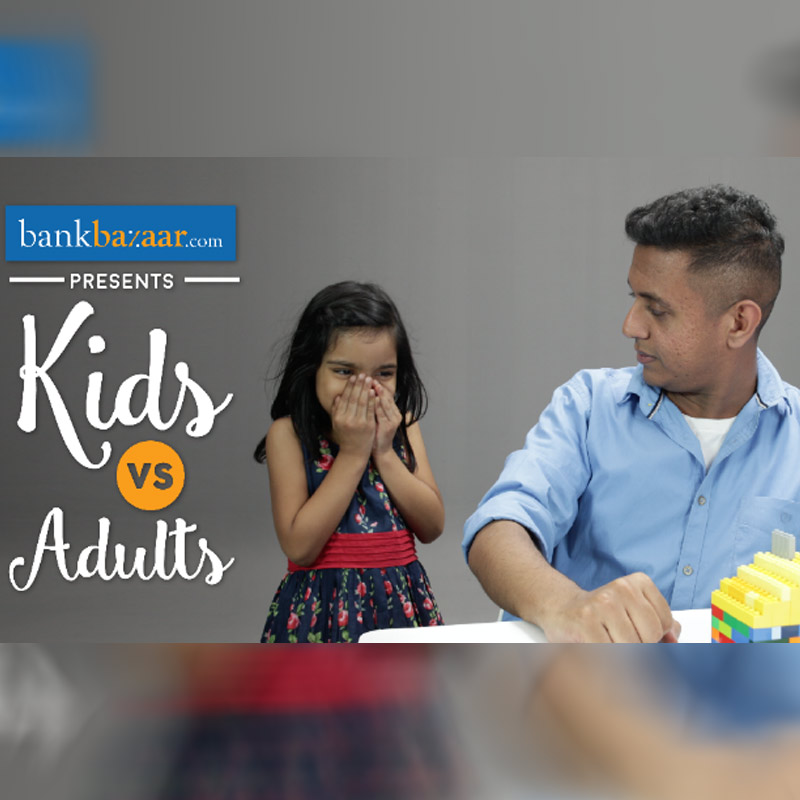
    MUMBAI: BankBazaar introduced its latest thematic social media campaign #KidsVsAdults. Built on the insight that over time, most adults lose their childlike dreams and aspirations, the campaign is a subtle social experiment, which reflects how we constrain even our dreams for the future, as we grow older. The video depicts a 6-year-old and a 30-year-old building their dream home using Lego. The young child gives wings to her imagination, building a home complete with a garden and swimming pool and space for everyone, while the 30-year-old builds a functional impersonal house.

    The campaign highlights that children are always inspired to think beyond the obvious. They believe anything is possible, dreaming big by default. However, as they grow older, dreams and life goals become confined to “Not realistic. Can’t do that” and, in the long run, dreams begin to grow smaller as we grow older!

    Commenting on the launch of #DreamBig campaign,– BankBazaar.com head, brand marketing Prince Thomas said, “We all have some aspirations which inspire us to work harder to achieve our dreams, however as we grow older, we tend to get tainted, pursuing realistic goals instead. #DreamBig campaign encourages consumers to chase their aspirations, while planning better, taking the right financial advice and perseverance. As a trusted online financial marketplace, BankBazaar is committed to changing consumer’s attitude towards finance enabling and empowering them to follow their dreams.

    The new digital campaign went live on FaceBook on 23 January 2018 across various digital and social media platforms including Facebook, Twitter, YouTube, and Instagram. The campaign has been conceptualised and executed in association with BlueBot Digital. Bluebot Digital CCO Carl Savio says, “The insight that as we grow older, life has this tendency to deflate our positivity and make us a little too practical, making us give up on the lavish dreams of our childhood was a great story opportunity. This is a trajectory that almost everyone’s life follows. There were different ways we could have expressed this, but we chose to use elements that take us back to our childhood—Lego blocks and children themselves—to remind our viewers to hold on to the enthusiasm, imagination, and big dreams that are unique to childhood.”

    Against this background, BankBazaar’s campaign reminds people “Your dreams do not have to get smaller as you get older”, and encourages people of all ages to hold on to their childhood aspirations and realize their dreams through right financial planning.

    Also Read:

    BankBazaar shows fans it cares
    Hotstar’s digital campaign reaches out to women audience

    Mufti’s digital campaign triggers sale

  • Happy Mcgarrybowen creates ‘Game of Swag’ for Jabong’s The Big Brand Sale

    Happy Mcgarrybowen creates ‘Game of Swag’ for Jabong’s The Big Brand Sale

    MUMBAI: Jabong has launched its multi-media advertising campaign for the third edition of its ‘Big Brand Sale,’ which is from January 25 to 28, 2018. The 360 degree marketing campaign has been designed to drive communication around the brand’s flagship sale that brings the biggest international and Indian brands at unimaginable prices.

    As part of the campaign, Jabong has launched a 30-second television commercial, where the ‘Big Brand Sale’ is depicted in a medley of fashion montages with a rap song, providing the beat for ‘Ho Tayar for the BIG BRAND SALE’ (Are you ready for the Big Brand Sale?). Stringing together the global brands that would be on sale, the film, titled, ‘Swag Ka Ye Khel’ (Game of Swag), underscores Jabong’s stature as India’s swag stop. The visualization is powerful, trendy, global and young; taking into account customers of premium international brands.

    Conceptualized and scripted by Happy Mcgarrybowen, the creative agency from Dentsu Aegis Network, the TV commercial will be aired across leading channels, covering GEC, lifestyle, music, entertainment, English and Hindi movies. The television commercials will also run in 5 and 10 second stings across select channels to drive frequency and reach. In addition, the campaign also covers print, radio, outdoor DTH (Airtel & Tata Sky) and digital, with OOH across eight cities.

    Jabong head Gunjan Soni said, “Jabong’s Big Brand Sale is all about the celebration of style or swag. The campaign strongly captures the essence of Jabong as the curator of high fashion with its portfolio of top Indian and Global brands, besides emphasizing on the upcoming Big Brand Sale and its offers. Jabong has always been associated with Bold Fashion and Global Brands. Fashion that is an expression and extension of your inner self. The campaign beautifully communicates the theme.”

    “Jabong is one of the coolest brands as a fashion retailer in the online space. It is always a pleasure to create visuals that communicate the unique offering from Jabong. We were clear we didn’t want the communication to just be a retail announcement. The game of swag is a personal game played by everyone who loves fashion. The idea was to celebrate self-expression from a choice of the best fashion brands. Each sequence was carefully crafted to deliver a unique visual experience. The film was shot in the charming backdrops of Calcutta. The track was specially created in collaboration with rap artist DeeMC. Not to mention, the beautifully crafted film was created by Raznish ‘Razy’ Ghai from Asylum films,” said Happy Mcgarrybowen CEO Kartik Iyer.

    Jabong is offering 3.8 lakh styles from 3000 international and Indian brands at 51 to 80 per cent off during the sale.

    Also Read:

    NBA partners Jabong to operate official online store

    Colors Infinity ropes in Renault, Jabong and Motorola for ‘The Stage – 3’ from 7 Oct

    Wrogn Virat brand in Jabong portfolio

  • Havas Media wins gold at 8th India Digital Awards

    Havas Media wins gold at 8th India Digital Awards

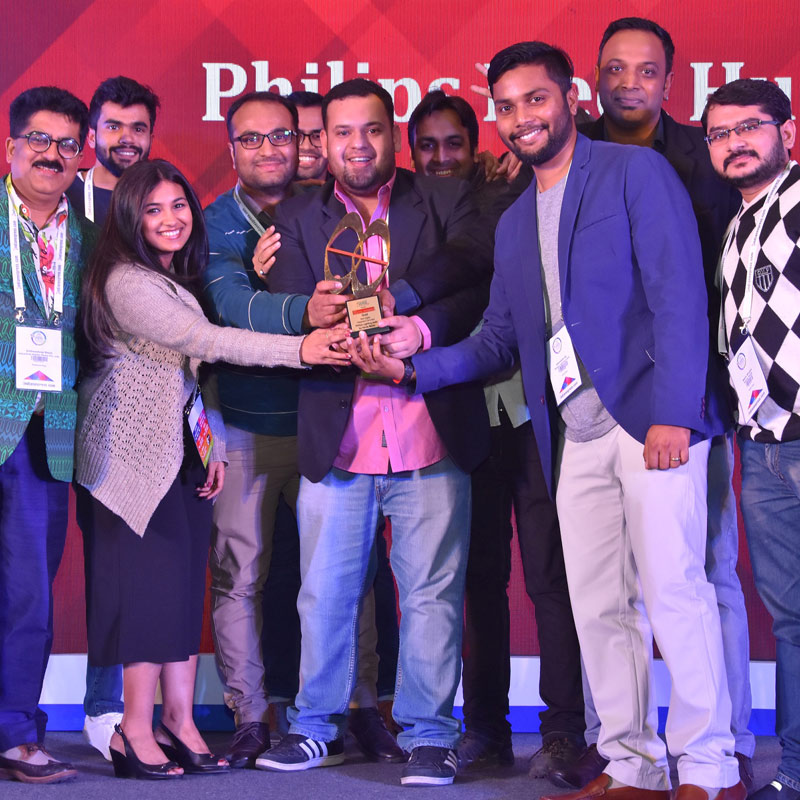
    MUMBAI: Havas Media has won gold for Philips Lighting’s Meet Hue campaign in the digital integrated campaign category at the 8th India digital awards by The Internet and Mobile Association of India (IAMAI) held on 18 January 2018.

    Havas Media Group CEO – India & South Asia Anita Nayyar said, “Being recognised by an industry body such as IAMAI is not only a matter of pride for the agency and the client but also boosts the morale of the teams and young talents involved in every stage. It gives me immense pleasure to see our teams work together seamlessly through a client, consumer-centric approach and being empowered.”

    The campaign’s objective was to introduce smart living via smart lighting. Meet Hue by Philips is a ‘smart’ lighting system for your home that gives you full control over every aspect of your lighting. A product that helps you creates just the right setting, mood or ambiance for every moment. With the Hue system one can set the lights to turn on when you arrive home and turn off when you leave. Or better yet, set it to switch on and off at specific times so that it looks like someone is home even when you are out, hopefully a deterrent for a would-be thief, as smart home stuff don’t come cheap. With the objective of driving awareness and education amongst a mostly banner-blind audience, a variety of media vehicles across domains were deployed leading to a 200 per cent increase in registrations for home demo.

    Philips Lighting India CMO Rothin Bhattacharyya said, “It’s a great endorsement of our efforts towards creating awareness about nascent category like connected lighting. The campaign has significantly enhanced awareness and adoption of the product and is a testimony of the fantastic results that can be achieved with a close client-agency engagement.”

    Also Read:

    Havas Media ties up with Kerala-based IMC Advertising

    Havas Media bags integrated media mandate of Faircent.com

  • TECNO launches Camon i ad campaign

    TECNO launches Camon i ad campaign

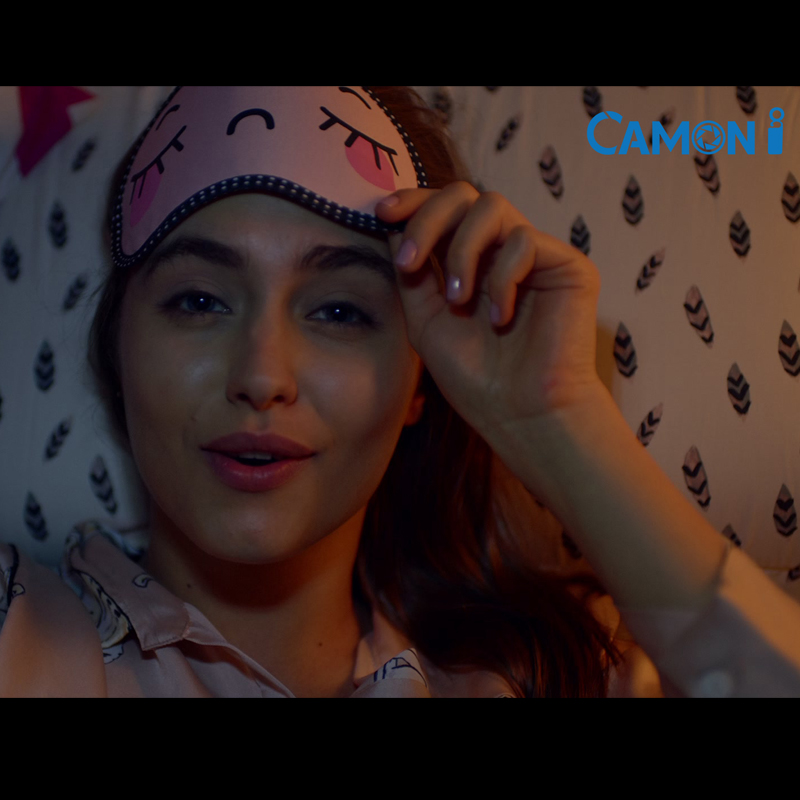
    Mumbai: TECNO Mobile, a premium smartphone brand from TRANSSION India, has launched its ad campaign for Camon i. The TVC is a part of the 360-degree campaign for TECNO’s Camon i, its first smartphone in India under the global flagship Camon series. The campaign is created in association with Creativeland Asia Pvt. Ltd our creative partners. It is directed by Kartik Ramnathkar and produced by Mayur Goel.

    Set in various situations, locations and times of a day, this uber cool, upbeat TVC very smartly captures the Camon I brand positioning – ‘Magic in any light’. The TVC highlights a day in a girl’s life with her pictures, right from Morning to night. The TVC covers her ‘Good Morning’ selfie to a breakfast picture, to an auto selfie, to at her work selfie, to a sunset picture with her boyfriend, one at a café and at last some fun party pictures at night with her friends in 30 seconds, the TVC aptly shows off Camon i’s camera prowess of capturing Magical shots in any light.

    Commenting on the launch of the TVC, TRANSSION India senior vice president (marketing) Gaurav Tikoo said, “Seizing the fun and worthwhile moments in a day and sharing it with one’s friends and folks is a trend of this insta-age. Riding on this trend, TECNO’s Camon i series has been designed for the spirited people who like to keep up with such drifts in a generation. Apart from that, we are also focused on upping the ante for smartphone photography and its picture quality. In this context, now anyone can create magic at any time of the day with Camon i’s ‘Tecnomagic’ camera. Through this TVC, the idea was to bring its superlative camera features to the fore and highlight Camon i’s brand promise ‘Magic in any light’.”

    Added Creativeland Asia chief creative officer Anu Joseph, “Two truths define this film. The first one is that young people today document their entire lives on their smartphone cameras. And the second truth is that TECNO Camon i has some of the greatest features on both its cameras that make it the best to take pictures in any kind of light (you should actually see the pictures it can shoot in the lowest of lights to believe it). The film is a portrayal of both these truths.”

    Adding to the insights, the ad will air from the 24th of Jan 2018. It is a six-week campaign, with targeted genres of GEC, Hindi/English Movies, News and Music. The TVC will be aired in various regions-Andhra Pradesh, Tamil Nadu, Kerala, Maharashtra, West Bengal in addition to the regular English and Hindi across the country.

  • Irrfan Khan promotes Digital India in new Mastercard campaign

    Irrfan Khan promotes Digital India in new Mastercard campaign

    Aimed at accelerating the country’s shift from cash to digital payments, Mastercard has launched ‘KhulGayiLife’, a new marketing campaign. The campaign will further strengthen the company’s digital payments efforts in the metros with an increased focus on the tremendous opportunity that sits within the nation’s tier 2 and tier 3 cities.

    Commenting on the launch of #KhulGayiLife, Manasi Narasimhan Vice-President, Marketing and Communications said “Mastercard has always been at the forefront of creating a trusted payment gateway and is leading the effort to build a digitally empowered socio-economic ecosystem. We have been supporting the Indian Government’s agenda of establishing India as a cashless society through our technology solutions, partnerships and investments in the country. To further accelerate the acceptance of digital payments, we have launched #KhulGayiLife, our latest marketing campaign. Through this, we aim to reach out to consumers across metros and tier 2 and tier 3 cities over the next few months. We are confident that this campaign will bring forth the true potential of digital payments thus establishing Debit Cards as a safe and secure payment option.”

    The Indian economy has traditionally been cash dependent. However, demonetisation and government incentives for adopting digital payments have triggered an all-time high awareness about various alternative payment systems and exposed various cash users to the ease of using digital systems. Mastercard is fully committed to government initiatives like Make in India, Digital India and Skill India. The #KhulGayiLife campaign showcases the convenience of using digital transactions across internet banking, mobile wallets, debit cards, mobile and QR codes etc and for everyday uses such as tolls and transits, for utility bills, grocery, fuel, among others. The publicity strategy is aimed at mass audiences across all cities.

    The campaign film has been created by leading advertising agency McCann. Bollywood superstar Irrfan Khan has also been signed on as face of the campaign as he truly typifies the modern face of Tier 2 India. A creative TVC that is already on air and has the actor creating personal connections with consumers as the campaign runs its course to increase preference for debit cards across audiences in tier 2 and tier 3 cities.

  • The rising trend of coopetition among brands

    The rising trend of coopetition among brands

    MUMBAI: Who would have thought that companies would overcome their ego and actually collaborate with other brands to come up with joint advertisements? That is the new trend in the market-coopetition (a combination of cooperative and competition).

    Companies are willing to do anything today, including riding along with other brands just because it will benefit them. Coopetition essentially involves one company advertising through another company, so that each can benefit from the brand loyalty and reputation of the other. It is also called brand partnership and the term is relatively new to the business vocabulary and is used to encompass a wide range of marketing activities involving the use of two or more brands.

    An early instance of co-branding occurred in 1956 when Renault tied up with French jeweller Jacques Arpels to turn the dashboard of one of its newly introduced Renault Dauphines into a work of art. A unique case of coopetition was when Burger King made a proposal to archrival McDonald’s to create a unique burger McWhopper but Ronald McDonald frowned on it.

    public://Screen Shot 2018-01-14 at 7.03.43 PM.png

    The most infamous case was the success story of Samsung and Sony partnership back in 2004. Two competitors who operate in the same television manufacturing business decided to come together in a joint venture to develop and produce LCD panels for flat screen TV sets. Teaming with a rival produced two innovations, knocking down other competitors from their positions and more than doubled the combined market share of these two companies. The companies ended their partnership of liquid-crystal displays for televisions in 2011.

    Although a common practice internationally, the phenomenon is fairly new in India. The most acknowledged has been Ariel washing powder and LG washing machine coming together for a brand alliance. The partnership was strengthened by a TVC that showcased LG as the best washing machine to wash your clothes using Ariel washing powder.

    Indian two-wheeler motorcycle company Hero Group and Japanese Honda Motor Company entered a joint venture to set up Hero Honda Motors Limited in 1984. The joint venture not only created the world’s single largest two-wheeler company but also one of the most successful joint ventures worldwide. But, on 16 December 2010, the companies signed an agreement to dissolve their partnership.

    We have also witnessed telecom companies partnering with handset manufacturers to strengthen their position jointly in the market. This results in an increased sale of handsets and mobile network subscribers. In 2017, Sunil Bharti Mittal-led Airtel launched Android-powered 4G smartphones in partnership with Karbonn Mobiles. Domestic handset maker Micromax and Vodafone also came together to offer a smartphone at an affordable price hence increasing the mobile and network penetration in smaller markets.

    The latest addition to the list is sanitaryware Parryware joining hands with toilet cleaner Harpic to educate and promote imperative lifestyle habits. Emphasising the need for hygienic and clean toilets, the duo has even jointly launched a television commercial which revolves around the need to keep toilets sparkling clean and germ free for maintaining hygiene as well as longevity, while showcasing bathrooms as an important factor that drives health and well-being of consumers in their living spaces.

    Additionally, various food delivery apps have also been tying up with cab hailing services and e-commerce websites tie-up with mobile handsets as an exclusive seller such as OnePlus with Amazon. Although the trend is fairly new, it is an interesting space to see two brands coming together to achieve marketing and revenue goals together.

    Also Read:

    Indian TVCs that rapped with consumers

    The attention grabbing gimmick of comparative advertising

    Why do we lack animated ads despite their popularity

  • Insurance a push product in India, says IndiaFirst Life’s Rushabh Gandhi

    Insurance a push product in India, says IndiaFirst Life’s Rushabh Gandhi

    MUMBAI: Life insurance ads with depressing thoughts about the future and forcing you to invest to avoid gloomy situations like an accident, health failure, etc aren’t the most alluring to consumers. Indeed, just a fraction of the country ends up taking the plan and quite a few of them stop paying the premium in the first three years itself.

    But this outlook is exactly what the country’s youngest life insurance player wants to change in its latest advertisement. IndiaFirst Life Insurance launched a one-of-its-kind advertising campaign last week titled – Because Life is Full of Certainties. Launched in 2010 by the then President of India, Pranab Mukherjee, IndiaFirst Life Insurance is present in over 1000 cities across India. It is a joint venture between Bank of Baroda with 44 per cent stake, Andhra Bank with 30 per cent stake and UK’s leading risk, wealth and investment brand Legal & General group with 26 per cent stake in it.

    Created and conceptualised by Ogilvy & Mather, the campaign seeks to appeal to customers’ own reasoning by advocating prudence in planning for events or life goals that have a greater likelihood of happening such as getting married, having children, fulfilling responsibilities towards them and retiring. This is a step away from the generally promoted outlook to insurance that hinges on a person’s fear of the unknown. IndiaFirst Life Insurance director of sales and marketing Rushabh Gandhi mentions that the company wanted to differentiate itself from the existing norms of advertising and didn’t want too much of emotional jargon or overdose.

    public://inside_2.jpg

    Although Gandhi did not disclose the allocated budget for the said campaign, he revealed that this is the biggest brand campaign IndiaFirst has undertaken in the last three to four years. The campaign will run till the end of this financial year (31 March 2018) and if things go as planned, it will be pushed to the next financial year as well.

    The company will shell out 55 per cent of the total advertising budget on the out of home medium followed by regional print (15 per cent), radio (15 per cent), social and digital (15 per cent). With most of the business coming from Bank of Baroda and Andhra Bank, the firm will be setting up hoardings around the banks’ regional and zonal offices.

    The insurance player wants to steer away from television for the campaign and will not be investing at all on the medium. Gandhi says, “We thought: why to spend big bucks on TV when you can get the same result in terms of eyeballs with lower spends.” The company is also not looking at investing in in-cinema advertising where insurance and financial products form a bulk of the promotions.

    The insurance industry of India consists of 57 insurance companies of which 24 are in the life insurance business and 33 are non-life insurers. The number of lives covered under health insurance policies during 2015-16 was 36 crore which is approximately 30 per cent of India’s total population. While Gandhi does admit that insurance in India is not where it should have been, he is optimistic about its growth in the years to come. It requires a mind change, positive publicity and awareness for it to bloom. He says that insurance is currently a push product and not a pull one in India. “Insurance in India is growing at a fast pace although it had its blips sometime back. There is good headroom for players but we need to address the issue jointly as an industry,” he adds. The company reported a net profit of Rs 35 crore in 2016-17 and is aiming for a net profit of over Rs 50 crore in the current financial year.

    The future looks promising for the life insurance industry with several changes in the regulatory framework which will lead to further changes in the way the industry conducts its business and engages with its customers. With a growing middle class, young insurable population and increasing awareness of the need for protection and retirement planning, the industry is set to see some good times ahead and as Gandhi believes, “Life is not a series of accidents to happen as most of the things in life are certain, so might as well get a cover for them.”

    ALSO READ:

    BFSI’s changing communication in the digital era   

    Religare aims to change the youth mindset to health insurance

    Aditya Birla launches health insurance campaign

  • 2017 – The year of long-format ads

    2017 – The year of long-format ads

    MUMBAI: It’s the beginning of a new year! We are pumped up and optimistic about the year ahead and what new challenges it will throw up for the ever-changing, dynamic, uncertain and fast-evolving advertising industry. But what we are assured of is that we will continue to see some fascinating, some magnificent and a few lousy ads thrown in here and there in 2018 as well.

    Let’s pause for a minute and take a look back at how the ad industry fared last year. The key highlights included — growth of long format films, evolution of six-second ads, brands taking the digital route to connect with consumers and influencer marketing making it big.

    The first thumb rule of advertising that ad honchos vouch for is to understand your audience and engage them with well-written storytelling. But having a 20-second timer noosed around your neck doesn’t allow creative minds to conjure up enthralling stories that build an emotional connect with the consumer while also delivering the product information. The definite advantage of shorter commercials from a media investment POV is that clients can afford to run the spot more often, for a longer period of time.

    But in 2017, long-format ads showed themselves as serious contenders fighting for audience attention. What helped their growth was that both the makers and viewers embraced the magic of long-format storytelling. It was soon known that the engagement in it is higher allowing for better brand building. With television ad rates skyrocketing, marketers took the plunge into the more economical digital bandwagon that allows both freedom of time and creativity. Clients can choose to run an ad between 1-15 minutes or even longer without cost constraints. In an earlier interview with Indiantelevision, Mindshare South Asia CEO Prasanth Kumar said that some stories need longer duration and compelling ads will keep the audience hooked.

    There are five ways to buy ad slots digitally—cost per thousand impressions (CPM), cost per click (CPC), cost per lead (CPL), cost per thousand (CPT) and cost per fixed buy (CPFB) without a minimum or maximum limit. YouTube, arguably the most popular platform for ads, charges per view giving the power to advertisers to choose. Instances of viewers skipping ads before 30 seconds are not counted as a charge.

    Digital ad is usually measured by click-through rate (CTR). CTR is the ratio of the number of times the ad is clicked to the total number of ad impressions. Success cannot be measured by CTR alone because an ad which is viewed but not clicked may still have an impact. Large formats usually attract 1-2 per cent CTR as opposed to small formats, which generate anywhere between 0.5 and 1 per cent.

    Cost per click (CPC), also known as pay per click, is used to direct traffic to websites, where an advertiser pays a publisher only when the ad is clicked. CPC is used to assess the cost effectiveness and profitability of internet marketing. In case of CPC, price for an entertainment content click would be as low as Rs 2 while a high transacting piece of content like travel could be upwards of Rs 30-35.

    2017 witnessed a plethora of brands taking the digital-first long format route right from insurance to FMCG, electronics and e-commerce. The product to be sold either took a step back or was incorporated seamlessly into the story.

    Indiantelevision brings you a compilation of the most touching, memorable and effective brand stories told in a longer ad film, by Indian brands in 2017:

    LG Technical School ad:

    Vicks ad:

    Ghadi detergent ad:

    Kashmir Tourism ad:

    Amazon Diwali ad:

    Kolkata Times Durga Puja ad:

    Parachute Hot oil ad:

    Also read:

    BFSI’s changing communication in the digital era

    Guest column: Ads that didn’t work!

    How iProspect’s Vivek Bhargava foresaw a digital future two decades ago

    The year of sex scandals

  • CNN is ‘Going Green’ with environment heroes

    CNN is ‘Going Green’ with environment heroes

    MUMBAI: CNN’s Going Green returns this November with inspiring stories of everyday heroes working within their communities to improve the environment. These individuals take it upon themselves to improve the ecology and lead by example. Six stories from across the world will come together in a half-hour show hosted by Nicki Shields. 

    The environmental champions featured in Going Green include:

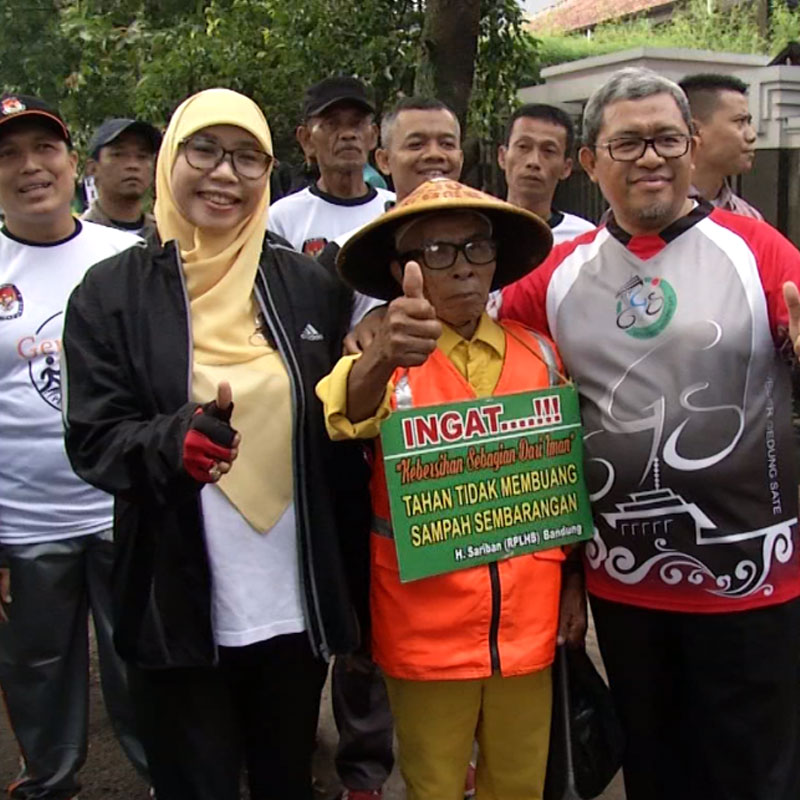
    Litter king – Bandung, Indonesia:
    Every morning 74-year-old Sariban gets dressed in his bright yellow overalls and takes to the streets of Bandung, Indonesia. For over 30 years he has been picking up litter voluntarily, and cleaning up his neighbourhood. His mission is to make the world more beautiful.

    Rhino ranger – South Africa:
    In 2016 1,054 rhinos were killed in South Africa. Driven by organised crime and demand for rhino horn–rhino poaching reportedly increased 9,000 per cent from 2007 to 2014. Anton Mzimba, the field ranger of the Timbavati Private Nature Reserve anti-poaching unit, has spent the last 19 years patrolling and investigating animal crimes. Anton stands between the rhinos and their poachers’ guns and believes that each day a rhino is not killed is a success for him.

    E-waste – London:
    The Restart Project is a London-based social enterprise which extends the lifespan of gadgets by bringing people together to share repair and maintenance skills. Co-founder Janet Gunter is hoping that repairing broken mobiles, laptops and other devices will help to save the planet’s precious resources and prevent hazardous waste. ‘Restart Parties’ have been held across the world with people bringing along broken tech to fix it with help from engineers and electricians known as ‘Restarters’.

    EV Mongol Rally – Aberdeen, Scotland:
    Chris and Julie are charging their electric car for the very last time following a three-month car race from the UK to Mongolia and back again. 100 kilometres away from Aberdeen they prepare to drive the final stretch back home after piloting the first and only electric vehicle to date in the Mongol Rally. Going Green speaks to the couple about the unique challenges they faced on the road far from home, charging in remote places, and their thoughts on the electric vehicle revolution around the globe.

    Floating forest farm – New York:
    The South Bronx is an area without fresh fruit or vegetables, in the US. New Yorker Mary Mattingly is hoping to change a long-standing law which prevents park land from being used to grow food, or for foraging. The Swale, Mary’s floating food forest which sails up and down the Hudson in summer months, docks at Concrete Plant Park in the Bronx in November and will invite locals on board to learn about the benefits of perm culture and how it could change public spaces. Visitors will also participate in the creation of a new ‘food way’, a project the Parks Authority are experimenting with after Mary’s success in the community.

    Fatberg, London and Ellesmere Port:
    A monster fatberg weighing more than ten double decker buses is clogging up London’s sewer system. Wet wipes, nappies and hardened cooking fat have congealed into a solid mass which greater in length than two football pitches. While part of the fatberg has been put on display in a museum as a curiosity of modern life, the rest could be on its way to a biofuel plant in the north of England. The fatberg could potentially provide 10,000 litres of fuel, which would return to the streets of London – above ground this time – in the engines of the capital’s famous red buses.

  • Brands kick off holiday ads way before Christmas

    Brands kick off holiday ads way before Christmas

    MUMBAI: A famous quote in advertising correctly justifies the medium – ‘Creativity without strategy is called art, creative with strategy is called advertising’. 
    It does stand true as advertising is creatively conveying your message to the viewers. Ad folk are obsessed with creativity which brings out the best in agencies that end up becoming memorable. 
    With holiday season around the corner, brands world over are pulling up their socks (did we hear Santa?). Holidays also give the audience more time to watch the ads as people tend to sit back, relax and enjoy some “me-time” by watching television or browsing social media platforms. Holiday ads are also significant as people tend to shop and splurge on gifts for family and friends around Christmas and New Year. 
    In our constant endeavour to bring forth interesting content to our readers, Indiantelevision.com has commenced a new weekly series, wherein we would showcase prominent international campaigns of the week that went by. 
    To kickstart the holiday season, we list down some of the most creative campaigns around the world this week. We are sure that these ads will get you in holiday mood ahead of time.
    LEGO Australia Christmas ad:

    Lego Australia created a stop-motion animation about a Lego Santa finding his way home to save Christmas, thanks to a surprise help from a spirited stranger, Sensei Wu. The campaign is a delightful little story that perfectly illustrates the sort of elaborate world-building Lego toys foster and the imaginative play that can happen within the little universe. The campaign was created by CHE Proximity agency. 
    Apple Holiday ad:

    Mobile giant Apple launched its holiday campaign called “Sway”. The ad features a brief appearance by the new iPhone X, but mostly revolves around AirPods and sharing an experience with music with someone special. The protagonist runs into a guy, imagines sharing an AirPod with him and the two fall in love before returning to reality where they pass by each other in the street. 
    Heathrow bears Christmas ad: 

    In the latest campaign by London’s Heathrow airport, much loved teddy bears Mr and Mrs Blair make a comeback to celebrate Christmas. During the two-minute video for Britain’s biggest airport, the emotional story follows the married couple from 1967 to the present day over the decades, as they longingly wait for each other in arrivals. The ad has been produced by Heathrow airport and is sure to make you teary-eyed. 
    Otto retail Christmas ad: 

    The short film revolves around the tale of a trapped Bolivian traveller to inspire togetherness in Christmas. Produced by BIGFISH, the campaign aims to get us into the spirit of Christmas regardless of where we are.
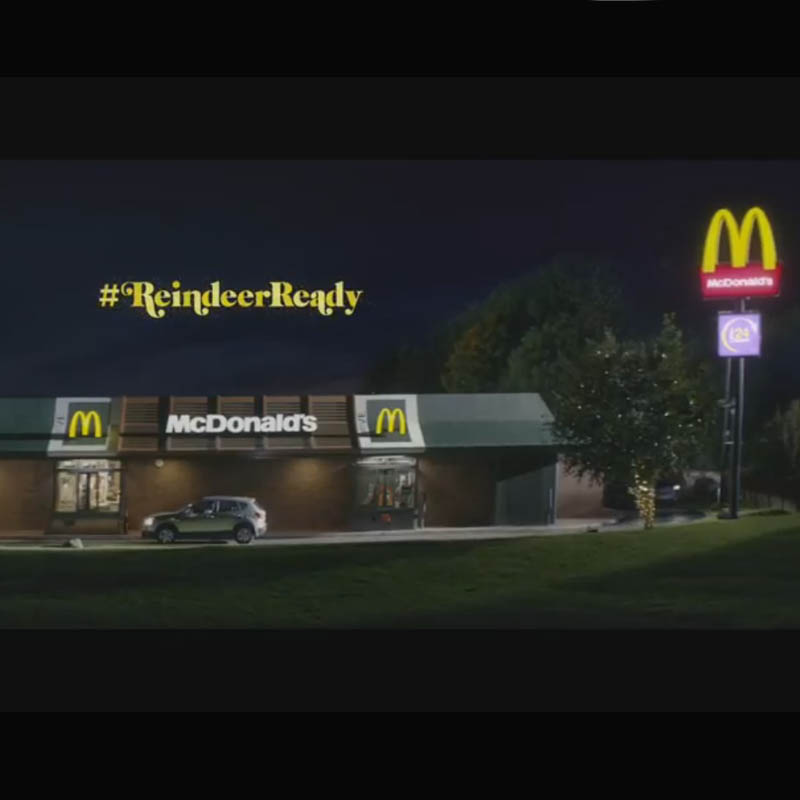
    McDonald’s reindeer ad: 

    McDonald’s has come up with an ‘awee-worthy’ ad this holiday season that talks about the tradition of leaving a gift for reindeers on Christmas for their hard work. The campaign conceptualised by Leo Burnett is part of McDonald’s #ReindeerReady Christmas menu.