
Connect with us
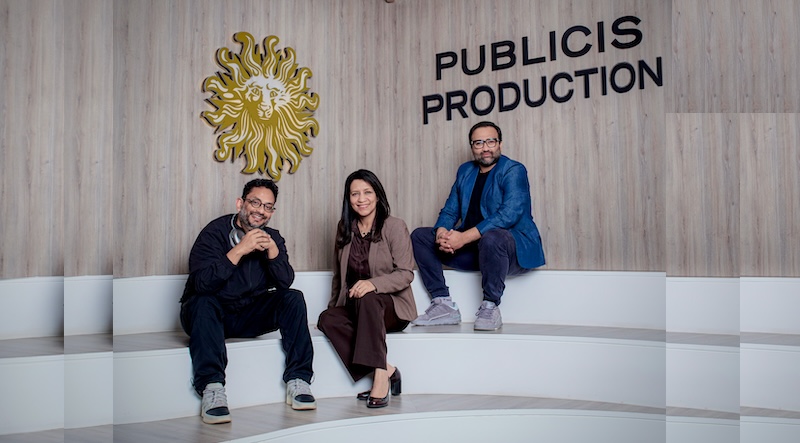
MMUMBAI: The age of one-size-fits-all advertising is over. Brands now need content that speaks to specific audiences, on specific platforms, at specific moments—and they need it...
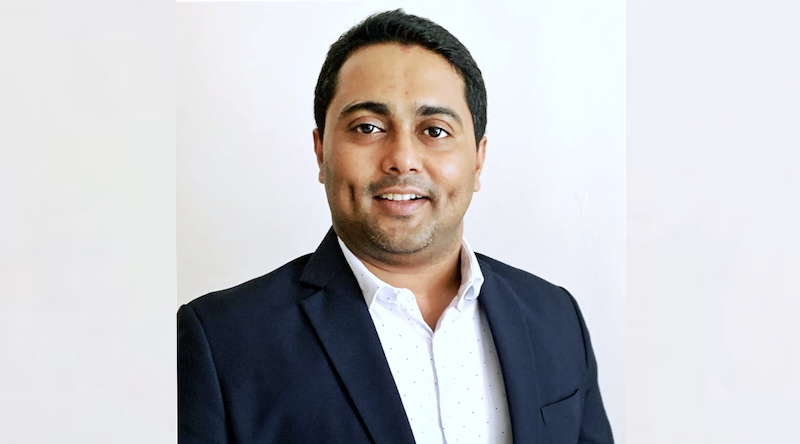
JAKARTA: Chetan Shetty, a seasoned advertising executive, has switched allegiances from McCann Worldgroup to Publicis Groupe, taking up the role of managing director at the French...
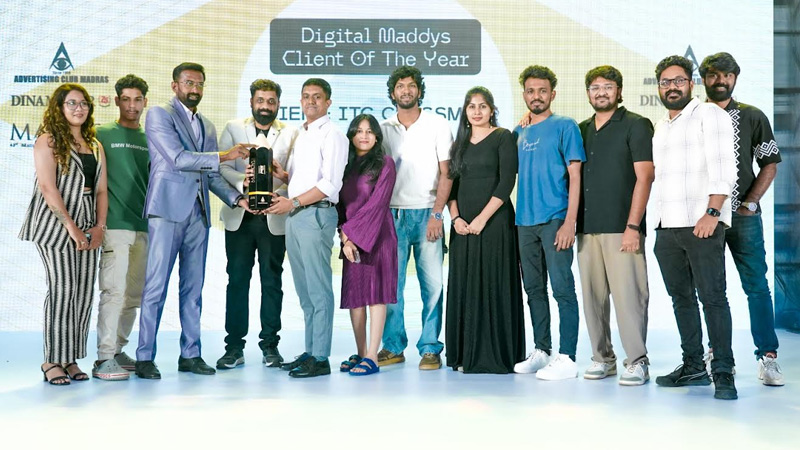
MUMBAI: The Advertising Club Madras proudly announced the successful completion of the 43rd edition of Maddys, presented by Dinamalar and powered by Peps, marking a grand...
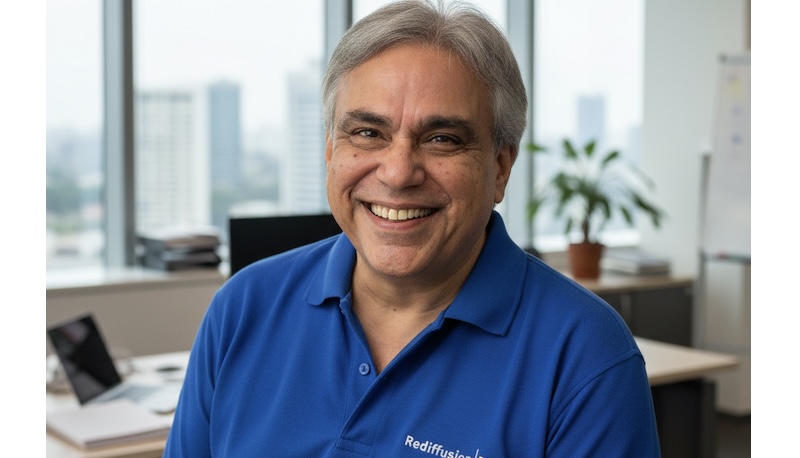
MUMBAI: Diwan Arun Nanda who passed away this week was one of the founding fathers of independent Indian advertising and co-founder of the agency Rdiffusion. Over...
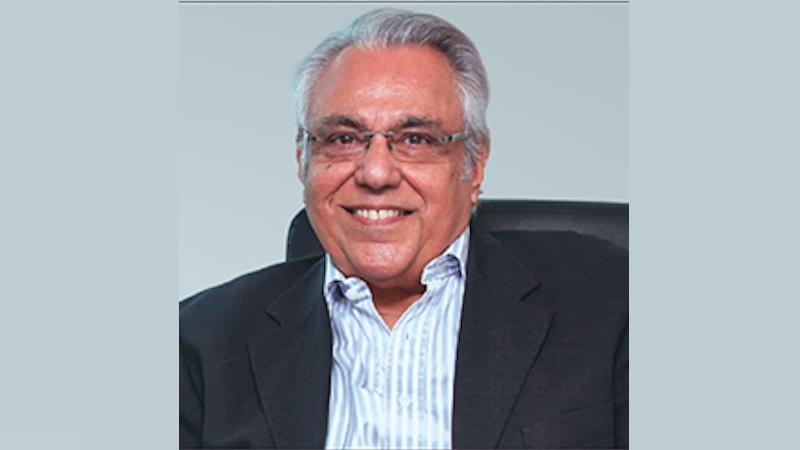
MUMBAI: Diwan Arun Nanda, one of Indian advertising’s towering figures and co-founder of the agency Rediffusion, passed away this week in Mumbai. He was 76. Born...
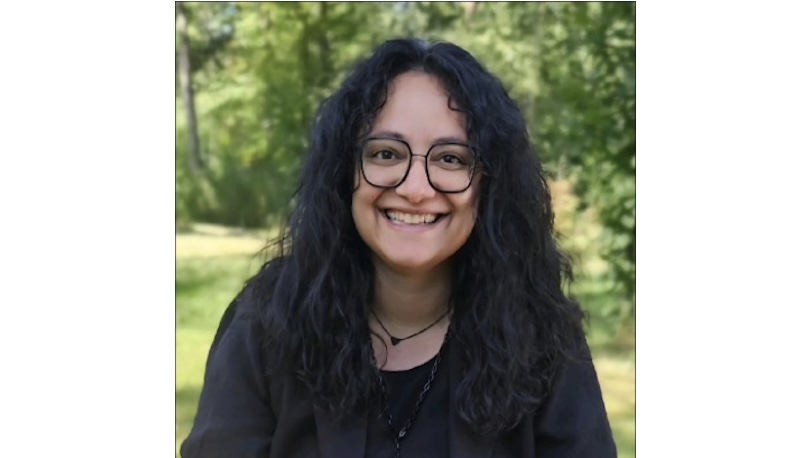
MUMBAI: WPP has appointed Mariel Maciá as senior director of strategic design within its WPP Open team, strengthening the agency group’s push to blend human creativity...
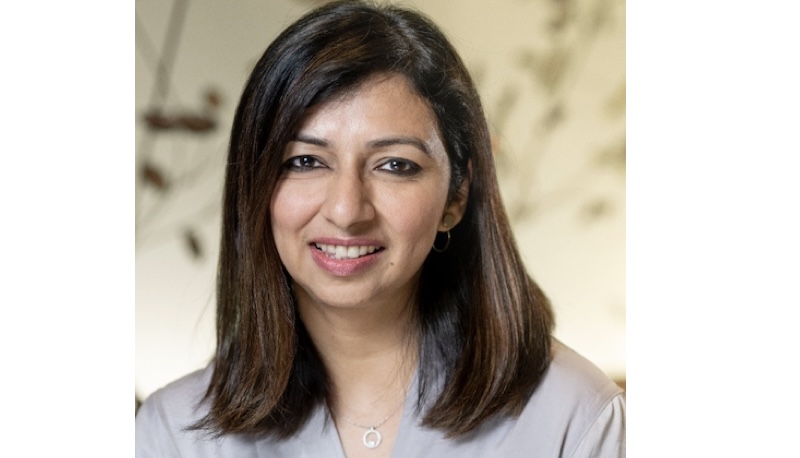
BENGALURU: Think Design chief executive Deepali Saini has been elevated to global chief experience design officer at Havas CX, the customer experience arm of Havas Group....
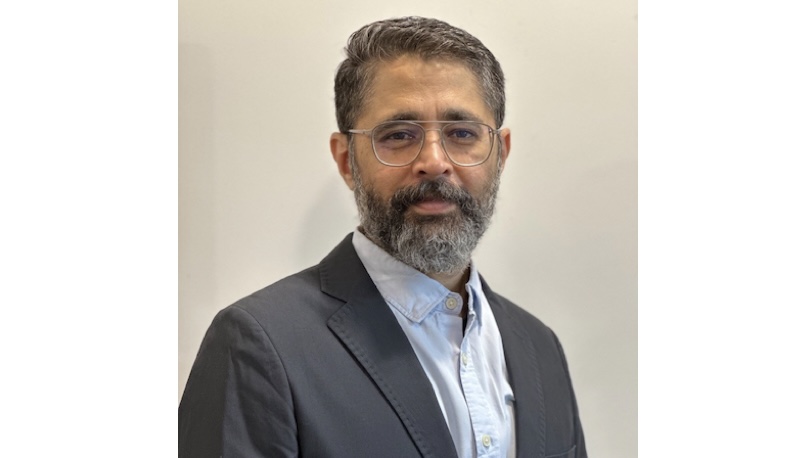
MUMBAI: Shantanu Sapre, a seasoned advertising leader with more than 25 years in the business, has been appointed chief business officer at MullenLowe Lintas Group. He...
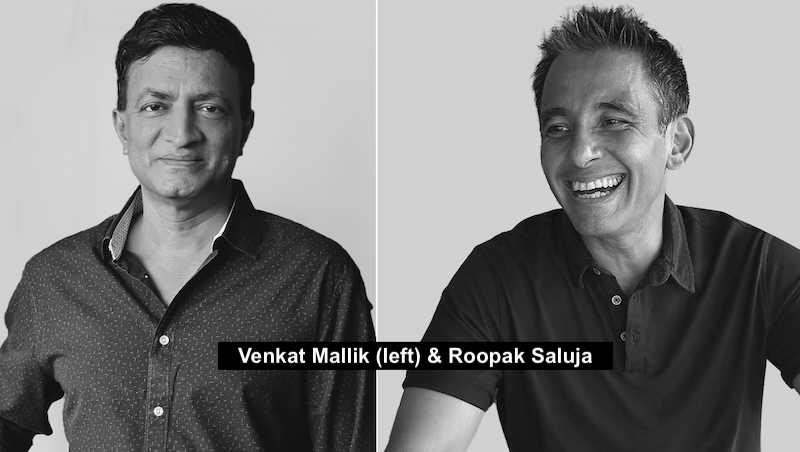
MUMBAI: Independent agencies Jack in the Box Worldwide and Tidal7 have sealed a merger, creating a new entity called J7 that aspires to be a “future-ready”...
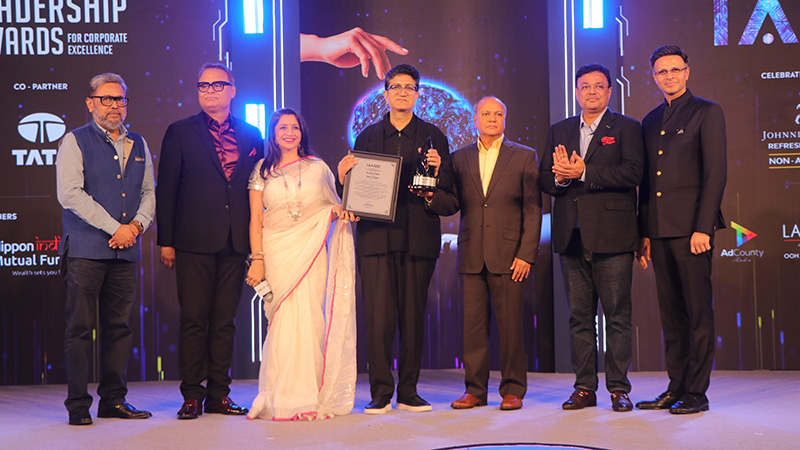
MUMBAI: McCann Worldgroup India of McCann Worldgroup Asia Pacific chairman, CEO and chief creative officer, Prasoon Joshi joins a globally esteemed group of individuals recognised for...
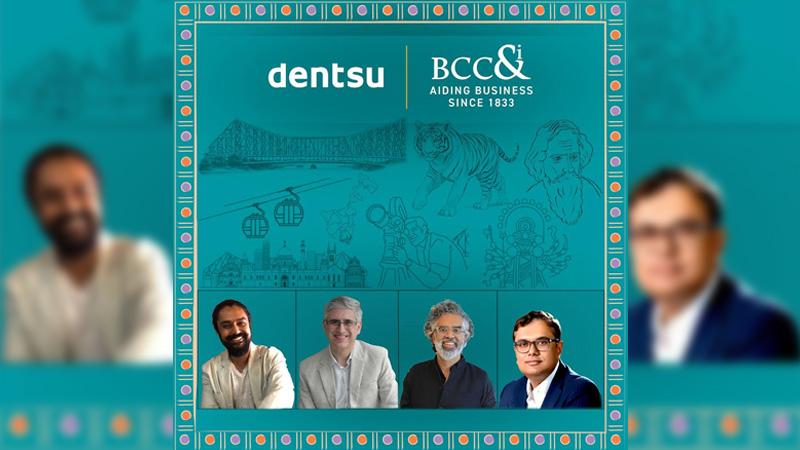
MUMBAI: Dentsu India, in strategic partnership with The Bengal Chamber of Commerce & Industry (BCC&I), has launched the inaugural Roaring Bengal Report – a bold declaration...
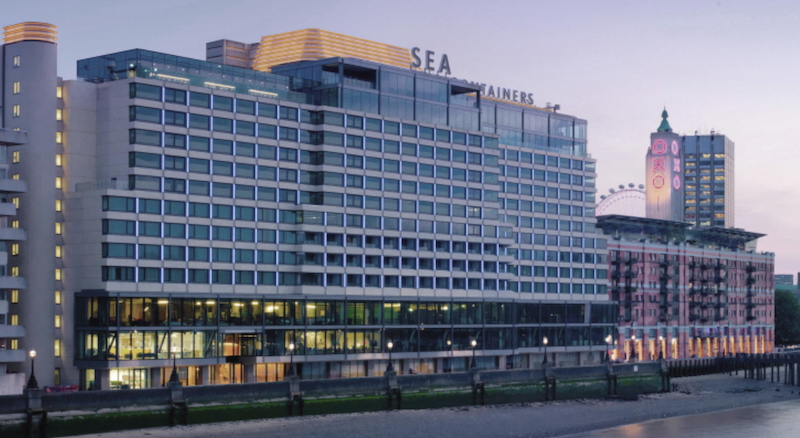
LONDON: WPP, the world’s biggest advertising agency, delivered a sobering performance in the first half of 2025, slashing its interim dividend by 50 per cent as...
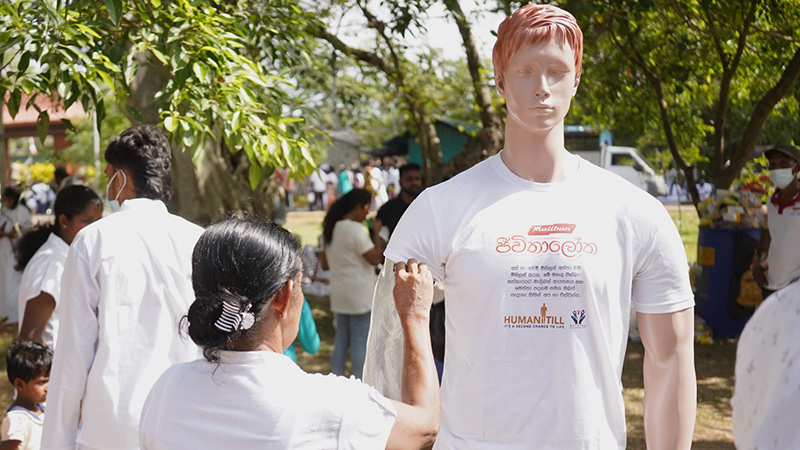
MUMBAI – In a powerful demonstration of creativity with purpose, TBWASri Lanka has unveiled a unique public engagement initiative called HumaniTill, developed in collaboration with its client...
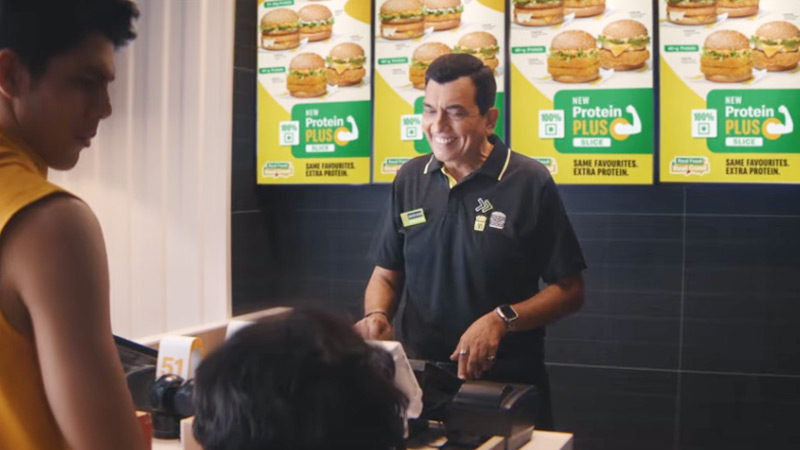
MUMBAI: McDonald’s India (West & South) has announced the return of culinary icon Sanjeev Kapoor for a new brand film highlighting its newly launched innovative and...
PARIS: Publicis Groupe delivered a scorching second quarter that left competitors in the dust, posting 5.9 per cent organic growth that significantly outpaced expectations and cemented...

MUMBAI: India’s advertising industry is on track for another year of robust expansion, with new projections from Magna forecasting total ad spend to reach Rs1.37 lakh...
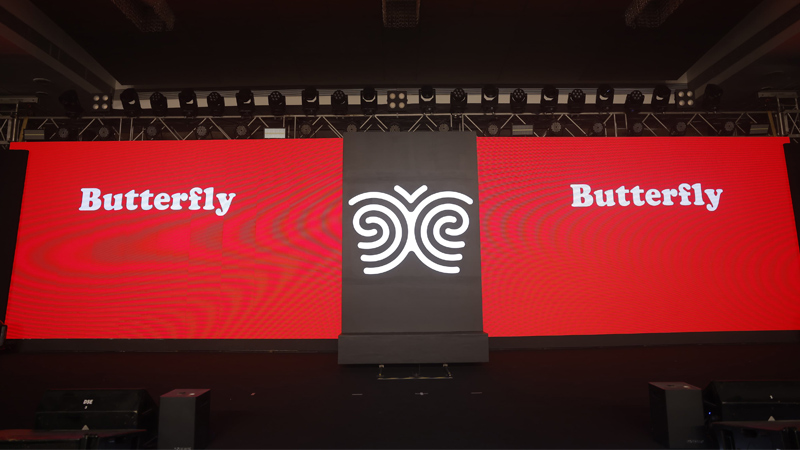
MUMBAI: NeoNiche Events has whipped up yet another brand spectacle, this time teaming up with Butterfly Appliances to script a high-voltage brand refresh and product launch....
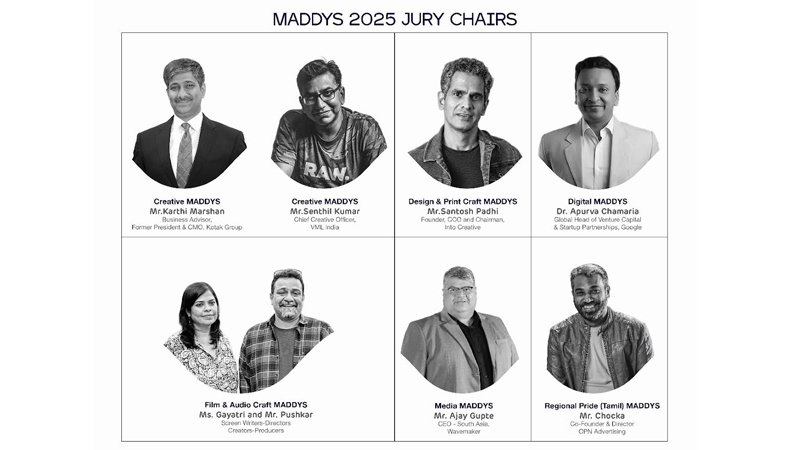
MUMBAI: The Advertising Club Madras is bringing the heat with the 43rd edition of Maddys, giving India’s longest-running advertising awards a slick new sheen – and...
MUMBAI: Who blew the whistle on Indian advertising’s best-kept secret? Turns out, it was the house of Dentsu. Three months after the Competition Commission of India...

MUMBAI: A facewash, a punchline, and 400 million views later, influencer marketing got its Cannes moment. Animeta Brandstar, the influencer engine behind some of India’s most...
MUMBAI: India wrapped up its Cannes Lions 2025 campaign in style, pocketing a cool 32 Lions—nearly double last year’s tally of 18. The final medal, a...
MUMBAI: Mumbai just got another byte louder in the digital ad space. Digiace, the latest entrant in India’s programmatic scene, formally stepped into the ring on...
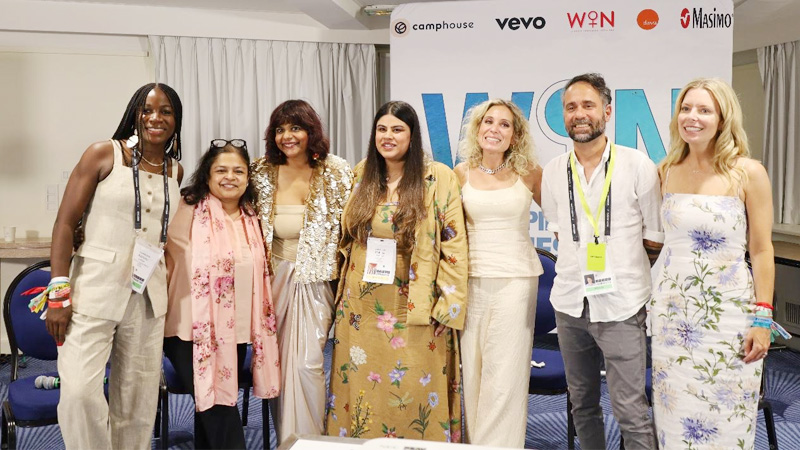
MUMBAI: The Women Inspiring Network (WIN) turned up the volume at Cannes 2025 with its buzzing #WINLounge, a high-energy hub at Hotel Martinez that celebrated diversity,...
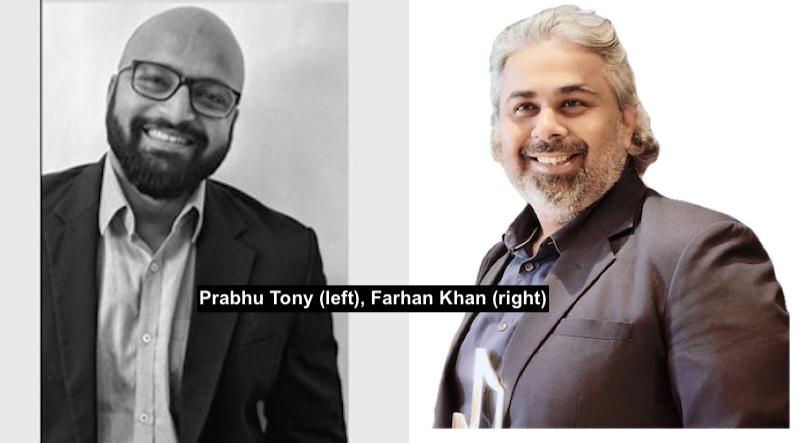
MUMBAI: Alchemist has rejigged its leadership stack with Prabhu Tony stepping up as chief executive officer – mainline business, and Farhan Khan taking over as head...
MUMBAI: Day one of the Cannes Lions International Festival of Creativity 2025 saw a sizzling lineup of winners across the Health & Wellness, Outdoor, Pharma, Print...
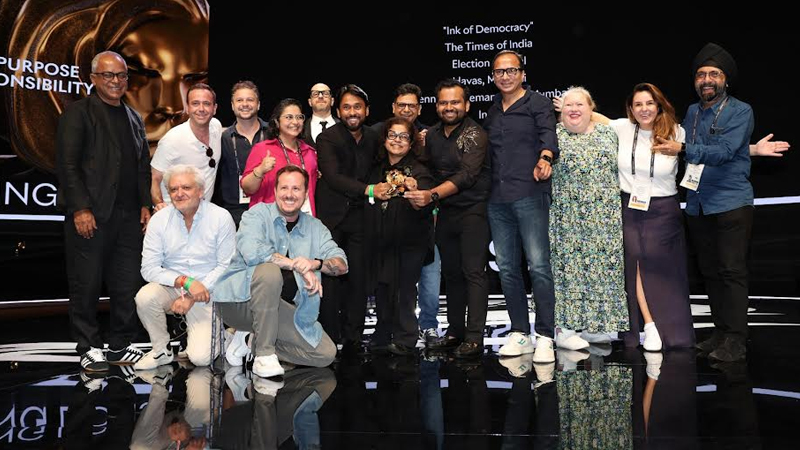
MUMBAI: Havas Creative India, the creative agency of Havas India, has brought home the country’s first Gold Lion at Cannes Lions 2025 for its powerful campaign...

MUMBAI: When global ambition meets local appetite, even digital donuts don’t last long. Aleph, the international digital media giant, has rebranded Mediadonuts—its regional digital ad business...
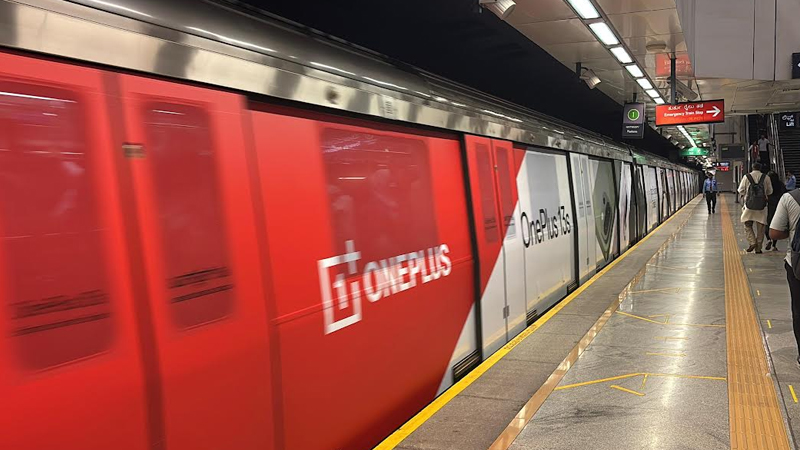
MUMBAI: In a high-visibility move that fuses tech with transit, Rapport Chrome, the outdoor arm of IPG Mediabrands, has partnered with OnePlus India to unveil the...
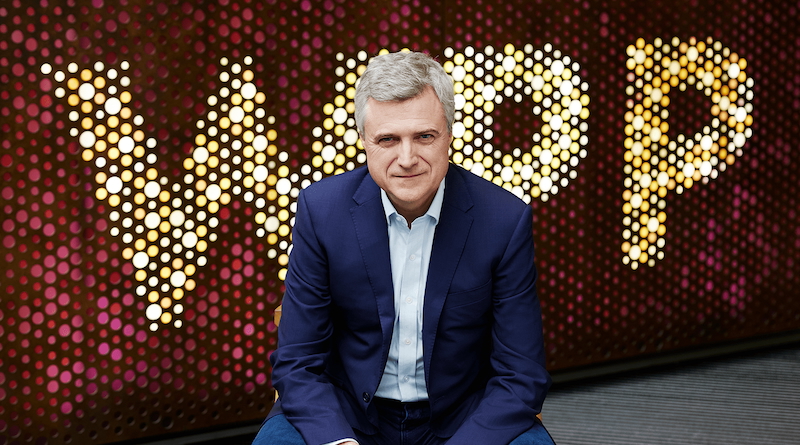
MUMBAI: WPP plc has just hit ‘next’ on its leadership playlist. The British ad giant announced that long-time chief executive officer Mark Read will hang up...
MUMBAI: When it comes to travel, Indians aren’t just packing bags, they’re packing pixels. In a year when revenge tourism fuelled wanderlust and digital-first habits reshaped...
MUMBAI: Ogilvy India has officially launched Ogilvy Consulting in the country, with seasoned brand whisperer Neeraj Bassi stepping in as head of the India practice. Based...
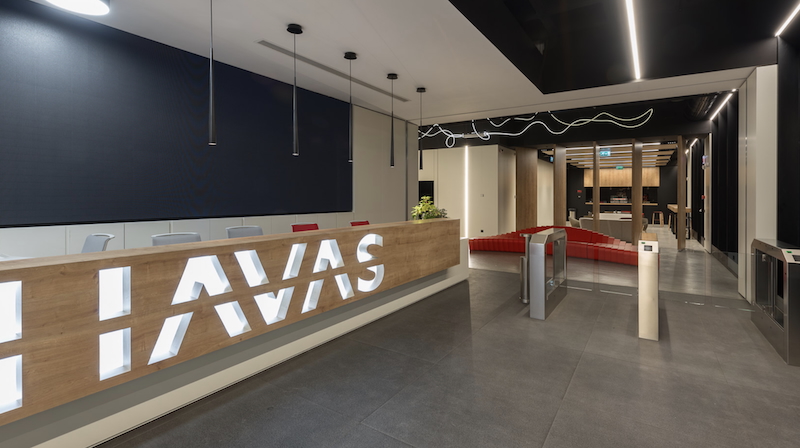
MUMBAI: Havas is flexing its customer experience (CX) muscle in North America with the acquisition of Toronto-based Enverta Digital, a boutique CRM and digital transformation outfit...
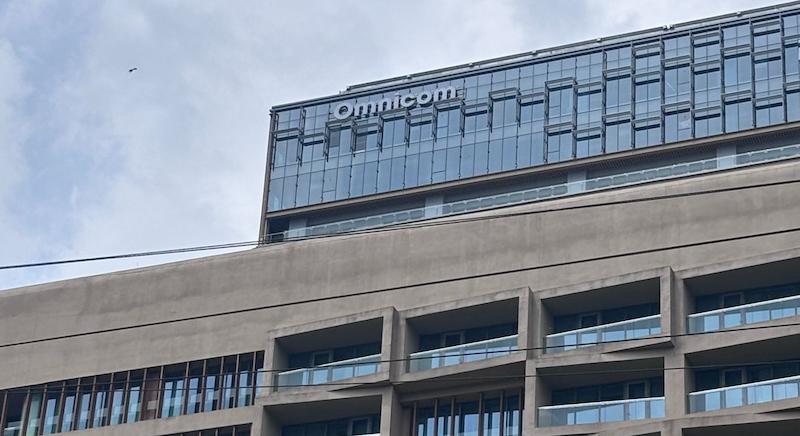
MUMBAI: India’s competition watchdog has given a decisive thumbs-up to one of the biggest shake-ups in adland: Omnicom Group Inc.’s acquisition of sole control over The...
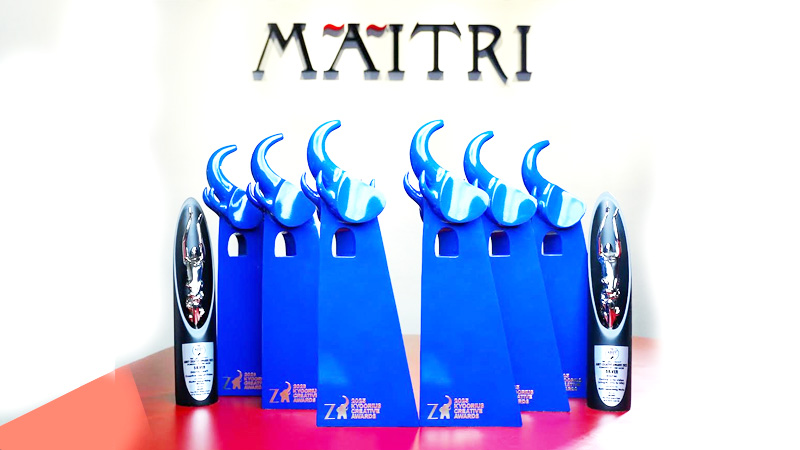
MUMBAI: They came, they played, they cleaned house armed with satire, nostalgia, and a killer instinct for viral storytelling. In a blockbuster awards season, Kerala’s very...
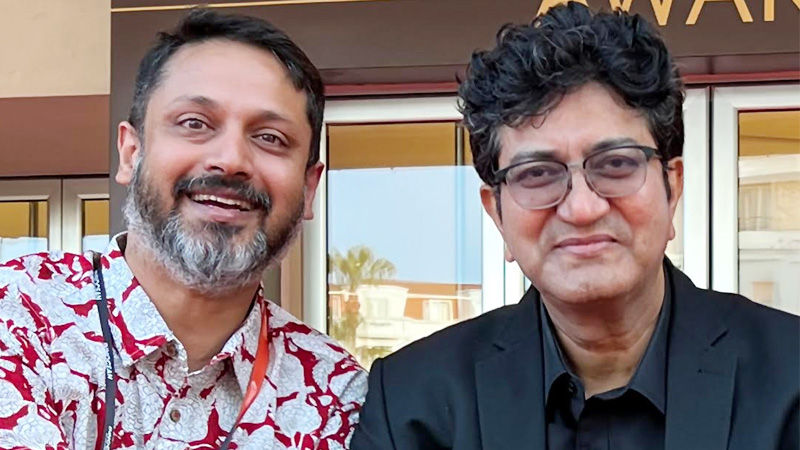
MUMBAI: McCann Worldgroup India has handed Sambit Mohanty the reins of its Bangalore operations in a dual capacity as EVP & creative head, effective June. The...
MUMBAI: When reputation precedes the passport, it pays to go regional. The Mavericks, one of India’s fastest-rising communications consultancies, has officially joined the One Asia Communications...
MUMBAI: Even as India’s advertising industry executives were painting the town red at their annual jamboree in Goa, a Reuters exposé should have them reaching for...
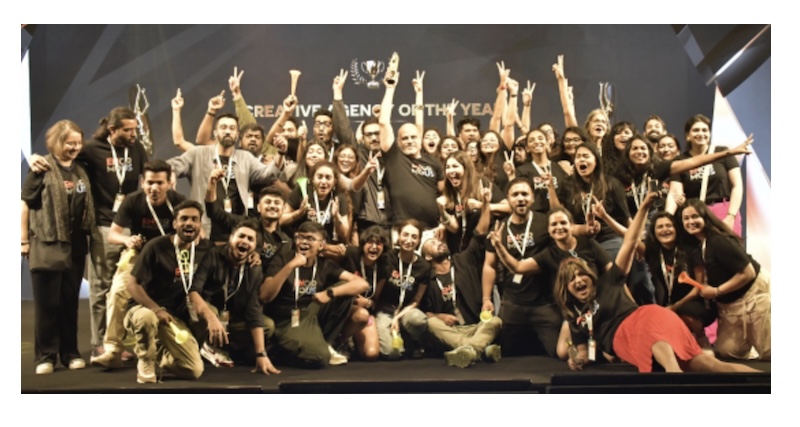
GOA: Mumbai’s glittering advertising elite gathered for the Abby creative awards 2025, powered by One Show, and what a bash it was! The night saw agencies...
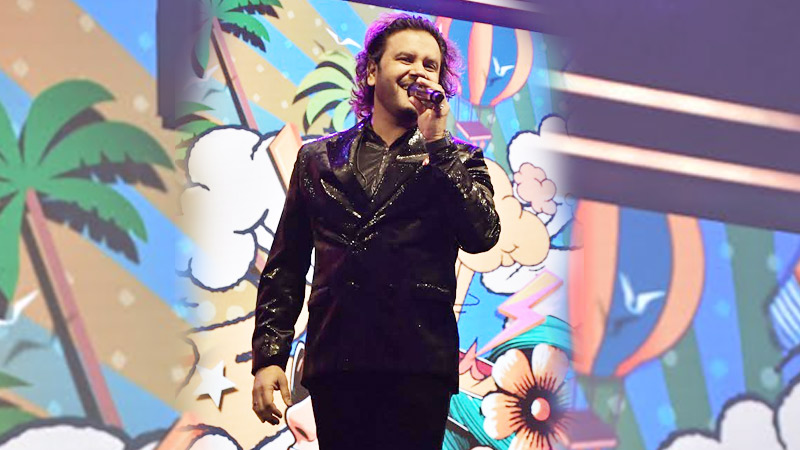
MUMBAI: Day three at Goafest 2025 opened not with a whisper but a roar. Under the theme Ignite Hungama, Indian playback singer Javed Ali lit up...
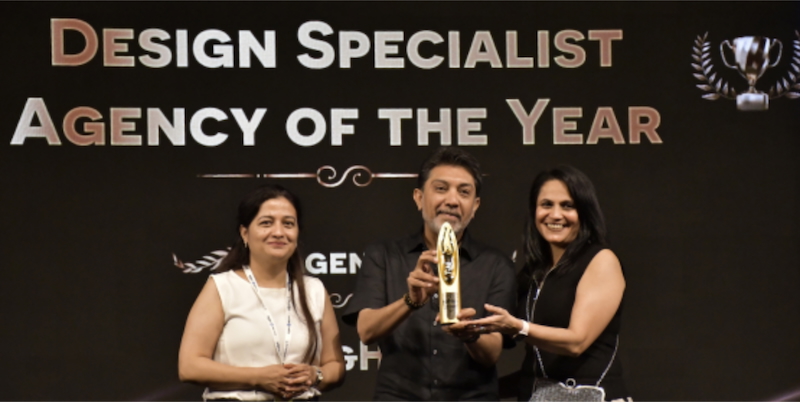
GOA: Day two of Goafest 2025 witnessed Y&H putting pen to paper and coming up with a masterpiece performance in the design specialist category, proving that...
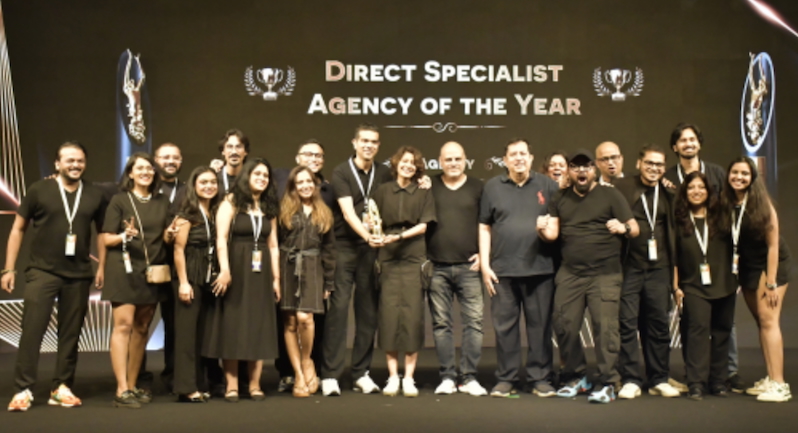
GOA: Day two of Goafest 2025 saw Leo India take the direct route to victory in the direct specialist category, proving that sometimes the shortest distance...
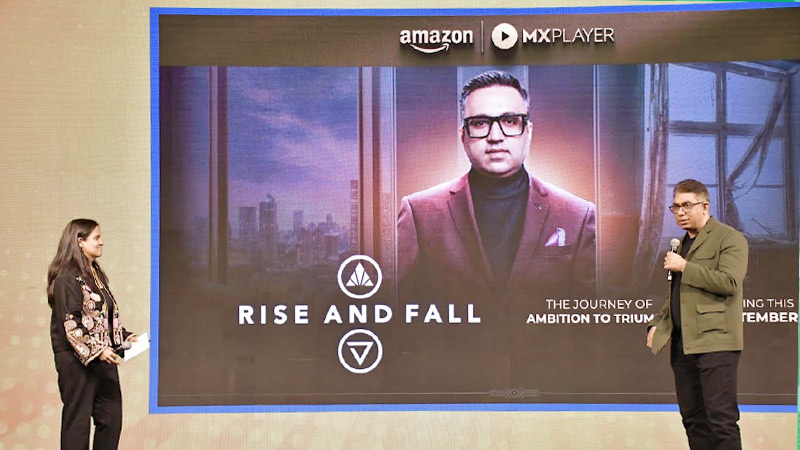
MUMBAI: The second day at Goafest 2025 closed on a power-packed note, stitching together the evolving face of leadership, storytelling, advertising, and digital strategy with candid...
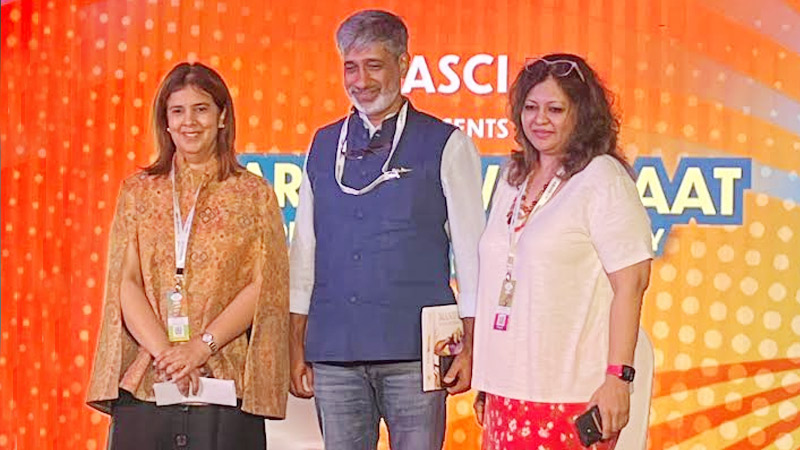
MUMBAI: Goafest 2025’s day two lit up with sharp insights and simmering provocations during the session “Mardon Wali Baat: A discussion on Masculinity in Advertising”. Held...
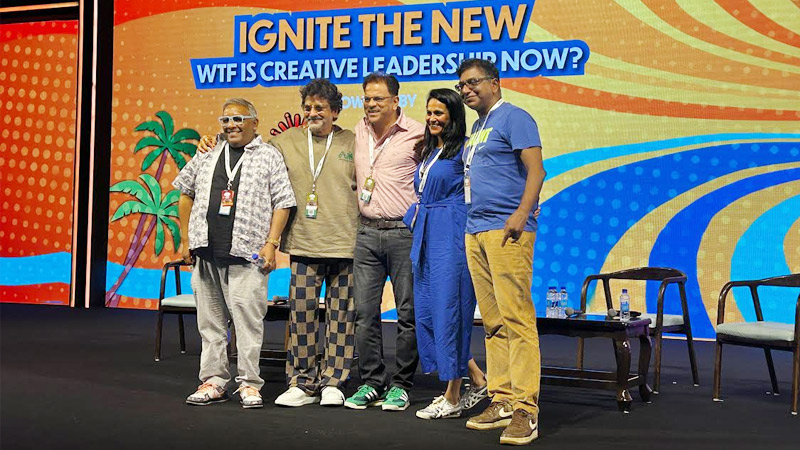
MUMBAI: At Goafest 2025’s high-energy panel “WTF is Creative Leadership Now?”—powered by Sun NEO and Amar Ujala—the crowd wasn’t just fed insight, it was served a...
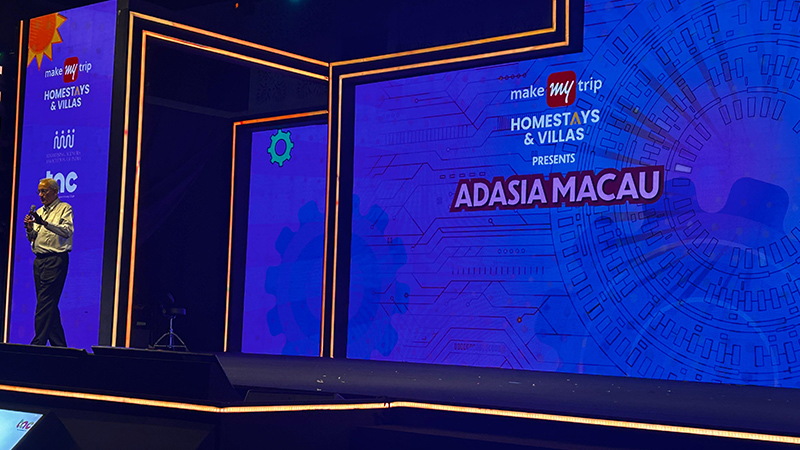
MUMBAI: At Goafest 2025, Asian Federation of Advertising Associations (AFAA) chairman Srinivasan K Swamy took to the stage to give India’s adland a tempting invitation: Macau...
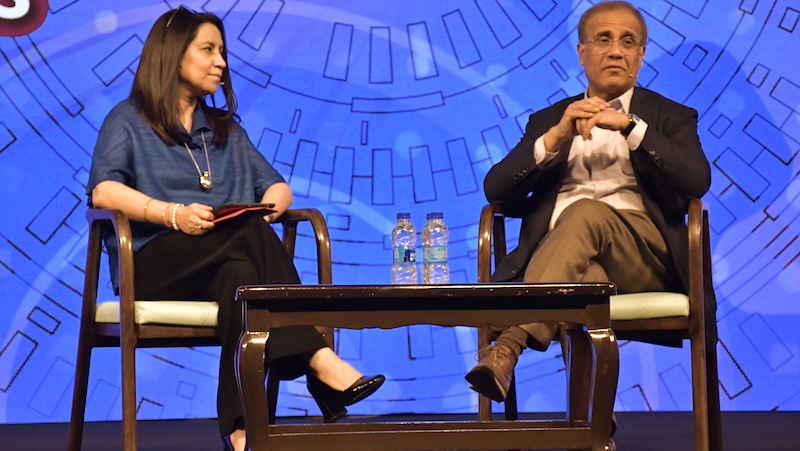
GOA: Change sucks, but irrelevance sucks harder. With that disarming one-liner, author and Publicis Groupe senior advisor Rishad Tobaccowala had the GoaFest 2025 crowd hooked. In...
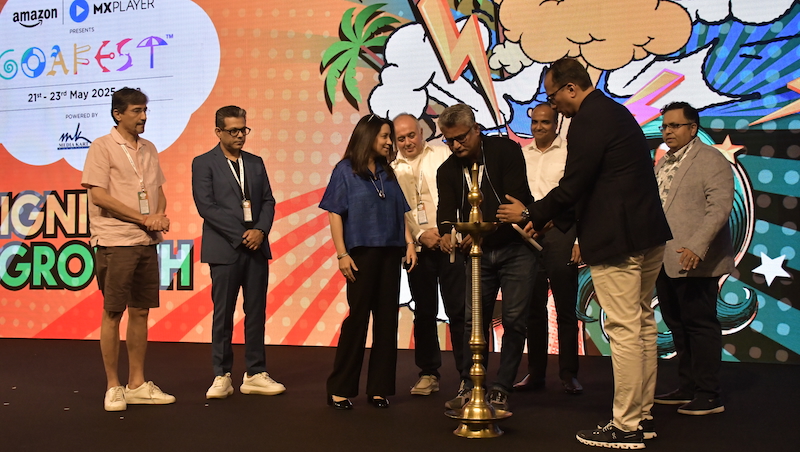
GOA: : Goafest 2025 opened its gates with more than just confetti. On 21 May, the industry’s most awaited gathering lit up the Taj Cidade de...
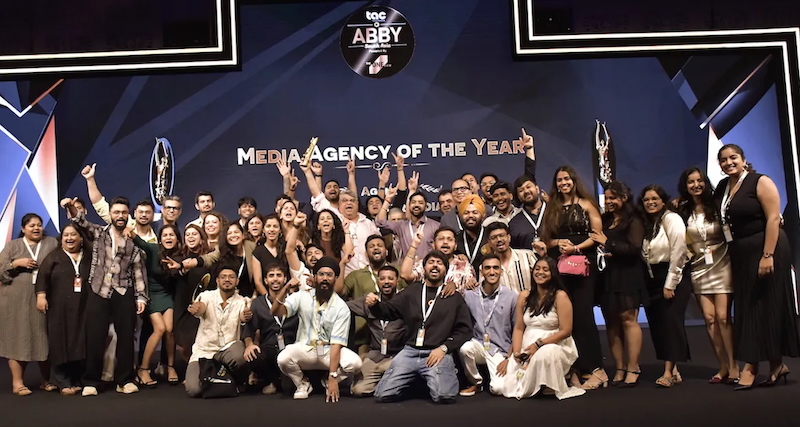
GOA: One Show’s Abby Creative Awards 2025 has crowned its champions, and Wavemaker India has surfed to victory with a staggering haul. The media powerhouse dominated...
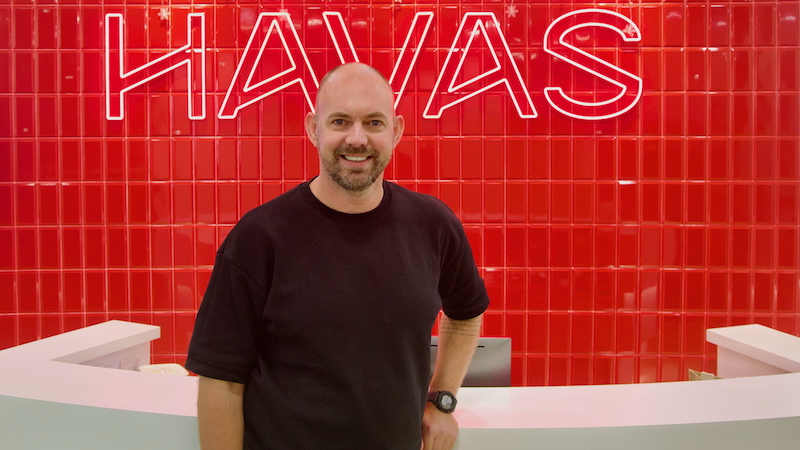
MUMBAI: Havas’ AI-fuelled content-at-scale agency Prose on Pixels is ready to switch on the afterburners in Asia Pacific, appointing Joris Knetsch as executive vice-president for the...
MUMBAI: Havas has doubled down on data by expanding its tie-up with research heavyweight YouGov, now covering 30 markets across its media, creative, and health networks....

Platforms get three years to add features for hearing and visually impaired
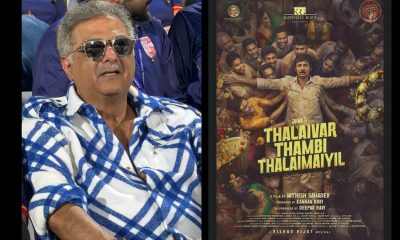

Strong word-of-mouth turns Pongal satire into remake pick

Streaming giant bets on a seasoned marketer who helped build Amazon and Netflix into household names

Communications leader exits after three years spanning MD office strategy and media outreach.

Cricket star named face of Delhi Khel Mahakumbh to fuel youth talent hunt.

Kolkata-based beverage maker reports stronger revenues and profits for December quarter.

A crime thriller steps out of the shadows as Telugu storytelling claims centre stage.

From boards to bytes, chess readies for a nation-first showdown in Riyadh.


Leadership change follows layoffs, protests and a bruising battle over trust.

Revenue rises 4.3 per cent to Rs 10,209.33 crore while deferred tax gain lifts bottom line sharply


Akshay Kumar and stars launch awards at NSCI Dome on Feb 28

Merger creates one-stop hub for content, digital, and delivery
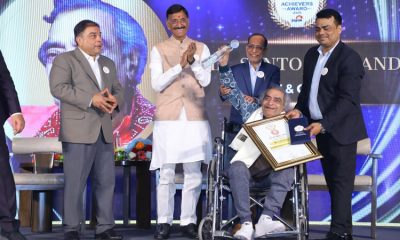

NEW DELHI: Hamdard Laboratories gathered a cross-section of India’s achievers in New Delhi on Friday, handing out the Hakeem Abdul...

MUMBAI: For decades, creative storytelling has been the cornerstone of brand communication. The “big idea” amplified through catchy jingles, striking...

MUMBAI: Zepto has elevated Ahmad Muneeb to vice president – HR centre of excellence, placing him at the helm of...
