Category: Marketing

  • Personalisation gets a makeover at Media Investment Summit 2025: Brands speak human in the digital age

    Personalisation gets a makeover at Media Investment Summit 2025: Brands speak human in the digital age

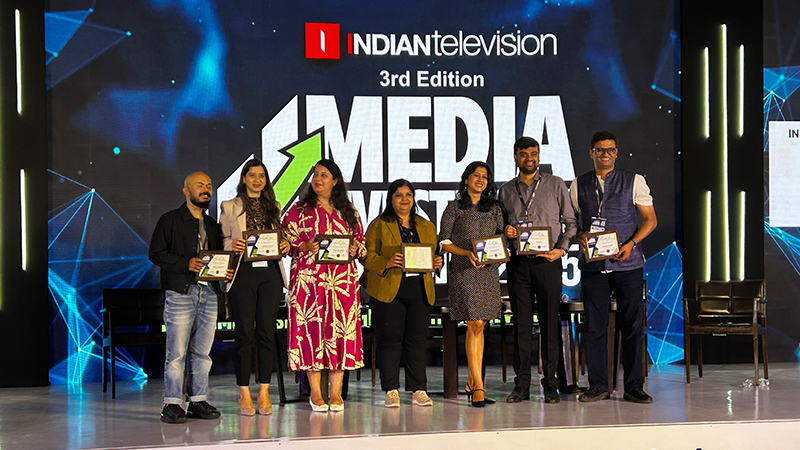
    MUMBAI: It was anything but business as usual at Indiantelevision.com’s Media Investment Summit 2025. The curtain rose with a compelling session titled ‘Panel 1: Building Personalised Brands in the Digital Age’, where marketing mavericks laid bare the future of branding—minus the fluff, minus the spam, and all about relevance.

    Moderated by Giri Digital Solutions director of content & new media Abhishek Prakash the panel saw brand leaders unpack the hard truth: personalisation is not a “nice to have”—it’s the survival toolkit in an age of shrinking attention spans and overflowing feeds.

    “Personalisation has evolved beyond just calling someone by their first name”, opened Prakash. “In our YouTube MCN, we work with creators and brands to develop narratives that reflect emotional resonance, not robotic targeting”.

    Cipla director & head of growth & omnichannel marketing Aditya Das stressed the human side of data. “For Cipla, hyper-personalisation begins with understanding pain points, not just segments. The focus is on emotional connection across every patient touchpoint, and data is only as good as the insight it brings to the doctor’s table—or app”, said he.

    Table Space CMO Megha Agarwal believes workspace personalisation is not just physical but deeply experiential. “Data without empathy is surveillance. Empathy without data is guesswork. For us, the coffee machine remembers the CEO’s latte, not the advertising copy”, she said. Agarwal laid out how real estate branding is not just pre-sale persuasion but post-sale retention, with employee satisfaction now a key conversion metric.

    “Attention is the currency today”, said Bharti AXA Life Insurance deputy VP marketing Harshita Hemnani. In a life-decision industry like insurance, relevance and purpose matter more than ever. “We’re not just selling policies—we’re helping customers meet life aspirations”, she added. Hemnani outlined four pillars of personalisation—technology, empathy, intelligence, and creativity—highlighting that only when all four converge does a brand message land meaningfully.

    Mahindra Holidays & Resorts VP – customer operations Shweta Srivastava stressed the role of immersive content and brand storytelling. “It has to be emotional”, she said, citing Google’s viral 2021 ad on partition reunions as a case study in storytelling with soul. She also touched on the power of augmented reality (AR) in helping customers visualise their dream holidays, saying, “It’s not fiction. It’s functional”.

    Tata Realty marketing head – west & south zone Kiran Bhambani argued that in commercial real estate, brands are not just selling square footage but a daily experience. “Our job is to reduce attrition, not just sell walls”, she said. Using virtual tours, voice-led campaigns, and CRM automation, Tata Realty now offers clients an office that listens before it speaks.

    Business Standard VP – marketing head Moneesh Chakravarty warned against drowning in dashboards. “If spreadsheets could make decisions, we’d all be billionaires”, he joked. His mantra: marry intuition with insight. “You need to treat media not as traditional or digital—but as responsive”.

    In their final remarks, panellists urged marketers to stay human in their automation. As Prakash put it: “Don’t just personalise—empathise. Make the algorithm feel like a friend, not a stalker”.

    Srivastava summarised it with flair: “Personalisation is no longer about inserting names in emails. It’s about making people feel seen and heard—consistently, contextually, and with care”.

    With that, the panel set the tone for the summit—personalised branding is not about shouting louder. It’s about speaking clearer and closer to the consumer’s heart.
  • Wendy’s rolls out a bun voyage with its International Burger Bash

    Wendy’s rolls out a bun voyage with its International Burger Bash

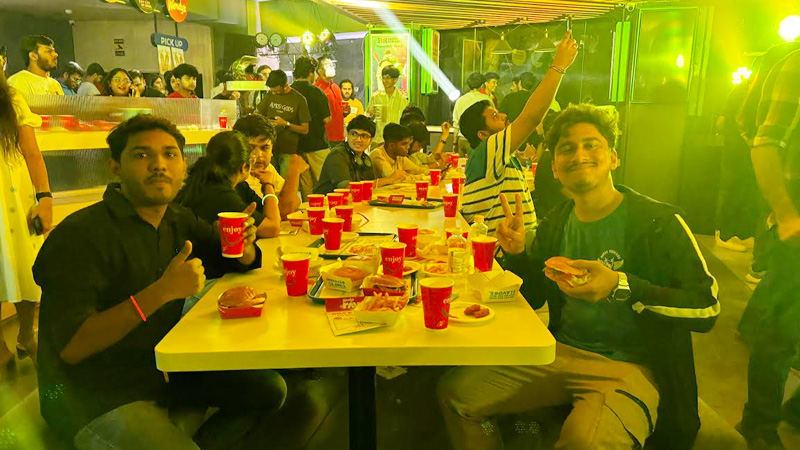
    MUMBAI: Why scroll for flight deals when your next global trip could come between two buns? Wendy’s India is kicking off its first-ever International Burger Bash, a zesty celebration of bold global burgers, pop-culture play, and sticker-collecting swagger. Running from May 28 to June 15, the flavour fest is designed to be more than just a menu update, it’s a full-blown party where every bite comes with a side of fun.

    “This isn’t just a menu refresh, it’s a flavour movement,” said Rebel Foods CMO for India Nishant Kedia. “We’ve brought global inspiration, added a dash of desi flair, and wrapped it all up in a playful, gamified experience. It’s everything Wendy’s stands for bold, quirky, and unforgettable.”

    Here’s the globe-trotting line-up:

    . Nachoburg Cheese Burger (Mexico) – Jalapeños, salsa, and crunchy nachos for that extra ‘olé’.

    Chimichurri Burger (Argentina) – Creamy, zingy and bright just like Buenos Aires.

    Korean Burger (Korea) – Drenched in buldak-style sauce that brings the heat.

    American BBQ Burger (USA) – Smoky, juicy and backyard-barbecue-ready.

    Firebolt Tandoori Burger (India) – Desi spice lovers, this one’s your home turf hero.

    All burgers come in vegetarian and non-vegetarian options, ensuring nobody misses this global joyride.

    But it’s not just about stuffing your face, it’s a whole experience:

    Order a burger, get a sticker sheet. Collect ‘em all to win:

    3 sheets = Free Burger

    4 sheets = Free Meal

    5 sheets = Free Burgers for a whole year (yes, seriously)

    Wendy’s is turning five cities into burger-filled dance floors with late-night store raves:

    Pune – June 6 | Law College Road EatSure Foodcourt

    Delhi – June 7 | Kirti Nagar

    Rajkot – June 8 | EatSure Foodcourt

    Hyderabad – June 13 | Hi-Tec Mall

    Bangalore – June 14 | BTM Store

    With DJs, neon lighting, dancing burger mascots and more, these parties promise to be flavour first, FOMO later.

    Sai Godbole, the multilingual comedy queen, stars in a fun video series introducing each burger with global flair. Bonus? A food-rap anthem that’s guaranteed to live rent-free in your head.

    Add to that an influencer army sharing their sticker spoils and burger hauls, and you’ve got a campaign that’s as sticky as melted cheese.

    Whether you’re craving Korean spice or craving free burgers for a year, the International Burger Bash is flipping the script on fast food. Wendy’s India just made eating out the most entertaining global tour this summer.
     

  • Denim with a Kick Vidyut Jammwal joins Spykar for bold new ‘Chico’ fit

    Denim with a Kick Vidyut Jammwal joins Spykar for bold new ‘Chico’ fit

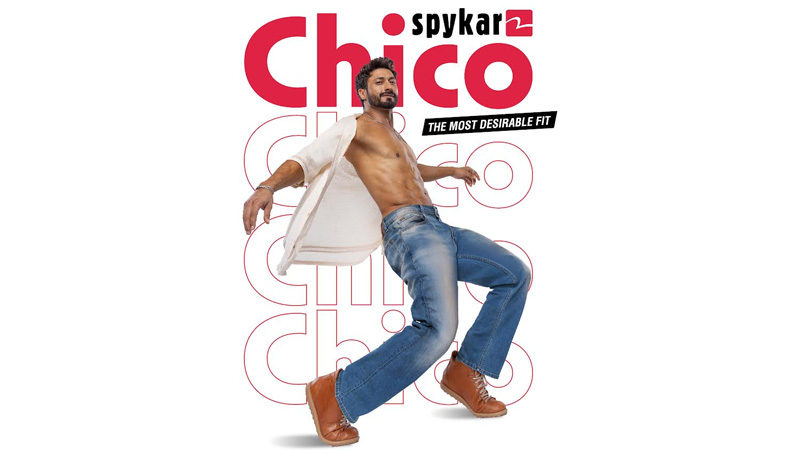
    MUMBAI: He’s kicked villains in mid-air, scaled walls like they’re gym equipment and now, Vidyut Jammwal is doing high-flying fashion too.

    In a move that spells style with swagger, homegrown denim giant Spykar has roped in action hero and fitness icon Vidyut Jammwal as the face of its latest campaign for Chico, the brand’s most desirable denim fit. Described as confident, relaxed, and engineered for comfort, the Chico fit is all about freedom of movement without compromising on sharp aesthetics qualities that make Vidyut the perfect match.

    “Spykar represents a mindset, one that’s confident, original, and unapologetically expressive. Joining the Spykar community felt like a natural fit for me, and being part of the Chico campaign is an exciting way to celebrate style with purpose. Chico is not just about denim, it’s about freedom, strength, and owning your space with pride,” said Jammwal.

    The Chico fit sits at the intersection of form and function crafted from premium stretch denim, tailored with a relaxed silhouette, and designed for breathability and performance. Whether you’re running errands or running parkour (à la Vidyut), these jeans are built to move with you.

    Spykar CEO and co-founder Sanjay Vakharia added, “Spykar has always spoken the language of denim i.e. expressive, unapologetic, and relentlessly authentic. With Vidyut joining our community, we’re not just adding a face; we’re amplifying a mindset. Chico represents everything a denim universe requires style, performance, and purpose.”

    The campaign celebrates the rise of a fashion-forward, purpose-led generation, one that chooses comfort without compromising on individuality. With its Rs 2,000 price point and mass-appeal silhouette, Chico is more than a fit, it’s a flex.

    Spykar, known for being tuned into India’s evolving youth culture, positions this launch as more than a fashion drop. It’s a statement about style, power, and living unapologetically. With Vidyut’s all-action persona and Spykar’s cool credentials, it’s clear: denim just got a whole lot daring.

  • Sole survivor Adidas Launches Adizero Evo SL to sprint ahead of the pack

    Sole survivor Adidas Launches Adizero Evo SL to sprint ahead of the pack

    MUMBAI: Why just hit your stride when you can turn heads while doing it? Adidas has laced up for a high-speed style statement with the launch of the Adizero Evo SL, a sleek new entrant in the running game that blends the pace of a racer with the polish of a fashion-forward trainer. Built to give everyday runners a slice of elite performance, the Evo SL takes design cues from the brand’s game-changing Adizero Adios Pro Evo 1, but at a more accessible price point.

    Set to drop on 30th May 2025 for Rs 15,999, the shoe is engineered for fast training runs and just as ready for the ‘Gram as it is for a sprint.

    Minimalist in style but maximalist in intent, the Evo SL features clean white uppers slashed with adidas’ iconic three black stripes, a blur when the runner kicks into high gear. But it’s what’s under the hood that really delivers.

    The full-length Lightstrike Pro midsole gives the shoe its featherweight rep tipping the scales at just 188g for women and 224g for men making it the lightest trainer in adidas’ running arsenal. Unlike its race-day cousins, it skips stiffening elements for a more responsive, cushioned ride.

    Breathability and comfort are also stitched into the mix with an engineered mesh upper, providing airflow and targeted support right where you need it most.

    With the Evo SL, Adidas isn’t just selling a shoe, it’s democratising the speed game, bringing the signature Adizero punch to runners who want style, substance, and split times to match.

    Available online and via the adidas flagship app, this one’s not just for the finish line, it’s built to make every run feel like race day.

  • Sunfeast’s new cookie shines bright with butter, glaze and mother’s love

    Sunfeast’s new cookie shines bright with butter, glaze and mother’s love

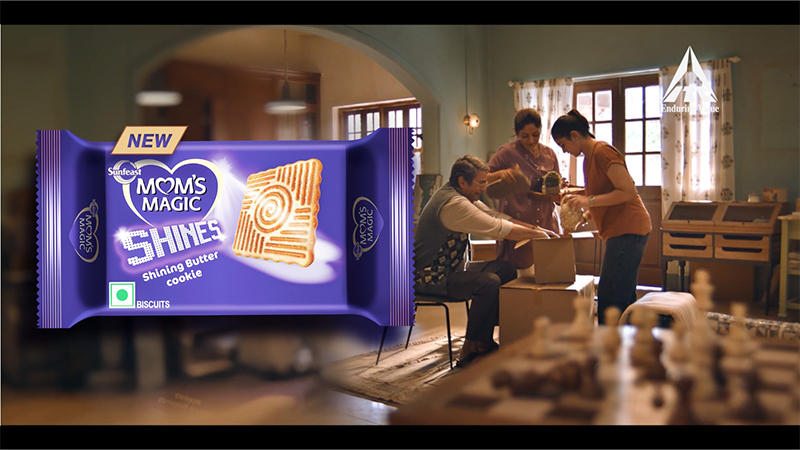
    MUMBAI: Turns out, a mother’s love isn’t the only thing that leaves you glowing, Sunfeast’s new cookie does too. ITC Sunfeast Mom’s Magic has just launched Shines, a shiny butter cookie glazed to golden perfection, and it’s got more than just sugar on top, it’s sprinkled with emotion, nostalgia, and warmth. With a delicate sugar coating and eight crispy layers, Shines promises a melt-in-mouth indulgence designed to add sparkle to everyday snacking.

    And bringing this cookie’s story to life is veteran actress Nadhiya Moidu, who stars in the brand’s latest TVC, marking the product’s debut with a poignant tale of maternal support. In the film, Nadhiya plays a mum who sweetly nudges her daughter’s dreams forward convincing her traditional father-in-law to let the young girl pursue chess training in Chennai. As she gently glazes a butter cookie, the message is clear: a mother always finds a way to make her child shine.

    “At Sunfeast, we believe in constantly innovating to craft differentiated offerings that bring unique sensorial experiences to our consumers,” said ITC Ltd chief operating officer for Biscuits and Cakes Cluster Ali Harris Shere. “Shines’ is our way of elevating the taste of a classic cookie experience and establishing a new vision for cookies altogether. By introducing a light & crunchy cookie, we are challenging the status quo and redefining what indulgence can look like. We are confident that butter cookie lovers will relish this innovation and make it a cherished part of their snacking routine.”

    Backed by Ogilvy Bangalore, the campaign builds on Mom’s Magic’s longstanding theme of mothers as everyday superpowers.

    “Mothers will do whatever it takes to make their children shine, and their love never becomes an obstacle; in fact, it fuels them to take the road less travelled,” said Ogilvy Bangalore chief creative officer Puneet Kapoor.

    Currently available across Andhra Pradesh and Telangana, Mom’s Magic Shines comes in two sizes 44g for Rs 10 and 128g for Rs 35 with packaging that mirrors the cookie’s polished finish. It’s a simple treat that wraps a little magic, a lot of love, and just enough glaze to make every bite feel like home.

    With this launch, ITC continues its run of crafting not just snacks, but stories that stick, one crunchy layer at a time.

  • Understanding the Basics of Two-Wheeler Insurance in India

    Understanding the Basics of Two-Wheeler Insurance in India

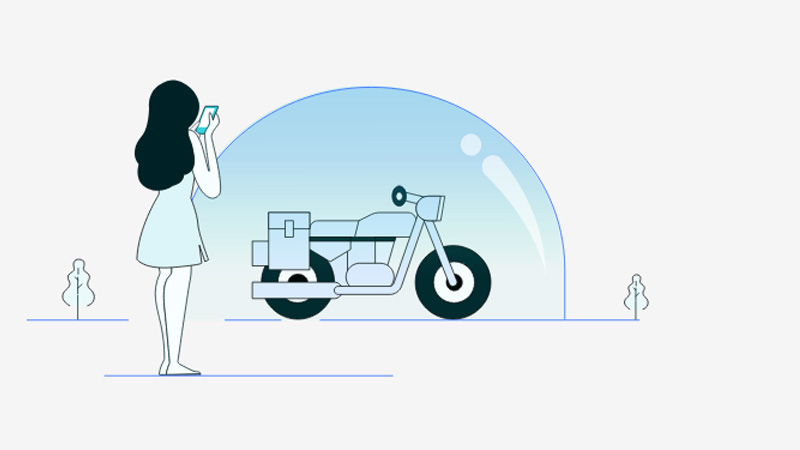
    Owning a bike in India means more than just enjoying the convenience of zipping through traffic—it also comes with legal responsibilities. A two-wheeler insurance policy acts as a protective financial shield, offering cover for potential losses, damages, or liabilities arising due to road mishaps. These policies are available in different forms to meet diverse needs, with third-party and comprehensive coverage being the most common types.

    What Does Third-Party Bike Insurance Include?

    Third party bike insurance is the most basic form of two-wheeler insurance mandated by Indian law under the Motor Vehicles Act. This type of policy protects the rider from legal and financial liabilities caused to another individual, vehicle, or property. If an accident involving your bike causes injury or property damage to a third party, this insurance covers the compensation.

    The coverage generally includes expenses related to bodily injuries, disabilities, or death of third parties. It also pays for legal assistance in case the matter escalates to court. Property damage coverage is typically available up to a certain limit, which helps minimise the financial strain after an accident.

    Key Features and Benefits of Third-Party Policies

    Opting for a third-party plan ensures compliance with the law, helping you avoid hefty fines that range from ₹2,000 to ₹4,000. It offers several benefits beyond just legal protection. These policies are cost-effective and are priced based on the engine or battery capacity of the vehicle, offering affordability to a wide range of bike owners.

    Another advantage is the ease of online policy purchase and renewal. Insurers now provide digital platforms that simplify the buying process, making it more convenient to manage your cover from anywhere. Additionally, policies often include a built-in personal accident cover for the owner-driver, offering medical support in case of injury.

    How the Premium is Determined

    Premiums for third-party insurance are regulated by the IRDAI and based on fixed criteria. The two main factors influencing the premium rates are the engine cubic capacity (for fuel-based bikes) and battery capacity (for electric bikes). Higher capacity usually leads to higher premiums due to the increased risk involved. For example, a fuel-based bike with an engine above 350 CC will have a significantly higher premium compared to one under 75 CC.

    Electric bike owners benefit from separate premium slabs. The lowest premiums apply to bikes with up to 3 KW battery capacity, while those with over 16 KW are charged the highest. These clearly defined tiers bring transparency and predictability for policyholders.

    Long-Term Plans for New Bike Owners

    New bike owners are required to opt for long-term third-party plans, typically spanning five years. This ensures consistent protection for the initial period without the hassle of annual renewals. Long-term plans also offer cost efficiency when compared to renewing a one-year policy every year.

    The pricing for these long-term plans varies based on the same engine or battery specifications. These rates are standardised and published annually by the IRDAI, allowing new bike buyers to plan their insurance costs upfront at the time of purchase.

    What’s Covered and What’s Not

    Third-party bike policies cover legal liabilities arising from accidents that result in injuries or death of a third party or damage to their property. Some policies also include personal accident cover for the insured, which offers compensation for disabilities or fatal injuries resulting from an accident.

    However, it’s important to note what is not covered. These policies do not pay for damage to the insured’s own bike. For example, if your two-wheeler is damaged due to fire, theft, or natural calamities like floods or earthquakes, you won’t receive compensation under a third-party plan. Additionally, accidents occurring outside India’s borders, or caused while riding without a valid licence or under intoxication, are excluded from cover.

    Exploring the Scope of Two-Wheeler Insurance Beyond Basic Liability

    While third-party policies fulfil legal requirements, many bike owners prefer broader protection through full bike insuranceplans. These provide cover for damage, theft, natural disasters, and more. In case of total loss—where the bike is beyond repair or stolen—the insurer reimburses the Insured Declared Value (IDV), which is the vehicle’s market value.

    A comprehensive policy also extends to include add-on covers such as zero depreciation, engine protection, roadside assistance, and daily allowance during repairs. These extras are particularly useful for those who use their bikes regularly or have high-value two-wheelers.

    Choosing the Right Policy Type for Your Needs

    The decision to opt for basic or extended cover depends on multiple factors like the age and value of the bike, usage frequency, location, and personal financial preferences. For example, older bikes that are seldom used may only need third party bike insurance, whereas newer or high-end models may benefit more from a broader policy that includes own damage and additional features.

    Daily commuters or individuals riding in traffic-heavy cities are exposed to more risks, making comprehensive plans a better option for them. Conversely, occasional riders or those in low-risk areas might find a third-party plan sufficient for their needs.

    The Process of Buying a Policy Online

    Getting your two-wheeler insured is simpler than ever with digital platforms. Most insurers now allow you to get quotes, compare coverages, and purchase policies directly through their websites. All you need to do is fill in the bike’s registration details, engine capacity or battery size, and select the duration of the plan. After payment, the policy document is issued instantly.

    Renewal is equally hassle-free and usually involves a reminder before expiry, letting you renew your cover with just a few clicks. This level of convenience ensures that policyholders stay compliant and protected without any interruptions in coverage.

    Final Thoughts

    Two-wheeler insurance, particularly third-party coverage, is more than a legal formality—it’s a financial safeguard for both the rider and the public. Whether you choose a basic or comprehensive plan, having active cover helps manage risks, legal complications, and financial burdens that may arise on the road. It’s essential to evaluate your usage, budget, and risks to choose the right type of policy that aligns with your needs and ensures a safer ride every day.

  • What Every First-Time Homebuyer Should Know Before Financing Their Dream Home

    What Every First-Time Homebuyer Should Know Before Financing Their Dream Home

    For a large number of Indians, a home holds more value than it implies as far as a milestone. Instead, a home is a sign of not only financial security but also emotional balance, provision of a place of residence for the present and future generations. But for those who are buying a home for the first time, the access to such an apartment in the suburbs or a house in a place that is yet to be developed may not be an easy task in a market where they come across unfamiliar terms all the time, rates that rise and fall, and endless red tape. The answer to being a confident and well-informed purchaser is being familiar with the right financial ways to enable you to buy a house from the loan types to the doorsteps of a property loan.

    It is always thrilling to buy your first house, though, and for sure, an exciting experience. However, you might still have to proceed through complex processes. The complexity is a consequence of the fact that you are not familiar with the home financing process. Through the right understanding of home financing, especially in India, you would have nurtured the art of systematizing the process while still affording to have new experiences.

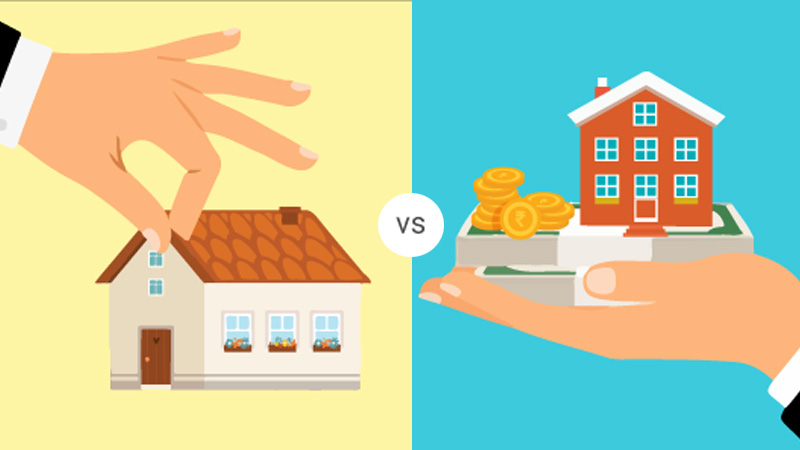
    Housing Loan vs Property Loan: Know the Difference

    Most of the new buyers use the two terms interchangeably and yet there’s a distinction between them that needs to be understood.

    A housing loan is a loan that is meant for the sole purpose of purchasing or constructing residential property—flat, villa, or an independent house. Generally, it comes with a lower interest rate, more extended repayment tenure (up to 30 years), and one can save tax under Sections 80C and 24(b).

    To the contrary, a property loan, which is popularly known as a loan against property (LAP), is a secured loan whereby the existing property is leveraged to borrow funds. A housing loan helps one to buy a dream home, unlike a property loan which is used for personal or even business purposes. With various examples like business expansion, higher education, or rather another real estate investment.

    For a lot of first-time home buyers, it’s always about getting a housing loan, not knowing that in case they are the property owners already, there is another option of money lending which is a good leverage. One should understand the alternative source of funds later if they possess a property and want to use its value to get a loan.

    Know Your Creditworthiness Right at the Start

    The one thing that most banks always need to look at first when you are asking for a mortgage is your credit score. A score of 750 is considered good, higher than that allows you to avail more credit at a lower interest rate. But if you score lower than that, you should definitely improve it before you apply – repay credit card debts, limit loan applications and have a credit mix in good standing etc. can keep your score high.

    Your debt-to-income (DTI) is another important area that is considered by your bank. The figure may get lower if currently, you are servicing some other loans such as car or educational loans.

    Fixed Interest Rates vs. Floating Interest Rates: Any Better?

    It is the rate that moves up and down constantly vs. the one that doesn’t. In other words, the dilemma of which interest rate is more advantageous comes up. Fixed rates provide this assurance, you know exactly the same amount of money out of your pocket every month, and so you can make a budget easily. Nevertheless, these rates might be a bit higher starting.

    In contrast, the first one is maintained throughout, while the latter is derived from the repo rate and can change in the future. With the RBI changing the repo rates to control inflation and to stabilize the economy, it is not difficult to foresee lower interest rates for borrowers due to floating rates.

    If the players in the housing market are those who never want to step into unknown territories, they might pick a fixed rate up. On the other hand, a floating rate could attract you if you have a sound financial footing and are willing to take that risk that comes by. It will be a money-saving method in the long run if the interest rates are in favor of the borrower.

    Neglecting Prepayment and Foreclosure Terms Could Be Costly

    It is very common that you wish to prepay a part of your mortgage or even close it prematurely. To this, it is of utmost importance to verify that the lender does not charge penalties for prepayment or foreclosure. Though numerous lenders have omitted such fees for floating-rate home loans, fixed-rate loans may still carry the charges. 
    It is more beneficial in the first years of the loan if you prepay partly since the interest gets reduced to a great extent: as EMIs in these years majorly go to interest repayment only less amount of principal is repaid.

    Dreamtime: Have All Your Papers Ready

    If you are considering applying for a housing loan, keep in mind that there will be plenty of paperwork. One of the requirements that most lenders usually request are:

    ●    Proof of your identity and address

    ●    PAN card and Aadhaar card

    ●    Pay slip copy (for salaried individuals)

    ●    Income tax declarations (for self-employed)

    ●    Bank transactions (usually half a year)

    ●    Legal document on property, builder contract, and approved building plans

    Ensure that all the documents are authentic and with the correct details. A mistake or not complying with the requirement can not only slow the approval down, but can also lead to disapproval.

    Final Words: Know-How and Be Always Aware

    The purchase of the first house is a critical financial and emotional decision. What matters most, in addition to the location, amenities, and layout, is if the funding of your house goes in the right direction or not as it will dictate the tranquility of your mind for at least the next twenty years.

    It is better to not make any rushed impulsive choices. Compare those houses that are on offer using a variety of housing loan deals, read the terms and conditions/ fine print, and then use the internet for calculating EMI options. If you are an independent individual and have uncertain income, then understand how the home loan will pan out and what it will mean to you in the future.

    Buying a house isn’t only about getting a mortgage but also about being financially comfortable during that period.

    Your dream house should be a reason for you to feel happy not to worry. Accordingly, the first right step you should take towards this is to solve your financing issues properly today. 
     

  • 7 Everyday Items That Travel Hundreds of Miles Before Reaching You

    7 Everyday Items That Travel Hundreds of Miles Before Reaching You

    From breakfast biscuits to smartphones, the everyday products we use often travel hundreds of kilometres before they reach us. Behind this smooth delivery system is an intricate logistics network powered by countless small commercial vehicles (SCVs) crisscrossing the country every day.

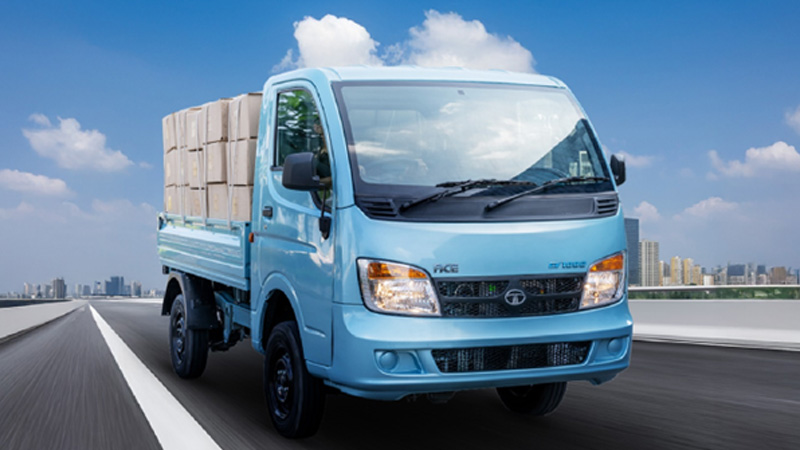
    Designed for India’s diverse roads and tight delivery timelines, these SCVs — especially those from trusted brands like Tata Motors — ensure that products get from factories and farms to your doorstep with speed and reliability. 

    Milk: Village Dairies to City Homes

    Collected from rural dairies, transported to processing plants, and then dispatched to urban stores, milk often covers 200–400 km daily.

    Reefer-equipped small trucks keep the milk fresh during long summer hauls and early morning deliveries.

    Biscuits: Baked in Bulk, Delivered in Batches

    Made in production hubs like Baddi or Neemrana, biscuits travel over 1,000 km before they reach a local shop.   
    Here, Tata Motors’ SCVs, like the Tata Ace and Intra, play a vital role in navigating narrow lanes and busy markets — delivering batches quickly, safely, and efficiently across the country.

    Fruits & Vegetables: From Fields to Forks

    Fresh produce from regions like Himachal or Nagaland can travel 300–800 km, often passing through mandis, storage centres, and city markets.

    Speed and ventilation are crucial — and modular SCVs reduce spoilage while enabling doorstep delivery in hours.

    Smartphones: State to State to Your Hands

    Assembled in Noida, Chennai, or Pune, smartphones can travel over 1,200 km before reaching stores or your home.

    Compact commercial vehicles ensure damage-free, secure last-mile delivery for high-value electronics.

    Cooking Gas Cylinders: From Refinery to Your Kitchen

    Your LPG cylinder’s journey – from refinery to bottling to your home – typically spans 300–500 km.   
    Stable, fuel-efficient trucks are essential here, especially on mixed rural and urban routes.

    School Supplies: Across States, Into Pencil Cases

    Notebooks from UP, geometry kits from Gujarat, lunchboxes from Tamil Nadu – they can clock 500–700 km before reaching classrooms.

    Distributors rely on nimble SCVs to fulfil bulk orders to schools, fairs, and bookstores.

    Clothes: A Truly Pan-India Product

    Cotton from Gujarat, dyed in Rajasthan, stitched in Bengaluru – your T-shirt likely travelled 800–1,500 km.

    Flexible, cost-efficient vehicles ensure smooth movement between production stages and retail shelves.   
    Whether it’s Tata Ace Gold, Intra V50 or Yodha Pickup, Tata Motors’ small commercial vehicles keep this ecosystem running — ensuring India’s everyday economy moves seamlessly, every mile of the way.

  • Show must go on for brand partnership maven as Sujith Kumar joins BookMyShow

    Show must go on for brand partnership maven as Sujith Kumar joins BookMyShow

    MUMBAI:  In a move that has more twists than a Hindi cinema blockbuster, Sujith Kumar has swapped his role as head of brand partnerships at Swiggy SteppinOut for a senior manager position at BookMyShow, India’s entertainment ticketing titan. The career hop, announced this month, sees the marketing maestro taking his knack for turning consumers into brand evangelists to fresh pastures.

    Kumar’s track record reads like a greatest hits album of Indian entertainment marketing. At Swiggy SteppinOut, he orchestrated partnerships spanning food, music, comedy and lifestyle events, including the launch of “Supper Clubs of India”—intimate dining experiences showcasing regional cuisines that had Mumbai’s foodies queuing round the block.

    His previous stint at Paytm Insider proved particularly lucrative, where he built the brand partnerships team from scratch. The portfolio included managing Arijit Singh’s five-city tour and pioneering Van Heusen’s first metaverse concert—a digital-age spectacle that had traditionalists scratching their heads and millennials reaching for their wallets.

    The marketing maverick’s earlier adventures include a two-and-a-half-year spell at Sony Music Entertainment, where his mission statement “turn music fans into brand fans” became the stuff of industry legend. He juggled over 80 active brand strategies across south India, orchestrating collaborations with musical heavyweights including Badshah and Anirudh Ravichander.

    At ESPN, Kumar cut his teeth managing marketing for ESPNcricinfo during cricket’s golden television era, overseeing campaigns for the 2015 World Cup and IPL. His creation of CricIQ, billed as India’s largest cricket quiz platform, proved that sports and smartphones could be a winning combination long before fantasy leagues became the rage.

    Now at BookMyShow Live, Kumar faces the challenge of making brands feel rather than merely seen when “the lights dim and the fans roar.” Given his penchant for turning spectators into spenders, India’s entertainment industry may have found its most valuable player yet.

    The motorcycle enthusiast, who founded BrosonWheelsOfficial and treats riding as his “refresh button,” appears ready to take the brand partnerships game into top gear. For an industry where attention spans are shorter than TikTok videos, that could be music to corporate ears.

  • Tata launches TV commercial for Tata Copper+ water

    Tata launches TV commercial for Tata Copper+ water

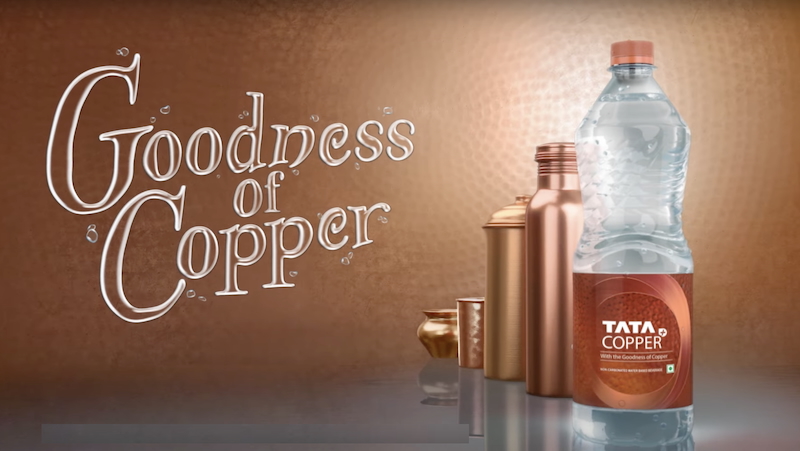
    MUMBAI: Tata Consumer Products has launched a TV advertising campaign for Tata Copper+, a non-carbonated water beverage that taps into India’s age-old practice of storing water in copper vessels. The company is banking on nostalgia—and potential health benefits—to make a splash in the crowded bottled water market.

    The product’s television debut features a charming train journey where generational worlds collide. An elderly passenger pulls out his traditional copper water bottle whilst a younger traveller produces his Tata Copper+. Cue the “same pinch” moment and an affectionate cheek-pinching finale that would make any Indian grandmother proud.

    YouTube link of the film : https://www.youtube.com/watch?v=Pipm1OPF2lY&feature=youtu.be

    Tata Consumer Products  president and head – RTD business Partha Biswas said, “We have always believed in creating products that are rooted in trust and, more importantly, reflect the evolving needs of Indian consumers. With Tata Copper+, we bring alive the timeless wellness benefits of copper in a format that fits today’s lifestyle. This campaign is a celebration of shared values across generations and a reminder that the wisdom of our past still holds relevance in the present.”

    Tata Consumer Products, which boasts a reach of over 275 million Indian households, clearly believes that the copper touch in them bottles will fetch it gold – valued in crore. The company has been seeding the retail trade with Tata Copper+  water or more than a year and a half now. And the response has been extremely heartening. The Rs 17,618 crore company is the world’s second-largest branded tea firm, with a portfolio spanning everything from Tata Tea to ready-to-eat meals.

    The copper water gambit reflects a broader trend of modernising traditional wellness practices for contemporary consumers. Whether this ancient wisdom will translate into modern profits is the Rs 17,618 crore question.