Category: Marketing

  • From Chai Breaks to AI Breaks: How Indian Marketers Are Letting Robots Handle the Hustle

    From Chai Breaks to AI Breaks: How Indian Marketers Are Letting Robots Handle the Hustle

    MUMBAI: There is a huge change happening in India’s digital marketing scene. 73 per cent of marketing teams worldwide now use AI tools for jobs that used to take up 40 per cent of their workday. However, Indian marketers are at a crucial point right now. Most people are not using AI solutions appropriately; therefore, they miss out on smart automation’s life-changing power.

    The Task Delegation Revolution: A Chance Worth Rs 4 Lakh Crore

    The Indian digital marketing business, worth more than Rs 4 lakh crore, is experiencing what experts call “the productivity revolution.” AI tools are no longer just ideas for the future; they are real tools that are changing the way marketing teams work at advertising agencies in Mumbai, IT startups in Bengaluru, and e-commerce giants in Delhi.

    What AI Tools Do Best for Digital Marketers

    Content Scheduling and Localisation: The fashion store Myntra has successfully used AI tools to manage content scheduling in 12 Indian languages. These agents automatically change campaign messages for regional festivals like Durga Puja in Bengal and Onam in Kerala. Their AI systems currently take care of 80 per cent of social media scheduling, allowing creative teams to concentrate on campaign planning.

    Lead Scoring and Customer Segmentation: Bengaluru’s B2B SaaS business Freshworks used AI tools for lead scoring, which led to a 45 per cent increase in conversion rates. The system looks at how Indian businesses act during certain times, such as when they get budget clearances at the end of the fiscal year and when they buy things during festivals.

    A/B Testing at Scale: Paytm, a Delhi-based finance firm, employs AI tools to conduct large-scale A/B tests across diverse demographics. They evaluate everything from colour preferences (green vs. saffron themes around Independence Day) to messages that work for people with different income levels. Their AI-based testing method has increased click-through rates by 35 per cent and cut campaign setup time by 60 per cent.

    Real Numbers of Impact: During the 2024 holiday season, a well-known e-commerce firm based in Mumbai that sells ethnic clothing cut campaign management time by 40 per cent and increased Return on Ad Spend (ROAS) by 25 per cent. The AI tool changed how much to bid on Google Ads and Facebook campaigns on its own, based on changes in demand in real time during the busiest buying times of Diwali.

    The Human-AI Partnership Model: Changing the Roles of Marketers

    The best Indian marketing teams aren’t using AI instead of people; they’re making strong partnerships that use AI’s speed and human inventiveness.

    What People Are Still Best At

    Cultural Intelligence: AI can digest data, but human marketers are better at identifying cultural differences. A Chennai-based agency’s human team recently stopped a big cultural mistake when its AI proposed utilising beef images in a campaign aimed at South Indian vegetarians.

    Strategic Interpretation: AI tools give information, and people give it meaning. During COVID-19, Flipkart’s AI algorithms showed strange purchase habits. Human strategists saw this as a sign that people wanted more home exercise equipment and kitchen appliances, which led to successful pivot campaigns.

    Crisis Management: During the farmer demonstrations in 2024, human marketers at different companies made quick judgments to stop or change advertisements. AI tools couldn’t do this without human help.

    What AI tools Are Good At

    AI tools monitor social media sentiment in regional languages 24 hours a day, seven days a week, and inform human teams about possible problems before they get worse.

    Predictive Analytics: Zomato’s AI tools can predict when people will want more food during cricket matches and immediately change marketing budgets and inventory suggestions.

    Personalisation at Scale: Hotstar, a streaming service, employs AI tools to make content recommendations for 400 million customers, making it feasible to create unique marketing experiences that would be difficult for human teams to handle.

    A 3-Step Process That Works for Implementation Reality Check

    Step 1: Start small and learn quickly

    Start with easy automated chores, such as scheduling social media posts or sending out basic email marketing. Urbanclap, an Indian startup now called Urban Company, started by automating appointment confirmations and then added more complicated customer journey mapping. Many Indian businesses rush through this phase, making AI work poorly, and teams do not want to work.

    Step 2: Smart Scaling

    Add increasingly difficult duties, such as assessing leads and personalising basic content. Nykaa, an e-commerce site, grew by focusing on one group of customers (urban women aged 25–35) before branching out to other groups. Ensure AI knows how Indians shop, like the importance of wedding and festival seasons and regional preferences.

    Step 3: Strategic Integration

    Use AI tools for strategic tasks like optimising campaigns and performing predictive analytics. Swiggy, a big food delivery company, reached this point by adding AI tools to all of its marketing tools, from acquiring new customers to keeping them.

    How to Avoid Common Mistakes

    The Problem: AI tools often have trouble maintaining a consistent brand voice across Indian languages and cultural settings.

    The Answer: Ogilvy India, an advertising agency located in Mumbai, produced thorough brand voice standards in Hindi, English, and regional languages, with examples for distinct cultural settings.

    Worries About Data Privacy

    The Truth: Marketers need to be extra careful about how they use data now that India has a Personal Data Protection Act.

    Best Practice: Use AI solutions that put privacy first and follow local rules while still being useful.

    Risks of Too Much Automation

    Warning Signs: Customer satisfaction generally goes down when all human touchpoints go away.

    Example from India: A luxury firm based in Delhi first automated all of its customer care responses, which led to complaints about how impersonal they were. They were able to employ AI for early responses while making sure that humans handled more complicated questions.

    Important Success Metrics

    Effect on Revenue: There is a direct link between using AI and sales growth.

    Customer Satisfaction: Keeping high NPS scores even while more work is being done by machines
    Market Share Growth: Having better AI implementation gives you a competitive edge.
    Cultural Relevance Score: How well AI keeps a brand relevant in different Indian marketplaces

    Role Change vs. Role Loss

    Changing Roles:
    Digital Marketing Managers → AI Marketing Strategists
    Content Creators → AI Content Managers
    Performance Marketers → AI Performance Boosters

    New Roles:
    Trainers for AI Marketing
    Experts in Cultural AI
    Managers of Human-AI Collaboration
    The Competitive Edge of Being First

    Indian businesses that employ AI tools early are realising big benefits:

    . Cost Efficiency: Marketing operations costs go down by 30 per cent to 50 per cent

    . Market Responsiveness: the ability to quickly adjust to changes in how customers act

    . Scalability: the ability to grow more quickly in India’s many markets

    Looking Ahead: The Future of AI Marketing in India

    AI tools will be very important for marketers in India as the country progresses toward becoming a 5 trillion dollars economy. India has the most varied market in the world. In the next ten years of Indian digital marketing, the organisations that can find the right mix between AI efficiency and human innovation will be the most successful.
    The transformation isn’t about replacing marketers with AI; it’s about giving Indian marketers the tools they need to make ads that are more culturally relevant, effective, and impactful. It’s not a question of whether to use AI tools; it’s a question of how quickly and effectively you can do it while still keeping the personal touch that Indian customers love.

    The future of Indian marketers belongs to those who can successfully use artificial intelligence and human understanding to create marketing experiences that appeal to a wide range of people and achieve measurable business goals.

    The writer is a digital marketing specialist with extensive experience using AI in Indian markets. His company, C Com Digital, has worked with top companies to successfully add AI tools to their marketing operations while still remaining culturally relevant and connecting with people.    By Chandan Bagwe – Founder/Director of C Com Digital 

  • Reliance Retail snaps up Kelvinator in bold consumer durables play

    Reliance Retail snaps up Kelvinator in bold consumer durables play

    MUMBAI: Reliance Retail has bagged Kelvinator in a deal that signals its aggressive push into India’s Rs 75,000 crore consumer durables market. The acquisition brings the century-old global refrigeration pioneer under the wing of one of India’s most voracious retailers.

     The details of the acquisition were not revealed at the time of writing, but Reliance Retail, had earlier signed a 10-year deal with Electrolux for brand licensing, manufacturing, marketing, and distributing the Kelvinator brand.  The latter’s consumer cooling products have  been absent from the Indian market for while now

    Kelvinator, a household name in the ’70s and ’80s, was once the epitome of Indian middle-class aspiration with its catchphrase, “The Coolest One.” Reliance now plans to reboot the brand’s nostalgia with cutting-edge appliances, promising mass access to global-quality tech at local prices.

    “Our mission has always been to serve the diverse needs of every Indian by making technology accessible, meaningful, and future-ready,” stated Reliance Retail Ventures executive director Isha M Ambani.”The acquisition of Kelvinator marks a pivotal moment, enabling us to significantly broaden our offering of trusted global innovations to Indian consumers. This is powerfully supported by our unmatched scale, comprehensive service capabilities, and market-leading distribution network.”

    The move aligns neatly with RRVL’s ambition of “democratising aspirational living.” With 19,000+ stores and 3 million merchants in its ecosystem, the company is now eyeing deep penetration of premium appliances into Indian homes.

    Reliance Retail reported Rs 3.3 lakh crore in turnover and Rs 25,053 crore in EBITDA in FY25, maintaining its perch among the world’s fastest-growing retailers, according to Deloitte.

    With Kelvinator’s legacy and Reliance’s distribution muscle, the group is betting big on middle India’s thirst for quality, affordability—and a bit of old-school cool.

  • How Accurate Are Online Personal Loan EMI Calculators?

    How Accurate Are Online Personal Loan EMI Calculators?

    In today’s digital world, applying for a personal loan is quicker than ever. But before you commit to borrowing, it’s essential to know how much you’ll need to repay each month. This is where an EMI calculator becomes incredibly useful. It helps you get a quick estimate of your monthly payments, allowing you to budget better and plan your finances in advance.

    But how reliable are these online tools? Can you trust the results they provide? Let’s explore what goes into a personal loan calculator and how close it comes to real figures.

    Understanding What an EMI Calculator Does

    An EMI calculator is a free online tool that estimates your monthly Equated Monthly Instalment (EMI) based on three inputs—loan amount, interest rate, and tenure. Once you fill in these fields, it instantly shows how much you’ll need to pay every month to clear the loan over the selected time period.

    This helps you get clarity on affordability. Whether you’re borrowing for medical expenses, home renovation, or a planned purchase, knowing your potential EMI in advance keeps you informed and in control.

    What Makes a Personal Loan Calculator Useful?

    The following are key reasons to use personal loan:

    Instant Results

    One of the biggest advantages is speed. A personal loan calculator gives you results within seconds. You don’t have to manually work out formulas or estimate monthly payments—it does all the math for you.

    Transparent Planning

    It provides a full breakdown of your EMI, including the principal and interest components. You also get an idea of the total interest payable over the loan’s tenure. This allows you to compare loan terms and decide what works best for your budget.

    Helps with Comparison

    If you’re considering multiple offers, a calculator can help you compare them side by side. You can adjust interest rates and tenures to see how they affect your monthly outgo and total repayment.

    How Accurate Are These Tools?

    Most online personal loan calculators use a widely accepted formula to calculate EMIs. The accuracy depends on how closely your actual loan terms align with the values you input.

    EMI is calculated based on three key factors: the loan amount, the monthly interest rate (derived from the annual rate), and the loan tenure in months. For example, a ₹5,00,000 personal loan at 10.70% interest over 5 years results in an estimated EMI of around ₹10,829. Doing this math manually can be tedious and error-prone, which is why using an EMI calculator is a quicker and more reliable way to get accurate repayment estimates instantly.

    If the details you enter match the final loan offer you receive, then the EMI estimate will likely be very close to your actual repayment amount.

    Variables That Can Affect Accuracy

    While the tool itself is precise in calculation, it does not account for extra fees like processing charges, late payment penalties, or insurance costs that some loans might include. These hidden costs can affect the overall amount you pay, even if the EMI itself stays the same.

    Also, if the interest rate is floating or changes over time, the calculator won’t be able to predict those fluctuations; it works only with the values you enter at that moment. For a more detailed estimate, you can enter the details in the eligibility calculator on IDFC FIRST Bank’s website. You might also find that platforms like FIRSTmoney Instant Personal Loan offer integrated tools that provide more comprehensive insights, potentially factoring in these additional costs for a clearer overall picture of your loan liabilities.

    Conclusion

    An online EMI calculator is an effective way to estimate your monthly payments and get a better understanding of what a personal loan might look like. While the figures it provides are based on standard calculations and are generally accurate, the final numbers could vary slightly depending on the exact terms offered to you.

    To get the best results, make sure the inputs you provide, especially the interest rate and tenure—are realistic and as close to your loan offer as possible. Think of the calculator as a guide, not a guarantee. Used wisely, it can help you borrow with clarity and confidence.

  • Festive campaigns made easy with Bigcity’s new strategy tool

    Festive campaigns made easy with Bigcity’s new strategy tool

    MUMBAI: Santa’s got a new rival and it’s data-driven. Bigcity Promotions, the loyalty and sales promotions powerhouse, has just unwrapped a game-changer for Indian marketers: a tech-enabled tool that promises to take the guesswork and the chaos out of festive campaign planning.

    Meet the Festive Reward Strategist: a sleek, insight-led platform designed to whip up ROI-focused, sector-specific reward campaign strategies in minutes. At a time when every marketing rupee is being scrutinised for returns, this digital assistant might just be the CMO’s new best friend.

    Accessible via bigcityfestiveworks.in, the tool draws from over 18 years of Bigcity’s campaign experience across sectors FMCG, retail, durables, BFSI, alcohol, automobiles, and more. Whether the brief is to drive product trials, boost footfalls, spark engagement, or push repeat purchases, the tool does the thinking strategically and swiftly.

    No more late-night Excel wrestling or endless decks. With built-in competitive benchmarking, audience insights, and budget guidance, the platform offers ready-to-deploy strategies tailor-made for festive madness. Brands get instant answers to questions like: “Which reward works best for my TG?”, “What’s trending in my category?”, or “How can I squeeze the most ROI from my Diwali budget?”

    “The festive quarter in India is the most competitive and chaotic for marketers,” said Bigcity Promotions Vikas Shah, Co-founder. “Speed, precision, and innovation become non-negotiables. Our tool delivers all three with zero margin for error.”

    He added that the platform’s execution-ready output bridges the gap between creative ambition and operational clarity, enabling campaigns that are “compliant, creative, and conversion-ready”.

    At its core, the Festive Reward Strategist isn’t just about smart marketing, it’s about faster, sharper, and more rewarding decisions. It’s strategy, gift-wrapped in tech.
     

  • Jupiter enters insurance with IRDAI nod and mobile-first broker licence

    Jupiter enters insurance with IRDAI nod and mobile-first broker licence

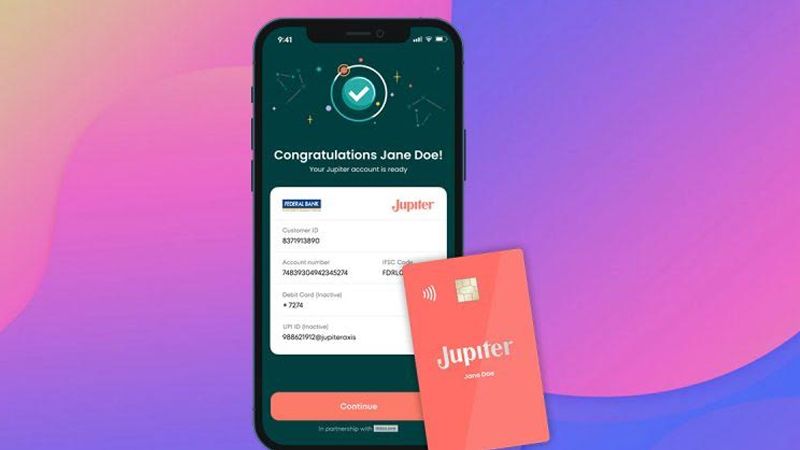
    MUMBAI: From swipe to safeguard, Jupiter’s money app now offers peace of mind on tap. After cracking credit, prepaid, and savings, Jupiter Money is adding a whole new layer to its financial orbit protection. The fintech platform has received the Insurance Regulatory and Development Authority of India’s (IRDAI) approval to operate as a Direct Insurance Broker (Life & General), paving its way into the insurance segment with a decidedly digital twist.

    This approval marks a pivotal milestone in Jupiter’s transformation into a full-stack financial wellness ecosystem. Over the past year, Jupiter secured an NBFC licence and a PPI licence, fuelling its foray into credit and prepaid services. Now, with insurance in its basket, Jupiter is going all in on the promise of a 360-degree money experience.

    The insurance rollout will begin with curated offerings in term life and health partnering with top-tier insurers and later expand into smart, embedded options. Think: travel insurance triggered by credit card swipes, cyber fraud cover linked to digital transactions, or device protection tailored to e-commerce behaviour. All policies will be issued digitally and managed within the Jupiter app, ensuring zero paperwork and minimal jargon.

    “Insurance is a critical but overlooked layer in the financial stack especially among younger users,” said Jupiter Money president Rohit Kumar Pandey. “Our goal is to make insurance invisible and intuitive, not an intimidating chore.”

    Jupiter Money director of insurance & PPI Chinmay Jain added, “With the Broker licence in place, we’re embedding insurance into real life, not just into product tabs. This is about timing, awareness, and contextual value not just another menu item.”

    Jupiter, which boasts over three million users, sees this move as more than just product expansion. It’s a shift toward making insurance a seamless, proactive part of users’ everyday money behaviour turning a typically reactive category into one driven by life’s natural rhythms.

    As IRDAI nudges the industry towards higher digital penetration, Jupiter joins a growing band of fintechs rewriting the rules of insurance distribution mobile-first, moment-driven, and mindfully minimalist. And in Jupiter’s case, it’s not just about protection, it’s about simplifying the chaos of financial choices, one smart patch at a time.

  • Rashmika Mandanna named brand ambassador for Isopure in India

    Rashmika Mandanna named brand ambassador for Isopure in India

    MUMBAI: She’s got the moves and now the macros to match. Rashmika Mandanna has been unveiled as Isopure’s first-ever brand ambassador in India, bringing star power to the brand’s stripped-down, zero-fluff approach to fitness. The global Zero/Low-Carb protein supplement brand has launched its new campaign, “Everything You Need, Nothing You Don’t,” putting the spotlight on clean-label nutrition and mindful wellness. And with 25g of protein per serving, zero carbs, zero sugar, zero fat, and no artificial additives, Isopure’s unflavoured whey isolate is walking the talk.

    Loved for her vibrant energy and grounded approach, Rashmika isn’t just the face of the campaign, she’s the poster girl for clean choices. “Fitness, to me, is not about extremes, it’s about consistency,” she said. “Isopure fits effortlessly into my life, no gimmicks, no excess.”

    Glanbia Performance Nutrition, general manager, south Asia Sumit Mathur said Rashmika embodies Isopure’s ethos of purity, simplicity, and quality. “She’s focused, mindful, and uncompromising just like an Isopure consumer,” he added.

    To drive home its point, Ispore is rolling out the ‘Purity Challenge’, featuring two demo tests ISOFOAM and ISOMIX designed to highlight the product’s superior formulation and unmatched solubility.

    The association aims to connect with a new generation of conscious consumers who are done with overhyped nutrition and ready to embrace ingredient integrity. As Rashmika puts it, “Wellness isn’t about excess, it’s about clarity.”

    With this campaign, Isopure is challenging Indian consumers to read the label, trust the science, and choose quality over clutter, one scoop at a time.

    (If you are an Anime fan and love Anime like Demon Slayer, Spy X Family, Hunter X Hunter, Tokyo Revengers, Dan Da Dan and Slime, Buy your favourite Anime merchandise on AnimeOriginals.com.)

  • Kantar unpacks ‘The Indian Masculinity Maze’ in new report

    Kantar unpacks ‘The Indian Masculinity Maze’ in new report

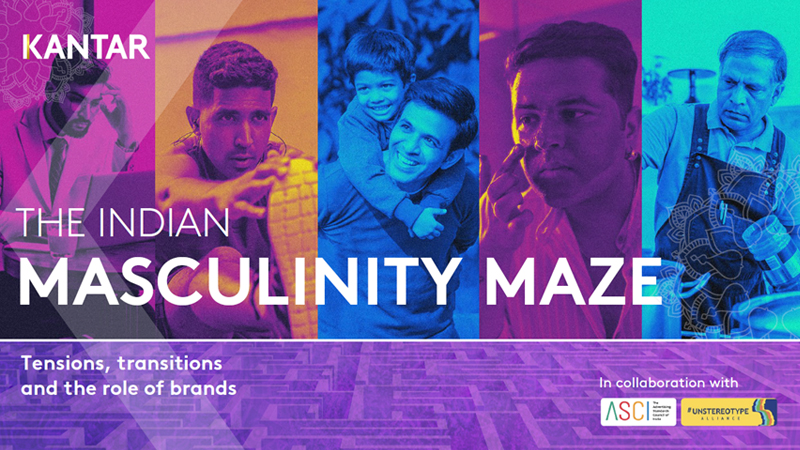
    MUMBAI: The age-old Marlboro Man is losing relevance and Kantar has the receipts to prove it. In its latest study, The Indian Masculinity Maze, launched in partnership with the Advertising Standards Council of India (ASCI) and UN Women’s Unstereotype Alliance, Kantar dives into the complicated, contradictory world of Indian manhood and how badly advertising is getting it wrong.

    The research surveyed 880 urban men aged 18–45 across eight Indian cities and dissected over 450 TV ads in 12 languages. The results paint a jarring picture of what happens when marketing lags behind culture.

    Commenting on the report, Kantar executive vice president, Insights Division, and co-author of the report, Prasanna Kumar said, “This report isn’t about rewriting masculinity overnight. It’s about recognising where men are today, often caught between tradition and transition and helping brands engage with that complexity in a way that’s both commercially smart and culturally sensitive.”

    Masculinity misfired: what ads keep botching

    It’s 2025, but the ‘macho man’ stereotype still dominates Indian adland. According to Kantar:

    1.    71 per cent of men agree that “real men don’t cry”—but increasingly find the idea limiting.

    2.    Only 6 per cent of male characters in ads show emotional care or respect towards women.

    3.    A staggering 94 per cent of ads don’t challenge traditional male roles.

    4.    Voiceovers still scream patriarchy: 43 per cent male vs just 31 per cent female.

    5.    Household and caregiving roles for men? Featured in a measly 1 per cent of ads.

    Gen Z men, in particular, are left out in the cold. While they’re more open to emotional expression and shared domestic responsibilities, ads seem stuck in the past—showing them as overly confident, immaculately groomed, and little else.

    Soumya Mohanty, Kantar managing director & chief client officer- South Asia, Insights Division, added, “Most ads still rely on outdated male stereotypes, rarely showing men as emotionally present or involved at home. This widens the gap between reality and representation. But this isn’t just a cultural miss; it’s a commercial one. Our LINK data shows that ads breaking these norms deliver significantly stronger brand equity and sales impact.”

    Here’s the kicker: ads that portray emotionally nuanced men perform better. Kantar’s LINK database shows a 63-point lift in brand equity and a 44-point bump in short-term sales when brands ditch the stoic-provider trope and embrace complexity.

    Brands that test their ads with inclusive male samples, particularly in personal care and household categories, see markedly better cross-gender performance.

    ASCI CEO and secretary general Manisha Kapoor said, “ASCI is committed to fostering progressive advertising representations. Earlier this year, we launched the ‘Manifest: Masculinities Beyond the Mask’ study, in collaboration with the Unstereotype Alliance (convened by UN Women). We are now pleased to associate with Kantar on ‘The Indian Masculinity Maze’ to take this conversation forward. The Kantar report will help the industry move beyond superficial portrayals to understand not just the diverse realities of men today, but also to create positive representations of men that are in sync with reality.”

    Gen Z men are open to vulnerability, fluid identity, and nurturing roles—but advertising hasn’t caught up. Over 60 per cent feel ads obsess over confidence and looks, and 32 per cent say fatherhood and caregiving are glaringly underrepresented.

    “They’re navigating a cultural identity crisis, and advertising is just adding to the noise,” notes the report.

    Kantar outlines a clear six-point plan for brands ready to break the bro-code:

    1.    Portray real lives – Men don’t live in protein shake commercials. Show them as they are—stressed, caring, flawed, and figuring it out.

    2.    Represent shared roles – Normalize dads doing dishes and men expressing emotion.

    3.    Focus on the emotional journey – Confidence is earned, not assumed.

    4.    Test inclusively – Male perspectives matter—especially in products they use but don’t see themselves in.

    5.    Model modern masculinity – Let men be soft, uncertain, nurturing and human.

    6.    Colour the whitespace – Health, identity, mental well-being—these aren’t side plots, they’re main stories waiting to be told.    

    “Kantar has been a founding member of the Unstereotype Alliance India Chapter. We value our collaboration with Kantar and ASCI on this important initiative to develop the study on masculinities in Indian advertising. Achieving gender equality and inclusion requires the meaningful engagement of all genders, including men and boys. It is important that marketers and content creators better understand evolving perspectives and aspirations to help challenge gender stereotypes and promote more inclusive narratives” said UN Women India Country Office  Country Representative, ad interim, Kanta Singh.

    So the bottom line is real men do cry and real brands should pay attention.

    (If you are an Anime fan and love Anime like Demon Slayer, Spy X Family, Hunter X Hunter, Tokyo Revengers, Dan Da Dan and Slime, Buy your favourite Anime merchandise on AnimeOriginals.com.)

  • Soaked and Sold Moto G96 Wins Hearts with Water Baby Campaign

    Soaked and Sold Moto G96 Wins Hearts with Water Baby Campaign

     MUMBAI: Phones usually dread the drizzle this one does a dance in it. With the monsoon in full swing, SW Network and Flipkart have tapped into a universal fear wet phones and flipped it on its head with the launch campaign for the Moto G96, a smartphone that’s not just water-resistant, but water-embracing. Armed with an IP68 rating and a Watertouch Display that works flawlessly even when soaked, the G96 became the centrepiece of a cheeky, insight-rich campaign titled “Always a Water Baby.” The phone’s monsoon-proof credentials became an open invitation to throw away the plastic bags and rice bowls and say goodbye to panic-mode hairdryers.

    The outdoor campaign went bold and witty hoardings dismissed old-school hacks with lines like “You don’t need these anymore.” In one standout execution, the agency installed a monsoon shelter with the tagline: “While other phones run for cover, I’d stand in the rain for you.” Subtle, it was not but the point was made loud and clear.

    Print creatives took gentle digs at waterproof phone pouches still clinging to relevance, while a quirky double-hoarding visual metaphor featured the Moto G96 as “a great catch”  literally caught between two billboards.

    “Moto G96 doesn’t just survive water, it loves it,” said SW Network co-founder Raghav Bagai. “We wanted the campaign to be playful, visual and instantly relatable. ‘Water Baby’ gave us the perfect language to celebrate this feature without falling into the spec-sheet trap.”

    Instead of leaning on technical jargon, the campaign found humour in a shared everyday pain phones and puddles are usually a nightmare pairing. But not this time.

    With the G96, SW Network shows once again it knows how to turn product truth into pop culture, proving that even in tech advertising, a little splash of humanity goes a long way.

    (If you are an Anime fan and love Anime like Demon Slayer, Spy X Family, Hunter X Hunter, Tokyo Revengers, Dan Da Dan and Slime, Buy your favourite Anime merchandise on AnimeOriginals.com.)

  • From WatchMojo to Stream TV: A Movie Lover’s Guide to YouTube’s Best Content

    From WatchMojo to Stream TV: A Movie Lover’s Guide to YouTube’s Best Content

    Let’s be real-if you’re a movie lover, there’s a high chance that YouTube is your second favorite cinema screen. Whether you’re into movie facts, behind-the-scenes stories, actor deep-dives, or fan theory breakdowns, YouTube has become the ultimate hangout spot for film nerds.

    The platform is jam-packed with movie-focused channels, each with their own flavor. From hype-driven countdowns to slow-burn retrospectives, there’s something for every type of movie buff. We’re shining a spotlight on two destinations for film enthusiasts-Stream TV and WatchMojo-and why they’ve become go-to sources for movie lovers everywhere. So, grab some popcorn, mute the group chat, and let’s jump into the world of YouTube movie breakdowns.

    WatchMojo: The Reigning King of Lists

    If you’ve spent more than 5 minutes on YouTube, you’ve likely seen a WatchMojo video. Known for their addictive top 10 lists, WatchMojo has been feeding our obsession with ranked content for over a decade.

    What makes them so watchable? It’s the pacing, the smooth voiceovers, and those endlessly clickable titles. From “Top 10 Villain Monologues” to “Best Plot Twists of the 21st Century,” they know how to keep your curiosity piqued. Their content is perfect for casual viewers and hardcore fans alike. Think of it as the potato chips of YouTube movie content-impossible to stop at just one.

    WatchMojo thrives on pop culture moments. You’ll find retrospectives on blockbuster hits, character rankings, and even director-focused countdowns. Their videos are structured for maximum engagement, blending visuals, commentary, and rapid-fire facts that keep your eyes glued to the screen. It’s binge-worthy and surprisingly educational if you’re trying to sound smart during movie night debates. So, if you’re ever unsure what to watch next or feel like arguing with a ranking, WatchMojo’s got your back.

    Stream TV: The Hidden Gem You Didn’t Know You Needed

    Now, let’s talk about the other side of the coin-Stream TV. Where WatchMojo delivers quick hits, Stream TV dives deep. This is the channel you turn to when you want context, nuance, and a genuinely insightful perspective on the films and stars you love.

    Stream TV isn’t concerned with just popularity; it’s about passion. They spotlight legendary actors, explore their earliest roles, and revisit overlooked films that time forgot. Watching their videos feels like sitting down with your smartest movie-loving friend-the one who knows the trivia, the backstories, and all the little things that make movies magic.

    What’s especially refreshing is Stream TV’s sincerity. There’s no snark for the sake of clicks, no hot takes manufactured for drama-just thoughtful, engaging content for true film fans. Whether you’re chasing forgotten Hollywood gems or just appreciate a solid film critique that doesn’t feel recycled, Stream TV is a refreshing addition to any movie lover’s subscription list. Find out more here.

    A video from Stream TV might cover Morgan Freeman’s film debut or dive into how a cult classic slowly built its loyal fanbase. These aren’t just breakdowns-they’re tributes.

    What Makes These Channels So Bingeable?

    We’ve all been there. One video turns into three, and suddenly it’s 2 AM and you’re halfway through a breakdown of a movie you haven’t seen since 2005. But why are these videos so addictive?

    It’s because great movie channels offer more than just information-they offer a new lens through which to experience films. They remind us that movies are layered art forms filled with symbolism and storytelling genius. And the best part? These channels create a sense of community. You’re not just watching a video-you’re part of a global conversation of fans who see the same magic in movies that you do.

    With WatchMojo, you’re ranking your favorites and comparing notes. With Stream TV, you’re rediscovering why you fell in love with film in the first place.

    Rewatch Value, Reinvented

    One underrated benefit of movie breakdowns? They breathe new life into old favorites. That action film you loved at 15? Turns out it had serious themes you missed. That rom-com you wrote off as cheesy? It had clever writing and visual callbacks you totally overlooked.

    Both WatchMojo and Stream TV tap into this rewatch value. The former makes you want to revisit the classics to see if they really are the “top 10 of all time,” while the latter offers new reasons to rewatch and reappreciate long-forgotten gems. By the time you’re done with a few breakdowns, your weekend watchlist practically writes itself.

    A Word on Style and Accessibility

    Another reason these channels are so successful? Their style is accessible. You don’t need a film degree to enjoy them. Whether you’re a casual moviegoer or someone who debates Kubrick’s symbolism for fun, there’s something here for you.

    WatchMojo’s pace makes it easy to consume on the go-during lunch breaks, between errands, or right before bed. Stream TV, meanwhile, encourages slower, more immersive viewing. It’s perfect for winding down and soaking up some movie love without the noise.

    And let’s be honest-good narration goes a long way. Both channels have nailed the voiceover game, with clear, engaging narration that feels natural and easy to follow.

    The Future of Film Commentary is Digital

    Gone are the days when film lovers had to wait for DVD commentaries or hope their favorite critic covered the movie they liked. Now, with just a few clicks, you can dive into a world of analysis, nostalgia, and film geekery.

    WatchMojo and Stream TV represent the two ends of a beautiful spectrum-one fast, fun, and flashy; the other thoughtful, focused, and full of heart. And together, they prove that the future of film commentary doesn’t lie in print-it lives and breathes on YouTube. So the next time a film leaves you with questions, emotions, or even just a weird sense of déjà vu, you know where to go.

    Final Frame

    In the ever-evolving world of film fandom, these YouTube channels have carved out their own space-offering connection, education, and a deeper appreciation for cinema. They’re not just filling time between binge-watching sessions-they’re enhancing the entire movie experience.

    So next time you finish a film and aren’t quite ready to let it go, you know what to do: fire up. YouTube, plug in those headphones, and let the breakdowns begin. For a thoughtful, story-driven perspective that truly celebrates cinema, you can always start exploring Stream TV, a thoughtfully curated corner of YouTube.

  • Hemant Rupani to head Hindustan Coca-Cola Beverages as CEO

    Hemant Rupani to head Hindustan Coca-Cola Beverages as CEO

    BENGALURU:  Hindustan Coca-Cola Beverages (HCCB), India’s largest Coca-Cola bottler, has named Hemant Rupani as its new chief executive, effective 8 September. Rupani takes over from Juan Pablo Rodriguez, who is moving on to a new role within the global Coca-Cola system.

    Rupani, a seasoned operator with stints across FMCG, telecom, and tech, currently serves as Mondelez’s business unit president for southeast Asia, overseeing operations in Indonesia, the Philippines, Vietnam, Malaysia, Singapore and Thailand. He joined Mondelez in 2016 and has held leadership roles in India and Vietnam, rising to his current post in 2022.

    The appointment comes at a pivotal time for HCCB, following Coca-Cola’s move in December 2024 to sell a 40 per cent stake in Hindustan Coca-Cola Holdings Pvt Ltd—the parent company of HCCB—to the Jubilant Bhartia group.

    A mechanical engineering graduate from Regional Engineering College, Jaipur, with an MBA in marketing from FMS Delhi, Rupani began his career in 1997 at ICI India. He has since worked with PepsiCo, Infosys, Vodafone, and Britannia, steadily climbing the leadership ladder across sectors.

    He will report to the HCCB board and is expected to steer the company’s next phase of growth, amid rising investment in India and intensifying competition in the beverage market.

    The Coca-Cola Co, listed on NYSE as KO, operates in over 200 markets and employs more than 700,000 people through its global bottling partners.