Category: Marketing

  • Glow and behold, APAC drives the global self-care cart into overdrive

    Glow and behold, APAC drives the global self-care cart into overdrive

    MUMBAI: Glow with the flow, APAC is putting the “care” in self-care like never before. From double-digit shopping days to double-duty products, Asia Pacific shoppers are rewriting the beauty playbook by blending wellness and beauty in one irresistible glow-up. According to Criteo’s Global Health & Beauty Pulse 2025, this region isn’t just riding the beauty boom, it’s fuelling it, one premium cart at a time.

    The report, based on data from beauty brands, ecommerce partners, and 14,000 plus shoppers globally, shows that during Q4 2024’s mega shopping festivals 10/10, 11/11, and 12/12, APAC shoppers triggered seismic spikes across self-care categories. Power flossers surged by a gleaming 353 per cent, deodorants and antiperspirants spiked 224 per cent, makeup swatched up 196 per cent, while skincare (up 154 per cent), massage oils (128 per cent), and ear drops (148 per cent) also saw radiant gains.

    The appetite for premium wellness products also signals a shift in spending behaviour: APAC consumers are buying fewer, but better.

    Year-on-year sales in Q2 2025 reflect this trend: health and beauty products rose 5 per cent in APAC, with order values growing by 6.78 per cent. Globally, EMEA led with a 14 per cent rise in sales, and the Americas followed at 1 per cent. In terms of order value, the Americas saw the highest bump at 9.8 per cent, while EMEA trailed with 4.36 per cent.

    APAC consumers, however, stand out as confident, discovery-driven shoppers 40 per cent of health and beauty buyers are first-time users of the brand. This open-mindedness, combined with omnichannel habits, is creating fertile ground for marketers.

    Globally, 84 per cent of beauty buyers have either maintained or increased their spending in the last six months up 11 points since 2023. Shoppers are also digitally engaged: 57 per cent discover products via marketplaces, while 52 per cent rely on search engines.

    And the channel switch is real 48 per cent of beauty consumers research online but buy in-store, while 41 per cent do the reverse. For brands, that means AI-driven tools are no longer optional, they’re essential to stitch together the journey from scroll to shelf.

    “Beauty shoppers today are deeply informed, digitally savvy, and ready to try new brands,” said Criteo India country head Medhavi Singh. “This report reaffirms beauty’s emotional resilience as a category driven by personalisation, relevance, and real-time discovery.”

    Criteo’s data suggests that for brands to win in this glow economy, they must be omnipresent, omnichannel, and on point. Think retail media, AI-powered product recommendations, and frictionless shopping across all touchpoints.

    In a world of smarter skincare, fragrant purchases, and flossers that fly off virtual shelves, one thing’s clear beauty’s new frontier is cross-category, cross-platform, and deeply connected to wellness.

  • Zouk’s Rakhi film shows support is as simple as holding her bag

    Zouk’s Rakhi film shows support is as simple as holding her bag

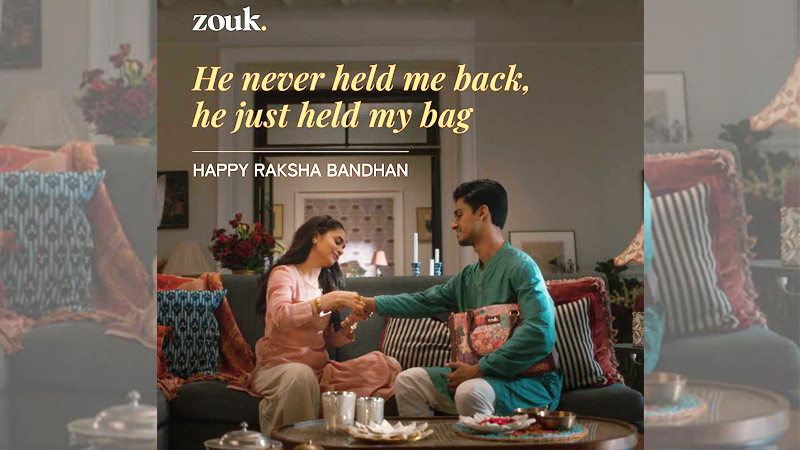
     MUMBAI: Turns out the most meaningful Rakhi gift this year… might just be a man holding a handbag. Zouk, the proudly Indian and 100 per cent cruelty-free lifestyle brand, has dropped a refreshingly emotional campaign for Rakshabandhan swapping swords and shields for something far more subtle: support in the form of a small but significant gesture.

    The brand film taps into a universal scene, one we’ve all witnessed, chuckled at, or starred in. A brother, boyfriend, or dad awkwardly clutching a handbag outside a store, waiting patiently. Zouk flips this from comic relief to cultural shift, showing how modern sibling bonds are less about protection and more about partnership. In the film, a brother holds his sister’s bag not because she asks, but because she’s chasing something bigger and he’s cheering her on, bag in hand.

    “Raksha Bandhan is about protection and support,” said Zouk founder Disha Singh. “But today, support doesn’t mean standing in front of someone, it means standing beside them. This film is a gentle reminder that even something as small as holding her bag can say: ‘I’m here for you.’”

    But the campaign doesn’t stop at emotion, it brings the festive feels to Zouk’s shelves too. In tandem with the film, Zouk has launched a vibrant line of curated Rakhi gift boxes, all wrapped in the brand’s signature prints.

    Each box includes functional and feel-good accessories like coasters, fabric diaries, bookmarks, passport covers, cosmetic pouches, and more. The idea? Gifting that’s both thoughtful and practical, something sisters (and their discerning brothers) will genuinely use and love.

    To sweeten the pot literally Zouk has partnered with top Indian brands like Bombay Sweet Shop, Renee Cosmetics, Gul, and Mcaffeine to co-create exclusive hampers that hit all the right festive notes. Whether it’s the aroma of artisanal skincare or the nostalgia of desi mithai, these gift sets are designed to deliver delight in every layer.

    Available now via Zouk’s Gift Shop, the festive campaign is more than just a seasonal play. It continues Zouk’s core storytelling style rooted in Indian values, aesthetically sharp, and emotionally resonant.

    So, this Rakshabandhan, forget the drama of macho posturing. Sometimes, the most touching brother-sister moment is quiet, simple and slung over the arm.
     

  • Libas makes a mother of a move with its cheeky Purple Days Sale

    Libas makes a mother of a move with its cheeky Purple Days Sale

    MUMBAI: Who needs retail therapy when you’ve got a whole retail carnival? Libas, the homegrown fashion brand known for riding the ultra-fast-fashion wave, has launched its cheekily titled ‘Maa of All Sales’ campaign bringing sass, sentiment, and serious savings to the style circuit. A play on festive chaos and motherly wisdom, the campaign ushers in the brand’s flagship Purple Days Sale with a burst of colour, creativity and customer-first flair.

    Running from 26 July to 3 August, the sale offers up to 70 per cent off across categories on the Libas app and website. But the real crowd-puller? The offline madness was compressed into just two days across stores, adding urgency to the already electric shopping experience.

    To fuel that energy further, Libas dropped its Purple VIP Passes, letting shoppers grab Rs 3,000 worth of fashion for Rs 2,000 with exclusive early access and perks. The first 100 customers at the Lajpat Nagar flagship store were greeted with a Rs 1,000 bonus discount, while hundreds of purple balloons and a dramatic reveal moment turned the area into a fashion-themed flash mob.

    The campaign also saw Libas joining forces with homegrown favourites like Sirona and Jain Shikanji to create a nostalgic yet fresh vibe. Guests at the Lajpat Nagar store were welcomed with complimentary Jain Shikanji refreshments, a thoughtful nod to the idea that great fashion should feel like home.

    Libas, founder & CEO Sidhant Keshwani summed it up aptly: “This isn’t just about discounts. ‘Maa of All Sales’ brings emotion and insight to retail storytelling, one where humour, hustle, and heritage come together.”

    From a visually immersive purple takeover of store façades to multi-sensory activations and influencer buzz, Libas doubled down on making the sale more than just transactional. It was experiential aimed at making shoppers feel seen, celebrated and cheekily indulged.

    Libas head of marketing Nisha Khatri said, “From quirky naming to strategic collaborations and thoughtful in-store moments, every detail was curated to spark joy while staying rooted in our DNA.”

    In a retail market often dominated by plain-vanilla discount tactics, Libas’ bold and breezy playbook proves one thing: when it comes to Indian fashion, maa does know best.


  • “Our localisation mindset helps us compete effectively even in saturated markets”: Bergner’s Umesh Guptaa

    “Our localisation mindset helps us compete effectively even in saturated markets”: Bergner’s Umesh Guptaa

    MUMBAI: In a market brimming with tradition and price-led buying, cookware brand Bergner is rewriting the playbook with a fresh blend of material innovation, regional relevance, and data-led storytelling. From launching India’s first Tri-Ply non-stick range tailored to south Indian cuisine to pioneering Bergcast, a health-focused podcast, the brand is forging deep emotional and cultural connections with consumers, one pan at a time. In this detailed conversation, Bergner’s leadership breaks down how regional insight, creative risk-taking, and agile marketing are helping the company  stir up brand love, trust, and category growth across India’s diverse kitchens. In an email conversation with Indiantelevision.com, Umesh Guptaa, Managing Director of Bergner India, shares insights on the brand’s regional growth strategy, innovation playbook, and the future of Indian kitchens. Excerpts from the interview:

    On how Bergner gained a strong foothold in north and western India. 

    A pivotal move that strengthened our presence in north and west India was shifting the narrative from price-driven marketing to awareness-driven storytelling. Instead of pushing discounts, we focused on educating consumers about why cookware material matters emphasising the health and performance advantages of switching from aluminium to Tri-Ply.

    We leveraged influencer partnerships, digital storytelling, and chef collaborations to highlight the benefits in a relatable, everyday context. At the same time, we introduced affordable Tri-Ply ranges, making premium cookware more accessible without compromising on quality.

    This two-pronged approach education and accessibility not only differentiated us in a competitive market but also built stronger brand preference and trust across these regions.

    On what has gone in to Argent Samsara range to allow it to capture the diverse southern Indian market.

    South India’s rich culinary traditions are deeply tied to specific cookware shapes and techniques. From crispy dosas to fluffy appams and simmered curries, the right cookware is key to getting it right. With Argent Samsara, we set out to create a range that respects these traditions while bringing modern innovation to the Indian kitchen.

    Our research revealed a major gap, traditional cookware like paniyarakkal and appachetty were largely available only in aluminium or basic non-stick. These materials lacked durability and raised health concerns. There was no premium, high-performance alternative that retained the traditional form while delivering modern efficiency.

    That’s how Argent Samsara became India’s first Tri-Ply non-stick cookware range designed especially for south Indian cuisine, featuring thoughtfully crafted pieces like Paniyarakkal, Appachetty, traditional-shaped Handi, Roti Tawa, Square Multi Tawa, and Round Grill Pan. It wasn’t easy, Tri-Ply is usually flat-based and western in design—but we pushed boundaries to retain traditional shapes while offering Tri-Ply’s even heat distribution and durability.

    To make cooking easier and healthier, we also added a Quantaniumnon-stick coating across most of the range (except the handi), giving users the best of both worlds heritage and hassle-free functionality. What makes this range even more relevant is the growing love for south Indian food across India. From dosas to sambar, these dishes are now staples in households nationwide, appreciated for their flavour, comfort, and nutrition. With families preparing these meals at least once a week, Argent Samsara brings them cookware that’s rooted in culture, yet built for today’s kitchens.

    On how Bergner use regional consumer data to predict and adapt to nuanced preferences, particularly when entering highly competitive markets.

    At Bergner, consumer insight drives product innovation. We analyse a mix of sales trends, platform search behaviour, feedback from retail partners, and on-ground conversations during store visits, roadshows, and cooking events. This helps us uncover patterns that go beyond national averages, like cookware preferences by region, meal prep styles, or cookware material awareness. 

    For example, our deep dive into southern markets revealed a high frequency of traditional dishes like dosa, appam, and paniyaram, yet no premium cookware existed for them in safer materials like Tri-Ply. That led to the development of Argent Samsara, a first-of-its-kind Tri-Ply range designed specifically for South Indian cuisine. Ultimately, our approach is not just about reading data—it’s about listening to kitchens across India and responding with products that feel familiar yet elevated. This localisation mindset helps us compete effectively even in saturated markets.

    On how Bergner innovated communication wise around the Tri-Ply technology

    As the first brand to introduce Tri-Ply cookware in India, Bergner faced the challenge of not just launching a new product, but reshaping consumer perception. Most Indian households were still using low-grade stainless steel or non-coated aluminium cookware often unaware of the health risks and poor heat performance. The bigger hurdle was education: helping consumers understand why cookware quality matters, and how Tri-Ply offers a safer, more efficient, and longer-lasting alternative. It was a shift from price-led decisions to value-driven choices—a transition that needed more than just advertising. To overcome this, we moved beyond traditional product marketing and launched Bergcast—India’s first branded podcast in the cookware space. Instead of focusing on specs, Bergcast sparked conversations around nutrition, cookware safety, and cooking methods, featuring trusted voices like chefs, nutritionists, and health experts. It helped consumers understand why the choice of cookware matters just as much as the ingredients, especially when it comes to preserving health.

    This innovative, education-first approach made Tri-Ply relatable for everyday users—turning what seemed like a high-end product into a smart, health-conscious upgrade for Indian kitchens. It helped build lasting trust and significantly improved Tri-Ply adoption across urban and semi-urban markets.

    On the challenges that the company faced while expanding in south India. 

    One of the biggest challenges we encountered in south India was navigating the strong reliance on traditional cookware formats, often dominated by unbranded or aluminium products. While Bergner has strong recall in the premium cookware space, there was still a trust gap when it came to region-specific cooking needs especially for dishes like dosa, appam, or paniyaram.

    We tackled this by spending time on-ground listening to consumers, retailers, and chefs—to understand the cookware expectations rooted in local traditions. These insights helped us design products that catered specifically to south Indian kitchens, while staying true to our core of performance and health.

    To build awareness, we focused on regional storytelling, in-store promotions, and local influencer collaborations helping consumers relate to our products while showcasing their performance. Making these ranges easily accessible in retail stores across south India helped close the loop between interest and purchase.

    On how Bergner measures RoI. 

    At Bergner, we measure RoI not just by reach, but by how effectively it drives engagement, conversions, and brand lift. For digital, we track metrics like click-throughs, sales, and repeat visits. In traditional media, we focus on recall, retail footfall, and partner interest.

    A strong example is the launch of our Argent Samsara range, India’s first Tri-Ply Non-Stick cookware designed for south Indian cuisine. Through a mix of digital storytelling, Bergcast podcast episodes, and roadshows with Chef Vikas Khanna, we saw a notable increase in product awareness and store-level promotions across South India. The integrated campaign proved how combining data-led digital efforts with culturally relevant offline activations can deliver both impact and measurable RoI.

    On how the company evaluates and maintains its creative edge in its partnerships with external marketing agencies.

    At Bergner, we view our agency partners as strategic collaborators, not just service providers. We evaluate creative partnerships based on three key pillars: alignment with brand vision, agility in execution, and the ability to bring fresh consumer-centric insights to the table. Regular brainstorming sessions, performance reviews, and creative workshops ensure that the ideas stay relevant, bold, and differentiated.

    A standout example would be the development of our branded podcast, Bergcast, a concept that emerged through an open creative sprint with our content agency. Instead of launching another product-centric campaign, we decided to shift the narrative toward education, health, and storytelling, positioning Bergner as a thought leader in the cookware space. This not only set us apart in a crowded market but also opened up a new content format that deepened consumer trust and engagement.

    On how Bergner splits its ad budget between TV, digital, print, and OOH.

    Bergner’s advertising budget is primarily digital-first, given its precision, agility, and measurable RoI. Approximately 60–70 per cent of our spends are directed towards digital platforms—ranging from performance marketing and social media to influencer collaborations and video content. The remainder is strategically allocated across OOH, print, and select cinema or TV placements during high-impact campaigns.

    A great example is the Argent Samsara launch. We shifted a significant portion of our traditional media budget towards OTT platforms and cinema advertising, with a strong focus on storytelling through our brand film featuring Chef Vikas Khanna. This move led to a noticeable spike in digital engagement, website traffic, dealer interest and most importantly, a marked increase in brand mind share among health-conscious, premium cookware buyers. It reaffirmed that meaningful storytelling on relevant platforms delivers far greater impact than broad-based visibility alone.

    On a risky marketing initiative that paid off in terms of consumer adoption 

    One of our boldest initiatives was launching Bergcast, India’s first branded podcast in the cookware space. Instead of focusing on product promotion, we shifted the conversation to cookware safety, nutrition, and health—areas often overlooked by consumers. It was a risk to invest in long-form content in a category traditionally driven by price and promotions.

    However, by collaborating with chefs, nutritionists, and health experts, we were able to educate listeners about the dangers of non-coated aluminium cookware and highlight safer alternatives like Tri-Ply. The podcast received strong organic traction and sparked meaningful conversations across social media, retail counters, and influencer communities—ultimately driving deeper trust and awareness around healthy cooking.

    On how the company tweaks messaging for maximum impact in different tier 1, tier 2, and tier 3 towns and cities.

    At Bergner, we tailor our marketing to meet the awareness, aspirations, and access levels of each market tier.

    In tier 1 cities, consumers are more informed and actively seek products that align with their lifestyle and health goals. Here, we focus on premium storytelling, highlighting innovation, design, and wellness. Platforms like Instagram, YouTube, OTT ads, and podcasts like Bergcast allow us to connect with this audience on a deeper level.

    In tier 2 cities, the audience is curious but still cost-conscious. Our messaging strikes a balance, educating about the long-term health and value benefits of better cookware while keeping communication rooted in everyday relevance. Regional influencers, digital explainers, and in-store visibility are key here.

    In tier 3 cities, awareness is still developing, so we prioritise basic education around cookware safety, the drawbacks of traditional materials like non-coated aluminium, and the importance of quality. Trust-building through dealer relationships, retail activations, and vernacular communication is critical. Across all tiers, we adjust the tone, platform, and focus, but the core message remains: good cookware leads to better health and better living.

    On the unique consumer touchpoints or brand experiences that Bergner deploys to distinctly position itself in the minds of the consumers.

    Bergner stands out by creating meaningful consumer experiences that go beyond just selling cookware. Our innovation-first approach—like pioneering Tri-Ply cookware in India has helped us lead conversations around healthier, performance-driven cooking.

    We engage consumers through a strong digital presence, including product-led storytelling, influencer collaborations, and targeted video campaigns across OTT, YouTube, and social media. On-ground initiatives like Indian Cooking Club, live demos, and roadshows with Chef Vikas Khanna build real-world trust and community.

    Combined, these touchpoints create a distinct, emotionally resonant brand experience one that positions Bergner not just as a cookware brand, but as a partner in everyday cooking.

    On an example where applying global quality standards to an Indian cooking practice give an unexpected but highly beneficial market response.

    One of the most impactful adaptations we’ve made was applying global Tri-Ply standards to traditional Indian cookware shapes like the handi, paniyarakkal, appachetty, and tadka pan. These shapes are deeply rooted in India’s culinary heritage, especially in regional cuisines, but were mostly available in basic aluminium or conventional non-stick variants often compromising on durability, heat efficiency, and safety.

    We took these beloved shapes and re-engineered them with Tri-Ply construction—something rarely seen before in this category. This upgrade not only improved performance through even heat distribution but also addressed key consumer concerns around health, safety, and longevity of cookware.

    The response exceeded our expectations. Consumers especially those who cook regional dishes regularly appreciated the thoughtful balance between traditional functionality and modern technology. It validated our belief that cookware innovation must start by respecting local culinary habits, while raising the bar with world-class quality.

    Bergner-India_Store-Launch

    On how Bergner’s forward-looking vision in terms of disruptive product innovations or market expansions will significantly reshape the cookware market landscape in India.

    At Bergner, we believe the future of cookware lies in bridging health, heritage, and smart functionality. Our vision is to continuously challenge the status quo by introducing products that solve real problems in Indian kitchens whether it’s healthier cooking, better material science, or adapting traditional forms to modern needs.

    We were the first to introduce Tri-Ply cookware in India, and now we’re making it more accessible across segments democratising premium technology for every home. We’re also investing in data-led product development, using insights to identify gaps and bring forth innovations in form factor, coating technology, and compatibility with modern cooking appliances like induction and air fryers.

    Looking ahead, we are exploring cookware tailored to emerging dietary trends, multi-functionality, and material innovation that blends sustainability with performance. Market expansion into tier 2 and tier 3 cities remains a strong focus, supported by both retail partnerships and hyper-local digital strategies.

    The goal is simple: reshape how India cooks smarter, safer, and more joyfully while preserving the emotional connection we all share with food and tradition.

    Bergner-India_Store-Launch

    On the KPIs that Bergner monitors closely, and how dynamically does it adapt its strategies in response to real-time feedback and evolving market insights.

    At Bergner, we follow a layered KPI framework that blends performance metrics with long-term brand impact. For product launches, we closely monitor sell-through rates, category growth, channel-specific conversions, and repeat purchase behaviour. On the marketing front, we track a mix of reach, engagement, assisted conversions, sentiment analysis, and content performance across platforms.

    Real-time consumer feedback plays a central role in shaping our next steps. If we observe content underperforming or receive feedback indicating confusion around a product, we quickly adapt—whether it’s refining the message, optimising creatives, or shifting media strategy. This agile and insight-driven approach ensures we remain relevant, responsive, and rooted in consumer expectations.

  • Happy Monk steams up India’s frozen aisle with chef-style, preservative-free dim sums

    Happy Monk steams up India’s frozen aisle with chef-style, preservative-free dim sums

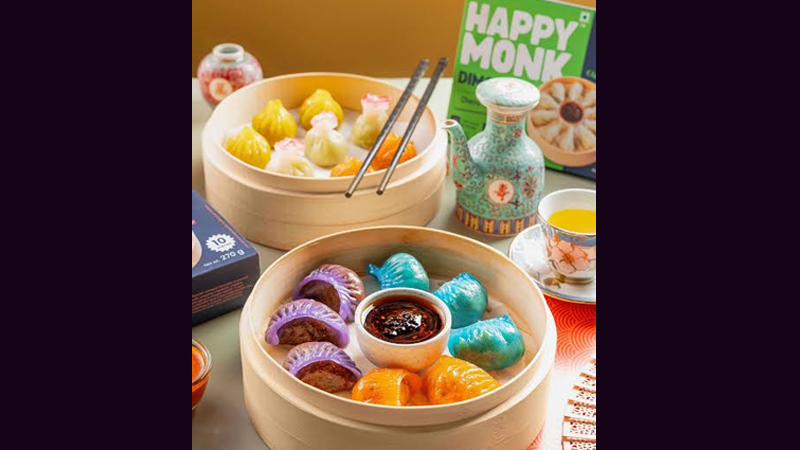
    MUMBAI: Move over mass-market momos, there’s a new monk in town. Happy Monk, a new disruptor in the frozen food space, is shaking up Indian freezers with its first-of-its-kind line of premium, chef-crafted, preservative-free dim sums.

    Launched by f&b veterans Varun Kapoor (ex-ITC, HUL) and Deepthi Nair (ex-Bisleri, MTR, Capital Foods), the brand rolls out with over 20 hand-folded varieties, featuring edgy flavour bombs like Edamame Truffle, Smoked Chicken & Cheddar, and Sriracha Chicken. Priced between Rs 395–485 for a pack of 10 dumplings and a hit of chilli oil, the line-up promises restaurant-quality indulgence—straight from your freezer, minus the guilt.

    “We’ve seen the food industry evolve, but the frozen food category in India has remained largely unchanged. We saw an opportunity to introduce something more premium, more exciting, and more in line with what the consumer wants,” says Kapoor. “Our goal was simple: to bring high-quality dim sums to every home without sacrificing flavour, convenience, or authenticity. What started as a small experiment quickly grew into something bigger because we saw the demand for truly exceptional frozen food.”

    “Happy Monk is more than just a food brand, it’s a lifestyle experience that can be made easily accessible for the quality-conscious audience”, adds Nair. “There’s a new wave of consumers who are redefining comfort food. They want food that feels familiar but tastes elevated. That’s the sweet spot we occupy by providing gourmet food that’s deeply satisfying, yet incredibly convenient.”

    Currently available on www.thehappymonk.co.in, the brand offers same-day delivery in Mumbai (for orders before 3 pm) and has plans to expand to other metro and tier-1 cities.

    With punchy packaging, playful branding, and full-on flavour, Happy Monk isn’t just joining the frozen food category, it’s building one. Say hello to dumplings with a little more bite.

  • Swiggy launches Swiggy Wiggy 3.0 with original rap anthem

    Swiggy launches Swiggy Wiggy 3.0 with original rap anthem

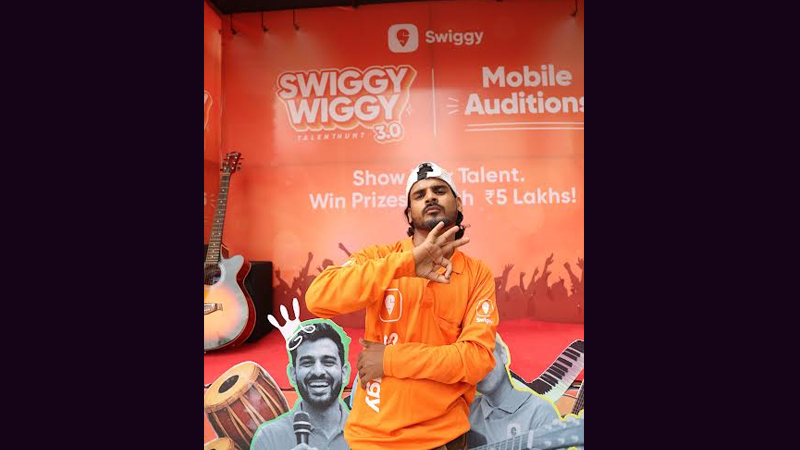
    National, July 28, 2025: Swiggy (Swiggy Ltd, NSE: SWIGGY / BSE: 544285), has shared that it has launched the third edition of Swiggy Wiggy, a unique talent discovery initiative for delivery partners across India where delivery partners could submit videos showcasing their talent, be it singing, sketching, rapping, dancing, beatboxing, or any other form of creative expression. Over 3000 delivery partners have participated in Swiggy Wiggy 3.0 and the top 10 shortlisted entries are open for public voting on the Swiggy Delivery Partners official Instagram handle from 26 July 2025.

    swiggy_deliverypartners

    In addition to this, the company also launched an original rap anthem for Swiggy Wiggy 3.0, performed by Indian hip-hop artist ‘The Siege’. With a compelling beat and a bold message, the anthem celebrated the multi-faceted talent of delivery partners across the country. The rap song, now live on Swiggy Delivery Partners’ official Instagram handle, is a tribute to the untold stories of grit, ambition, and talent within the Swiggy delivery partner community. Swiggy also organized mobile van auditions in multiple cities to make it easier for the delivery partners to participate.

    The five most-voted participants of Swiggy Wiggy 3.0 will be invited to Swiggy’s corporate headquarters in Bengaluru for a grand live finale on 6 August 2025. The winners stand to win prizes worth up to Rs 5 lakhs. The first-place winner will ride away on a Royal Enfield motorcycle, while the runners-up and the next 2 will take home cash prizes of Rs 1 lakh, Rs 75,000, and Rs 50,000 respectively.

    Past editions of Swiggy Wiggy have uncovered exceptional talent. In Season 2, Aakash Saroj, a runner-up, went on to audition for Hip Hop India 2 on Amazon miniTV after his Swiggy Wiggy performance went viral. Harish, a sketch artist and former finalist, exhibited and sold out his artwork at an internal Swiggy event last year. Other standout talents uncovered included calisthenic performers, tabla players, singers, and painters, each one representing the hidden potential that lies within Swiggy’s frontline workforce.

  • Glam Slam in Mumbai as GICW sets the runway for its Season 6 debut

    Glam Slam in Mumbai as GICW sets the runway for its Season 6 debut

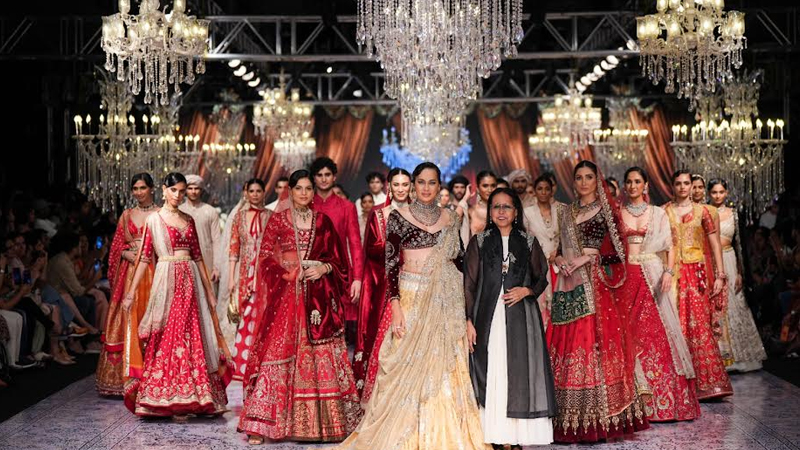
     MUMBAI: Flashbulbs, fashion, and a fresh address India’s couture caravan is heading west. After five dazzling, drama-filled seasons in Delhi, Global India Couture Week (GICW) is stitching up a new chapter with its grand Mumbai debut for Season 6, scheduled for 19th, 20th, and 21st September 2025. One of India’s most influential fashion platforms, GICW is turning up the couture heat in the city that never sleeps bringing together legendary designers, Bollywood glamazons, and next-gen fashion firebrands under one sequinned roof.

    The move marks a bold shift for GICW, promising a more high-octane, creative, and collaborative energy. Think red carpet dazzle, influencer-packed FROWs, and runway shows that go from classic couture to cutting-edge chaos in the best possible way.

    “GICW is not just about showcasing fashion, it’s about shaping the future of Indian design,” said Flashbulbs, founder Satyajit Mohanty.

    His partner-in-style, Flashbulbs director of operations Sidharrth Behera added, “Mumbai represents a new energy, and we’re opening our doors wide for young designers to step in, shine, and scale.”

    Over the years, GICW has featured couture royalty like Anju Modi, Neeta Lulla, Wendell Rodricks, Narendra Kumar, Samant Chauhan, and Tanieya Khanuja. The film world has been equally smitten, with Karisma Kapoor, Nushrratt Bharuccha, Palak Tiwari, and Divya Khosla Kumar lending their star wattage to the catwalk.

    Now, with applications open for emerging designers, GICW Season 6 is giving the fashion disruptors of tomorrow a chance to rub shoulder-pads with the greats. Limited slots are up for grabs, and the exposure is not just national, but global zero compromises, full glamour.

    With India’s fashion industry valued at over 18 billion dollars and luxury couture seeing a sharp post-pandemic boom, GICW’s strategic shift to Mumbai is more than just a location change. It’s a sartorial power move, designed to tap into the city’s celebrity ecosystem, global connectivity, and buzzing fashion calendar.

    So whether you’re a die-hard couturista or a meme-scrolling style enthusiast, brace yourself. September’s going to be all sequins, swagger, and seriously high fashion Mumbai style.

    (If you are an Anime fan and love Anime like Demon Slayer, Spy X Family, Hunter X Hunter, Tokyo Revengers, Dan Da Dan and Slime, Buy your favourite Anime merchandise on AnimeOriginals.com.)

  • Vim celebrates India’s cleanest cities with sparkling tribute and floor cleaner discounts

    Vim celebrates India’s cleanest cities with sparkling tribute and floor cleaner discounts

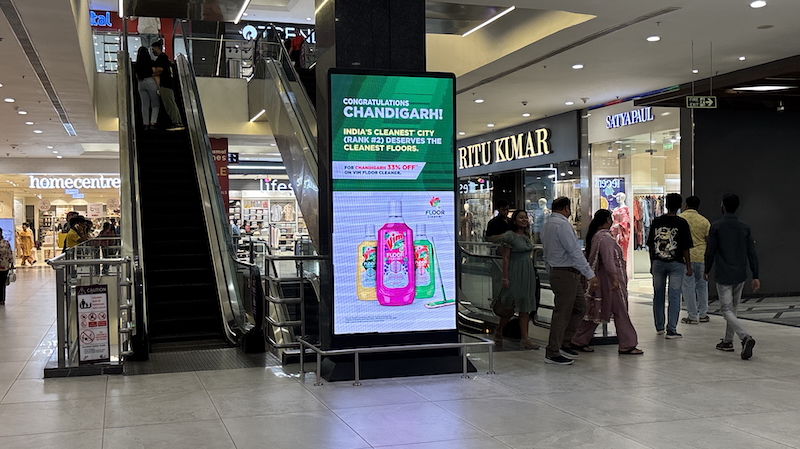
    MUMBAI: Hindustan Unilever’s home care brand Vim has rolled out a spirited, city-specific campaign to honour the winners of Swachh Survekshan 2024–25—India’s largest cleanliness survey spearheaded by the ministry of housing and urban affairs. As a nod to the residents of the nation’s cleanest cities, HUL is offering exclusive discounts on its Vim Ultrapro Floor Cleaner range—reinforcing its message that cleanliness begins at home.

    Now in its 10th year, Swachh Survekshan has become a national benchmark for urban hygiene and sanitation. In this year’s edition, Indore, Navi Mumbai, and Surat clinched the top ranks in the premier Super Swachh League, while cities like Ahmedabad, Bhopal, and Lucknow were spotlighted as rising stars. Prayagraj earned special praise for its sanitation efforts during the Mahakumbh. A total of 43 national awards were conferred.

    Vim’s hyperlocal campaign targets these winning cities with outdoor hoardings, local radio integrations, and hyperlocal influencer content. More than just a promotional push, the initiative is a celebration of civic pride and a bid to trigger sustained behavioural change around cleanliness—both inside homes and across communities.

    HUL home care general manager Srinandan Sundaram said, “Cleanliness has long been woven into the fabric of our culture, and Vim proudly stands by this enduring value. Along these lines, Vim has recently gone beyond dishwash and launched Vim Ultrapro Floor Cleaner range with patented biodegradable polymer technology + probiotic actives- which offers deep cleaning and enhanced performance. This campaign reflects our conviction that the path to cleaner cities starts from building the culture of cleanliness & we are celebrating the people from the winning cities for exhibiting the same. By echoing the spirit of Swachh Survekshan, we hope to inspire citizens to embrace cleanliness as a daily habit—and as a shared responsibility that strengthens our communities.”

    The campaign also doubles as a spotlight for Vim’s newly launched Ultrapro Floor Cleaner range, which features patented biodegradable polymer technology and probiotic actives. The product promises 100 per cent stain removal, deep cleaning, and exotic fragrances that last up to four hours—a technological upgrade aimed at India’s evolving home hygiene needs.

    With this initiative, HUL strengthens its alignment with national cleanliness drives, seamlessly connecting personal hygiene with civic responsibility—one mop at a time.

  • Nestlé India cooks up a strong Q1 with Rs 659 crore profit and volume growth

    Nestlé India cooks up a strong Q1 with Rs 659 crore profit and volume growth

    MUMBAI: Nestlé India’s Q1 wasn’t just about instant noodles, it was an instant hit. Powered by pantry staples, caffeine cravings, and chocolate cheer, the FMCG major cooked up a Rs 5,074 crore sales recipe in the June quarter of FY26, stirring in a 5.9 per cent year-on-year growth and a net profit of Rs 659.2 crore.

    From steaming cups of Nescafé to school tiffins packed with Maggi and KitKat, the company’s core brands did the heavy lifting. Seven of the top twelve brands brewed double-digit growth, fuelling overall volume-led momentum across categories. The EBITDA margin stood robust at 21.7 per cent of sales, while earnings per share for the quarter came in at Rs 6.84.

    “Three of our four product groups bounced back to volume-led growth,” said outgoing Nescafé CMD Suresh Narayanan, who exits the company this month after a decade-long stint. “Maggi noodles saw double-digit growth, and our beverage and confectionery portfolios continued to perform strongly.”

    And perform they did. The Powdered and Liquid Beverages segment led by Nescafé Classic, Sunrise, and Gold perked up with high double-digit growth, aided by cold coffee campaigns that clicked during the summer. Meanwhile, the Prepared Dishes and Cooking Aids category, fuelled by Maggi’s ever-spicy range (Garlic, Cheesy, Pepper, Manchurian), added more masala to the numbers.

    Confectionery was another sweet spot. Kitkat emerged as the crown jewel, leading the charge in both urban and “Rurban” markets. Munch and Milkybar also saw high double-digit gains. Nestlé’s push into premium variants like Kitkat Lemon n Lime and Dark Sharebag helped expand its digital-first distribution.

    Milk Products and Nutrition showed mixed results, but brands like Milkmaid and Nestlé’s growing-up milk range still gained market share. Meanwhile, breakfast cereals buoyed by the recent launch of Munch Choco Fills crunched out high double-digit growth.

    Nestlé’s e-commerce channel now contributes 12.5 per cent of domestic sales, with quick commerce and newer launches proving to be the growth engines. Its Out-of-Home business think vending corners and retail kiosks continues to post double-digit growth, with over 1,000 Nescaf Corners, Maggie Hotspots and Kitkat Break Zones spread across India.

    On the export front too, it was a power-packed quarter, with high double-digit growth across foods, beverages and cereals. The UK even got a taste of desi spice, with Masala-Ae-Magic officially launching there.

    The business faced its share of heat: inflationary pressures pushed up costs of key commodities, and manufacturing expansion led to higher operating expenses. Finance costs rose due to short-term borrowings. But there’s relief in sight coffee, edible oil, and cocoa prices have stabilised, and milk is expected to cool with the monsoon flush.

    As Narayanan passes the baton to incoming Nescafé chairman and MD Manish Tiwary from 1 August, he exits on a high note. Over the last decade, Nestlé India has reported a 150 per cent rise in sales, a 490 per cent jump in PAT, and a 3.9x increase in market capitalisation, with a 17 per cent CAGR in total shareholder return.

    With a legacy that’s chocolate-dipped and noodle-tossed, Nestlé India has shown that even in a high-cost environment, flavour-packed fundamentals and strong consumer connect can serve up consistent, comforting growth.

    (If you are an Anime fan and love Anime like Demon Slayer, Spy X Family, Hunter X Hunter, Tokyo Revengers, Dan Da Dan and Slime, Buy your favourite Anime merchandise on AnimeOriginals.com.)

  • Tedhe Medhe goes viral with a reel-y snackable content masterclass

    Tedhe Medhe goes viral with a reel-y snackable content masterclass

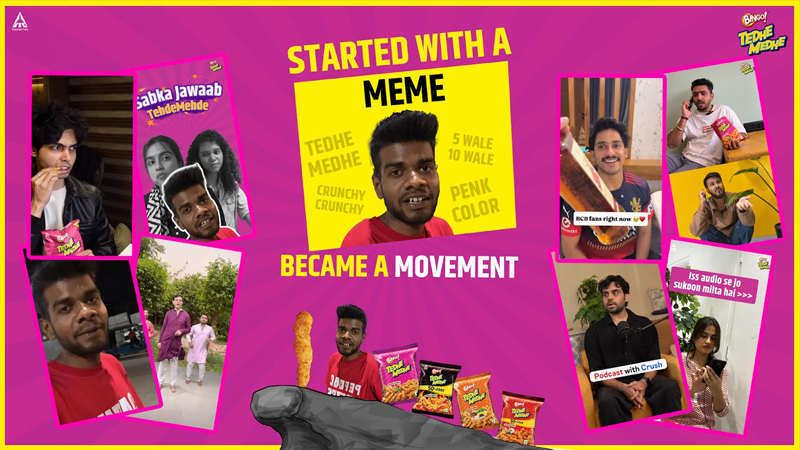
    MUMBAI: What do you get when a snack brand embraces meme culture, musical flair, and internet spontaneity? A full-blown digital dhamaka, that’s what. Bingo! Tedhe Medhe’s latest campaign, Sabkajawaabtedhemedhe, has turned into one of the biggest organic internet moments of the year, proving that the best marketing isn’t always cooked up in a boardroom, sometimes it’s born in a spontaneous Instagram reel.

    The spark? A reel by creator Deepankar Koshta casually declaring, “Tedhe Medhe bhi acche lagte hain.” With over 3 million organic views, the line struck a chord. Sensing its viral potential, Bingo! responded not with a brand plug, but a personal touch, a Tedhe Medhe hamper and handwritten note prompting 7 plus organic follow-up reels and another 1.5 million views.

    Then came the beat drop. Bingo! roped in music producer Anshuman Sharma, turning the catchphrase into an irresistibly quirky anthem. The result? A social media juggernaut with over 68 million views, 122k shares, and 3.5x engagement compared to the brand’s regular content making it Bingo!’s second-most shared post ever.

    The virality spiced up further when content creator Parveen Sharma crafted a meme-dance routine to the anthem, clocking 44 million views and 225k shares breaking records to become the brand’s most shared content to date.

    Not one to miss a beat, Bingo! then launched the SabkaJawaabTedheMedhe contest with comedian Satish Ray, asking users to respond to life’s oddball questions using Deepankar’s reel audio. The challenge garnered over 1.7 million views, 14k shares, and hundreds of user remixes.

    The ripple effect snowballed with influencers like Purav Jha and even brands like Swiggy joining in. Daily meme-style posts generated between 1.4 to 5 million views each. In total, the campaign racked up over 112 million views, 21 million in reach, and nearly 1 million engagements all largely organic.

    More than just a quirky campaign, Bingo!’s digital blitz shows how embracing real-time culture, giving credit to creators, and speaking the internet’s native language can turn a single unscripted moment into a nationwide snack sensation.

    Because in the age of reels and relatability Tedhe is the new straight.

    (If you are an Anime fan and love Anime like Demon Slayer, Spy X Family, Hunter X Hunter, Tokyo Revengers, Dan Da Dan and Slime, Buy your favourite Anime merchandise on AnimeOriginals.com.)