Category: Marketing

  • Cigarettes and Surplus: ITC lights up with Rs 4912 crore Q1 profit

    Cigarettes and Surplus: ITC lights up with Rs 4912 crore Q1 profit

    MUMBAI: No smoke without earnings and this quarter, ITC puffed its way to a Rs 4,912 crore net profit. The diversified conglomerate reported a strong start to FY26, with standalone net profit from continuing operations hitting Rs 4,912.36 crore in Q1 (ended June 2025), slightly ahead of last year’s Rs 4,819.93 crore. There were no exceptional items this time, making the growth all the more clean-cut unlike Q4 FY25’s massive Rs 15,179 crore gain from discontinued operations (read: the hotel demerger windfall).

    Revenue from operations stood at Rs 21,058.98 crore, up 20 per cent from Rs 17,593 crore in the same quarter last year. Total income, including other income, touched Rs 21,721 crore. Operating margins remained strong with profit before tax (PBT) at Rs 6,545 crore, while tax expenses stood at Rs 1,633 crore.

    The star of the pack? FMCG – Cigarettes, contributing Rs 8,520 crore in revenue, up from Rs 7,918 crore in Q1 FY25. Agri business shot up impressively too, clocking Rs 9,685 crore compared to Rs 6,973 crore a year ago, partly due to favourable trade opportunities. Meanwhile, FMCG – Others (staples, snacks, personal care) delivered Rs 5,777 crore. The segment’s EBITDA for the quarter came in at Rs 546 crore, down from Rs 619 crore in Q1 FY25.

    Despite facing inflationary pressure, employee costs remained stable at Rs 915 crore, and excise duty inched up slightly to Rs 1,309 crore. The company’s cost of materials consumed rose to Rs 6,171 crore, up from Rs 5,351 crore in Q1 FY25 reflecting both volume and price hikes.

    On a consolidated basis, the picture was equally robust. ITC posted a net profit of Rs 5,343 crore (continuing operations), with group revenues touching Rs 23,129 crore. The discontinued hotel business (now housed in ITC Hotels Ltd post-demerger) reported nil operations for the quarter, closing the chapter on an era that brought Rs 15,016 crore profit in FY25.

    Segment-wise, consolidated FMCG revenues totalled Rs 15,354 crore, with cigarettes delivering Rs 9,554 crore. Paperboards, paper and packaging clocked Rs 2,117 crore, while agri continued its sharp rise.

    The group also onboarded subsidiaries such as Sresta Natural Bioproducts, making room in its books for future-ready green growth.

    Earnings per share for the quarter stood at Rs 3.93 (basic), with reserves at Rs 66,649 crore. Total assets stood at Rs 90,513 crore, with liabilities under check at Rs 17,385 crore.

    With no hotel baggage and a consistent run across core verticals, ITC appears to be in cruise control mode puffing profits, planting purpose, and packing numbers that speak for themselves.

  • Mobikwik sees Rs 419 million Q1 loss despite revenue crossing Rs 2,700M

    Mobikwik sees Rs 419 million Q1 loss despite revenue crossing Rs 2,700M

    MUMBAI: Wallet lightens despite wallet biz boom Mobikwik’s Q1 balance isn’t adding up just yet. One Mobikwik Systems posted a consolidated net loss of Rs 419.2 million for the quarter ended 30 June 2025, nearly doubling its loss from the same quarter last year (Rs 66.15 million), despite generating revenues of Rs 2,713.63 million from operations. While revenue held steady quarter-on-quarter, rising marginally from Rs 2,677.84 million in Q4 FY25, expenses continued to outpace topline growth.

    The company’s total income stood at Rs 2,816.16 million in Q1 FY26, including Rs 102.53 million in other income. However, total expenses surged to Rs 3,128.17 million, driven by high payment gateway costs (Rs 1,427.82 million) and financial guarantee expenses (Rs 213.88 million), the latter jumping over 700 per cent from the Rs 25.27 million reported in Q1 FY25. Operational expenses for the lending business also remained significant at Rs 291.82 million.

    Earnings before interest, tax, depreciation and amortisation (EBITDA) came in at a negative Rs 312.01 million, narrowing the loss from Rs 457.61 million in the previous quarter but falling sharply from a positive Rs 22.3 million a year ago.

    Finance costs rose to Rs 78.27 million, while depreciation and amortisation were at Rs 28.57 million for the quarter. Loss before tax stood at Rs 418.85 million.

    MobiKwik’s initial public offering (IPO), completed in December 2024, raised Rs 5,305.17 million (net of expenses). Of this, only Rs 2,140 million has been utilised so far, leaving Rs 3,165.17 million unspent. Key deployment areas included Rs 459.5 million for financial services growth and Rs 699 million for the payments vertical. Investments in R&D (Rs 307.6 million), capex for payment devices (Rs 23.9 million), and general corporate purposes (Rs 650 million) accounted for the rest.

    Employee benefit expenses remained flat at Rs 419.55 million, while other expenses (Rs 775.1 million) included brand, tech, and operational overheads.

    Diluted earnings per share (EPS) stood at negative Rs 5.39, compared to negative Rs 8.88 in Q4 and negative Rs 1.16 in Q1 FY25.

    Mobikwik granted 3,27,688 new stock options in the quarter under its 2014 ESOP plan and saw 4,65,873 options exercised. The company’s paid-up equity share capital rose to Rs 156.38 million post IPO.

    Despite widening losses, the company said it continues to operate as a single segment player across digital financial and payment services, and remains focused on sustainable growth and technology investments. With Rs 1,040.5 million still earmarked for financial services and Rs 762.4 million for R&D, MobiKwik appears to be playing the long game even if short-term results are deep in the red.

  • Essential Car Insurance Terms to Understand Before the Monsoon

    Essential Car Insurance Terms to Understand Before the Monsoon

    The Indian monsoon season is generally accompanied by torrential rainfall, floods, landslides, hailstorms and high humidity. All these can seriously damage your car, causing corrosion, engine failure, water ingress, short circuit and sudden breakdown. Having a clear understanding of your car insurance terms can help you avoid expensive surprises during claim registration. Buying car insurance online during the monsoon season makes it easy to check what different plans offer in terms of coverage and claim settlement, review premiums from multiple insurers, compare add-ons and purchase policies without any delay.

    Introduction

    Rain after the sweltering summer months is very refreshing and calming. However, they also come with unique challenges for car owners, especially those living in flood-prone areas. Potholes, water-logged streets, unexpected floods, storms and stalled engines are common during this season, and they can turn your daily travel into a costly nightmare almost instantly. 

    Your repair cost can spike, and insurance claims may not go through if your policy isn’t clear enough or updated. That’s why getting the right car insurance online and understanding its terms can make all the difference. This guide breaks down important insurance terms and offers clear explanations, so you are sufficiently prepared before the skies burst open.

    Car Insurance Terms You Need to Know Before the Monsoon

    Knowing what your car insurance covers, what it doesn’t and how to upgrade it for monsoon-prone areas can help you make the best decision during renewal.

    1.  Types of Coverages

    Third-Party Car Insurance: This plan financially and legally covers the damages your vehicle causes to other individuals or their property. The third-party car insurance is mandatory by law under the Motor Act, 1988, but it doesn’t protect your vehicle from monsoon damage.

    Comprehensive Insurance: It is a complete and customisable plan that covers both third-party liabilities and own car damages. This broader protection is beneficial during the monsoon season when your vehicle faces multiple risks simultaneously, including floods and fire from a short circuit.

    Personal Accident Cover: This cover offers financial protection if you suffer injuries in an accident. It pays ambulance charges and medical expenses and provides compensation for permanent disability or death.

    2.  Insurance Declared Value (IDV)

    IDV is your car’s current market value as determined by your insurance company. It is the maximum amount the insurance company will pay if your car is completely damaged or stolen.  
    Your IDV decreases each year due to depreciation – a new car’s IDV is about 95% of its showroom price. Note that choosing a higher IDV means paying higher premiums, but it also means better compensation during claims.

    3.  Add-Ons for Riders for the Monsoons

    Here are a few useful add-ons you must consider if you live in a heavy monsoon-prone area:

    Engine Protection Cover: This add-on protects your engine from water damage. Standard comprehensive policies don’t cover a hydrostatic lock, where water enters your engine cylinders.

    Zero Depreciation Cover: This cover ensures you receive the full claim amount without depreciation deductions. 

    Roadside Assistance: It provides emergency services like towing, battery jump-start and flat tyre replacement if you are stranded in a waterlogged area. This cover is valuable for people living in remote areas or hill stations.

    Consumables Cover: This useful add-on pays for items like engine oil, nuts, bolts, coolant and brake fluid, which often need replacement after water damage. These costs, usually not covered in standard comprehensive car insurance policies, can add up significantly during claims.

    You can only top up your comprehensive insurance with these add-ons and not third-party or personal cover. Riders can be added at the time of policy purchase or renewal.

    4. Deductibles

    Deductibles are the amount you pay from your pocket before the insurer covers the rest during a claim settlement. This amount is decided when you renew or buy the policy.

    Lower deductibles mean higher premiums, but you’ll pay less during claims. There are two types of deductibles:

    .  Compulsory deductible: This amount is fixed by the insurer based on your claim history and car make and model. 

    .  Voluntary deductible: It is a higher out-of-pocket amount you choose in exchange for a lower premium.

    Know your deductible amount so you are not surprised during claims, especially if there are chances of making multiple claims. In addition, consider your financial capacity when deciding on the voluntary deductible.

    Tips to Protect Your Car Insurance During Monsoon

    Use these steps to make sure your insurance helps you when you need it most.

    1. Document Car Condition: Take photographs of existing scratches, dents and mechanical issues before the monsoon begins. This will help during claim settlement. 

    2. Check Your Current Insurance Policy: Make sure it’s comprehensive and has monsoon-related add-ons and terms. For example, many policies exclude damage from driving through flooded areas despite official warnings. 

    3. Avoid High-Water Areas: Do not drive through waterlogged areas. Even with an engine protection cover, your claim can get rejected if driving through the region was deliberate. Also, prevention is better than time-consuming repairs. 

    4. Service Your Car Before Monsoon Starts: A well-maintained vehicle has fewer chances of suffering damage and wouldn’t face claim rejections. 

    5. Don’t Delay Renewal: If your vehicle’s car insurance policy is expiring just before the monsoon hits, don’t delay renewal, thinking that you wouldn’t be taking your car out. Even parked vehicles can be damaged and need proper insurance coverage.

    Key Takeaway

    The monsoon season doesn’t have to be a nightmare for car owners. With a well-understood and active policy, you can manage risks and avoid unnecessary repair costs. Buy or renew your car insurance online after checking what’s covered and what else you need. Make sure your car is protected against engine damage, electrical issues, breakdowns and more.

    Disclaimer: The above information is for illustrative purposes only. For more details, please refer to the policy wordings and prospectus before concluding the sales.
  • HUL Posts Rs 2,768 Crore Profit in Q1, Boosted by Minimalist Buy

    HUL Posts Rs 2,768 Crore Profit in Q1, Boosted by Minimalist Buy

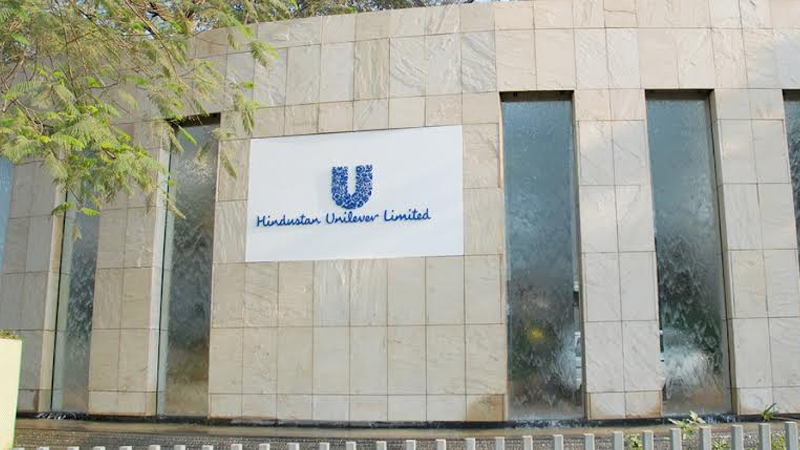
    MUMBAI: Hindustan Unilever Limited (HUL) has kicked off FY26 with a frothy performance in Q1, brewing Rs 2,768 crore in net profit up 6 per cent from the same quarter last year despite flat volume growth and a mild lather of margin pressure. Total revenue stood at Rs 16,323 crore, a 5 per cent rise from the previous year’s Rs 15,547 crore, driven by modest gains across key verticals including Home Care (Rs 5,815 crore), Beauty & Wellbeing (Rs 3,265 crore), Foods (Rs 3,896 crore), and Personal Care (Rs 2,126 crore). The company’s EBITDA for the quarter clocked in at Rs 3,718 crore with a margin of 22.8 per cent, a dip of 130 basis points versus the previous year.

    But what added extra glow to the balance sheet this quarter was the inclusion of Uprising Science Private Limited makers of the cult-favourite skincare and haircare brand *Minimalist*. HUL completed a 90.5 per cent stake acquisition in April 2025 for Rs 2,706 crore, and the brand’s contribution from April to June has already been factored into the consolidated earnings.

    While profit before tax stood at Rs 3,362 crore, a Rs 138 crore exceptional item mostly restructuring expenses and adjustments to legacy tax provisions shaved off some sheen. However, a re-estimation of tax expenses added a 12 per cent boost to PAT growth, softening the blow.

    Interestingly, despite a slight dip in operating margins, HUL managed to grow its bottom line due to disciplined cost controls and a diversified category strategy. Foods and Beverages continues to be the tastiest pie, contributing Rs 3,896 crore in revenue, while Home Care kept the household engine running with Rs 5,815 crore.

    On the segment results side, Home Care led the pack with Rs 1,093 crore in profits, followed closely by Beauty & Wellbeing (Rs 1,046 crore) and Foods (Rs 627 crore). Personal Care, however, saw a relative slide, reporting Rs 398 crore for the quarter.

    With this quarterly update, HUL’s CEO Rohit Jawa seems to have set a confident tone for the year. The acquisition of *Minimalist* hints at a sharper pivot towards premium and digitally native brands, while its core continues to be driven by daily-use essentials.

    Even as rural demand remains patchy, and discretionary consumption cautious, HUL is leaning into a “more for less” strategy revamping portfolios while keeping margins lean and marketing sharp.

    A minimalist acquisition, a maximalist balance sheet HUL might just be setting the tone for the FMCG playbook in FY26.

  • TTK Prestige’s ‘Deep Lid’ makes a splash on Carter Road

    TTK Prestige’s ‘Deep Lid’ makes a splash on Carter Road

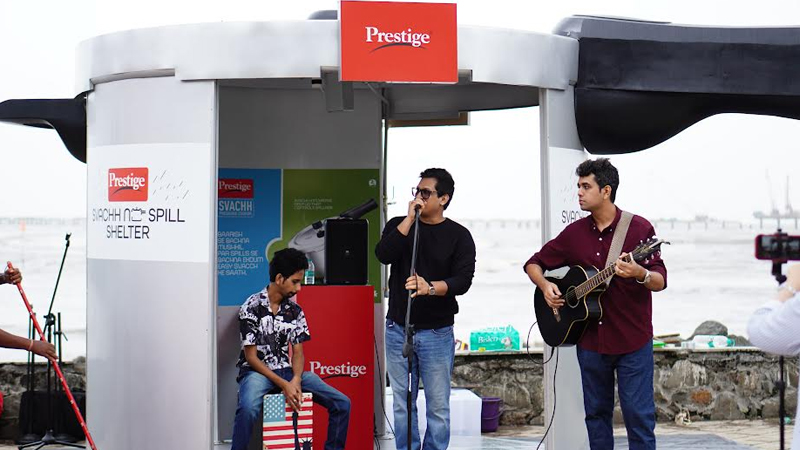
    MUMBAI : Forget your average umbrella, TTK Prestige, India’s trusted kitchen whiz, has truly spilled the beans on innovation. They’ve erected a colossal replica of their Prestige Svachh Pressure Cooker’s Deep Lid on Mumbai’s bustling Carter Road. And it’s not just for show; this monumental lid is doubling as a rain shelter, keeping pedestrians as clean and dry as your kitchen counter after a Svachh-cooked curry.

    Conceptualised by the clever clogs at DDB Mudra, this installation isn’t just turning heads; it’s a stroke of genius in brand storytelling. It lets the public literally walk through and stand under the very feature that promises no more messy boil-overs. The installation perfectly encapsulates the Svachh range’s philosophy: making daily life cleaner, simpler, and more conscious – a real boon for the Indian homemaker. It’s a bold statement that tidiness isn’t just a chore, but a thoughtful practice that elevates everyday living.

    The site also played host to a collective pledge, inviting passers-by to commit to safer and more hygienic cooking habits. Visitors were encouraged to snap selfies and share their vows on social media using #SvachhNoSpillShelter, spreading the “Clean Kitchen Promise” far and wide. Participants even bagged vouchers, a neat little reinforcement of the brand’s belief in empowering Indian kitchens.

    TTK Prestige senior general manager & head – marketing, Akila Chandrasekar shared the journey behind the Svachh deep lid innovation, “At TTK Prestige, we believe that innovation should serve a purpose beyond the product. The SVACHH Deep Lid was developed to solve a real issue in Indian kitchens — the mess and inconvenience caused by spillage during pressure cooking. This installation takes that simple idea — one that has quietly improved daily cooking for millions — and magnifies its impact in a public space. It’s a way for us to show how much thought goes into even the smallest design detail and how those details make everyday lives easier. At a time when attention is hard-won, this initiative allows us to engage people meaningfully, without needing to sell to them. It’s visibility with value, a reflection of the brand we aspire to be: intelligent, purposeful, and deeply rooted in consumer insight.”

    The installation will remain open for public viewing at Carter Road for the week, serving as both a talking point and a visual reminder that even the most functional products can have cultural flair.

    DDB Mudra Creative Head – South, Priya Shivakumar said, “At the heart of this idea is a simple yet strong belief, that thoughtful innovation can solve everyday problems. The Prestige spillage-control lid is one such product born of this belief, and we wanted to dramatize its function in a way that felt both meaningful and memorable. So, we took it out of the kitchen and into the streets — right in the middle of India’s monsoon. With ‘Prestige Svachh No Spill Shelter’, we transformed the lid into a life-size shelter that not only protects people from the rain but also collects and recycles the rainwater it captures. It’s a real-world metaphor for what the product does in homes every day. The idea is functional, sustainable, and a bit unexpected, staying true to the spirit of the brand.”

    To top it all off, the launch featured a live performance by indie band Symphony Rush, whose lively set ensured the event was anything but flat, drawing in families, joggers, and the simply curious. Looks like TTK Prestige has cooked up a storm – in the best possible way!

  • Stay fit come rain as playR launches monsoon-ready workout gear

    Stay fit come rain as playR launches monsoon-ready workout gear

    MUMBAI: Rain, rain, don’t go away, just bring the gym indoors today. As the monsoon hits with all its splash and swagger, fitness routines often find themselves washed away in puddles of procrastination. But playR, India’s top performance sportswear brand, is refusing to let weather rain on anyone’s gains.

    Best known for its bold, performance-first approach and official IPL merch cred, playR has launched a monsoon-focused activewear range that’s designed to help urban Indians keep sweating even when the skies won’t stop. Their latest offering includes anti-odour socks, ultra-breathable jerseys, quick-dry shorts, and best-in-class no-slip yoga mats, engineered to make home workouts safer and slicker.

    Because let’s face it: the commute from sofa to squat mat is the only kind of cardio most of us can guarantee during a downpour.

    “Monsoons can often be a reason to skip workouts—not because you lack motivation, but because the weather can be so unpredictable,” shares Ravi Kukreja, the Founder of playR and Director at iCOREts Private Limited. “That’s why we’ve created a range of indoor-friendly workout gear to help you stay on track and feel great about moving your body, no matter what the weather throws at you.”

    The brand’s moisture-wicking fabrics and grip-enhanced accessories aim to make living room workouts just as effective as a gym session. Whether you’re flowing through a morning yoga practice, smashing an HIIT circuit, or sweating it out on a virtual Zumba class, playR’s performance-led designs promise to keep you dry, balanced and stylish.

    And it’s all built with India in mind both in terms of climate resilience and affordability. Unlike premium international brands that don’t always get Indian weather (or wallet sizes), playR is leaning into local insights. Its products combine high-tech features like odour control and sweat management with street-smart design.

    The monsoon-ready line is already available on playR’s website and partner platforms, with prices starting from Rs 499 for accessories and Rs 999 for apparel making it a solid investment for those looking to weatherproof their willpower.

    So this season, forget soggy excuses and slippery starts. Whether it’s yoga at dawn or burpees before bed, playR’s got you covered, literally.

  • Watt a Charge Thunderplus hits 200 hubs with new Hyderabad station

    Watt a Charge Thunderplus hits 200 hubs with new Hyderabad station

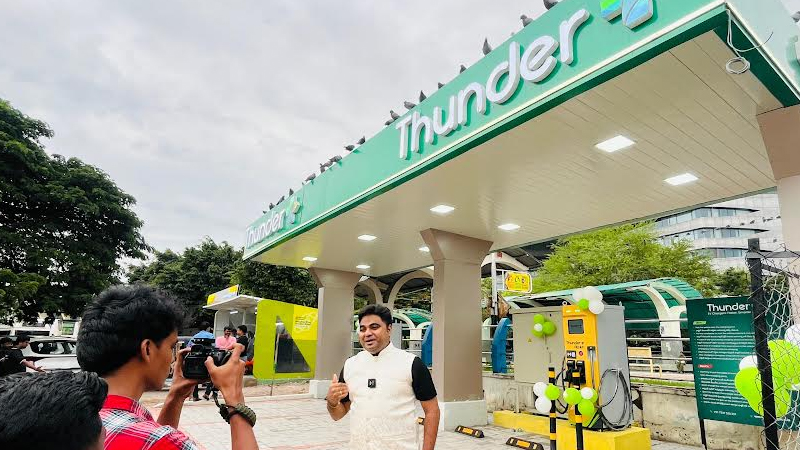
    MUMBAI: Watt’s the buzz in Hyderabad? Ultra-fast charging, clean energy, and a green milestone. Thunderplus, India’s fastest-growing EV charging infrastructure startup, has flipped the switch on its latest ultra-fast charging station this time at Necklace Road MMTS Station in Hyderabad marking its 200th hub across the country.

    In partnership with South Central Railway, the new flagship station is a key addition to Thunderplus’s mission of creating a cleaner, smarter electric mobility ecosystem. The company is now powering over 4,000 electric vehicles daily, dispensing more than 10 megawatt-hours of energy every day and preventing 35 metric tonnes of CO₂ emissions roughly the equivalent of planting over 1,600 trees daily.

    The Hyderabad launch event saw participation from Rajeev YSR, CEO of Thunderplus; Vishal Arjun, divisional commercial manager, Secunderabad division; and executives from the State Bank of India, among others.

    This high-speed station packs a punch with 120 kW charging bays (scalable to 480 kW), dynamic load-sharing tech, 24×7 central monitoring, and strategic access for commuters from Banjara Hills, Jubilee Hills, and Secunderabad.

    Backing the expansion is Thunderplus’s Titanium Franchise model. “The Assured Business Guarantee programme gave us the confidence to invest,” said Arvind Kompelli, the station’s franchise partner. With entry investments starting at Rs 20 lakh, franchisees receive turnkey setup, centralised operations, and a revenue model with guaranteed returns.

    “After seeing five-hour-plus daily usage at our Hitec City MMTS station, we’re expanding this model to more railway locations,” said Vishal Arjun of the Railways.

    Next up: Thunderplus is planning a bold pivot from discom energy to renewable power, including solar-powered stations via Power Purchase Agreements (PPAs), to further reduce its carbon footprint.

    With a presence in 60 plus cities and growing, ThunderPlus is not just sparking conversations, it’s charging ahead to lead India’s clean mobility transformation.

    (If you are an Anime fan and love Anime like Demon Slayer, Spy X Family, Hunter X Hunter, Tokyo Revengers, Dan Da Dan and Slime, Buy your favourite Anime merchandise on AnimeOriginals.com.)

  • Switch powers up as SA20’s official energy drink partner for three more years

    Switch powers up as SA20’s official energy drink partner for three more years

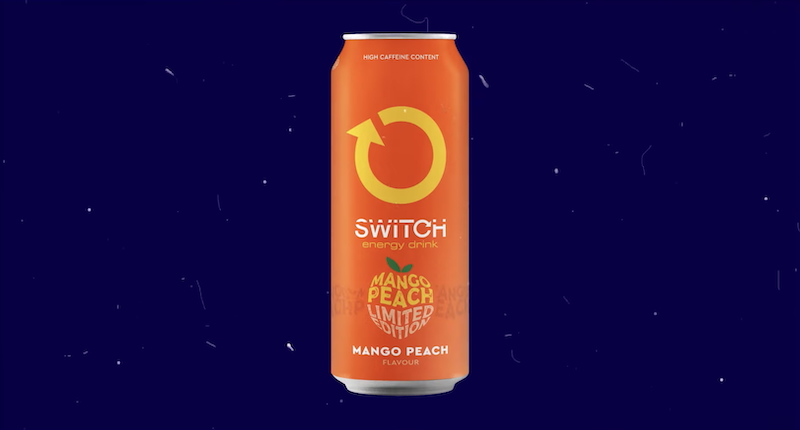
    JOHANNESBURG:  SA20 and Switch Energy Drink have struck a renewed and expanded multi-year deal, cementing the proudly South African brand as the league’s official energy drink partner from Season 4, which kicks off on 26 December.   

    The partnership — now locked in for the next three years — builds on a successful debut season where Switch electrified fans with tastings, cash giveaways and stadium activations across 34 match days.   

    “I am thrilled to renew and expand our partnership with Switch Energy Drink for Season 4,” said SA20 league commissioner Graeme Smith. “Switch is a bold, proudly South African brand that shares the same energetic and youthful approach as SA20. Together we will ignite stadiums and give fans unforgettable experiences.”  

    Switch CEO Christian Wentzel echoed the sentiment. “This isn’t just a sponsorship — it’s a celebration of South African sport and culture. The league brings people together and that’s the kind of energy Switch lives for.”   

    The timing is no accident. Preparations are ramping up for a much-hyped Season 4, with pre-signed and retained players already announced, featuring marquee Proteas and overseas stars. The next major milestone is the player auction in Johannesburg on 9 September , where franchises can collectively splash up to $7.4m to finalise their 19-player squads.   

    Watch the Switch-SA20  brand promotion video by clicking here: 

  • Dr. Fixit walks the talk with Warkaris at Pandharpur Wari

    Dr. Fixit walks the talk with Warkaris at Pandharpur Wari

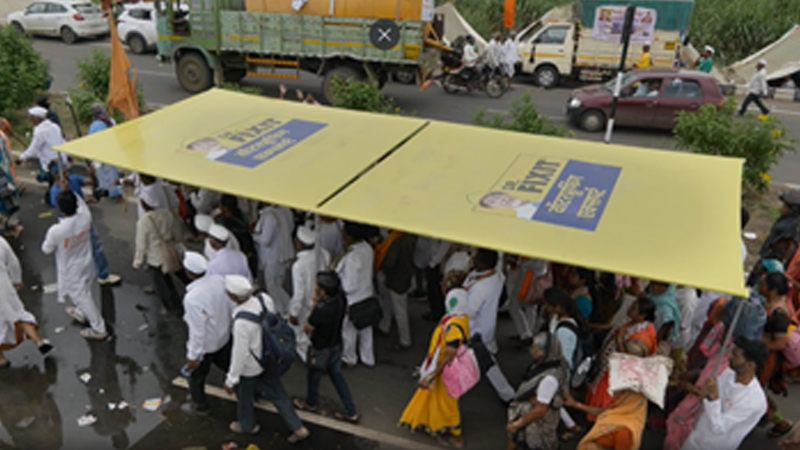
    MUMBAI : Dr. Fixit, the waterproofing solutions brand from Pidilite Industries, brought its credo of “Geela hai bahar, sukha hai andar” to life during Maharashtra’s revered Pandharpur Wari. In a gesture that blended brand purpose with cultural resonance, the company introduced custom-built walking roofs and mobile shelters to shield thousands of Warkaris from the monsoon downpour along their spiritual trek.

    The mobile roofs, each measuring 8×10 feet, moved with the devotees, while rest shelters dotted the route, offering dry, safe havens for weary pilgrims.

    Pidilite Industries Ltd. CMO Sandeep Tanwani shared, “At Pidilite, we believe our brands must connect with people, moments, and emotions in a meaningful way. Our initiative during the Pandharpur Wari reflects that belief. By walking with the Warkaris and providing shelters, we’ve aimed to support their journey in an unobtrusive yet meaningful manner, deepening our relationship with the community.”

    With over 25 years of waterproofing expertise and more than 1,000 crore sq. ft of protected structures, Dr. Fixit has extended its promise beyond homes — to the very people who make Maharashtra’s cultural heartbeat.