Category: Marketing

  • Swiss army knife brand lands Unilever pro as marketing chief

    Swiss army knife brand lands Unilever pro as marketing chief

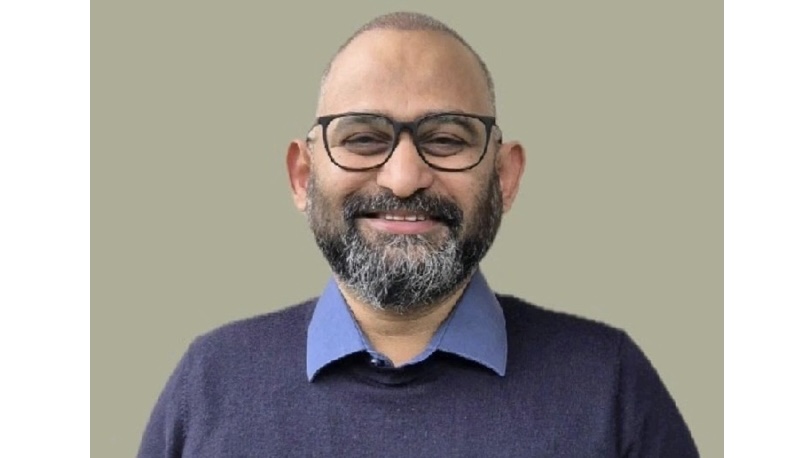
    MUMBAI: Victorinox India has recruited Avirup Mukhopadhyay as its head of marketing, hiring  the seasoned marketer from wellness brand True Elements where he spent over three years. The appointment signals the Swiss army knife maker’s intent to sharpen its marketing edge in the competitive Indian consumer market.

    Mukhopadhyay joins Victorinox this month after a stellar run at True Elements, where he rose from category lead to assistant vice-president of marketing. During his tenure at the Mumbai-based health food company, he orchestrated brand strategy across multiple geographies, managed profit-and-loss responsibilities, and crafted go-to-market strategies for both traditional and alternative channels.

    His most visible achievement at True Elements was the Black Pack Anthem campaign featuring cricket star Rohit Sharma, which positioned the brand around its “100 per cent real, nothing artificial” promise. The campaign exemplified his knack for marrying celebrity endorsements with authentic brand messaging.

    The 15-year marketing veteran brings impressive credentials from blue-chip companies. He spent nearly three years at Unilever, where he cut his teeth on the iconic Kissan brand, developing everything from penetration packs priced at Rs 15 to comprehensive brand-building strategies. His Unilever stint included roles spanning brand management, trade marketing for modern retail, and territory sales across Kolkata.

    Between his Unilever chapters, Mukhopadhyay had a brief but notable six-month tenure at Dr Reddy’s Laboratories, where he was tasked with building the Rebalanz energy drink brand across key Indian markets. The “27 per cent less sugar” positioning he developed demonstrated his ability to navigate the increasingly health-conscious consumer landscape.

    His career began in financial services at Bajaj Allianz before pivoting to FMCG, with early roles at HCL Infosystems. A summer internship at Unilever during his MBA studies proved fortuitous, eventually opening doors to his full-time role at the Anglo-Dutch giant.

    For Victorinox, known globally for its multi-tool expertise but still building brand awareness in India’s crowded lifestyle market, Mukhopadhyay’s track record of scaling brands across price points and channels could prove invaluable. His experience spans everything from mass-market detergents to premium wellness products—precisely the range needed to navigate India’s bifurcated consumer market.

    The appointment reflects a broader trend of heritage European brands investing heavily in Indian marketing talent as they seek to crack the subcontinent’s complex consumer preferences.

  • Flam turns up the volume with 80dB for its mixed reality storytelling

    Flam turns up the volume with 80dB for its mixed reality storytelling

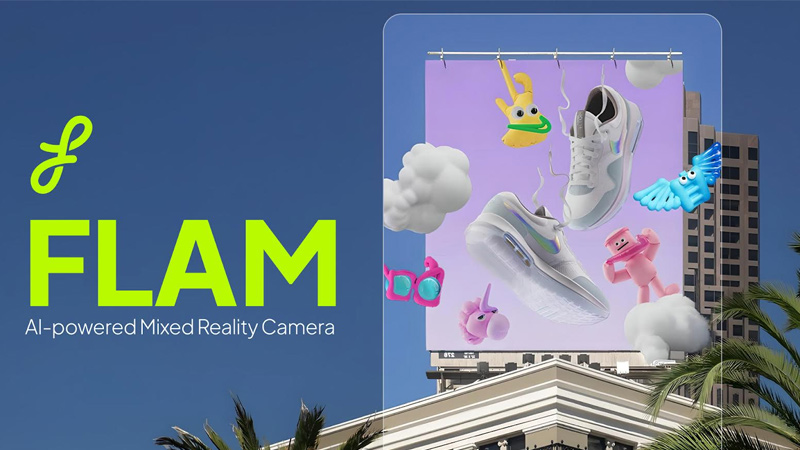
    MUMBAI: When reality isn’t enough, Flam makes it mixed and now, it has found the perfect partner to shout it out loud. 80dB Communications, an integrated reputation management advisory, has bagged the communications mandate for Flam, the AI-powered mixed reality publishing platform that lets brands deliver immersive, app-free 3D experiences. The tie-up will see 80dB craft and drive Flam’s communications strategy, amplifying visibility, shaping corporate reputation, and championing its category-defining innovation in immersive advertising.

    “Mixed reality is rewriting the rules of brand engagement, and with 80dB on board, we’ll ensure our story resonates globally,” said Flam CMO Karthik K Raman noting the platform’s ambition to scale its immersive storytelling to more global brands. Flam head of marketing Nidhi Kohli Nandode added that the collaboration comes at a time when brands are increasingly seeking meaningful audience connections through new-age formats.

    From virtual product launches to interactive campaigns, Flam’s AI Twins–powered experiences are already reimagining how audiences interact with brands. Now, with 80dB’s expertise in startup storytelling and tech communications, the company aims to take these innovations mainstream.

    80dB co-founder & joint MD Kiran Ray Chaudhury summed it up: “Flam is democratising mixed reality for brands at scale. Our goal is to elevate their visibility, shape the conversation, and accelerate adoption of this powerful medium.”

    With immersive ads moving from buzzword to business, Flam and 80dB seem ready to turn up the heat and the decibels in brand storytelling.


  • Big Fm turns up the volume with 9 new stations, now India’s No.1 network

    Big Fm turns up the volume with 9 new stations, now India’s No.1 network

    MUMBAI: Radio just got a little louder and a lot bigger. Big Fm, which has long been a household name for music and entertainment, has officially tuned itself into the country’s largest single-brand radio network with a whopping 67 stations. The milestone comes with the addition of nine new stations across Punjab, Haryana, Uttar Pradesh, and Uttarakhand, set to go live in the next 6–9 months.

    This expansion amplifies BIG’s dominance in the Hindi heartland, taking its tally to 34 stations across Northern and Central India, where it already enjoys market leadership and hyperlocal clout.

    Sapphire Media Limited chairman Sahil Mangla said the achievement is both a win and a weight: “Becoming India’s largest radio network is an achievement, but also a responsibility. With Big Live and Big Ooh already launched, we’re looking forward to shaping the future of audio entertainment with original content, tech and AI integration.”

    Echoing the sentiment, CEO Sunil Kumaran noted that Big’s philosophy of “Dhun Badal Ke Toh Dekho” continues to guide its growth. “With new stations, we’re not just expanding coverage but also building stronger teams, creating content that clicks with diverse communities, and opening fresh opportunities for advertisers,” he said.

    With radio listenership still strong across India’s metros and smaller towns, Big Fm’s expansion ensures it doesn’t just play the hits, it stays in tune with the cultural pulse of the nation.

  • Credit where it’s due Delhi tops Paisabazaar’s most credit healthy cities

    Credit where it’s due Delhi tops Paisabazaar’s most credit healthy cities

    MUMBAI: Looks like Delhiites aren’t just keeping up with the Joneses, they’re paying them back on time too. According to Paisabazaar’s insights report “How India Checked Credit Score”, the capital has emerged as India’s most credit-healthy city, with 46 per cent of its consumers scoring well and an average score of 746.

    Close on its heels is Pune, where 44 per cent of participants posted an average of 744, while Kerala (43 per cent at 745) and Chandigarh (43 per cent at 744) round off the top credit-conscious quartet. The findings were drawn from the Credit Premier League (CPL), a gamified contest that saw a whopping 4.7 million participants from 710 cities track and test their financial fitness over 30 days.

    The competition wasn’t just about averages, it also produced some standout high scores. Five participants from Bangalore, Jaipur, Lucknow, Kerala and Pune touched 861 out of 900, the highest in the country, while a Chennai contestant followed closely with 859.

    Interestingly, the most active cities weren’t the healthiest ones Mumbai, Hyderabad and Lucknow together clocked nearly 1.5 million participants. More than half of all players came from the millennial bracket (29–44 years), highlighting just how deeply younger Indians are engaging with financial health.

    Women may have been fewer in number, making up just 8 per cent of participants, but they left a mark too, one-third hailed from southern cities such as Chennai, Hyderabad and Bangalore. Adding to the fun was a quirky Ghibli-style selfie feature that allowed participants to generate animated selfies showcasing their credit scores, sparking a social media wave of “score-sharing”.

    “Consumers are engaging with their credit health like never before,” said Paisabazaar CEO Santosh Agarwal adding that CPL has helped make conversations around financial fitness truly mainstream.

    From quirky selfies to sky-high scores, the Credit Premier League has proved one thing, when it comes to money matters, India is ready to play the long game.

  • Role of ESG Factors in Stock Trading Decisions

    Role of ESG Factors in Stock Trading Decisions

    Have you ever wondered why some investors look beyond financial statements before picking shares? In recent years, ESG factors, environmental, social, and governance considerations, have become an integral part of stock trading decisions across the world, including in India.

    For participants opening their first portfolios or those planning to open a demat account for long-term goals, ESG is no longer just a niche topic. This article explains how these factors shape decisions and what investors need to understand in a practical, easy-to-follow way.

    What Are ESG Factors?

    ESG stands for Environmental, Social, and Governance. These three areas provide a framework for evaluating how responsibly and sustainably a company operates.

    Environmental

    ●    Covers how a company manages its environmental footprint.

    ●    Energy use and efficiency

    ●    Waste management practices

    ●    Carbon emissions reporting

    Social

    Refers to how a business manages relationships with employees, customers, and communities.

    ●    Employee welfare and diversity

    ●    Labour rights and workplace safety

    ●    Community engagement

    Governance

    Looks at the internal structures and decision-making processes of a company.

    ●    Board independence and structure

    ●    Transparency in disclosures

    ●    Ethical business conduct

    Understanding these pillars gives investors a clearer picture of how companies operate beyond numbers and financial ratios.

    Why ESG Matters in Stock Trading?

    For many investors, stock markets are not only about returns but also about aligning investments with values and long-term stability.

    Risk Management

    Companies that ignore environmental or social responsibilities may face penalties, reputational risks, or operational setbacks. Factoring ESG into stock trading helps investors identify such risks early.

    Market Perception

    ESG-conscious firms often attract more positive attention from institutional investors. This sentiment can influence demand for shares in both primary and secondary markets.

    Long-Term Considerations

    While short-term gains may appeal to some, others opening a demat account for retirement or wealth-building often view ESG as a marker of sustainable performance.

    Growing Importance in India

    The conversation around ESG has gained momentum in India over the past decade.

    Regulatory Push

    Indian regulators have encouraged companies to disclose ESG-related information. With more transparency, investors can evaluate how businesses address sustainability and governance concerns.

    Rising Awareness Among Retail Investors

    ●    Social media discussions around responsible investing

    ●    Broking platforms highlighting ESG-focused funds

    ●    Greater curiosity from new investors about ethical practices

    As a result, even retail investors exploring open demat account options now find ESG-friendly products available to them.

    How Retail Investors View ESG Factors

    For retail participants, ESG may appear as a complex concept. However, it is increasingly being integrated into decision-making processes.

    Practical Filters

    ●    Checking company sustainability reports

    ●    Reviewing governance scores from rating agencies

    ●    Observing industry-wide environmental practices

    Everyday Influence

    For example, investors may prefer companies with clear environmental initiatives or transparent governance structures when selecting shares for stock trading.

    ESG and Investment Products

    The Indian market has gradually introduced products catering to ESG preferences.

    ●    ESG-Focused Funds: Mutual funds and exchange-traded funds (ETFs) highlight their ESG orientation, making them accessible for individuals without requiring advanced research skills.

    ●    Direct Stock Trading: Retail investors may also apply ESG filters before applying for IPOs or purchasing shares through their demat accounts.

    ●    Balancing ESG with Other Factors: While ESG is important, it does not replace traditional financial analysis. Investors often combine both approaches.

    Common Approaches

    Here are the common things you can consider:

    ●    Analysing balance sheets and profit margins alongside ESG disclosures

    ●    Considering industry-specific risks (for example, energy vs. IT)

    ●    Comparing governance practices across competitors

    By doing so, participants achieve a more balanced outlook on stock trading decisions.

    Role of Technology in ESG Evaluation

    Digital platforms are making ESG integration easier for investors.

    ●    Online Tools and Research

    ●    Broking apps highlight ESG scores

    ●    Independent agencies publish ESG rankings

    ●    Digital reports summarise environmental and social data

    This enables even new investors who recently open demat account to access ESG-related insights without specialised knowledge.

    Benefits Observed by Investors

    While experiences differ, several themes often emerge when investors consider ESG factors.

    ●    Greater trust in company practices

    ●    Awareness of broader market trends

    ●    Opportunity to support sustainable industries

    These aspects add depth to stock selection beyond traditional financial metrics.

    Challenges with ESG Integration

    Despite its rising importance, ESG investing is not free from challenges.

    ●    Lack of standardised disclosure formats

    ●    Subjective interpretation of what qualifies as ESG-compliant

    ●    Limited historical data in certain sectors

    ●    Investors must stay aware of these limitations when making decisions in stock trading.

    The Future of ESG in Indian Stock Markets

    The role of ESG in investment decisions is expected to expand as markets evolve.

    ●    More companies adopting sustainability disclosures

    ●    Improved rating frameworks for governance and social factors

    ●    Growing participation from retail investors through demat accounts

    As awareness grows, ESG is likely to become a mainstream consideration rather than a niche approach.

    Tips for Retail Investors Exploring ESG

    For individuals interested in ESG-focused investing, a few practical steps can simplify the process.

    ●    Start small by reviewing sustainability reports

    ●    Diversify holdings with ESG-focused mutual funds

    ●    Use broking platforms that provide ESG screening options

    ●    Keep financial goals aligned with risk appetite

    By taking such measures, investors integrate ESG into their approach without making the process overwhelming.

    Conclusion

    The integration of ESG factors into stock trading is steadily shaping how investors think about the market. ESG awareness has been adopted included within the learning curve of many Indians who are pondering the idea of opening a demat account or not. Between challenges and the trend, there is a greater change in investor priorities.

    Instead of paying attention only to the short-term key performance indicators, market actors will pay more attention to the way companies engage with the society, the environment and their domestic governance. This responsibility-performance balance has been slowly reconstituting investment behaviour in India. 
     

  • Digital marketing veteran leaves Reckitt after nine-year stint

    Digital marketing veteran leaves Reckitt after nine-year stint

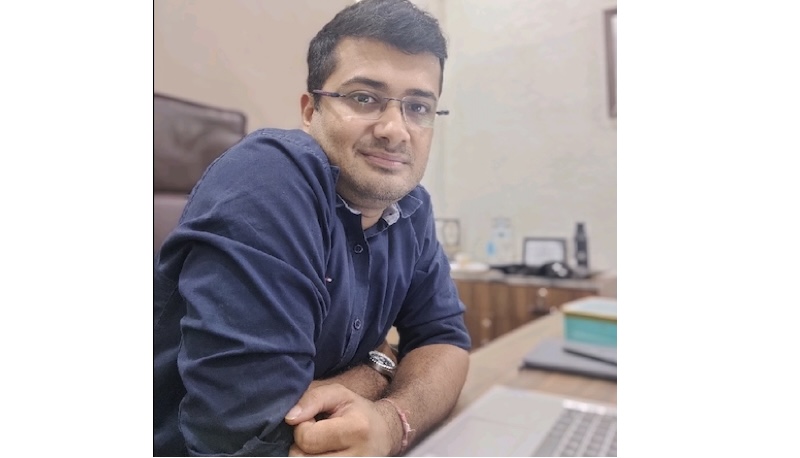
    MUMBAI: Shashishekhar Mukherjee, one of India’s most decorated digital marketing executives, has ended his nine-year tenure as head of digital marketing at Reckitt, the British consumer health and hygiene giant behind brands including Dettol, Durex and Veet.

    The departure of the 18-year industry veteran, announced on LinkedIn this week, marks another high-profile exit from the fast-moving consumer goods sector as companies grapple with rapid digital transformation and fierce competition for top talent.

    Mukherjee, who joined Reckitt in April 2016, spearheaded the company’s data-driven marketing strategy across its marquee portfolio, which also includes Moov pain relief gel. His campaigns earned recognition at prestigious industry awards including the APAC Effies, Asian Warc and Emvies.

    The executive’s credentials include being named among Brand Equity’s top 30 digital marketers. He currently serves as a board advisor to the India Influencer Governing Council and is a member of the Mobile Marketing Association’s APAC retail media network.

    “After nine incredible years, I recently bid farewell to my team, coworkers, and friends at Reckitt,” Mukherjee wrote in his LinkedIn post, describing the role as having “profoundly shaped me both personally and professionally.”

    His exit comes as multinational consumer goods companies face intensifying pressure to digitise their operations and connect with younger consumers across India’s diverse markets. The sector has witnessed a wave of senior departures as executives seek new opportunities in the rapidly evolving landscape.

    Mukherjee’s departure follows a distinguished career spanning blue-chip agencies and brands. Before Reckitt, he served stints at GSK (now Haleon), where he led digital initiatives for wellness brands including Sensodyne toothpaste and Eno antacid, and at Mindshare, where he headed digital strategy for PepsiCo’s portfolio.
    His early career included roles at GroupM, handling accounts for Twinings tea, Kurkure snacks and Domino’s Pizza, and at Publicis Groupe, managing digital offerings for Hewlett-Packard and telecom operator MTS.

  • Spirits marketer Renu Yadav swaps Grey Goose for homegrown gin

    Spirits marketer Renu Yadav swaps Grey Goose for homegrown gin

    MUMBAI: Renu Yadav has traded the global sophistication of Grey Goose and Bombay Sapphire for the patriotic promise of Vanaha Gin, becoming marketing lead at Revelry Distillery in a bet that Indian spirits can conquer international palates.

    Yadav’s departure from Only Much Louder, where she shepherded premium Bacardi brands including Patron tequila, signals her confidence in homegrown distilling. At Revelry, she will champion Vanaha Gin, a craft spirit that founders Vaniitha Jaiin and Navvin Jaiin position as India’s answer to the global gin renaissance.

    The move caps a decade-long love affair with the spirits industry that began somewhat accidentally.  Yadav’s immersion in the alcoholic beverages world through Bacardi’s portfolio awakened what she describes as her “passion for building brands that create not just products, but experiences.”

    Her career trajectory reads like a route map in modern marketing evolution. From co-founding agency Notch It UP to producing content for Condé Nast India, Yadav has bounced between entrepreneurship and corporate roles with characteristic restlessness. A stint at Extento Experiences, where she managed experiential marketing for premium alcohol and lifestyle clients, provided the final polish to her spirits credentials.

    Yadav’s appointment comes as Indian craft distilleries eye international expansion, riding a wave of global curiosity about subcontinental flavours. Her dream of opening her own bar remains on hold, but this role represents what she calls “a big step in that direction.”

    Revelry Distillery will be banking on her knack for creating memorable brand experiences—a skill honed through years of managing everything from live activations to trade marketing. Whether Vanaha Gin can match the marketing panache of its international rivals remains to be seen, but Yadav’s track record suggests the spirit has found a formidable champion.

  • Hero worship 62 per cent of Indian dads see themselves as family protectors

    Hero worship 62 per cent of Indian dads see themselves as family protectors

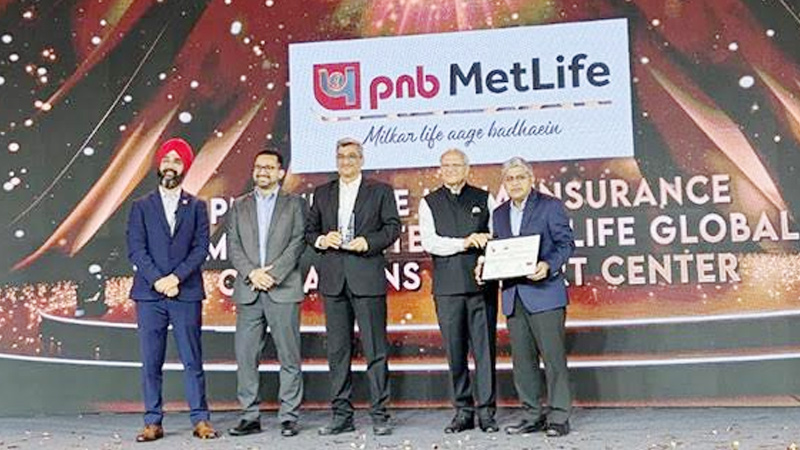
    MUMBAI:  Looks like Indian fathers are donning more than just their Sunday cap, they’re putting on superhero capes too. A new PNB Metlife India Insurance survey, conducted across the country, finds that 62 per cent of fathers identify as “Hero Dads” guardians who see themselves as the primary protectors of their family’s financial security.

    The nationwide study, launched on Father’s Day and spread over June, July and August, engaged more than 6000 fathers across urban and semi-urban India through microsites and QR-code activations. The exercise grouped dads into three personas:

    Hero Dads: 62 per cent, the protectors of family finances.

    Thoughtful Dads: 29 per cent, cautious long-term planners.

    Disciplined Dads: 9 per cent, methodical savers with a love for structure.

    Beyond the labels, the survey painted a clear picture of evolving priorities. Children’s education remains the top concern for 51 per cent, but fathers are now increasingly thinking about themselves too. 14 per cent prioritise retirement planning and another 14 per cent dream of a big family holiday hinting at a shift towards security paired with experience-led living.

    What’s striking is the long-term lens fathers now wear. 53 per cent are willing to invest for 10–15 years, 14 per cent for 15–20 years, and 13 per cent for 20–30 years. Perhaps most telling, 20 per cent are in it for the very long haul over 30 years cementing a cultural tilt towards sustained wealth-building.

    When it comes to parking their money, dads are showing a clear preference for stability: 30 per cent opt for fixed deposits, 22 per cent choose life insurance, while 17 per cent favour mutual funds. The pattern points to a generation more comfortable with low-risk, predictable instruments that align with their extended horizons.

    PNB Metlife chief marketing & communications officer Sourabh Lohtia summed it up: “Today’s father is a provider, protector, and nurturer financially savvy and emotionally present. The ‘Dad Type’ survey shows how deeply fathers are committed to building secure futures for their families.”

    Turns out, the new-age Indian dad is not just about quick fixes or cautious saving, he’s evolving into a blend of protector, planner, and provider. And with nearly two-thirds proudly wearing the ‘Hero’ tag, it seems India’s dads are scripting their own blockbuster sequel in the financial universe.
     

  • Metal of honour Vedanta’s Independence Day ode powers India’s rise

    Metal of honour Vedanta’s Independence Day ode powers India’s rise

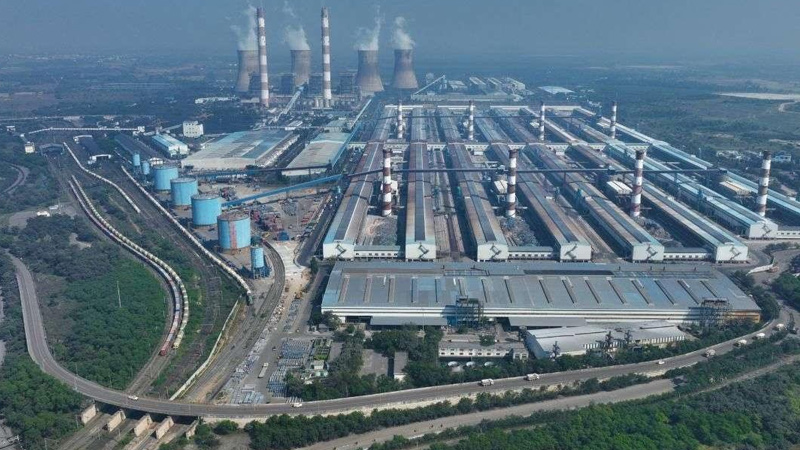
    MUMBAI: When it comes to nation-building, Vedanta Aluminium is proving that not all heroes wear capes some shine in silver sheen. This Independence Day, India’s largest aluminium producer launched its campaign “Badhte Bharat Ki Pehchaan”, a tribute to the metal fuelling the country’s self-reliant march towards Viksit Bharat@2047. The campaign rolled out in cinematic style. It began with teasers that celebrated India’s progress without revealing the engine behind it. The suspense gave way to a digital film, unveiling aluminium as the invisible force powering India’s EVs, solar farms, defence systems, and smart infrastructure. The film closed on a resonant note: “Hum hai Vedanta Aluminium. Hum Badhte Bharat ki Pehchaan hain.”

    For Vedanta Aluminium CEO Rajiv Kumar the message is clear: “This year’s Independence Day theme, ‘Naya Bharat’, reflects a reality in the making. Aluminium is the ‘metal of the future’, enabling everything from clean energy to defence alloys. Our campaign is a salute to that spirit of innovation and resilience.”

    The tribute didn’t just play out on screen. Vedanta turned the spotlight on its employees, who shared selfies on social media with the campaign line, calling themselves the real faces powering India’s industrial leap. The company also kicked off a snippet series that zooms into its role in high-growth sectors like electric mobility, renewables, aerospace, defence and infrastructure industries critical to India’s ambition of becoming a $5 trillion economy and beyond.

    From EV batteries and solar panels to combat-ready alloys and metro rail structures, aluminium’s versatility is pitched as India’s growth catalyst. By positioning itself at the centre of this industrial shift, Vedanta Aluminium isn’t just selling a metal, it’s scripting a metaphor: India’s strength, resilience, and future, all rolled into one shiny sheet.

    So, while fireworks lit up the skies this Independence Day, Vedanta made sure aluminium lit up the nation’s imagination. After all, in the story of a rising Bharat, the real sparkle might just be metal deep.

  • Delhi set to take the catwalk as Lakmē Fashion Week turns 25 in style

    Delhi set to take the catwalk as Lakmē Fashion Week turns 25 in style

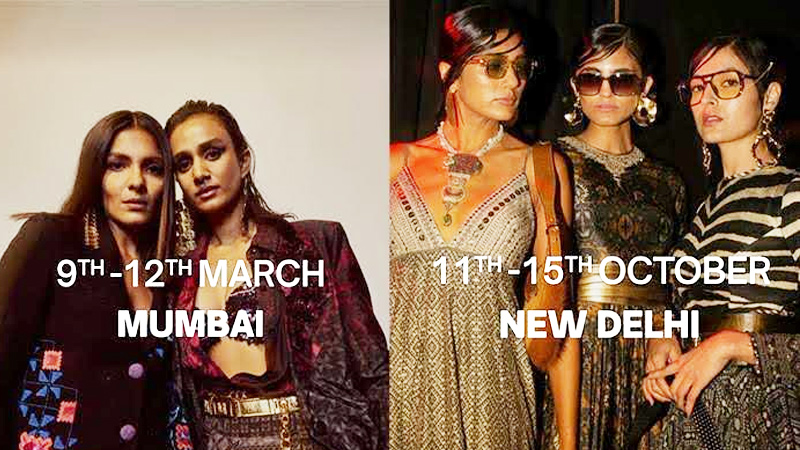
    MUMBAI: Delhi, dust off your heels the runway is calling. Lakmē Fashion Week x FDCI is strutting back to the capital for its 25th anniversary showcase, scheduled from 8 to 12 October 2025 at The Grand, Vasant Kunj. Fresh off a glittering Mumbai edition earlier this year, which kicked off the silver jubilee celebrations, the spotlight now shifts to Delhi long regarded as India’s fashion nerve centre. Over the past quarter century, Lakmē Fashion Week has been more than just sequins and spotlight; it has launched careers, celebrated craft, and built India’s identity in the global style playbook.

    With its bi-annual format across Mumbai and Delhi, the platform powered by Lakmē, Reliance Brands Ltd., and the Fashion Design Council of India (FDCI) has been a springboard for iconic names while staying committed to sustainability, diversity, and innovation.

    “Each edition serves as a catalyst for the industry setting benchmarks, launching talent, and reimagining what fashion can be,” said Lakmē India VP Sunanda Khaitan hinting at a season where heritage will meet futuristic ideas.

    For Reliance Brands’ Group VP Jaspreet Chandok, Delhi offers the perfect stage: “With every edition, we aim to elevate the experience not just as a runway, but as a cultural moment.”

    Echoing the sentiment FDCI chairman Sunil Sethi framed the October showcase as both a celebration and a business opportunity: “Our endeavour is to empower designers, open new markets, and drive engagement between creativity and commerce. This edition will spotlight India’s craft, innovation, and diversity.”

    The fashion week’s legacy is undeniable. Since its inception, it has championed India’s handloom weavers and artisans, while opening global markets for contemporary designers. With over two decades of influence and a growing list of international collaborations, its catwalks have been as much about commerce as couture.

    Final details spanning designer line-ups, collabs, and headline shows remain under wraps, but one thing is certain: come October, Delhi will be where heritage and haute couture collide, and the runway will be louder than Diwali fireworks.