Category: Marketing

  • Sun King powers up new look as it expands global energy offerings

    Sun King powers up new look as it expands global energy offerings

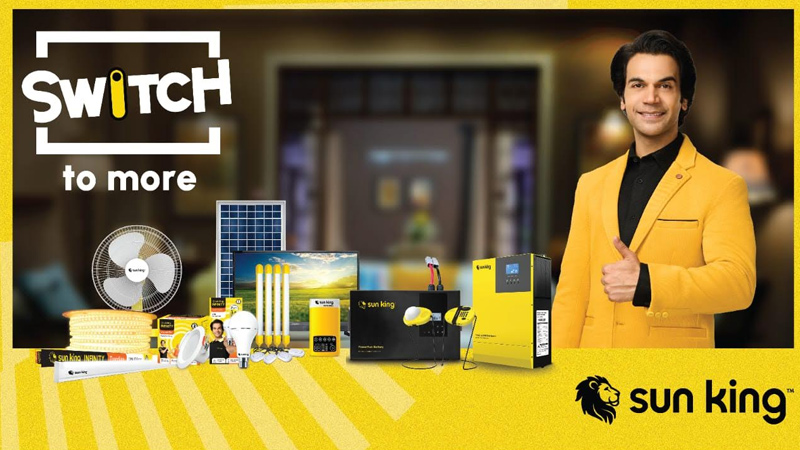
    MUMBAI: Sun King has flipped the switch on a brighter future. The off-grid solar energy giant unveiled a refreshed logo and brand identity on 9 September, reflecting its evolution from a solar home systems pioneer into a global provider of diverse energy solutions.

    The new look arrives with an expanded product line that now spans high-capacity solar inverters, advanced electrical lighting, and its flagship home systems, aiming to bring reliable, affordable power to millions across Africa and Asia.

    To mark the change, Sun King has launched a digital-first campaign titled Switch to More!, highlighting the four benefits customers can expect: more savings, more peace of mind, more options, and more reliable power. An animated film tells the story of the refreshed logo and the company’s long-term mission of expanding energy access.

    “Our refreshed identity reflects our promise to deliver more affordable solar, more appliances that simplify life, and more power for the communities that depend on us,” said Sun King, co-founder, Anish Thakkar.

    With over 24 million households powered worldwide and more than 300,000 new systems installed monthly, Sun King’s new identity signals continuity as much as change: the same mission, but a wider beam.

  • Kotak banks on dentsu X for fresh media strategy across all platforms

    Kotak banks on dentsu X for fresh media strategy across all platforms

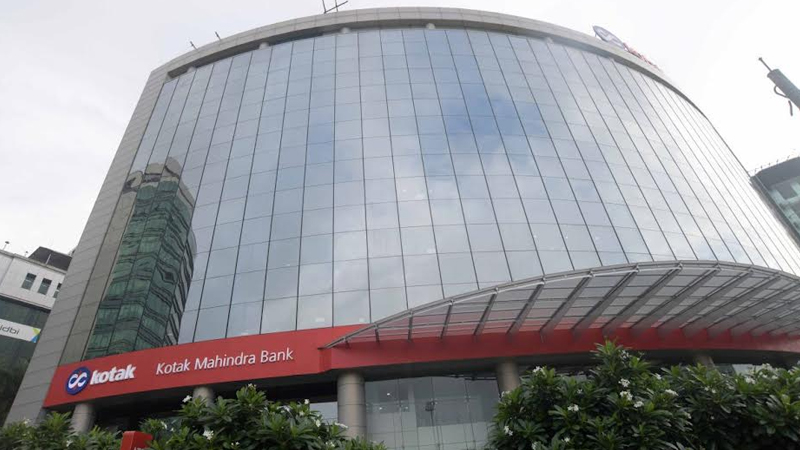
    MUMBAI: When Kotak Mahindra Group went shopping for a new media partner, Dentsu X India cashed in. After a tightly contested multi-agency pitch, the banking and financial services giant has handed over its integrated media mandate to Dentsu X, which will service the account from its Mumbai office.

    The win is no small deal Dentsu X will now drive the full-funnel media strategy for all of Kotak’s key businesses, including Kotak Mahindra Bank, Kotak Mutual Fund, Kotak Securities, and Kotak Life Insurance. The scope spans the big four channels television, print, radio, and digital branding ensuring the bank’s message cuts across audiences, platforms, and generations.

    Known for blending tech, culture, and data to reimagine customer experiences, Dentsu X promises to deliver “outcome-driven solutions” that accelerate Kotak’s marketing and business ambitions. With India’s banking sector doubling down on digital transformation, the collaboration aims to make finance not just accessible, but engaging for the country’s increasingly aspirational consumer base.

    Dentsu X India CEO Sujata Dwibedy, called the mandate a “strong testament” to the agency’s agility and integrated offering: “We are truly honoured to partner with a legacy brand like Kotak Mahindra Group. Our future-facing approach will help drive stronger visibility, engagement, and impact across platforms.”

    For Kotak, it’s more than just a media deal, it’s about banking on storytelling that resonates in an always-on, attention-fractured world.

  • TCS and CEA join forces to give robotics a ‘physical AI’ makeover

    TCS and CEA join forces to give robotics a ‘physical AI’ makeover

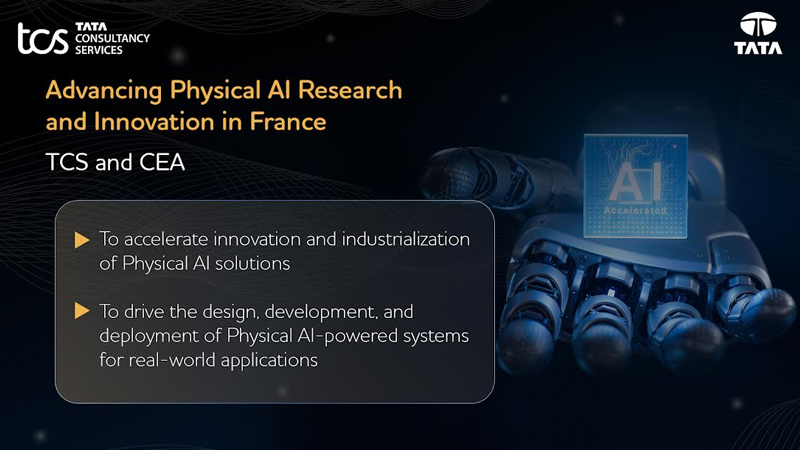
    MUMBAI: When brains meet brawn, the robots of tomorrow are born. Tata consultancy services (TCS) and french research giant CEA have struck a partnership to fast-track the rise of physical AI, a field that blends artificial intelligence with robotics to create machines that can see, sense, and interact with the real world.

    Announced on 9 September in Paris and Mumbai, the alliance promises to take AI out of the cloud and into the factory floor, warehouses, and even social spaces. From versatile robots that adapt to new tasks, to human-friendly cobots for safer shop floors, and assistive bots that provide personal support, the collaboration is setting out to make robots less science fiction and more industrial reality.

    “By connecting cutting-edge research with business needs, we can invent the intelligent systems of tomorrow,” said CEA-list, director, Alexandre Bounouh pointing to how physical AI could transform production chains and boost European competitiveness.

    The deal will see TCS bring its global scale and deep sector expertise together with CEA’s research muscle, including breakthroughs ranging from brain-controlled exoskeletons to AI for self-driving cars. Together, they plan to offer proof-of-concepts, training, and real-world deployments, with support anchored in the TCS pace port Paris innovation hub.

    TCS France, managing director, Rammohan Gourneni called the partnership a “key step” in helping industries embrace physical AI. “It combines the power of AI with the intelligence of physical systems, supporting our clients’ industrial transformation,” he said.

    For TCS, which has been in France since 1992 and works with 18 cac40 companies, the partnership underscores its long-term commitment to the French tech ecosystem. For CEA, it marks another leap in its leadership role on Europe’s robotics roadmap.

  • Maitri trunk calls glory as Farhan bags Kerala’s first Red Elephant

    Maitri trunk calls glory as Farhan bags Kerala’s first Red Elephant

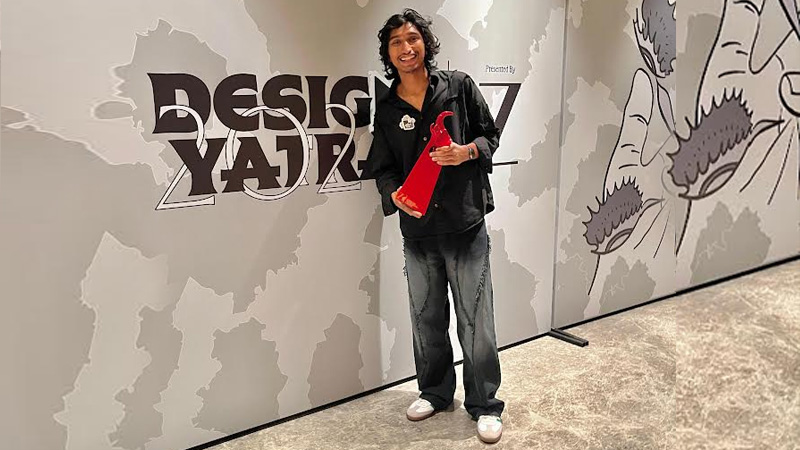
    MUMBAI: When elephants dance, they leave a mark and Muhammed Farhan just left one for the history books. The 22-year-old art director at Maitri has delivered Kerala its very first Red Elephant at the Kyoorius Design Yatra 2025, bagging the top honour for his packaging design for ITC Foods’ Bingo! festive gift packs. The brief was no small fry. Bingo! wanted festive gifting to feel modern and premium while sticking to a lean budget. Farhan responded with not one but two inventive packs that wowed the jury and stood out in a sea of entries.

    Pack A took inspiration from Warli art, a tribal form famous for its geometric motifs. Farhan cleverly wove Bingo!’s beloved snacks chips, nachos and Tedhe Medhe into celebratory Warli compositions. The design used a single strip with a looping mechanism, adaptable to hold varying snack quantities.

    Pack B went the nutty route, quite literally. Mandala-inspired and constructed with cashews, almonds, and exotic mixtures, the modular design borrowed from India’s classic tiffin box. Each paper unit clicked neatly together, allowing portions to be added or removed while staying securely locked.

    This wasn’t Farhan’s first brush with Kyoorius acclaim. He has already won four Blue Elephants and was shortlisted for the Young Maverick award at Goafest 2025 all without a formal design education. But this Red Elephant marks a historic leap, both for him and for Kerala.

    Maitri managing director Raju Menon couldn’t hide his pride: “Farhan joined us at 18, and his meteoric growth has been a delight to watch. We’re all very proud of our young star.” Maitri group creative director Francis Thomas added, “We knew this day was coming.”

    Farhan himself called the moment “unforgettable,” adding that representing Maitri on such a stage was an honour he would always carry.

    For Maitri, the win is more than just an award. It underscores the agency’s reputation for nurturing raw talent and pushing creative boundaries. For Farhan, it’s a reminder that sometimes the boldest ideas come from the youngest hands and they can carry the weight of an elephant.
     

  • Outspark sparks ahead with 200,000 paid users and Rs 30 Crore ARR

    Outspark sparks ahead with 200,000 paid users and Rs 30 Crore ARR

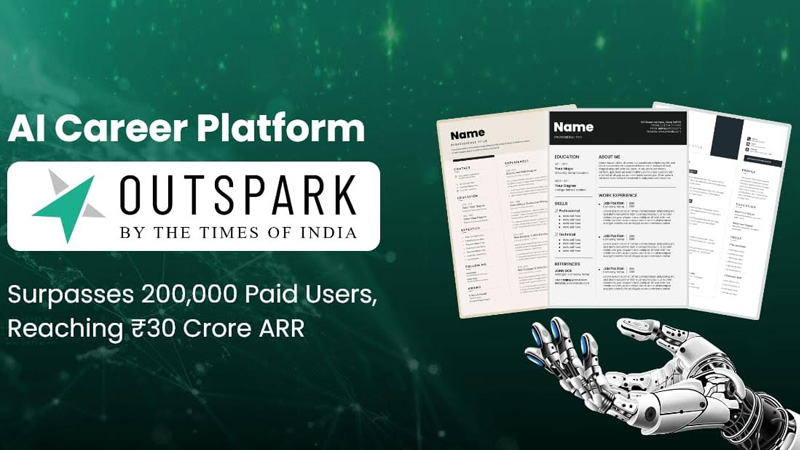
    MUMBAI: When it comes to careers, Outspark is lighting a fire under the job market. The AI-powered career-tech platform has raced past 200,000 paid users and clocked an annual recurring revenue of Rs 30 crore, all within months of its debut. Even more dazzling, revenue has grown fourfold in just seven months, making it one of India’s fastest-growing names in career technology.

    In an age where resumes battle algorithms before reaching recruiters, Outspark is arming professionals with an AI toolkit that feels more Silicon Valley than CV valley. From auto-polished resumes and studio-grade Linkedin headshots to an AI co-pilot that suggests daily posts and networking prompts, the platform is designed to turn passive profiles into magnets for opportunity.

    The numbers are equally bold: more than two million resumes and profiles reviewed, over 300,000 resumes generated, and 20,000 Linkedin makeovers delivered. Half of the company’s revenue now comes from users levelling up to premium services, proving its appeal runs deep.

    “Hiring is evolving faster than ever with AI. While companies have powerful tools, job seekers have been left behind,” said Outspark, founder and ceo, Kumar Apoorv. “Outspark bridges that gap by giving professionals the same edge as recruiters.”

    With ambitions now stretching beyond India, Outspark is eyeing expansions into the US, Europe, and Southeast Asia. Future plans include hyper-personalised job alerts, a job search co-pilot to automate applications, and partnerships with global recruiters. The goal? To build the world’s largest AI-first talent pool and make job hunting less of a grind and more of a glide.

  • Pocket fm insights ’25: 86 per cent of listeners prefer audio dramas over podcasts

    Pocket fm insights ’25: 86 per cent of listeners prefer audio dramas over podcasts

    MUMBAI:  For millions of Indians, screens are out and sound is in. Pocket fm’s entertainment insights ’25 report reveals how audio series have emerged as the country’s most intimate form of entertainment, redefining binge culture.

    Based on responses from 20,538 digital entertainment consumers, the survey reveals that audio dramas are now part of daily life, with 49 per cent listening to over 10 episodes a day, 50 per cent tuning in for more than 90 minutes (including 35 per cent who cross two hours), 60 per cent listening during leisure time, 48 per cent during commutes, and 86 per cent preferring episodic audio dramas over podcasts, audiobooks, or music.

    At the center of this shift is young India (18–24 years), treating audio series as both escape and habit. Genres such as drama (40 per cent), romance (37 per cent), sci-fi/fantasy (37 per cent), and thriller/horror (34 per cent) dominate, with Hindi leading at 53 per cent while regional languages rapidly gain ground.

    Monetisation patterns are equally unique: three in four prefer micro-payments over subscriptions, mirroring India’s wider digital payment culture.

    And the future? Surprisingly open to tech. 80 per cent of listeners say they are comfortable with AI-generated storytelling, so long as the narrative connects emotionally.

    “India has always been a storytelling nation, from epics to bollywood. What we are witnessing now is a generational pivot,” said Pocket entertainment, co-founder and ceo, Rohan Nayak. “People aren’t abandoning video; they’re choosing audio because it offers intimacy, imagination, and freedom. The future of pop culture will be defined as much by what we hear as by what we see.”


  • Insight hits 400K followers and paints Instagram red with festive flair

    Insight hits 400K followers and paints Instagram red with festive flair

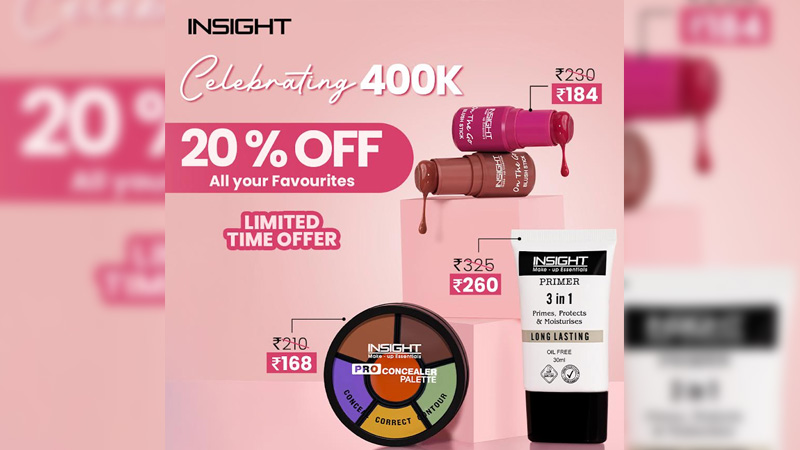
    MUMBAI: When beauty meets numbers, the results can be dazzling. Insight Cosmetics, one of India’s fastest-growing homegrown makeup brands, has struck a glamorous milestone crossing 400,000 followers on Instagram and is celebrating it in style with the tagline, “Big Milestone, Bigger Savings.”

    To thank its ever-growing beauty tribe, the brand is rolling out an exclusive 20 per cent sitewide discount, just in time for the festive season. But that’s not all, Insight is also unveiling a brand-new product line packed with multiuse formulas that blend skincare benefits with makeup innovation. The idea: to offer modern consumers the best of both worlds quality and affordability in every swipe, dab, or blend.

    “Reaching 400K followers is not just a number, it is a testament to the trust, love, and loyalty of our community,” said Insight Cosmetics sales & marketing Mihir Jain. “Our promise remains the same: high-quality, cruelty-free, and trend-forward cosmetics that are accessible to all. With festive launches and exclusive offers, we aim to add sparkle to our customers’ celebrations.”

    Insight’s journey has been built on products that balance bold statement pieces like long-stay lipsticks with everyday essentials that meet India’s diverse beauty needs. Its community-driven growth mirrors a larger trend: makeup enthusiasts seeking affordable, cruelty-free products that don’t compromise on style.

    The 400K milestone cements Insight’s place as a go-to choice for beauty lovers scrolling and shopping across the country. And with discounts, new launches, and a little festive glitter, the brand is ensuring that celebrations look as radiant as they feel.

  • Iis launches digital learning series ‘iis sikhaega’ for athletes

    Iis launches digital learning series ‘iis sikhaega’ for athletes

     MUMBAI: Bellary is bringing world-class coaching to your screen. The inspire institute of sport (iis), India’s premier high-performance training hub, has launched a new digital content series titled iis sikhaega. The platform is designed to provide aspiring athletes across the country with practical, expert-led lessons at their fingertips.

    The series will feature short, easy-to-follow videos released thrice a month on Instagram and Youtube. Content will range from the basics of fitness and nutrition to advanced training, recovery, and rehabilitation techniques, all explained by iis coaches, trainers and young athletes themselves.

    “Our mission has always been to nurture the next generation of Indian athletes,” said inspire institute of sport, president, Manisha Malhotra. “Through iis sikhaega, we want to extend our coaching and technical know-how beyond our campus and make it accessible to youngsters everywhere, especially those outside tier 1 cities.”

    With a strong focus on athletes from tier 2 and tier 3 regions, the initiative aims to close the gap between raw talent and professional opportunity. By breaking down complex concepts into simple, engaging lessons, iis hopes to make high-performance knowledge available to every aspiring sportsperson.

  • TCS writes a new chapter with 25 years of Literacy as a Service

    TCS writes a new chapter with 25 years of Literacy as a Service

    MUMBAI: Words can change worlds and for Tata Consultancy Services (TCS), the past 25 years have been proof enough. On World Literacy Day, the IT giant marked a milestone: a quarter-century of its flagship Literacy as a Service (LaaS) initiative, which began life in 2000 under the vision of Dr F C Kohli as a modest adult literacy programme and has since grown into a global movement of empowerment.

    The numbers tell a compelling story. Over the years, 2.85 million learners across 21 Indian states, union territories, and parts of Africa have been equipped with functional, financial and digital literacy. In FY25 alone, LaaS reached more than 412,000 learners, powered by a vast network of 241,000 plus facilitators. The ripple effect extends far beyond classrooms: from helping rural women run small businesses to ensuring families understand their rights and claim welfare entitlements.

    In Andhra Pradesh, for example, TCS has partnered with the government to empower 400,000 women across 26 districts, blending financial know-how with digital skills. The platform itself has kept pace with the times available in nine Indian and three foreign languages, it uses graphics, sound patterns, vernacular content, and even AI-powered personalisation to ensure inclusivity for first-generation learners and under-served groups.

    Beyond the basics of reading and writing, the curriculum now stretches into life-relevant areas: financial literacy, digital adoption, awareness of citizen entitlements, and even disaster preparedness. The impact is visible in small but powerful ways from managing household finances to bridging the digital divide and building resilience in crises.

    The initiative has also been amplified by the “Each One Empowers One” campaign, where TCS and Tata Group associates mentor individuals within their communities, creating a multiplier effect. Social inclusion, economic participation, and self-confidence have all been central outcomes of this effort making literacy not just a skill, but a springboard for dignity and opportunity.

    TCS Joseph global head of CSR Sunil Nallapalli called it a movement rather than a programme: literacy as the seed of generational change. And after 25 years, those seeds have taken root in millions of lives, creating not just readers, but leaders.

  • Soaps to sodas, GST clean sweep gives FMCG a bubbly new outlook

    Soaps to sodas, GST clean sweep gives FMCG a bubbly new outlook

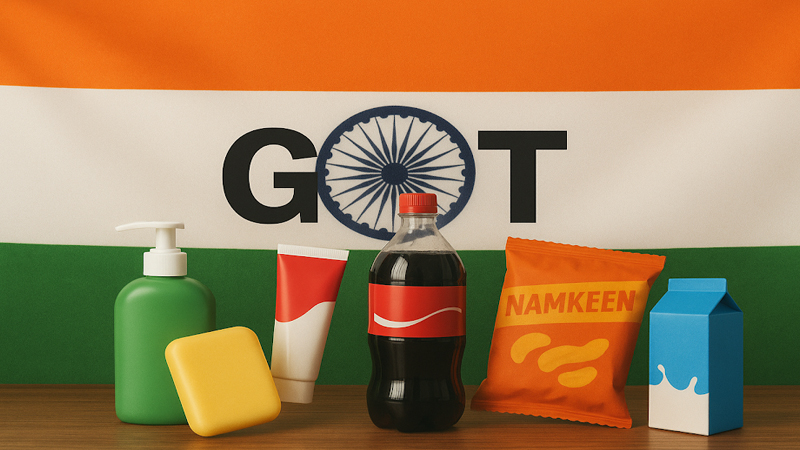
    MUMBAI: The FMCG aisle just got a tax wash, and shoppers may finally come out smelling of roses. With the government’s GST 2.0 reform collapsing the maze of 5 per cent, 12 per cent, 18 per cent and 28 per cent slabs into a neat trio of 5 per cent, 18 per cent and a frothy 40 per cent, the everyday essentials that power India’s consumption story have been given a welcome scrub.

    Soap, toothpaste, shampoos, toothbrushes and shaving cream once languishing at 18 per cent now gleam under the 5 per cent bracket, a move that analysts say could spark a volume surge of 8–12 per cent in FMCG sales in Q4 2025. For households tightening belts, and for rural India where every rupee pinches, that’s a tax break with real bite.

    Food has also found its sweet spot. Ghee, nuts, bottled water, namkeen and dairy staples have been moved to 5 per cent, with paneer and UHT milk made entirely GST-free. The dairy sector alone is expected to lap up a Rs 11,400 crore boost, with giants like Amul and Britannia licking their lips. Even indulgences like ice-cream and butter now come with a lighter 5 per cent tag.

    It isn’t just the kitchen basket that’s cheering. Tractors, pumps and fertilisers all at 5 per cent promise lower farm costs and higher rural income, feeding directly into FMCG consumption. Add cheaper packaging materials, and margins for companies like HUL, Dabur and Marico may fatten by 100–150 basis points.

    But it isn’t all sugar and spice. Premium and discretionary products still find themselves in the bitter bracket. Aerated drinks, colas, energy beverages and luxury chocolates continue to fizz under 18 per cent or the punishing 40 per cent sin rate, leaving players like Coca-cola and Pepsi nursing flat outlooks. The GST Council may have thrown a party for soaps and shampoos, but sodas are still paying for the hangover.

    On the compliance front, the industry is racing to reprint price tags and rejig invoices before the 22 September 2025 roll-out, with old stock adjustments threatening short-term headaches for distributors. Yet, with GST audits now mandatory only above Rs 10 crore turnover, smaller FMCG outfits can breathe easier.

    The broader script is clear: this reset is pro-rural, pro-consumption and pro-MSME, even if it means the exchequer takes a knock – with the Global Trade Research Initiative warning of a Rs 10,664 crore revenue shortfall from import-linked IGST alone.

    Still, for an industry fuelled by volume, the GST reboot couldn’t have been better timed. As festive season shelves stack up, FMCG finds itself freshly polished, priced to move, and perfectly poised to turn tax relief into a consumption carnival.