Category: Marketing

  • Oberoi Realty recruits mall turnaround specialist from Nexus

    Oberoi Realty recruits mall turnaround specialist from Nexus

    MUMBAI: Tanu Prasad is returning to Oberoi Realty as chief executive officer for malls, nearly seven years after she left to join rival Nexus Select Trust. The appointment reunites Prasad with Oberoi Mall, the Mumbai shopping centre she is credited with turning around during her first stint at the developer.

    “Oberoi Mall and Sky City Mall are synonymous with unmatched lifestyle experiences in Mumbai,” says Prasad. “I am excited about this new chapter as we elevate the offerings, strengthen our relationships with retailers and curate exciting customer experiences.”

    The move is a win-win for Oberoi Realty. Prasad has earned a reputation as the industry’s “turnaround specialist” after rescuing struggling shopping centres across India. At Nexus, where she spent seven years rising to senior vice-president and head of leasing, she transformed a portfolio of seven Prestige malls in south India that were rebranded under the Nexus umbrella. She also oversaw Nexus Ahmedabad One.

    Her nearly two decades in retail leasing have made her a specialist in brand mix strategy, market research, lease negotiation and real estate transactions. She holds a Level 2 certification in marketing and leasing from the International Council of Shopping Centres.

    Prasad originally joined Oberoi Realty in November 2007 as deputy general manager for retail leasing, a role she held for more than a decade. She was promoted to general manager in April 2018 before departing for Nexus in August 2019. During her tenure, she was instrumental in zoning Oberoi Mall and upgrading the asset whilst balancing profitability for stakeholders and viability for tenants.

    Before entering property, Prasad spent nearly two years at Craftsbridge India, where she managed corporate sales of products blending utility needs with Indian handicrafts for clients including Jet Airways and ICICI Lombard.

  • Rohit and Ritika bat for baby care as Cetaphil’s newest parenting pair

    Rohit and Ritika bat for baby care as Cetaphil’s newest parenting pair

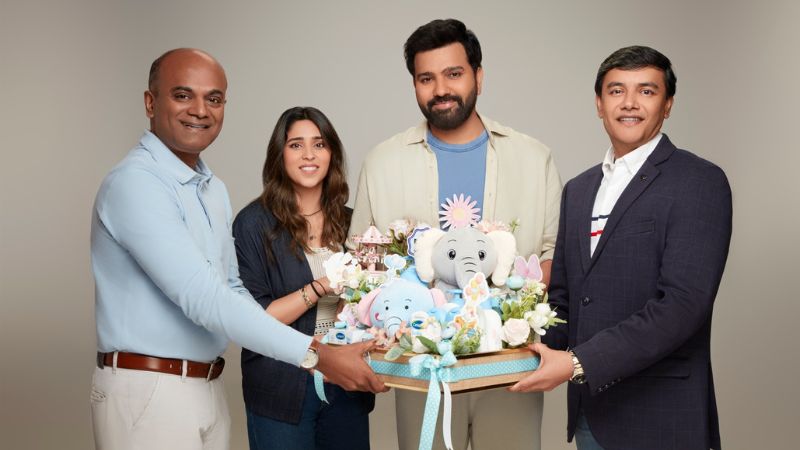
    MUMBAI: When it comes to baby care, Rohit Sharma and Ritika Sajdeh aren’t just playing singles, they’re opening as a team. The celebrity couple has been announced as the new brand ambassadors for Cetaphil Baby, bringing cricketing star power and real-life parenting warmth to the trusted skincare range. As doting parents of two, Rohit and Ritika embody what Cetaphil calls “Parenting ki Nayi Parampara,” a fresh spin on family life where fathers are as hands-on as mothers, reflecting the growing culture of shared responsibility in Indian households.

    Speaking on the partnership, Rohit Sharma, Indian Cricketer and Captain of the ODI team (represented by Rise Worldwide), said, “Given my crazy travel and training schedule, I have little time to spend at home with the kids. I make it a point that when I’m at home, I participate wholly in all activities with the kids, be it fun or caring. When Cetaphil Baby told us about how young parents are sharing the load of nurturing their babies, it perfectly resonated with our reality as a couple and as parents. We have been using Cetaphil Baby for both our kids.”

    Adding her perspective, Ritika Sajdeh noted, “I’m very particular about what goes on my baby’s skin. And I have always trusted Cetaphil Baby since it was recommended by my paediatrician too. Baby skin is so delicate; we need to be even more certain that the products used on it are both safe and effective. That’s why when Cetaphil Baby approached us, we were more than happy to partner with them in their purpose of bringing good baby skin care to more and more homes.”

    On welcoming the couple Galderma managing director for India & South Asia Raghavendra Sadashiva said, “At Galderma, our vision is advancing dermatology for every skin story. This is especially important when we are talking about baby’s skin. That’s why Cetaphil Baby formulations are dermatologically tested and paediatrician recommended. We’re delighted to welcome Rohit Sharma and Ritika Sajdeh to the Cetaphil Baby family. They truly embody the spirit of modern co-parenting by sharing responsibilities and prioritising their child’s well-being. Through this partnership, we hope to inspire parents across India to embrace co-parenting while choosing safe, trusted, and paediatrician-recommended skincare for their little ones.”

    The Cetaphil Baby range, present in India for several years, offers 5-fold protection to keep delicate skin soft and moisturised. The line spans baby bathing bars, washes and shampoos, lotions, diaper creams, massage oil, and more available at speciality baby stores, pharmacies, general trade, and leading e-commerce platforms.

    With Rohit and Ritika stepping up as the new faces, Cetaphil Baby isn’t just talking skin deep, it’s making a wider pitch for family teamwork, safe care, and the joy of raising little ones together.


  • AWL launches Kohinoor book on Basmati’s timeless legacy

    AWL launches Kohinoor book on Basmati’s timeless legacy

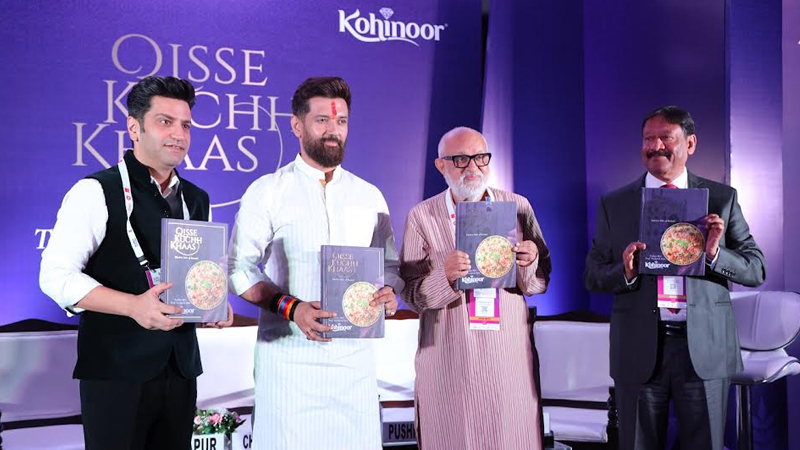
    MUMBAI: Rice has never read so well. AWL Agri Business Limited has served up Qisse kuchh khaas, a coffee table book that celebrates the aroma, allure and ageless appeal of Basmati rice.

    The glossy volume was unveiled at World Food India 2025 in New Delhi by food processing minister Chirag Paswan and AWL managing director Angshu Mallick, in the presence of celebrity chef Kunal Kapur. Authored by padma shri awardee Pushpesh Pant, the book stirs up stories from royal banquets to modest kitchen tables, tracing Basmati’s journey as India’s most prized grain.

    Kohinoor, AWL’s flagship rice brand, has long been synonymous with fine Basmati. With this book, it goes beyond the plate to capture the grain’s role in shaping traditions, festivals and family feasts. Readers can also dig into 15 recipes showcasing the versatility of Basmati, from rich biryanis to everyday fare.

    “Basmati is more than food. It is heritage, nostalgia and a shared cultural bond,” said Mallick, adding that the launch reflected Kohinoor’s commitment to authenticity and taste. Pant called it his “humble attempt” to preserve the grain’s flavourful history for generations.

    With Qisse kuchh khaas, Kohinoor is not just packaging rice but packaging memories, a fragrant reminder that some grains are truly timeless.

  • Samsung and Publica fast-forward their FAST alliance

    Samsung and Publica fast-forward their FAST alliance

    MUMBAI: Now that’s what you call prime-time chemistry. Samsung Ads and Publica by IAS have renewed their multi-year global partnership, promising to make connected TV (CTV) ad breaks as smooth as the shows themselves.

    Announced in New Delhi on 1 October, the deal sees Samsung Ads lean on Publica’s award-winning ad server and unified auction tech to boost revenue while keeping viewers glued to seamless, TV-like ad experiences.

    Samsung TV Plus, the company’s free ad-supported streaming service, already beams out more than 3,500 channels worldwide, more than any other major FAST (Free Ad-Supported TV) platform, and reaches a staggering 88 million monthly users. With Publica’s technology under the hood, Samsung Ads aims to give brands precision targeting and advertisers first dibs on prime ad slots, without compromising on the viewer experience.

    “Publica’s platform has helped us become the industry’s leading FAST service,” said Samsung Ads head of channel sales Joe Melaragno. “This next phase deepens our ability to deliver more high-quality content while maximising value for advertisers.”

    Publica CRO Cameron Miille added, “Our solutions ensure Samsung Ads can curate exceptional CTV ad breaks as their audience continues to grow.”

    From pod exclusivity to smarter auctions, the partnership is designed to make ads feel less like interruptions and more like part of the show, a win for both brands and binge-watchers.

  • Traditional Borrowing vs. Digital Credit: What Has Really Changed?

    Traditional Borrowing vs. Digital Credit: What Has Really Changed?

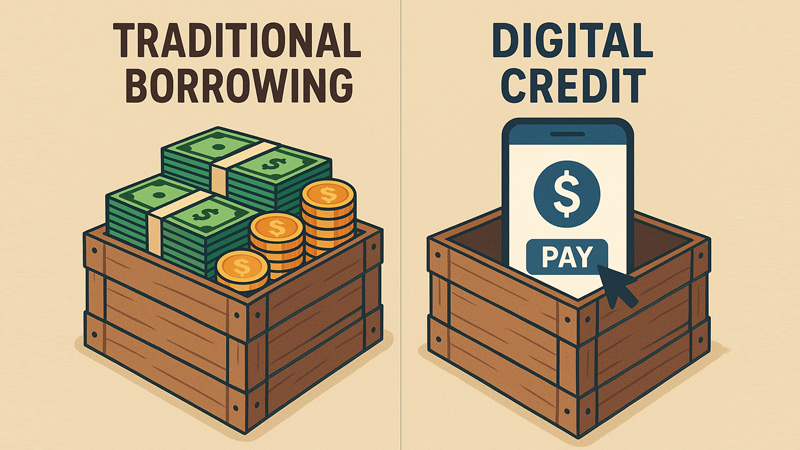
    In the bustling markets of India, where haggling is an art form and personal relationships often dictate financial decisions, the landscape of borrowing has significantly evolved. While the age-old tradition of approaching local moneylenders or visiting brick-and-mortar banks for loan persists, an exciting new player has entered the field: digital credit. In this fascinating clash of ‘Traditional Borrowing vs. Digital Credit’, we unravel the layers and explore what truly has changed.

    Understanding Traditional Borrowing

    For generations, Indians have navigated their financial needs by relying on traditional loan sources—local moneylenders, cooperative societies, and banks. These methods, deeply rooted in personal trust and community, have served as lifelines for many. However, the process, while familiar, often involves a cumbersome amount of paperwork and time-consuming procedures.

    The Process and Its Challenges

    Traditional borrowing usually requires individuals to physically visit a financial institution. This often includes filling out reams of paperwork, submitting tangible proofs of income and assets, and undergoing rigorous credit checks. The critical downside is the time taken—typically weeks—to process and approve a loan, leaving many in a temporary lurch during urgent needs.

    Moreover, the emotional labour involved in approaching a local moneylender, sometimes perceived as intimidating, cannot be ignored. These lenders might offer quicker loan disbursements but usually come with exorbitant interest rates or unfavourable terms.

    The Dawn of Digital Credit

    Enter the digital era. The advent of fintech and digital platforms has brought about an unprecedented transformation in how people access loans. With services like Online Personal Loan applications and digital lending platforms, credit is now more accessible than ever before. This paradigmic shift caters significantly to tech-savvy millennials and urban dwellers looking for quick, efficient financial solutions.

    Benefits of Online Personal Loans

    1. Speed and Efficiency: One of the greatest advantages of digital credit is its sheer swiftness. Applications for an Online Personal Loan can often be completed in minutes, with approvals following within hours. The use of advanced algorithms and AI-driven credit evaluations accelerates the process, making it ideal for emergencies. 2. Convenience: With everything online, gone are the days of sitting in long queues at banks. From application to disbursement, the entire process can be done from the comfort of one’s home via a smartphone or computer. 3. Transparency: Digital platforms offer clear, upfront information about interest rates, EMIs, and terms, empowering borrowers with the knowledge to make informed decisions. There are fewer hidden charges, and borrowers can easily compare loan products from multiple providers. 4. Inclusivity: These platforms often utilise innovative ways to assess creditworthiness, such as social media behaviour analysis or alternative credit scoring. This inclusivity has brought credit access to previously underserved segments.

    Comparing Traditional and Digital: A Statistical Insight

    To illustrate the shift, a recent report by the Reserve Bank of India showed a surge in digital transactions, with digital loans accounting for an increasing percentage of overall retail lending. In 2022 alone, the number of digital loan applications exceeded traditional bank loan applications by over 60%. 
    A survey on consumer preferences indicated that 70% of urban borrowers prefer Online Personal Loans over traditional methods, citing convenience and speed as primary factors. However, it’s noteworthy that traditional borrowing still holds sway in rural areas, where digital literacy and internet penetration remain challenges.

    What Has Really Changed?

    Trust vs Convenience

    While traditional borrowing heavily leans on trust and existing relationships, digital credit thrives on convenience and speed. Urbanisation, rising smartphone penetration, and government initiatives to improve digital infrastructure bolster this trend towards digital credit.

    Accessibility and Financial Inclusion

    One of the most significant changes is the enhanced financial inclusion brought about by digital credit. More individuals, especially younger generations and those residing in urban areas, now have ready access to loans. The digital nature has also paves the way for micro-loans, aiding small entrepreneurs in scaling their ventures.

    Innovation in Credit Assessment

    Digital lenders utilise big data analytics, AI, and machine learning to predict creditworthiness, which allows for a broader spectrum of borrowers to qualify for loans. Traditional banks, conversely, still rely heavily on CIBIL scores, often alienating those without conventional credit histories.

    The Human Element: Are We Losing It?

    An interesting dilemma observed in the shift towards digital credit is the loss of the ‘human touch.’ In traditional settings, the interaction with a bank manager or moneylender offered a personal rapport and understanding of individual circumstances, which digital interfaces lack. This personal connection can sometimes make a crucial difference, especially in renegotiating terms during financial hardships.

    Challenges in the Digital Space

    Despite its advantages, digital lending is not without challenges:

    1. Data Privacy Concerns: With personal data now being crucial to credit assessment, concerns around data privacy and security are at the forefront. There is always a risk of data misuse or breaches. 

    2. Digital Literacy and Access: While urban regions embrace digital credit swiftly, rural populations lag due to limited access to internet services and digital education. 

    3. Overborrowing Risks: The ease of obtaining an Online Personal Loan could lead some individuals to accumulate debt beyond manageable levels, highlighting the need for careful financial planning and education.

    The Future of Borrowing in India

    The future of borrowing in India is undeniably digital, but not without retaining the core values that traditional borrowing emphasised. The ideal scenario would perhaps be a seamless integration of the two—where digital platforms incorporate human elements, offering personalisation, flexibility, and compassionate customer service. 
    Digital lenders are beginning to take note, introducing AI-driven customer service bots that try to simulate human interaction, and offering hybrid models with physical outposts for those who prefer face-to-face interaction.

    Conclusion: Charting Your Financial Path

    In the grand scheme of things, whether one opts for a traditional loan or an Online Personal Loan depends largely on individual circumstances, preferences, and needs. It’s essential, however, to remain informed, aware, and prudent in any borrowing decision.

    The landscape of borrowing will continue to evolve as technological advancements propel us into newer dimensions of digital credit. As borrowers, staying adaptable and embracing change while safeguarding one’s financial interests will be key.

    Reflecting on this transformation invites us to ask: Are we poised to embrace a digital future, or should we hold on to the trusted traditions of the past? The choice ultimately lies in striking a balance that best suits our financial journeys.
  • Libas spins festive magic with 1 lakh orders day one

    Libas spins festive magic with 1 lakh orders day one

    MUMBAI: When it comes to festive fashion, Libas is clearly on a roll. The ultrafast fashion brand clocked over 1,00,000 orders on the very first day of its seasonal sale, translating to more than 50 orders every minute across its website, app, and leading marketplaces.

    The frenzy was led by Libas’ most-loved collections: kurtas, kurta Sets, co-ords, loungewear, and sarees, reinforcing its status as a go-to destination for contemporary Indian wear that blends style, comfort, and accessibility. The recently rolled out GST 2.0 reforms, lowering tax slabs for mass fashion apparel, gave shoppers an added reason to click “buy now,” fuelling the festive momentum.

    “Crossing 1,00,000 orders on day one is a testament to the trust our customers place in us,” said Libas founder & CEO Sidhant Keshwani. “Our focus on speed, agility, and consumer-centricity has helped us scale ultrafast fashion in India. The GST reforms have only added cheer, making festive shopping more exciting than ever.”

    With 50 plus exclusive brand stores, a strong digital presence, and an omnichannel strategy, Libas continues to push boundaries in the Indian fashion landscape. This record-setting start cements its place as one of the fastest-growing brands catering to modern, style-savvy women.

  • boAt hands the helm to its chief operating officer

    boAt hands the helm to its chief operating officer

    MUMBAI: When you’ve built India’s top audio wearables brand from scratch, knowing when to step aside takes nerve. Aman Gupta and Sameer Mehta, co-founders of boAt, are doing just that.

    Imagine Marketing Ltd owner of the boAt brand, announced on Monday that Gaurav Nayyar will take over as chief executive, marking a shift from founder-led management to professional leadership. Nayyar, who has served as chief operating officer for three years, brings two decades of strategic nous, including an eight-year stint as partner at Bain & Co.

    The reshuffle sees Mehta move to executive director, where he’ll focus on long-term strategy whilst supporting Nayyar’s transition. Gupta, who built boAt’s marketing firepower and brand swagger as chief marketing officer, will remain a non-executive director, keeping a hand on the tiller without running the ship.

    “This transition reflects the natural evolution of boAt as we further professionalise and position ourselves for the opportunities ahead,” said Mehta, who led the company as chief executive through recent years of expansion into manufacturing and adjacent product categories.

    Nayyar, inheriting a company that dominates India’s audio wearables market (number one by shipments, according to IDC data), struck a modest note: “I am honoured to be entrusted with the responsibility of leading boAt into its next chapter. Sameer has done an exceptional job strengthening our core, building product adjacencies and setting up our India manufacturing footprint.”

    Gupta, whose marketing chops helped boAt disrupt India’s audio industry with boldly designed, affordably priced gear aimed at young consumers, said: “I’m proud of what we have accomplished together and equally excited to see Gaurav take the helm.”

    boAt’s portfolio spans audio gear, smartwatches, grooming gadgets and mobile accessories. Backed by Warburg Pincus, Malabar Investments and Fireside Ventures, the company partners with Qualcomm and Dolby on product innovation and operates offices in Delhi, Mumbai and Bengaluru.

    The move signals boAt’s bet on professional management to capitalise on India’s booming consumer technology market—a multi-decade opportunity that requires institutional muscle, not just founder flair.

  • Colgate’s Bright Idea hits 2 billion smiles globally, 185 million in India

    Colgate’s Bright Idea hits 2 billion smiles globally, 185 million in India

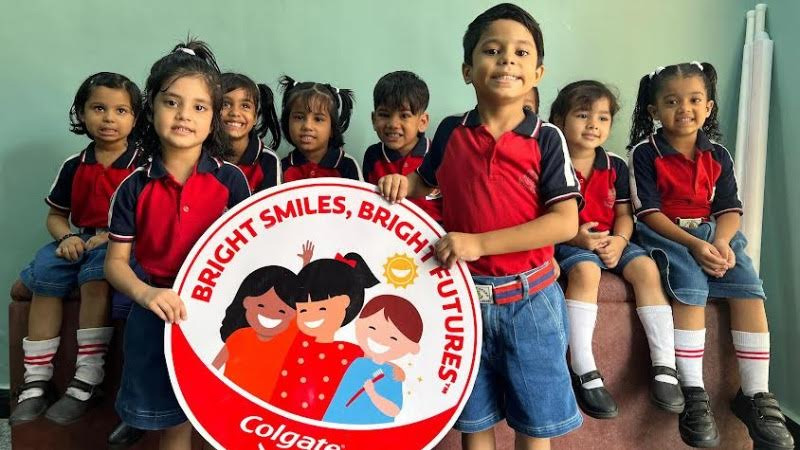
    MUMBAI: A smile really does go a long way in Colgate’s case, 2 billion smiles. The oral care giant has announced that its flagship initiative and CSR arm, Bright Smiles, Bright Futures® (BSBF), has now reached over 2 billion children worldwide. In India alone, more than 185 million children and families have already been touched by the programme’s message of preventive oral health.

    Launched in 1991, BSBF has become one of the world’s largest oral health education drives, offering not just toothbrushes and toothpaste but also something far more powerful: awareness. By partnering with governments, NGOs, schools and dentists, Colgate has helped make brushing and oral hygiene a priority in communities that often lack access to even the basics of dental care.

    In India, where tooth decay and gum disease remain stubbornly common, the programme is working closely with state education and health departments in Uttar Pradesh, Maharashtra, Assam, Bihar, Andhra Pradesh, Kerala and Goa. Each year, the aim is to reach over 10 million more children and their families, spreading the habit of brushing and the confidence that comes with a healthy smile.

    “As India shifts from reactive to preventive healthcare, public-private-policy partnerships are critical,” said Colgate-Palmolive director – esg & communications Shilpashree Muniswamappa. “Our programme is a shining example of how collaboration can inspire lasting behaviour change.”

    From bustling metros to the remotest villages, Colgate’s vision is clear: every child deserves the chance to flash a healthy smile that lasts a lifetime. And with 2 billion already reached, it’s proof that even the smallest habit, brushing your teeth twice a day can create truly world-changing results.

  • Sania serves aces in style as Allen Solly’s first womenswear ambassador

    Sania serves aces in style as Allen Solly’s first womenswear ambassador

    MUMBAI: When sport meets style, the result is nothing short of smashing. Allen Solly Woman, from the house of Aditya Birla Lifestyle Brands Limited (ABLBL), has signed on none other than tennis legend and global fashion icon Sania Mirza as its first-ever brand ambassador. It’s a partnership that brings together aces and accessories, forehands and fashion, under one confident banner.

    Sania needs no introduction. From becoming the first Indian woman to win a Grand Slam title to collecting a cabinet of honours including the Major Dhyan Chand Khel Ratna Award in 2015 and the Padma Bhushan in 2016, she has been a pioneer on court and an inspiration off it. Just as effortlessly, she has evolved into a style icon, blending athletic grit with elegance and individuality, embodying the very essence Allen Solly Woman seeks to celebrate.

    “Allen Solly has always encouraged people to express themselves freely, something I deeply connect with,” said Sania Mirza. “I’ve lived life on my own terms, both on and off the court, and I am excited to partner with a brand that champions confidence and style for today’s women.”

    For the brand, the moment marks a milestone. “We are delighted to welcome Sania Mirza as the face of Allen Solly Womenswear,” said Allen Solly Chief Business Officer Richa Pai. “Sania is a true icon who has broken barriers and inspired women to define success on their own terms. Her blend of confidence, style, and individuality perfectly reflects what Allen Solly stands for. This partnership opens a new chapter for us, one that celebrates women who embrace diversity and self-expression.”

    Allen Solly Womenswear has already carved a reputation for rewriting the rulebook on women’s fashion. It pioneered workwear that married professionalism with contemporary flair, created casualwear that resonates with youthful energy, and built one of the largest handbag collections in India. Now, with Sania as its face, the brand is ready to serve an even bolder narrative.

    A new campaign film featuring Sania Mirza is set to launch soon, bringing this partnership alive with the same energy she displayed on court, a mix of passion, confidence, and individuality.

    From Wimbledon whites to wardrobe whites, Sania Mirza has always been about making her presence felt. With Allen Solly, she’s not just playing the game, she’s setting the style.

  • Redberyl blends luxury living with world-class healthcare

    Redberyl blends luxury living with world-class healthcare

    MUMBAI: When luxury meets longevity, Redberyl steps up the game. India’s premier lifestyle management company has announced an exclusive partnership with Chiron Health Partners, introducing healthcare as the newest jewel in its portfolio of elite services. With this launch, Redberyl members gain privileged access to top-tier Indian and global medical expertise, ensuring that well-being is delivered with the same finesse as bespoke travel, fine dining, and curated experiences.

    Founder and CEO Manoj Adlakha explained, “True luxury extends beyond indulgence, it encompasses peace of mind and proactive health. By adding a dedicated medical access pillar, Redberyl bridges lifestyle with healthcare, offering Members and their families unparalleled support.”

    Through the alliance, members can access 24 by 7 guidance from a curated network of specialists, prioritised hospital care, and seamless consultation across India and international centres of excellence. Affiliation with Harfield Health London further opens doors to advanced programs, second opinions, and personalised preventive health plans.

    Chiron Health Partners co-founder Sidharth Sahni, emphasised the philosophy behind the partnership, “Health is not just surviving disease, it’s thriving at every stage of life. We offer world-class expertise with a deeply personal approach so our members feel guided and cared for, always.” Adding a global perspective, University College London’s professor of cardiology John Deanfield said, “The future of medicine lies in prediction and prevention. This partnership empowers Members to take control of their health, combining science, foresight, and personalised guidance for a healthier future.”

    Redberyl’s move reinforces its leadership in redefining luxury living by integrating wellness and healthcare into its premium offerings. From bespoke travel to VIP access and now world-class medical care, the company continues to set new benchmarks for holistic luxury experiences.