Category: Marketing

  • Sustainable packaging: Five reasons millennials and Gen Z entrepreneurs should care

    Sustainable packaging: Five reasons millennials and Gen Z entrepreneurs should care

    The Indian entrepreneurial landscape is witnessing a refreshing shift. Millennials and Gen Z are taking the reins, brimming with innovative ideas and a strong social conscience. Sustainability is no longer a niche concern; it’s woven into the very fabric of their businesses. This shift is particularly evident in the packaging industry, which has traditionally generated a significant amount of waste.

    But why should sustainable packaging be a top priority for young Indian entrepreneurs? Here are five compelling reasons:

    Resonate with eco-conscious consumers

    Millennials and Gen Z are the most environmentally conscious generations yet. They actively seek out brands that align with sustainable values. A 2021 Nielsen report revealed that 66% of global consumers are willing to pay more for sustainable products. By adopting eco-friendly packaging, businesses tap into this vast and discerning market segment.

    Embracing circular economies

    Businesses are increasingly focusing on circular economies, responding to Millennials’ and Gen Z’s demand for sustainability. This innovative approach prioritises reusing and recycling resources, minimising waste, and encouraging sustainable consumption habits. Companies of all sizes are actively participating in this shift towards a circular and sustainable economy. For example, sustainable wooden pallets exemplify how durable, reusable materials can extend the lifespan of resources, supporting circular economic principles effectively.

    Cost savings and efficiency

    While the initial switch to sustainable packaging might seem costly, it can lead to significant savings in the long run. Eco-friendly packaging materials often result in reduced waste and lower transportation costs due to their lightweight nature. Additionally, as technology advances, the cost of sustainable materials continues to decrease, making them easily available and cost-effective options for businesses.

    Enhancing brand image and competitive edge

    Being able to stand out from the crowd is crucial to success in a competitive market. By adopting sustainable packaging, they can significantly enhance a brand’s image, and can influence market trends and push companies to adopt greener practices. This consumer-driven demand can accelerate the shift towards more sustainable packaging solutions across industries. This not only attracts eco-conscious consumers but also becomes a unique selling point, giving businesses a competitive edge in the market.

    Fostering innovation and creativity

    Sustainable packaging encourages entrepreneurs to think outside the box and develop innovative solutions. It challenges traditional packaging norms and inspires creativity in designing eco-friendly alternatives. This focus on innovation can lead to the development of unique packaging solutions that are not only sustainable but also functional and aesthetically pleasing. Embracing sustainable packaging fosters a culture of continuous improvement and ingenuity, essential qualities for any successful entrepreneur. Wooden pallets which are made from sustainable wood which is PEFC/42-31-06 / FSC® C146265 certified, for example, can be strategically designed to maximise product placement within a container, optimising space utilisation and potentially reducing the number of shipments required.

    Conclusion

    Millennials and Gen Z entrepreneurs have a unique opportunity to lead the charge in sustainability by adopting eco-friendly packaging practices. By embracing sustainable packaging, they can lead by example, reduce their environmental footprint, influence market trends, advocate for policy changes, and foster innovation in the market. Their commitment to sustainable packaging is not just a trend but a vital step towards preserving the planet for the younger generations.

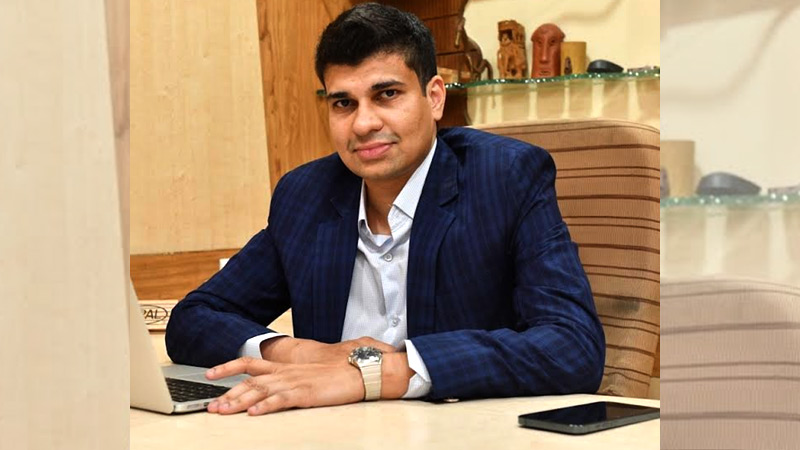
    The article has been authored by M/s Jay Wood Industry CEO & MD Jay Deepak Shah.
  • Green partnerships: How young entrepreneurs are shaping sustainable business practices

    Green partnerships: How young entrepreneurs are shaping sustainable business practices

    In an era marked by incessantly escalating environmental challenges, young entrepreneurs are emerging as pioneers of sustainable business practices. By forming green partnerships, these innovative leaders are showcasing a profound commitment to environmental responsibility and redefining business ethos on multiple levels. Their disruptive thinking coupled with deep-rooted concern for the earth’s natural bounties, has played a pivotal role in shaping sustainable business practices through green partnerships. Green partnerships are conscious collaborations between a business and other stakeholders, done to support an organisation in meeting its green goals and at the same time gain technical know-how from partners who are sustainability experts in their field. Here’s a sneak peek into how modern-day green partnerships is having a positive impact towards environmental protection, conservation, and safety.

    Environmental responsibility

    Young entrepreneurs today possess a keen awareness of the pressing need to address environmental issues such as climate change, resource depletion, and pollution. By forming green partnerships, these entrepreneurs bolster their commitment to minimising their environmental impact. They also are empowered to contribute significantly in terms of broader conservation efforts. Such partnerships promote innovative solutions like collaborations with environmental organisations, adoption of eco-friendly technologies, and implementation of sustainable supply chain practices. These actions reflect a deep-seated sense of environmental responsibility and a recognition that business success must align with the planet’s health.

    Meeting consumer expectations

    The consumers of today are getting more and more concerned about environmental issues and are inspired by the temperament of doing their bit to help mitigate environmental issues. This paradigm shift has created the demand for sustainable products and services. Modern consumers increasingly prioritise businesses that align with their values, opting for companies that demonstrate a commitment to sustainability. Green partnerships enable businesses to meet these consumer expectations by offering products and services that are environmentally friendly. This alignment not only attracts a loyal customer base but also helps businesses differentiate themselves in a crowded market.

    Driving innovation

    Sustainability is a powerful driver of innovation. Green partnerships foster collaboration and knowledge-sharing, leading to the development of new green technologies and practices that can further help the cause. For instance, partnerships between startups and research institutions can yield breakthroughs in renewable energy, waste management, and sustainable agriculture. By pooling resources and expertise, green partnerships accelerate the creation of innovative solutions to complex environmental challenges, positioning businesses at the forefront of sustainable development.

    Cost savings

    Implementing sustainable practices through green partnerships can lead to significant cost savings for businesses. By reducing waste, conserving energy, and optimising resource usage, businesses can lower their operational costs. For example, a partnership with a recycling firm can reduce waste disposal costs, while energy-efficient technologies can cut utility bills. These savings not only improve profitability but also make sustainable practices economically viable in the long term.

    Regulatory compliance

    Governments across the globe are acting proactively to bring down environmental degradation thereby making regulations increasingly stringent worldwide. Non-compliance can result in hefty fines, legal issues, and reputational damage. Green partnerships help businesses stay ahead of regulatory requirements by ensuring they adopt best practices in environmental management. Collaborating with experts in environmental law and sustainability allows businesses to navigate the complex regulatory landscape without any unwanted gaps.

    Enhancing brand reputation

    A strong commitment to sustainability enhances a company’s brand reputation and credibility and young entrepreneurs of today know what is best for their business. Green partnerships visibly demonstrate a business’s dedication to environmental and social responsibility. This commitment resonates with all stakeholders, including customers, investors, and community members, enhancing trust and loyalty. A reputable brand that prioritises sustainability is better positioned to withstand market fluctuations and maintain a positive public image.

    Attracting talent

    Young professionals of today keep sustainability at the top of their priority list while making career choices. Even for a business, it is beneficial to have a talent pool that commits to environmental consciousness. Companies that prioritise environmental responsibility are more attractive to dedicated individuals passionate about making a positive impact. By forming green partnerships and showcasing their commitment to sustainability, businesses can attract and retain employees who are driven by a purpose that matches the needs of tomorrow.

    Long-term success

    Sustainability is integral to long-term business success. Green partnerships foster relationships built on trust, transparency, and shared values. These stable, long-term collaborations drive mutual success and resilience, enabling businesses to thrive in a rapidly changing world. Companies that integrate sustainability into their core operations are better equipped to adapt to market shifts and environmental uncertainties.

    It would not be wrong to sum up by saying that young entrepreneurs are leading the emergence of a transformative movement towards sustainable business practices through green partnerships. These business leaders are not only shaping the future of business but also paving the way for a more sustainable and equitable world.

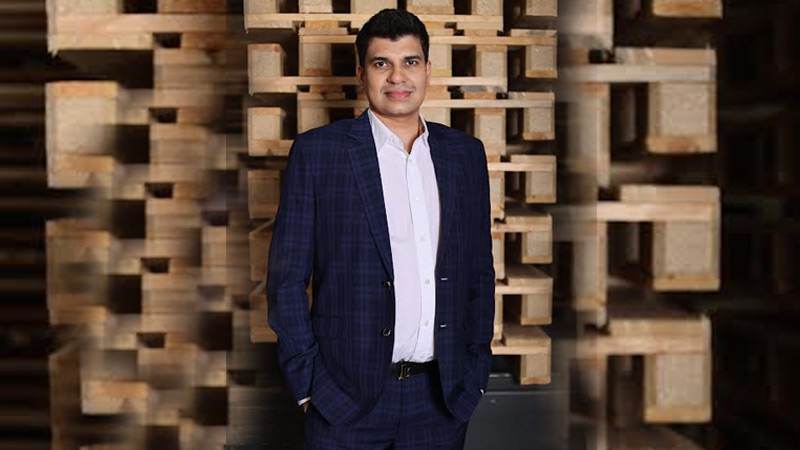
    The article has been authored by M/s Jay Wood Industry CEO & MD Jay Deepak Shah.

  • EaseMyTrip onboards Jacqueline Fernandez as brand ambassador

    EaseMyTrip onboards Jacqueline Fernandez as brand ambassador

    Mumbai: EaseMyTrip.com, an online travel tech platform, has roped in actress Jacqueline Fernandez as its brand ambassador. This strategic partnership is part of a long-term strategy to boost EaseMyTrip’s brand presence and attract new customers and Bollywood fans. The actress’s large number of fans and followers would enhance EaseMyTrip’s brand image.

    Jacqueline Fernandez, known for her screen presence and love of travel, often explores new places for work and leisure. Her passion for travel aligns with EaseMyTrip, making her a fitting representative for the brand. The long-term partnership will promote travel deals and unique experiences through campaigns featuring her. This collaboration will help EaseMyTrip reach Jacqueline’s 70.5 million Instagram followers and other fans nationwide.

    EaseMyTrip co-founder Rikant Pittie shared his thoughts on the partnership, stating, “We are excited to be associated with Jacqueline Fernandez. Her vibrant personality and passion for travelling, match perfectly with our brand ethos. With her on board, we aim to connect with a broader audience and encourage them to explore the world with confidence. This partnership is the beginning of an exciting chapter, and we are looking forward to a productive journey ahead.”

    Sharing her excitement about the partnership with EaseMyTrip, Jacqueline Fernandez said, “Both personally and professionally, travelling has always been a huge part of my life. I’m delighted to be associated with EaseMyTrip, a brand that pledges to make travel easier, more accessible, and memorable for everyone. I am looking forward to working closely with EaseMyTrip.”

    As the new face of EaseMyTrip, Jacqueline will be featured in a series of television commercials and marketing campaigns that will highlight the brand’s offerings, from budget-friendly travel packages to luxury experiences. This long-term partnership signifies EaseMyTrip’s commitment to creating significant connections with customers by providing seamless travel solutions that cater to a diverse audience.

    EaseMyTrip continues to innovate and evolve to meet the needs of modern travellers, and with Jacqueline Fernandez on board, the company is set to take its mission to new heights.

  • Ecom Express unveils new brand identity

    Ecom Express unveils new brand identity

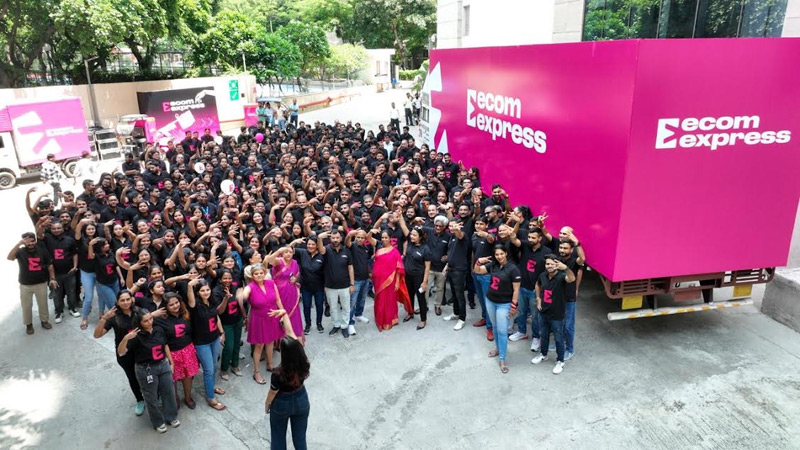
    Mumbai: Ecom Express Limited (“Ecom Express”), India’s only pure-play B2C e-commerce logistics solutions provider as of the Financial Year 2024 (Source: RedSeer Report) operating a pan-India express logistics network, has unveiled a new brand identity. This transformation reflects the company’s conscious commitment to being customer-focused, including addressing specific customer category needs, a focus on customer-facing metrics and key result areas, and seamlessly integrating innovative technology across its pan-India express logistics network, achieving speed, agility along with the widest levels of network reach, to deliver a customer-focused approach.

    This rebranding initiative features a vibrant, forward-thinking logo and a refreshed visual identity that symbolizes Ecom Express’s pursuit of excellence. The new logo, with its forward-moving arrow enclosed within a square, embodies the company’s commitment to deliver. The ingenious integration of the letter “E” stands for Expression, Innovation, and Progress, while the bold magenta color embodies the spirit of bravery, self-expression, and unyielding strength—. Ecom Express is reintroducing itself with a new identity and a vibrant color—Magenta. This rebranding represents a renewed commitment to their customers, partners, and team. Ecom Express is determined to simplify and democratize logistics for everyone, everywhere,.

    Elaborating on the vision behind the transformation, Ecom Express CEO & MD Ajay Chitkara said, “Ecom Express has consistently earned the trust and admiration of our partners, patrons, and customers. As we advance to greater heights, our refreshed brand identity signifies a reaffirmation of our customer-first approach. We are committed to integrating robust technology and innovation to deliver reliable, high-speed services with the widest network reach, all while optimizing operational efficiency and flexibility. He added, “This transformation also strengthens our commitment to our employees and delivery partners, who are fundamental to our business. Our new identity is a testament to our promise of excellence and dedication to redefining logistics through advanced technology aimed at making life easier for all types of customers.”

    Ecom Express’s new logo is a symbol of its commitment to core values. Each element of the logo embodies Ecom Express’s focus on enhancing customer welfare,  and fostering a diverse and inclusive environment.


  • Acerpure India launches ‘100 Day Money Back Guarantee’ for Amrit Water Purifiers

    Acerpure India launches ‘100 Day Money Back Guarantee’ for Amrit Water Purifiers

    Mumbai: Acerpure, an Acer group entity, announced an enticing ‘100-Day Money Back Guarantee’ for Amrit Water Purifiers. This initiative allows customers to experience the high quality and convenience of Acerpure’s DIY Amrit Water Purifiers with a risk-free, satisfaction-guaranteed offer. If customers are not fully satisfied, they can return the product within 100 days for a full refund. This offer is available exclusively for online purchases through Flipkart and Amazon.

    The Amrit Water Purifier series by Acerpure is designed to revolutionize home water filtration with easy-to-install, user-replaceable filters. These innovative DIY water purifiers ensure safe, clean drinking water without the hassle and feature user-replaceable filters.

    The Acerpure Amrit series, which includes three models – Amrit RO, Amrit Elite (RO+UV), and Amrit Supreme (RO+UV+Alkaline) showcases Acerpure’s dedication to cutting-edge technology and catering to diverse consumer needs. The series is equipped with a high-recovery system that increases clean water output by up to 40 per cent, significantly reducing water wastage compared to conventional RO filters. Key features include a stainless-steel tank, highlighting a strong focus on hygiene and safety. Each model is also fitted with a TDS meter for monitoring water quality, while the Amrit Supreme model further enhances water with alkaline properties, neutralising toxins, reducing acidity, and improving taste for a healthier lifestyle.

    This challenge reflects Acerpure’s commitment to improving customers’ quality of life by ensuring that their investment in clean, safe drinking water is both secure and satisfying.

  • Nike & LEGO Group unite to elevate the power of sport and creative play

    Nike & LEGO Group unite to elevate the power of sport and creative play

    Mumbai: Nike, Inc and the LEGO Group have announced a multi-year partnership to celebrate sport and creative play, creating new and exciting opportunities for kids and families worldwide.

    With long histories of championing kids’ right to play, both brands know that creative and physical outlets are critical to children’s development – helping kids reach their full potential by fostering key life skills that allow them to thrive as they grow up.

    Beginning next year, families around the globe could see a series of co-branded products, content and experiences that combine the imaginative power of LEGO bricks with Nike’s “Just Do It” spirit to invite all kids into play and sport.

    “At Nike, we believe in the power of sport to move the world forward, and that starts with kids,” said Global Kids VP Cal Dowers. “We’re committed to creating a more accessible and inclusive future that inspires kids of all ages and abilities to be more active. Together, with the LEGO Group, we’re excited to invite all kids into a new vision of sport and creative play.”

    A recent LEGO Group study revealed that for a third of children globally, playtime is limited to just three hours a week, and according to the World Health Organization, only one in five kids gets the physical activity they need to thrive. Further, 59 per cent of parents who participated in a separate LEGO Group survey indicated they worry their children don’t have enough playtime or access to fun activities.

    This initiative marks Nike’s latest effort to power an active, inclusive world that inspires all youth to play and achieve their greatest potential. Nike focuses on breaking down barriers for youth, especially girls, through a focus on quality coaching, increasing access and addressing societal barriers. And now, Nike and LEGO are teaming up to create new opportunities for kids.

    The partnership reflects Nike and the LEGO Group’s shared commitment to put creativity, fun, sport and imagination back into play, and inspire, engage and empower kids around the world.

    “At the LEGO Group, we believe in the power of play to inspire and develop the builders of tomorrow,” said LEGO Group VP of brand development Alero Akuya. “By combining the creativity of LEGO play with the energy and passion of sport we want to inspire new ways for kids to play and be creative. We are excited to partner with NIKE, Inc. on this journey and help reimagine how creative play and sport can unite. Together, we will create unique experiences that will engage and excite kids around the world, inspiring them to explore their imaginations.”

    To mark the announcement of their partnership, Nike and the LEGO Group curated a special digital animation to spark the excitement and curiosity of kids, families and adults everywhere. It brings to life how sport and creative play will come together and leverage iconic elements from both brands.

    At the center is a specially created LEGO Minifigure head with the Nike Swoosh as the smile, symbolising the unique power of both brands through sport and creativity. This is surrounded by sport references and individual icons from both brands, such as the orange Nike shoebox; the waffle outsole and Nike Air technologies; and the LEGO brick, Minifigure, castle and studs. Also included are shared icons such as the duck, the LEGO Group’s first product and a symbol synonymous with Oregon, Nike’s birthplace; the Pegasus horse, a reference to an iconic Nike footwear innovation; and of course the G.O.A.T., a nod to some of the greatest athletes in Nike’s portfolio.

    View the digital animation here, and visit nike.com/lego or lego.com/nike for more information about the partnership.

  • The overcoming quality concerns in the Indian sports mat market

    The overcoming quality concerns in the Indian sports mat market

    The Indian sports mat market has witnessed substantial growth in recent years, driven by increasing government expenditure on sports infrastructure, rising disposable incomes, and a growing health-conscious population. However, the market is also plagued by concerns over product quality, which has hindered its full potential.

    India’s sports industry is on a meteoric rise. With a burgeoning youth population and increasing government support, the demand for sports infrastructure is escalating rapidly. Central to this infrastructure is the sports mat, a crucial component that ensures athlete safety, performance, and overall experience. However, the Indian sports mat market is marred by quality concerns, hindering the growth of the industry and impacting the nation’s sporting prowess.

    Current challenges in the Indian sports mat market

    1   Inconsistent material quality – One of the primary concerns in the Indian sports mat market is the inconsistent quality of materials used in manufacturing. Many manufacturers opt for cheaper, low-quality raw materials to reduce costs. This compromises the durability, comfort, and safety of the mats. For instance, using substandard foam or rubber can lead to mats that wear out quickly, lose their grip, or do not provide adequate cushioning, which is crucial for preventing injuries during physical activities.

    2   Lack of standardisation – The absence of standardized quality benchmarks is another significant issue in the Indian sports mat market. While international markets often adhere to strict quality standards and certifications, the Indian market lacks a unified framework to ensure that all sports mats meet basic safety and performance criteria. This lack of standardization makes it difficult for consumers to distinguish between high-quality and inferior products, leading to dissatisfaction and mistrust.

    3   Counterfeit products – The proliferation of counterfeit products is a pervasive problem in the Indian sports mat market. These counterfeit mats are often made from inferior materials and sold at lower prices, undercutting legitimate manufacturers who invest in quality. The presence of these fake products not only harms the reputation of the market but also poses a significant risk to users, as these mats often fail to meet safety standards.

    4   Inadequate consumer awareness – In India, consumer awareness about the importance of quality in sports mats remains low. Many consumers prioritize price over quality, leading them to purchase cheaper, lower-quality mats. This lack of awareness is compounded by the absence of clear information regarding the materials and manufacturing processes used in sports mats. As a result, consumers often make uninformed decisions, leading to dissatisfaction and potential safety hazards.

    5   Environmental concerns – Environmental sustainability is an emerging concern in the Indian sports mat market. Many mats are made from non-biodegradable materials like PVC, which are harmful to the environment. Moreover, the production of these materials often involves the use of toxic chemicals, posing risks to both workers and the environment. As global awareness of environmental issues grows, the Indian sports mat market faces increasing pressure to adopt more sustainable practices.

    Strategies for overcoming quality concerns

    1   Implementing strict quality standards – To address the issue of inconsistent material quality and lack of standardization, it is essential to establish and enforce strict quality standards across the Indian sports mat market. This could involve the introduction of mandatory certifications for sports mats, ensuring that all products meet minimum safety and performance criteria. Such standards would help create a level playing field for manufacturers and provide consumers with the assurance that they are purchasing high-quality products.

    2   Enhancing material innovation – Investing in material innovation is key to overcoming quality concerns in the sports mat market. Manufacturers should explore the use of advanced, high-performance materials that offer better durability, comfort, and safety. For example, using eco-friendly materials such as natural rubber, cork, or recycled materials could not only improve the quality of sports mats but also address environmental concerns. By prioritizing innovation, Indian manufacturers can differentiate their products in a competitive market and cater to the evolving demands of consumers.

    3   Combating counterfeit products – Combating the issue of counterfeit products requires a multi-pronged approach. Manufacturers need to invest in anti-counterfeiting technologies, such as holograms, QR codes, or RFID tags, to authenticate their products. Additionally, raising consumer awareness about the risks associated with counterfeit mats and the importance of purchasing from reputable sources can help reduce the demand for fake products. Collaborating with law enforcement agencies to crack down on the production and distribution of counterfeit goods is also crucial.

    4   Educating consumers – Increasing consumer awareness about the importance of quality in sports mats is essential for driving demand for better products. Manufacturers and retailers can play a key role in educating consumers through informative packaging, advertising, and in-store displays. Highlighting the benefits of high-quality mats, such as enhanced safety, comfort, and durability, can encourage consumers to make more informed purchasing decisions. Additionally, providing clear information about the materials and manufacturing processes used in sports mats can help build trust and transparency in the market.

    5   Promoting sustainability – As environmental concerns gain prominence, promoting sustainability in the sports mat market can serve as a significant differentiator for Indian manufacturers. Adopting eco-friendly materials and sustainable production practices not only addresses environmental concerns but also appeals to a growing segment of environmentally conscious consumers. Manufacturers can also explore recycling programs for old mats, further contributing to environmental sustainability.

    Overcoming quality concerns in the Indian sports mat market is critical for its growth and long-term success. By implementing strict quality standards, investing in material innovation, combating counterfeit products, educating consumers, and promoting sustainability, the market can enhance its reputation and meet the evolving needs of consumers. As the demand for sports and fitness products continues to rise, prioritising quality will be key to unlocking the full potential of the Indian sports mat market.

    The article has been authored by Gravolite director Paras Maheshwari.

  • ‘Solution-centric’ and ‘Medium-agnostic’ approach defines White’s success with experiential marketing

    ‘Solution-centric’ and ‘Medium-agnostic’ approach defines White’s success with experiential marketing

    Mumbai: Experiential marketing is not just a fleeting trend. According to a media report, Event and Entertainment Management Association (EEMA) forecasts that India’s experiential marketing industry will grow to Rs 10,000 crore by 2025, doubling its worth since 2020. In a similar report, data from the Event Marketing Institute reveals that 74 per cent of consumers have a more favourable view of a brand following an event or experience.

    One such “culture-first” experience company is White, specialising in creating immersive and inclusive brand experiences. With a strong commitment to innovation and a deep understanding of diverse cultures, White crafts unique narratives that resonate with audiences worldwide. The company employs an integrated approach, offering services that span branded immersions, intellectual properties, conferences and MICE events, retail installations, and visual theatre. Operating across all scales, White delivers these experiences pan-India and in regions like the Middle East, Asia, Europe, and the United States.

    The team, consisting of 80+ “custodians of culture” across creative strategy, design, account management, and operations, collaborates seamlessly to help clients forge meaningful connections with their audiences. Reflecting its commitment to staying at the industry’s forefront, White’s recent rebranding showcases its dedication to creating impactful relationships between brands and their customers.

    In a similar vein, White Label focuses on delivering innovative content solutions tailored to the unique needs of its clients. Broadening and crafting high-impact content strategies, White Label drives engagement and ensures that content resonates with target audiences across various platforms.

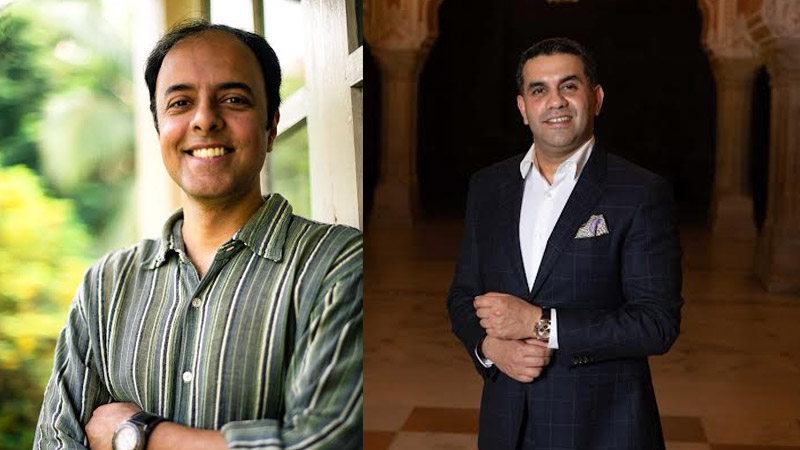
    Indiantelevision.com caught up with White founder & CEO Vishesh Sahni and White Label CEO Rohit Tugnait, where they both delved into White’s business strategy, their account wins and innovative campaigns, outlook on content solution market in India and lot more.

    Edited excerpts

    How does White leverage its unique selling propositions (USP) to attract and retain clients?

    Vishesh – Our USP lies in leveraging culture as a medium to connect some of the most innovative brands and exciting organisations in the world with their audiences. We do this by mining human insight and appealing to the most basic instinct of audiences – i.e, evoking a powerful emotional response within them.

    Can you discuss any recent changes or enhancements in White’s business strategy that have led to notable successes?

    Vishesh – White has rapidly made itself recognised as a company that approaches campaigns and briefs beyond the immediate task with the intent to create long term impact. In order to do this effectively, we have actively pursued a “solution-centric and medium-agnostic” integrated approach in our work.

    Rohit – Recently, we have set up a full-fledged content sister company – White Label – in order to provide holistic 360° solutions to clients. The aim of White Label is to provide engaging storytelling via video for brands. This could rest on digital, OTT or socials depending on the audience to reach and format of content.

    What innovative campaigns has White executed recently, and what made them stand out?

    Vishesh – We recently executed the global launch event of Pernod Ricard India’s first luxury Indian Single Malt – Longitude 77 in Gurgaon, India. The experience brought together some of the most illustrious names from music, cinema and fashion in an exploratory journey; which was paired with multisensory hospitality. The international launch in Dubai also captured the scale, grandeur and core message of “India Reimagined” amidst an illustrious global audience.

    Another memorable experience was the launch of Mexico’s most beloved tequila – Don Julio – which brought alive authentic Mexican culture and revelry in an immersive format. The immersive experience – themed around 5 expressions of love, which was inspired by the brand’s global “Por Amor” campaign – witnessed an impromptu parade, authentic cocktail and culinary carts and various bespoke handcrafted expressions.

    How do you anticipate consumer behaviour and technological advancements will impact experiential marketing strategies in the future

    Vishesh – In a space that vies for constant attention, experiential marketing – across events, activations, launches and conferences – the premise of bespoke hospitality in an experience cannot be overstated. From the first interaction of an invite to a personalised keepsake or immersion at the experience; driving equity and loyalty for a brand comes alive much more effectively when the individual feels actively “seen”; as opposed to passively “talked at”.

    Tech advancements and the advent of AI allows us to hyper-personalise experiences even more effectively.

    What role do you see White playing in shaping the future of experiential marketing in India?

    Vishesh – White has always been a custodian of representing culture – be it the culture of the brand; or harnessing the pulse of global action.  Owing to this approach, we have managed to introduce industry-first ideas, exciting innovations and experience formats that have been seen for the time in India. We intend to fortify this capability and further envision experiential marketing with a progressive perspective that eventually becomes an industry benchmark.

    How do you perceive the current trends and growth potential in the content solution market in India

    Rohit – Content plays a key role for any marketing/ brand manager as part of their campaign executions. While content does not show immediate ROI (as would an ad for example), it helps build saliency with the audience and if orchestrated well could lead to building a community. That is the ultimate holy grail for a marketeer because it leads to earned media as well as a loyal customer base over time.

    That said the content should not be produced for the sake of featuring in a brand plan. There needs to be careful crafting of a story around what the brand stands for and marry that with an audience’s affinity. So engaging storytelling + the brand supporting their TG’s beliefs/ philosophies lead to the audience willing to sacrifice their precious time to engage with your message in a more purposeful manner. This is what we help facilitate for our partners.

  • Adobe study: Indian brands lead in generative AI, transforming team structures

    Adobe study: Indian brands lead in generative AI, transforming team structures

    Mumbai: Adobe released the Digital Trends 2024 Asia Pacific and Japan (APJ) report indicating how Indian brands are embracing the generative AI deployment. Brands across the Asia Pacific and Japan region are set to make major near-term organisational changes to scale up adoption, revealing a dynamic shift in the region’s digital landscape. As per the findings of the report, Indian brands are leading the charge, showcasing their exceptional data capabilities and unwavering commitment to governance frameworks. These strengths are driving their prominent position in the adoption of generative AI, setting them apart as pioneers in technological innovation. The report also highlights India’s role in shaping the future of AI, emphasising its influence in advancing industry standards and ensuring the ethical use of emerging technologies.

    According to executives among Indian brands, 52 per cent leverage data and algorithms to deliver personalised website experiences, the highest in the region. Additionally, 38 per cent employ generative AI to craft customized emails, messages, and other content, further demonstrating their leadership.

    Stage of generative AI adoption within the organisation according to senior executives 
    (evaluation vs implementation of full or initial solutions/pilots)

    However, while executives are confident their generative AI rollouts are advancing to plan, many day-to-day users hold a different view. Across APJ, just 4 per cent of executives say their organisation doesn’t have a formal generative AI adoption strategy, which rises substantially among practitioners.  In India, 45 per cent of Indian organizations have generative AI solutions in place and are assessing their effectiveness, while 27 per cent have pilots underway.

    Agree that no formal generative AI adoption strategy exists 
    (senior executives vs practitioners)

    “Indian brands are confidently deploying generative AI while enhancing their productivity on a larger scale. This innovation offers a distinct path to integrate data, anticipate customer needs, and provide more targeted and timely content delivery. However, despite a broad desire for adoption, only a few brands are adjusting their strategies to fully leverage these benefits. Those at the forefront are leading with higher consumer loyalty, efficient conversion, and trust,” said Adobe India’s director of marketing Anindita Veluri.

    As a leader in AI and a trusted partner, Adobe is working closely with brands across Asia Pacific as they transition generative AI initiatives from experimentation into enterprise-level deployment. By integrating generative AI into the Adobe apps that marketers already use including Adobe Acrobat, Adobe Photoshop and apps within Adobe Experience Platform, it can more easily be adopted into exiting workflows, all in a commercially safe way, backed by enterprise-grade security, privacy and compliance.

    The report confirms that among APJ brands, generative AI integration is a key digital initiative that is most likely to support brand growth in 2024. As a result, most brands are developing guidelines for responsible use of AI (73 per cent) and aligning a comprehensive AI roadmap with broader business goals (71 per cent). In India, 70 per cent of senior executives feel well-prepared to implement governance and ethical guidelines for generative AI, and 58 per cent are actively investing in governance frameworks—14 percentage points above the APJ average.

    Brands to adapt organisation structures, skills and data capabilities for AI era

    Brands anticipate significant changes to operating models and organisational structures to support generative AI adoption.  By the end of 2024, Indian brands plan to leverage generative AI extensively for content production, demonstrating their commitment to enhancing digital customer experiences. Specifically, 80 per cent of Indian brands expect to use generative AI for idea creation and concepting, allowing skilled employees to finalize these concepts. Additionally, 76 per cent aim to utilize generative AI to auto-update live content—ranking highest globally—and to adapt existing content for different audiences, products, and regions.

    Changes to organisational structures expected by mid-to-end of 2024 to support generative AI adoption

    Executives are also prioritising initiatives to help employees upskill and provide clear guardrails for using generative AI. The top-rated is advanced AI skills training for key staff (47 per cent), followed by policies for ethical and secure generative AI usage (45 per cent).

    Over two-thirds of APJ brands also believe that generative AI will transform data analytics and management more than any other part of the organisation. They also recognise that data capabilities and governance are a cornerstone capability, with most planning to increase investment in customer data management in 2024. Within APJ, this is highest in India (75 per cent).

    Sub-regional highlights and comparisons

  • Tata Motors tops Havas CX India’s The X Index 2024 India report

    Tata Motors tops Havas CX India’s The X Index 2024 India report

    Mumbai: Indian customers have undergone an evolution in preferences that help differentiate brands for them. While brands that persist in operating under the previous paradigm have been caught off guard, some have already begun to capitalise on this recent shift, reveals the latest X Index India report by Havas CX India, the specialised customer experience vertical of Havas India which also includes Think Design & Ekino.

    The Global X Index report, now in its sixth year, features a proprietary research tool that helps determine and measure the most critical factors in customer experience. The 2024 X Index surveyed 55,000 consumers in nine global markets (U.S., U.K., France, Mexico, India, Portugal, Spain, Brazil and Argentina) to evaluate the customer experience performance of 525 brands. This year, the X Index used 23 metrics across four key measures – functional, emotional, personal, and collective – to determine what criteria can create a compelling customer experience. It examined customer experience with brick-and-click brands, retailers that maintain brick-and-mortar stores in addition to selling online, and pure players, Internet-only retailers. The X Index also included a scorecard where consumers evaluated how well brands meet different experience touchpoints throughout the consumer journey, from social media to after-sale service.

    This year, the report covers 50 brands from across nine categories. In addition, this year’s report also includes in-depth CX insights of five categories including BFSI, e-tail, automobile, beauty & healthcare, and hospitality.

    The top ten brands in X Index 2024 India report are:

    1.    TATA Motors
    2.    Apple
    3.    TATA Cliq Luxury
    4.    Kia
    5.    Samsung
    6.    ITC
    7.    NEXA
    8.    Zara
    9.    JBL
    10.    TATA Cliq Palette

    Havas CX Network global CEO David Shulman said, “At Havas CX, our mission has always been to stay ahead of the curve in understanding and delivering what customers truly value. The X Index 2024 – India Edition highlights a pivotal shift in customer expectations globally and in India, where efficiency, emotional engagement, and personalized experiences have become non-negotiable. This year’s findings across nine markets reaffirm that to remain competitive, brands must go beyond merely meeting expectations and strive to exceed them at every touchpoint. Together, we are setting new standards in customer experience, driving innovation, and creating lasting connections with consumers worldwide.”

    Havas India, South-East Asia & North Asia (Japan & South Korea), group CEO Rana Barua said, “Over the past few years, Havas CX India has emerged as a key player within the Havas India ecosystem. Together with Think Design and Ekino, it forms a powerful network. In today’s rapidly evolving market, customer experience is crucial to brand success. When we launched X Index in India, we addressed a significant gap – brands needed data-driven insights to elevate their CX journeys. Four years on, the report has become an industry benchmark, a trendsetter, and a tool for forecasting market shifts. This year’s X Index continues to provide invaluable insights, preparing brands to be future-ready. Congratulations to all the brands featured.”

    Havas CX India & Ekino India MD Prashant Tekwani said, “India’s CX landscape is rapidly evolving, and at Havas CX, we are at the forefront of this transformation. The X Index 2024 – India Edition reveals how Indian consumers are increasingly seeking personalized and emotionally resonant experiences. Our deep understanding of local nuances, combined with our global expertise, allows us to craft strategies that not only meet but exceed the expectations of Indian customers. As we continue to innovate, Havas CX India remains committed to delivering experiences that are as diverse and vibrant as the market we serve.”

    Key insights:

    The X Index 2024 report reveals, there is a New CX Contract. Gone are the days when simply meeting expectations is sufficient. Businesses are now required to adopt a holistic approach that combines functionality, emotional engagement, and going above and beyond customers’ expectations.

    India stands out for its heightened focus on creating personal experiences. While brand relationships remain important, a power shift is underway. Functional benefits have been nudged down a notch, replaced by a burning desire for recognition and personalised rewards. Indian consumers are demanding to be seen as individuals, not just wallets on legs. They want to partner with brands that value them and meaningfully show them ‘what’s in it for me?’

    In the previous edition of The X Index, brands were making strides towards matching pre-pandemic expectation levels. However, customer priorities have shifted faster than brands anticipated, resulting in a drop in customer ratings across all 23 metrics in the 2024 edition. In light of this, it is clear that brands must get on board right away.

    For Indians, the three defining elements of customer experience that drive satisfaction are:

    1.    Differentiated experiences continue to be paramount

    The single most impactful element of CX, across players in India, was providing unique, novel or innovative experiences to customers. This is a pattern not seen in the other markets.

    2.    But you must provide great value in exchange for the data provided

    Indians are comfortable sharing their data with the brands they associate with. However, there is a latent expectation that the brand respect their privacy and also provide personalized utility in exchange.

    3.    Efficiency and enjoyment are hygiene in all CX interactions

    Bootstrapped CX simply doesn’t cut it anymore. With a keen focus on differentiation, brands are expected to be functionally and emotionally effective. Experiences that fail on the two counts of efficiency and pleasure, lose.

    Like in the earlier iterations of the X Index barometer, Indians continue to value the relationships they form with brands. They continue to want brand interactions that make them feel valued as customers, but this now comes with an added layer – the expectation of a meaningful relationship that also gives back to the customer.

    The X Index 2024 report sheds light on the three key principles for brands to adapt to the New CX Contract.

    1.    Efficiency is not a preference, it’s an expectation!

    Indian consumers are clear: smooth and efficient interactions are the price of admission. Yes, the real thrill lies in brands that go beyond the expected, weaving delight and surprise into the journey. But efficiency forms the essential foundation of any brand interaction.

    2.    Make every interaction enjoyable!

    India, a land steeped in tradition and relationships, thrives on emotional connections. Here, surprising customers with delightful experiences goes a long way. Technology, when used strategically, can be a powerful tool to deliver such experiences. This can range from personalised recommendations and targeted reward programs to interactive features that resonate with customers. This emotional resonance translates to instant gratification and fosters long-term loyalty in this highly contextual market.

    3.    Go above & beyond!

    In India, there’s a love for everything large and elaborate, with a tendency to go above and beyond for any occasion. This extends to their expectations from brands. Brands that go the extra mile and adapt to the ‘culture of excess’ by offering premium experiences and exceeding expectations are likely to thrive in the Indian market.