Category: Marketing

  • InMobi Advertising enhances CMP for advanced privacy compliance

    InMobi Advertising enhances CMP for advanced privacy compliance

    Mumbai: InMobi Advertising, a provider of content monetisation and marketing technologies, has launched the next generation of the InMobi consent management platform (InMobi CMP). This self-service solution helps publishers align with changing global privacy regulations. InMobi CMP is a robust privacy management platform for mobile publishers, enabling them to navigate the complex privacy landscape.

    Privacy regulations such as the General Data Protection Regulation (GDPR) in Europe and the California Consumer Privacy Act (CCPA), along with standards like the Multi-State Privacy Agreement (MSPA), are continually evolving. InMobi CMP now helps more publishers foster user trust, enhance ad revenue, and ensure compliance by supporting the Global Privacy Platform (GPP) and offering expanded customisation for Unity apps.

    Two key features of this update include:

    1. Global privacy platform (GPP) support for apps and websites: InMobi CMP supports GPP for websites and apps (Android, iOS, and Unity). Implementing GPP ensures compliance with MSPA, covering regulations in California (CCPA), Colorado (CPA), Connecticut (CTDPA), Utah (UCPA), and Virginia (VCDPA).

    2. New UI customisation for Unity apps: Publishers can now personalise their consent models for any app, including Unity apps. This customisation feature allows adjustments to color schemes and font styles on consent prompts, improving user experience and consent rates.

    “Consumers are becoming increasingly aware of their data rights and InMobi Advertising has always been at the forefront of building solutions that help brands and publishers navigate the complex global privacy landscape,” said InMobi Advertising CEO Abhay Singhal. “For publishers, implementing robust consent management practices, like the InMobi CMP, demonstrates transparency and commitment to user privacy, building trust and improving engagement. By prioritising user experience and boosting consent rates, publishers can unlock increased advertiser demand for consented traffic.”

    According to a recent survey by InMobi Advertising, over 87 per cent of mobile phone users believe apps should protect their privacy, yet only 42 per cent feel that they do. Closing this expectation gap is crucial, as 77 per cent of respondents stated that trust in an app influences their likelihood to make in-app purchases.

    “BrainWave Games is committed to prioritising user privacy while navigating the challenges posed by ever-changing regulations,” said BrainWave Games CEO Mia Chen. “It’s not just about compliance but also about building user trust. Our consent management process focuses on user experience, ensuring it is easy to understand and use while seamlessly integrating with our app design and context.”

    Implementing a consent management platform is vital for protecting website and app visitors’ information and building their trust. InMobi CMP ensures data transparency and allows users to manage their data permissions, reinforcing a commitment to a transparent data relationship. Designed to provide a seamless and non-intrusive consent process, CMPs help prioritise user privacy and offer clear options for data consent, creating a positive experience that enhances user satisfaction and trust.

  • MBL reports resilient Q2FY25, revenue growth despite margins pressure

    MBL reports resilient Q2FY25, revenue growth despite margins pressure

    Mumbai: You are crawling through the typical Mumbai’s infamous Saki Naka traffic, inching your way home after a long day. The only companion during this gridlock is the trusty voice of Radio City, filling the airwaves with your favourite tunes, celebrity gossip, and city updates. But behind the scenes, even as Music Broadcast Limited (MBL) keeps listeners entertained, the company grapples with financial challenges.

    In its second quarter of FY25, MBL operating Radio City, recorded an increase in revenue to Rs 5,482.87 lakh, a noticeable 4.54 per cent improvement compared to the corresponding period last year. As India’s radio landscape evolves with shifting audience preferences and advertising trends, MBL’s ability to maintain revenue growth reflects its adaptability and market positioning. Yet, despite this, the company faced pressures that have impacted its profitability.

    Total income for the quarter stood at Rs 6,131.77 lakh, a rise from Rs 5,815.48 lakh in Q2FY24, bolstered by a combination of operational revenue and other income sources. The operational strength is evident in the half-year results as well, with total income reaching Rs 12,754.13 lakh, marking a 9.15 per cent year-on-year growth. This growth trajectory signals a recovery trend in India’s media and entertainment sectors post-pandemic.

    However, profitability remains an issue. The company registered a net loss of Rs 199.24 lakh this quarter, a swing from the Rs 36.62 lakh profit posted in Q2FY24. This loss has expanded the net profit margin into negative territory at -3.63 per cent, down from 0.70 per cent last year. The adverse movement in margins can be attributed to rising expenses across employee benefits, amortisation, and other operational costs.

    Expenses grew at a faster pace than income, with total expenses reaching Rs 6,329.01 lakh for Q2FY25, compared to Rs 5,682.03 lakh for the same period last year. Employee benefits rose sharply to Rs 1,999.30 lakh, a 15.88 per cent increase over Q2FY24. This reflects Radio City’s efforts to retain talent and maintain operational efficiency amid growing competition from digital and online platforms. Meanwhile, depreciation and amortisation expenses surged 37.34 per cent to Rs 862.80 lakh.

    The sharp rise in these costs, combined with the firm’s legal and financial obligations, is likely to have weighed down overall profitability. Additionally, finance costs climbed to Rs 286.18 lakh, up from Rs 247.44 lakh in the same quarter last year.

    Despite the profitability challenges, the company remains operationally resilient. It reported an operating margin of 17.36 per cent for the quarter, and while this is a decline from 23.05 per cent in Q2FY24, it still reflects sound cost management in the face of rising expenses. MBL has also been involved in an ongoing legal case with Phonographic Performance Limited (PPL), over licensing fees, which continues to pose financial uncertainties. The outcome of this litigation could have further implications on the company’s future cash flows.

    The company has maintained a strong debt-to-equity ratio of 0.23, reflecting a conservative financial strategy. Moreover, MBL’s net worth increased to Rs 53,220.13 lakh from Rs 52,601.41 lakh in the previous year, demonstrating long-term financial stability, even as short-term challenges mount.

    The radio industry, long considered a staple of India’s media consumption, is undergoing significant transformation with competition from digital streaming services and podcasts. MBL’s ability to retain its market share and attract advertisers will be key to its recovery. Despite near-term setbacks, MBL’s revenue growth highlights the continued relevance of radio as a medium in India’s diverse media landscape.

  • Esskay Beauty Resources expands to tier two & three Indian cities

    Esskay Beauty Resources expands to tier two & three Indian cities

    Mumbai: Esskay Beauty Resources, a beauty and wellness brand, is set to expand its presence across more Indian cities and international markets. Managing 14 brands in beauty, hair tools, and hair care, Esskay aims to empower salons, spas, and beauty professionals with quality products and education.

    Currently operating in India, Sri Lanka, Nepal, and Bangladesh, the company plans to further its reach globally. Its distribution network has grown from 200 to 300 cities in India, with plans to extend to tier two and tier three cities.

    “Our vision has always been to transform the beauty and wellness industry on a global scale, and we are committed to growing our homegrown brands in new and exciting markets,” said Esskay Beauty Resources director Ankit Virmani. “By expanding our footprint in urban cities, we aim to bring quality products and expert education to every corner of the Indian subcontinent and beyond.”

    Esskay Beauty is also expanding its educational arm, Esskay Academy, increasing its courses from six to twenty. The company aims to collaborate with international artists and educators to enhance education quality.

    “Our goal is to ensure that beauty professionals across the world are equipped with the knowledge and techniques needed to thrive in this ever-evolving industry. By collaborating with both national and international experts, we are creating a world-class educational experience through Esskay Academy,” said Esskay Beauty Resources director Subham Virmani.

    With expansion comes a larger workforce, as Esskay Beauty has grown from 200 to over 290 employees to support its operations. This growth reflects the company’s commitment to elevating the beauty industry globally, driven by its vision to ‘Transform beauty and wellness to the next level globally’.

  • Adani Total Gas’ financial resilience shines amid market pressures

    Adani Total Gas’ financial resilience shines amid market pressures

    Mumbai: In a dynamic energy sector, where demand and regulatory complexities shape the market landscape, Adani Total Gas Limited (ATGL) has once again demonstrated robust financial performance. The unaudited financial results for the quarter and half year ending 30 September 2024, present a strong case for the company’s operational resilience and adaptability. While the industry grapples with fluctuating input costs, ATGL continues to report steady growth, backed by its strategic expansions and prudent financial management.

    ATGL’s consolidated revenue from operations for Q2 FY2025 reached Rs 1,318.37 crore, marking a notable increase from Rs 1,178.77 crore in the same quarter last year. This represents a solid 11.8 per cent year-on-year (YoY) growth, driven by rising urban demand for natural gas and the company’s ongoing geographical expansion. The first half (H1) of FY2025 closed at Rs 2,557.43 crore, reflecting a healthy 10.5 per cent rise compared to Rs 2,314.12 crore in H1 FY2024.

    Complementing its operational revenues, the company accrued Rs 6.63 crore in other income during Q2, slightly lower than the Rs 9.21 crore recorded in Q2 FY2024, but sufficient to sustain its overall income growth. The company’s total income for H1 FY2025 stood at Rs 2,573.08 crore, showcasing consistent performance despite market volatility.

    The cost of natural gas and traded items saw a significant uptick, reaching Rs 772.97 crore in Q2 FY2025, reflecting heightened input costs. This 11.7 per cent rise from last year’s Rs 691.61 crore is attributable to rising global commodity prices and supply chain pressures. Despite this, the company’s effective inventory management helped minimise losses, with inventories shrinking by Rs 1.24 crore in Q2.

    Additionally, excise duty expenses grew by 19.9 per cent YoY to Rs 99.72 crore, a reflection of increased regulatory costs tied to higher production. Employee benefit expenses, however, were managed with precision, as the company reduced personnel-related costs to Rs 13.98 crore from Rs 16.62 crore in Q2 FY2024.

    One standout metric was the reduction in finance costs, from Rs 27.28 crore in Q2 FY2024 to Rs 23.01 crore in the current quarter, highlighting improved debt servicing and lower interest outflows.

    ATGL also recorded a profit before tax (PBT) of Rs 247.37 crore in Q2 FY2025, a modest 7.6 per cent increase compared to Rs 229.90 crore in the previous year’s corresponding quarter. The first half of the year concluded with PBT of Rs 479.10 crore, representing a 11.1 per cent growth YoY.

    Net profit for Q2 stood at Rs 185.60 crore, up from Rs 172.68 crore in Q2 FY2024. This was primarily due to effective cost controls and improved revenue streams. In the first half, profits reached Rs 357.44 crore, a commendable 10.7 per cent rise from the Rs 322.90 crore achieved in H1 FY2024. Earnings per share (EPS) saw a corresponding increase to Rs 1.69 in Q2, slightly above last year’s Rs 1.57.

    The company’s total comprehensive income for H1 FY2025 stood at Rs 359.03 crore, reflecting the net impact of operational profits and minor comprehensive income changes from defined benefit plan adjustments.

    On the balance sheet front, ATGL reported total assets of Rs 6,842.45 crore as of 30 September 2024, a 3.8 per cent increase from Rs 6,591.86 crore as of 31 March 2024. The company’s equity also strengthened, rising to Rs 3,910.73 crore, up from Rs 3,580.32 crore. This increase was supported by retained earnings and capital appreciation, which are likely to enhance long-term shareholder value.

    ATGL’s expansion into new geographical areas continues to be a key growth driver. The company’s acquisition of key assets in Ludhiana and Jalandhar, alongside its strategic ventures with Indian Oil-Adani Gas Private Limited, positions it well for future market leadership. Additionally, its diversification into biomass and e-mobility solutions underpins a forward-looking approach to energy transitions in India.

    “ATGL has reported healthy operational and financial performance during the quarter. Our business is closely aligned with India’s energy transition goals which we are delivering by providing cleaner and greener energy solutions to all our consumers. We now reach over nine lakh consumers through our piped gas network supplying uninterrupted piped natural gas. We have commissioned our first LNG station for the transportation segment and are progressing towards covering key highway networks aiding India’s decarbonisation march. Following the recent reduction in APM gas allocation, which caters to auto CNG and home PNG consumers, we are closely monitoring the situation and given our diversified gas sourcing portfolio, we will ensure a calibrated pricing approach to balance the interest of our consumers” said ATGL, CEO & ED, Suresh P Manglani.

    As the energy landscape evolves, ATGL’s commitment to maintaining operational efficiency, despite external challenges, will be pivotal. Investors and stakeholders can expect the company to maintain steady growth trajectories, driven by a balanced focus on expanding its market reach and optimising its financial strategies.


  • drink technology India rebrands to drinktec India

    drink technology India rebrands to drinktec India

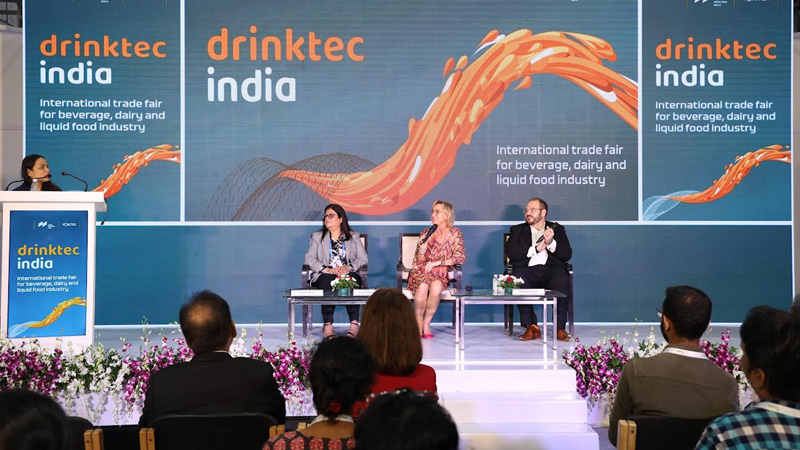
    Mumbai: An important milestone in the global expansion of the drinktec portfolio has been reached: drink technology India is now the first trade fair to carry the ‘drinktec’ brand alongside drinktec Munich, the leading trade fair for the beverage and liquid food industry. This rebranding by Yontex highlights the significance of the Indian market. Since 2007, the drinktec team has focused on supporting stakeholders in the beverage industry.

    Originally launched as a congress in Mumbai, the trade fair has evolved into a key meeting point for manufacturers. Initially held every two years, it is now an annual event. The first edition featured 42 exhibitors and 276 m² of space; this year, 178 exhibitors are expected across about 6,000 m². Major global players consistently participate, reflecting the event’s importance for investment decisions. Last year, around 11,000 visitors attended, alternating between Mumbai and Delhi.

    The drinktec India brand aims to strengthen its position as the leading trade fair in India for the beverage and liquid food industry. With the support of the drinktec brand, the Yontex team, Messe München India, and a wide range of products, the brand is set for growth in India and the SAARC region. This will provide neighboring markets with easy access to the latest offerings, making drinktec India a gateway for national and international brands.

    Additionally, drinktec India aims to drive the Indian and neighboring beverage industries toward global standards. By showcasing advanced technologies, local manufacturers can engage with innovations that improve efficiency, enhance quality, and adapt to changing consumer preferences. This exchange will elevate domestic production and prepare Indian companies for global competition, making drinktec India crucial for modernising the beverage sector across the SAARC region.

    Food Processing and Packaging Machinery Association deputy MD VDMA e.V., Beatrix Fraese: “As the conceptual sponsor of drinktec in Munich, we strongly support the rebranding of drink technology India to drinktec India. We have been closely involved in the journey from the very beginning until today because we believe in the potential of the Indian industry.

    The sharp growth in demand for machinery and equipment in recent years shows that the Indian beverage industry is investing heavily and becoming increasingly professional. German machine manufacturers are increasingly building up capacities in India in order to be close to their customers locally. This shows the great trust in India’s potential.”

    Yontex executive director drinktec cluster Markus Kosak: “We are thrilled that we were able to initiate such a strong development with this market platform at the time. This is a significant moment for all of us. With drinktec India, we are setting an important milestone for the industry for the Indian subcontinent and neighbouring regions. In this region, drinktec India is the most relevant and profound event for the beverage and liquid food industry. This enables us to consistently support growth in the Indian and surrounding markets. I would like to extend my heartfelt thanks to VDMA Germany and India for their unwavering support from the very beginning. Their collaboration has been instrumental in driving the success of this platform and shaping its growth.”

    Messe München India CEO Bhupinder Singh: “We are thrilled to see drink technology India take this significant step forward by becoming a part of the globally renowned drinktec portfolio. This rebranding underscores the importance of the Indian market in the global beverage and liquid food industry. Our ongoing cooperation with PackMach strengthens our commitment to delivering comprehensive solutions across the value chain—from beverage manufacturing to packaging innovations. Together, we are building a robust platform that not only supports the industry’s growth but also brings cutting-edge technology and expertise to the Indian market, enabling businesses to compete on a global scale.”

  • MiniKlub onboards Shahid Kapoor & Mira Rajput as brand ambassadors

    MiniKlub onboards Shahid Kapoor & Mira Rajput as brand ambassadors

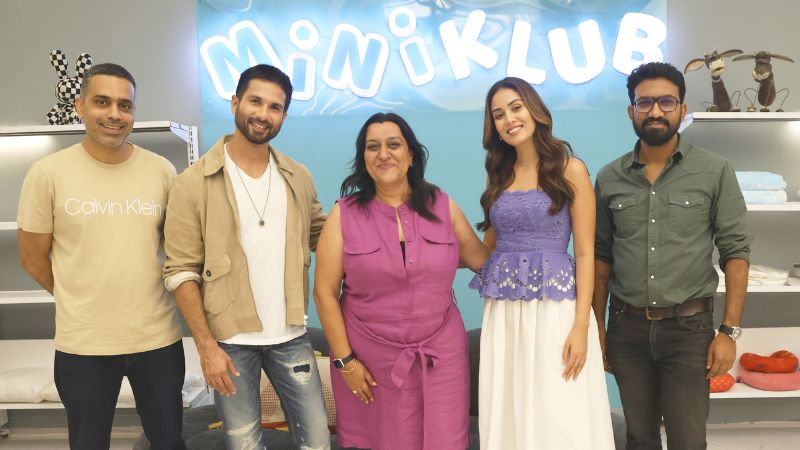
    Mumbai: MiniKlub, a destination for baby needs, has appointed Shahid Kapoor and Mira Rajput as its first brand ambassadors. Known for their family values and modern parenting approach, the couple represents the brand’s mission to provide parents with quality products and services for their children.

    MiniKlub’s brand ethos focuses on ‘Happy Parenting,’ emphasising a positive and stress-free parenting journey. As successful parents, Shahid and Mira embody the joyful parenting values that MiniKlub promotes. Their partnership underscores their belief in the brand’s quality and extensive range of products, including newborn essentials, baby care items, baby wear, kids’ fashion, footwear, toys, and travel products—all available in one place.

    MiniKlub director Anjana Pasi commented, “We are thrilled to welcome Shahid and Mira to the Miniklub family. Their values of happy parenting and commitment to providing the best for their children resonate deeply with our brand ethos. With Shahid and Mira on board, Miniklub aims to connect with parents across India who seek high-quality products that make parenting more easy. They are exemplary parents who reflect the spirit of today’s families. Their influence and authenticity make them the perfect choice for Miniklub as we continue to lead in the kids’ market, offering premium products that cater to all parenting needs.”

    The Kapoor family’s appeal, with Shahid’s celebrated film career and Mira’s lifestyle and parenting influence, promises to strengthen Miniklub’s connection with a wider audience, particularly families seeking a trusted brand for their children’s diverse needs.

    Shahid Kapoor said, “As parents, Mira and I always strive to provide the best for our kids, whether it’s about their health, education, or even the products we choose for them. Miniklub shares our vision of offering everything needed for modern parenting, and we are delighted to represent a brand that cares deeply for both kids and the planet.”

    Mira Kapoor said, “I’ve been closely following Miniklub’s journey, especially in the post-pandemic era, and I’m truly impressed by their commitment to quality and the intricate details in each of their products. Partnering with them felt like a natural choice, as I strongly resonate with the work they’re doing. I’m excited to help further Miniklub’s mission of happy parenting, ensuring that essential baby products are accessible to families all over the country.”

    Founded in 2013, MiniKlub is known for its premium apparel that combines comfort, functionality, and sustainability. The brand aims to be a one-stop shop for parents, offering a variety of products including newborn essentials, baby wear, kids’ fashion, footwear, toys, travel items, and baby care products—all in one place. It is a must-visit store for children from newborn to eight years old.

    This partnership is expected to significantly impact the parenting industry in India, providing consumers with a wide range of high-quality products designed for joyful and easy parenting.

  • Learning from disruptive brands: What makes them stand out

    Learning from disruptive brands: What makes them stand out

    Mumbai: In today’s competitive landscape, brands need to do more than just survive—they need to stand out. Enter disruptive brands. These are the trailblazers that have redefined industries and altered consumer expectations. But what makes them unique? What can traditional businesses learn from these disruptive innovators? The answer lies in their willingness to challenge norms, push boundaries, and embrace bold, unconventional strategies. Let us uncover the vital insights traditional brands can harness by studying the bold moves and innovative approaches of disruptive companies.

    Disruption demands guts: Daring to dream bigger

    Disruption, at its core, is gutsy. It’s about doing something that has never been done before, and it requires a certain kind of bravery that not every brand possesses. Disruptive brands take the leap into the unknown, often at great personal and financial risk. They aren’t content with following industry norms or playing it safe—they set out to create their own rules.

    Take the example of Airbnb, a company that completely revolutionised the hospitality industry. When the founders initially proposed the idea of strangers staying in each other’s homes, the concept seemed absurd to many. Who would want to open their homes to strangers, or trust a website for lodging? But by sticking to their bold vision, they not only created a billion-dollar company but also redefined how we think about travel accommodations.

    The lesson for traditional brands? Disruption requires courage. It’s not enough to think big; you must act on your vision, even when the odds (and sometimes the world) are against you. Disruption is about ignoring the naysayers and believing in your unique idea, even if it hasn’t been done before. This kind of daring is often what separates innovators from the rest of the pack.

    Sticking to the vision amidst criticism: A key to phenomenal success

    One of the defining characteristics of disruptive brands is their resilience. More often than not, these companies face scepticism, criticism, and even outright rejection in their early days. Everyone seems to put them down, but what sets them apart is their unrelenting belief in their idea. They don’t waver, and instead, they push through the noise to turn their vision into reality.

    Tesla, for example, faced enormous criticism when it first introduced electric vehicles (EVs) to the market. Many questioned the feasibility of EVs replacing traditional fuel-powered cars. Yet, despite the scepticism, Tesla stuck to its mission of accelerating the world’s transition to sustainable energy. Today, Tesla leads the EV market, and their dedication to the original vision is paying off in dividends.

    For traditional brands, the takeaway is clear: resilience is key. Pioneering a new path means encountering resistance, but standing firm in your belief and moving forward despite criticism is what separates disruptive brands from those that give up at the first hurdle.

    Disruption is more than just innovation: It can be about marketing

    Disruption isn’t always about creating an entirely new product or service. Sometimes, the disruption lies in how you bring that product to market. Being disruptive doesn’t necessarily mean doing something the market has never seen before; it can also mean introducing a new way to communicate with or engage your audience.

    A great example is Nike’s ‘Nike+ Run Club’ app. Instead of merely selling shoes, Nike created a digital ecosystem to engage with runners globally. The app allows users to track runs, connect with other runners, receive coaching tips, and set fitness goals. Nike wasn’t just promoting products—they were fostering a community and enhancing the customer experience. This approach went beyond traditional marketing, creating long-lasting brand loyalty by delivering real value outside of the core product offering.

    Traditional brands can take a page from this playbook. Disruption doesn’t have to mean turning your entire business upside down. Sometimes, even small changes in how you engage with your audience can yield big results. It’s about thinking creatively and offering something your competitors don’t.

    Standing out from the competition: The core of disruption

    At the heart of disruption lies the goal of standing out from the competition. Disruptive brands don’t aim to just compete with the market leaders—they aim to replace them by doing things differently. Whether through product innovation, marketing strategies, or business models, these brands find ways to separate themselves from the pack.

    Netflix serves as a textbook case. In its early days, Netflix was up against blockbuster, the then-dominant force in the video rental industry. Instead of trying to compete on Blockbuster’s terms, Netflix took a different route—subscription-based streaming. By focusing on convenience, accessibility, and personalised content, Netflix redefined how we consume media and effectively drove Blockbuster out of business.

    For traditional brands, the lesson is this: don’t just try to compete—try to innovate in ways that make your competition irrelevant. Find what makes your brand unique, focus on it, and build your strategy around it. This is the essence of disruption.

    Learning from the Greats: What Traditional Brands Can Do

    So, how can traditional brands apply the lessons of disruption to their own businesses? Here are a few key takeaways:

    ● Embrace Risk: Don’t be afraid to take bold steps, even if it means veering away from what’s conventional or safe.

    ● Stick to Your Vision: Be prepared for criticism and scepticism, but don’t let it derail your long-term vision.

    ● Innovate in Marketing: You don’t always have to reinvent the wheel—sometimes it’s about how you market the wheel.

    ● Differentiate, Don’t Just Compete: Focus on what makes your brand different and build your strategy around that uniqueness.

    Ultimately, disruption is about courage, innovation, and persistence. Traditional brands don’t need to entirely disrupt their industries to learn from disruptive brands, but by adopting some of their core principles, they can position themselves for sustained success.

    Embracing the spirit of disruption

    In a fast-paced world where consumer expectations are constantly evolving, brands that stand still are bound to fall behind. Disruptive brands aren’t afraid to take risks, challenge the status quo, and reinvent how industries operate. Whether it’s by innovating in product design, marketing strategies, or customer engagement, these brands offer valuable lessons for those willing to learn.

    As traditional businesses look to future-proof their operations, adopting the disruptive mindset can offer them a competitive edge. It’s not always about breaking the mold—it’s about creating a new one. So, what are you waiting for? It’s time to disrupt.

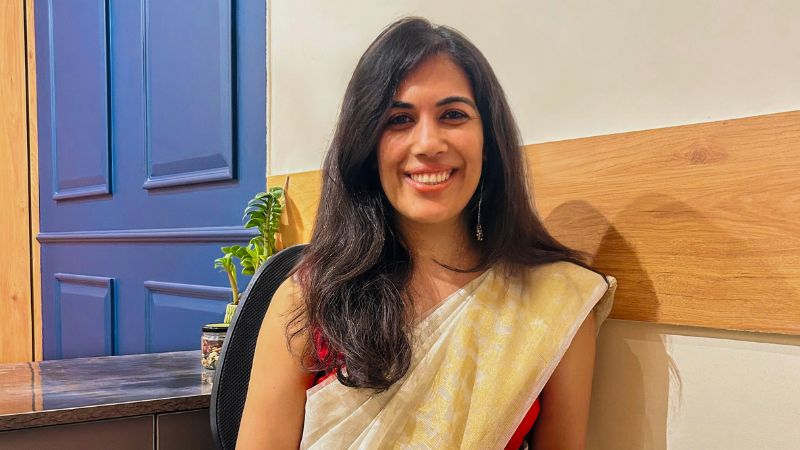
    The author of this article is CPR Global founder Chaitali Pishay Roy.

  • ACC’s Q2 growth slows as rising costs slash profit by 39 per cent YoY

    ACC’s Q2 growth slows as rising costs slash profit by 39 per cent YoY

    Mumbai: In a world where owning a home is the ultimate badge of success, the foundation of that dream rests on cement. But what happens when the very industry that builds these aspirations feels the ground shifting beneath its feet?

    ACC Limited, a dominant player in the Indian cement industry, has reported its unaudited financial results for Q2 of FY25, revealing a story of modest growth tempered by significant cost pressures. Despite a 3.9 per cent year-on-year (YoY) increase in revenue, reaching Rs 4,607.98 crore, the company’s net profit after tax dropped sharply by 39 per cent, from Rs 384.29 crore in Q2 FY24 to Rs 233.87 crore this quarter.

    The company’s revenue from operations for the quarter ended 30 September 2024, stood at Rs 4,607.98 crore, an uptick from Rs 4,434.67 crore in the same period last year. This increase can be attributed to strong demand in key markets, especially for cement and ready-mix concrete, though the overall boost was muted compared to earlier quarters. On a half-yearly basis, the total income reached Rs 9,987.38 crore, showing a 0.7 per cent increase over the previous year’s Rs 9,921.88 crore.

    However, operational challenges have taken a toll. Total expenses climbed to Rs 4,443.76 crore, an increase from Rs 4,126.95 crore in Q2 FY24. Key contributors to this rise include a surge in power and fuel costs, which now stand at Rs 772.07 crore, and higher freight and forwarding expenses of Rs 948.95 crore, reflecting rising energy prices and logistical bottlenecks. The company’s cost of materials consumed also saw a notable increase of 17 per cent, indicating an inflationary impact on inputs.

    The jump in costs has had a cascading effect on profitability. ACC Limited’s operating performance further underscores the strain on profitability, with the Q2 FY25 operating EBITDA slipping to Rs 436 crore, translating to a margin of 9.5 per cent, down from Rs 549 crore and a 12.4 per cent margin in Q2 FY24. The half-year figures reveal a similar story, as the H1 FY25 operating EBITDA declined to Rs 1,115 crore with an 11.4 per cent margin, compared to Rs 1,320 crore and a 13.7 per cent margin in the same period last year. This drop reflects the growing cost pressures that continue to weigh on the company’s bottom line, and profit before tax (PBT) has declined significantly to Rs 318.20 crore, compared to Rs 515.58 crore in the previous year. The net profit margin also dropped, reflecting the difficulties in passing on cost increases to consumers amid intense competition.

    Depreciation and amortisation expenses rose to Rs 231.69 crore, while finance costs saw a minor increase, now at Rs 33.29 crore, indicating tighter control over financial liabilities but still exerting pressure on earnings.

    Despite the financial squeeze, ACC continues to prioritise long-term investments. Capital expenditures have been allocated toward upgrading existing facilities and exploring renewable energy sources to mitigate future energy cost risks. The company’s non-current assets, including property, plant, and equipment, stood at Rs 14,252.34 crore as of 30 September 2024.

    ACC is also grappling with external pressures. The ongoing litigation with the Competition Commission of India (CCI), which could result in penalties exceeding Rs 1,100 crore, adds a layer of uncertainty to its financial outlook. The company has set aside provisions for these risks, but the legal shadow continues to loom large.

    With an eye on stabilising costs and improving efficiencies, ACC will need to leverage its market position and operational agility to weather the ongoing financial headwinds. ACC Ltd, whole time director & CEO, Ajay Kapur said, “Our performance in Q2 reinforces our standing as a frontrunner in the cement industry. Our financial results this quarter – fuelled by higher volumes, cost optimisation, increasing efficiencies, and agility – build the momentum for our growth strategy for FY’25 and beyond. Our growth is being driven by robust demand for high-quality cement products across all markets, as well as our continuous efforts to optimise operations and lead on all ESG parameters. Our leadership status is highlighted in our drive for operational excellence supported by innovation, sustainability, and a customer-centric approach. We continue to deliver strong value for our stakeholders as we aim for sustained profitability through our competitive advantage.”

    Key Financial Highlights:

    •  Revenue from operations: Rs 4,607.98 crore (up 3.9 per cent YoY)

    •  Net profit after tax: Rs 233.87 crore (down 39 per cent YoY)

    •  Total income: Rs 9,987.38 crore (up 0.7 per cent YoY for H1)

    •  Power and fuel costs: Rs 772.07 crore (down 13 per cent QoQ)

    •  Freight and forwarding expenses: Rs 948.95 crore (down 13.5 per cent QoQ)

  • Konica Minolta & Singham Again partner for innovative brand experience

    Konica Minolta & Singham Again partner for innovative brand experience

    Mumbai: Konica Minolta, a global provider of imaging and printing solutions, has partnered with the upcoming film Singham Again, directed by Rohit Shetty, set for release this Diwali 2024. This collaboration will enhance Konica Minolta’s ‘We Power Your Growth’ campaign, focusing on industry-first initiatives through innovation and creative brand experiences.

    Key highlights include exclusive content from Ajay Devgn and Rohit Shetty, public contests, and a showcase of how Konica Minolta’s technology aligns with the film’s themes. Fans can expect exciting prizes, including exclusive Singham Again merchandise, meet-and-greet opportunities, and immersive experiences related to the movie.

    Konica Minolta Business Solutions India MD Katsuhisa Asari said, “We believe that by aligning ourselves with such a beloved franchise, we are creating meaningful connections with our audience through shared narratives of courage and creativity. By integrating our branding with Singham Again, we are strategically positioning ourselves within a cultural phenomenon that commands attention across demographics. The co-branded marketing efforts will utilise exclusive film footage and innovative digital content, ensuring that our message resonates far beyond the theatre experience.”

    Konica Minolta Business Solutions India head of marketing communications & brand management Mohit Kaval said, “We are proud to announce our collaboration with Singham Again. Our state-of-the-art multi-functional peripherals and production print systems have been pivotal in enhancing the film’s visual storytelling. This partnership showcases our innovative technology in action, empowering filmmakers and aligning with our commitment to excellence. Exclusive content and targeted digital campaigns will highlight our solutions and resonate with fans, reinforcing our leadership in advanced imaging.”

    With a track record of launching innovative campaigns like PrintXpress and PowerHouse, Konica Minolta continues to advance the industry through creativity and strategic partnerships. While more details of the co-branded marketing campaign will be announced soon, Konica Minolta remains committed to innovation, customer satisfaction, and creating experiences that extend beyond the screen.

  • Colgate-Palmolive Q2 FY25 delivers record revenue, marks best quarter yet

    Colgate-Palmolive Q2 FY25 delivers record revenue, marks best quarter yet

    Mumbai: The toothpaste your dentist swears by in every ad has now cemented its dominance, not just in recommendations but in hard numbers. Colgate-Palmolive (India) Limited has smashed expectations in Q2 FY25, posting its strongest quarter yet with an impressive 10 per cent increase in net sales, making it the company’s best-performing quarter to date.

    Announced on 24 October 2024, the unaudited financial results highlight the continued strength of Colgate’s oral care portfolio amidst a challenging market landscape. With revenues climbing to Rs 1,609.2 crore compared to Rs 1,462.4 crore in the same quarter last year, Colgate’s ability to navigate economic headwinds while expanding its consumer base has been commendable.

    Under the leadership of MD & CEO, Prabha Narasimhan, Colgate’s strategy to reinforce its core product offerings—particularly in toothpaste—has paid off handsomely. The toothpaste segment posted a high single-digit volume growth, driven by trusted brands such as Colgate Maxfresh and Colgate Strong Teeth. Colgate’s toothbrush category also saw double-digit growth, reflecting a rising trend towards premiumisation in the oral care market.

    Even with an increase in advertising expenditure by 17.8 per cent year-on-year, which was used to boost brand visibility and market reach, the company’s Net Profit After Tax (NPAT) rose by a robust 16.2 per cent, reaching Rs 395.1 crore, up from Rs 340.1 crore in Q2 FY24. This profitability boost was further supported by a one-time credit from interest on income tax refunds received during the quarter.

    Narasimhan attributed the success to a mix of consistent product innovation and consumer engagement. “This was a big innovation quarter with the launch of Colgate Visible White Purple, a product that uses colour theory and builds on our growing whitening business. Early response has been excellent. In addition, we aired new communication on our flagship global offering – Colgate Total. With its patented Dual Zinc and Arginine Technology, Colgate Total offers the best everyday protection and is the cornerstone of our premiumisation strategy. Colgate Strong Teeth saw new advertising, built on the very relevant insight for today of increased snacking leading to increased loss of calcium and Colgate Strong Teeth with its arginine + calcium boost builds back this lost calcium” she said.

    Innovation has been the cornerstone of Colgate’s growth strategy. Besides product advancements, Colgate continued its community outreach with the Bright Smiles, Bright Futures® program, extending its reach through partnerships with the governments of Uttar Pradesh and Goa. The program now aims to impact the oral health habits of over two crore children in Uttar Pradesh and two lakh children in Goa, solidifying Colgate’s commitment to creating a healthier future for India.

    Additionally, Colgate has kept sustainability at the heart of its operations. As part of its broader corporate social responsibility initiatives, the company has made strides in reducing plastic waste and promoting recycling in its product packaging, enhancing both its environmental impact and consumer goodwill.

    In another positive move, Colgate’s board has declared a first interim dividend of Rs 24 per equity share for FY25, with a total payout of Rs 653 crore to be distributed to shareholders. This signals Colgate’s strong cash flow position and its continued focus on delivering shareholder value.

    Despite Colgate’s current success, Narasimhan remained cautious about future challenges, particularly those related to economic conditions and inflation. “We expect continued difficult market conditions but remain committed to leverage our very strong P&L which allows us to continue to invest behind superior products and advertising while we maintain our focus on ensuring better oral health for everyone in India,” she noted.

    Colgate’s Q2 FY25 results reflect a balance of innovation, aggressive market strategies, and consumer-centric growth. With its premiumisation initiatives and strong oral care products, the company is well-positioned to maintain its market leadership in India’s personal care sector. Investors will be keenly watching how the company manages the upcoming quarters, especially amid market uncertainties.