Category: Marketing

  • Rediffusion – Y & R wins creative biz of two Emami brands

    MUMBAI: Rediffusion – Y & R has won the creative mandate of Kolkata based consumer product giant Emami for its two flagship brands – BoroPlus and Zandu.


    Everest Brand Solutions was the incumbent agency for BoroPlus.
     
    The product portfolio includes Himani BoroPlus Antiseptic Cream and other specialist creams and lotions.


    Apart from handling the creative duties for Zandu Balm, Rediffusion – Y & R will also take charge of developing the communication task for reintroducing a range of OTC products from the Zandu family including Zandu Pancharishta and Nityam Churna.


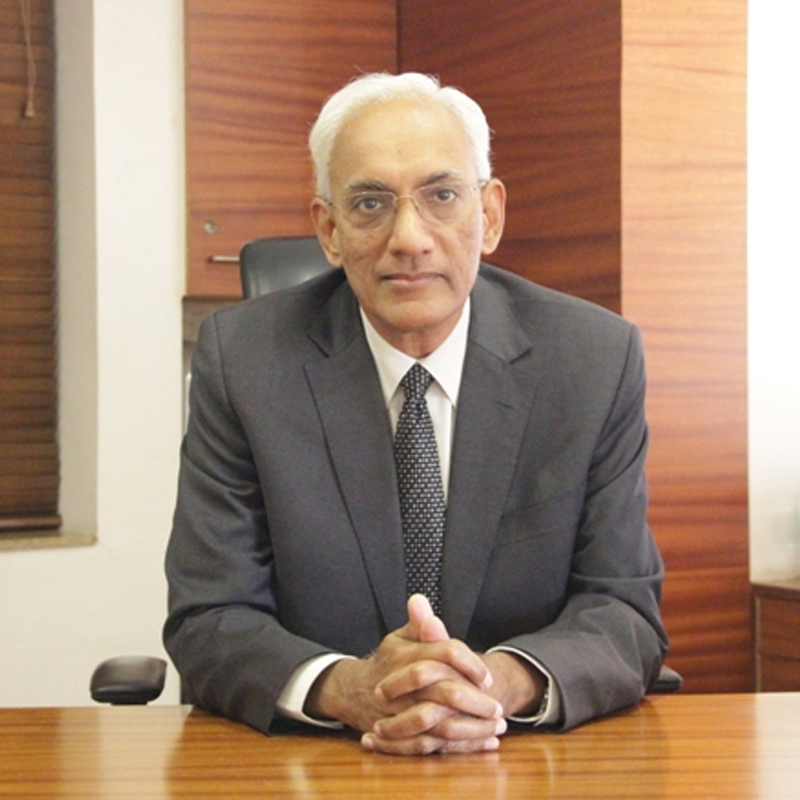
    Emami director Harsh Agarwal says that Rediffusion – Y & R has been working closely with Emami for over three years on one of Emami’s yet-to-be launched brands.
     
    Agarwal further states, “They have the ability to offer the best of both worlds – benefits of a large agency and senior management involvement coupled with an agility that is crucial for our brands. Rediffusion has built some of the iconic brands in the country and we are confident that their understanding of the category, consumer segment and clutter-breaking creative solutions will help us grow our brands to the next level.”


    Amitabh Bachchan and Kareena Kapoor are the brand ambassadors of BoroPlus, while Pandit Birju Maharaj is endorsing Zandu Pharmaceuticals and MS Dhoni promotes Zandu Pancharishta. 
     
    Rediffusion – Y & R president D Rajappa adds, “We are delighted to work on Boroplus and Zandu which are both legendary brands. They present an opportunity to create iconic work in a highly cluttered and competitive category and we are looking forward to partner Emami in their next phase of growth.”
     

  • IPL 4.0 ratings fall below 4

    MUMBAI: The average TVR for the fourth edition of the Indian Premier League (IPL) has fallen to 3.94 for the first 49 matches, according to data from Tam Sports C&S4+ six metros.
     
    Last year, the matches averaged 5.29 TVR compared to 4.49 TVR in the second season when the event took place in South Africa. In the first year, the TVR was 5.24.
     
    The highest rating this time is still the first match at 7.77. The last 12 matches got an average TVR of 3.57. Just one match in the last 12 between Mumbai Indians and Pune Warriors India crossed a TVR of 5 (5.39).
     
    Last year, the last 12 matches got an average TVR of 4.6 while seven matches crossed a TVR of 5.
     

  • Samsonite moves away from product-led campaigns in new TVC

    Samsonite moves away from product-led campaigns in new TVC

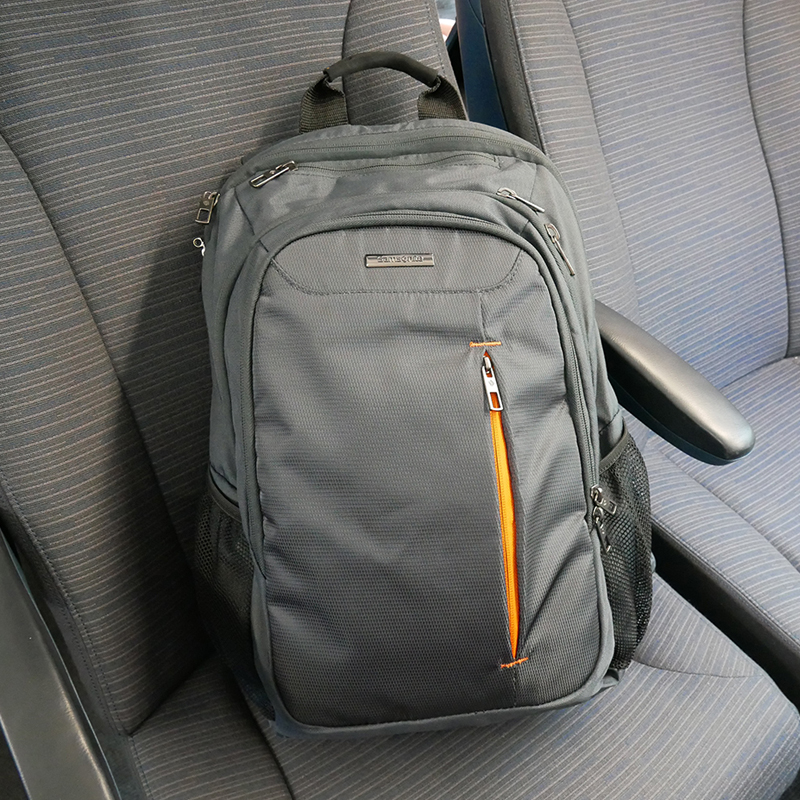
    MUMBAI: Luggage maker, Samsonite, has unveiled its new campaign — step out — simultaneously worldwide.

    Also for the first time, Samsonite has done away with the traditional advertising route of releasing the television commercial followed by a print ad and online. Instead, through partnering with a cricket expert on the Samsonite video blog, the brand has attempted to capture the online space before the TVC was released.

    This association aimed at promoting the brand‘s new proposition has already gone online leading to over a million hits.

    The campaign is directed by Singaporean Sng Tong Beng and shot extensively across three countries – China, U.S. and Nepal.

    According to the company, this campaign aims at inspiring the ‘inner nomad‘ in everybody, who strives to achieve his dreams despite the odds, be it in their career or while travelling the world.

    Samsonite South Asia MD Subrata Datta said, “Samsonite is a contemporary lifestyle brand beyond just ‘luggage‘. Through our new campaign we intend to communicate our vision for Samsonite as a brand that understands the challenges of a contemporary life on the move and provide diverse product solutions across categories. We hope that this will serve as an inspiring campaign for our consumers as we strive to fulfill our vision of being a brand for travelers across the globe.”

    This is the brand‘s first attempt to move away from product-led campaigns and focus on the brand message. This also ties in with the larger strategy that will facilitate the diversification of the business into the retail lifestyle space.

    Beng adds, “This film, in essence, is about ‘an invitation to, and a celebration of travel and discovery‘. From great peaks in the country to canyons of buildings in cities, from views of endless deserts to window views of oceans, from seeing the rhythm of humanity to the silence of the nature, from manmade paths to paths unknown. By celebrating the world, Samsonite celebrates each step taken together with you.”
     

  • Asian Marketing Effectiveness Festival kicks off in Shanghai

    Asian Marketing Effectiveness Festival kicks off in Shanghai

    MUMBAI: The Asian Marketing Effectiveness Festival in Shanghai aims to offer delegates an extensive and topical two-day content programme, followed by an awards gala dinner which will unveil this year’s winners.

    The jury has already been working to judge the 858 entries received and arrived at a shortlist.
     
    Chaired by Citi head of global marketing Bob O’Leary, the 36 jury members will re-convene in Shanghai on 11 May to continue their judging and decide on the winners.

    The shortlisted work will be exhibited at the festival. The awards ceremony gala dinner will take place on 13 May at which the winners of the 2011 awards will be announced. Delegates to the festival automatically gain entry to the awards.
     
    Ongoing throughout the two days is a programme of seminars which has been put together by a content committee led by BBH Asia chairman Charles Wigley.
     
    Focusing on this year’s theme of ‘unpacking effectiveness’, speakers include: Ogilvy Group UK VC Rory Sutherland, Ogilvy Public Relations Worldwide global CEO Christopher Graves, Draftfcb Greater China chairman and CEO Pully Chau and McCann Worldgroup director of strategic planning Asia Pacific Dave McCaughan.

    Haymarket Asia MD Tim Waldron comments: “With entries nearly doubling year on year, the Asian Marketing Effectiveness Festival is firmly established as the benchmark standard marketing effectiveness awards in the region. Delegates to the festival are set to experience a stimulating and educational two days. With such a fantastic speaker line-up they are certain to come away feeling truly inspired by their industry.”

  • Apple is world’s top value brand, says WPP’s BrandZ

    Apple is world’s top value brand, says WPP’s BrandZ

    MUMBAI: Apple has emerged as the most valuable brand in the world, ending the four-year reign of Google at the top of the table, says the sixth edition of BrandZ Top 100 Most Valuable Global Brands study.

    With an 84 per cent increase in value over the past year and 859 per cent since 2006, Apple now stands at $153.3 billion, according to estimates by WPP‘s brand research company, Millward Brown Optimor. 
     
    Also, emerging markets account for 19 of the top 100 brands.

    During last year‘s economic recovery, the combined value of all the brands in the top 100 has risen by 17 per cent and is now worth $2.4 trillion.

    In terms of geography, according to BrandZ study 2011, 19 of the Top 100 brands now originate in “BRICs” markets, versus only two in 2006.

    The study claims that the growing presence of brands from BRICs in this global ranking highlights the expanding purchasing power of people in these countries. While many of these brands are buoyed by the size of their local customer base, many more now have international ambition including Petrobras in Brazil (No. 61 in the ranking with a brand value of $13.4 billion); ICICI Bank in India (No. 53 and worth $14.9 billion) and China‘s largest search engine Baidu (No. 29, up 46 places, and valued at $22.5 billion). 
      
    Despite these successes, however, consumers in the BRIC regions continue to favor Western brands. Louis Vuitton, for example, (for which Brazil is its second-largest market) benefited from the new energy and confidence in the BRICs region. Its 23 per cent growth in brand value to $24.3 billion has helped this luxury retailer achieve 26th place in the ranking, a three-spot increase from 2010.

    Said David Roth at WPP, “In the last year, the global economy shifted from recovery to real growth, the combined value of all brands in the Top 100 ranking has risen by 64 percent since 2006 and is now worth $2.4 trillion. Strong brands, while not immune to the vicissitudes of the market, are more protected, prepared, resourceful and resilient.”

    The BrandZ Top 100 Most Valuable Global Brands study, commissioned by WPP and conducted by Millward Brown Optimor, identifies and ranks the world‘s most valuable 100 brands by their dollar value, an analysis based on financial data combined with consumer measures of brand equity.

    The Most Valuable Global Brands 2011 :

    Rank Brand Value in $ million Brand value change from 2010
    1
    Apple 153,285 + 84 per cent
    2
    Google 111,498 – 2 per cent
    3
    IBM 100,849 + 17 per cent
    4
    McDonald‘s* 81,016 + 23 per cent
    5
    Microsoft 78,243 +2 per cent
    6
    Coca-Cola 73,752 +8 per cent
    7
    at&t 69,916
    8
    Marlboro 67,522 +18 per cent
    9
    China Mobile 57,326 +9 per cent
    10
    GE 50,318 +12 per cent


    The Brand Value of Coca-Cola includes Lites, Diets and Zero

    Adds Millward Brown CEO Eileen Campbell, “Business leaders can embrace brand management as a critical competency for building long-term financial value. Compared with an overall improvement of 13 per cent in the world‘s equity markets during 2010, the best brands grew their value 30 per cent faster.”

    The study also says that heritage brands stayed relevant in a technology age.

    Brands such as Coca-Cola (No. 6), GE (No. 10), IBM (No. 3) and McDonald‘s (No. 4), stand out in this study of global brand strength as brands that have survived for more than 50 years. Leadership, strategy and tactics aside, what all of these companies have in common is their use of brand to remain relevant to consumers and drive global business success.

    Technology and telecom brands have dominated the ranking:

    Technology brands, which make up one-third of the Top 100 brands, continue to demonstrate their relevance in our daily lives.

    While Apple leads the ranking, it is followed in second place by Google, with a brand value of $111.5 billion, and IBM in third place with a brand value of $100.9 billion.

    Facebook makes its debut in the Top 100 ranking this year at No. 35 with the highest increase in brand value, 246 per cent, making the brand worth $19.1 billion. Online retailer Amazon also edged past Walmart to become the No. 1 retail brand and 14th overall, with a 37 per cent rise in brand value to $37.6 billion.

    Fast food, luxury and technology brands led brand value appreciation: Each of the 13 market sectors covered in this study grew in value over the last year. Fast food led the sector growth (22 per cent) followed by luxury (19 per cent) and technology (18 per cent). The oil and gas sector experienced the slowest rate of growth (1 per cent).

    BrandZ Top 100 also says that brands are ever more dependent on their use of technology to win consumers‘ hearts and minds.

    The brand values of Burberry, Chanel, Louis Vuitton and Coca-Cola all benefited from their use of technology, for example, by harnessing social media and apps. At the same time, the dependencies demonstrated in the physical world between applications, devices and operating platforms are creating similar branded interdependencies.

    Brands that are aware of the risks can leverage these associations to drive value and growth, the study advises.

    Also, Toyota has reclaimed the position as most valuable car brand demonstrating the power of strong brands to recover from the most fundamental challenges to product efficacy and reputation. Toyota‘s brand, which is rated by consumers as “great value,” rose 11 per cent to $24.1 billion.
     

  • Rediffusion – Y & R gets Dilip Marathe as creative head

    MUMBAI: Dilip Marathe has been appointed as creative head – art at Rediffusion – Y & R, Mumbai.


    Marathe moves in from Publicis Ambience and will be reporting to national creative director N Padmakumar.
     
    Marathe started his career with Dacunha Advertising, from where he moved to Trikaya Grey after which his next destination was McCann Erickson.


    Rediffusion – Y & R followed immediately thereafter where he spent around 14 years before moving onto Percept/H and Publicis Ambience.


    Padmakumar said,”Rediffusion Y&R is home for Dilip and we warmly welcome him back. Dilip has been instrumental in shaping a few of our bigger brands in the past and is all geared up to doing so again. I am sure that with his wide experience and long association with Rediffusion –Y&R, he will add immense value to our clients.”
     
    In his 18 year career in the advertising industry, Marathe has worked on brands such as Airtel, Maruti Udyog, CitiBank, Thomson Television, Eveready, Rediff.com, BPL Mots, BPL Television, GPI, Hindustan Petroleum, Tata Motors and Onida.
     
    Rediffusion – Y & R Mumbai VP Neville Medhora added, “Dilip has a strong legacy of great creative work and fantastic relationships across clients. Dilip’s coming back on board, will further boost the creative quotient in Mumbai.”


    Marathe said, “I am truly delighted to be back to where I belong. I am eagerly looking forward to working on the exciting repertoire of brands that the Mumbai office works on.”

  • Cheil Worldwide SW Asia appoints Chandrashekhar B. Mhaskar as GM — Interactive

    Cheil Worldwide SW Asia appoints Chandrashekhar B. Mhaskar as GM — Interactive

    MUMBAI: Cheil Worldwide SW Asia has beefed up its Interactive team in India.

    Chandrashekhar B Mhaskar has joined as general manager, Interactive, while Manav Narula has returned to the agency as client services director, Interactive.

    Mhaskar moves in from Dun & Bradstreet, where he was heading its digital marketing team for india. 
     
    Cheil says that the move is in sync with its emphasis on providing integrated services to the clients with new age ideas and solutions.

    Cheil Worldwide SW Asia COO Alok Agrawal said, “Interactive function is a key aspect to Cheil’s service offering and growth. We believe the future of a brand is only secure if it continues to enhance its LifeShare in the consumer’s life.”

    Mhaskar has also worked as digital head for OgilvyOne. He has been a recipient of the Yahoo Big Chair and has also been awarded at IDMA, Abbys and the Emvies.

    Agrawal further added, “Globally and in India, we are highly focused on developing a deeper brand-consumer bond by energising brands via multiple avenues of engagement, online and on ground. Our interactive solutions will drive engagement through social media and mobile platforms. To take this vision forward, I am pleased to welcome Shekhar and Manav into the Cheil team.”
     
    Mhaskar has worked on brands such as American Express, Nokia, Jet Airways, British Airways, HLL, Perfetti Van Melle, Levi’s, Kotak Securities, ICICI Bank, Sony Pictures, Johnson & Johnson, Castrol, and Reliance.
     
     
    Narula returns to Cheil from Religare Technova. This is his second stint with Cheil. He has also worked at Indiatimes, where he had led the creation of product roadmap to add new capabilities to Indiatimes shopping in addition to other innovations in both the online and offline space.
     

  • RK Swamy BBDO creates ‘RuPay’ for National Payments Corporation

    RK Swamy BBDO creates ‘RuPay’ for National Payments Corporation

    MUMBAI: The National Payments Corporation of India (NPCI), charged with the mandate to create a new Indian payment system, has chosen R K Swamy BBDO to develop the new name and logo – RuPay.

    The mandate was awarded to the agency, a part of R K Swamy Hansa, a marketing communications and services group, following a multi-agency pitch. 
     
    RuPay  is derived from the words rupee and payment to suggest an Indian, inclusive and affordable alternative to global payment systems like Visa and MasterCard.

    R K Swamy BBDO senior partner S Narasimhan said, “We are privileged to be associated with an initiative of such national importance. RuPay will go a long way in changing the way India pays.”
     
    The logo uses the nation‘s colours in a dynamic form to connote an India on the move and the brand’s commitment to deliver an affordable and easily accessible payment service.
     
    Inspired by the Indian ‘Rupaya’, RuPay seeks to be the new currency to what India is today — an emerging global economic powerhouse. It‘s an attempt to help bring the multiple benefits of electronic payments to the masses.


  • Runwal Group unveils brand identity

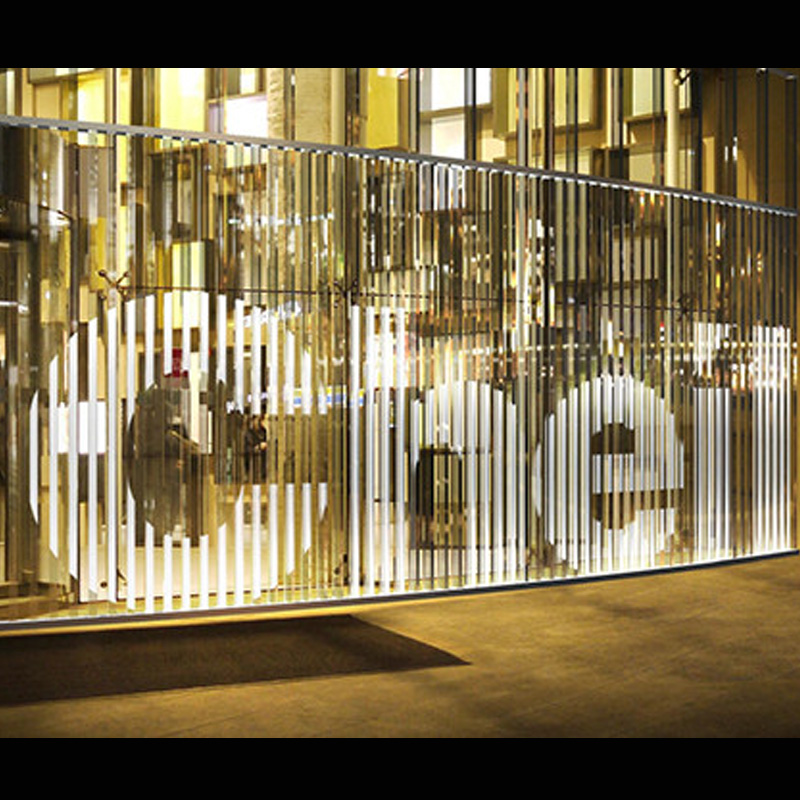
     MUMBAI: Real estate company, Runwal Group, has unveiled a new logo and philosophy for the brand to strengthen its relationship with customers.

    The new look will flow across products, packaging, signage and all communication. As a part of Runwal’s promotion strategy, it plans to roll out a campaign across the media spectrum — both ATL (above-the-line) and BTL (below-the-line) activities.


    ATL activities will include print media with all major dailies, magazines, business, trade and general interest media. Providing additional support would be the outdoor campaign. The BTL activities will consist of road shows along with other interesting initiatives to promote the new brand identity.


    Marketing director Vikas Aroraa said the new logo and philosophy stems from customer-centricity.


    The group that has the one of the largest retail chains in Mumbai has attempted to keep the logo easily recognisable and demonstrate theRunwal’s three values: trust, transparency and simplicity.


    In the new logo, the “R” alphabet stands for the Runwal Group, while the ornate look is to symbolise the group’s focus on appeal in design and architecture, since the key businesses is real estate.
     
    The golden colour is to symbolise prosperity – for the group’s customers, partners and employees. The flow and big ‘R’ of the font showcases the more dynamic and forthcoming role of the brand. It aims to convey modernity and the brand’s innate sense of style. It creates an additional layer of brand recognition and recall and will be used across all brand applications.


    “The new positioning is ‘With You, Always…’ , with the three dots signifying a relationship that continues on and does not end in a full stop”, Aroraa said.
     
    Aroraa emphasised that the new look will reinforce the trust and equity in consumer’s minds and reaffirm the credibility of the brand.


  • ‘India’s diversity makes distribution a big challenge’ : Brandscapes CMD Pranesh Misra

    ‘India’s diversity makes distribution a big challenge’ : Brandscapes CMD Pranesh Misra

    In a rapidly changing business environment where brands need to be constantly rejuvenated, it is not only important to analyse but also interpret data from a marketing agenda perspective.


    The most significant change that has happened in India is the growth of the services over the consumer products sector. Mobile is also emerging as a strong personal medium, which marketers and advertisers have not fully exploited yet.


    In an interview with Indiantelevision.com’s Ashwin Pinto, Brandscapes Worldwide chairman & managing director Pranesh Misra talks about how there is need for a marketing data centric company to build profitable growth strategies.


    Excerpts:

    When you started Brandscapes Worldwide in 2008, what was the aim?
    The vision was to be a marketing data centric company. Our difference would be to not only analyse but also interpret data from a marketing agenda perspective.

    What progress has been made so far?
    We have got success with global clients. We work with clients across different markets like Carlsberg, Citibank and Coca-Cola. They employ us in different geographies across the world. We work with their issues in over 40 markets and we do projects there. In India, we get clients who are not only interested in the analytics part of it but also want us to advise in the marketing and brand strategy.

    How are you addressing this need?
    We have announced five different practices that we will focus our attention on. These are market research, data mining, marketing science, involving advanced statistics modelling to project the future. The fourth practice is dashboards which is putting all the information together in an easy-to-digest manner. The fifth strategy is the strategy planning dimension.

    What are the challenges that you face?
    The primary challenge is that when you start with data analytics, there is not enough good quality data available. In international markets it is easily available as people have invested a lot of money behind it. We have worked with clients in the SME sector here who have not done any research. This is where we felt that doing customised research for these clients would be useful. We set up our own discipline in the area of research.


    The second challenge is finding the right caliber of people. This is a people driven business. It is about understand marketing and how data can be applied to it. I have been able to put together a solid team of 10 leadership team members. Each member has 20-30 years of experience in fields like research, marketing, media strategy, sales and distribution. It is this eclectic mix of talent that I have gotten together. These are the leaders who recruit the next generation of talent and create an organisation.

    What is the advantage you offer to clients vis-a-vis competitive services?
    We are trying to create a new area. I don’t think that marketing consulting is being offered the way that we offer it. Many companies offer brand consulting which is more into the brand strategy area. Then there are large companies like McKinsey and PriceWaterHouse Coopers who are management consultants and who also do marketing consulting. Our focus is on marketing and we have people with experience in this domain. We have holistic knowledge of all areas and so play in market research, data mining.


    We are trying to carve out a niche for ourselves between the bigger consulting houses and narrow focussed marketing consulting players. We give holistic solutions around marketing problems. We are not general consultants nor are we very specific. We are not just analytics focussed or market research focussed.

    “The biggest mistake that has riddled many big companies is that their
    thinking moves slower than the consumers”

    Could you give me some examples where clients have benefited?
    As a consultant I cannot give specific examples; I can give broad ideas. There was a global FMCG client looking at a particular category. They wanted to do 20/20 planning on this category. This involved looking at 60 countries, collecting data of different natures like demographics, category penetration, competitive strength and weakness data and category development index data. Then we created a model around which data could be simplified and synthesised. On this basis we created clusters of countries. Then we did deep dive analysis in these clusters to see a common link. This was a macro level solution.


    On a micro level there was an FMCG whose brand was not doing well. We got access to retail data. We had to find an insight to take the brand further. One big pack size was not doing well while the others were growing. This size accounted for 25 -30 per cent of sales and was declining. This was the first clue and we dug deeper. Competition was coming with a slightly smaller pack size at a much cheaper price while this company had pushed the price up. We did price sensitivity testing which led to the right price point being found.


    A Marketing Dashboard was developed for a shopping mall. This helps it keep track of Key Performance Indicators relating to its tenants – and take strategic and tactical action on an ongoing basis. Strategy Maps were used to guide a global NGO on how to change its branding approach for better success in some countries.

    How have you grown over the past couple of years?
    We started with 15 people. Now we have around 85 people. We have grown at an average of 45 per cent in terms of revenues. The client roster has grown from three cornerstone clients to around 12.

    Which sector is the most challenging to deal with?
    No sector is particularly more challenging than another. It comes down to your domain knowledge. Since we have domain knowledge on consumer goods and services, banking and financial, retail and in healthcare, we are focusing in these segments. We have knowledge there. If you tell us to look at an industrial sector, it would be a challenge,. We don’t understand the topography of that sector.

    What mistakes do companies make when they go about their marketing?
    The biggest mistake I would say that has riddled many big companies is that their thinking moves slower than the consumers. Consumers move ahead very fast in terms of their attitudes. Companies sometimes focus on the unchanging consumer and lose ground. You fail to move with the consumer in this scenario. Information availability is so much that consumers accept new information very quickly. This is a big challenge.

    What other obstacles do companies face?
    In a country like India, sales and distribution is a challenge, especially for new companies. How do you reach out to big markets? When multinationals come in, the challenge is about pricing. They believe that the same prices that are in the developed markets should work here. They get a shock when nobody picks up their product. This is a pitfall that you have to work around.

    Which categories will spend the most on advertising and marketing this year?
    It would be the service sector. Telecom will be one of the biggest drivers in terms of mobile telephony, followed by consumer durables and financial products.


    During the downturn did the spends of clients on research get affected?
    We didn’t feel the pinch as we are still a young organisation. But I know that a downturn does not mean that research spending will fall. In fact research happens more as people want to be more careful about spending more ad money and marketing money. Research takes place more in downturns.

    How is India different as a market from other countries?
    In India, distribution is a big challenge. There is a lot of diversity compared to a country like the UK which is fairly homogeneous. It is not about where do you enter in India but about how do you get going. India’s complexity is a challenge in terms of distribution, pricing, target segmentation. You have to be careful in terms of deciding which markets do you go to and which audience do you address.

    You have a JV with Design Bridge. How has this worked for you?
    It has worked out well. We have worked for several clients together. They bring the actual design part of it. We don’t have any creative resource here. So what we do is the first part that is strategy planning. Then you have to create a look and feel, logo design for a product. They do that creative part of it.


    In the healthcare category we have a JV with Healthy Marketing Team. They are focussed on helping clients quickly zoom into the brand positioning strategy in the healthcare segment. We partnered with them, have trained our people on their system and have brought that to
    our clients here.

    What marketing strategies work well for alcohol companies in India, given that direct advertising on television and print is not allowed?
    Associating with a sporting event like Golf works. Spirit brands want to have a lifestyle association; they want to project a certain lifestyle and be in a premium space. Alcohol companies also take space in retail outlets. Besides, a lot of attention is spent on packaging of the product, which works towards effective brand building.
    In the financial and insurance sector a lot of companies follow a guilty tag to get parents to buy products. Is that a wrong way to go about selling products like insurance?
    It depends on the situation. Too much of guilt can be counter productive. In some situations, guilt might work. But from my perspective, a positive outlook is better than guilt. Consumers after a while do not want to receive too many negative messages.
    Which marketing avenue is most effective in terms of ROI – print, television, radio, online?
    It differs from category to category and brand to brand. This is what our marketing modeling mix practice estimates. We are able to pinpoint for a market which element gives higher ROIs.
    Is new media becoming more important?
    Yes! It is credible as a medium as people share their opinions and experiences here. It is becoming a credible source of information. A lot of companies, especially international, go to new media first to get answers about consumers.

    But are companies tapping into this medium properly in India?
    It is still a new medium here. Some companies are doing it well while others are experimenting. Mobile is about SMS at the moment. I think that as rich media comes in through 3G, marketers will use it a lot more.


    As far as online is oncerned, Indian consumers are already using that medium in categories like hotels and airlines. They want to find out what others feel about a particular brand. This is an area where a dramatic change will happen in the next three to four years. Companies have to understand that the Internet will play a critical step in the decision making process. Companies will need to have a larger presence online.


    They can be a part of the online conversation, at least in terms of keeping track of what consumers are saying, and then take corrective action if there is negative feedback. They can also find out what consumers feel works for the brand and why they choose it over competition.

    When you look at the marketing and advertising scenario what are the two biggest changes that have happened over the past five years?
    The growth of the services over the consumer products sector is a big change that has happened in India. Also, the emergence of mobile as a personal medium is a change. This has not been totally exploited by marketers and advertisers, but I think that this is a life changer today. Younger consumers have evolved.