Category: Marketing

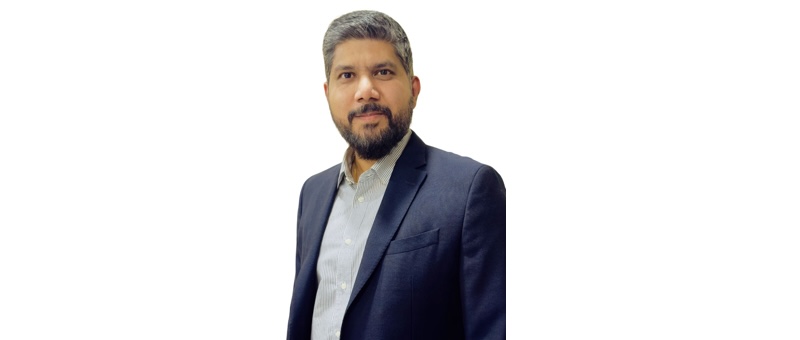
  • Nivea India gets new sales director in Srikanth Iyer

    Nivea India gets new sales director in Srikanth Iyer

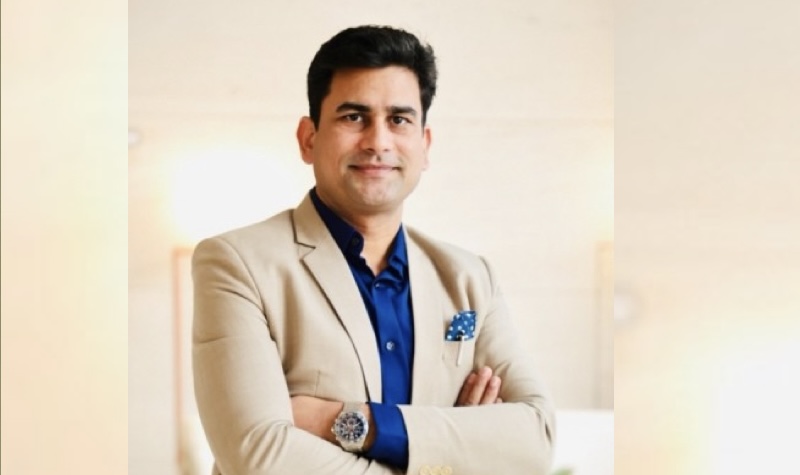
    MUMBAI: He loves reading and sharing his thoughts about leadership. Former Kimberly-Clarke sales director Srikanth Iyer has hopped over to Nivea India with the same title. With a career of more than 16 years spent in sales, Iyer has had tenures with various multinational and Indian companies.

    The BE in computer science Mumbai university and IMT Ghaziabad PGDM in marketing joined Patni Computer System out of college, and then got into selling beer while at Sab Miller as area manager. He then spent a good six years at Pepsico looking after the Mumbai territory’s sales and customer marketing before developing a sweet tooth and joining Mondelez handling Eclairs, Halls,  Bournvita and Tang for a year and some months before being given charge of the largest territory for the company.

    Opportunity came his way from Himalayan Wellness Co to take over as business head for Bangladesh. He gladly took it up  and led a team of 500 across functions and developed the market for Himalaya face care , body care, hair care, baby care and animal care products. A position he held for two years.

    A short stint of less than a year followed at Metro Wholesale India which he joined as senior vice-president head of sales and marketing. He then joined Kimberly Clark India as sales director leading the company’s sales strategy and its execution.

    “Srikanth has led route-to-market transformations, implemented alternate distribution models, and partnered on product innovation. Over his career, he has built high-performing teams that drove profitability and achieved significant market share gains across categories such as personal care, baby care, wellness, and retail, establishing himself as a results-driven FMCG leader,” said Nivea India in a post on linkedin. “ At Nivea  India, Srikanth will lead our sales strategies, strengthen distribution networks, and enhance market presence, supporting our mission to provide trusted skincare solutions to consumers across the country.”

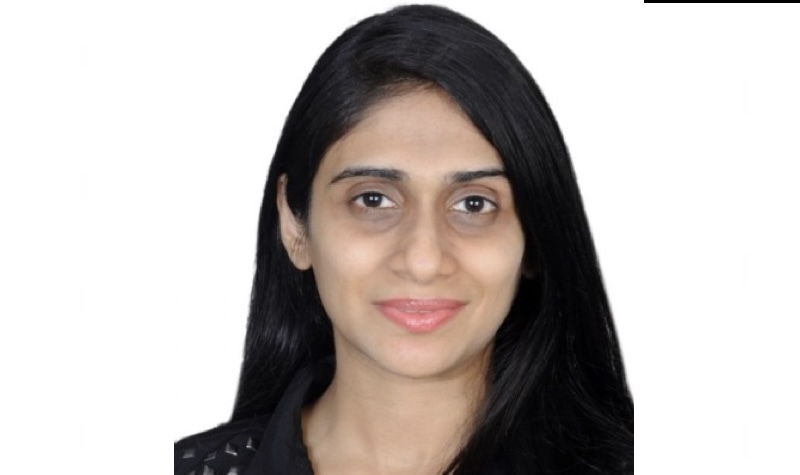
  • Aditya Birla Capital hires former TV executive Khushbu Shah as brand lead

    Aditya Birla Capital hires former TV executive Khushbu Shah as brand lead

    MUMBAI: She has got into the ABCD of leading a brand, that is Aditya Birla Capital Digital. Khushbu Shah spent a good six years at Zee Entertainment where she rose to become associate director marketing at the time of her departure from the entertainment major in April 2024

    Prior to that Khushbu was head of marketing at Times Network when she left it in October 2018 after a stay of two years. She also worked at Fame Digital for nearly two years. A long stint at 9X Media saw her leading marketing and partnerships for music TV channels – a position she enjoyed so much she stayed put there for more than five years.

    She also got exposure to sales techniques at one of the top organisations in media – Bennet Coleman & Co where she worked for a couple of years.

    She also had a long period of working as a trainee in both Dentsu and The Times of India immediately  after finishing college. 

    A high scoring student, she got herself an MBA in marketing from the SP Jain School of Global management. All that education and exposure should help Khushbu as she gradually grows into her new role  at  Aditya Birla Capital.


  • WPP and Universal Music partner for brands and bands

    WPP and Universal Music partner for brands and bands

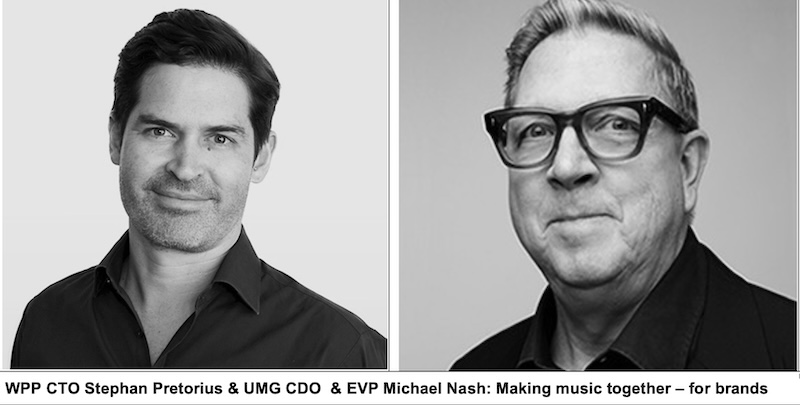
    MUMBAI: This could be music to WPP’s  clients’ ears.  The creative transformation company and  music-based entertainment  powerhouse Universal Music group (UMG)  announced on 12 December that they are planning to work in harmony with each other.

    The duo has got into a strategic partnership that will provide clients’ brands with cutting-edge audience engagement strategies leveraging the power of music. The new alliance  brings together UMG’s family of artists and labels, and its global data and insights team, with WPP’s creative scale and extensive client network, giving brands new opportunities to connect with audiences through music. 

    The collaborative partnership offers WPP clients’ new opportunities to connect with some of the world’s most popular artists and their music, and unique access to UMG’s iconic music catalogue to unlock additional areas of amplification through data-driven and technological innovation. In addition, WPP and UMG will work together to responsibly explore new ways that AI can better help brands and artists connect and create authentic cultural moments.

    The announcement builds upon the history of successful collaboration between WPP and UMG for Brands (UMGB), as exemplified by their ongoing partnership with The Coca-Cola Co. Working together, WPP and UMG have collaborated on global initiatives such as the award-winning Coke Studio and Sprite Limelight music platforms. Through these programmes, a diverse array of established and emerging artists have amplified brand messaging, galvanising fan communities worldwide while expanding their audiences. 

    “Music is becoming an even more powerful cultural force, and technology is rewriting how we experience it,” said WPP chief technology officer Stephan Pretorius. “This partnership with UMG will allow us to leverage emerging technologies and data insights to create truly innovative music-driven campaigns for our clients, shaping the future of brand engagement.”

    “This collaboration provides benefits to stakeholders of each company. On  the one hand, combining innovative new technologies with UMG’s industry-leading data insights, we can create significant new commercial opportunities for our artists and songwriters,” added  UMG chief digital officer & EVP Michael Nash. “In addition, working together with WPP, we will harness and amplify the unmatched power and reach of music for WPP’s clients and brands through new strategic initiatives and programmes.”

    This initiative is part of WPP’s larger strategy to invest in data and technology-driven solutions and partnerships with the world’s leading companies to drive value for its clients. Hopefully, WPP’s clients have their headphones on and are listening. 

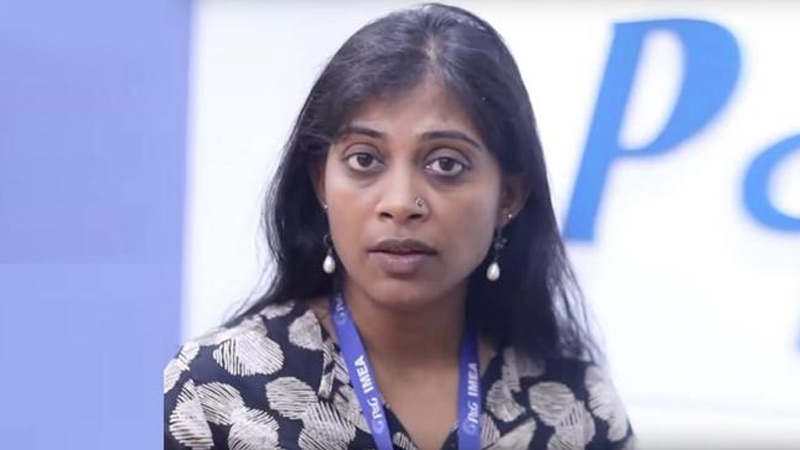
  • Rohini Venkateswaran to replace Sairamana Ponugoti as sales head at P&G India

    Rohini Venkateswaran to replace Sairamana Ponugoti as sales head at P&G India

    MUMBAI:  P&G India has appointed Rohini Venkateswaran as sales head of the organisation who will take over from the new year. She replaces Sairamana Ponugoti who resigned recently with his last day being 31 December 2024.  The company informed the BSE about the development through a regulatory filing today.

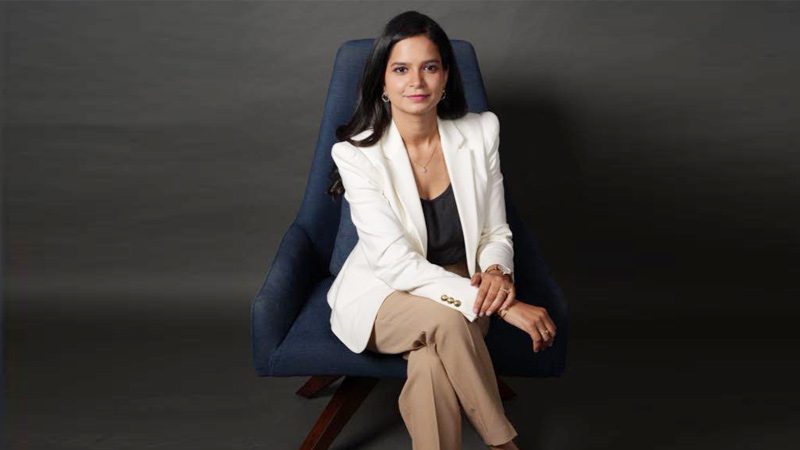
    Rohini Venkateswaran is an alumnus of SP Jain Institute of Management, Mumbai. She currently serves as the vice president & country manager Procter & Gamble Gulf – east gulf & sales strategy Gulf. In her current role, Rohini is responsible for five countries in Gulf- Kuwait, Oman, Bahrain and Qatar as general manager and UAE as overall sales strategy leader.   

    She joined Procter and Gamble India in 2005 in sales, and has diverse experiences in distributor management, modern trade and sales strategy and planning roles across geographies including Dubai and the US. She has worked with all global customers and channels including e-commerce and has also gained diverse experience as the commercial leader for Olay and Old Spice in India.

    She is passionate about equality and  inclusion and building long-term strategic partnerships with stakeholders. She enjoys coaching and mentoring people in bringing out their best. She is a graduate in mechanical engineering from RV College of Engineering, Bangalore.  


  • Real estate developer Puravankara lassoes Suraj Singh as western region marketing manager

    Real estate developer Puravankara lassoes Suraj Singh as western region marketing manager

    MUMBAI: He’s worked at three of the most prestigious real estate developer firms in India.  Suraj Singh started his career at Rustomjee as a marketing executive which resulted in his getting recruited by Godrej Properties. He stayed there for a good  seven years getting regular promotions and finally moving out as senior manager  marketing & product development.

    His next sojourn was for six years at Shapoorji Pallonji Real Estate where he rose to become general manager – marketing. Six months after moving out of the firm, he was back as a leader for marketing at Bengaluru based Puravankara  as head of marketing (west).

    Suraj is in for a tough challenge. While Puravankara has a strong developer name in the south of India, it’s relatively less known in the west.


  • Jubiliant Bhartia group develops thirst for Coke’s biggest Indian bottler

    Jubiliant Bhartia group develops thirst for Coke’s biggest Indian bottler

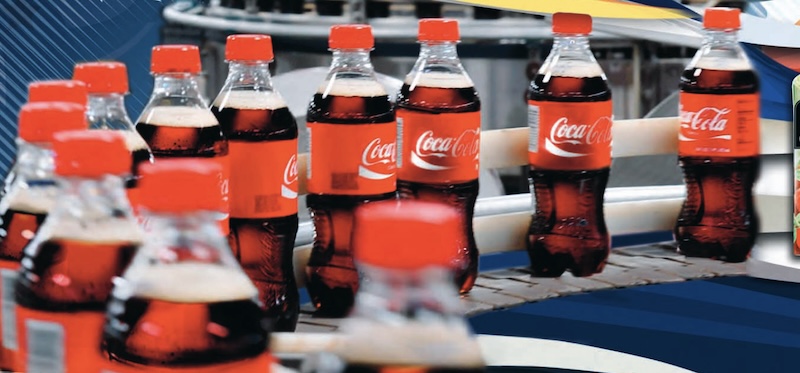
    MUMBAI: It’s bottling  a major partnership with  the famous Bhartia brothers  – Shyam and Hari.  Atlanta-based The Coca -Cola Co today announced that it has reached an agreement with the multibillion dollar, well- diversified Jubilant Bhartia group to acquire a 40 per cent stake in Hindustan Coca -Cola Holdings (HCCH). 

    HCCH is  the parent company of the largest Coca -Cola bottler in India, Hindustan Coca -Cola Beverages (HCCB) which primarily has a presence in the south and west of India. 

    “The Jubilant Bhartia group will bring invaluable experience and insights to our business as we continue to grow our presence in India,” said The Coca- Cola Co president of international development Henrique Braun. “Jubilant Bhartia Group brings a track record of building and growing consumer and other businesses in India with international partners. They are also committed to investing in the communities they serve.”

    The Coca -Cola Co’s locally-owned franchise partners in India are positioned to drive successful outcomes. The investment by the Jubilant Bhartia Group family will contribute to the company’s ongoing success and help strengthen its position in the Indian market, added The Coca-Cola Co in a press statement.

    Jubilant Bhartia group founder & chairman Shyam S. Bhartia and founder & co-chairman Hari S. Bhartia said the investment is an ideal addition to their business. They have a fortune estimated at about $.4.5 billion according to Forbes. The group has a presence in fast food, pharma, energy and auto distribution. Group company Jubiliant Foodworks operates the Dominos Pizza, Dunkin Donuts and Popeye’s franchises in India.

    “The Coca- Cola Co is home to some of the most respected global brands and we are delighted to be associated with them,” Bhartia said. “Together, we will leverage opportunities to grow the business to greater heights and ensure more Indian consumers can enjoy The Coca Cola Co’s refreshing portfolio of iconic local and international brands.”

    Because the brothers have non-disclosure agreements with the  beverage giant, the Bhartias were loath to reveal any details of the scale of investment the deal entailed, but market guesstimates are that it  is at around Rs 12,500 crore, with HCCB being valued at Rs 31,250 crore.

    The Coca -Cola India  president  & southwest Asia operating unit head Sanket Ray said.  “We welcome the Jubilant Bhartia group to the Coca -Cola system in India. With its diverse experience in various sectors, Jubilant brings decades of rich experience that will help accelerate the Coca -Cola system, enabling us to win in the market and provide greater value to local communities and consumers.”

    The transaction is subject to regulatory approval. Rothschild & Co acted as exclusive financial adviser to The Coca -Cola Co while Morgan Stanley was the advisor for the Jubiliant Bhartia group

  • Asics strides ahead with limited edition Tata Mumbai Marathon 2025 merchandise

    Asics strides ahead with limited edition Tata Mumbai Marathon 2025 merchandise

    MUMBAI: They are putting their best foot forward – Asics , the Japanese sportswear pioneer that seamlessly merges performance and style and the 20-year old Tata Mumbai Marathon run by the well-known and admired Singh brothers – Anil and Vivek of Procam International. 

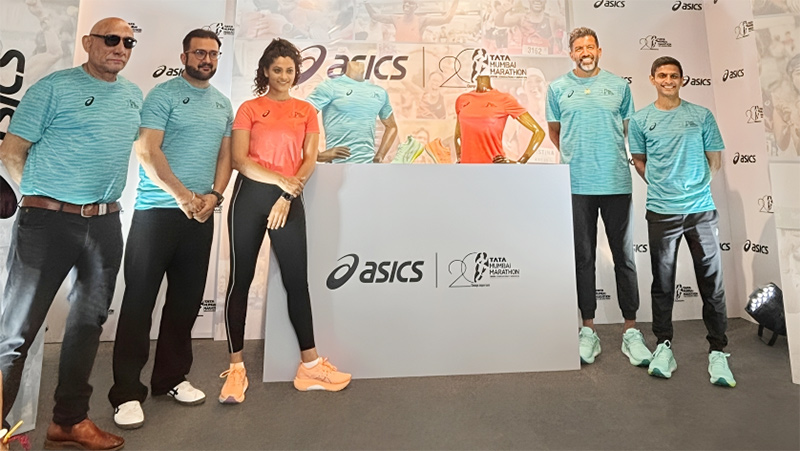
    Yesterday, Asics  unveiled its twentieth edition limited merchandise for the Tata Mumbai Marathon 2025, celebrating one of Asia’s prestigious athletic events. Uniting the spirit of sports and fashion, the collection was launched at Mumbai’s vibrant Linking road Asics store by actor-triathlete Saiyami Kher, along with Asics brand athletes Rohan Bopanna and Saurav Ghosal.

    This isn’t just merchandise—it’s a testament to the rich, evolving legacy between India and Japan, ready to stride confidently into the future,  said a company statement..

    This year’s limited-edition merchandise pays homage to Mumbai’s iconic Marine Drive, known as The Queen’s Necklace. The designs capture the vibrant essence of Mumbai’s shoreline, blending urban energy with the natural rhythm of the sea. The merchandise features t-shirts adorned with tetrapod patterns and wave-inspired graphics, symbolising the resilience and harmony of the city.

    Asics also revealed the Gel-Kayano 31 limited edition, reflecting  Mumbai’s spirit. With colours inspired by the city’s dynamic skyline, such as Illuminate mint and safety yellow for men and summer dune for women, the shoe combines a 4D guidance system for stability, FF Blast Plus Eco cushioning, and PureGel technology for smooth strides over any distance.

    The collection aims to unite Tata Mumbai Marathon participants in a shared sense of purpose and community. Designed to celebrate Mumbai’s vibrancy, the merchandise creates a connection between runners and the city’s unyielding spirit.

    Said Asics India & south Asia MD Rajat Khurana: “Our ongoing association with the Tata Mumbai Marathon as the official sports goods partner reflects our shared values of passion, endurance, and community.  This collection reflects Mumbai’s vibrant spirit and  every participant’s  resilience. We remain committed in our mission to provide athletes with the best fitness gear to not only inspire but also help them achieve their individual goals and celebrate their journey.”

    Added  Procam International MD Anil Singh:  “Today, the Tata Mumbai Marathon represents everything good Mumbai stands for. As we approach the landmark twentieth edition, every step taken towards this iconic event reflects our shared commitment to excellence and the power of movement to bring people together. Asics has been an integral part of the Tata Mumbai Marathon journey and the Procam family, consistently raising the bar with premium event merchandise our participants truly treasure.”

    The official Tata Mumbai Marathon merchandise is available at Asics flagship stores nationwide and online at www.Asics.co.in/tmm2025

  • How flexible workspaces are redefining the new normal: Incuspaze’s Ekta Dewan

    How flexible workspaces are redefining the new normal: Incuspaze’s Ekta Dewan

    MUMBAI: The pandemic was more than a global upheaval—it was a reset button on how we live, work, and connect. For some, Covid-19 was a storm that shattered routines and brought grief, but for others, it sparked a quiet revolution. Office commutes dissolved into hazy memories of traffic jams, replaced by a patchwork of Zoom calls, barking dogs, and the aroma of freshly brewed coffee wafting through home offices.

    It wasn’t just a change; it was an awakening.

    But in the chaos of reimagined workflows, a counterintuitive trend began to surface. As people left traditional offices behind, they didn’t just disappear into isolation. They sought something new—something that fused the independence of remote work with the camaraderie of a shared environment.

    Enter the coworking space: an ecosystem where flexibility meets creativity, and the hum of innovation drowns out the humdrum.

    In India, a land of endless reinvention, coworking spaces have taken root as more than just a trend—they’re a movement. With the market poised to explode from $761.9 million in 2023 to a staggering $2,842.2 million by 2030, as per reports from NMSC.

    Amid this transformative wave, Incuspaze’s Ekta Dewan steps into the spotlight, offering a candid perspective on why coworking spaces are not just a fleeting response but the future of work itself. In an exclusive conversation with Indian Television’s Sreeyom Sil, she lays bare the art and science of creating environments where ideas thrive, where walls don’t confine, and where the pulse of collaboration beats strongest.

    Welcome to the office renaissance—one desk, one conversation, and one bold vision at a time.

    Edited excerpts

    On the difference between co-working spaces and managed office spaces.

    Co-working spaces are shared environments ideal for startups, freelancers, and small businesses. They offer flexibility in membership options, such as hot desks, dedicated desks, and private offices, alongside amenities like high-speed internet and communal areas. However, they often have limitations in terms of privacy and customisation.

    Managed office spaces, on the other hand, are fully private and tailored to the specific needs of a business. These offices provide more control over layout, branding, and design, making them suitable for medium to large teams. They also offer a professional environment with privacy, stability, and essential services like maintenance and security, all managed by the provider.

    At Incuspaze, we cater to diverse needs by offering both options, ensuring businesses can scale and adapt seamlessly.

    On  an innovative digital sales strategy that has worked for Incuspaze.

    Digital strategies have been pivotal in converting inquiries into memberships. One of our most effective campaigns was the #ThinkIncuspaze initiative, launched in Bangalore. Rather than merely advertising office spaces, we positioned our offerings as a lifestyle—highlighting flexibility, creativity, and community.

    This people-driven campaign resonated deeply, generating significant traction on social media and ground-level engagements. By connecting emotionally with our audience, we turned leads into loyal members.

    On how  Incuspaze is leveraging AI and predictive analytics in its operations.

    AI and predictive analytics are game changers. By studying customer behaviour and demand patterns, we forecast occupancy and optimise revenue streams. We’ve also partnered with customer communities to harness ideas and create growth opportunities.

    The IT industry’s shift from traditional analytics to a blend of data, voice, and video analytics further informs our strategies. These investments allow us to revolutionise customer lifecycle management and enhance user experiences.

    On the key metrics  used to measure the success of digital ad campaigns.

    We focus on metrics like lead conversion rates, customer engagement, and ROI. Our campaigns are designed to create a strong brand recall. For example, we emphasise our unique selling propositions (USPs) in every campaign, whether it’s flexibility, innovation, or community-driven workspaces.

    Optimising ROI involves refining these campaigns based on analytics and continuously building trust with our audience.

    On the role of festive campaigns in fostering long-term member retention.

    Festive promotions do generate initial interest, but our focus lies in converting that interest into loyalty. We achieve this by providing seamless onboarding and personalised services.

    During festive seasons, we highlight our vibrant culture and collaborative environment, offering potential members a glimpse into the Incuspaze experience. Our campaigns emphasise value beyond aesthetics, ensuring we foster lasting relationships.

    On a campaign that reflects your storytelling evolution.

    The #ThinkOfficespaceThinkIncuspaze campaign exemplifies our evolved approach. We moved beyond highlighting physical attributes and focused on telling stories about collaboration, community, and growth.

    This campaign particularly resonated in Bangalore, connecting deeply with entrepreneurs and startups. By showcasing our spaces as hubs of innovation and lifestyle, we built a narrative that distinguishes us in the crowded marketplace.

    On the trends  that are shaping the flexible workspace industry in 2024.

    Several trends are shaping the industry. The hybrid work model has increased demand for scalable solutions like hot desks and private offices. Wellness-focused amenities, such as ergonomic furniture and air purification systems, are now essential.

    Technology integration, like IoT-enabled smart offices and seamless video conferencing, is transforming user experiences. Sustainability is also crucial, with eco-friendly designs and energy-efficient systems gaining traction.

    Bangalore, with its robust tech-driven economy, has emerged as a leader in this segment, accounting for over 17 per cent of seat leasing in Q1 2024. Large corporations, especially GCCs and tech firms, are driving this growth by opting for agile, cost-effective office solutions.


  • Inside Cashfree Payments’ Move Fast refresh with Aditi Olemann

    Inside Cashfree Payments’ Move Fast refresh with Aditi Olemann

    MUMBAI: Remember the days of frantic scrambles for exact change with rickshaw drivers, the despair of handing over a Rs 500 note, and the resigned sigh when left without small notes? Then came the game-changer: Unified Payments Interface (UPI), India’s very own digital savior, swooping in like Superman to transform not just transactions but lives — everyday payments into seamless, one-tap solutions. Life has since taken a fast track to convenience, where paying for chai or groceries no longer requires mental mathematics.

    Fast forward to 2024, India’s fintech market is now a behemoth, estimated at an eye-watering $111.14 billion, with projections soaring to  $421.48 billion by 2029 at a CAGR of 30.55 per cent, according to Mordor Intelligence. It’s a story of rapid growth, innovation, and a market ripe with opportunities.

    Amid this transformative boom stands Cashfree Payments, a trailblazer reshaping how India transacts. With a bold new tagline, “Move Fast”, and a high-octane marketing campaign featuring the versatile Rajkummar Rao (insights in our exclusive earlier piece), Cashfree Payments is running at full throttle to define the future of payments. In an exclusive conversation with Indian Television’s Sreeyom Sil, Cashfree Payments, head & senior director of marketing, Aditi Olemann, dives deep into the strategy, the vision, and the high stakes behind staying ahead in this competitive space.

    From nostalgia to numbers, from convenience to cutting-edge marketing, this tete-a-tete with Olemann is your front-row ticket to behind the scenes of the campaign, offering a glimpse into how the brand is shaping India’s payment future.

    Curious?

    Read on for a story of speed, strategy, and a little bit of magic in the world of fintech.

    Edited excerpts

    On the reasons why Cashfree Payments chose “Move Fast” as its new tagline.

    Since our inception, we’ve prioritised building a future-proof digital payments ecosystem. Speed, security, and seamlessness have always been at the heart of our operations. Over the past decade, we’ve observed that businesses consistently value speed—whether it’s onboarding, transactions, or resolving issues. “Move Fast” encapsulates our commitment to empowering businesses with the agility they need to thrive. This tagline reflects our vision to be a catalyst for growth in a fast-paced, digital-first economy.

    On what led to the selection of  Rajkummar Rao –  who seems like an unconventional choice for a fintech brand. 

    Rajkummar Rao exemplifies versatility, reliability, and boldness—qualities that mirror our ethos. His career is a testament to taking calculated risks, challenging norms, and delivering impactful performances. At Cashfree Payments, we strive for the same—redefining the fintech landscape with innovative solutions that solve real-world challenges. Rajkummar’s journey aligns perfectly with our narrative of breaking boundaries to create meaningful change. His dynamic persona brings authenticity and energy to our campaign, making the message resonate deeply with our audience. 

    Rajkumar Rao

    On how messages are being tailored to different platforms and channels.

    Our multi-channel strategy is designed to engage diverse audiences effectively. Collaborating with OML and our internal teams, we’ve created a campaign spanning OOH, digital, social, and print media. For instance, hoardings in startup hubs like Bangalore, Gurugram, and Mumbai target budding entrepreneurs, while digital and social media focus on engaging tech-savvy audiences. Each channel conveys our core message of “Move Fast” while adapting its tone and delivery to suit specific segments, ensuring maximum recall and impact.

    On some behind-the-scenes insights into the making of the corporate film.

    The corporate film encapsulates our brand’s promise of empowering businesses with speed and agility. Featuring Rajkummar Rao, it combines high-energy visuals with relatable storytelling to depict real-world business scenarios. Our goal was to create a film that is both informative and engaging. Every aspect, from scripting to visuals, was meticulously crafted to highlight our offerings—seamless onboarding, smooth transactions, and unparalleled support. The film reflects the passion and dedication of our team and beautifully conveys the essence of “Move Fast.”

    On the  specific challenges Cashfree Payments address for businesses.

    Businesses face hurdles like delayed issue resolution, fraud risks, and complex compliance requirements. At Cashfree Payments, we tackle these challenges head-on. Our dedicated support teams ensure industry-leading resolution times, while tools like Risk Shield offer proactive fraud monitoring. Additionally, real-time compliance updates keep businesses ahead of regulatory requirements. Our approach blends cutting-edge technology with personalised service, enabling businesses to resolve issues swiftly and focus on scaling their success.

    On how the campaign bridges the gap between startups and large enterprises.

    Our solutions cater to over six lakh merchants, ranging from startups to large enterprises. For startups, we emphasise simplicity and speed, providing seamless onboarding and intuitive tools. For larger businesses, we focus on advanced capabilities like payment orchestration and fraud monitoring. The “Move Fast” campaign unifies these offerings under a single, impactful message. By showcasing our adaptability and commitment to all business sizes, we aim to reinforce trust and drive adoption across the spectrum.

    On the KPIs that  will measure the success of this brand refresh.

    In the short term, we are focusing on increased brand recall and consideration. Over the long term, key metrics include adoption rates of new services, customer retention, and revenue growth. These KPIs will help us gauge the campaign’s effectiveness in enhancing visibility and delivering sustained value to the business.

    On how the campaign simplifies complex fintech concepts for non-technical stakeholders.

    We’ve made a conscious effort to translate technical advantages into tangible outcomes that resonate with all stakeholders. For example, faster settlements improve cash flow, while seamless integrations enhance operational efficiency. The campaign uses real-world scenarios and relatable narratives to demonstrate these benefits, ensuring clarity and impact.

    On how the brand refresh prepares Cashfree Payments for long-term growth.

    This refresh solidifies our position as an agile and forward-thinking partner in the fintech space. By emphasising speed, reliability, and innovation, we’re well-equipped to navigate regulatory changes, technological advancements, and evolving customer expectations. It’s a strategic step towards ensuring resilience and sustained growth in a competitive digital economy.

  • Dentsu Creative charts trends marketers need to look out for in 2025

    Dentsu Creative charts trends marketers need to look out for in 2025

    MUMBAI: It’s a complicated world we are living in today what with rapid digitalisation changing the way we interact with our individual selves, others, our evolving consumption habits, and the way we view culture, technology, society and money.

    To make some significant sense of the forces impacting today’s cultural, economic, and technological landscapes, Dentsu Creative recently launched its 2025 Trends Report, Fragment Forward.

    The report draws from insights across the agency’s global network, showcasing actionable opportunities for brands to engage in a more culturally sensitive, connected, and inclusive world. Each trend is accompanied by case studies and detailed sub-trends, equipping brands with the knowledge they need to navigate a market where consumer priorities are continually evolving.

    A quick run through it, reveals that the world is getting increasingly fragmented where shared experiences and aspirations are growing scarcer, shaped by long periods of isolation, the cost of living crisis and of course, a fragmented media landscape. The report asks not only what brands and businesses need to win in the age of the algorithm, but what humans need to thrive in a world where old certainties are crumbling, and new possibilities are emerging.  

    It highlights that technology advances, yet quality of life has not kept pace, leaving younger generations unable to meet the same milestones and aspirations as their elders. Some find promise in the expanding “passion economy,” while others seek comfort by embracing traditional values and practices. Older generations embrace miracle drugs, “silver start ups” are booming, while younger generations are impatient to get started, questioning the value of a conventional education. In an unpredictable future, many prioritise the now, the moment, the vibes; embracing personal wellbeing, simple pleasures, and financial freedom over constant striving. Overall, we are seeing old certainties crumbling; the certainties of life’s milestones, of generational norms, of the societal ties and spaces that connect us. New possibilities are emerging – from virtual communities to AI companions – but may be imperfect substitutes for a sense of our shared humanity – and responsibility.

    Fragment Forward explores five trends shaped by the age of the algorithm, examining the implications for brands, businesses and individuals and exploring both timeless human desires and their most timely and trending expressions.
     

    The good enough life in numbers

    The  first trend is The Good Enough Life – Redefining what it means to live well in a world where old milestones are less achievable, and shared aspirations are fewer. Research by Deloitte revealed that almost two-thirds of young people believe that owning their own home will be a challenge, while 47 per cent of millennials feel that starting a family is out of reach, In some cases this leads to angry protests and social unrest – such as the housing protests that sprang up across Europe in 2023 and 2024 – as young people grapple with an acute sense that the social contract that promises every generation the ability to progress has broken down. For others the response is at worst a sense of resignation, at best a re-evaluation of what a life well-lived means, and whether an alternative definition of success, one that prioritises well-being and personal fulfilment, may be possible.

    The passion economy is having a transformational effect on the future of employment, as more and more individuals embrace a freelance existence, develop their own business or find ways to monetise their passions. 45 per cent of millennials in the US are freelancers, while 60 per cent of young people in the UK want to start their own business. 

    Within this, Dentsu Creative has identified three sub-trends. The first sub-trend is  Saving for now: Whereas previous generations saved for the future, younger audiences today are saving for trips, treats, and the freedom to live on their own terms. Travel has emerged as a high priority.  

    The second sub-trend is complex consumption. What this shows up in is the trend to use what you have and encourage others to do the same by showcasing your “good-enough” old items. It follows other nudge-based trends that seek to normalise not spending like “loud budgeting” and “de-influencing”.  

    The third sub-trend  has been defined as  rest is radical.  This is now reverberating across the generations. The FIRE (Financial Independence, Retire Early) movement – which encourages a frugal approach in your younger years to fund early retirement, travel and well-being – has been gaining pace for some time, in contrast to the “save for now” trend.
     

    The togetherness deficit

    The second major trend is the Togetherness Deficit – the fragmentation of media, long periods of lockdown and a cultural shift towards remote working have contributed to a “togetherness deficit” around the world. People are exploring the new technologies, experiences and narratives emerging in their  attempts to reignite a lost sense of togetherness.

    The first sub-trend under this  is craving companionship. People are willing to go any lengths  to get that connection with someone who can be their companion or lover.

    The desire for togetherness has  triggered  a  second sub-trend which is Nostalgia is so now. Many are showing a fondness, a desire for a time when cultural references were simpler and more collective. A report from Ipsos and the Effies, by Samira Brophy and Rachel Emms, shows that 44 per cent of people in Great Britain agree that “given the choice I would prefer to have grown up at the time when my parents were children.” While data in the same report shows that utilizing aspects of a brand’s heritage in advertising provides an 8 per cent bump in brand attention.

    The third  sub-trend is connected communities. At the heart of our desire to come together in a fragmented world is the rise of online communities of shared passion and interest. In fact, nearly 80 per cent of people say that the most important group they belong to operates online.In some cases, these online communities spill over into real-world connection: community-based sports such as park runs, and team sports such as netball and football are booming in popularity versus solitary gym workouts. Book clubs are hugely popular, on and offline, accelerated by the #booktok phenomenon.
     

    THe generation blur

    The third major trend is Generation Blur: A world where old generational boundaries are much less accurate predictors of attitudes, behavior, or affinity.  In 2025, attitudes and behaviors will become less predictable and more fluid across generations. A recent study from Ikea reveals that age is no predictor of affinity or connection, showing that 21 per cent of us find a sense of belonging from shared values versus just 11 per cent  who feel that belonging results from being part of a similar age group.

    Gen Alpha (born early 2010s-2025) will constitute the largest generation – some two billion  individuals by 2025 – with surprisingly mature tastes and sophisticated digital understanding. Gen X and Boomers, the most valuable but perhaps the most under-valued generation, are re-defining what it means to be middle (or old) aged, maturing on their own terms and resisting stereotypes.

    We see a shift in familial responsibility – in the west caring responsibilities are falling heavily on the “sandwich” generation – whilst traditionally dutiful young adults in developing economies seek to carve out their own identity beyond the family unit.

    In some cohorts, gender is becoming a greater determinant of attitudes than age or generation. Recent data shows a stark contrast between the attitudes of young men and young women around the world. Data reported in the Financial Times shows a 30 percentage point gap between young men and women’s liberal vs conservative worldviews in the US and Germany. Similar patterns appear internationally. 

    Younger generations are also turning back to religion and spirituality to manifest better fortune in an uncertain world, where the usual routes to success aren’t delivering as they once did. In India, young people are returning to temples whilst in China, traditional rituals are being digitised for a new generation. The Buddhist and Taoist ritual of knocking on wooden fish has been translated into an app-based version. Within this trend we see a huge blurring of interests and attitudes across  the sub-trends.

    The first of these sub-trends is The new Old age: Gen X and the Baby Boomer generation boast the greatest spending power  yet their commercial influence is routinely overlooked by marketers. Mature audiences and savvy brands are reframing conversations around what it means to ‘age.’

    The second sub-trend is Learning the Alpha-bet: By 2025 Gen Alpha will be the biggest generational cohort, reaching two billion people. While, as we note, generational cohorts may be becoming less and less relevant, there is no denying that is a group who are more technically sophisticated, and more demanding in their purchasing behaviours than their elders. “95 per cent  of their parents learn about brands from them” while “49 per cent of parents’ purchasing decisions were influenced by their child’s opinion” according to a study by DKC. Exposure to online content and advertising is driving an accelerated maturity and with it challenges for brands to navigate responsibly such as Gen Alpha’s obsession with luxury skin-care and the rise of the “Sephora Kids.”

    The third sub-trend is The Blended Home: By 2030, one in six people in the world will be aged 60 years or over (WHO, 2024)25 while birthrates are dropping around the world. An ageing population has created a cohort who are simultaneously raising children and caring for their own ageing parents. In response, Sweden has introduced a grandparental “maternity leave” to help even out responsibilities. Amazon is introducing term-time only working options to help with childcare.

    Curioser and curioser

    The fourth major trend is that we are getting Curiouser and Curiouser –With all the world’s content available at the touch of a button, consumers are exploring compelling stories across culture and languages. A meeting of global cultures is generating access to a dynamic and enriching kaleidoscope of new content, codes, perspectives and aesthetics.

    We live in paradoxical times, where the world’s information is at our fingertips but the channels and platforms we access it through can make us feel as though we’re wading through a highly polished sea of sameness. This sparks a hunger and curiosity for all things different, authentic and unexpected.

    The first  sub-trend we are seeing in this is Fandom is going beyond borders. Where brands in the past focused on local relevance, we now see many seek to re-energize familiar brand stories by mobilising international communities and passion points.

    The second sub-trend is Cultural fluency: Foreign language films and series continue to accelerate within streaming platforms in English speaking markets. Research firm Ampere (July, 2024) found that regular viewing of non-English-language TV shows and movies has increased by 24% among 18- to 64-year-olds in the UK, US, Australia, and Canada in the past four years.

    The third sub-trend is Paths less traveled  : In 2024 we have seen an unprecedented backlash against over-tourism motivated by a desire to prevent strains on local infrastructure, preserve local dignity, reduce antisocial behavior and resist the commoditization of a culture, city or landmark. This has opened up wider conversations about what we are seeking when we travel and what “off the beaten track” looks like in a world where every view and landmark has its own Instagram following.

    Algorithms and blues

    The fifth major trend Dentsu Creative has identified is Algorithms and Blues. In a world where every piece of content we see and every product we buy has been shaped and recommended by powerful algorithms and crafted by AI, brands face a dual challenge. The newsfeed, all too often, is a sea of sameness; similar content with similar design cues targeting similar audiences. To cut through, brands must understand how to make the algorithm work for them, not against them, which means hacking a complex combination of signals and variables, from recency to reach to popularity. But the AI assisted platforms we’ve built to drive efficiency can compound the problem if not blended with craft and distinctiveness.

    Navigating the algorithmic era means every piece of content must perform; not always by driving conversion, but by driving visibility; sending the right signals to the algorithms that determine whether our content surfaces in the feed, or must pay a higher and higher premium to interrupt.

    A sub-trend that is emerging from this is Running on Vibes:   In a polarised and often confusing world, “vibes” have replaced facts as the driver of public opinion, political affiliation and purchasing behaviours. While deeply irrational, consumers instinctively trust the vibes. Economist Kyla Scanlon coined the phrase “vibecession” back in 2022, now widely adopted by politicians and financial institutions to explain how perception of poor economic performance lags reality.

    The second  sub-trend  is Binge-snacking content: As the boundaries between content and commerce become ever more blurred, only a fraction of content’s cultural and commercial value lies in traditional views. Younger generations are just as likely to watch in bite-sized chunks on social media, enough to be part of the conversation without committing to an entire episode. Viewers admit to watching series or movies in minute-long clips on TikTok or Instagram; a highlight reel approach to popular culture where contemporary hits jostle alongside Gossip Girl, Sex and the City and Friends for attention.

    The third sub-trend under this is  AI everywhere:  AI generated content has shifted from a quirk to something deeply embedded in how we search, consume content and present ourselves to the world in a matter of months. Yet while Gen AI has made it easier for brands to generate SEO-friendly content at pace, it has also created new challenges.

    The Dentsu creative leadership also gave their views on what the report has tried to achieve and what lessons we can learn from it as we go in to 2025. Hear them out:

    Abbey Klaasen Yasu Sasaki

    Dentsu Creative global brand president Abbey Klaassen: 

    “Winning in the age of the algorithm means winning an outsized share of culture, not just a robust share of voice. Our work with Nutter Butter, for example, understands how to hack the weird and wonderful side of internet culture to revive the fortunes of a 55-year old cookie brand. The challenge brands face in the age of the algorithm is that it is very easy for all highly optimised content to start to look the same – so when we think about the efficiency AI brings us we also need to blend AI-assisted production with craft and brand distinctiveness. Our work with Adobe is helping brands make AI work for them, rather than contributing to a sea of sameness.”  

     Dentsu Creative global chief creative officer Yasu Sasaki:

    “As a creative, I’m constantly looking to the future, but inspired as well by the craft and beauty of the past. Some of the most innovative projects we’ve been involved in combine leading edge technology with the simplest and most human impulses; like Hugtics, a project that enables users to give themselves a hug. Or the “Upcycling Possibility” project which combines the traditional art of Kintsugi with circuitry and electronics to create an entirely new drinking experience.”  

    Pats McDonald Amit Wadhwa

    Dentsu Creative global CSO Pats McDonald:

    “As we look around, we see a world where marketers and innovators are using all manner of tactics to try to engineer the sense of togetherness we once perhaps took for granted. From innovative wearables to social experiments to the power of nostalgia, there is a huge drive to fill what we call the “togetherness deficit”. Which provides a huge challenge, and opportunity for the industry; to create ideas and platforms that connect brands to culture, businesses to customers and communities to one another.” 

    Dentsu Creative chief executive officer south Asia Amit Wadhwa:

    “In an age where technology and culture intersect at every turn, the 2025 Trends Report captures the evolving ways people live, connect, and define themselves. From reimagining what a fulfilling life looks like to navigating the ever-blurring lines between generations, these trends reflect a world in flux—one where shared aspirations are fewer but possibilities are endless. As we confront the challenges of algorithms shaping content and a growing togetherness deficit, the report offers insights into how brands, businesses, and individuals can thrive. It reminds us that while technology drives change, it’s human creativity and connection that will ultimately shape the future.”