Category: Marketing

  • Pulse on point as DS Group proves culture is the sweetest strategy

    Pulse on point as DS Group proves culture is the sweetest strategy

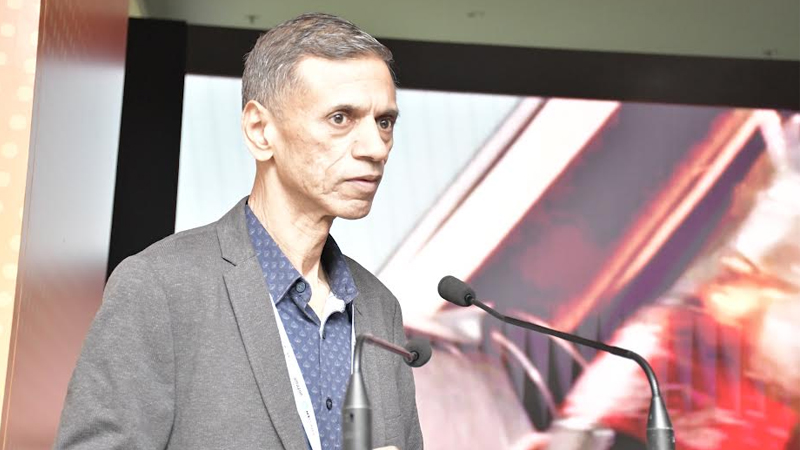
    MUMBAI: When a candy meant for grown-ups causes a social media frenzy and movie stars post about it for free, you know you’ve struck marketing gold. That’s precisely what DS Group sr. vice president of corporate marketing Rajeev Jain laid out in his eye-opening session at Goa Fest 2025 titled ‘Cultural Marketing Can Be a Winner: Pulse Candy a Case Study’.

    Jain opened with a powerful quote from CK Prahalad, “While it is true that multinationals will change emerging markets forever, the reverse is also true.” And Pulse, it turns out, is a case of the latter, an unapologetically Indian brand that rewrote the rules of candy marketing.

    The secret sauce? Culture. Not just flavours, but deep-seated values and norms. Jain drew parallels from around the globe: how Coca-Cola supported Saudi women driving under its “Keys of Change” campaign, or how Nescafé cracked Japan by first selling coffee-flavoured toffees to build a taste habit among kids who grew into coffee-loving adults.

    Pulse did something equally audacious back home.

    Backed by two years of intense R&D, Pulse launched a centre-filled candy that catered to Indian palates think tang, spice, and chatpata chaos. It wasn’t your average sweet treat. It was a nostalgia bomb, a street-side snack, and a meme-worthy munch all rolled into one.

    The brand boldly went where few dare: marketing candy to adults. “Why should kids have all the fun?” wasn’t just a slogan, it was a war cry. And consumers responded with their thumbs generating a flood of user-generated content without a rupee spent on influencer tie-ups.

    Case in point? Disha Patani posting about Pulse on her own. “That’s when we knew we weren’t just in the candy business,” said Jain. “We were in the cultural relevance business.”

    The talk underscored a central truth: great cultural marketing isn’t loud, it’s resonant. Pulse didn’t follow trends; it tapped into India’s taste DNA. The result? A product that felt tailor-made for the local market yet had the swagger of a global disruptor.

    In a world flooded with algorithm-driven campaigns and AI-generated creatives, Pulse’s story is refreshingly analogue, it’s about listening before selling, and tapping into what people crave emotionally, not just gastronomically.

    At a fest packed with tech talk and future-forward buzzwords, Jain’s candy-coated case study reminded everyone that flavour still wins when it hits the culture nerve just right.
  • Miraggio scoops the summer with a creamy new drop

    Miraggio scoops the summer with a creamy new drop

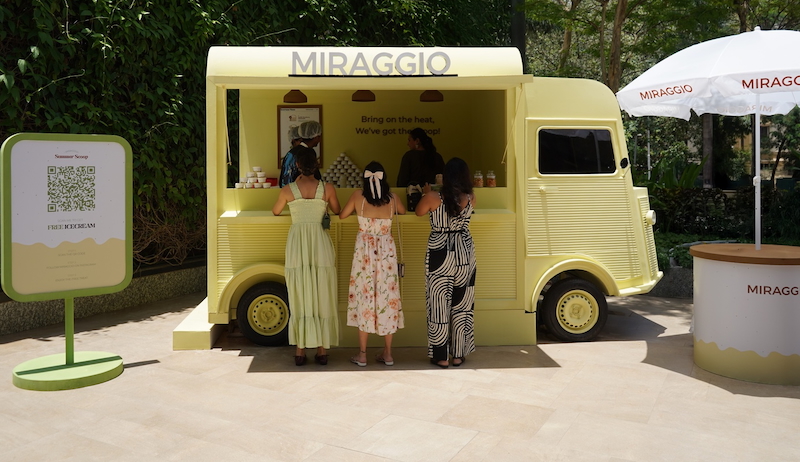
    MUMBAI: This summer, fashion got a little sweeter. Miraggio has stirred up the accessories scene with Summer Scoop, a limited-edition handbag collection inspired by the creamy colours and indulgent textures of iconic ice cream flavours. Think zesty mango, silky vanilla, and moody chocolate—served not in cones, but on your arm.

    The brand dished out more than just bags. It kicked off the launch with an influencer-led mystery campaign—sending out cryptic PR hampers featuring ice cream scoopers, scratch cards, and secret notes that teased a flavour-forward reveal. The final treat? An exclusive pop-up in Mumbai, where creators, media, and contest winners discovered their personalised ‘flavour’ in bags—and on cones.

    To up the sensory ante, Miraggio teamed up with artisanal ice cream brand Indu, offering guests scoops that matched the bags: pistachio white chocolate matcha, milky chocolate, and saffron mango, among others. The result was an Instagrammable frenzy of reels, countdowns, and colour-coordinated content that had influencers—and their followers—licking their screens.

    “With Summer Scoop, we set out to do more than launch a collection, we wanted to craft an experience and launch one of our most unique campaigns yet. Fashion, much like food, evokes memory, mood, and indulgence, so we leaned into that feeling. By drawing inspiration from ice cream flavours and creamy textures, we created bags that are meant to be felt—literally and emotionally. From the buttery finishes to our flavour reveal at the pop-up, every detail was designed to tickle the senses, spark curiosity, and serve up a little joy,” said Miraggio founder & CEO Mohit Jain.

    By blending nostalgia, sensory cues, and a dash of cross-industry flair, Miraggio’s campaign hit the sweet spot. Summer Scoop wasn’t just a launch—it was a tasty masterclass in storytelling that you could almost taste.

  • Polycab plugs into Zepto for a breezy 10-minute delivery

    Polycab plugs into Zepto for a breezy 10-minute delivery

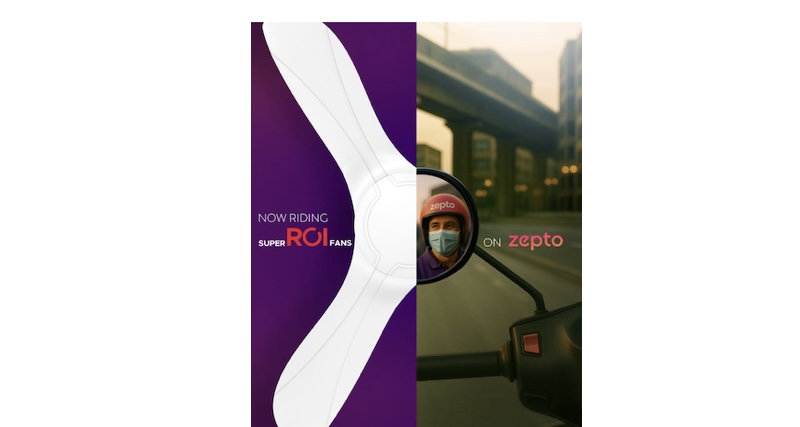
    MUMBAI: Polycab India has flicked the switch on a zippy new distribution channel—Zepto. The electricals heavyweight is now delivering its energy-efficient ceiling fans straight to urban doorsteps in just 10 minutes, making sure no household has to sweat it out this summer.

    As the mercury rises, so do expectations—and consumers are no longer willing to wait. Spotting this shift, Polycab has entered the quick commerce (Q-commerce) race, listing its Super ROI fans on Zepto across 14 major cities, from Mumbai and Bengaluru to Kolkata and Jaipur.

    “We’re not just selling fans, we’re delivering instant comfort,” said Polycab India executive president and chief business officer – B2C Ishwinder Khurana. “Today’s consumers want speed, quality, and ease. Zepto is helping us tick all three.”

    The ceiling fans, priced between Rs 1,800 and Rs 3,500, and exhaust fans starting at Rs 1,000, are now just a tap away for urban India’s sweat-weary. While buyers will need to handle installation for now, Polycab backs its products with robust after-sales service.

    Already a staple on Amazon and Flipkart, Polycab’s latest Q-commerce pivot reflects its ambition to dominate not just the wires and cables segment—but the entire FMEG landscape. With Rs 224+ billion in FY25 turnover and presence in 84 countries, the company is going full throttle on modern retail.

    For India’s heat-stricken metros, this tie-up brings a gust of good news

  • Acer rolls out fiery Nitro GPUs for DIY gamers with a taste for power and polish

    Acer rolls out fiery Nitro GPUs for DIY gamers with a taste for power and polish

    MUMBAI: Acer has fired up its DIY hardware game with a swanky new lineup of Nitro graphics cards, giving both Intel and AMD loyalists something to cheer about. The new entrants include two white-hot Intel Arc models and a pair of Radeon RX 9060 XT OC beasts, each ready to supercharge gaming rigs with eye-watering visuals and AI-savvy wizardry.

    Topping the charts is the Nitro Intel Arc B580 OC 12GB, now strutting out in a crisp white finish—ideal for gamers who like their builds as clean as their killstreaks. It clocks in at a blistering 2,740 MHz, supports up to 8K resolution, and packs Intel’s Xe2 microarchitecture for silky smooth ray tracing and XeSS-powered frame boosts. The cherry on top? Acer’s FrostBlade cooling cuts noise by 8 per cent, so the only thing screaming is your gameplay.

    Then there’s the Nitro Arc A380 LP 6GB, a low-profile dynamo armed with Intel XMX AI muscle and 3D acceleration. Its 2,000 MHz game clock and support for DirectX 12 Ultimate tech means buttery gameplay and creative workflows, even for 8K HDR video.

    Flipping to Team Red, the Nitro Radeon RX 9060 XT OC cards—available in 16GB and 8GB variants—bring serious heat. These RDNA 4-driven monsters hit 3,320 MHz boost clocks and game clocks up to 2,780 MHz, with AMD’s FidelityFX Super Resolution 4 and HYPR-RX tech turbocharging performance and trimming latency.
    Both Radeon cards run cool under pressure, thanks to dual axial fans with dual ball bearings and whisper-quiet oil-lubricated performance.

    Gamers and creators alike will appreciate Acer Intelligence Space and ProCam smarts baked into all models—think AI-assisted app recommendations, gameplay highlights, and an aim assist system that’s legal but lethal.
    Price check: The Nitro Intel Arc B580 OC 12GB starts at €329, while the Radeon RX 9060 XT OC 16GB and 8GB land in June in EMEA, priced at €649.99 and €599.99, respectively.

    For a full spec check or to find out when they’re hitting shelves in your region, head over to acer.com. DIY never looked this slick—or this savage.

  • India’s first Lego store clicks into place with Ample’s Gurugram mega-launch

    India’s first Lego store clicks into place with Ample’s Gurugram mega-launch

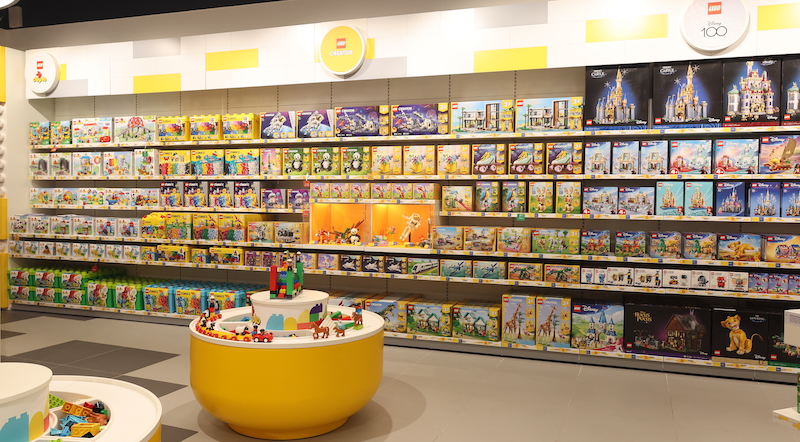
    MUMBAI: The Lego dream just got bigger—and real. Ample group, the retail ace behind big-name brand tie-ups in India, has teamed up with the Lego group to launch the country’s first and South Asia’s largest Lego Certified Store at Ambience Mall in Gurugram.

    Spread across a sprawling 4,500+ sq. ft., this flagship retail paradise isn’t just another store—it’s a technicolour tribute to the power of play. Packed with interactive stations, digital experiences, iconic builds, and hands-on joy, it’s part toy box, part wonderland—and designed to hook everyone from toddlers to AFOLs (adult fans of Lego).

    Ample group founder & CEO Rajesh Narang said:  “At Ample, we have always believed in creating meaningful experiences for our customers by bringing some of the world’s most iconic brands closer to Indian customers, be it Apple, Bose, Under Armour, Asics, and now Lego group. With the launch of south Asia’s Largest Lego certified store, we are not just introducing a brand but offering families a space to imagine, play and create memories together. Our goal is to deliver experiences that go beyond shopping, where every visit feels special and interaction adds value.”

    This landmark opening comes as India’s economy is projected to grow by 6.3 per cent in 2025. With a surging middle class and rising appetite for premium experiences, Ample is betting big on immersive retail. It plans to open 30 Lego stores over the next five years, including the next one in Bengaluru’s Orion Mall.

    “Today is not just about opening a store—it marks a pivotal moment in Lego’s India’s journey, one that celebrates the power of play in its truest form,” said Lego India country manager Bhavana Mandon,. “We’re thrilled to finally bring the Lego brand experience to India in close partnership with the Ample Group. We’re laying the foundation for a strong retail presence and aim to help more Indians connect with the joy of play through multiple stores over the next two years. The energy, creativity, and passion we’ve witnessed today show that India’s Lego moment has truly arrived. As we enter this exciting phase of growth, we look forward to building spaces where people of all ages can build together.”

    Beyond retail buzz, the new store aims to cut screen time and boost cognitive skills with good old-fashioned hands-on play. From AI-powered displays to custom minifigs, it’s a bold mix of nostalgia and next-gen engagement.

    Established in 1996, Ample group has built a reputation for rolling out premium brand experiences, operating 100+ stores across the country and charming over a million customers. With a target CAGR of over 30 per cent over the next five years, the company shows no signs of slowing.

    Looks like Lego’s Indian adventure has finally clicked into gear—and it’s anything but child’s play.

  • BrandStorytelling and Mipcom Cannes  ink deal to deep dive into branded content

    BrandStorytelling and Mipcom Cannes ink deal to deep dive into branded content

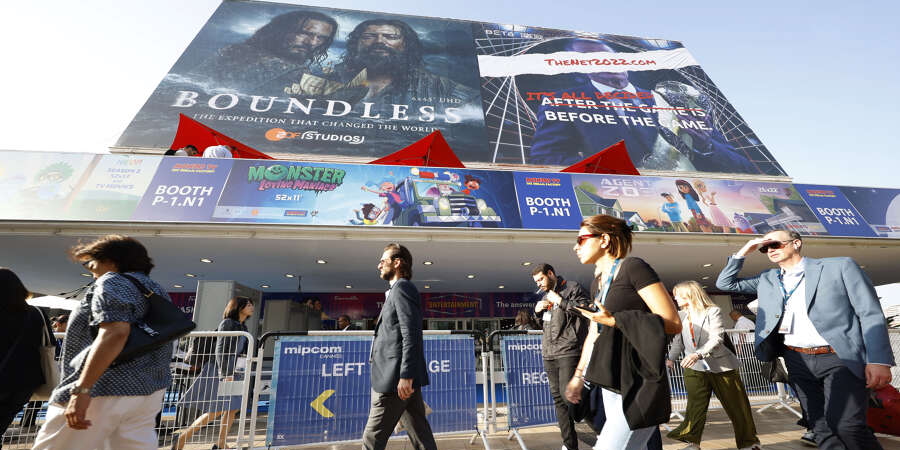
    MUMBAI:  Hold onto your monocles, folks, because a rather smashing partnership has just been announced that’s set to shake up the world of television and streaming content. BrandStorytelling, the doyen of brand-funded programming, is  teaming up with the illustrious Mipcom Cannes 2025 for a first-of-its-kind summit on the French Riviera this October.

    For a decade, BrandStorytelling, under the astute direction of producer, publisher, and media entrepreneur Rick Parkhill, has been charming the Sundance Film Festival with its ground breaking summits, nurturing the art of brand-funded narratives. Its  latest January shindig in Park City, Utah, saw a grand gathering of over 450 industry glitterati, including global brands like Ancestry, L’Oréal Paris, and PepsiCo, alongside platform giants such as WBD, Meta, and YouTube, and even content creators like Sean Evans and the dynamic duo Rhett & Link. They all converged to showcase the finest case studies and strategies for crafting stories that truly boost brand affinity and growth.

    Now, the show is coming to Cannes! A jointly programmed, two-day summit will unfold at the Palais des Festivals across Monday, 13 October, and Tuesday, 14 October. This will be a veritable melting pot for brands, content creators, and television creatives, all with the noble aim of conceiving, producing, and financing fresh, brand-led stories. Expect a whirlwind of showcases, networking opportunities, and, crucially, deal-making – because in this business, it’s all about the quid pro quo. Further tantalising details are set to be unveiled in the coming weeks and months.

    Mipcom Cannes & Mip Junior director Lucy Smith waxed lyrical about the new venture: “Brands are sashaying beyond traditional advertising, stepping up as bona fide storytellers, both churning out and commissioning their very own series across every genre imaginable.” She added, with a flourish, “This partnership immediately delivers a one-stop-shop for brands, brand studios, and agencies to rub shoulders with over 10,000 entertainment executives from over 100 countries. In turn, it conjures up fresh opportunities for new funding, co-production, and distribution deals for producers and platforms. As the world’s largest content and co-production market, the time is right to create a home for brands at Mipcom Cannes.”

    Rick Parkhill, never one to be outdone, chimed in, “Brands are increasingly pulling the strings behind some of the biggest stories gracing our screens internationally. Mipcom Cannes  is the unmissable global television market, which makes it the ideal partner and business platform for brands to further integrate into the global content ecosystem, alongside the biggest studios and television companies from around the world. This two-day international summit will explore novel ways to connect, collaborate, and celebrate the ever-evolving landscape of brand-funded content.”

    And for those who can’t get enough of this brand-fuelled bonanza, BrandStorytelling also stages ‘Elevate’ at Sundance Mountain Resort. This annual summer retreat, strictly limited to a mere 125 participants, returns from 14-17 July, 2025, promising three days of workshops, screenings, keynote presentations, and an abundance of networking, collaboration, and deal-making opportunities.

    Mipcom Cannes, for its part, continues to reign as the world’s biggest and most impactful television and streaming content market, having drawn over 10,500 delegates from more than 100 countries last year. Its week-long programme is nothing short of a defining moment for the TV industry each year.

  • Shoumyan Biswas takes the global marketing wheel at Practo

    Shoumyan Biswas takes the global marketing wheel at Practo

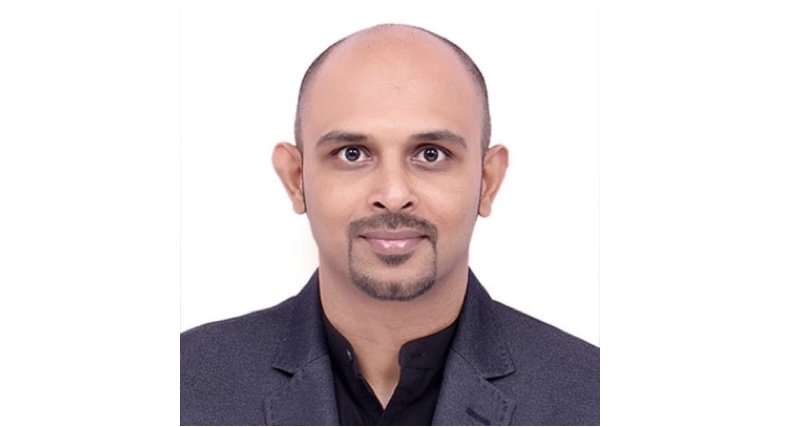
    MUMBAI: Shoumyan Biswas, one of India’s most pedigreed marketing minds, has just hung his boots at Tata Digital and laced up for his next sprint—as the global chief marketing and strategy officer at Practo. The move puts him squarely in the driver’s seat of the healthtech player’s next growth phase.

    Biswas, known for launching Flipkart Plus, scaling Big Billion Days, and making loyalty glamorous  again, isn’t your average CMO. He’s also held P&L roles, built brands from scratch, and juggled strategy, product, and people mandates across unicorns and FMCG giants alike.

    From starting out at Pepsi to orchestrating multi-million dollar brand lifts at Hindustan Unilever, scaling kitchen empires at Rebel Foods, advising ICICI Lombard’s board, and leading loyalty and growth at Flipkart and Tata, the man’s résumé reads like a marketer’s bucket list.

    At Tata Digital, he wore three hats—CMO, business head, and chief of group loyalty. Now, at Practo, he’s sharpening his scalpel to carve out new-age healthcare narratives, with a dose of data and digital sorcery.
    With over two decades of shaping brands and boosting bottom lines, this boardroom giant is now gunning for a healthier, wealthier Practo.

     Watch this space—Biswas rarely misses a prescription for impact.

  • Brand-time-performance wins the day as Warc unveil ‘Pace Principles’

    Brand-time-performance wins the day as Warc unveil ‘Pace Principles’

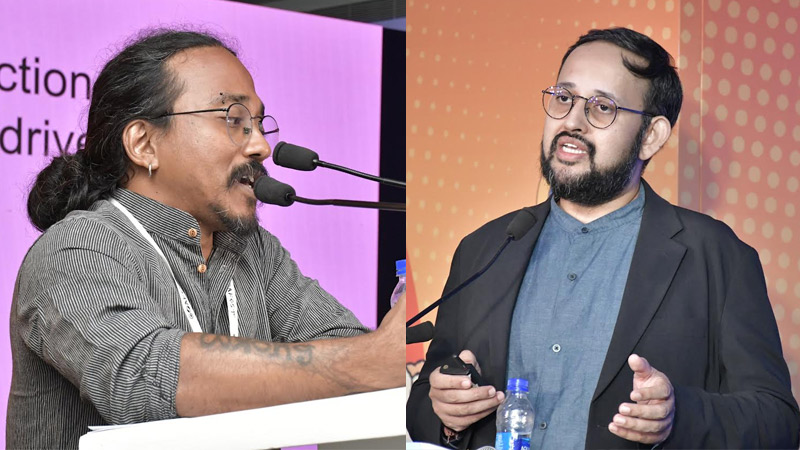
    MUMBAI: Speed met substance on day two of Goafest 2025 as Warc unveiled findings from the ‘Pace Principles’ report—a pioneering marketing effectiveness study rooted in Asian data. Amid the sun, strategy, and scribbles at Taj Cidade de Goa, two marketing heavyweights cut through the jargon to drive home a single truth: performance and branding aren’t rivals, they’re running mates.

    Sujeet Kulkarni – Global Advisory Consultant, Lions Advisory opened the session by underscoring that Warc’s insights are backed by the creative might of the Lions ecosystem. He dismissed the longstanding divide between brand-building and performance marketing. “Measuring brand and performance separately is a false premise”, he said. Instead, he urged marketers to view it through the lens of ‘brand-time-performance’, emphasising the role of time in cementing long-term success.

    According to Kulkarni, the sweet spot lies in marketing across six-and-a-half channels—a curious yet data-driven benchmark for campaign momentum. He stressed that marketers must “use time as an ally” to stay committed to sustained brand narratives.

    Warc India editor Biprorshee Das brought regional nuance into focus. He argued that speed has been wrongly cast as the enemy of brand investment. Citing Asian campaigns, he showed that a 50:50 split between conversion-focused and brand-building strategies yields the highest effectiveness. Das cautioned against treating long-term branding as a siloed initiative. Instead, he championed the “multiply effect”—a marketing phenomenon where cross-channel, time-sensitive integration drives better returns.

    The session didn’t shy away from bigger truths either. “Culture is not just about geography—it’s about the values we share”, Kulkarni concluded, suggesting that culturally relevant brands don’t just survive—they scale.

    The findings mark a turning point for marketers in Asia, urging a rethink on how success is measured—not just by short-term spikes, but by long-haul gains. With campaign tracking recommended beyond active periods, the call for better measurement frameworks grew louder through the day.


  • Agencies must connect, not just communicate, say industry leaders at Goafest 2025

    Agencies must connect, not just communicate, say industry leaders at Goafest 2025

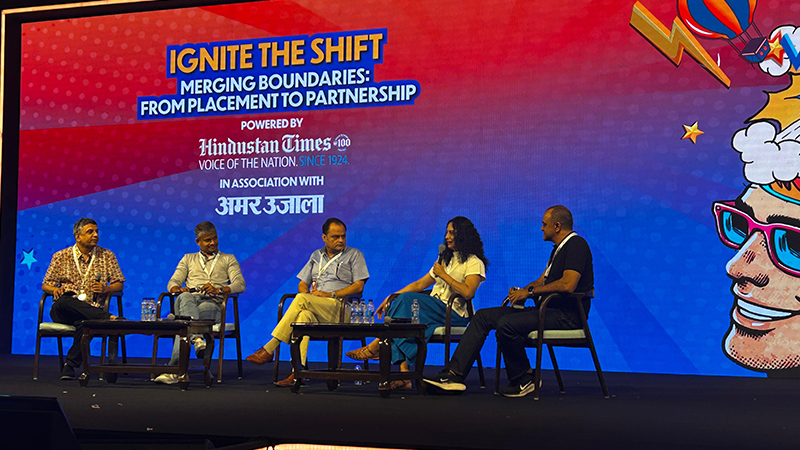
    MUMBAI: Goafest 2025’s marquee session, ‘Ignite The Shift’, powered by Hindustan Times and Amar Ujala, staged a spirited conversation on marketing’s evolving ecosystem. The panel, titled “Merging Boundaries: From Placement to Partnership”, brought together five sharp minds—Google India director – marketing partners Satya Raghavan, Starcom India CEO Rathi Gangappa, JioStar head of revenue, entertainment & international Ajit Varghese, Tata Commercial Vehicles CMO Shubhranshu Singh, and moderator Omnicom Media Group India group CEO Kartik Sharma—for a high-voltage discussion on what defines partnership, performance, and brand-building in 2025.

    Opening the session with nostalgic candour, Sharma remarked, “Media was once a business of placement; now it’s a business of partnership”. He added that today’s agencies juggle multiple hats—from storytellers and influencers to data miners and tech integrators.

    Gangappa drove the point home: “It’s no longer innovate or die—it’s connect or die”. She called on agencies to shift from delivering solutions to forging seamless partnerships. “Partnerships today are about connecting the dots—storytelling, media, commerce, influence, even loyalty—and doing it all with intelligence and empathy”.

    Varghese reinforced that clients today demand more, “Agencies now invest in first-party data and tech stacks, stitching solutions across OTT, mobile, and CTV”. From integration to insight, agencies, he said, must become navigators across a complex media map. “Clients expect segmentation, measurement, and execution to be interlinked. When they demand precision, we bend backwards”.

    Raghavan added flair with an Avengers analogy. “The agency is literally the CMO’s superpower”, he joked. “In today’s marketing universe, consumers flit between universes—Youtube, search, Shorts, and shopping. Pinpointing them with the right message at the right moment is the challenge—and technology is the bridge”.

    Singh brought it back to brand belief, “Separating performance from brand-building is a disservice”. He warned against the trap of short-termism. “If everything is dictated by last-click logic, brands lose soul. Media must also create scale and salience”.

    The panel echoed a shared frustration with how measurement obsession has stifled creativity. Singh recalled, “We’ve become a business of attribution. But not everything valuable is measurable”. Raghavan nodded, saying that AI should empower creativity, not constrain it. “We’re now designing better razors, not just machines that shave you”.

    As the session closed, Sharma fired a rapid question: “What are you doing today that would’ve sounded crazy five years ago?”

    Raghavan shared that Google India had built an internal martech platform just for partner enablement. Varghese said he uses AI to ideate around obscure marketing days like “World Menstrual Hygiene Day”. Singh, meanwhile, said it’s time to rename the agency itself. “The term ‘media agency’ no longer fits. We’re something more”.

  • Byte the Future AI is Serving Up Personalised Innovation

    Byte the Future AI is Serving Up Personalised Innovation

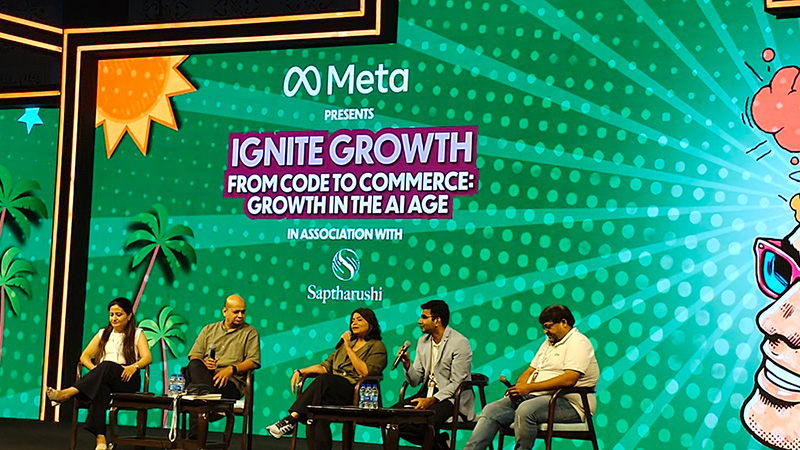
    MUMBAI: Who knew your AC could get to know you better than your flatmate? At GoaFest 2025, the session “From Code to Commerce: Growth in the AI Age” proved that artificial intelligence is no longer just a boardroom buzzword, it’s in your shampoo, your samosa delivery, your summer holiday plans, and maybe even your next Instagram ad.

    AI isn’t just flipping the script, it’s writing it, testing it, and turning it into 150,000 personalised versions overnight. In a power-packed panel at GoaFest 2025, leaders from HUL, Voltas, Makemytrip and Swiggy sat down with journalist Anuradha SenGupta to unpack how artificial intelligence is moving from the back end to front-of-house, making businesses smarter, faster, and far more personal.

    Voltas CMO Pragya Bijalwan  revealed how AI is transforming the home appliance business from cold machines to warm experiences. “Walk into a room and your AC already knows your favourite temperature,” she quipped. But it’s not just comfort AI is driving predictive maintenance, energy efficiency, and post-sale service readiness. Voltas uses customer data platforms to pre-empt service needs and personalise communication. One such campaign featuring their long-standing mascot ‘Mukti’ achieved a staggering 98 per cent CTR and an 87 per cent full-view rate with many recipients believing the video was speaking directly to them.

    HUL, head of media & digital marketing Tejas Apte shared how AI now powers product prototyping through the company’s Agile Innovation Hub, even allowing 3D-printed SKUs based on global trendspotting. AI also fuels the “Shikhar” app, used by kirana store partners now responsible for 20 per cent of HUL’s sales. Retailers can simply snap a photo of their shelf, and AI recommends stock-ups, upsells and even helps co-create hyperlocal ad campaigns. “Last year, we generated 150,000 AI-personalised video ads with Arshad Warsi customised to individual kirana stores,” said Apte.

    For Makemytrip, AI is less about flash and more about function. Director Sanket Tulangekar outlined how Myra, their AI assistant, has evolved to summarise reviews, answer natural language queries, and assist with travel planning. Myra now uses multi-agent orchestration, acting like an intelligent concierge handling everything from hotel bookings to activity recommendations. Tulangekar stressed the importance of red-teaming, bias testing, and moderation in ensuring AI-generated content is both accurate and safe.

    Over at Swiggy, VP Arjun Choudhary revealed how generative AI has quietly revolutionised internal operations. Sales teams now use AI co-pilots for performance insights, and restaurant partners receive personalised business analytics through conversational dashboards. “Even non-tech teams are generating demos and PRDs using AI,” said Choudhary. AI also boosts consumer experience through in-session personalisation and catalogue video generation. The company recently condensed a three-month cataloguing task into a single week using AI.

    Panelists agreed AI is now function-agnostic relevant across departments, not just digital teams. While job fears loom, Bijalwan emphasised it’s an evolution, not a threat. “It’s like when Google launched, initially scary, but now second nature,” she said.

    Ethics, however, remain a looming shadow. From labelling AI-generated ads to ensuring consent with India’s DPDP Act, companies are cautiously optimistic. “Change is inevitable,” the panel echoed, “but accountability must keep pace.”

    Whether you’re in media, FMCG, travel or tech, one thing’s clear: in the age of AI, relevance isn’t optional, it’s algorithmic.