Category: MAM

  • Pakka teams up with brands & innovators to protect forests

    Pakka teams up with brands & innovators to protect forests

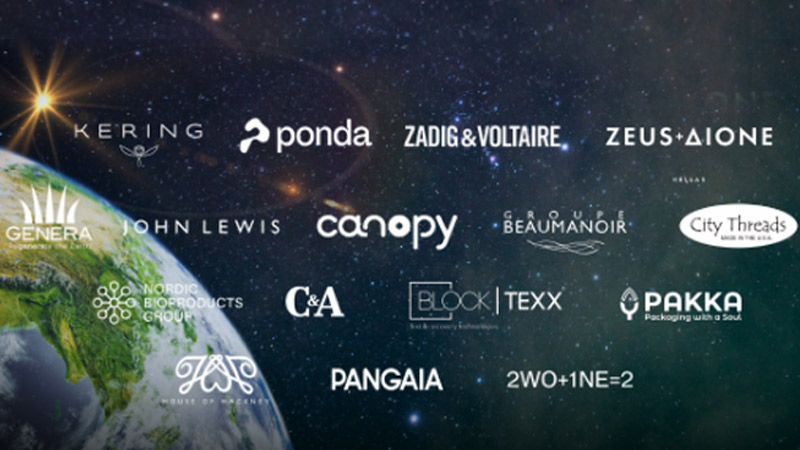
    Mumbai: In celebration of Earth Day, Pakka – pioneers of compostable packaging manufacturers in India, along with other 14 companies have committed to end sourcing from ancient and endangered forests in their textile and packaging supply chains, demonstrating their dedication to people and the planet. This commitment is part of the CanopyStyle and Pack4Good initiatives from solutions-driven environmental not-for-profit Canopy. Other forward-thinking fashion and lifestyle brands in today’s announcement include John Lewis & Partners, Kering, Groupe Beaumanoir, Zadig & Voltaire, C&A, PANGAIA, City Threads, 2WO+1NE=2, Zeus + Dione, and House of Hackney.

    Every year, 3.4 billion trees are cut down to make man-made cellulosic fibre (MMCF)-based textiles, like viscose and rayon, and for paper packaging. That is equivalent to two soccer pitches worth of forests being cut down every second. Beyond their commitment to preserving the world’s most climate and biodiversity-critical forests, these companies will also invest in low-carbon, circular fibre alternatives like Next Gen materials, and advocate for forest conservation and restoration globally.

    As next gen innovators — Pakka and other organisations like BlockTexx, Genera, Nordic Bioproducts, and Ponda offer solutions technologies that range from packaging solutions made from miscanthus pulp, clothing waste, wheat straw, or hemp residues to high-quality pulps for textiles and wetland-regenerating fibres. These innovators offer creative and low-impact alternatives to forest fibre. As new governmental regulations around deforestation, climate, and eco-design come into play, trailblazers such as these will provide the circular, climate-friendly materials that global brands need.

    Founded in Ayodhya in 1981 as Yash Papers Ltd, a leading manufacturer of low-grammage kraft paper, the company strategically forayed into sustainable packaging. It was rebranded as Yash Pakka in 2019 to align with the mission of creating and promoting compostable packaging solutions, rebranding once again in 2023 to emerge as Pakka Ltd. The company has established a global footprint, with its products accessible in over 40 countries and offices present in India, North America and it plans to establish a facility in Guatemala.

  • Pee Safe, SBI & Sky Social partner for menstrual hygiene initiative in MP & Chhattisgarh

    Pee Safe, SBI & Sky Social partner for menstrual hygiene initiative in MP & Chhattisgarh

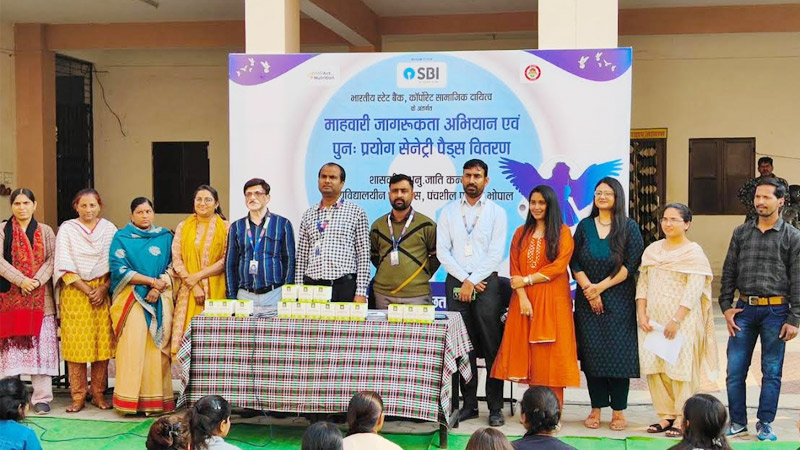
    Mumbai: In a unified effort to address menstrual health challenges and uplift young girls, SBI Foundation in collaboration with Sky Social and Pee Safe, a prominent proponent of menstrual hygiene, has initiated an endeavor across 35 districts in Madhya Pradesh and Chhattisgarh. This initiative aims to promote menstrual health and hygiene practices among girls in the region.

    The plan was guided by the expertise of Anil Kumar Shriwastava and Deepak Kumar Jha from the State Bank of India and championed by a committed team under the leadership of Srishti Pragat, Founder of Sky Social, and including Arunima Tiwari, Sudha Tiwari, Akshay Shukla, Raju Bele, and Anil Rangdale, alongside passionate youth volunteers, has received substantial backing from influential figures such as Binay Kumar Sahoo, Anupam Kumar, and Vikas Mishra, with invaluable contributions from Nupur Aggarwal and Sanat Sahu from Pee Safe, this collaboration is poised for impactful results.

    Covering 25 districts in Madhya Pradesh and 10 in Chhattisgarh, the project has reached over 17,500 school girls, providing practical support and empowering them with knowledge about safe and sustainable menstrual practices. Through workshops, sensitization sessions, and the distribution of reusable pads, the initiative aims to reduce school dropouts due to menstruation-related issues and create a supportive environment for discussing menstrual health.

    Vikas Bagaria from Pee Safe expressed his commitment to the cause, stating, “We are honored to collaborate with SBI Foundation and Sky Social as a Resource Partner, providing reusable pads and comprehensive training. This initiative reflects our joint commitment to menstrual hygiene, women’s empowerment, and sustainable solutions.”

    SBI chief manager PR and CSB Vikas Kumar said, “SBI is proud to collaborate with Sky Social and Pee Safe on this impactful initiative to address menstrual health and hygiene. By reaching out to more than 17500 girls across 35 districts, we’re demonstrating our commitment to empowering communities and fostering sustainable development. We’ve reached out to many remote locations across Madhya Pradesh and Chhattisgarh and have travelled 6,500 kms across both the states. More than 800 teachers and school wardens were also reached out through this project and are now more aware of menstrual health and hygiene issues.

    The girls have been provided with a sanitary pad kit consisting of three reusable pads that’ll last up to two years. Through a project like this, we’re able to make a tangible difference in the lives of girls, ensuring access to essential resources and promoting dignity for all.

    By distributing reusable sanitary pads sourced from Pee Safe, we are not merely offering a temporary fix, but actively promoting long-term solutions that empower girls to manage their menstrual health. This project exemplifies our belief in the transformative power of collaboration and collective action.

    The initiative, a part of SBI Foundation’s CSR activities, emphasizes the collective effort to promote menstrual hygiene, break taboos, and ensure access to safe period products, ultimately contributing to the holistic well-being of women in Madhya Pradesh and Chhattisgarh.

    Sky Social founder Srishti Pragat said, “Our dedication to promoting menstrual health and hygiene transcends mere advocacy—it’s a mission deeply rooted in our belief in the fundamental rights and dignity of every individual. The project has been implemented in over 120 schools and hostel facilities, equipping not only girls but school teachers and wardens on menstrual health and hygiene management. By addressing the taboo surrounding menstruation head-on, we aimed to dismantle stigma and foster open conversations that empower girls to manage their menstrual health with confidence and pride. The distribution of reusable sanitary pads has empowered many girls and has given them the confidence to manage their menstruation in a hygienic manner.”

    Through collaborative efforts SBI, Pee Safe, Sky Social are paving the way for a future where menstrual health is prioritized, stigma is eradicated, and every individual has the opportunity to thrive with dignity and respect.

  • Chai Sutta Bar backed Maatea launches ‘Maatea ki Mehfil’ initiative

    Chai Sutta Bar backed Maatea launches ‘Maatea ki Mehfil’ initiative

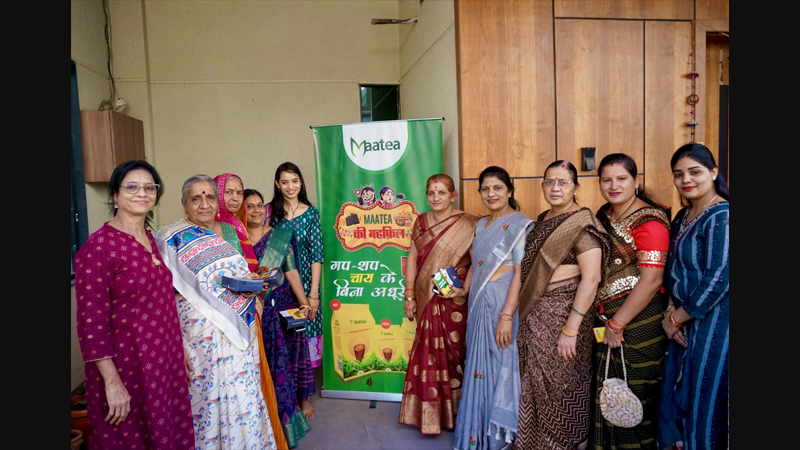
    Mumbai: Chai Sutta Bar’s latest tea venture, Maatea, is proud to announce the launch of its new initiative, ‘Maatea ki Mehfil,’ inviting women groups for engaging kitty parties and ‘gupshup’ sessions while enjoying their favorite cup of tea. To foster connections with women and provide a platform for meaningful conversations over tea, Maatea is set to redefine tea-drinking experiences in Indore.

    ‘Maatea ki Mehfil’ represents the essence of Maatea’s commitment to creating memorable experiences around tea. The initiative invites women’s groups to gather and enjoy the warmth of togetherness, laughter, and, of course,  lovely tea. Whether it’s a casual catch-up session or a themed kitty party, ‘Maatea ki Mehfil’ promises to be a delightful blend of tradition and modernity, perfectly complementing the diverse tastes and preferences of tea enthusiasts. The participants can also get discount coupons which can avail them 50 per cent off while buying Maatea.

    “We believe that tea has the power to bring people together and create lasting bonds,” added Chai Sutta Bar co-founder Anand Nayak.  “Maatea ki Mehfil’ is our way of celebrating these bonds and providing a platform for women to connect, relax, and enjoy the simple pleasures of life.”

    “Tea has always been more than just a beverage; it’s the most important part of a conversation, laughter, and shared moments. With ‘Maatea ki Mehfil,’ we aim to create a welcoming space where women can come together, unwind, and forge meaningful connections while enjoying our exquisite range of teas.” said Chai Sutta Bar co-founder Anubhav Dubey.

    Chai Sutta Bar director Rahul Patidar said, “I’m thrilled to introduce ‘Maatea ki Mehfil,’ an endeavor dedicated to honoring the timeless tradition of tea and nurturing a sense of community. We warmly invite women’s groups in Indore to partake in distinctive tea experiences, coming together in the shared delight of chai.”

  • Spottoday and Post Babe: WideEyes Digital’s Cornerstones of Indian Entertainment

    Spottoday and Post Babe: WideEyes Digital’s Cornerstones of Indian Entertainment

    In the vibrant tapestry of Indian entertainment, Spottoday and Post Babe emerge as cornerstone platforms, each owned by the esteemed WideEyes Digital. With Spottoday amassing an impressive 800k+ followers and Post Babe cultivating a dedicated audience of over 500k+, these platforms have become integral pillars of the nation’s digital landscape.

    Spottoday takes centre stage as the ultimate destination for all things celebrity, movie reviews, and paparazzi captures from both Bollywood and Hollywood. With its exclusive insights and behind-the-scenes glimpses, Spottoday offers fans an immersive experience into the glitz and glamour of the entertainment world, ensuring they remain captivated and informed.

    On the flip side, Post Babe offers a refreshing escape into the everyday moments that define our lives. Through relatable content, witty humour, and heartfelt anecdotes, Post Babe creates a digital sanctuary where followers can find solace, laughter, and connection in shared experiences.

    Despite their divergent focuses, Spottoday and Post Babe share a common commitment to providing engaging and authentic content that resonates with their audiences. While Spottoday dazzles with its star-studded features and exclusive access to celebrity culture,   
    Post Babe offers a comforting retreat into the warmth and authenticity of everyday life.

    As cornerstones of Indian entertainment, Spottoday and Post Babe continue to push boundaries and set standards for creativity and engagement. With their massive followings and visionary leadership by WideEyes Digital, these platforms are poised to shape the future of entertainment in India, enriching the lives of millions with their diverse and captivating content.  
     

  • Semicolon stories: How women entrepreneurs are redefining success and overcoming adversity

    Semicolon stories: How women entrepreneurs are redefining success and overcoming adversity

    Mumbai: In recent years, the rise of women entrepreneurs has significantly altered the business landscape. Women are not only carving out spaces for themselves in various industries but are also redefining what success looks like. Their journeys, fraught with challenges and marked by resilience, offer inspiring lessons on overcoming adversity. This article delves into how women entrepreneurs are reshaping success through authenticity, community-building, and sustainable practices.

    Breaking through barriers

    Women entrepreneurs often begin their entrepreneurial journey facing a multitude of barriers, from systemic biases in funding to societal expectations about their roles. Despite these obstacles, they persist, breaking through ‘glass ceilings’ to create opportunities not just for themselves but for other aspiring women as well. Their success stories are not just about personal achievement but about dismantling long-standing barriers in industries traditionally dominated by men.

    Redefining success

    For many women entrepreneurs, success goes beyond mere financial gains. It encompasses a broader vision involving authenticity, ethical practices, and sustainable growth. These leaders prioritize building businesses that reflect their values and ethics, often focusing on community impact and long-term viability over quick profits. This shift is influencing broader business practices and encouraging a move towards more responsible and inclusive economic practices.

    Building communities

    Another significant aspect of the journey of women entrepreneurs is their focus on community building. Recognizing the strength in unity, they forge networks that support and uplift other women, creating ecosystems that nurture innovation and mutual growth. By mentoring the next generation, they ensure that their knowledge and experience are not lost but passed on to empower more women to step forward and lead.

    Overcoming adversity through innovation

    Innovation is a key driver for women entrepreneurs as they navigate through their unique challenges. They often need to be exceptionally creative to overcome prejudices and access resources that are more readily available to their male counterparts. This necessity breeds innovation, not just in terms of products or services but in the very approach to business. Leveraging technology, finding niche markets, and employing unique marketing strategies are among the ways women entrepreneurs excel and differentiate their businesses in competitive markets.
    Inspiring future generations

    The impact of women entrepreneurs extends beyond their immediate business achievements. By breaking norms and achieving success, they serve as role models for future generations. Their stories inspire other women to pursue their dreams and persevere through difficulties, thereby fostering a more inclusive and equitable entrepreneurial ecosystem. They demonstrate that with determination and resilience, obstacles can be transformed into stepping stones towards success.
    The path forward

    As more women rise to the top of their fields and start their ventures, the definition of success will continue to evolve. The focus is likely to shift even more towards sustainable practices, community impact, and collaborative success. The narrative of women in business is increasingly about creating meaningful, lasting change that not only profits but also progresses society.

    In conclusion, women entrepreneurs are not just participating in the business world; they are actively reshaping it to be more inclusive, ethical, and community-focused. Their journeys of overcoming adversity and redefining success provide compelling narratives that not only inspire but also pave the way for a more diverse and dynamic future in business. Through their resilience, determination, and innovative spirit, they are building a legacy that will inspire generations to come. As they continue to challenge the status quo and redefine boundaries, the stories of these women will remain crucial in understanding the evolving landscapes of entrepreneurship and success.

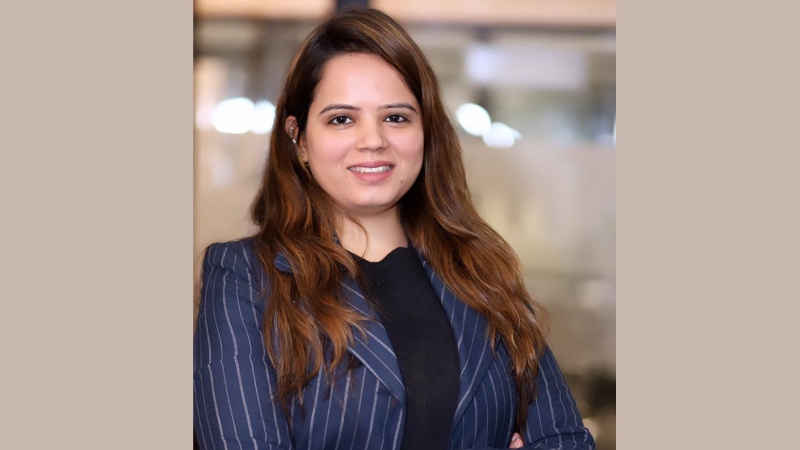
    The author of this article is Media Maniacs Group founder Surabhi Trivedi.

  • Balancing Art: Strategies for maintaining work-life harmony in a corporate environment

    Balancing Art: Strategies for maintaining work-life harmony in a corporate environment

    Mumbai- Picture this: You finally escape the office after a marathon of meetings, only to find yourself checking work emails over dinner with loved ones. This scenario is all too familiar for many in the corporate world, where work-life balance can seem more elusive than ever. As pressures mount and technology keeps us constantly connected, maintaining harmony between work and personal life becomes increasingly important. According to a 2023 Randstad study, 72% of employees believe a healthy work-life balance is crucial for their well-being and productivity.

    Defining Work-Life Harmony

    Work-life harmony isn’t merely about spending equal time at work and home. It’s about finding a satisfying equilibrium that feels right for you—balancing professional demands with personal interests and self-care. When you achieve this balance, you unlock a treasure trove of benefits – increased productivity, greater job satisfaction, and a healthier, happier you.

    The Indian Corporate Challenge

    The Indian corporate world throws several curveballs at achieving work-life harmony. Long hours are par for the course, deadlines are unforgiving, and the pressure to be constantly available blurs the lines between work and personal life. A 2024 Hub staff report paints a concerning picture: 26% of salaried Indian employees routinely work beyond office hours, and a staggering 62% check work emails even during personal time. This constant connectivity makes it incredibly difficult to truly disconnect and recharge.

    Strategies for a Balanced Act

    Both individuals and companies have a role to play in creating a work-life balance ecosystem. Here’s how:

    Individual Strategies:

    1   Draw the Line: Establish clear work hours and stick to them religiously. Avoid checking work emails or taking calls outside those designated times. This creates a crucial separation between work and personal life.

    2   Prioritize Like a Pro: Focus on the most important tasks. Don’t be afraid to delegate or reschedule less urgent ones. This helps manage your workload effectively and reduces stress.

    3   Time Management Hacks: Employ tools like to-do lists and task prioritization to maximize your productivity. Remember, a well-managed schedule is a stress-free schedule.

    4   The Power of Disconnecting: Schedule regular digital detoxes. Shut off work emails and calls during personal time. This allows you to recharge and return to work with renewed focus.

    5   Self-Care is the Secret Weapon: Prioritize your physical and mental well-being. Exercise, meditation, or pursuing hobbies can significantly boost your resilience and performance at work.

    Communication is Key

    1   Talk it Out: Have open and honest conversations with your manager about workload, deadlines, and expectations. Clear communication can lead to a more manageable workload and a better understanding of your priorities.

    2   Explore Flexibility: Discuss flexible work arrangements like compressed workweeks or remote work (if applicable). Studies have shown that remote work options can significantly improve work-life balance for Indian employees.

    The Company’s Role

    Companies have a responsibility to foster a work-life balance culture. Here’s how they can contribute:

    1   Embrace Flexibility: Offer flexible work hours or remote work opportunities. This empowers employees to manage their time more effectively and achieve a better work-life balance.

    2   Prioritize Well-being: Invest in wellness programs to support employee well-being. This could include anything from gym memberships to mindfulness workshops.

    Remember, It’s a Two-Way Street

    The Hubstaff report also revealed a crucial statistic: 33% of employees with a positive work-life balance are more likely to stay with their current employer. This highlights the importance of work-life balance for employee retention.

    Conclusion: Finding Your Harmony

    Work-life balance in today’s corporate world isn’t just about juggling time; it’s about weaving your professional and personal life into a tapestry of fulfillment. By setting boundaries, prioritizing tasks, and taking care of yourself, you can navigate the demands of your job while nurturing a healthy personal life. Companies that champion a culture of flexibility and well-being can empower their employees to achieve this balance.

    Whether you’re a young professional starting your journey or a seasoned manager, finding the right work-life balance is a continuous effort. Take charge by implementing these strategies and fostering open communication. By doing so, you can create a fulfilling and harmonious balance that enriches both your professional and personal life.

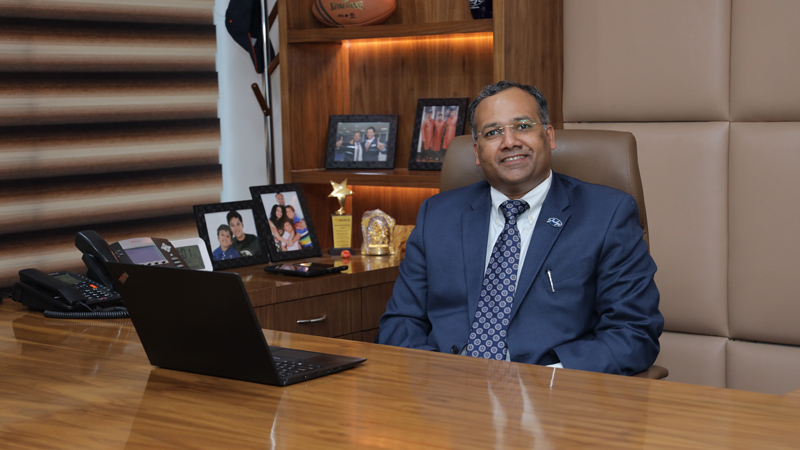
    The author of this article is Abhishek Agarwal, President – Judge India & Global Delivery at The Judge Group. 

  • Navigating the risks of electric vehicle startups

    Navigating the risks of electric vehicle startups

    Mumbai: The electric vehicle (EV) transition is well under its way in India. As our urban centers swell and environmental concerns grow, the attraction of EVs only increases. Yet, for startups in this promising industry, the road is filled with both grand opportunities and formidable challenges.

    Today, an EV startup begins its journey in the backdrop of robust government support and a societal shift towards sustainability. The government has implemented measures such as the faster adoption and manufacturing of hybrid and electric vehicles (FAME) scheme, which incentivizes both manufacturers and consumers through subsidies and benefits. This policy framework is critical because it lowers the barriers to entry for new players and reduces the cost burden on consumers. Additionally, as environmental consciousness rises among our population, more consumers are drawn to EVs as a cleaner alternative to traditional combustion engines.

    However, the path for EV startups is not without obstacles. One of the most significant hurdles is the high initial cost of electric vehicles, primarily due to the expensive batteries that power them. These costs pose a considerable challenge in pricing EVs competitively against conventional vehicles. Additionally, the infrastructure for charging these vehicles is still in its infancy. The lack of widespread and easily accessible charging stations and battery swapping facilities creates ‘range anxiety’ – a concern that EVs can’t undertake long journeys without running out of power.

    Compounding these challenges is the dependency on international markets for critical components like lithium, used in batteries. This reliance exposes Indian startups to global supply chain volatility and potential disruptions, which can impact both production schedules as well as costs. While diversifying supply sources and investing in local capacities may mitigate these issues, they don’t help in the short term. Furthermore, the current market offers limited models of EVs, limiting consumer choice and potentially slowing down the rate of adoption.

    Despite these challenges, there are also vast opportunities. The ongoing expansion of charging infrastructure, driven by both public and private investments, promises to gradually alleviate range anxiety. This expansion will not only make EVs more practical for daily use but also opens up new business avenues for startups focused on charging solutions and battery technology.

    Potential technological collaborations also present another bright spot. Partnerships between Indian startups and leading global tech companies can introduce cutting-edge advancements in battery life and vehicle efficiency into our market. These collaborations are vital for keeping pace with the rapid technological evolution in the EV space and staying competitive against both domestic and international automotive giants.

    Also, as mentioned earlier, growing urban congestion will boost demand for efficient and clean transportation, offering a continuously growing market for EVs. This local growth, coupled with the potential for exporting to other developing nations, provides a lucrative opportunity for scale and impact.

    However, navigating this landscape requires more than just innovative technology and government support; it demands a strategic approach to managing risks. EV startups must be agile, ready to adapt to technological advancements and leverage data analytics to anticipate shifts in consumer preferences. They must also continue advocating for consistent government policies to ensure a stable investment and operational climate.

    Ultimately, the success of EV startups in India will hinge on their ability to turn these challenges into stepping stones. By leveraging government incentives, adopting advanced technologies, and continuously innovating in response to infrastructure and market needs, these companies can not only survive but thrive. The journey of electric vehicle startups in India will indeed be a testament to the dynamic interplay of risk and opportunity – a story of navigating uncharted territories to build the future of our transportation.

    The article has been authored by entrepreneur and graduate of Harvard Business School Sajju Jain.
     

  • “OEM ecosystem advertising helps reach scale and find new audiences efficiently & confidently”: Ashwin Shekhar

    “OEM ecosystem advertising helps reach scale and find new audiences efficiently & confidently”: Ashwin Shekhar

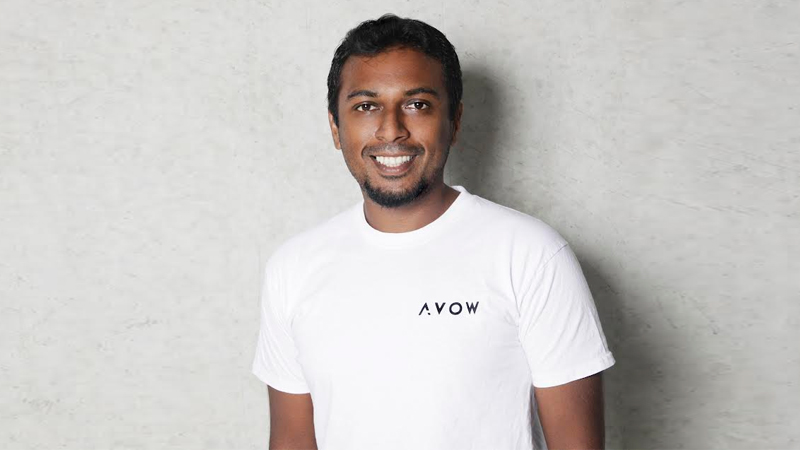
    Mumbai: In the ever-evolving landscape of mobile advertising and app monetisation,  AVOW is at the forefront, pioneering innovative strategies to maximize client outcomes.

    Leveraging mobile OEM advertising has become a cornerstone of their approach, especially amidst the surge of sports marketing and festive seasons in India. AVOW’s mastery of intricate monetization strategies tailored to diverse geographical areas, coupled with their proprietary technology like AVOW Intelligence, sets them apart in the market.

    As regulations like the EU’s Digital Markets Act (DMA) and India’s Digital India Act (DIA) reshape the industry, AVOW anticipates and adapts, fostering collaborative innovation and embracing the opportunities presented by alternative app stores and OEM partnerships. With a focus on sectors like fintech, gaming, OTT, and e-commerce,

    Indiantelevision in conversation with  AVOW, co-founder Ashwin Shekhar shed light on AVOW’s approach to mobile OEM advertising, particularly focusing on its utilisation during significant sporting events and festive seasons, collaborative innovation initiatives, adaptation to regulatory changes, and future business strategies.

    Edited Excerpts

    On AVOW leveraging mobile OEM advertising to facilitate gaming monetization strategies for brands and app developers, especially amidst the rise of sports marketing with OEM players

    Smartphones have seamlessly connected sports lovers to apps. During the IPL 2023, roughly 70 per cent of digital viewers engaged with their smartphones for various activities, including checking match updates, participating in online discussions about the IPL, ordering food online, playing fantasy cricket and exploring related promotions. This engagement demonstrates the seamless connection between sports enthusiasts and mobile apps, providing a rich environment for focused advertising campaigns. Moreover, sports betting and games app downloads increased by 53 per cent and 14 per cent respectively during the IPL 2023 season. (Source: Adjust Mobile App Trends)

    This kind of outreach demands advertisers to master intricate monetization strategies and show remarkable flexibility in adopting diverse business models tailored to different geographical areas. On the other hand, developers must balance their approaches while implementing a mixed model of In-App Purchases (IAP) and In-App Advertising (IAA). Interestingly, over 80 per cent of mobile gamers are interested in in-game ads and 30 per cent of all the Gen Z and millennial gamers spend money on IAP.  

    The emergence of several gaming centres such as Xiaomi Game Centre signifies the growth of on-demand gaming, along with an upsurge in alternative payment ecosystems. By uploading to OEM native app stores with their corresponding payment services, opening their shops, and marketing their offerings directly to their user base, game and app developers are edging away from the monopolistic shadows of Google and Apple.

    On AVOW’s strategies around trends in app downloads during significant sporting events versus India’s festive seasons to maximize client outcomes

    India is a land of festivals where all the sporting events are celebrated with increasing enthusiasm year after year. Consumer trends reach new heights during important festivals and major sporting events.

    D2C brands, gaming developers and mobile marketers plan to go big with Mobile OEM advertising during festive and sports seasons. The D2C segment along with e-commerce players made Rs 76,000 crore in sales during the festive season of 2022. where tier II and III cities outperformed, accounting for a significant share of purchases made through digital devices and smartphones.

    Sports streaming via mobile apps is growing annually. In 2022, a record-breaking 32 million global users viewed the FIFA World Cup Final 2022 on JioCinema. Last year, it was estimated that over 550 million viewers engaged during the IPL 2023, with 61 per cent of IPL viewers doing so via smartphones. Revenue from digital ads climbed by 33 per cent in 2023, peaking at Rs 20 billion, or more than US$241 million.

    Some of the largest RMG apps do a bulk of their advertising during the IPL season, with dream11 a sponsor of the IPL. My11Circle —another major app that has utilized mobile OEM advertising to its fullest– runs promotions on their app during the IPL season, providing daily prizes of up to Rs 3 crore for participating customers.

    With over 1.5 billion untapped daily active users, OEM platforms such as Xiaomi, Huawei, Oppo, OnePlus, Realme Transsion and Vivo, represent a vast resource for mobile app marketers seeking to draw in new users and boost app downloads, Alternative app stores are a viable option for brands from all verticals, from D2C brands to e-commerce and mobile gaming. Mobile OEMs ought to be a default part of businesses’ marketing mix in 2024 and beyond.

    Advertisers looking to create more personalised and engaging campaigns can employ display ads, full-screen videos, splash ads, and appographic marketing. For apps looking to stand out in a crowded app market Dynamic Preloads, which leverages Mobile OEMs’ ability to recommend apps to users during the setup of a new mobile phone, is an extremely successful user acquisition strategy. Capitalizing on Private Marketplace (PMP) deals can provide new avenues for user acquisition and generate incremental ROAS from advertising campaigns that are action-driven. PMPs allow advertisers to bid on specific ad inventories for specific times during major sporting events.

    Advertisers need to pay only for installs (CPI), rather than clicks (CPC), making it a prime advantage of mobile OEM advertising. Thus, mobile app developers can reach millions of people without spending much, making mobile OEM advertising a trustworthy source to connect with quality users. Additionally, as all the layers between users and advertisers get eliminated, mobile OEM advertising fosters a fraud-free environment to run ad campaigns.

    On the role of collaborative innovation in AVOW’s approach in 2024

    Privacy regulations including the App Tracking Transparency framework and Android’s Privacy Sandbox have a profound impact on the industry, leading to a reduction in the average mobile advertiser’s ROI and diminishing the target capabilities of publishers.

    Considering such privacy changes by giant players in the industry, mobile OEMs are increasingly inclined towards collaborative innovations such as creating and adopting a new tracking standard, similar to that of the Open Anonymous Device Identifier (OAID) introduced by the Mobile Security Alliance (MSA), rather than coming up with individual proprietary solutions. These collaborations are strategic endeavours to safeguard the prospects of mobile OEMs against the depreciation of Google Advertising ID (GAID), or in places where GAID cannot be used. MMPs and mobile OEMs will work hand in hand to ensure that this new tracking standard and the subsequent attributions are carried out accurately, so the advertisers know the “where, what and how” of the campaign success. They aim to offer an efficient solution, helping maintain the efficacy of advertising campaigns while limiting the performance drop experienced by lost targeting capabilities.

    On  AVOW anticipating the impact of regulations like the Digital Markets Act (DMA) and the Digital India Act (DIA) on its operations in India’s advertising and marketing sector

    Under the EU DMA law, industry gatekeepers like Apple and Google are now required to allow users to download alternative app stores on iOS and Android. Furthermore,  they’ll have to let consumers select the default apps on new smartphones. I believe this marks the beginning of a new era in the smartphone and apps space. Eventually, it’s all about consumer choice and allowing competition so that there can be more successful companies—not fewer. Undeniably, the industry needs big brands, but it is smaller companies that help achieve scale so that industry and technology make headway. This felt like a dream previously. However, with the DMA’s support, and the Indian Digital Competition Act, hopefully, it will turn into a fairer competitive environment for all.  We can start to see the foundations of these alternative app stores being laid in India, with the launch of the Indus App Store by PhonePe. An App store made in India, for India, with apps in 12 distinct Indian languages. This is the sort of innovation and competition that these regulations are meant to foster. An App Store that takes no commissions for in-app payments and freely allows the integration of any payment solution is precisely the freedom of choice that mobile OEMs and alternative app stores provide.

    On AVOW adapting to the changing landscape of media buying in mobile OEM advertising, and it uses data and technology to ensure successful strategies for its clients

    The award-winning, global app growth company, launched its proprietary technology called AVOW Intelligence to help mobile marketers overcome one of their biggest challenges- the limitation of buying OEM advertising inventory individually from different OEMs. Purchasing from each OEM platform is not only cumbersome but also lacks in providing complete views of one’s marketing campaign performance. Another challenge is optimizing the campaigns across multiple OEM platforms without being able to merge them into one tool.

    A first-of-its-kind tool, AVOW Intelligence processes enormous amounts of data from multiple OEMs and mobile measurement partners (MMPs), bridging the gap between media buyers and data and offering critical insights and analysis to support real-time data-driven decision-making. The tool offers actionable insights by combining different data sources for a cohesive strategy. These insights result in a highly focused yet cost-effective campaign that gradually reduces acquisition expenses.

    At AVOW, we leverage our team and technology to optimize for down-funnel events. We focus on the outcomes beyond the initial install, such as in-app purchases, sign-ups, and/or subscriptions. With a deeper understanding of the user journey, we help create campaigns that are optimized for meaningful, long-term results.

    On  AVOW’s business and marketing strategies for 2024-25, and it aims to seize emerging opportunities while addressing potential challenges

    We provide an innovative solution for mobile OEM aggregation that enables app discovery on several alternative app stores and facilitates a higher return on advertising spend (ROAS). Our unparalleled access to the mobile OEM user base combined with our unmatched customer-centric approach has led to our faster and more steady growth.

    We will continue raising awareness around the tremendous potential that mobile OEMs offer and its many benefits to mobile marketers and app developers. Our team’s extensive experience in performance optimization allows us to assist clients as they get to grips with OEM marketing. It has become indispensable for mobile marketers to include mobile OEM advertising in their marketing mix by default. Since India is our largest inventory market, we will focus on on-device display ads delivery, retargeting, and Dynamic Preload services as major strategic areas.

    On the changing mobile marketing landscape and legislation front, the EU’s landmark Digital Market Act (DMA) aimed at breaking the tech’s big players’ monopoly has an impact on similar legislation in India and other countries. With DMA in effect, users can not only download alternative app stores on iOS and Android but are also free to choose the default apps on new smartphones. This will help foster fairer competition and support startups.

    On AVOW’s partnerships with players in sectors such as OTT, fintech, and e-commerce leverage OEMs to enhance customer acquisition and specific strategies that AVOW use in these collaborations

    AVOW provides access to over 1.5 billion daily active users (DAUs) and over 10 million monthly downloads for its clients. Advertising within the OEM ecosystem helps reach scale and find new audiences efficiently and confidently. We leverage dynamic preloads to help brands become the users’ first choice when they start the device for the first time. We aim to increase the LTV and install rates of these apps with dedicated placements.. All these together open up avenues for larger customer acquisition.

    For instance, Fintech services across verticals such as digital payment services, crypto trading, Buy Now Pay Later (short-term financing), lending, and personal finance, and insurance apps have been growing at an unprecedented rate. Notably, the fintech sector in India is expected to generate $400 billion in value creation by 2030, indicating a 4X increase from its level in 2023.

    Giant Indian fintech apps, such as Navi and ACKO have used alternative app stores and mobile OEM advertising to drive incremental user growth and maximize ROAS (Return On Ad Spend) for their apps. Investing in mobile OEM alternative app stores has helped these fintech apps tap newer audiences, resulting in a more viable revenue stream.  

    On the sectors that AVOW identifies  as having significant growth potential, and its intention to seize upon these opportunities

    We believe fintech, gaming, mobility, OTT, and e-commerce are some of the sectors which present a huge scope to address the needs of players. We are dedicated to making mobile OEM advertising accessible for brands and apps while remaining performance-oriented in the Indian market.

    On AVOW scaling its team to support business growth and expand its range of services/products

    With Melissa Bohlsen as chief marketing officer and Guenole Le Gall as the new vice president of client strategy, we are all geared up for our next phase. Melissa’s acumen in mobile marketing and impressive leadership experience together with Guenole’s extensive experience and expertise in mobile advertising and digital marketing empowers the AVOW team to fulfill its ambition of revolutionizing the mobile OEM market in India and other global markets. With both of them on board, I’m confident that we will continue our growth trajectory and set new benchmarks in the industry.

    On factors contributing to AVOW’s success in India, and what insights can you share regarding its response and achievements in the market

    AVOW has observed a remarkable 6-year track record of exponential year-on-year growth in the mobile OEM marketing space. AVOW is the only company holding strong partnerships with all premium mobile OEMs such as Xiaomi, Huawei, Oppo, OnePlus, Realme, Transsion and Vivo, accounting for over 62 per cent of the India market share.

    In a dynamic market like India, we have successfully collaborated with leading industry players including Amazon Prime, Navi, Zupee, Unacademy, Paytm, Swiggy, JioMart, MPL, Byju’s and Matrimony.com providing incremental user growth and engagement for their mobile apps. To deliver exceptional value to our clients and strengthen our roots in the country, we welcomed Meliisa Bohlsen and Guenole Le Gall in our leadership team. From launching apps on multiple mobile OEMs to fine-tuning user acquisition campaigns for maximum results, our client services team in India functions as an extension of our client’s internal growth teams, offering a holistic 360-degree service experience throughout their mobile business growth journey.

    With the launch of our proprietary technology, AVOW Intelligence, we aim to revolutionize mobile OEM advertising by giving a smart and holistic view of media inventory across premium mobile OEMs, in one platform. This empowers us to provide clients with a competitive advantage when running user acquisition campaigns on alternative app stores.
  • Almonds Ai opens new office in Dubai

    Almonds Ai opens new office in Dubai

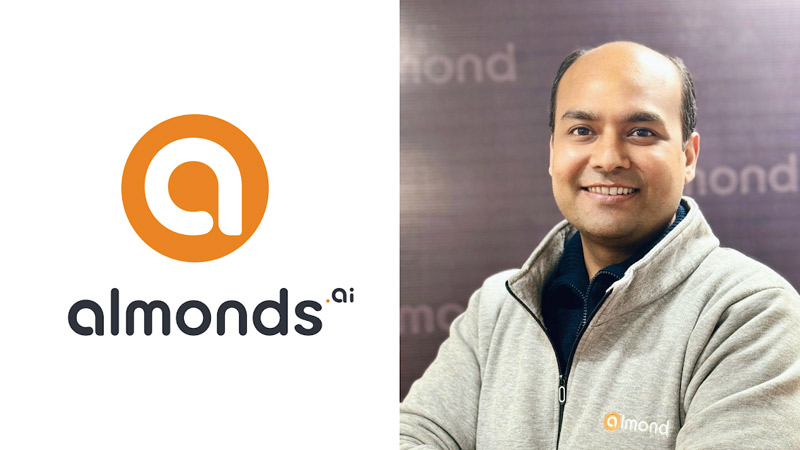
    Mumbai: Almonds Ai, a pioneering force in B2B loyalty and channel partner engagement solutions, proudly announces the expansion of its global presence with the opening of a new office in Dubai, United Arab Emirates, marking a significant milestone in the company’s expansion strategy.

    The expansion to Dubai aligns perfectly with Almonds Ai’s vision to cater to the evolving needs of businesses across diverse sectors. By leveraging the opportunities presented in the vibrant Dubai market, Almonds Ai aims to foster stronger relationships with existing clients while forging new partnerships to drive mutual growth and success.

    The opening of the Dubai office underscores Almonds Ai’s commitment to global expansion and its ability to attract top-tier industry partners. This strategic move will further strengthen the company’s position as a leading provider of transformative B2B loyalty and channel engagement solutions, empowering enterprises worldwide to drive sustainable growth and success.

    The new Dubai office will allow the company to collaborate more closely with regional clients, providing localised expertise and seamless support to elevate their channel sales and marketing initiatives.

    The company also secured funding from prominent Dubai-based anchor investors. The funding will be used primarily to fulfill regional resource requirements & technology enhancement. The anchor investment from prominent Dubai-based investors underscores Almonds Ai’s commitment to global expansion and its ability to attract top-tier industry partners.

    “At Almonds Ai, we are tirelessly innovating to cater to our client’s evolving needs and to deliver on our brand promise of ‘Happier Channel Partners, Healthier Bottom Line. Our new Dubai office will enable us to better serve the unique needs of enterprises in this dynamic region, delivering transformative AI-powered loyalty and channel engagement solutions to help them thrive in an increasingly competitive landscape.” Almonds Ai co-founders Abhinav Jain & Apurv Modi jointly said.

    Leveraging its innovative Channelverse platform and advanced AI capabilities, Almonds Ai empowers distribution-led companies of all sizes to drive accelerated revenue growth through optimized channel partner engagement. As Almonds Ai embarks on this new chapter, the company remains committed to driving innovation, fostering collaboration, and delivering measurable value to its clients worldwide.

  • Manipal Digital expands its global footprints

    Manipal Digital expands its global footprints

    Mumbai – Manipal Digital, one of the largest creative production businesses, serving brands and agencies globally and a business unit of Manipal Technologies Limited (MTL) is thrilled to announce its global expansion with the inauguration of new offices in Chicago, USA and London, UK. This marks a significant milestone in the company’s commitment to serve its international clientele and explore new avenues for growth through its wide range of digital solutions.

    Manipal Digital has established a strong presence in the international market by working closely with global brands, design agencies, production houses, printers, advertising, and retail activation providers. It offers design, production, and content amplification for the Fashion, FMCG, and Entertainment industry.

    With the strategic expansion into the UK and USA markets, Manipal Digital will harness its expertise in AI-based digital content for design, production, and marketing applications to effectively address the evolving needs of its clients.

    “Manipal Digital’s newly established offices are a testament to our dedication towards delivering exceptional services to our clients across the globe”, said Manipal Digital CEO Guruprasd Kamath. “With our unwavering commitment to innovation, we are confident that our comprehensive range of digital solutions will help organizations deliver a seamless experience to their customers. We look forward to leveraging the large ecosystem of the USA and UK to drive value for clients. Our expertise in AI-based digital content for the design, production, and marketing applications, enables businesses to effectively engage with consumers”, he further added.

    Commenting on the occasion, Manipal Digital VP pre-media Vikrant Hiremath said, “Expanding our global presence, we are excited to navigate growth and deliver exceptional value to our clients worldwide. With creativity at our core and innovation in our approach, we believe our integrated media-to-market solutions, including premium packaging design, CGI, Image retouching, content adaptation, 3D visualization, and AV solutions will empower brands in the UK and USA to be at the forefront of the digital spectrum.”