Category: MAM

  • Sam Balsara warns marketers not to lose the plot in the age of digital frenzy

    Sam Balsara warns marketers not to lose the plot in the age of digital frenzy

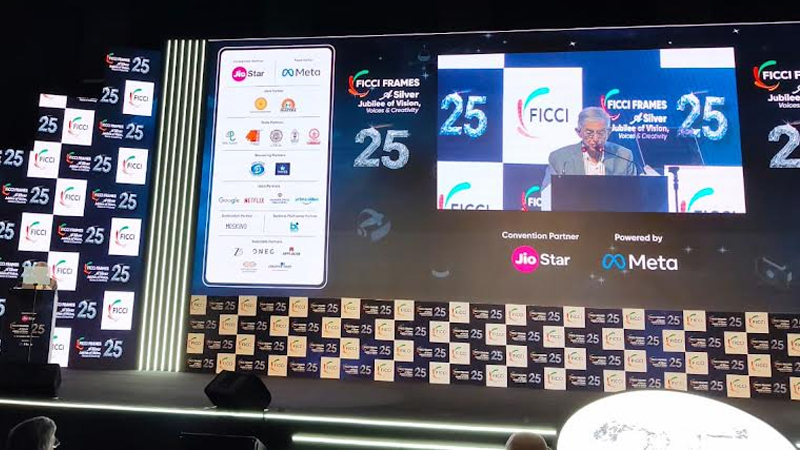
    MUMBAI: When the world is scrolling, swiping, and snacking on content, Madison World chairman Sam Balsara reminded marketers at Ficci Frames 2025 that branding remains the heartbeat of advertising. Opening with his talk “A Marketer’s Losing Fame in Branding”, Balsara mixed wit with insight, calling out the obsession with short-term performance media and urging a return to storytelling that builds lasting emotional connections.

    Reflecting on a career spanning 8 years in marketing, 8 years in advertising, and 37 years running his own agency, Balsara quipped that in India, “everybody thinks they are an advertising expert.” Yet despite decades of experience, he painted a sobering picture of the current marketing landscape: urban consumption in India has been declining for five consecutive quarters, pushing marketers to channel increasing shares of their budgets into performance media such as search, e-commerce, activation, and sampling. While these tactics are effective for immediate sales, Balsara cautioned that over-reliance is eroding the long-term ROI of advertising investments.

    He reminded the audience that the global advertising industry, already worth 270 billion dollars in 1997, is projected to surpass 1 trillion dollars this year, with 70% of the spend now going digital. “Marketers are not wrong to follow consumers online, but we must understand the nature of digital consumption,” he noted. “Most online engagement is short, quick, and snackable. It’s easy to measure, but much harder to emotionally connect.”

    Balsara then revisited the fundamentals: “What is branding? It’s more than a logo, a tagline, or a design. It’s about shaping perception, building trust, differentiating from competitors, and establishing a lasting emotional bond.” He emphasised that emotional appeal is twice as effective as rational messaging and that storytelling remains the most powerful tool for brand building. Over 50 years of experience had taught him that ads with strong narratives and emotional content consistently outperform transactional messages.

    Supporting this, he cited multiple cross-media studies showing that TV ads excel at creating emotional connections. The rise of connected TV (CTV) in India with 60–65 million homes and counting offers advertisers the chance to combine digital agility with the immersive, story-driven impact traditionally associated with television. CTV delivers a “lean-back” viewing experience that enables 20–30 second emotional ads with a storyline, which are far more effective than brief digital clips for establishing memory and preference.

    A US study conducted by Comcast and Media Science reinforced this point. The study compared ad recall and purchase intent across mobile digital platforms versus TV/CTV environments. The findings were striking: new brands saw 3.4x better recall on TV versus mobile digital, while established brands saw 4.3x improvement. Purchase intent was roughly 30 per cent higher when ads ran on TV first, and combining TV with subsequent digital exposure further amplified results. Balsara underscored that these insights are directly applicable in India: launching campaigns on TV or CTV before digital platforms maximises emotional impact and ROI.

    He also offered practical guidance on budget allocation. Drawing on research by two contemporary scientists, Balsara advocated a 60-40 split, with 60 per cent of marketing budgets dedicated to branding to recruit new users and build markets, and 40 per cent for performance to drive conversions among consumers already in the market. He highlighted examples from IPL campaigns, where television exposure drives higher search volumes and e-commerce sales, often outperforming purely digital campaigns.

    Balsara’s insights weren’t limited to statistics. He emphasised that creative messaging must align with human attention patterns: the large screen, immersive environment, and minimal distractions of TV/CTV are what allow brands to tell stories effectively. Digital publishers, he warned, must evolve to offer advertisers TV-like environments in digital contexts, replicating emotional storytelling and ensuring brand-building outcomes.

    Performance media, he admitted, has its role especially for direct-to-consumer (D2C) brands in their early years but as brands scale, performance alone fails to sustain growth or build long-term equity. Branding, by contrast, delivers sustainable profit, loyalty, and market presence. “If you want a brand to last and scale,” he said, “you cannot ignore branding. The first exposure matters, the emotional appeal matters, and repetition matters.”

    He concluded by reminding marketers that despite the digital frenzy, brand building is not optional, it’s essential. A carefully calibrated mix of branding and performance, emotionally engaging storytelling, and strategic sequencing across TV, CTV, and digital ensures that marketing budgets deliver both immediate results and enduring brand equity.

    In a world dominated by clicks, short videos, and fleeting attention spans, Balsara’s message was clear: don’t lose the plot chasing short-term wins. Stay invested in stories, invest in emotion, and let branding drive both present performance and future growth. After all, in advertising as in life, the brands that tell stories that stick are the ones that endure.

  • Excellent Publicity launches pro bono startup aid

    Excellent Publicity launches pro bono startup aid

    MUMBAI: Giving back can sometimes be the best business move. Excellent Publicity, a leading ad-tech Saas agency, has launched a pro bono consultation initiative aimed at mentoring early-stage startups in India.

    The program targets ventures less than a year old or generating under Rs 1 crore in annual revenue, offering strategic one-on-one guidance on brand building, marketing, and growth. Co-founder Vaishal Dalal, who experienced the struggles of starting a business firsthand, will personally lead the sessions.

    “At the beginning of our own journey, we had no one to turn to,” Dalal said. “This program is our way of ensuring that new entrepreneurs don’t feel as alone as we once did.”

    Daily slots will be open for startups to register via Excellent Publicity’s website, with no obligations attached. The initiative aims to equip young businesses with the clarity, tools, and confidence to navigate a competitive market and reduce early-stage failures.

    “One entrepreneur finding their way forward can spark jobs, opportunities, and growth for many others,” Dalal added. “We want to create that ripple effect.”

    While currently planned as a one-time programme, Excellent Publicity may expand the initiative based on its impact, demonstrating a commitment to purpose-driven support for India’s entrepreneurial ecosystem.

  • Spicejet lights up the skies with special diwali flights to Ayodhya

    Spicejet lights up the skies with special diwali flights to Ayodhya

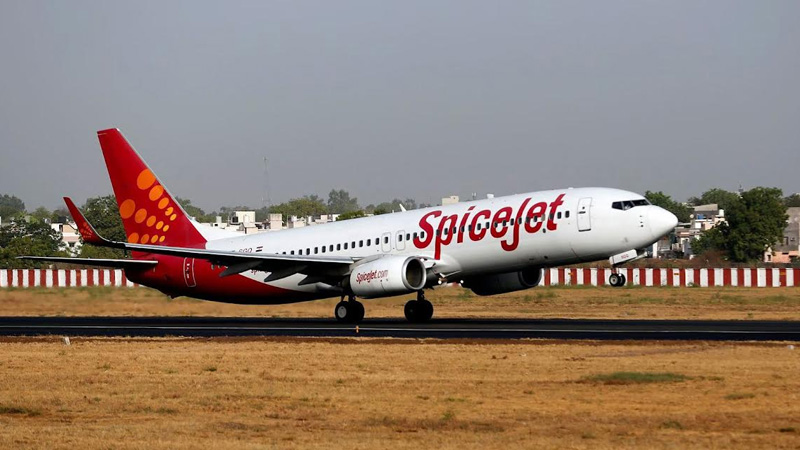
    MUMBAI: Talk about taking Diwali celebrations to new heights! Spicejet is all set to spread festive cheer by launching special daily non-stop flights to Ayodhya, just in time for the festival of lights.

    Starting 8 October 2025, the airline will connect the holy city with Delhi, Bengaluru, Ahmedabad, and Hyderabad, making it easier than ever for devotees and travellers to visit the newly built Lord Ram temple and soak in Ayodhya’s spiritual glow.

    The flights will roll out in phases, ensuring smooth travel for those keen to celebrate Diwali in the most divine destination of all. Spicejet is also exploring services from Mumbai, further expanding access during the busy festive and winter season.

    “There could be no better occasion than Diwali to visit Ayodhya, the birthplace of Lord Ram,” said Spicejet chief business officer Debojo Maharshi. “Our new daily flights from key metros will ensure affordable and convenient travel, allowing passengers to celebrate the festival in its truest spirit.”

    With this move, Spicejet continues to strengthen its domestic network and reaffirm its commitment to making travel not just accessible, but also auspiciously affordable.

    So if you’ve been waiting for a sign to plan that spiritual getaway, consider this your boarding call from the gods themselves. 
     

  • Max Fashion promotes insider as CEO

    Max Fashion promotes insider as CEO

    MUMBAI: Retail empires are not built by the faint-hearted. Sumit Chandna, freshly installed as chief executive of Max Fashion, knows this better than most. The 25-year veteran, promoted from deputy chief executive at Lifestyle International, has spent a career extracting profits from India’s cutthroat retail trenches.

    His record is formidable. At every stop—Shoppers Stop, Hypercity, Aditya Birla Retail, Bata India and Landmark Group—Chandna has delivered the same brutal formula: fatter margins, leaner costs, higher sales. It is a skill honed across hypermarkets, department stores and specialist retail, from high fashion to groceries.

    A graduate of the National Institute of Fashion Technology in Delhi, Chandna earned his stripes at Shoppers Stop, where he launched India’s first designer co-brand, Kasba, with Raghavendra Rathore. At Hypercity, he built merchandising systems from scratch and delivered results 70 per cent above plan with margins six percentage points higher than target. During an 11-year stint at Aditya Birla Retail, he rose to chief merchandising officer, pushing promotional sales from eight per cent to 23 per cent in four months and launching profitable private-label lines.

    Three years at Bata India saw him juggle retail operations and merchandising before Landmark Group poached him in 2022 to run Max as deputy chief executive. Now he has the corner office.

    Chandna is also a certified executive coach who has recruited talent from top business schools across India and Asia, lectured at management campuses and attended leadership programmes at Harvard and IMD in Lausanne. He won the Aditya Birla Group chairman’s award for exceptional contribution—no small feat in a conglomerate that size.

    His mandate at Max is simple: keep the juggernaut rolling. In announcing his promotion, Chandna promised to lead the brand into its “next phase of growth, innovation, and impact”. Strip away the corporate speak, and it means the same thing it always has: sell more, spend less, make more.

  • Pink Power Run paints Hyderabad in hope and health

    Pink Power Run paints Hyderabad in hope and health

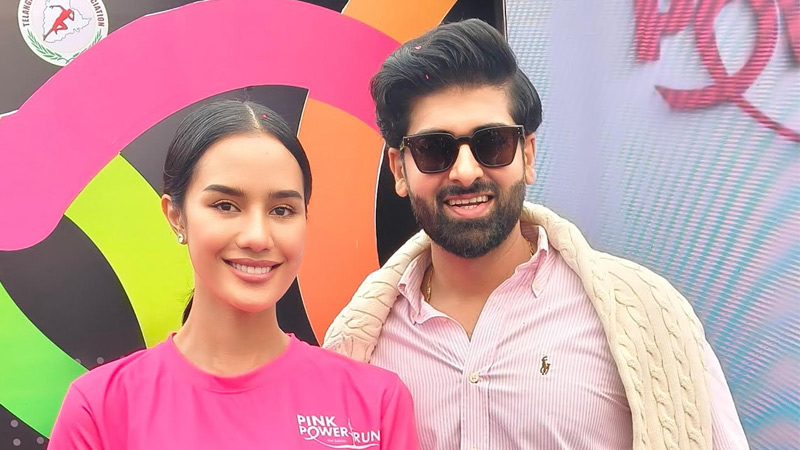
    MUMBAI: Hyderabad turned a rosy shade of resolve as the Pink Power Run 2025 swept through People’s Plaza, where thousands laced up not just for fitness but for the fight against breast cancer.

    From Hindi cinema charm to global glamour, the line-up sparkled. Former Mr India and health ambassador Darasing Khurana hosted with gusto, joined by Miss World 2025 Opal Suchata Chuangsri, tennis ace Leander Paes and philanthropist Sudha Reddy. Together, they lent star power to a life-saving cause.

    This year’s theme, stride and shine, captured the spirit perfectly. Families, fitness buffs and first-timers alike took to the track, sending a united message that early detection saves lives.

    Khurana, long active in health advocacy, told the cheering crowd, “Every step we take today is a stride towards saving lives.” For him, the run was a natural extension of his work as an ambassador for Datri, India’s blood stem cell registry.

    Chuangsri, accompanied by Miss World chairperson Julia Morley, praised the run as “a shining example of how community action can drive meaningful change,” highlighting her Beauty with a purpose mission on women’s health.

    Breast cancer remains one of the leading causes of cancer deaths among Indian women. Experts stress that awareness and screenings dramatically improve survival rates, and Pink Power Run 2025 made that message impossible to miss.

    In the end, it was more than a race. It was a rallying cry, a community statement, and proof that when people stride together, they shine brighter.

  • Borosil turns up the heat with festive radio campaign across North India

    Borosil turns up the heat with festive radio campaign across North India

    MUMBAI: When the Diwali lamps are lit, Borosil is making sure the kitchens sparkle too. The beloved Indian kitchen brand has launched a festive radio campaign running till the festival of lights, highlighting its latest range of cooktops and appliances. The initiative aims to stir up excitement, strengthen brand visibility, and connect with families during the season of celebration.

    The campaign is airing on Radio Mirchi across key North Indian cities, including Delhi, Gurgaon, Faridabad, Ghaziabad, Meerut, Chandigarh, Ludhiana, Patiala, Jalandhar, Amritsar, Jaipur, Lucknow, and Kanpur. With short ads, festive jingles, and lively RJ conversations, Borosil is reaching millions of listeners, adding flavour and energy to kitchens bustling with sweets, snacks, and festive meals.

    Central to the campaign is Borosil’s range of stainless steel and glass-top cooktops, prized for durability, safety, and sleek design. Toughened glass adds elegance, while high-efficiency brass burners ensure faster cooking. Complementing these are Borosil’s modern appliances, including mixer grinders, OTGs, juicers, air fryers, and electric kettles, designed for both power and convenience. From preparing festive sweets to air frying snacks, the brand promises to make holiday cooking effortless and enjoyable.

    Speaking about the campaign Borosil Ltd VP for marketing Barnali Shankar said, “Festivals in India are about joy, togetherness, and the food we lovingly prepare for our families. Borosil cooktops and appliances make cooking faster and easier, so families can spend more time celebrating with their loved ones.”

    With efficiency, style, and performance at its core, Borosil is positioning itself as a festive kitchen companion. By simplifying cooking during the most cherished season of the year, the brand is ensuring that celebrations are filled with laughter, love, and memorable culinary moments. Consumers can explore the festive range at leading retail stores and e-commerce platforms, making this Diwali a truly deliciously easy one.

  • Animeta’s star power turns influence into real business currency

    Animeta’s star power turns influence into real business currency

    MUMBAI: When influence meets intelligence, the result is Animeta Brandstar’s latest winning streak. The tech-data enabled influencer marketing firm has been scripting campaigns that don’t just trend, they translate into measurable brand outcomes.

    Take Uber India’s campaign with cricket stalwarts Gautam Gambhir and Ravichandran Ashwin. Known for their stern on-field personas, the duo were reimagined in playful avatars, highlighting how Uber flips daily commutes from frustrating to delightful. Animeta managed the marquee talents and execution, sparking chatter across social feeds and proving its knack for stitching stars into relatable, mass-consumption narratives.

    And that’s just one play. Since July 2025, Animeta has rolled out 30 influencer campaigns, activating 1000 plus creators across Instagram, Youtube and Snapchat. In the same period, it has partnered with 20 new brands, while also retaining repeat mandates from stalwarts, a testament to its consistency.

    The roster spans global giants like Amazon Fashion, Starbucks, Warner Music and Uber, alongside homegrown champions such as GCPL and Jyothy Labs, whose everyday staples Cinthol, Maxo, Margo, Exo and Pril have been re-energised through creator-driven storytelling.

    Animeta also helmed influencer rollouts for fresh launches: Shotgun, Fratelli’s carbonated wine label; Ninja, GCPL’s pet food brand debuting in Chennai; and Reposenergy, a doorstep fuel delivery entrant making waves in a nascent category.

    At its core is the Animeta Brandstar platform, which powers creator discovery from a verified pool of 85,000 plus profiles, minimises spillovers, and tracks campaigns in real time. Performance isn’t just judged on reach but also advanced metrics shares, saves, click-throughs and trials linking influencer buzz directly to consideration, leads and even sales. The result: a 30 per cent ROI uplift compared to industry benchmarks.

    “Influencer marketing today is no longer just about amplification, it’s about authenticity, storytelling, and business outcomes. At Animeta, we take pride in servicing diverse categories and partnering with brands at every stage whether they are global leaders, homegrown stalwarts, or ambitious challengers. What sets us apart is our ability to consistently deliver across objectives, from awareness to trials, leads and even creator-led commerce,” said Animeta Brandstar SVP for branded content & creator strategy Biswamitra Ray (Vishu Ray).

    From scaling pop culture with Arijit Singh, Ed Sheeran and Guru Randhawa, to onboarding micro- and nano-creators for hyperlocal impact, Animeta has shown it can flex seamlessly across the spectrum.

    Looking ahead, the company is doubling down on its promise to unlock full-funnel influencer marketing. As advertisers increasingly demand conversion-driven storytelling over vanity metrics, Animeta is positioning itself as the partner that blends data, cultural relevance and creator firepower into campaigns that both trend and transact.

  • Traditional Borrowing vs. Digital Credit: What Has Really Changed?

    Traditional Borrowing vs. Digital Credit: What Has Really Changed?

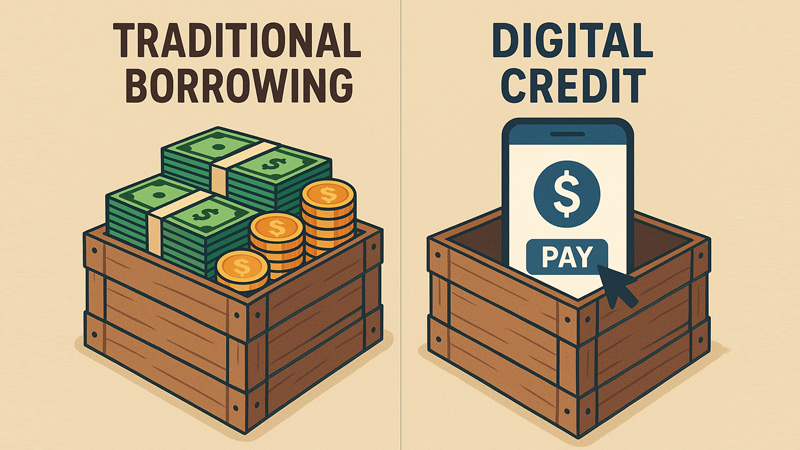
    In the bustling markets of India, where haggling is an art form and personal relationships often dictate financial decisions, the landscape of borrowing has significantly evolved. While the age-old tradition of approaching local moneylenders or visiting brick-and-mortar banks for loan persists, an exciting new player has entered the field: digital credit. In this fascinating clash of ‘Traditional Borrowing vs. Digital Credit’, we unravel the layers and explore what truly has changed.

    Understanding Traditional Borrowing

    For generations, Indians have navigated their financial needs by relying on traditional loan sources—local moneylenders, cooperative societies, and banks. These methods, deeply rooted in personal trust and community, have served as lifelines for many. However, the process, while familiar, often involves a cumbersome amount of paperwork and time-consuming procedures.

    The Process and Its Challenges

    Traditional borrowing usually requires individuals to physically visit a financial institution. This often includes filling out reams of paperwork, submitting tangible proofs of income and assets, and undergoing rigorous credit checks. The critical downside is the time taken—typically weeks—to process and approve a loan, leaving many in a temporary lurch during urgent needs.

    Moreover, the emotional labour involved in approaching a local moneylender, sometimes perceived as intimidating, cannot be ignored. These lenders might offer quicker loan disbursements but usually come with exorbitant interest rates or unfavourable terms.

    The Dawn of Digital Credit

    Enter the digital era. The advent of fintech and digital platforms has brought about an unprecedented transformation in how people access loans. With services like Online Personal Loan applications and digital lending platforms, credit is now more accessible than ever before. This paradigmic shift caters significantly to tech-savvy millennials and urban dwellers looking for quick, efficient financial solutions.

    Benefits of Online Personal Loans

    1. Speed and Efficiency: One of the greatest advantages of digital credit is its sheer swiftness. Applications for an Online Personal Loan can often be completed in minutes, with approvals following within hours. The use of advanced algorithms and AI-driven credit evaluations accelerates the process, making it ideal for emergencies. 2. Convenience: With everything online, gone are the days of sitting in long queues at banks. From application to disbursement, the entire process can be done from the comfort of one’s home via a smartphone or computer. 3. Transparency: Digital platforms offer clear, upfront information about interest rates, EMIs, and terms, empowering borrowers with the knowledge to make informed decisions. There are fewer hidden charges, and borrowers can easily compare loan products from multiple providers. 4. Inclusivity: These platforms often utilise innovative ways to assess creditworthiness, such as social media behaviour analysis or alternative credit scoring. This inclusivity has brought credit access to previously underserved segments.

    Comparing Traditional and Digital: A Statistical Insight

    To illustrate the shift, a recent report by the Reserve Bank of India showed a surge in digital transactions, with digital loans accounting for an increasing percentage of overall retail lending. In 2022 alone, the number of digital loan applications exceeded traditional bank loan applications by over 60%. 
    A survey on consumer preferences indicated that 70% of urban borrowers prefer Online Personal Loans over traditional methods, citing convenience and speed as primary factors. However, it’s noteworthy that traditional borrowing still holds sway in rural areas, where digital literacy and internet penetration remain challenges.

    What Has Really Changed?

    Trust vs Convenience

    While traditional borrowing heavily leans on trust and existing relationships, digital credit thrives on convenience and speed. Urbanisation, rising smartphone penetration, and government initiatives to improve digital infrastructure bolster this trend towards digital credit.

    Accessibility and Financial Inclusion

    One of the most significant changes is the enhanced financial inclusion brought about by digital credit. More individuals, especially younger generations and those residing in urban areas, now have ready access to loans. The digital nature has also paves the way for micro-loans, aiding small entrepreneurs in scaling their ventures.

    Innovation in Credit Assessment

    Digital lenders utilise big data analytics, AI, and machine learning to predict creditworthiness, which allows for a broader spectrum of borrowers to qualify for loans. Traditional banks, conversely, still rely heavily on CIBIL scores, often alienating those without conventional credit histories.

    The Human Element: Are We Losing It?

    An interesting dilemma observed in the shift towards digital credit is the loss of the ‘human touch.’ In traditional settings, the interaction with a bank manager or moneylender offered a personal rapport and understanding of individual circumstances, which digital interfaces lack. This personal connection can sometimes make a crucial difference, especially in renegotiating terms during financial hardships.

    Challenges in the Digital Space

    Despite its advantages, digital lending is not without challenges:

    1. Data Privacy Concerns: With personal data now being crucial to credit assessment, concerns around data privacy and security are at the forefront. There is always a risk of data misuse or breaches. 

    2. Digital Literacy and Access: While urban regions embrace digital credit swiftly, rural populations lag due to limited access to internet services and digital education. 

    3. Overborrowing Risks: The ease of obtaining an Online Personal Loan could lead some individuals to accumulate debt beyond manageable levels, highlighting the need for careful financial planning and education.

    The Future of Borrowing in India

    The future of borrowing in India is undeniably digital, but not without retaining the core values that traditional borrowing emphasised. The ideal scenario would perhaps be a seamless integration of the two—where digital platforms incorporate human elements, offering personalisation, flexibility, and compassionate customer service. 
    Digital lenders are beginning to take note, introducing AI-driven customer service bots that try to simulate human interaction, and offering hybrid models with physical outposts for those who prefer face-to-face interaction.

    Conclusion: Charting Your Financial Path

    In the grand scheme of things, whether one opts for a traditional loan or an Online Personal Loan depends largely on individual circumstances, preferences, and needs. It’s essential, however, to remain informed, aware, and prudent in any borrowing decision.

    The landscape of borrowing will continue to evolve as technological advancements propel us into newer dimensions of digital credit. As borrowers, staying adaptable and embracing change while safeguarding one’s financial interests will be key.

    Reflecting on this transformation invites us to ask: Are we poised to embrace a digital future, or should we hold on to the trusted traditions of the past? The choice ultimately lies in striking a balance that best suits our financial journeys.

  • Redberyl blends luxury living with world-class healthcare

    Redberyl blends luxury living with world-class healthcare

    MUMBAI: When luxury meets longevity, Redberyl steps up the game. India’s premier lifestyle management company has announced an exclusive partnership with Chiron Health Partners, introducing healthcare as the newest jewel in its portfolio of elite services. With this launch, Redberyl members gain privileged access to top-tier Indian and global medical expertise, ensuring that well-being is delivered with the same finesse as bespoke travel, fine dining, and curated experiences.

    Founder and CEO Manoj Adlakha explained, “True luxury extends beyond indulgence, it encompasses peace of mind and proactive health. By adding a dedicated medical access pillar, Redberyl bridges lifestyle with healthcare, offering Members and their families unparalleled support.”

    Through the alliance, members can access 24 by 7 guidance from a curated network of specialists, prioritised hospital care, and seamless consultation across India and international centres of excellence. Affiliation with Harfield Health London further opens doors to advanced programs, second opinions, and personalised preventive health plans.

    Chiron Health Partners co-founder Sidharth Sahni, emphasised the philosophy behind the partnership, “Health is not just surviving disease, it’s thriving at every stage of life. We offer world-class expertise with a deeply personal approach so our members feel guided and cared for, always.” Adding a global perspective, University College London’s professor of cardiology John Deanfield said, “The future of medicine lies in prediction and prevention. This partnership empowers Members to take control of their health, combining science, foresight, and personalised guidance for a healthier future.”

    Redberyl’s move reinforces its leadership in redefining luxury living by integrating wellness and healthcare into its premium offerings. From bespoke travel to VIP access and now world-class medical care, the company continues to set new benchmarks for holistic luxury experiences.

  • PASG charts new course in public affairs across Asia

    PASG charts new course in public affairs across Asia

    MUMBAI: Turning policy puzzles into a strategic playbook, The Public Affairs Strategies Group (PASG) has officially launched its boutique advisory from New Delhi, aiming to redefine public affairs across Asia and the Middle East. At a time when geopolitical unpredictability and shifting regulatory landscapes can make boardrooms uneasy, PASG positions itself as the partner that companies cannot afford to ignore.

    With a senior-led team drawn from former policymakers, ex-bureaucrats, academic leaders, and global think tank experts, PASG offers high-touch counsel that blends global analytical rigour with local insight. Its advisory services span market entry strategy, risk intelligence, policy research, stakeholder engagement, government relations, ESG guidance, and crisis advisory, creating a holistic approach to shaping relevance, trust, and impact.

    Co-founder Nitish Sharma emphasised the group’s mission: “Navigating policy today is about shaping long-term impact, not just compliance. PASG was founded to help organisations lead responsibly through change. India’s dynamic policy ecosystem is our backbone, but our vision extends across Asia and the Middle East, helping clients scale with integrity and foresight.”

    PASG also leverages its relationships with multilaterals and think tanks, ensuring that client voices reach the highest levels of decision-making. As    Earthood founder & CEO and PASG advisor Kaviraj Singh notes, “PASG brings refreshing clarity to a complex landscape. Its approach will strengthen corporate strategies while building bridges between business, government, and society.”

    By combining strategic insight, deep institutional knowledge, and a relationship-first approach, PASG is set to help multinational corporations, foundations, and innovators navigate complex policy, regulatory, and stakeholder environments, delivering sustainable business impact.

    In an era where policy volatility is a boardroom risk, PASG’s promise is simple yet compelling: Insights. Relationships. Impact.