Category: MAM

  • Public policy & corporate affairs advisory firm Ideavore Advisory LLP launched

    Public policy & corporate affairs advisory firm Ideavore Advisory LLP launched

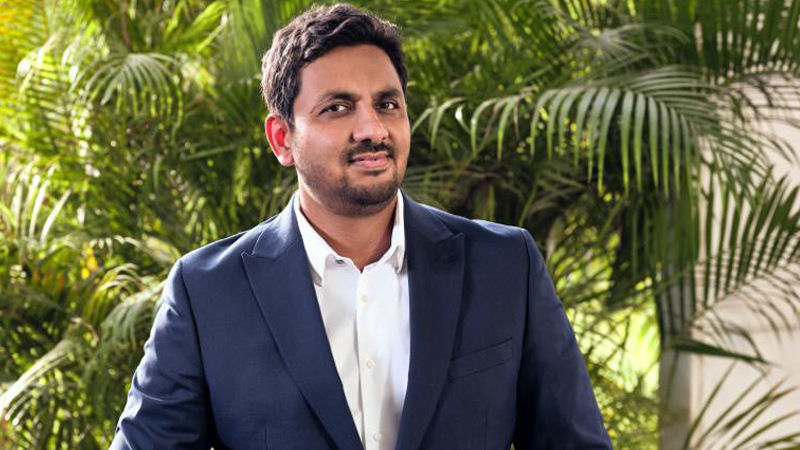
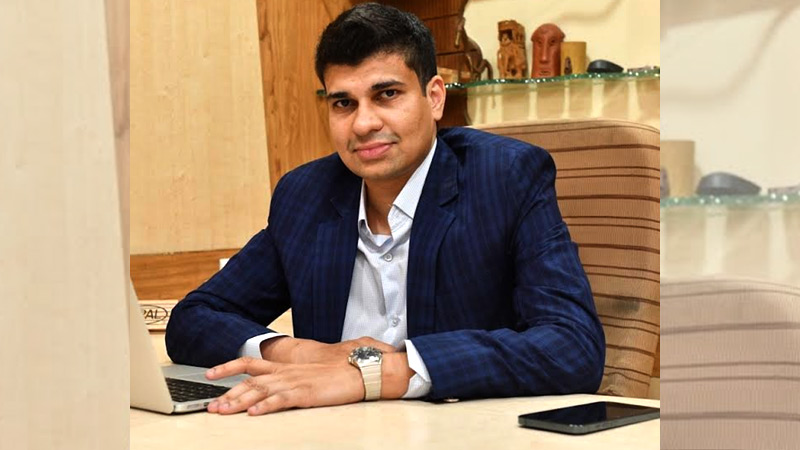
    Mumbai: Ideavore Advisory LLP, a new venture led by industry leaders Rohit Adya, Arvind Salunke, Amit Dogra, Proful Lall, and Manish Shyam has announced its official launch. The firm is dedicated to empowering businesses with strategies to thrive in the ever-changing Indian public policy landscape.

    Ideavore Advisory LLP is a pioneering public policy and corporate affairs advisory firm that helps corporates navigate the complexities of the Indian public policy process and build strong stakeholder relationships. The firm’s team of experienced professionals deeply understands the Indian public policy process and the key stakeholders involved.

    Ideavore is a term used to describe people who are passionate about generating new ideas and bringing them to life. Ideavores are constantly brainstorming, experimenting, and prototyping new ways of doing things. They are not afraid to challenge the status quo and think outside the box. That’s what each one of us is and walk the talk of our values which we as a team will create this valuable respected organisation.

    “We are excited to launch Ideavore Advisory LLP, which aims to provide bespoke strategies tailored to meet the unique needs of each business,” said Rohit Adya, Founder Chairman of Ideavore Advisory LLP. “Our team is committed to cultivating lasting relationships with our clients and stakeholders, ensuring a seamless experience and sustainable outcomes.”

    Ideavore Advisory LLP founder director Arvind Salunke added “At Ideavore we are focussing towards empowering seamless business operations with strategic corporate affairs solutions for our clients for a stronger, more connected business future.

    Ideavore Advisory LLP director -North, Proful Lall added” “Delighted to be a part of Ideavore as we embark on our journey. Looking forward to delivering what Ideavore stands for – passionate about generating new ideas, and solutions and bringing them to life!”

    Ideavore Advisory LLP, director -West, Amit Dogra added, excited to be a part of the great team, where we work with our clients as partners to brainstorming and experiment with new ways to work the right things for their business expansion.

    Ideavore Advisory LLP director -South, Manish Shyamadded “Am delighted to be a part of Ideavore Advisory, a firm dedicated to understanding and influencing the forces that shape industries and communities. Together, we look forward to driving meaningful change and creating lasting impact.”

    The firm offers various services, including public policy and corporate affairs strategies, advocacy and planning, stakeholder engagement and management, corporate social responsibility advisory, and crisis communication and management. With a deep understanding of the evolving dynamics of the Indian public policy and corporate affairs space, Ideavore Advisory LLP is well-equipped to help businesses navigate the complexities of this space.

  • MSMEs play a pivotal role, contributing around 30% to the country’s GDP: Sandeep Juneja

    MSMEs play a pivotal role, contributing around 30% to the country’s GDP: Sandeep Juneja

    Mumbai: In recent years, there has been a growing global emphasis on sustainability and reducing carbon footprints. Businesses across all sectors are facing pressure from consumers, governments, and environmental organisations to adopt greener practices. DHL Express recognises its role in this shift and has committed to mitigating its environmental impact through the Go Green initiative.

    Indiantelevision caught up with DHL Express India VP – Sales and Marketing, Sandeep Juneja, who talked about the strategy behind launching Go Green and Go Trade initiatives in line with the evolving needs and preferences of cross-border customers and much more.

    Edited excerpts

    Could you elaborate on the objectives and key components of the Go Trade initiative?

    In recent years, micro, small, and medium enterprises (MSMEs) have emerged as significant contributors to the global economy. In India, MSMEs play a pivotal role, contributing around 30 per cent to the country’s GDP, 48 per cent to exports, and employing over 110 million people. However, despite the opportunities presented by e-commerce, many MSMEs face challenges when it comes to reliably shipping their products to customers worldwide, particularly for those in developing countries. International shipping complexities, such as customs procedures, can be overwhelming, and inefficient import and export processes often hinder their growth. This is where our GoTrade program plays a crucial role.

    GoTrade is an initiative to foster international trade and promote sustainable and inclusive economic growth by empowering MSMEs to engage in cross-border commerce. Leveraging our expertise in logistics, customs, and trade, the program seeks to educate MSMEs on the strategic advantages of global trade and equip them with the necessary tools to access international markets. As a global trade facilitator with a presence in over 220 markets and territories, our objective with GoTrade is to integrate MSMEs into the larger narrative of globalisation. Through this, we have been able to train over 6,400 MSMEs globally (since launch of GoTrade in 2020).

    To achieve our objective, we collaborate with governments and international organizations to streamline border processes and enhance cross-border trade for MSMEs in developing countries. For instance, we partner with stakeholders like the German Federal Ministry for Economic Cooperation and Development to improve e-commerce platforms in Africa and promote digital customs and trade processes. Through ongoing projects with the governments of Rwanda and Germany, we raise awareness about e-commerce and train Rwandan SMEs to establish online businesses and shipping products internationally. In cooperation with the Global Business School Network, we empower SMEs through a fellowship program that teaches the value of cross-border trade and the skills needed to navigate the global marketplace.

    In India, we have signed an MoU with the Directorate General of Foreign Trade (DGFT), initiating a collaboration to facilitate capacity-building sessions, training, and workshops across 76 districts in three phases. This collaboration aims to equip Indian MSMEs with the necessary tools and knowledge to thrive in the international e-commerce market.

    Additionally, GoTrade actively supports the implementation of the Trade Facilitation Agreement (TFA) by collaborating with WTO Member Countries, particularly those requiring external support. This involves establishing national trade facilitation committees that include key stakeholders from the public sector, such as customs and trade ministries. Through these committees, we closely work with governments to develop policies and practices that drive sustainable economic growth, ensuring seamless integration of TFA reforms into national trade frameworks.

    The GoTrade program aims to empower MSMEs to participate in international trade, supporting their growth and contributing to sustainable economic development. By collaborating with governments and organizations, streamlining border processes, and leveraging our expertise, we help MSMEs overcome barriers and connect with the global market.

    How does this program specifically benefit Indian SMEs, and what feedback have you received from participants?

    India is a developing economy with huge potential for MSME backed economic growth. At present, there are a total of 633.9 lakh registered MSMEs in India providing 7.56 lakh employment opportunities. Indian SMEs can gain a lot from the GoTrade program as it allows them to grow their presence and tap into international markets.

    Through GoTrade, DHL recently partnered with the Directorate General of Foreign Trade (DGFT) of the Ministry of Commerce and Industry, Government of India, to empower MSMEs to gain a strong foothold in the international market. This collaboration leverages GoTrade’s expertise alongside the Indian government’s focus on identifying and nurturing export potential across various districts.

    Moreover, these strategic partnerships have facilitated outreach events, onboarded new exporters, and empowered MSME producers to venture into cross-border e-commerce sales, furthering India’s ‘District as Export Hub’ initiative. Outreach events also include the recently concluded Bengaluru export summit, the Ahmedabad e-commerce export summit and even the Hyderabad e-commerce export summit. These events follow a single rule of thumb – “help me, help you”. Participating in these events, we can reach exporters and entrepreneurs from the deep hinterlands of the country along with those from the tier 1 cities.

    Apart from the MoU with the DGFT, we also extend a helping hand to MSMEs through other associations such as the Gem and Jewellery Export Promotion Council (GJEPC), Engineering Export Promotion Council of India (EEPC India) etc.

    We are proud of the work we have been doing to promote India and its MSMEs to the world, helping these enterprises become globally recognised brands. However, our partners too love doing business with us. The recently launched ‘Logistically Speaking’ series records our MSME customers’ journeys from when they began as a micro-enterprise, their growth within the Indian market, their goals to take their businesses cross-border and their relationship with DHL. The feedback has been phenomenal. From customers understanding the importance of having a good logistics partner who will represent their brand to the end customer, to customers who have been able to significantly grow their business cross-border through our expertise and product portfolio; we are proud to be their provider of choice, helping them scale their businesses to new levels and bring India to the world.

    How do you decide which sports partnerships or sponsorships to pursue? Can you discuss a particular sports marketing campaign that significantly strengthened DHL Express’ brand connect?

    When making decisions about sports partnerships or sponsorships, we prioritize the visibility that our brand will receive. It is essential to ensure that our target audience sees and recognizes our brand, and sports or event marketing is instrumental in achieving this goal. Additionally, I also consider the emotional connection between the sport and its fans. For instance, cricket holds immense cultural significance in India and is celebrated as a national passion. The Indian Premier League (IPL) is revered as one of the biggest tournaments in the country and is possibly celebrated on par with some of our biggest festivals. Given this context, our partnership with the Mumbai Indians is an obvious choice, as it allows us to tap into the deep emotional bond that fans have with the team and the sport. Moreover, the collaboration allows customers to connect the sponsorship with our values. By associating with sports that embody qualities like speed, passion, team spirit, and a can-do attitude, customers develop trust in the brand and recognize our commitment to excellence.

    Globally, our partnerships with Formula 1, Formula E, the HSBC World Rugby Sevens series, ESL, MotoGP, and Manchester United or even being Coldplay’s official logistics provider, give us significant exposure as well as relaying our brand capabilities. For example, as an express logistics player, we could showcase DHL’s capacity and dedication to sustainability through the partnership with Formula E, where we transported 415 tons of freight per race.

    This goes beyond just increased brand awareness. It allows us to connect with fans on a deeper level. We position ourselves as the “team behind the team,” the silent force that facilitates success – not just on the field, but also in the business world through our efficient logistics solutions.

    How do you plan to integrate digital and traditional marketing efforts to reach your target audience?

    It is important to recognize that a well-rounded marketing strategy requires a balanced mix of traditional and digital marketing methods. Therefore, in each project, we strategize how to fuse these two forms of marketing to maximize our reach. A great example is our partnership with the Mumbai Indians cricket team.

    This collaboration has allowed us to leverage traditional marketing channels through sports sponsorship, visible branding on player jerseys, billboards, and press releases. These traditional mediums offer widespread and tangible visibility for our brand.

    In parallel, we executed an engaging digital marketing campaign. This included creating entertaining social media content such as player interviews and interactive games, which presented a more personable and entertaining aspect of our collaboration. This online campaign not only entertained fans but also provided them, along with our customers and target audience, with a closer look at their favourite cricket players.

    By combining these traditional and digital marketing efforts, we were able to create a comprehensive marketing strategy that broadened our visibility while engaging our audience on multiple levels. We strive for this synergy between traditional and digital mediums in each of our marketing projects.

    What are the main challenges Indian SMEs face when entering the global marketplace, and how do you address these challenges?

    Globally, MSMEs encounter substantial hurdles when navigating the intricacies of international trade. These challenges can range from complex customs procedures, limited knowledge about export and international trade rules, to inadequate staffing and financial resources, all of which can restrict their entry into worldwide markets. This is a common scenario for Indian MSMEs trying to expand their business globally as well.

    Acknowledging these obstacles, DHL Express has designed an extensive array of digital solutions. These tools facilitate MSMEs and startups to easily set up an account at any time and from any location, kickstarting their global sales. The solutions help from the planning stage to after-sales, enabling MSMEs to simplify cross-border trade operations, decrease costs, and boost operational efficacy, ultimately fostering growth and competitiveness on a global scale.

    A tool like My Global Trade Services (myGTS) is particularly beneficial to sellers in their business strategy development phase. As a free, online, self-service pre-shipment planner, companies can identify the correct Harmonized System (HS) codes to categorize products for shipping. It also offers preliminary data on existing free trade agreements between the source and target countries. This information gives sellers a transparent understanding of the associated costs, enabling effective product pricing. When the business is prepared to make the leap, they can open a DHL account from anywhere and at any time. The setup is also accessible to startups and individual shippers lacking a credit history.

    DHL’s modular logistics platforms, driven by API, connect businesses, carriers, shippers, and customers in a streamlined and integrated manner. This provides efficient, cost-effective options for tracking and billing orders.

    DHL Express Commerce, integrating DHL Express shipping services with numerous e-commerce platforms, aids businesses in automating shipment creation and managing the fulfillment process. This feature is particularly useful for sellers needing to efficiently ship multiple orders.

    Visibility of the shipment journey is beneficial for companies as a proactive measure to minimize delays. Track & Trace offers accurate shipment tracking across the DHL Express network. Additionally, On Demand Delivery allows the shipper and recipient to customize their delivery preferences, reducing the likelihood of undelivered shipments and enhancing the customer experience.

    With DHL Pass, customers can access DHL online services using a single login. The provision of multi-factor authentication offers customers a seamless and secure digital experience. This feature is progressively being implemented worldwide.

    What are some of the biggest trends you foresee in the logistics industry over the next five years?

    The logistics industry is on the cusp of significant transformation over the next five years, driven by emerging trends that emphasize sustainability, globalisation, e-commerce, technological advancements, and supply chain diversification.

    1   Globalisation: Globalisation is here to stay, and logistics remains a key enabler. As reported in the DHL Global Connectedness Report 2024, global connectedness reached a record high in 2022 and remained close to that level in 2023. The resilience and growth of international flows of trade, capital, information, and people in the face of recent crises strongly rebuts the notion that globalisation has gone into reverse.

    2   Sustainable Logistics: Environmental sustainability is at the top of everyone’s agenda. Some of the key topics are decarbonization, alternative energy solutions, circularity, and environmental stewardship. At DHL Express, a key priority is leveraging Sustainable Aviation Fuels (SAF) to inset Scope three emissions. . Attention and investments towards e-cargo planes may also grow.

    3   Technology: To meet escalating consumer demand, companies must embrace automation and efficiency technologies, focusing on indoor mobile and stationary robots. These innovations support ground staff, revolutionizing logistics through collaborative robots. Imagining logistics without automation seems implausible. Furthermore, integrating drone deliveries addresses last-mile inefficiencies, mitigates traffic bottlenecks, reduces emissions, and satisfies the growing consumer demand for on-demand, instant delivery.

    4   E-commerce: E-commerce is a huge driver of parcel volumes and new last-mile services that better serve customer demands. E-commerce represents one of the chief opportunities for logistics companies.

    5   Supply chain diversification: Diversification will significantly impact globalized supply chain networks in the next five to ten years. As the Global Connectedness Report stated, globalization is far from dead. The prospects for future trade growth are surprisingly upbeat, despite the recent shockwaves caused by a global pandemic, geopolitical crises, natural disasters, and patterns of protectionism. These events have put pressure on the business world to reimagine supply chains – to take a new path of resilience rather than receding from the global stage. The answer: supply chain diversification. Supply chain diversification means developing flexibility and redundancy to minimize risk and increase agility. Working with multiple suppliers is one way to achieve it. Another way is to expand and reimagine manufacturing and distribution networks. Yet another is using redundant and multimodal logistics solutions.
  • Weekend Unwind with Thriwe’s Dhruv Verma

    Weekend Unwind with Thriwe’s Dhruv Verma

    Mumbai: With another weekend upon us, it is time to unwind with the latest Q&A edition of Indiantelevision.com’s Weekend Unwind – a series of informal chats that peek into the minds of business executives through a fun lens in an attempt to get to know the person behind the title a little better.

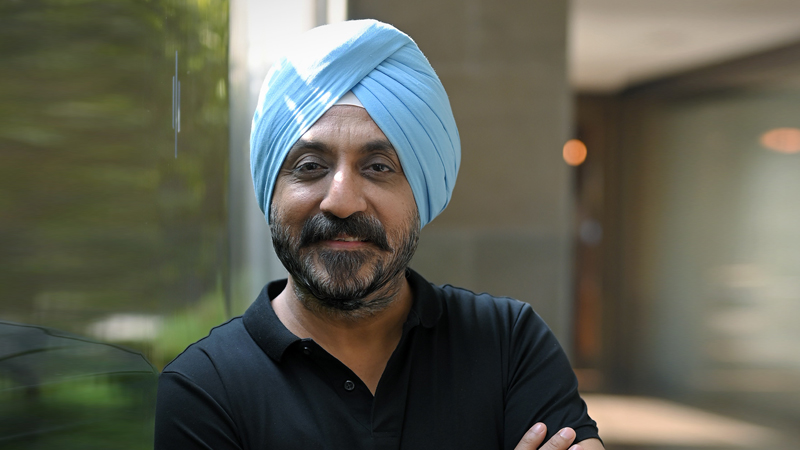
    In this week’s session, we have Thriwe founder and CEO Dhruv Verma.

    Thriwe is a one-stop solution for loyalty programs & benefits globally. A serial entrepreneur, Dhruv has had an impressive and varied career, one that has spanned more than 19 years. He took his first entrepreneurial plunge with Golflan in 2011 and launched Thriwe in 2018- 2019. His career has been characterised by adaptability, from overseeing sales management at ICICI to fostering employee growth at Standard Chartered Bank. At CPP Global, he has demonstrated his skill in start-up management and growth methods.

    Without further ado here it goes…

    Your mantra for life
    It’s not done, till it is done.. hence keep moving forward.

    A book you are currently reading or plan to read
    Autobiography of a Yogi.

    Your fitness mantra
    Walk as much as you can.

    Your comfort food
    Lebanese.

    A quote or philosophy that keeps you going when the chips are down
    Every high will be followed by a low & every low will be followed by a high.

    Your guilty pleasure
    Oreo cheesecake from Cheesecake factory.

    The last time you tried something new
    I try new things almost every week.

    A life lesson you learned the hard way
    The biggest risk in life is not taking any risk at all.

    What gets you excited about life?
    Change!

    What’s on top of your bucket list?
    Shark diving.

    If you could give one piece of advice to your younger self, what would it be?
    Don’t be careless.

    One thing you would most like to change about the world
    Hunger for money.

    An activity that keeps you motivated and charged during tough times
    Travel.

    What lifts your spirits when life gets you down?
    Think about how kind god has been towards me.

    Your go-to stress buster?
    Playing Golf.

  • Sustainable packaging: Five reasons millennials and Gen Z entrepreneurs should care

    Sustainable packaging: Five reasons millennials and Gen Z entrepreneurs should care

    The Indian entrepreneurial landscape is witnessing a refreshing shift. Millennials and Gen Z are taking the reins, brimming with innovative ideas and a strong social conscience. Sustainability is no longer a niche concern; it’s woven into the very fabric of their businesses. This shift is particularly evident in the packaging industry, which has traditionally generated a significant amount of waste.

    But why should sustainable packaging be a top priority for young Indian entrepreneurs? Here are five compelling reasons:

    Resonate with eco-conscious consumers

    Millennials and Gen Z are the most environmentally conscious generations yet. They actively seek out brands that align with sustainable values. A 2021 Nielsen report revealed that 66% of global consumers are willing to pay more for sustainable products. By adopting eco-friendly packaging, businesses tap into this vast and discerning market segment.

    Embracing circular economies

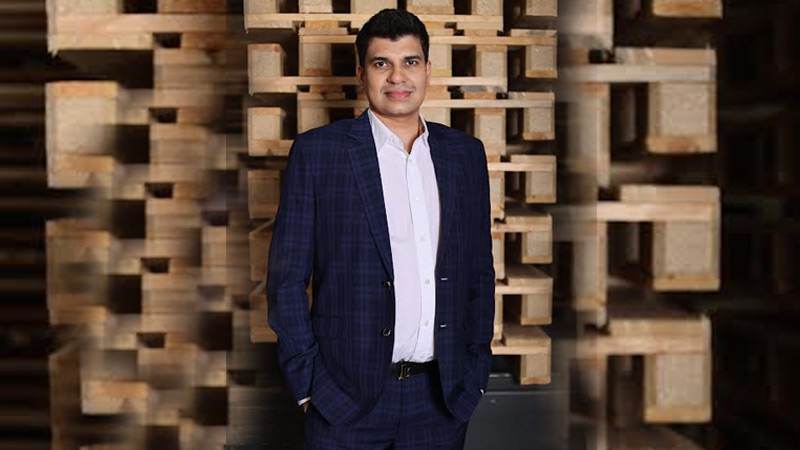
    Businesses are increasingly focusing on circular economies, responding to Millennials’ and Gen Z’s demand for sustainability. This innovative approach prioritises reusing and recycling resources, minimising waste, and encouraging sustainable consumption habits. Companies of all sizes are actively participating in this shift towards a circular and sustainable economy. For example, sustainable wooden pallets exemplify how durable, reusable materials can extend the lifespan of resources, supporting circular economic principles effectively.

    Cost savings and efficiency

    While the initial switch to sustainable packaging might seem costly, it can lead to significant savings in the long run. Eco-friendly packaging materials often result in reduced waste and lower transportation costs due to their lightweight nature. Additionally, as technology advances, the cost of sustainable materials continues to decrease, making them easily available and cost-effective options for businesses.

    Enhancing brand image and competitive edge

    Being able to stand out from the crowd is crucial to success in a competitive market. By adopting sustainable packaging, they can significantly enhance a brand’s image, and can influence market trends and push companies to adopt greener practices. This consumer-driven demand can accelerate the shift towards more sustainable packaging solutions across industries. This not only attracts eco-conscious consumers but also becomes a unique selling point, giving businesses a competitive edge in the market.

    Fostering innovation and creativity

    Sustainable packaging encourages entrepreneurs to think outside the box and develop innovative solutions. It challenges traditional packaging norms and inspires creativity in designing eco-friendly alternatives. This focus on innovation can lead to the development of unique packaging solutions that are not only sustainable but also functional and aesthetically pleasing. Embracing sustainable packaging fosters a culture of continuous improvement and ingenuity, essential qualities for any successful entrepreneur. Wooden pallets which are made from sustainable wood which is PEFC/42-31-06 / FSC® C146265 certified, for example, can be strategically designed to maximise product placement within a container, optimising space utilisation and potentially reducing the number of shipments required.

    Conclusion

    Millennials and Gen Z entrepreneurs have a unique opportunity to lead the charge in sustainability by adopting eco-friendly packaging practices. By embracing sustainable packaging, they can lead by example, reduce their environmental footprint, influence market trends, advocate for policy changes, and foster innovation in the market. Their commitment to sustainable packaging is not just a trend but a vital step towards preserving the planet for the younger generations.

    The article has been authored by M/s Jay Wood Industry CEO & MD Jay Deepak Shah.

  • Green partnerships: How young entrepreneurs are shaping sustainable business practices

    Green partnerships: How young entrepreneurs are shaping sustainable business practices

    In an era marked by incessantly escalating environmental challenges, young entrepreneurs are emerging as pioneers of sustainable business practices. By forming green partnerships, these innovative leaders are showcasing a profound commitment to environmental responsibility and redefining business ethos on multiple levels. Their disruptive thinking coupled with deep-rooted concern for the earth’s natural bounties, has played a pivotal role in shaping sustainable business practices through green partnerships. Green partnerships are conscious collaborations between a business and other stakeholders, done to support an organisation in meeting its green goals and at the same time gain technical know-how from partners who are sustainability experts in their field. Here’s a sneak peek into how modern-day green partnerships is having a positive impact towards environmental protection, conservation, and safety.

    Environmental responsibility

    Young entrepreneurs today possess a keen awareness of the pressing need to address environmental issues such as climate change, resource depletion, and pollution. By forming green partnerships, these entrepreneurs bolster their commitment to minimising their environmental impact. They also are empowered to contribute significantly in terms of broader conservation efforts. Such partnerships promote innovative solutions like collaborations with environmental organisations, adoption of eco-friendly technologies, and implementation of sustainable supply chain practices. These actions reflect a deep-seated sense of environmental responsibility and a recognition that business success must align with the planet’s health.

    Meeting consumer expectations

    The consumers of today are getting more and more concerned about environmental issues and are inspired by the temperament of doing their bit to help mitigate environmental issues. This paradigm shift has created the demand for sustainable products and services. Modern consumers increasingly prioritise businesses that align with their values, opting for companies that demonstrate a commitment to sustainability. Green partnerships enable businesses to meet these consumer expectations by offering products and services that are environmentally friendly. This alignment not only attracts a loyal customer base but also helps businesses differentiate themselves in a crowded market.

    Driving innovation

    Sustainability is a powerful driver of innovation. Green partnerships foster collaboration and knowledge-sharing, leading to the development of new green technologies and practices that can further help the cause. For instance, partnerships between startups and research institutions can yield breakthroughs in renewable energy, waste management, and sustainable agriculture. By pooling resources and expertise, green partnerships accelerate the creation of innovative solutions to complex environmental challenges, positioning businesses at the forefront of sustainable development.

    Cost savings

    Implementing sustainable practices through green partnerships can lead to significant cost savings for businesses. By reducing waste, conserving energy, and optimising resource usage, businesses can lower their operational costs. For example, a partnership with a recycling firm can reduce waste disposal costs, while energy-efficient technologies can cut utility bills. These savings not only improve profitability but also make sustainable practices economically viable in the long term.

    Regulatory compliance

    Governments across the globe are acting proactively to bring down environmental degradation thereby making regulations increasingly stringent worldwide. Non-compliance can result in hefty fines, legal issues, and reputational damage. Green partnerships help businesses stay ahead of regulatory requirements by ensuring they adopt best practices in environmental management. Collaborating with experts in environmental law and sustainability allows businesses to navigate the complex regulatory landscape without any unwanted gaps.

    Enhancing brand reputation

    A strong commitment to sustainability enhances a company’s brand reputation and credibility and young entrepreneurs of today know what is best for their business. Green partnerships visibly demonstrate a business’s dedication to environmental and social responsibility. This commitment resonates with all stakeholders, including customers, investors, and community members, enhancing trust and loyalty. A reputable brand that prioritises sustainability is better positioned to withstand market fluctuations and maintain a positive public image.

    Attracting talent

    Young professionals of today keep sustainability at the top of their priority list while making career choices. Even for a business, it is beneficial to have a talent pool that commits to environmental consciousness. Companies that prioritise environmental responsibility are more attractive to dedicated individuals passionate about making a positive impact. By forming green partnerships and showcasing their commitment to sustainability, businesses can attract and retain employees who are driven by a purpose that matches the needs of tomorrow.

    Long-term success

    Sustainability is integral to long-term business success. Green partnerships foster relationships built on trust, transparency, and shared values. These stable, long-term collaborations drive mutual success and resilience, enabling businesses to thrive in a rapidly changing world. Companies that integrate sustainability into their core operations are better equipped to adapt to market shifts and environmental uncertainties.

    It would not be wrong to sum up by saying that young entrepreneurs are leading the emergence of a transformative movement towards sustainable business practices through green partnerships. These business leaders are not only shaping the future of business but also paving the way for a more sustainable and equitable world.

    The article has been authored by M/s Jay Wood Industry CEO & MD Jay Deepak Shah.

  • EaseMyTrip onboards Jacqueline Fernandez as brand ambassador

    EaseMyTrip onboards Jacqueline Fernandez as brand ambassador

    Mumbai: EaseMyTrip.com, an online travel tech platform, has roped in actress Jacqueline Fernandez as its brand ambassador. This strategic partnership is part of a long-term strategy to boost EaseMyTrip’s brand presence and attract new customers and Bollywood fans. The actress’s large number of fans and followers would enhance EaseMyTrip’s brand image.

    Jacqueline Fernandez, known for her screen presence and love of travel, often explores new places for work and leisure. Her passion for travel aligns with EaseMyTrip, making her a fitting representative for the brand. The long-term partnership will promote travel deals and unique experiences through campaigns featuring her. This collaboration will help EaseMyTrip reach Jacqueline’s 70.5 million Instagram followers and other fans nationwide.

    EaseMyTrip co-founder Rikant Pittie shared his thoughts on the partnership, stating, “We are excited to be associated with Jacqueline Fernandez. Her vibrant personality and passion for travelling, match perfectly with our brand ethos. With her on board, we aim to connect with a broader audience and encourage them to explore the world with confidence. This partnership is the beginning of an exciting chapter, and we are looking forward to a productive journey ahead.”

    Sharing her excitement about the partnership with EaseMyTrip, Jacqueline Fernandez said, “Both personally and professionally, travelling has always been a huge part of my life. I’m delighted to be associated with EaseMyTrip, a brand that pledges to make travel easier, more accessible, and memorable for everyone. I am looking forward to working closely with EaseMyTrip.”

    As the new face of EaseMyTrip, Jacqueline will be featured in a series of television commercials and marketing campaigns that will highlight the brand’s offerings, from budget-friendly travel packages to luxury experiences. This long-term partnership signifies EaseMyTrip’s commitment to creating significant connections with customers by providing seamless travel solutions that cater to a diverse audience.

    EaseMyTrip continues to innovate and evolve to meet the needs of modern travellers, and with Jacqueline Fernandez on board, the company is set to take its mission to new heights.

  • Acerpure India launches ‘100 Day Money Back Guarantee’ for Amrit Water Purifiers

    Acerpure India launches ‘100 Day Money Back Guarantee’ for Amrit Water Purifiers

    Mumbai: Acerpure, an Acer group entity, announced an enticing ‘100-Day Money Back Guarantee’ for Amrit Water Purifiers. This initiative allows customers to experience the high quality and convenience of Acerpure’s DIY Amrit Water Purifiers with a risk-free, satisfaction-guaranteed offer. If customers are not fully satisfied, they can return the product within 100 days for a full refund. This offer is available exclusively for online purchases through Flipkart and Amazon.

    The Amrit Water Purifier series by Acerpure is designed to revolutionize home water filtration with easy-to-install, user-replaceable filters. These innovative DIY water purifiers ensure safe, clean drinking water without the hassle and feature user-replaceable filters.

    The Acerpure Amrit series, which includes three models – Amrit RO, Amrit Elite (RO+UV), and Amrit Supreme (RO+UV+Alkaline) showcases Acerpure’s dedication to cutting-edge technology and catering to diverse consumer needs. The series is equipped with a high-recovery system that increases clean water output by up to 40 per cent, significantly reducing water wastage compared to conventional RO filters. Key features include a stainless-steel tank, highlighting a strong focus on hygiene and safety. Each model is also fitted with a TDS meter for monitoring water quality, while the Amrit Supreme model further enhances water with alkaline properties, neutralising toxins, reducing acidity, and improving taste for a healthier lifestyle.

    This challenge reflects Acerpure’s commitment to improving customers’ quality of life by ensuring that their investment in clean, safe drinking water is both secure and satisfying.

  • The overcoming quality concerns in the Indian sports mat market

    The overcoming quality concerns in the Indian sports mat market

    The Indian sports mat market has witnessed substantial growth in recent years, driven by increasing government expenditure on sports infrastructure, rising disposable incomes, and a growing health-conscious population. However, the market is also plagued by concerns over product quality, which has hindered its full potential.

    India’s sports industry is on a meteoric rise. With a burgeoning youth population and increasing government support, the demand for sports infrastructure is escalating rapidly. Central to this infrastructure is the sports mat, a crucial component that ensures athlete safety, performance, and overall experience. However, the Indian sports mat market is marred by quality concerns, hindering the growth of the industry and impacting the nation’s sporting prowess.

    Current challenges in the Indian sports mat market

    1   Inconsistent material quality – One of the primary concerns in the Indian sports mat market is the inconsistent quality of materials used in manufacturing. Many manufacturers opt for cheaper, low-quality raw materials to reduce costs. This compromises the durability, comfort, and safety of the mats. For instance, using substandard foam or rubber can lead to mats that wear out quickly, lose their grip, or do not provide adequate cushioning, which is crucial for preventing injuries during physical activities.

    2   Lack of standardisation – The absence of standardized quality benchmarks is another significant issue in the Indian sports mat market. While international markets often adhere to strict quality standards and certifications, the Indian market lacks a unified framework to ensure that all sports mats meet basic safety and performance criteria. This lack of standardization makes it difficult for consumers to distinguish between high-quality and inferior products, leading to dissatisfaction and mistrust.

    3   Counterfeit products – The proliferation of counterfeit products is a pervasive problem in the Indian sports mat market. These counterfeit mats are often made from inferior materials and sold at lower prices, undercutting legitimate manufacturers who invest in quality. The presence of these fake products not only harms the reputation of the market but also poses a significant risk to users, as these mats often fail to meet safety standards.

    4   Inadequate consumer awareness – In India, consumer awareness about the importance of quality in sports mats remains low. Many consumers prioritize price over quality, leading them to purchase cheaper, lower-quality mats. This lack of awareness is compounded by the absence of clear information regarding the materials and manufacturing processes used in sports mats. As a result, consumers often make uninformed decisions, leading to dissatisfaction and potential safety hazards.

    5   Environmental concerns – Environmental sustainability is an emerging concern in the Indian sports mat market. Many mats are made from non-biodegradable materials like PVC, which are harmful to the environment. Moreover, the production of these materials often involves the use of toxic chemicals, posing risks to both workers and the environment. As global awareness of environmental issues grows, the Indian sports mat market faces increasing pressure to adopt more sustainable practices.

    Strategies for overcoming quality concerns

    1   Implementing strict quality standards – To address the issue of inconsistent material quality and lack of standardization, it is essential to establish and enforce strict quality standards across the Indian sports mat market. This could involve the introduction of mandatory certifications for sports mats, ensuring that all products meet minimum safety and performance criteria. Such standards would help create a level playing field for manufacturers and provide consumers with the assurance that they are purchasing high-quality products.

    2   Enhancing material innovation – Investing in material innovation is key to overcoming quality concerns in the sports mat market. Manufacturers should explore the use of advanced, high-performance materials that offer better durability, comfort, and safety. For example, using eco-friendly materials such as natural rubber, cork, or recycled materials could not only improve the quality of sports mats but also address environmental concerns. By prioritizing innovation, Indian manufacturers can differentiate their products in a competitive market and cater to the evolving demands of consumers.

    3   Combating counterfeit products – Combating the issue of counterfeit products requires a multi-pronged approach. Manufacturers need to invest in anti-counterfeiting technologies, such as holograms, QR codes, or RFID tags, to authenticate their products. Additionally, raising consumer awareness about the risks associated with counterfeit mats and the importance of purchasing from reputable sources can help reduce the demand for fake products. Collaborating with law enforcement agencies to crack down on the production and distribution of counterfeit goods is also crucial.

    4   Educating consumers – Increasing consumer awareness about the importance of quality in sports mats is essential for driving demand for better products. Manufacturers and retailers can play a key role in educating consumers through informative packaging, advertising, and in-store displays. Highlighting the benefits of high-quality mats, such as enhanced safety, comfort, and durability, can encourage consumers to make more informed purchasing decisions. Additionally, providing clear information about the materials and manufacturing processes used in sports mats can help build trust and transparency in the market.

    5   Promoting sustainability – As environmental concerns gain prominence, promoting sustainability in the sports mat market can serve as a significant differentiator for Indian manufacturers. Adopting eco-friendly materials and sustainable production practices not only addresses environmental concerns but also appeals to a growing segment of environmentally conscious consumers. Manufacturers can also explore recycling programs for old mats, further contributing to environmental sustainability.

    Overcoming quality concerns in the Indian sports mat market is critical for its growth and long-term success. By implementing strict quality standards, investing in material innovation, combating counterfeit products, educating consumers, and promoting sustainability, the market can enhance its reputation and meet the evolving needs of consumers. As the demand for sports and fitness products continues to rise, prioritising quality will be key to unlocking the full potential of the Indian sports mat market.

    The article has been authored by Gravolite director Paras Maheshwari.

  • Seizing the moment: The power of real-time marketing

    Seizing the moment: The power of real-time marketing

    Mumbai: Moment marketing has become a game-changer for brands wanting to make a real impact. It’s all about tapping into fleeting cultural moments and trends to connect with audiences on a personal level. When done right, it’s like striking gold—creating experiences that stick with customers and making brands feel genuinely relevant.

    The digital age demands agility and responsiveness. Moment marketing thrives on this need for immediacy, leveraging real-time opportunities to craft messages that hit the mark. Consumers today want to engage with brands that stay culturally invested. That’s where moment marketing steps in: it’s about being part of the conversation as it unfolds.

    Think of how quickly a viral meme can spread. Brands that jump on these trends with creativity and relevance can make a huge splash. Take Swiggy Instamart, for example. Their funny responses on X (formerly Twitter) have become legendary, making their brand stand out in a sea of corporate sameness. Or consider the recent ‘Barbenheimer’ phenomenon—when the ‘Barbie’ and ‘Oppenheimer’ movies were released on the same day. Many brands jumped on this cultural moment with playful posts and creative campaigns, connecting with audiences in a fun and timely way.

    Real-time marketing isn’t just about catching the latest trend; it’s about engaging with your audience in a meaningful way. When brands align themselves with current conversations, they enhance their relatability and reach. This strategy also opens up opportunities for brands to address customer concerns more effectively and promptly, showing a human side that builds trust and empathy.

    Take Amul’s ads, for instance. For decades, Amul has been a master of moment marketing, using its witty ads to comment on current events—from major sports events to political happenings – including the recently held Paris Olympics 2024. Their ads not only keep the brand relevant but also engage audiences with clever and timely content.

    Such consistent efforts in moment marketing lead to consumers anticipating a brand’s involvement. When a brand consistently demonstrates its responsiveness to cultural and societal events, people begin to expect the brand to weigh in on key moments – which in turn strengthens the brand’s personality and presence in public discourse.

    A well-executed moment marketing strategy can significantly amplify a brand’s message, demonstrating responsiveness and strengthening its personality. However, it’s crucial to keep the brand’s core values intact while joining in on cultural conversations. This approach not only sets brands apart from their competitors but also builds a sense of community and drives engaging conversations.

    Investing in social listening tools and experimental marketing tactics can help brands capitalize on fleeting hot trends and forge lasting connections with their customers. Marketers today need to be prepared to think on their feet, take risks, and adapt to the dynamic internet culture. With the right approach, moment marketing can transform a brand’s presence and make a lasting impression.

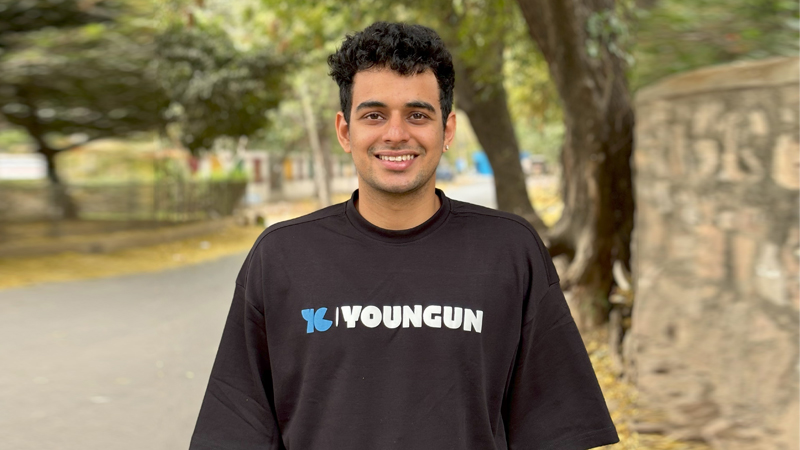
    This article has been authored by Youngun founder and CEO Saksham Jadon 

  • VT Markets unveiled a new global partnership with Newcastle United

    VT Markets unveiled a new global partnership with Newcastle United

    Mumbai: VT Markets, a global multi-asset broker, has announced a new partnership with Newcastle United. This collaboration unites two entities that exemplify bravery, perseverance, and innovation.

    “We’re proud that VT Markets views Newcastle United as the ideal partner to support and elevate its ambitious growth plans in markets across the world.” said Newcastle United’s chief commercial officer, Peter Silverstone. “We are delighted to welcome another internationally recognised partner to our club and look forward to working closely with VT Markets.”

    “We are incredibly excited about this partnership with Newcastle United, a team that exemplifies the same drive for excellence and innovation that we strive for at VT Markets,” said VT Markets head of strategy operations, APAC Agustin Bilinskis.

    A special jersey bearing the number ‘77’ has been unveiled in honour of this collaboration. The number ‘77’ holds great significance for VT Markets, symbolizing good fortune and our aspirations for continued growth. In football, a player’s number and name represents their iconic and memorable identity, and to embody this global partnership, we chose a number that resonates deeply with our brand.

    The partnership was officially inaugurated in Japan. The event’s highlights included an exchange of appreciation tokens. Newcastle United presented a curated number ‘77’ jersey while VT Markets reciprocated with an appreciation trophy.

    This occasion unfolded at the 63,700-capacity Saitama Stadium in Japan on 31 July, attended by representatives from both organisations. VT Markets was represented by head of strategy operations, APAC Agustin Bilinskis and global brand lead Dandelyn Koh. Representing Newcastle United was their chief commercial officer, Peter Silverstone.