Category: MAM

  • SBI Life stumbles in Q2 FY25: Premium growth falters amid market uncertainty

    SBI Life stumbles in Q2 FY25: Premium growth falters amid market uncertainty

    Mumbai: As SBI Life Insurance’s latest financial results cast a shadow over its once-steadfast growth, policyholders may be left wondering: Who will secure your family’s future when you’re no longer around? The insurer’s Q2 FY25 report, covering the quarter ending 30 September 2024, reveals a tale of contrasting fortunes. While renewal premiums held their ground, first-year and single premiums faltered, pointing to headwinds that could challenge the resilience of one of India’s largest life insurers.

    In Q2 FY25, SBI Life’s renewal premium surged to Rs 11,72,120 lakhs, up from Rs 10,12,113 lakhs in Q2 FY24, reflecting the company’s strength in retaining policyholders. However, first-year premiums amounted to Rs 4,91,567 lakhs, a marginal increase compared to Rs 4,63,332 lakhs in the same period last year, indicating slower new customer acquisition. The single premium, a critical contributor to income, saw a notable decline, down to Rs 3,77,629 lakhs from Rs 5,42,136 lakhs, suggesting that customers may be hesitant to make large one-time insurance investments amid economic uncertainties.

    This subdued performance in single premiums highlights a key area of concern for the insurer. As global and domestic markets face volatility, customers may have opted for lower-risk, shorter-term products over substantial long-term investments, impacting SBI Life’s overall premium growth. The company’s net income stood at Rs 52,942 lakhs, up from Rs 38,019 lakhs, despite the challenges in premium growth.

    On a positive note, the company’s solvency ratio remained stable at 2.04 per cent, above the regulatory minimum of 1.5 per cent, showcasing its ability to meet policyholder obligations even in challenging times. Additionally, SBI Life’s expense management ratio rose slightly to 10.57 per cent, reflecting increased operational costs, which may put pressure on profitability in future quarters if not addressed.

    SBI Life, company secretary, Girish Manik stated, “Despite market challenges, we are committed to sustaining long-term growth by focusing on improving renewal premiums and maintaining a healthy solvency margin.” The company’s decision to keep expenses under tight control and further diversify its product offerings could be pivotal as it navigates the evolving financial landscape.

    The persistency ratios (percentage of customers renewing policies) remained robust across different timeframes, with the 13-month ratio at 84.16 per cent, suggesting SBI Life continues to foster customer loyalty even as it faces pressure in attracting new policyholders.

    One of the more troubling figures is the decline in new business, particularly in the individual life segment. With first-year premiums stagnating and single premiums sharply falling, SBI Life may need to revise its product strategies, particularly in response to changing customer preferences for more flexible and lower-risk options.

    At the same time, the insurer’s investments performed admirably, providing a buffer against premium-related shortfalls. Investment income for policyholders’ funds without unrealised gains stood at 8.26 per cent for non-linked policies, a slight uptick from the previous quarter, ensuring that SBI Life can continue to offer competitive returns to its policyholders.

    As India’s insurance market grows increasingly competitive, SBI Life’s focus on sustaining renewal premiums and improving operational efficiency will be crucial in reversing the downward trend in new business premiums. The company has already shown resilience, but it may need to adapt more swiftly to market forces in order to achieve consistent growth.

  • CG Power’s profit shrinks as operational costs weigh heavily on Q2 FY25

    CG Power’s profit shrinks as operational costs weigh heavily on Q2 FY25

    Mumbai: CG Power and Industrial Solutions Ltd’s Q2 FY25 financial results tell a story of struggling profitability amidst growth. The net profit dropped by 8.8 per cent year-on-year to Rs 221 crore in Q2 FY25, as operational challenges weighed on earnings. The company also reported a 4.6 per cent decline in Earnings Before Interest, Tax, Depreciation, and Amortisation (EBITDA), which stood at Rs 294.7 crore for the quarter. The EBITDA margin shrank significantly, falling by 320 basis points to 12.2 per cent, down from 15.4 per cent a year earlier. The drop in profit is primarily driven by escalating operational costs, including materials and employee expenses, which surged due to inflationary pressures and a competitive business environment.

    The second-quarter results, which were approved at the 21 October 2024 board meeting, reveal a significant rise in the cost of materials, reaching Rs 1,558.22 crore compared to Rs 1,258.59 crore in the same period last year. Employee benefit expenses have also jumped by 17 per cent to Rs 114.44 crore, signalling ongoing cost pressures. While revenue from the industrial and power segments showed growth, these gains were offset by mounting expenditures, with other expenses rising to Rs 246.27 crore.

    “The increase in operational costs, particularly in raw materials and employee benefits, continues to put pressure on our margins. We are taking measures to optimise our cost structure,” said the management, reflecting the growing need to improve operational efficiency.

    Adding to the company’s financial burden, the board approved an additional capacity expansion at its Mandideep plant, requiring an investment of Rs 26.64 crore. This move comes after a similar expansion initiative a year ago, which has yet to fully yield returns. With current utilisation at 85 per cent, the additional capacity aims to meet future transformer demand, yet it also adds to capital expenditure concerns at a time when profitability is already under strain.

    The tax expenses for Q2 surged dramatically, with the company reporting a total tax bill of Rs 75.72 crore compared to Rs 80.40 crore last year. Additionally, finance costs doubled, reaching Rs 1.94 crore, exacerbating the strain on net income. The ongoing cost of expansion and the higher depreciation expense of Rs 21.29 crore are further dragging down profitability.

    Shares of CG Power are down to the lowest point of the day, currently trading 5.5 per cent lower at Rs 774.05 post the earnings announcement. The stock is still up 73 per cent so far in 2024.

  • Paytm reports Q2 profit amid strategic realignment and cost optimisation

    Paytm reports Q2 profit amid strategic realignment and cost optimisation

    Mumbai: Amidst an evolving digital payments landscape, Paytm’s parent company, One 97 Communications, has achieved a notable turnaround in the second quarter of the fiscal year 2025. Announcing its unaudited financial results for Q2 ended 30 September 2024, the company posted a net profit of Rs 9,100 million, reversing a loss of Rs 8,401 million in the prior quarter. The profit surge largely stems from gains on the sale of non-core assets, namely its movie ticketing and events business, to Zomato, marking a strategic pivot toward consolidating its core operations.

    “On 21 August 2024, the company entered into definitive agreements with Zomato Limited for sale of its movie ticketing business and events business housed in the company as well as its two wholly owned subsidiaries for a total consideration of Rs 2,048 crore which was subject to cash and net-working capital adjustment at closing,” the company said in a regulatory filing.

    The financial results reflect a significant upswing, bolstered by a one-time gain of Rs 13,454 million from the divestitures finalised in August. The sale’s proceeds were instrumental in offsetting recurring operating losses, as revenue from core payment and financial services continued to face pressure. While total revenue from operations rose to Rs 16,595 million from Rs 15,016 million last quarter, this was tempered by increased payment processing charges and high employee benefits expenses.

    The company’s management, led by CEO Vijay Shekhar Sharma, has demonstrated a strong commitment to cost optimisation, which is critical in a competitive payments market. “Our focus remains on enhancing our core payments business while optimising resource allocation to drive sustainable growth,” stated Sharma. However, high costs associated with marketing, technology infrastructure, and regulatory hurdles present ongoing challenges.

    A closer look at the financials reveals a reduction in marketing and promotional expenses from Rs 2,214 million in Q1 to Rs 1,544 million, reflecting a shift in strategic priorities. Yet, employee costs remain elevated at Rs 8,310 million, underscoring the company’s challenge to balance cost controls with talent retention and growth initiatives.

    The divestiture of the non-core businesses, though lucrative, has raised concerns over the long-term sustainability of Paytm’s revenue streams. While the gains have provided short-term relief, they may not compensate for the structural headwinds in the payments ecosystem. Analysts caution that without a significant improvement in core business performance, reliance on asset sales could become problematic.

    Moreover, regulatory headwinds remain a significant factor. Paytm Payments Bank, a critical associate, continues to face restrictions imposed by the Reserve Bank of India, limiting its ability to onboard new customers. This has affected the overall business outlook, with the management admitting that the regulatory uncertainty could impact future growth.

    In response to market dynamics, Paytm is doubling down on its payment and financial services segment, which accounted for the bulk of the revenue. The company is investing in technology upgrades and expanding partnerships to fortify its position in the rapidly growing digital payments market. However, ongoing issues related to regulatory compliance and profitability pose formidable challenges.

    As Paytm navigates this competitive landscape, its future performance will hinge on the effectiveness of its cost-management strategies and the resolution of regulatory constraints. The recently restructured business model offers a leaner operational framework, but the path to sustainable profitability remains uncertain.

  • Adani acquires Orient Cement for Rs 8,100 crore to boost cement capacity

    Adani acquires Orient Cement for Rs 8,100 crore to boost cement capacity

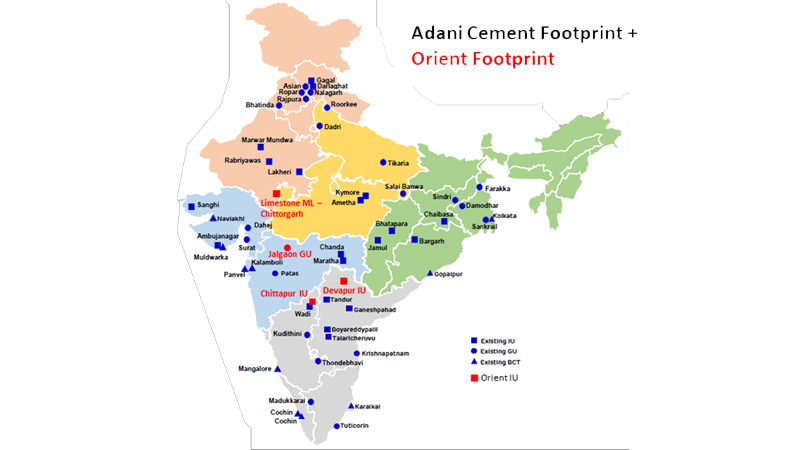
    Mumbai: Ambuja Cements, part of the Adani Group, announces the acquisition of Orient Cement Ltd. (OCL)  at an equity value of Rs 8,100 crore, marking a significant step towards its goal of 100+ MTPA operational capacity by FY25. The deal involves the purchase of a 46.8 per cent stake in OCL, enhancing Ambuja’s presence in the Indian cement market while expanding its sustainability footprint.  

    The acquisition adds 16.6 MTPA of capacity (8.5 MTPA operational and 8.1 MTPA ready for execution), strengthening Ambuja’s competitive edge in core markets and increasing pan-India market share by 2 per cent. OCL’s strategic assets, including 5.6 MTPA clinker capacity, efficient plants, and renewable energy initiatives, complement Adani Group’s existing cement footprint.  

    Ambuja Cements director, Karan Adani commented, “This timed acquisition marks another significant step forward in Ambuja Cements’ accelerated growth journey, increasing cement capacity by ~30 MTPA within two years of Ambuja’s acquisition. By acquiring OCL, Ambuja is poised to reach 100 MTPA cement capacity in FY25. The acquisition will help to expand Adani Cement’s presence in core markets and improve its pan-India market share by 2 per cent. OCL’s assets are highly efficient, equipped with railway sidings and well supported by captive power plants, renewable energy, WHRS, and AFR facilities. OCL’s strategic locations, high-quality limestone reserves, and requisite statutory approvals present an opportunity to increase cement capacity in the near term to 16.6 MTPA.”  

    Strategic Advantages and Expansion Plans  

    – Enhanced Capacity and Market Reach: The acquisition provides potential for 6 MTPA additional capacity in North India, leveraging OCL’s high-quality limestone reserves in Chittorgarh, Rajasthan.  

    – Sustainability Initiatives: OCL recently commissioned a Waste Heat Recovery System (WHRS) in Chittapur, with plans to finalise 16 MW solar capacity at the same location and 3.7 MW solar in Jalgaon.  

    – Operational Efficiency and Logistics: OCL’s assets, including 95 MW Captive Power Plants (CPP) and railway sidings, will reduce lead distances and logistics costs.  

    Orient Cement, chairman, CK Birla said, “The CK Birla Group is continuously reallocating capital to sharpen its focus on consumer-centric, technology-driven, and service-based businesses. We are confident that the Adani Group, with its strong focus on cement and infrastructure, is the ideal new owner to drive continued growth at Orient Cement for our people and stakeholders.”  

    With a focus on capacity optimisation, Ambuja aims to improve OCL’s cost efficiency and operating performance while leveraging synergies with its existing cement operations.  

  • KidZania Noida & DOMS launch painting studio for kids

    KidZania Noida & DOMS launch painting studio for kids

    Mumbai: KidZania Noida, the globally acclaimed educational entertainment brand and DOMS, successfully launched the DOMS Painting Studio on 21 October 2024, at KidZania Noida. This event offering children a dynamic space to nurture their creativity and artistic skills.
    The DOMS Painting Studio, a joint initiative between KidZania Noida and DOMS, provides young visitors with an immersive, hands-on experience where they can explore various artistic roles, such as Mural Painter and Studio Painter. With engaging activities and the use of DOMS’ high-quality art products, children had the chance to unleash their creativity and discover new techniques in a lively, enjoyable setting.
    DOMS Industries, managing director Santosh Rasiklal Raveshia said “An important step in our mission to foster and inspire children’s creativity has been taken with the opening of the DOMS Painting Studio at Delhi NCR. We’re thrilled to work with KidZania to provide young artists with a special setting where they can develop critical skills that support both creative and personal growth as well as explore their artistic talents.”

    DOMS Industries CMO Saumitra Prasad stated, “We are excited to bring the DOMS and Kidzania partnership to the Delhi NCR region. The DOMS Painting Studio is dedicated to offering children an enriching artistic experience, where they can explore a variety of techniques and fuel their passion for art, while nurturing their dreams of becoming artists.” 
    KidZania India head strategic partnerships Bhavesh Gajjar said “We are thrilled with the tremendous response to the launch of the DOMS Painting Studio. This collaboration with DOMS emphasises on our dedication to offering children meaningful and enriching experiences. We believe in the transformative power of art to inspire self-expression and personal growth, and through this partnership, we aim to help children unlock their full creative potential. Together we both are preparing kids for a better world.”
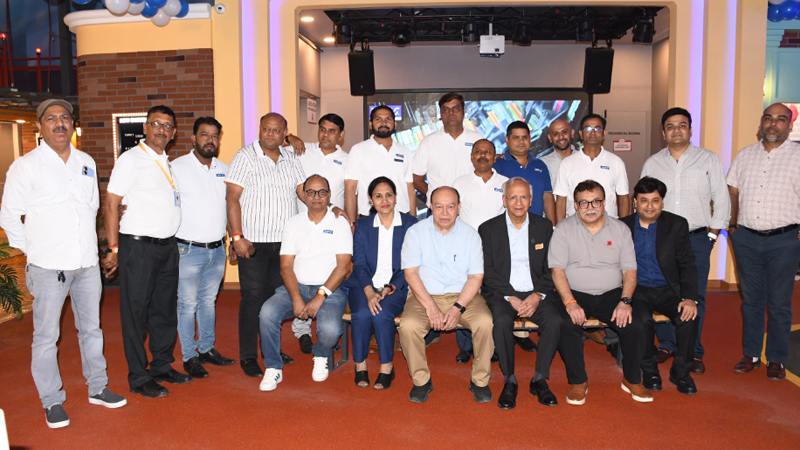
    Senior DOMS management, as well as their trade representatives and dealers, attended the event and showed their support and excitement for the project. The hands-on experience provided at the launch event was highly enjoyed by the children, who came away inspired to pursue their artistic endeavours.
    This will be the second collaborative association between both companies after the success in Mumbai and will give young visitors an exciting opportunity to explore their artistic abilities in a dynamic and engaging environment.

  • UltraTech Cement Q2 performance sees sluggish growth amidst rising costs

    UltraTech Cement Q2 performance sees sluggish growth amidst rising costs

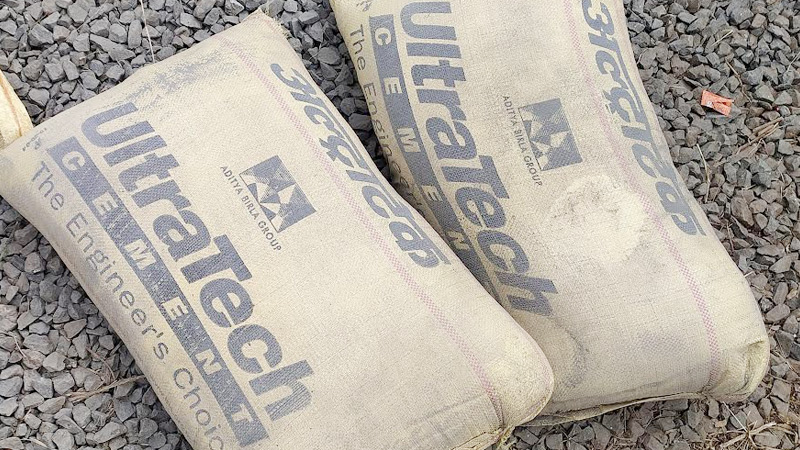
    Mumbai: In a landscape where construction and infrastructure development are vital to economic growth, UltraTech Cement Limited finds itself navigating turbulent waters. On 21 October 2024, the company disclosed its unaudited financial results for the quarter and half-year ending 30 September 2024. These results tell a story of declining revenues and profits, prompting a closer examination of the underlying factors affecting this leading player in the cement industry.

    The company’s revenue saw a marginal increase of 3.7 per cent year-on-year, reaching Rs 15,634.73 crore. However, despite this rise in top-line growth, profitability was under pressure due to escalating costs, causing a 35.5 per cent decline in net profit compared to the same quarter last year.

    The quarter was marked by an environment of rising costs, notably in power and fuel expenses, which accounted for Rs 3,837.69 crore, a 12.5 per cent decline from the previous quarter but still high compared to historical levels. Additionally, freight and forwarding expenses surged by nearly 2 per cent year-on-year to Rs 3,583.51 crore, further eroding the company’s operating margins. Employee costs also saw a significant rise, reaching Rs 913.86 crore, a 12.5 per cent increase year-on-year.

    Despite these challenges, UltraTech Cement managed to maintain a steady volume growth and revenue stability, driven by ongoing infrastructure developments and a resurgence in the real estate sector. However, the company’s efforts to manage costs through operational efficiencies and alternative fuel strategies fell short of countering the broader cost inflation impacts.

    UltraTech Cement, managing director, K.C. Jhanwar commented, “While we have seen revenue growth supported by increased sales volume and price improvements, the cost inflation in key inputs such as power and logistics remains a significant challenge. We are focusing on optimising our fuel mix and enhancing our efficiency to mitigate these impacts.”

    The company’s net profit stood at Rs 825.18 crore for the quarter, down from Rs 1,280.38 crore in the same period last year, indicating a tightening profit margin from 8 per cent to 5 per cent. On the brighter side, UltraTech’s ongoing expansion plans remain on track, with a commitment to increasing capacity by 22.6 million tonnes per annum by FY26, aiming to cement its leadership in the Indian market.

    Analysts point out that while revenue growth is encouraging, the impact of elevated costs on UltraTech’s profitability raises concerns about its near-term performance. As cement demand is expected to continue its upward trajectory, the company’s ability to manage cost pressures will be critical in determining future growth.

  • NPCI offers essential tips to prevent digital payment fraud this Diwali

    NPCI offers essential tips to prevent digital payment fraud this Diwali

    Mumbai: As the festive season ignites a surge in shopping, the National Payments Corporation of India (NPCI) emphasises the importance of digital payment security. With many customers often overlooking crucial safety practices, financial losses and emotional distress can occur. NPCI shares key advice to help shoppers navigate the festive season securely and enjoy their shopping experiences.

    Flashy offers and discounts may lead to impulse buying, but rushing to avail these deals can cause you to overlook the legitimacy of the platform. Always conduct thorough research on unfamiliar sellers and untrustworthy businesses.

    When signing up for offers, refrain from sharing excessive personal information that isn’t required, as this increases the risk of data theft.

    Avoid making purchases on unsecure networks, such as open Wi-Fi at shopping malls, which can expose your financial information to hackers.

    During the festive season, as shopping frequency increases, customers often lose track of their orders, making them vulnerable to phishing scams. Always double-check payment links before clicking to avoid fake delivery notifications.

    Finally, avoid using simple or default passwords for your accounts, as these make you an easy target for hackers. Create strong, unique passwords for each account to enhance security.

  • Collective Artists Network & Pinterest create one lakh shoppable pieces for Myntra campaign

    Collective Artists Network & Pinterest create one lakh shoppable pieces for Myntra campaign

    Mumbai: Collective Artists Network, in partnership with Pinterest, has created one lakh shoppable content pieces for Myntra, marking a major milestone for an affiliate marketing campaign of this scale. This tech-driven content production highlights the potential for creator commerce platforms.

    During the Myntra Big Fashion Festival, 30K shoppable content pieces went live within two weeks. The collaboration reflects Collective’s commitment to fostering growth opportunities for creators and strengthening their presence in the affiliate marketing space.

    “Our collaboration with Pinterest and Myntra has been instrumental in enabling us to push boundaries and set new benchmarks in affiliate marketing,” said Collective Artists Network founder & group CEO Vijay Subramaniam. “By leveraging automation and deep insights, along with a new media approach to business,  we have empowered creators to drive engagement, while enabling  brands like Myntra to directly tap into the scalable trend-driven commerce landscape.”

    Myntra’s senior director – performance marketing Deepash Jain said, “Our collaboration with Collective Artists Network has been incredibly fruitful. The Big Fashion Festival is one of our biggest events and we’re thrilled to witness  this milestone in affiliate marketing by creating 1 lakh shoppable content pieces on Pinterest. We’re always innovating to support the growth of the creator ecosystem and this collaboration is a testament to that.”

    The campaign has scaled successfully, offering technology-driven insights into trend-based content-to-commerce models. These insights help brands and creators better understand consumer behavior and leverage trends for more targeted strategies, enhancing the shopping experience on platforms like Pinterest, which drives real conversions.

    With one lakh shoppable Myntra content pieces live, Collective Artists Network’s campaign marks the largest content effort in the affiliate marketing space within a short timeframe, highlighting a significant milestone in creator-led commerce.

  • ASCI to host global summit for Ad self-regulation in Mumbai

    ASCI to host global summit for Ad self-regulation in Mumbai

    Mumbai: The Advertising Standards Council of India (ASCI) is set to host the International Council for Ad Self-Regulation (ICAS) Global Summit from 17 to 21 March 2025, in Mumbai. This will mark the ICAS summit debut outside of Europe and the US. The event will create opportunities for global stakeholders to engage in discussions focused on the future of advertising, new regulatory trends, and evolving standards.

    The summit will host advertising Self-Regulatory Organisations (SRO) from over 27 ICAS member countries, along with representatives of six international advertising associations and other industry delegates. The summit will also feature the ICAS Global Self-Regulation Awards, celebrating best practices in advertising self-regulation worldwide. As part of the summit, ASCI Academy will host a thought leadership event called the “Global Adda” that will see the launch of important reports and conduct discussions on the topics of future regulatory trends in advertising, diversity and inclusion with a focus on masculinities, and the opportunities and guardrails around AI in advertising.

    Besides the report launches, Global Adda will feature panel discussions, fireside chats, and networking sessions, enabling participants to delve deeper into pressing issues with leaders in the advertising regulatory space. Participating stakeholders will include international advertising SROs, regulators, industry leaders, domain experts, civil society organisations and academic institutions.

    ASCI has been significantly contributing to the global work on self-regulation. Recently, it became a founding member of the ICAS Global Think Tank at its launch event in New York. The collaborative platform is committed to promoting self-regulation, critical thinking, and research to advance responsible advertising practices globally. By joining the Think Tank, ASCI will work together on global discussions and action on advertising ethics and evolving standards.

    ASCI’s efforts have been recognised globally, receiving multiple awards at the prestigious ICAS Global Awards in recent years. The Council has also been instrumental in adapting international best practices, tailoring them to the Indian ad industry. The ASCI Academy, launched in 2023, has also been recognised for its role in capacity building and thought leadership. This includes initiatives on dark patterns, influencer marketing, diversity, and inclusion, among many others.

    ASCI VP,  ICAS & CEO, and secretary general Manisha Kapoor  said, “Hosting ICAS’s first global summit outside Europe and the US is an honour. We look forward to having global experts share their insights and learn from the Indian industry. Advertising today faces new challenges in building and sustaining consumer trust. This summit will offer an exchange of ideas and best practices that will help us drive important conversations and action in the industry.”

  • Maruti Suzuki Arena Devils Circuit’s eighth Mumbai edition ends on a high note

    Maruti Suzuki Arena Devils Circuit’s eighth Mumbai edition ends on a high note

    Mumbai: The eighth Mumbai edition of the Maruti Suzuki Arena Devils Circuit concluded with remarkable success. Held in Mumbai on 20 October, 2024, the event saw participants from diverse backgrounds come together to join the challenging obstacle course, designed to test their physical and mental stamina. With a focus on promoting fitness, community, and the spirit of adventure, this edition lived up to the excitement that the Maruti Suzuki Arena Devils Circuit has been known for across the country.

    The event kicked off with participants arriving early and soon the atmosphere was charged with warm up sessions and activities began on the main stage, engaging the crowd and getting them prepped for the challenges ahead. The first wave of competitive runners hit the circuit, with subsequent waves released every 20 minutes. The action-packed schedule ensured a seamless flow of participants throughout the morning, with competitors tackling a series of unique and demanding obstacles designed to push them to their limits.

    The prize ceremony was graced by Maruti Suzuki India Ltd zonal sales head west Arun Bhati, who gave away the prizes to top athletes who completed the course and the obstacles in the quickest time. The top winners were Vikram Sagar in the male category; and, Zahabiya Merchant in the female category who secured the top spot with a finish time of 42 mins 11 secs, & 48 mins 7 secs respectively. Even as the final wave of participants began their challenge, the energy at the venue remained vibrant. Participants had to complete the circuit, and as participants crossed the finish line, they gathered at the bustling Expo Area, where an after-party offered a chance to unwind. The Expo featured food, entertainment, and interactive zones, including the majestic One Tribe One Drive zone put up by Maruti Suzuki Swift, as well as the interactive Jockey zone. Amongst other partners that offered engagement were Red Bull, Bisleri, as well as Volini who had created a recovery zone.

    Devils Circuit co-founder Adnan Adeeb added his thoughts on the event, “This year’s Mumbai edition of the Maruti Suzuki Arena Devils Circuit has truly exceeded expectations. It’s an example of the enduring legacy of this event and how it’s reaching out to more people year after year. From its inception as a unique racing format, the event has built a benchmark in the space of disruptive sporting events with this edition witnessing the biggest participation the city has seen so far. . With more people connecting and the wave of adventure & sports penetrating deeper into society, we aim to keep innovating, expanding, and taking the spirit of competitiveness and self-improvement to the masses.”