Category: MAM

  • How Does Term Insurance Benefit Self-Employed Individuals Without Employer Benefits?

    How Does Term Insurance Benefit Self-Employed Individuals Without Employer Benefits?

    When you’re self-employed, you handle everything—your income, your business, and your family’s financial security. There’s no company insurance or fixed salary to rely on. That’s why it’s important to plan ahead.

    Term insurance is a great way to make sure that if life takes an unexpected turn, your loved ones won’t be left struggling. It’s a simple, affordable solution that provides peace of mind. 

    This blog covers the reasons why term insurance is a must for self-employed. We’ll look at how it can offer stability in an unpredictable world.

    Benefits of term insurance for self-employed individuals

    Besides compensating for the lack of employee perks, these are the other benefits of term insurance for the self-employed: 

    Provides financial security for your family

    If your income supports your household, term insurance ensures your family isn’t left struggling in case of an unexpected event. It helps cover essential expenses like home loans, education and daily costs.

    Offers affordable and flexible premiums

    Term insurance gives you good coverage at a low cost. You can also pick a payment plan that suits you—monthly, quarterly or yearly.

    Ensures business continuity

    If you own a business, the payout can help cover operational expenses, clear debts or support succession planning. It ensures your business remains stable even in your absence.

    Gives peace of mind

    Self-employed individuals have to create their own financial safety net. Term insurance provides reassurance that your dependents won’t face financial hardship.

    Provides tax benefits

    Premiums paid for term insurance qualify for tax deductions under Section 80C of the Income Tax Act, 1961. Furthermore, any payout to your nominee is tax-free under Section 10(10D).

    Covers loans and liabilities

    Many self-employed individuals take loans to grow their businesses. Term insurance prevents these debts from becoming a burden on your family. The payout can help cover repayments if something happens to you.

    Allows customised coverage

    You can adjust your term insurance coverage. Consider your business value, income and financial goals. You can even increase coverage as your responsibilities grow.

    Offers extra protection

    Riders like critical illness cover, waiver of premium and accidental death benefits offer more benefits to your policy. These keep you financially secure if health problems affect your income.

    Tips to choose the right term insurance for self-employed individuals

    When you’re self-employed, planning for financial security is entirely up to you. Without employer-provided benefits, it’s important to choose a term insurance plan that can take care of your family’s needs and cover any outstanding loans or business liabilities. This ensures that your loved ones won’t have to face financial difficulties if something happens to you.

    Since income is unpredictable, look for policies that offer flexible premium payments or grace periods. The coverage should be able to support personal and business commitments. It’s also a good idea to compare different insurers based on their claim settlement ratio, policy benefits, and premium costs. Additional features like critical illness cover or a waiver of premium can offer extra protection during tough times. Before you finalise a plan, read the policy details carefully to understand the terms and exclusions. If you’re unsure about the right choice, consult a financial advisor.

    Last word

    Choosing the right term insurance provider is as important as selecting the right coverage. To make an informed decision, check the insurer’s reputation, claim process and additional benefits. A trusted provider keeps your family and business financially secure, no matter what.

    Use a term insurance premium calculator to make your search easier. It lets you compare plans based on coverage, cost and flexibility. Checking these details will help you pick a policy that gives the right financial protection.

  • Cineline ditches the bed, makes a blockbuster move with hotel sale cash

    Cineline ditches the bed, makes a blockbuster move with hotel sale cash

    MUMBAI: It’s lights out for Cineline India’s hospitality stint. The film exhibition player has checked out of the hotel biz, and it’s not leaving a tip. In a move that’s more box office than boardroom, the company sold off its Goa-based Hyatt Centric hotel—owned by its arm R&H Spaces Pvt Ltd—for a neat Rs 270 crore. Who bought it? A non-promoter outfit, Sparsh Vidyut Pvt Ltd. Why? To settle scores, crush debt, and go full throttle on movie screens.

    Yes, Cineline is pulling a dramatic plot twist—moving from beds to blockbusters. And here’s the kicker: with this sale, the company has knocked off Rs 120 crore in debt tied to the hotel. But wait, there’s more.

    They’re going for a full clean slate. Cineline will use the remaining funds to pay off Rs 108 crore of debt from its film exhibition business. Translation: zero debt. That’s not just financial discipline—it’s a full financial detox.

    The icing on this celluloid cake? The cash left over is going straight into its first love—cinema. And the ambitions are nothing short of a megahit. Since relaunching the Moviemax brand in April 2022, the company already boasts 77 operational screens and has deals tied up for 82 more.

    Over the past two years, Cineline has been on a selling spree—unloading real estate worth Rs 351 crore, including the Rs 270 crore hotel sale, a Rs 60 crore mall in Nagpur, and two Mumbai commercial spaces for around Rs 21 crore. All roads lead to the box office.

    So what’s next for this reinvigorated, popcorn-powered outfit?

    Let’s talk strategy. The company’s rolling out a three-part script for growth:

    .   Cash is king: With Rs 22 crore annually saved from no more debt servicing, Cineline plans to pump this into screen expansion. It’s also keeping eight cinema properties in its back pocket for future monetisation.

    . Capital-light chic: Cineline aims to keep capex lean by partnering with developers for new screen infrastructure.

    . Share and flair: Future expansions will mostly follow a revenue-share model. Less rent, more freedom.

    CEO Ashish Kanakia didn’t mince words, “We have successfully completed the sale of our hotel asset for an enterprise valuation of Rs 270 Crores, allowing us to fully concentrate on expanding our core film exhibition business. This move will accelerate growth and help expand our market presence through addition of new screens.”

    He added that being debt-free will boost cash flow and allow Cineline to capitalise on the expected box office bounce-back. Cineline has left the hospitality lobby and entered the cinema hall, popcorn in hand and eyes on the marquee.

    So, is this India’s smartest pivot from rooms to reels? Time—and ticket sales—will tell.


  • Types of Business Insurance You Should Have if You Own a Commercial Fleet of Tractors

    Types of Business Insurance You Should Have if You Own a Commercial Fleet of Tractors

    Logistics, construction, and agricultural businesses need tractors for seamless business operations. Having a commercial fleet of tractors makes it easier to run the business, but owning tractors also comes with a burden. To reduce risk, it is necessary to cover your fleet of tractors with appropriate business insurance.

    Since work can be interrupted due to accidents or machinery failure, appropriate business insurance can save you time and money. Keep reading to learn about the essential business insurance policies that all commercial fleet owners should have to ensure the safety of their tractors and their users.

    Must-have Business Insurance for Individuals Owning Commercial Fleets of Tractors

    Accidents and several other unfortunate events are bound to happen while running a commercial fleet of tractors. Business insurance covers these events regarding tools and vehicles used in the business. While there are many types of insurance to secure your commercial tractors from the associated risks, here are some of them:

    1.  Commercial Tractor Insurance

    According to the Motor Vehicle Act of 1988 provisions, vehicles purchased for business purposes must be insured through commercial vehicle insurance . This type of insurance is intended for companies that use tractors to conduct business activities.

    Through this policy, your tractor will be insured against several risks, ensuring that in case of an accident, you will not have to bear the costs involved.

    The following are the key features of commercial vehicle insurance:

    ●    Third-party Liability Coverage:It covers the business against third-party property damage or physical injury caused by the insured tractor while the tractor is on a public road.  
    ●    Own-damage Coverage: This policy covers the costs of repairs if your tractor is in an accident (the fault of a policyholder is irrelevant), is damaged by natural elements, a fire, or vandalism.  
    ●    Theft Protection: This is insurance coverage in case your tractor is stolen, and you are compensated for the loss.

    Getting commercial vehicle insurance for your fleet is important, as it protects the fleet from monetary loss in case something untoward happens.

    2.  Comprehensive Coverage

    Although a basic insurance policy for commercial vehicles provides coverage against thefts, accidents, and third-party damages, comprehensive coverage is there to offer more. It offers protection against wider skirts from any unknown risks.

    When a fleet owner takes out this policy, they know that its coverage encompasses a broad spectrum of risks and is broad in cases such as damage by possible natural calamities and the vandalism caused.

    Here are some of the key features of a comprehensive business insurance policy:

    ●    Protection Against Natural Calamities: Comprehensive coverage protects your tractors from damages caused by natural disasters such as floods, earthquakes, storms, and lightning.  
    ●    Accidental Damage:This covers incidents not involving other vehicles, such as if falling objects, such as trees or debris damage your tractor.  
    ●    Fire Damage: If your tractor is caught in a fire, this policy will cover the cost of repair or a replacement if the vehicle is beyond repair.  
    ●    Personal Injury Coverage:It protects against medical expenses and other liabilities if the driver or anyone involved in an accident is injured.  
    ●    Natural Disasters: Commercial tractor insurance covers damage to your vehicle caused by natural calamities like floods, earthquakes, etc.

    Comprehensive coverage is excellent for business owners who want to protect their fleet from common and rare risks.

    3.  Fleet Insurance

    For businesses operating multiple tractors, fleet insurance is an efficient and cost-effective way to protect their entire fleet under one policy. With fleet insurance, all their vehicles, whether trucks, tractors, or other commercial vehicles, are covered under a unified insurance policy.

    Key features of fleet insurance include the following:

    ●    Cost-effective:Fleet owners can often save on premiums compared to insuring each tractor individually by insuring multiple vehicles together.  
    ●    Easy Management: You only need to manage one policy, reducing administrative complexity.  
    ●    Customisable: Fleet policies are flexible, and you can tailor coverage to meet the specific needs of each tractor in your fleet, depending on its usage.

    Fleet insurance is particularly useful for large-scale operations, offering simplicity and savings for businesses with many vehicles.

    4.  Machinery Breakdown Insurance

    Like all heavy machinery, tractors are susceptible to breakdowns over time due to wear and tear or mechanical failure. Equipment breakdown insurance helps cover the cost of repairs and maintenance for your tractors in case of unforeseen breakdowns.

    This coverage can be critical for keeping your operations running without expensive disruptions.

    Check out what it covers:

    ●    Mechanical Failure: If your tractor breaks down due to mechanical or electrical failure, this insurance covers repair costs.  
    ●    Spare Parts: This covers the cost of replacing the parts necessary to get your tractors back in operation.

    This coverage is a safeguard against costly repairs and operational delays for businesses that rely heavily on their tractors for day-to-day operations.

    5.  Cargo Insurance

    If your tractors are used for transporting goods, cargo insurance is a critical policy to protect the goods in transit. Whether you’re transporting agricultural products, construction materials, or other freight, cargo insurance will cover the costs in case of loss, damage, or theft.

    Here’s what is covered under this insurance policy:

    ●    Theft: If the cargo you’re transporting is stolen, cargo insurance will compensate you for the loss.  
    ●    Damage During Transit:It covers the damage or destruction of goods caused by accidents, fire, or rough handling during transit.  
    ●    Loss of Goods: If the cargo is lost or destroyed beyond recovery, this insurance will help mitigate the financial loss.

    Cargo insurance protects the goods being transported by your tractors, keeping your business financially secure in case of accidents.

    Managing a commercial fleet of tractors involves significant risks and responsibilities. The right business insurance policies can protect your assets, employees, and operations from financial losses due to accidents, breakdowns, liability claims, etc.

    To ensure comprehensive protection, it is crucial to have a combination of commercial vehicle insurance, comprehensive coverage, liability insurance, and workers’ compensation policies. By working with an experienced insurance provider, you can customise a plan that fits the specific needs of your tractor fleet.  
     

  • First glance leaves a glow as Mrunal Thakur becomes the face of Dyna

    First glance leaves a glow as Mrunal Thakur becomes the face of Dyna

    MUMBAI: Mrunal Thakur is all set to make first impressions even more striking this time, as the face of Dyna. The premium beauty soap brand has roped in the movie actress as its brand ambassador for the latest campaign, “Pehli Jhalak Kare Khoobsurat Asar” (First Glance Leaves a Beautiful Impact). And much like Mrunal’s journey from television to the big screen, Dyna, too, is stepping into a new era of premium skincare.

    The partnership is a strategic move for Dyna, a brand known for its 76 per cent TFM Grade 1 soap with 0 per cent fillers marking it as a superior choice in the beauty segment. With a growing demand for indulgent skincare that doesn’t compromise on quality, the brand aims to reinforce its position as the go-to beauty soap for those who prioritise both nourishment and elegance.

    “Mrunal Thakur represents everything Dyna stands for grace, poise, and timeless beauty. Her journey from television to Bollywood mirrors our brand’s evolution, making her the perfect ambassador. We are excited about this collaboration and believe it will elevate Dyna’s appeal among beauty-conscious consumers,” said Anchor Consumer Products director Karan Shah.

    “I am thrilled to partner with Dyna, a brand that truly understands the essence of beauty and confidence. The new campaign beautifully captures the magic of first impressions, and I love how Dyna empowers women to feel their best every day. It’s an exciting journey, and I’m looking forward to being a part of it,” said Mrunal Thakur.

    Directed by Uzer Khan and produced by 30Sec of Fame, Dyna’s latest TVC showcases Mrunal as the epitome of effortless beauty, leaving a lasting impact wherever she goes. The visual narrative seamlessly ties into the brand’s tagline, reinforcing the idea that true confidence begins with the right skincare.

    To amplify the campaign, Dyna will roll out extensive promotions across television, digital platforms (Youtube, Instagram, Facebook, and OTT), in-store branding, and influencer collaborations. Mrunal’s presence will also extend to product packaging, reinforcing her connection with the brand at every touchpoint.

    With a blend of premium elegance and sustainability thanks to recyclable packaging Dyna’s latest campaign is more than just about beauty; it’s about embracing confidence with conscious choices. As the brand expands its footprint across modern trade, general trade, and e-commerce, this partnership with Mrunal Thakur is set to make waves, proving that the first glance really does leave a lasting glow.

  • Kulkarni exits Natural Diamond Council after six-year sparkle

    Kulkarni exits Natural Diamond Council after six-year sparkle

    MUMBAI: Aparna Kulkarni, a marketing heavyweight with a glittering CV, has hung up her diamond-studded boots at the Natural Diamond Council, after a six-and-a-half-year stint. She’s leaving behind a legacy of celebrity-fuelled campaigns and a digital strategy that, one might say, was rather brilliant.

    Kulkarni, who previously cut her teeth at media giants like Star India and Times Network, joined the Diamond Council in 2018, tasked with building their Indian consumer marketing strategy. She’s credited with transforming the brand’s digital presence, turning it into a “content publishing platform” – a fancy way of saying she made diamonds look good online.

    Her tenure saw a focus on “luxury content creation,” celebrity endorsements, and a PR blitz to polish the diamond narrative. She also dipped her hands deep into the nitty-gritty of performance marketing, tracking digital metrics and strategising annual social media plans. No mere baubles, then, but hard graft.

    “It felt like home,” Kulkarni said of her time at the council, adding that she’s “equally excited about what’s next.”

    She offered a heartfelt thanks to colleagues, and a cheeky “may the diamond prices keep going north!”

    One imagines a few champagne flutes were raised.

    Her departure leaves a vacancy for a marketing director who can maintain the brand’s digital sparkle and keep the celebrity endorsements shining. The diamond industry, it seems, just lost one of its brightest facets.

  • Term insurance for self-employed: A guide for freelancers and small business owners

    Term insurance for self-employed: A guide for freelancers and small business owners

    Self-employment is rapidly becoming one of the top choices among job seekers and businesspeople. It is one of the few employment opportunities where you need not depend on others to pay you. You create your own job and your own profits. This sense of creation and self-satisfaction quickly ripples into other parts of life. That is why term insurance for self-employed is so desirable.

    What is term insurance? 
    Term insurance is a type of life insurance policy which you can avail to secure the future financial well-being of your loved ones.

    A term insurance policy is a highly affordable form of life insurance that is available with a very high sum assured as compared to the very reasonable premium rate. The policy tenure may vary from 10-100 years. Additionally, you can choose term insurance policies based on your financial needs.

    Here is a list of the types of term insurance available:

    . Increasing term plan – They increase the overall sum assured annually, which helps meet the rate of inflation in the future and increases your family’s financial protection.

    . Decreasing term plan – They decrease the sum assured annually but use the money to repay lenders and reduce your liabilities.

    . Level term plan – They are steadfast term insurance policies that abide by the terms and conditions agreed upon in the initial contract.

    . Term insurance with return of premium – These are unique term insurance policies that offer maturity benefit if you survive the policy tenure.

    . Single premium term insurance plan – They allow you to purchase a term insurance policy with all its benefits with a single lump sum premium instead of regular payments.

    You can evaluate the pros and cons to choose the policy that best suits your needs and those of your loved ones.

    What is GST, and how does it affect self-employed individuals? 

    Self-employed individuals have a lot of responsibilities. Aside from making a living to support your family, you also have financial responsibilities toward the government. This holds true in any country, but thankfully in India, the introduction of GST in 2017 simplified and streamlined the taxation process. 

    So, what is GST? 

    GST is nothing but the tax levied on goods and services in India. Earlier, before the government conceptualized what is GST, there were a number of taxes that you had to pay based on your type of profession and income. Now, the single goods and services tax has streamlined the tax that you need to pay so you never violate the taxation laws in the country.

    GST has replaced several forms of indirect taxes. This is particularly beneficial for the self-employed as you have taxes levied on your income with variations. Instead, now you can acquire a GSTIN which helps simplify the process of filing your taxes. You can also avail of multiple benefits on term insurance premiums due to a streamlined GST process.

    Why term insurance for self-employed is necessary? 

    Self-employed individuals are highly self-reliant. You create your jobs, make money, and take care of your loved ones. However, the income source may be unstable. Freelancing and self-employment bring you money as it corresponds to individual contracts. Therefore, dry months are a possibility during which you may need to acquire loans or credit. Savings or wealth development also takes time and efficiency.

    In the event of your sudden, untimely demise, the liabilities of mortgages, debts, and household expenses transfer to your loved ones. Any outstanding business expenses are also your family’s burden to bear.

    Here are a few top reasons why term insurance for self-employed is so important:

    . It allows you to build a corpus for your loved ones to handle their future goals and ambitions.

    . You can avail of single premium term insurance for self-employed. It helps you acquire the plan’s benefits using a single lump sum premium.

    . You can avail of increasing term insurance that assures a higher sum assured. In the future, if your loved ones assess higher liabilities, then the higher sum assured can help navigate the burden without succumbing to the pitfalls of inflation.

    . Term insurance for self-employed offers tax benefits which can help you save money while you prepare for your family’s financial security.

    . Term insurance for self-employed is an affordable plan with a higher sum assured than most life insurance policies.

    . It also helps you build a corpus for your golden years. Term insurance with a return of premium assures a lump sum maturity benefit that you can use for future financial crises.

    . You can add riders to amplify the coverage on your term plan. These payouts help pay for medical expenses in case of accidental death, critical illnesses, etc.

    Term insurance for self-employed is a safeguard that protects your loved ones after your death. It provides peace of mind knowing that your loved ones will be well taken care of despite the unstable income source and liabilities that you may leave behind.

  • Bajaj Finserv Healthcare Fund: How megatrends and defensive investments can help navigate market crashes

    Bajaj Finserv Healthcare Fund: How megatrends and defensive investments can help navigate market crashes

    Healthcare-related sectors can offer varied growth opportunities to investors because it blends both defensive and cyclical elements. Defensive stocks, such as pharmaceuticals and healthcare facilities, tend to see lower downside risk during economic downturns, as people continue to spend on essential medical needs. On the other hand, certain healthcare segments, like elective procedures and wellness products, show cyclical patterns and are influenced by economic conditions. This combination provides the potential to mitigate volatility risk while still allowing for growth during market upswings.

    It is this balance that the Bajaj Finserv Healthcare Fund seeks to capture. The fund seeks to offer long-term growth potential and the ability to navigate market ups and downs through its forward-looking megatrends strategy.

    The megatrends shaping healthcare investing

    Megatrends are large-scale, long-term forces that shape societies, economies, industries, and cultures over decades. They can influence how people live, work, and interact. Unlike short-term trends or fads, megatrends evolve gradually but have significant and lasting effects.

    The Bajaj Finserv Healthcare Fund follows such a megatrend-driven approach. The thematic equity fund invests in pharma, healthcare and allied companies. By focusing on major regulatory, economic, demographic, and social changes in these spaces, the fund seeks to invest in companies that could benefit from these structural shifts. Here are some of the megatrends that the fund focuses on:

    . Regulatory megatrends: Governments across the world, including India, are increasing their focus on healthcare policies, insurance penetration, and drug pricing regulations. The push for affordable healthcare and evolving compliance norms can create new opportunities for companies that can adapt to these changes.

    . Economic megatrends: Rising income levels, higher disposable income, and increasing healthcare spending are contributing to the growth of healthcare and allied sectors. The shift towards premium healthcare services and investment in healthcare infrastructure can drive demand across different healthcare segments.

    . Demographic megatrends: India’s growing population, rising life expectancy, and increasing awareness of lifestyle diseases such as diabetes and heart conditions are driving of healthcare demand. An ageing population is expected to need more medical care, diagnostic services, and long-term treatment options, creating sustained opportunities in healthcare-linked sectors.

    . Social megatrends: Awareness about health and wellness is increasing among Indian consumers. More people are seeking preventive healthcare, adopting healthier lifestyles, and investing in wellness solutions. The demand for organic nutraceuticals, fitness products, and traditional medicine is on the rise, creating new investment opportunities.

    Opportunities across sectors

    As India’s healthcare and related industries evolve, here are the sectors that can potentially offer long-term growth opportunities:

    . Pharmaceuticals: The Indian pharmaceutical industry has been on a growth trajectory. The country positions itself as the ‘pharmacy of the world’, supplying medicines to both domestic and international markets. The government is also taking policy measures to encourage innovation and research and development in this space. 

    . Hospitals and healthcare facilities: Expanding healthcare infrastructure, growing medical tourism, and the rise of corporate hospital chains are creating growth opportunities. Medical infrastructure in India is growing, but there is significant scope for further expansion and increased rural penetration of quality healthcare. These can create long-term growth opportunities.

    . Health insurance: The demand for health insurance is growing, but the sector remains underpenetrated. Government initiatives and private sector participation are expanding insurance coverage, making it an area of opportunity.

    . Nutraceuticals: The rising focus on preventive healthcare has fuelled demand for nutraceuticals, including dietary supplements, functional foods, and herbal products. India’s rich tradition of Ayurveda and natural wellness practices provides additional avenues for growth.

    . Diagnostic laboratories: The diagnostics sector is expanding, with increased demand for pathology and radiology services. Advanced testing technologies, home sample collection, and digital healthcare solutions are driving growth in this space.

    . CRAMS (Contract Research and Manufacturing Services): India has emerged as a hub for pharmaceutical contract research and manufacturing, catering to global pharmaceutical and biotechnology companies. Cost efficiencies, skilled talent, and regulatory compliance make this sector suitable for investments.

    Why invest in megatrends?

    Megatrend investing offers a strategic approach to capturing long-term growth, diversification, and resilience by focusing on transformative global shifts. Here are some of its advantages:

    . Long-term growth potential: Investing in megatrends aligns with structural shifts that may drive sustained growth over decades.

    . Early-mover advantage: Identifying trends early can help investors tap into their growth potential before the market wakes up to it. 

    . Resilience to short-term volatility: Unlike cyclical trends, megatrends are driven by fundamental, lasting changes, enhancing their potential for recovery from economic downturns.

    . Exposure to innovation: Investing in megatrends can provide access to cutting-edge technologies and disruptive business models.

    . Global growth potential: Megatrends like demographic changes, digital transformation, and climate action are global, offering opportunities in different markets.

    By leveraging opportunities created by megatrends, the Bajaj Finserv Healthcare Fund seeks to tap into healthcare-related sectors’ structural growth potential. Investors who find this strategy appealing can consider investing in this fund. You can invest via Systematic Invest Plan (SIP) or lumpsum. Investment options start at Rs. 500 for lumpsum and Rs. 500 and above with minimum 6 instalments in case of SIP.

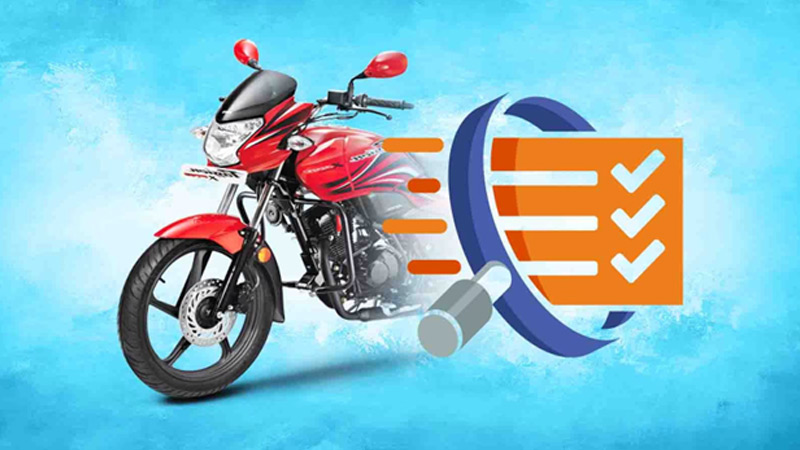
  • Ensure Comprehensive Protection for Your Bike: Compare and Save on Bike Insurance Today!

    Ensure Comprehensive Protection for Your Bike: Compare and Save on Bike Insurance Today!

    If you qualify yourself as a bike enthusiast, your bike is definitely more than just a mode of transport for you. It is your passion, a hobby, and sometimes even your best pal. But have you ever stopped and wondered what would happen if something went wrong?

    Whether it is a minor scratch or a major accident, the financial and emotional impact can be overwhelming. This is where the role of bike insurance comes in. It is not only a legal requirement, but a safety net that can save you from a financial burden that comes with peace of mind when you hit the road.

    No matter where you use your bike. Be it for daily travel or weekend getaways, safeguarding your bike against unforeseen and unfortunate events like accidents, thefts, natural calamities, etc, is extremely crucial. But with so many options out there, how do you choose the right policy for you? Read on, so that you don’t settle for an inadequate policy or overpay for standard coverage when better options exist.

    Understanding Your Needs: Getting Beyond Basic Coverage

    Imagine you meet with an unfortunate bike accident where not only someone else’s bike, your bike is damaged too. A third party bike insurancewill only help you cover the costs of damages caused to third party and third party property. In such a case, you will have to bear the repairing expenses all by yourself.

    Let’s face it: third-party insurance is the bare minimum. It’s like wearing a helmet without any other protective gear—you’re still exposed to a lot of risk!

    Comprehensive bike insurance, on the other hand, is like wearing full protective gear: it covers not just third-party liabilities but also damages to your bike and comes with a lot of added benefits. Imagine, if you wake up one morning to find your bike has been stolen. Without comprehensive insurance, you’d be left with nothing but a police report and zero claim payout amount. But with the right policy, you will receive the predetermined IDV amount in case of insured bike theft.

    The Art of Choosing the Adequate Bike Insurance Coverage

    So how do you make a choice from several insurers and policies? Which insurance will help you save the most without compromising on safety? Should you buy a third party insurance or a comprehensive one? Let us answer these questions by addressing some factors to choose the right bike insurance policy and save on premium.

    .Your Riding Style: If you’re a casual rider who only takes your bike out on weekends, you might not need as much coverage as someone who commutes on a daily basis. IRDAI has recently started to address these dynamic needs and has facilitated various measures such as Tech-based plans, such as Pay as You Drive, Pay How You Drive, etc.

    .Your Bike’s Value: Imagine you have purchased your dream high-end bike and take a trip to the mountains. One wrong turn, your bike skids and is totally damaged. What now? If this thought scares you, you must make sure that you not only get a third party bike insurance but have an insurance that fully protects not only others, but you and your bike as well. Comprehensive insurance ensures that you’re covered for the full value of your bike in case of accidents, theft, natural calamities, etc.

    .Including Relevant Add-Ons: Did you know over 13,000 two-wheelers were stolen in just two and a half years in Bengaluru? Or cities like Hyderabad are the most accident-prone cities in India… 

    If these unsettling numbers make your blood run cold and scare you, then you must definitely not just settle for a third party insurance and choose comprehensive protection for your bike. A comprehensive insurance with the most relevant add-ons can protect you from both theft and accident-related damage. Consider what additional features you need to enhance your policy coverage without breaking the bank and give you the best claim settlement amount.

    Finding the Best Fit: How to Choose the Right Bike Insurance Cover?

    Feeling stuck and overwhelmed with the number of bike insurance policies available? When it comes to purchasing the right bike insurance, it’s easy to feel overwhelmed by all the options available. But, with a little guidance, you can find a policy that fits your needs and saves you money. Here’s how you can do it:

    Research your Way: Compare and Buy Two-Wheeler Insurance Online

    Checking online reviews is a great place to begin the journey of buying a bike insurance policy. You can compare several plans offered by different insurers and choose the best policy that fits your budget using any aggregator website. Here you can compare premiums and features side by side, and also can see what other customers have to say about different insurers. It’s like asking friends for recommendations, but on a much larger scale. Apart from what others say, it is highly recommended to also check what all you need to protect and cover.

    Hunt for Savings: Explore Discounts and Offers

    Who doesn’t love saving money? Many insurers offer discounts that can reduce your premium costs. Some of the most common ways to save money before buying a bike insurance are:

    . Invest in Long-term Policies: Opting for a long-term policy can save you from annual premium hikes and ensure continuous coverage without lapses. Moreover, if you are purchasing a new bike in India, it is mandatory to buy a 5+1 bike insurance policy. It offers 5 years TP (third-party) coverage and 1 year OD (own-damage) coverage.

    . Install Safety Devices: Installing ARAI approved anti-theft devices can qualify you for additional discounts as you are eventually helping your insurer and reducing the risk of theft. You’ll be protecting your bike and saving on insurance premium.

    . Maintain a Good Driving Record: Maintaining a good driving record can earn you a No Claim Bonus (NCB), which can help you reduce your premium by up to 50% over time. It’s a reward for being a responsible rider and having no claims in a policy year.

    Renew Online for Convenience: Stay Compliant and Save Time

    Renewing your policy online is quick and easy. It ensures you stay legally compliant and avoids potential penalties and premium hikes due to policy lapses. Most insurers offer seamless online renewal processes that can be completed in just a few minutes.

    Use the Power of Comparison Tools: Evaluate Policies with Ease

     Imagine being able to quickly compare policies and see which one provides the most comprehensive coverage for your bike’s age and usage that too at the best price. This is where a tool will come handy.

    Comparison tools such as bike insurance premium calculator, can be incredibly useful for evaluating estimated premium cost for a particular bike model based on your specific needs. Buying bike insurance online will help you compare and see which policy offers the best value for your money. You must consider factors like coverage, inclusions, exclusions, premium costs, and add-on options. Therefore, comparing various policies is the easiest way to make an informed decision.

    Here is what to compare to buy the right bike insurance:

    . Coverage Type: Decide between comprehensive, third-party, and standalone own-damage policies based on your needs. Comprehensive policies offer the most protection, covering both third-party liabilities and damages to your bike at a decent amount.

    . Premium Costs: Check and compare the premium costs of various insurers to find the best deal and the best coverage.

    . Add-Ons Benefits: A comprehensive bike insurance provides all-round protection and better coverage using additional covers like zero depreciation cover, engine protection cover, and roadside assistance cover. These can enhance your policy scope even if they come at a little extra premium.

    . Claim Settlement Ratio: Look for insurers with high claim settlement ratios, as they indicate reliability in processing claims.

    . Network Garages: Check the number of cashless garages available in your location with each insurer for convenient repairs.

    The Bottom Line: Protect Your Bike, Your Money, and Yourself!!!

    In the end, bike insurance is about more than just complying with the law; it’s about protecting your financial well-being and enjoying your rides without worry. So, take a few minutes today to review your policy and make sure you have the coverage you need. Trust your wallet, your sanity, and thank us later.


  • EaseMyTrip takes flight with charter deal

    EaseMyTrip takes flight with charter deal

    MUMBAI: EaseMyTrip.com, one of India’s leading online travel platforms, is spreading its wings. The board has given in-principle approval to acquire a 49 per cent stake in Big Charter, a key player in India’s charter aviation sector.

    This sky-high ambition marks EaseMyTrip’s first major foray into the rapidly expanding charter and non-scheduled aviation market, enabling the company to offer more bespoke, premium and flexible air travel options.

    India’s charter aviation industry, currently valued at approximately $650.5 million, is projected to soar to $1.14 billion by 2033. This growth is expected to be fuelled by increasing demand for regional connectivity, corporate travel and private flying. Globally, the sector is experiencing exceptional turbulence—the good kind—with projections indicating a market value exceeding $33 billion by 2033.

    The proposed acquisition strengthens EaseMyTrip’s position as a comprehensive travel provider, enabling the company to capitalize on high-margin segments. As corporate clients, high-net-worth individuals and event travellers increasingly charter their own course through the skies, EaseMyTrip is positioning itself to cash in on the trend.

    By integrating its cutting-edge technology into Big Charter’s existing operations, the company aims to make the booking process smoother than a first-class landing.

    Big Charter has established itself as a leader in regional connectivity, serving clients across India. In FY 2023-24, the company generated Rs 128.75 crore (approximately $15.5 million) in revenue, with significant growth potential as demand for regional and charter services continues to climb.

    EaseMyTrip  chairman & founder Nishant Pitti said: “This partnership is a crucial step toward making charter air travel more accessible across India. By combining EaseMyTrip’s cutting-edge technology with Big Charter’s established expertise, we are poised to revolutionise the way air travel is experienced. The integration of their non-scheduled operator permit (NSOP) operations will allow us to cater to a wider range of premium customers, further solidifying our commitment to driving the growth of India’s charter aviation market.”

    Big Charter director Sanjay Mandavia is equally pleased about the deal. “Partnering with EaseMyTrip marks a transformative moment for us. Leveraging EaseMyTrip’s technological expertise and vast customer base will accelerate our growth, expand our reach, and enhance the efficiency of our services,” he notes. “Together, we are positioned to offer a more accessible and seamless travel experience, strengthening our mission to provide affordable, reliable, and high-quality travel options across India.”

    With this strategic acquisition, EaseMyTrip is set to become a formidable player in the Indian charter aviation market, offering an expansive suite of travel services. This move not only positions the company for long-term growth but also contributes to bringing accessible and flexible air travel options to more people across the country—ensuring that the sky is certainly not the limit.

  • Tata Soulfull gives tea-time a crunchy twist with no maida rusk

    Tata Soulfull gives tea-time a crunchy twist with no maida rusk

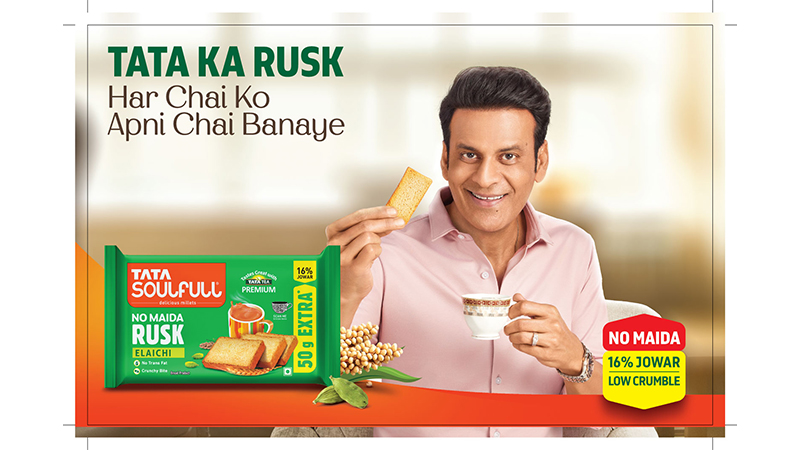
    MUMBAI: India’s love for tea-time just got crunchier! Tata Soulfull, a brand known for its wholesome millet-based snacks, has launched Tata Soulfull No Maida Rusk, offering a healthier take on the classic rusk without compromising on taste. The brand’s latest campaign, featuring acclaimed actor Manoj Bajpayee, celebrates the uniquely personal ways Indians enjoy their chai with the tagline ‘Har chai ko apni chai banaye’.

    While rusks have been a tea-time staple for generations, most conventional options contain maida (refined flour), something health-conscious consumers are increasingly looking to avoid. Tata Soulfull no maida rusk, available in elaichi and butter flavours, stays crunchy even after dipping, making it a wholesome yet indulgent companion for every cup of chai.

    At the heart of the campaign is a witty TVC, where Manoj Bajpayee adds his signature charm to a formal tea setting, breaking away from the stiff etiquette to enjoy a true kadak chai moment. His grounded and relatable persona perfectly embodies the high-quality yet truly desi essence of Tata Soulfull No Maida Rusk.

    The Womb CCO Suyash Khabya said, “Who doesn’t want to have Tea with the Queen at the Buckingham Palace? But unki chai boring hai, bland hai. So that’s where we got Manoj to pull out Tata Rusk and enjoy his tea. The setting is bizarre. The humour is subtle, the brand integration is perfect. It’s simple, yet unignorable. Everyone from UP to Bihar to even Mumbai would love to be in front of the British Queen and show her our way of doing things. Hum jaise hai, waise hai!”

    Commenting on the campaign, actor Manoj Bajpayee said, “I’ve always believed that a good cup of tea deserves the perfect companion. Tata Soulfull’s No Maida Rusk brings just that a crunchy, flavorful treat without the compromise of maida. This product redefines chai-time rituals, offering a wholesome yet indulgent option for tea lovers like me. It’s exciting to be part of a campaign that blends humor, tradition, and innovation. With Tata Soulfull No Maida Rusk, every chai moment truly becomes your own.”

    Currently available in North, East, and Central India, Tata Soulfull No Maida Rusk will soon make its way to other regions. The campaign will be amplified across TV, OTT, social media, and on-ground activations, ensuring that tea lovers across the country get a taste of this crunchy, guilt-free delight.